Artwork
Twelve Heads
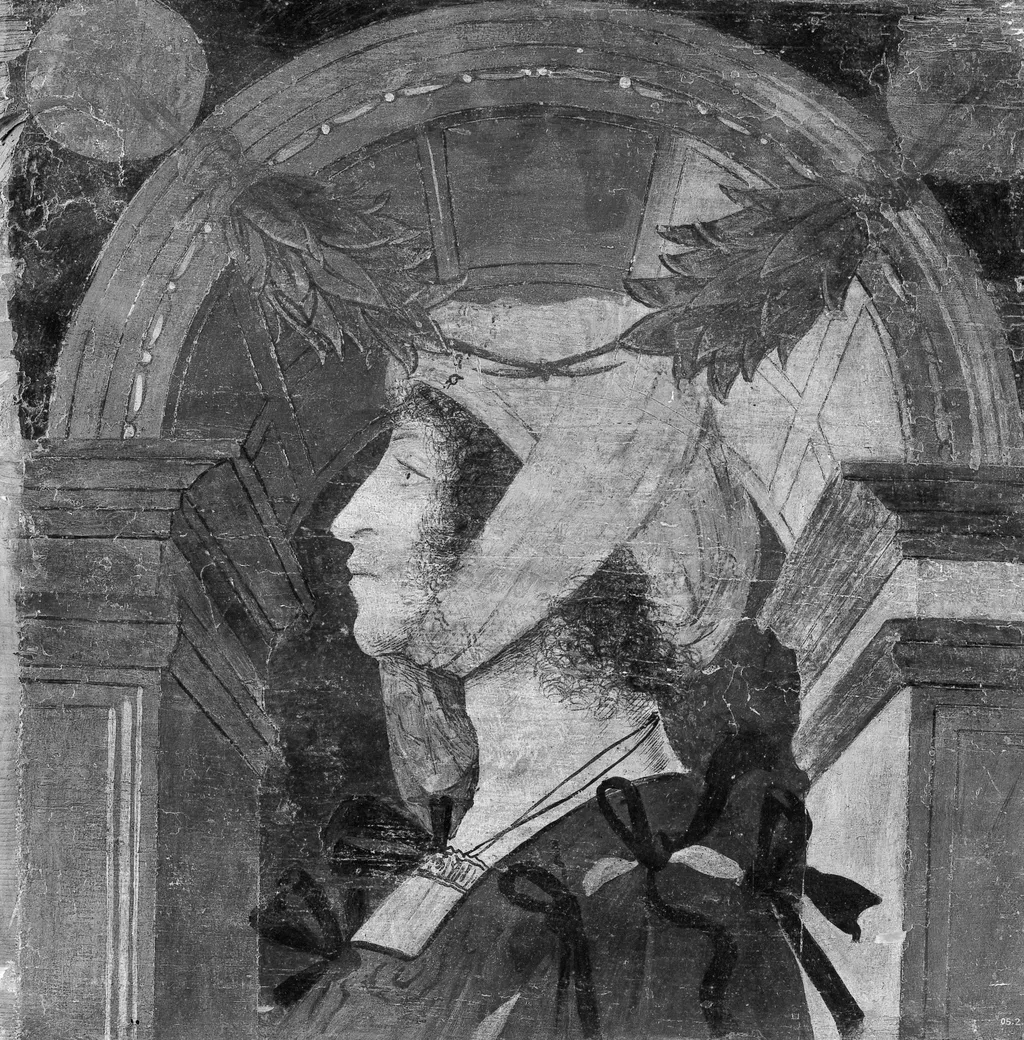
Twelve Heads is a tempera painting. It dates from 1600 and is held in the collection of the Metropolitan Museum of Art.
About this work
Subject & Meaning
Twelve Heads presents a compact arrangement of twelve bust-length figures on a single small panel, classified as a portrait and executed in tempera on wood.
Twelve Heads presents a compact arrangement of twelve bust-length figures on a single small panel, classified as a portrait and executed in tempera on wood. Produced by an unidentified Italian painter of the Lombard region around 1600, the work depicts multiple adult individuals in frontal or three-quarter view, each rendered with distinct physiognomies and costume details. The format may reflect a study of human types or character heads, a practice associated with Lombard artistic traditions.
The limited iconographic context provided suggests the meaning of the piece lies in its documentary function as a visual record of diverse human countenances rather than a narrative or allegorical program.
Technique & Style
Executed around 1600, Twelve Heads is painted in tempera on wood, aligning with Lombard practices of the period. The small, square panel measures 45.7 × 45.7 cm, and the medium's matte finish and linear precision suggest careful, deliberate handling typical of tempera technique. Stylistically, the work presents a compact arrangement of twelve bust-length portraits, each rendered with restrained modeling and minimal background, emphasizing individual physiognomies through subtle tonal modulation rather than volumetric illusion.
The uniformly light ground and frontal or three-quarter views focus attention on facial expression and costume detail, characteristic of late Renaissance portrait conventions.
History & Provenance
Created circa 1600 by an unidentified Italian artist from the Lombard region, Twelve Heads is a tempera painting on wood measuring 45.7 by 45.7 centimetres. The work's documented ownership history includes possession by Henry Ralph Willett and the Palazzo Secco-Pastore before entering the collection of the Metropolitan Museum of Art. The painting has been featured in several notable exhibitions, including the Royal Academy Winter Exhibition and a show titled Italian Art: Loss and Survival.
Legacy
The painting's presence in the Metropolitan Museum of Art has ensured its continual scholarly discussion, and its inclusion in exhibitions such as the Royal Academy Winter Exhibition and the thematic show Italian Art: Loss and Survival demonstrates sustained curatorial interest. As a work attributed to an Italian (Lombard) painter, it contributes to the documented corpus of early 17th-century portraiture, informing how scholars assess Lombard artistic practice. Its material composition of tempera on wood and its dimensions of roughly 45.7 × 45.7 cm have been cited in technical studies of the period.
Overview
The artwork titled "Twelve Heads" is a painting executed on wood, rendered in a monochromatic palette. It depicts the head and shoulders of a single male figure, presented against a simple architectural background. The composition focuses on the man's detailed attire and facial features, conveying a sense of quiet contemplation. The artist's approach emphasizes realism, utilizing strong contrasts of light and shadow to define the form.
Artist & collection

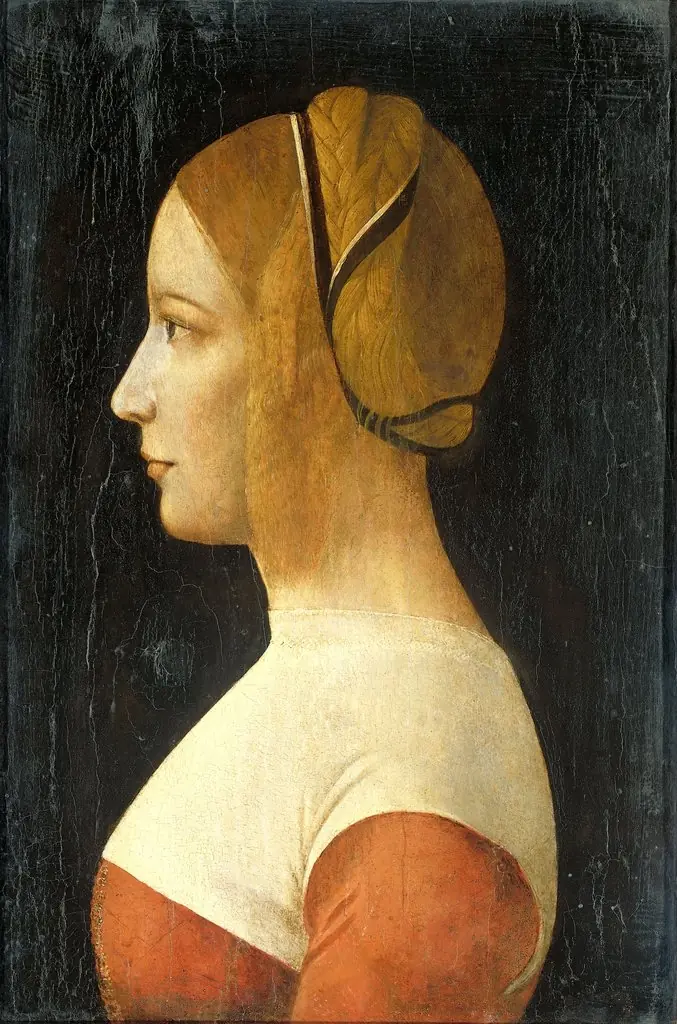
- Portrait of a young woman facing left
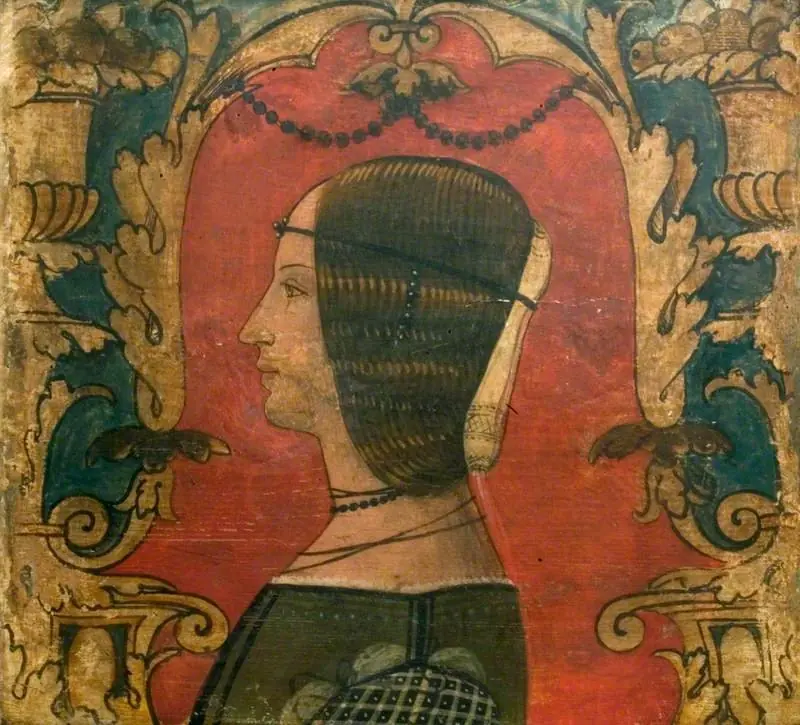 Profile Bust of a Lady Facing Left (one of 29 painted panels from a frieze)
 Profile Bust of a Lady Facing Left (one of 29 painted panels from a frieze)
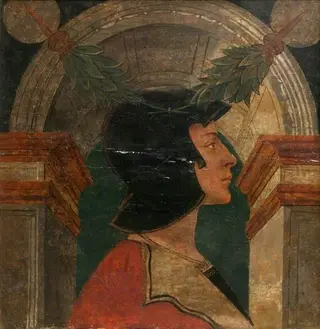 Male Profile Bust
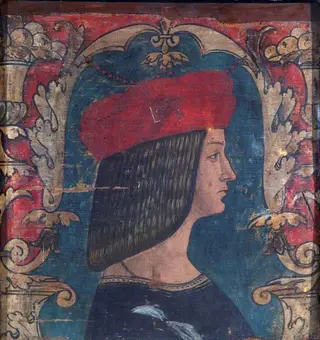 Profile Bust of a Man Facing Right (one of 29 painted panels from a frieze)
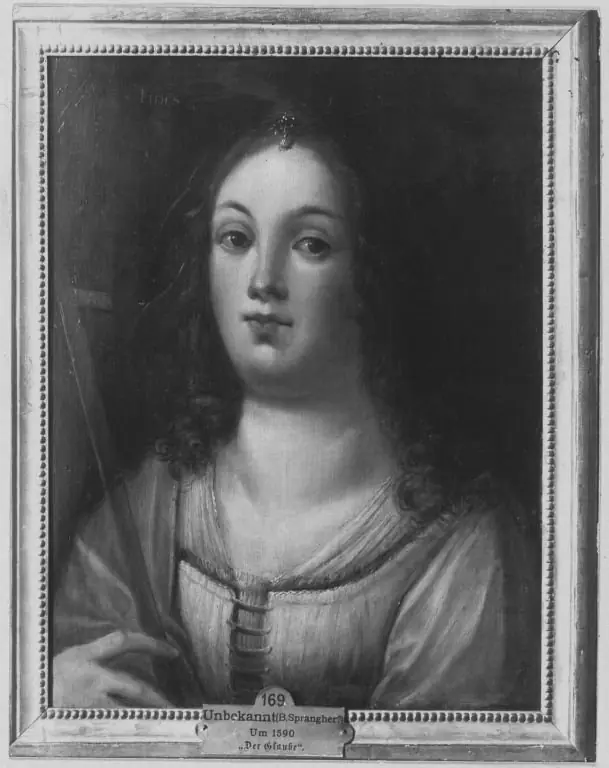 Der Glaube
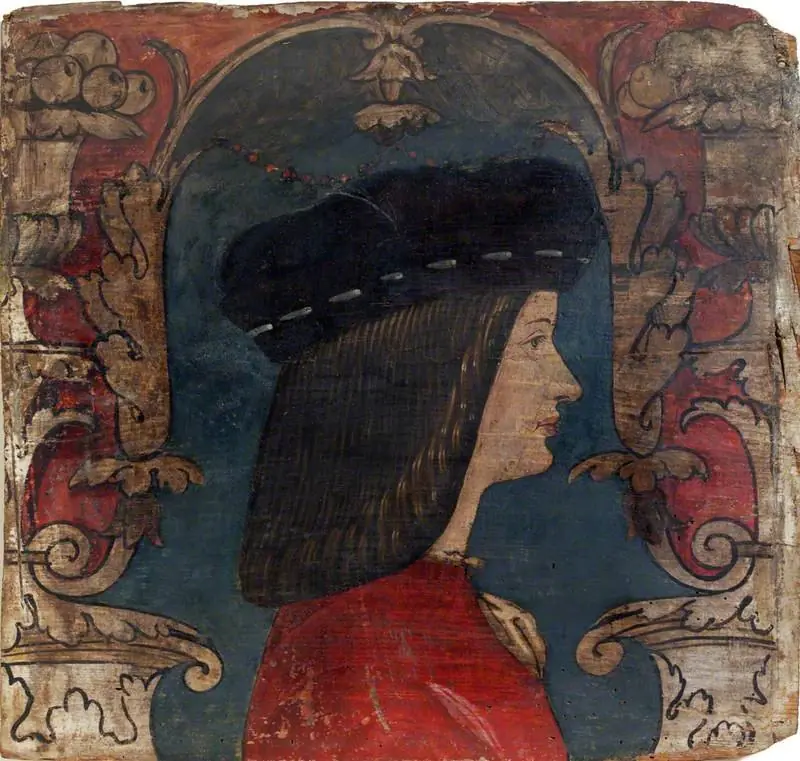 Profile Bust of a Man Facing Right (one of 29 painted panels from a frieze)
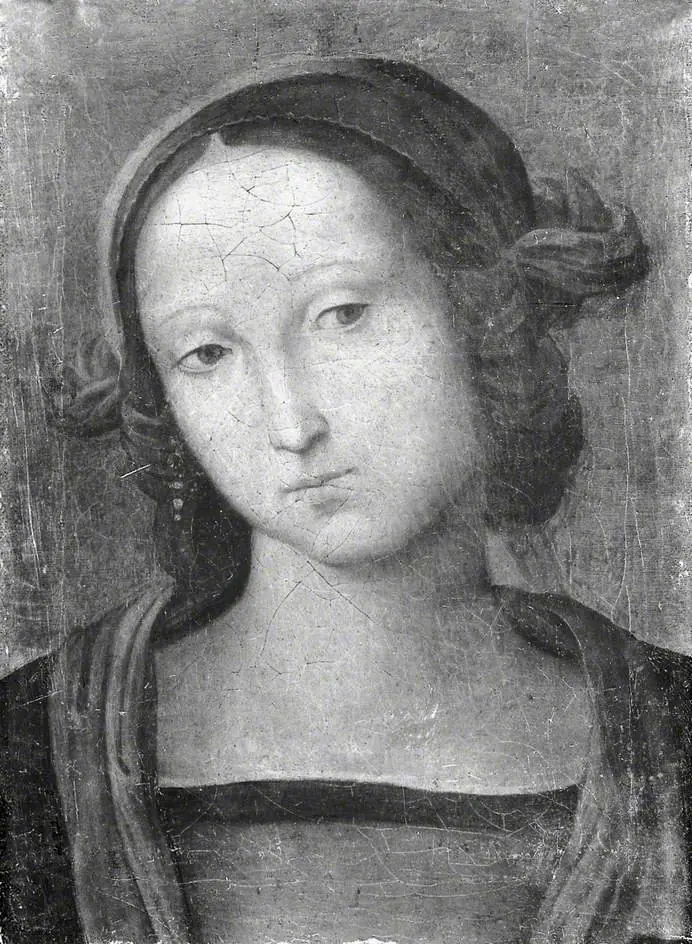 The Head of the Virgin
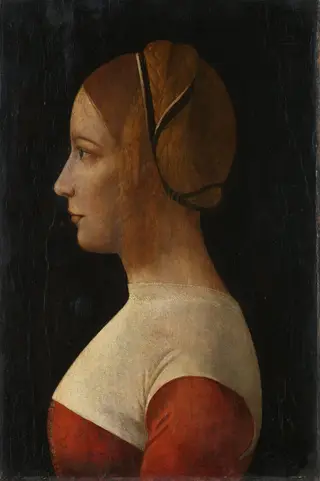 Portrait of a young Woman
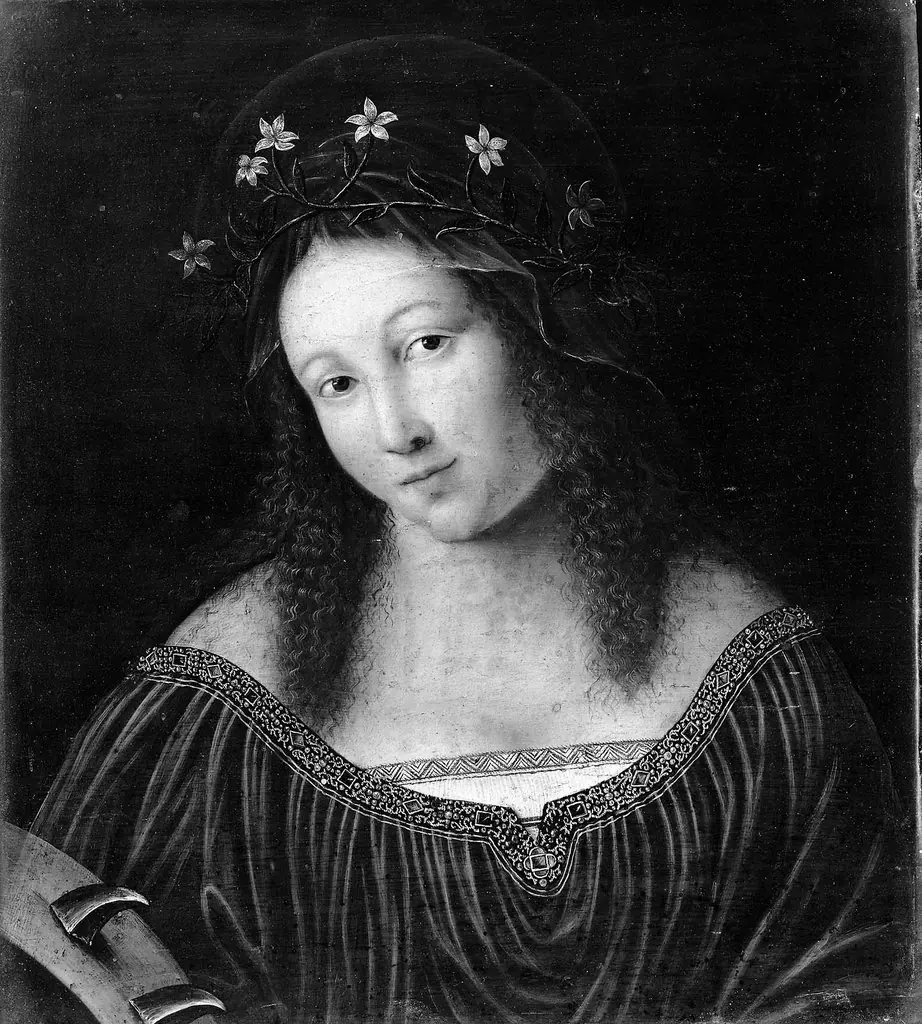 Saint Catherine of Alexandria
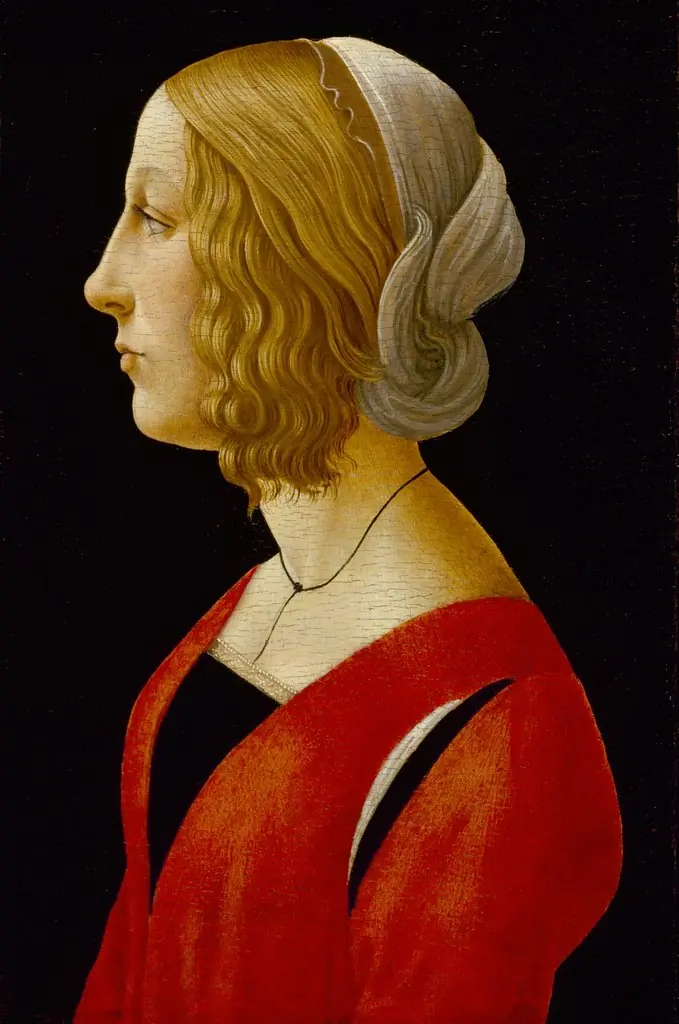 Bust of a Young Woman
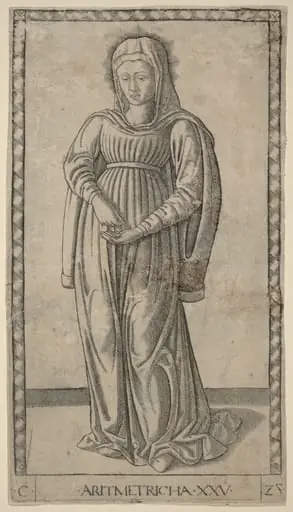 Aritmetricha (Arithmetic)