Artwork
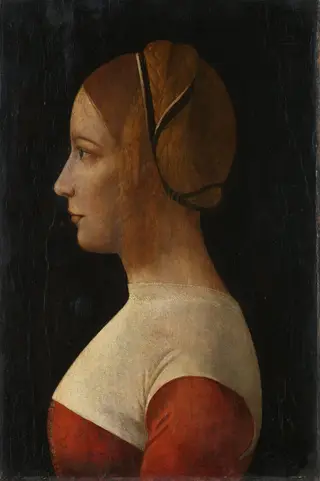
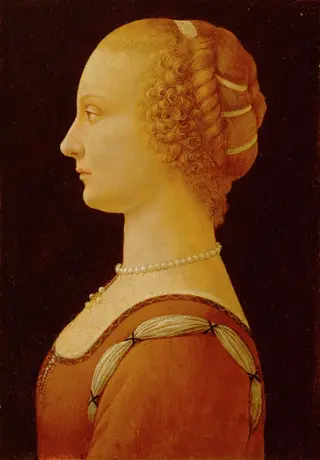
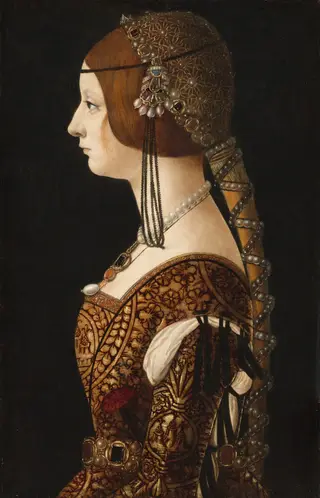
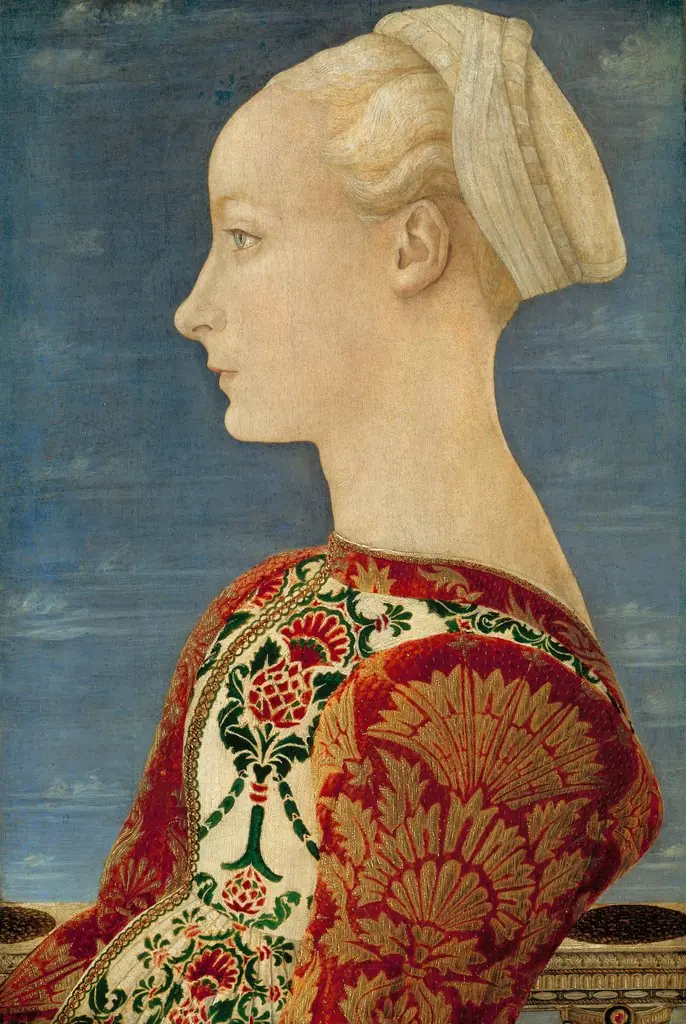
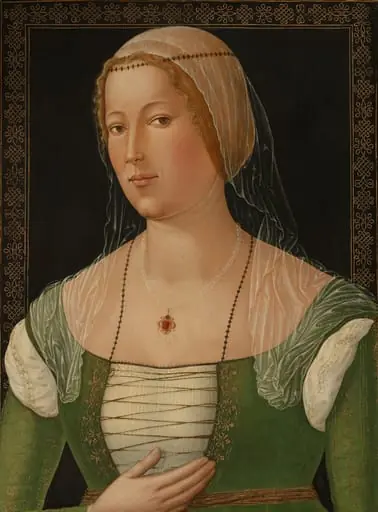
Portrait of a young woman facing left
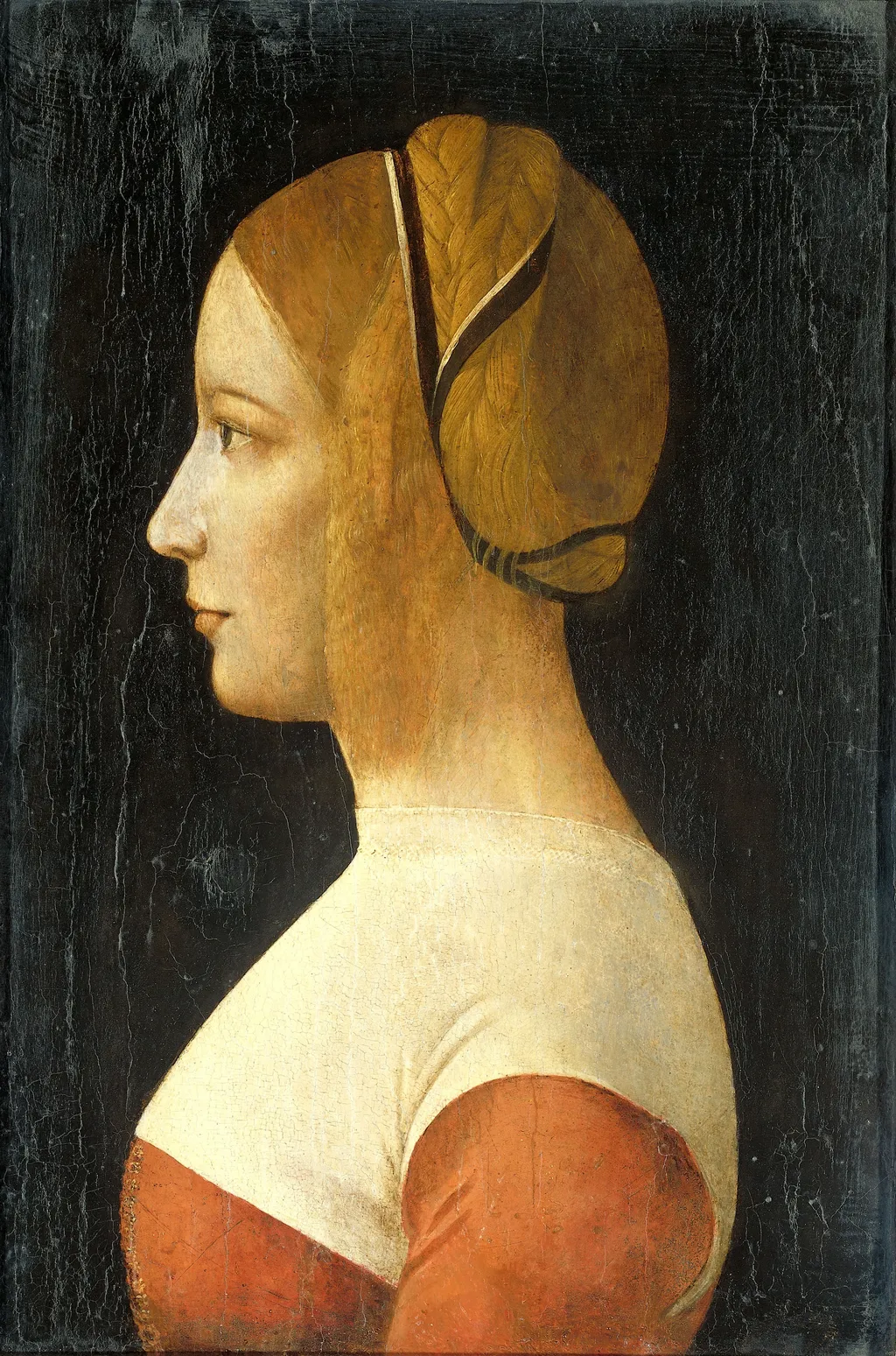
Portrait of a young woman facing left is an oil painting by the High Renaissance artist Giovanni Ambrogio de Predis. It dates from 1500 and is held in the collection of the Rijksmuseum.
About this work
Subject & Meaning
Its iconography aligns with typical early‑16th‑century portraiture, emphasizing a straightforward likeness without overt allegorical symbols.
The painting shows a young woman turned toward the left, rendered in oil on panel. Its iconography aligns with typical early‑16th‑century portraiture, emphasizing a straightforward likeness without overt allegorical symbols. The work’s meaning is tied to its function as a likeness of an unidentified sitter within the ducal collection of the Grand Duchy of Oldenburg, reflecting both the sitter’s status and the artistic conventions of the period.
The attribution to Giovanni Ambrogio de Predis is documented in the Rijksmuseum’s records, which formerly linked the piece to Ambrogio de Predis before re‑attributing it to his brother Giovanni Ambrogio. The portrait measures 45 cm by 31 cm and entered the Oldenburg ducal collection, later passing into the possession of Peter II and subsequently Frederick Augustus II, Grand Duke of Oldenburg.
Technique & Style
The work is executed in oil paint on a wooden panel, a standard support for Italian portraiture of the early sixteenth century. The painting measures 45 cm in height by 31 cm in width, a modest, intimate format suited to a private likeness.
Stylistically, the composition presents the sitter in a three-quarter view turned to the left, a pose characteristic of Lombard portrait conventions of the period. The work is catalogued as a portrait genre painting, and the handling reflects the refined courtly manner associated with Giovanni Ambrogio de Predis, though the attribution has historically been questioned, with the panel formerly attributed to him. No specific condition notes are recorded in the available sources.
Legacy
Portrait of a young woman facing left is recognized as a pivotal early work by Giovanni Ambrogio de Predis, shaping his reputation as a leading portraitist of the late 15th century. Its attribution has influenced scholarly discourse on workshop practices in Milan and contributed to reevaluations of de Predis' stylistic evolution. The painting's presence in the Rijksmuseum's collection and its display in the Augusteum underscore its enduring significance within European portraiture.
Overview
Created in 1500 by the Milanese painter Giovanni Ambrogio de Predis, this oil on panel presents a half‑length portrait of a young woman. The work exemplifies the High Renaissance’s focus on balanced composition and refined representation, and it is presently part of the Rijksmuseum’s collection.
History & Provenance
The painting originated in the court of Ludovico Sforza, where de Predis served as a portraitist and miniature painter. After passing through private hands, it entered the Rijksmuseum’s holdings, where it remains on display as a representative example of early 16th‑century Italian portraiture.
Context
During the turn of the 16th century, Milan’s artistic scene was shaped by the patronage of the Sforza family, fostering a blend of Northern realism and Italian idealization. De Predis’s work reflects this synthesis, aligning with the broader High Renaissance movement while retaining a distinctive, intimate approach to portraiture.
Own this work as a print
Artist & collection
Artist
Giovanni Ambrogio de Predis (c. 1455 – c. 1508) was an Italian Renaissance painter, illuminator and designer of coins active in Milan. Ambrogio gained a reputation as a portraitist, including as a painter of miniatures,…