Artwork
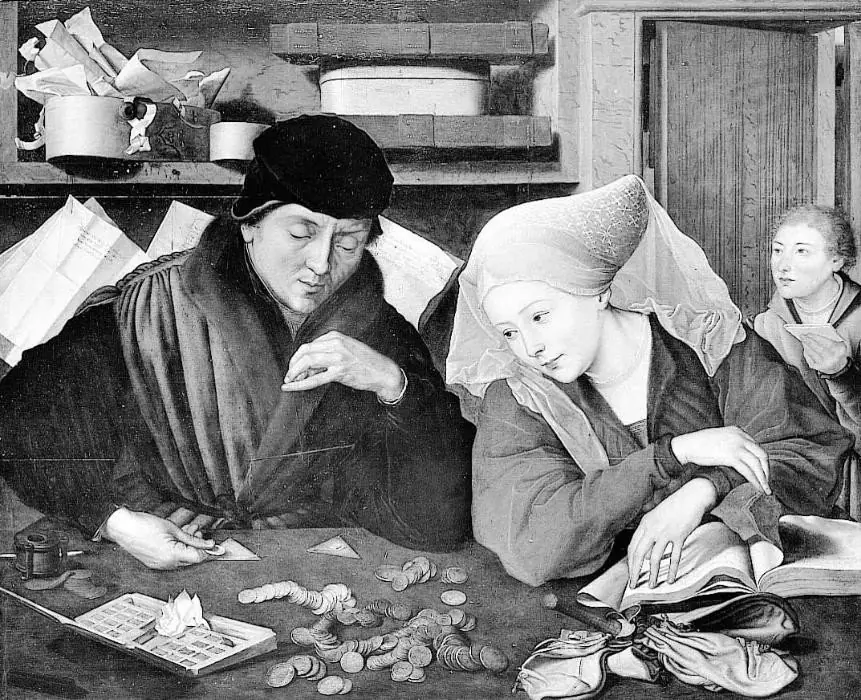
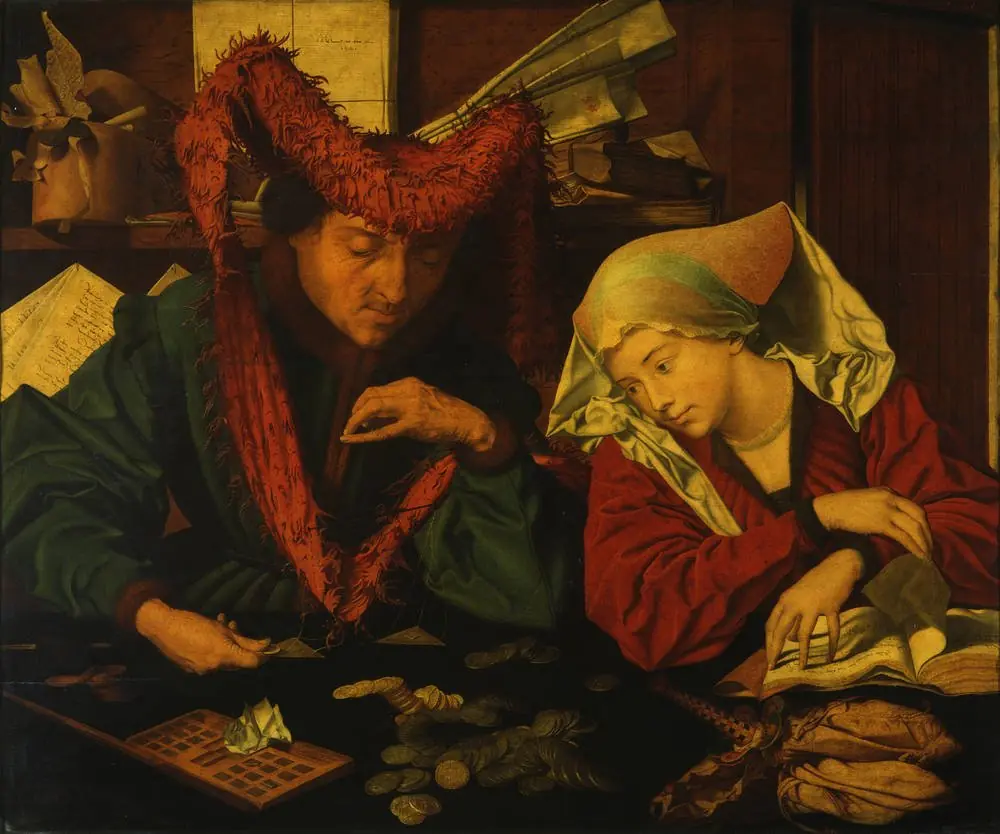
Two tax collectors (partial copy)
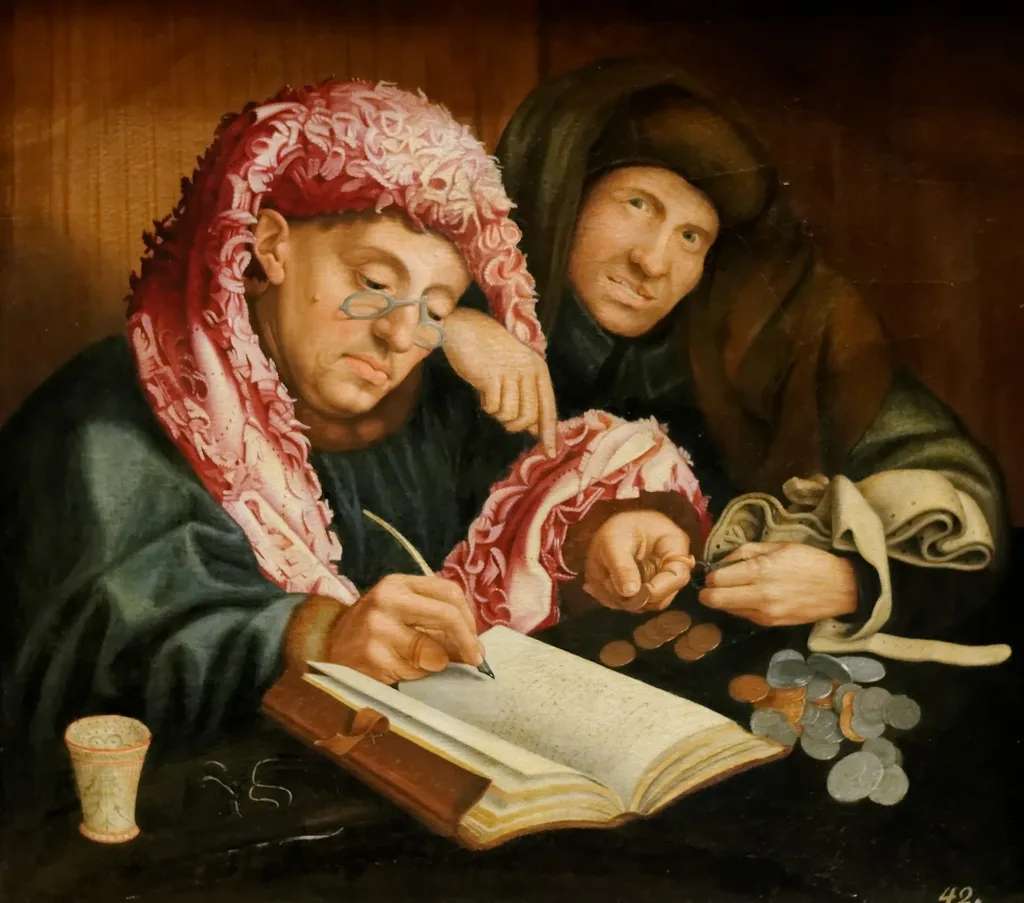
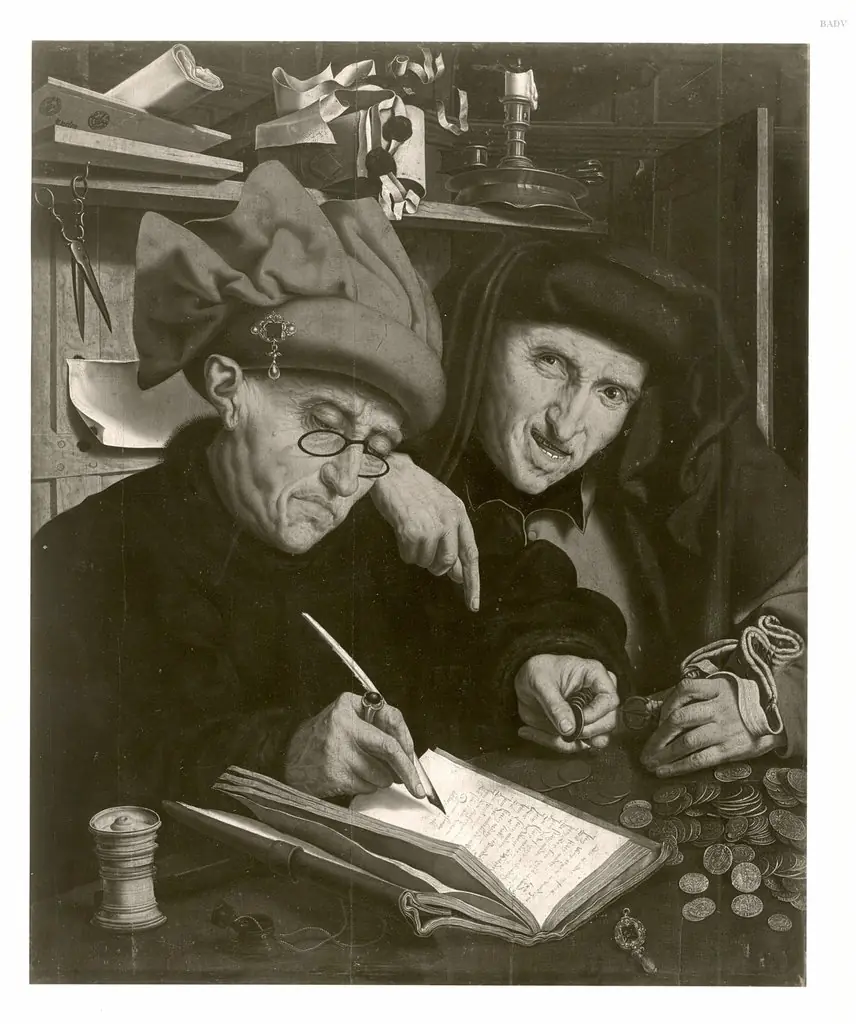
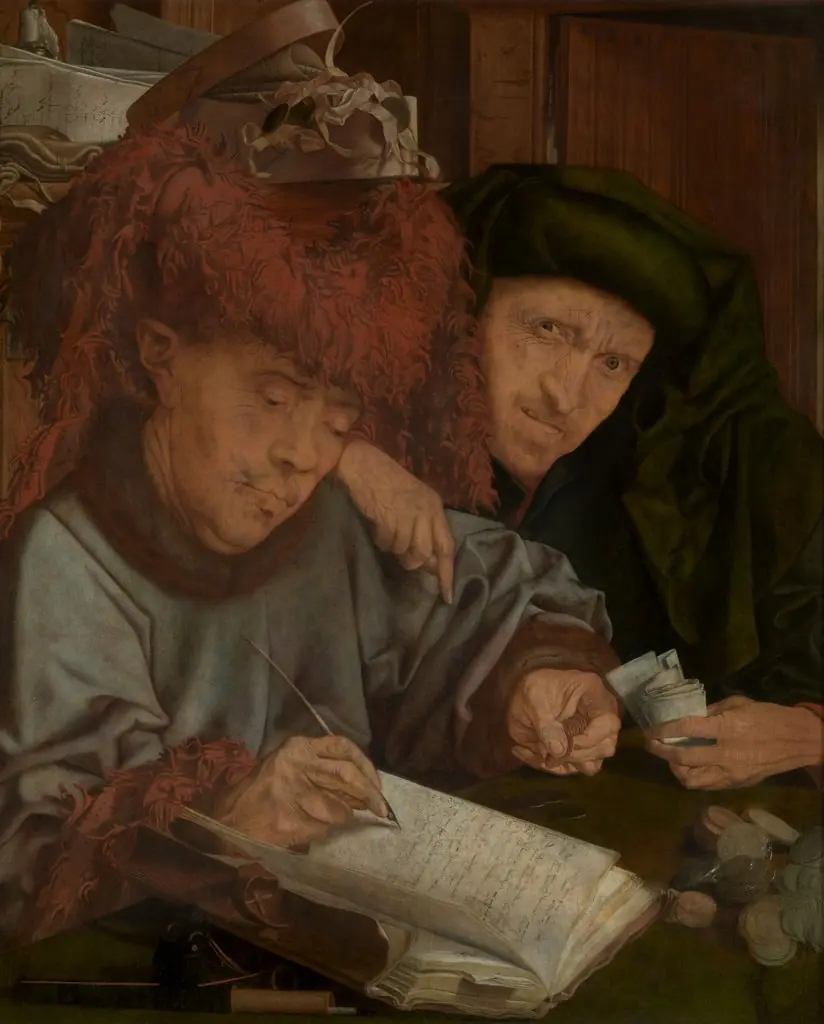
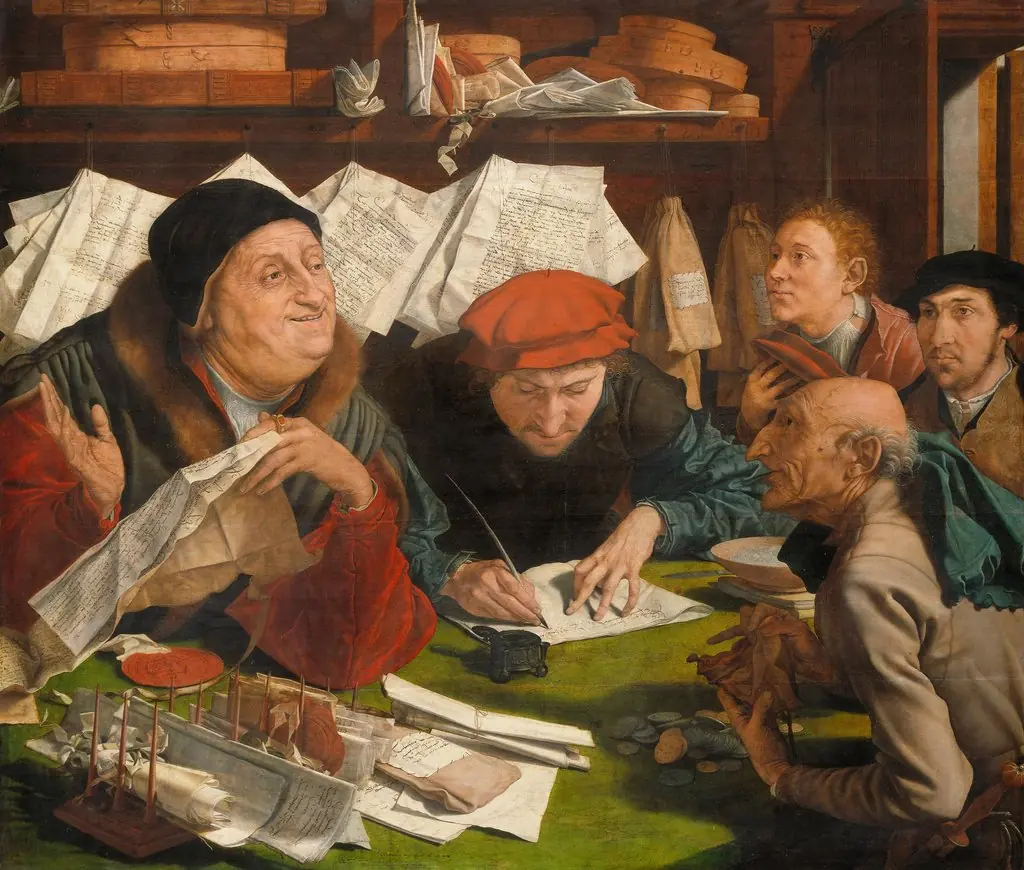
Two tax collectors (partial copy) is an oil painting. It dates from 1550 and is held in the collection of the Kunsthistorisches Museum. The canvas presents a modest interior where two figures are seated at a wooden table.
About this work
Subject & Meaning
Two tax collectors (partial copy) is a 1550 oil painting classified as genre art, depicting the everyday world of financial administration.
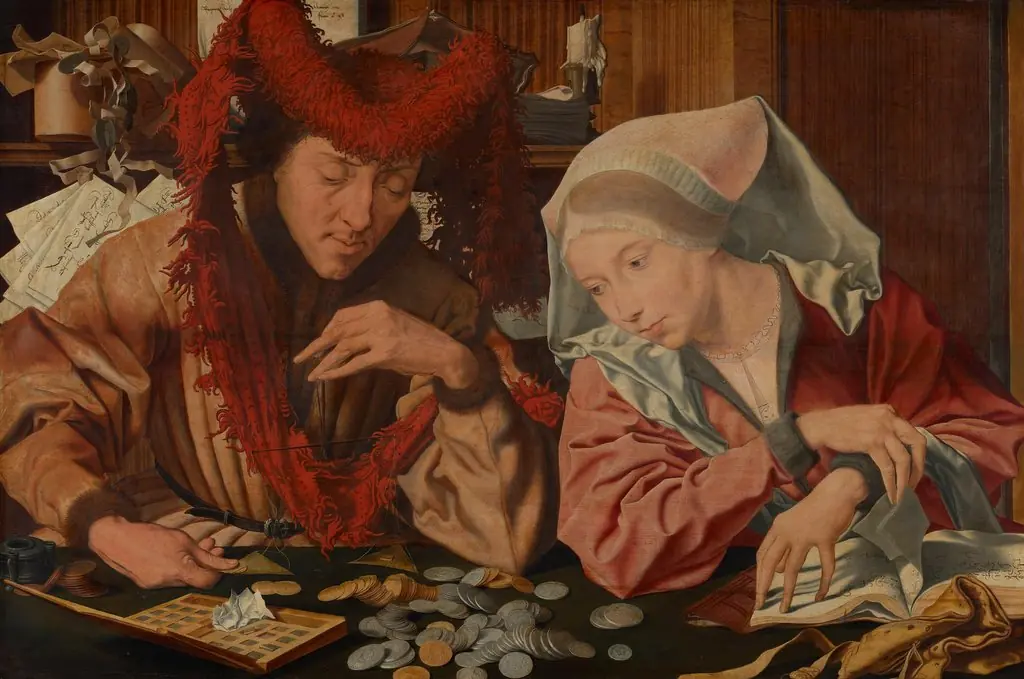
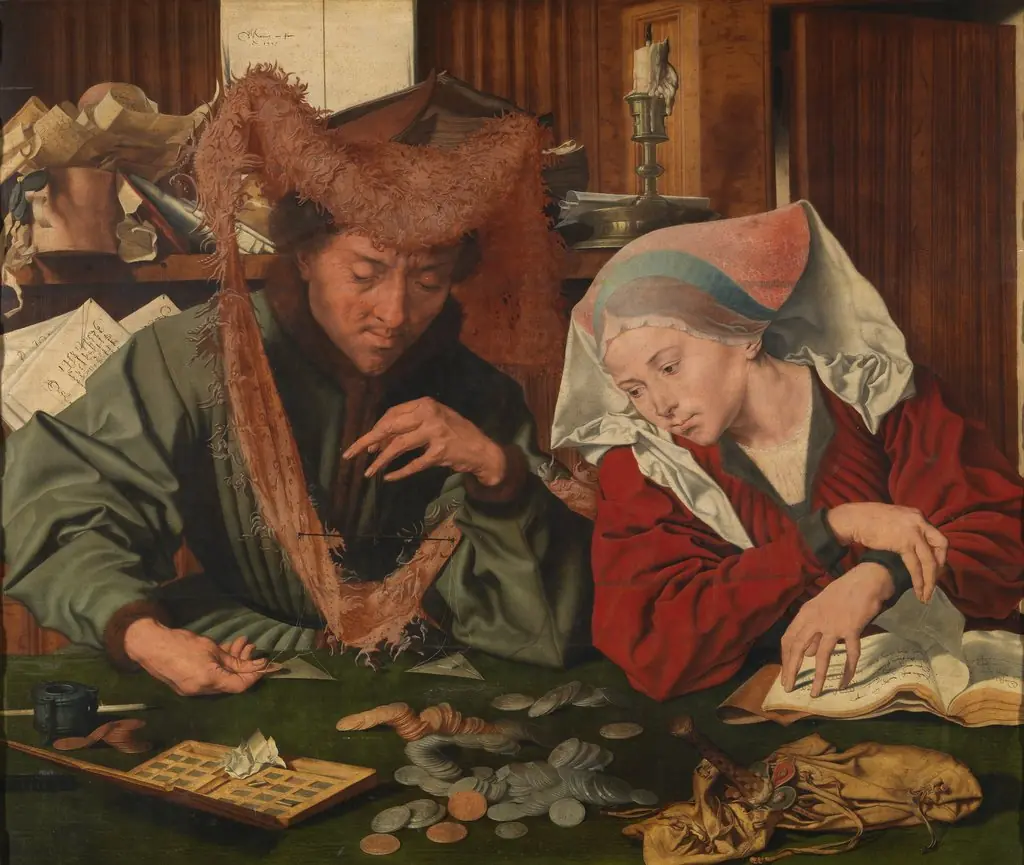
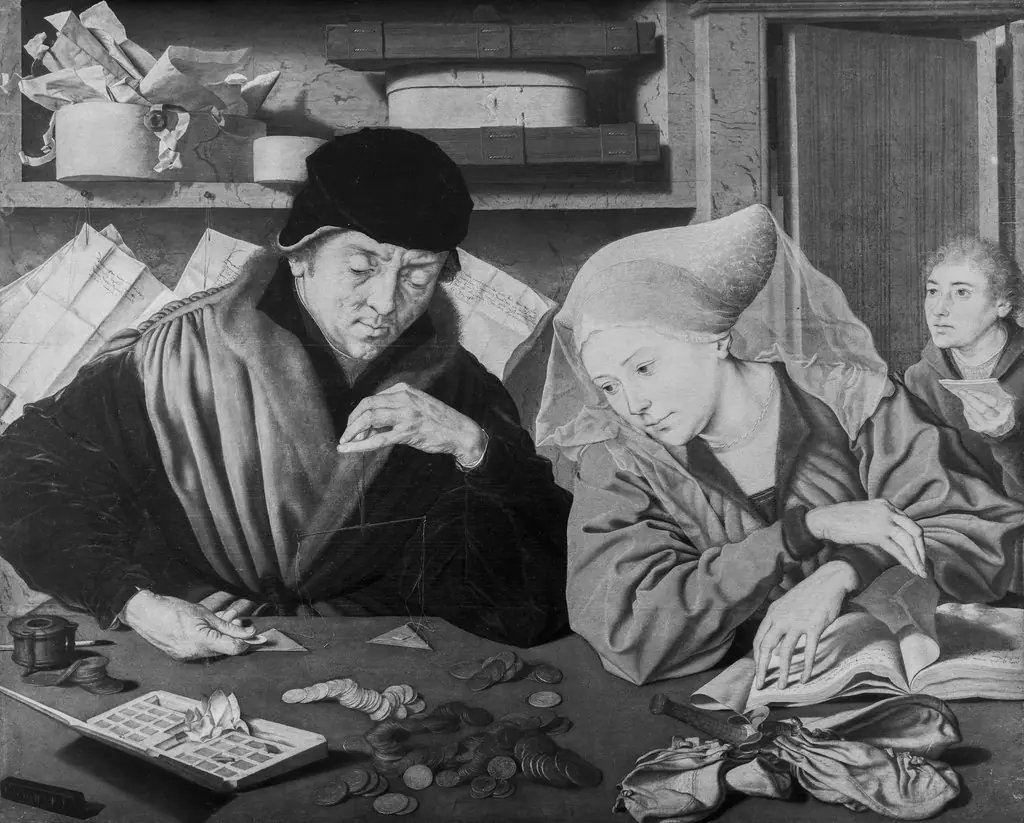
Two tax collectors (partial copy) is a 1550 oil painting classified as genre art, depicting the everyday world of financial administration. The scene shows two tax collectors, one of whom is identified as a financial adviser, engaged in the act of reckoning money. The iconographic elements that anchor the subject are a ledger and coins, with the figures shown counting and recording sums.
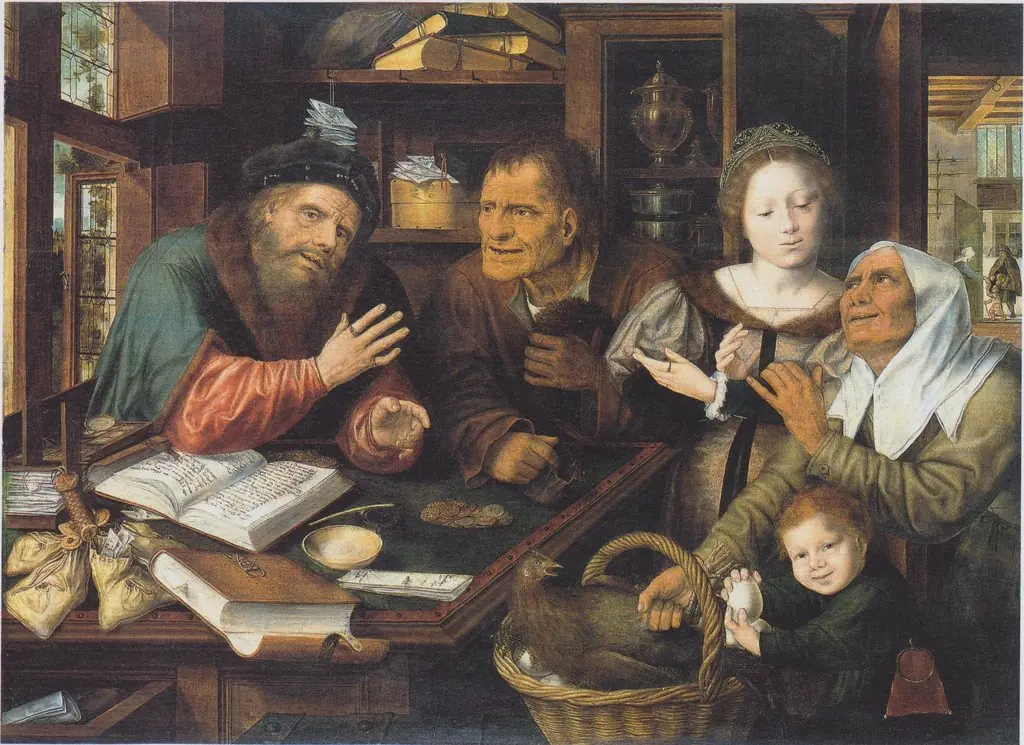
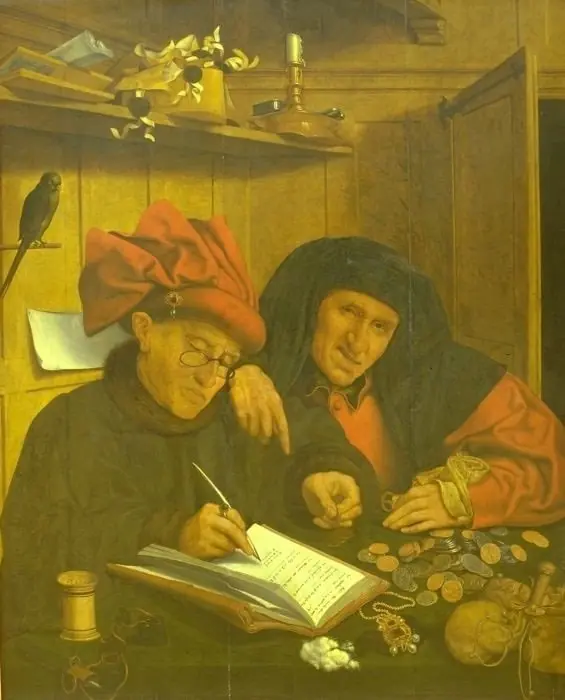
Together these attributes, the book of accounts, the currency, and the act of counting, symbolize the profession of tax collection and the management of public or private finances in the sixteenth century. The work is described as a partial copy after Marinus van Reymerswale, whose original compositions of tax collectors were widely reproduced, meaning the painting functions both as a record of mercantile bookkeeping practices and as an example of the popular early-modern theme of avarice and money-handling that Reymerswale helped establish.
Technique & Style
Created in 1550, this partial copy is executed in oil paint on a panel support, measuring 70 cm in height and 118 cm in width. The work functions as a genre scene depicting tax collectors and financial advisers engaged with ledgers and coins. As a derivative piece based on a composition by Marinus van Reymerswale, the painting adheres to the formal conventions of mid-16th-century Netherlandish genre art.
The handling of the medium captures the details of the subjects' activities, maintaining the stylistic focus on financial transaction and accounting typical of the original master's oeuvre.
History & Provenance
Created in 1550, this oil-on-panel painting is a partial copy of a composition by Marinus van Reymerswale depicting tax collectors. It measures 70 cm in height and 118 cm in width. The work is held in the collection of the Kunsthistorisches Museum in Vienna, where it is classified as a genre scene, portraying figures engaged in financial activities, a tax collector and a financial adviser surrounded by ledgers and coins.
The available records confirm its location within the museum's holdings but do not provide a specific inventory number or detail any past exhibition history.
Overview
The canvas presents a modest interior where two figures are seated at a wooden table. One individual, distinguished by a vivid red cap and spectacles, is engrossed in writing within a ledger, while scattered coins surround him. The second figure, dressed in darker attire, leans forward holding a small pouch, suggesting a transaction or exchange. A simple clay cup rests near the table's edge, and the backdrop remains unadorned and shadowy.
Context
Works that portray clerks, tax collectors, or accountants were common in periods when civic administration was a prominent subject in visual art. By situating the scene in a plain interior, the painting aligns with a tradition of genre scenes that emphasize occupational tasks over elaborate settings, offering insight into the socioeconomic structures of its time.
Artist & collection