Artwork
The Tax Collectors
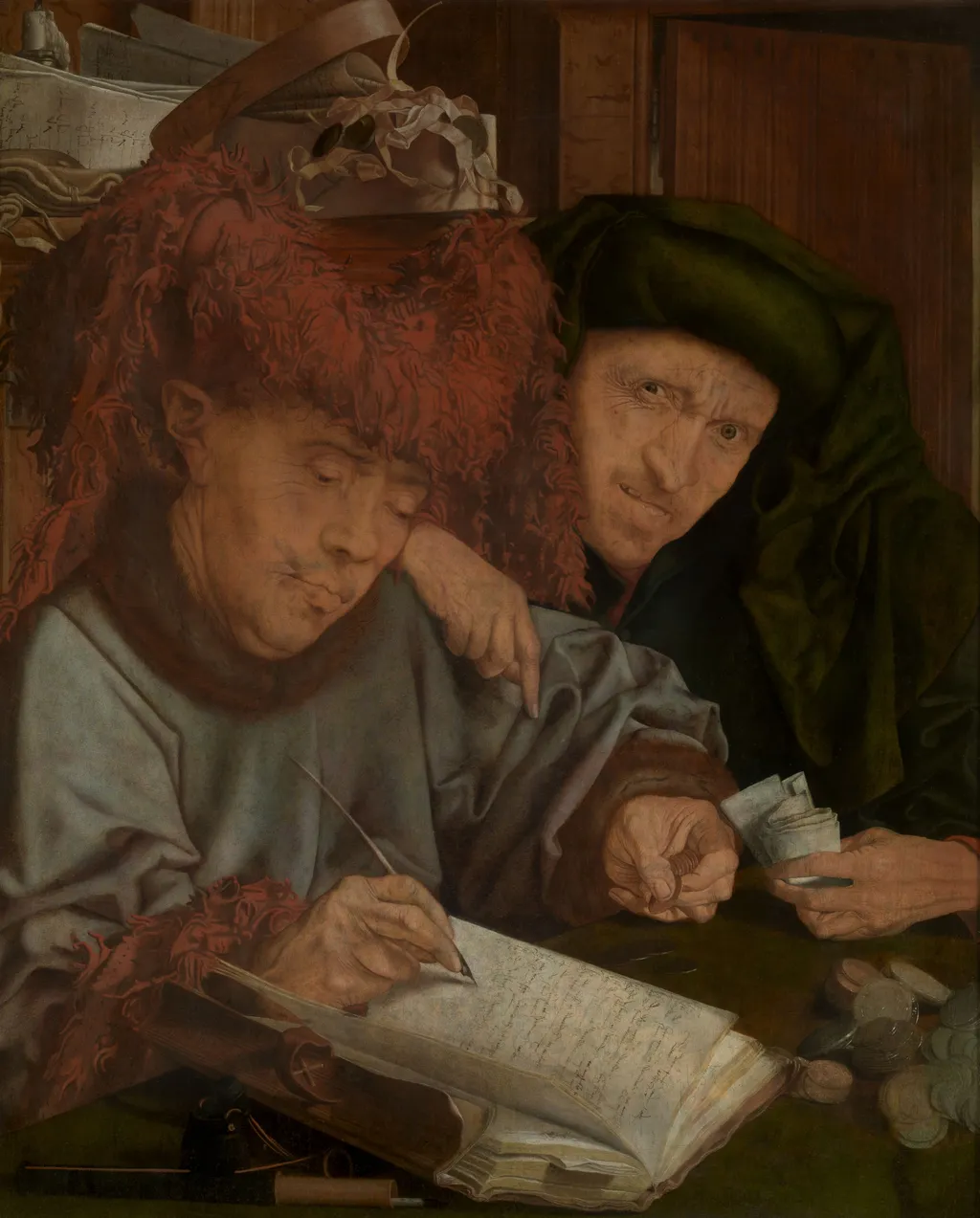
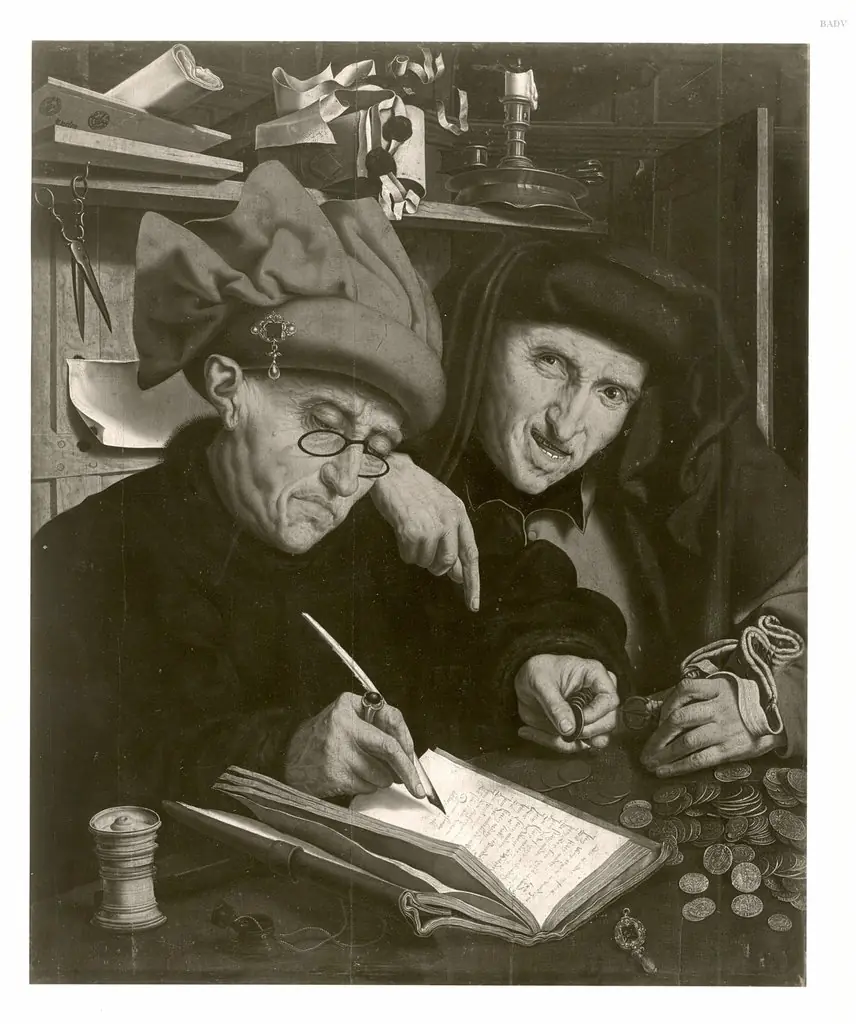
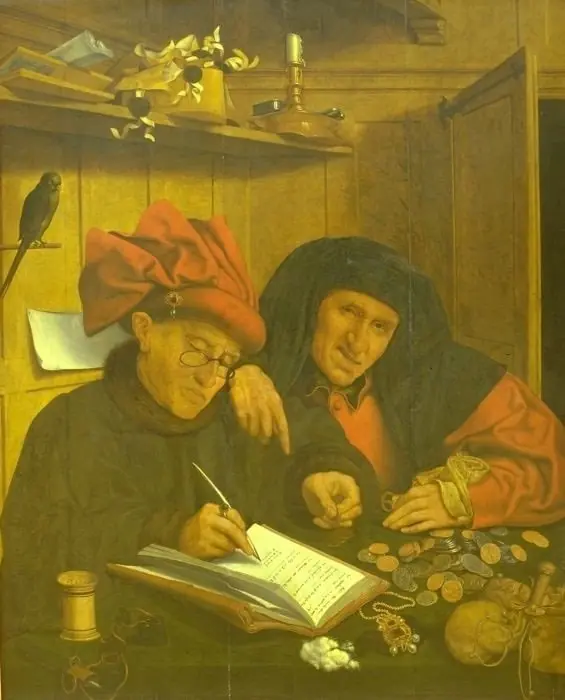
The Tax Collectors is an oil painting by the Northern Renaissance artist Marinus van Reymerswaele. It dates from 1537 and is held in the collection of the Royal Museum of Fine Arts Antwerp.
About this work
Subject & Meaning
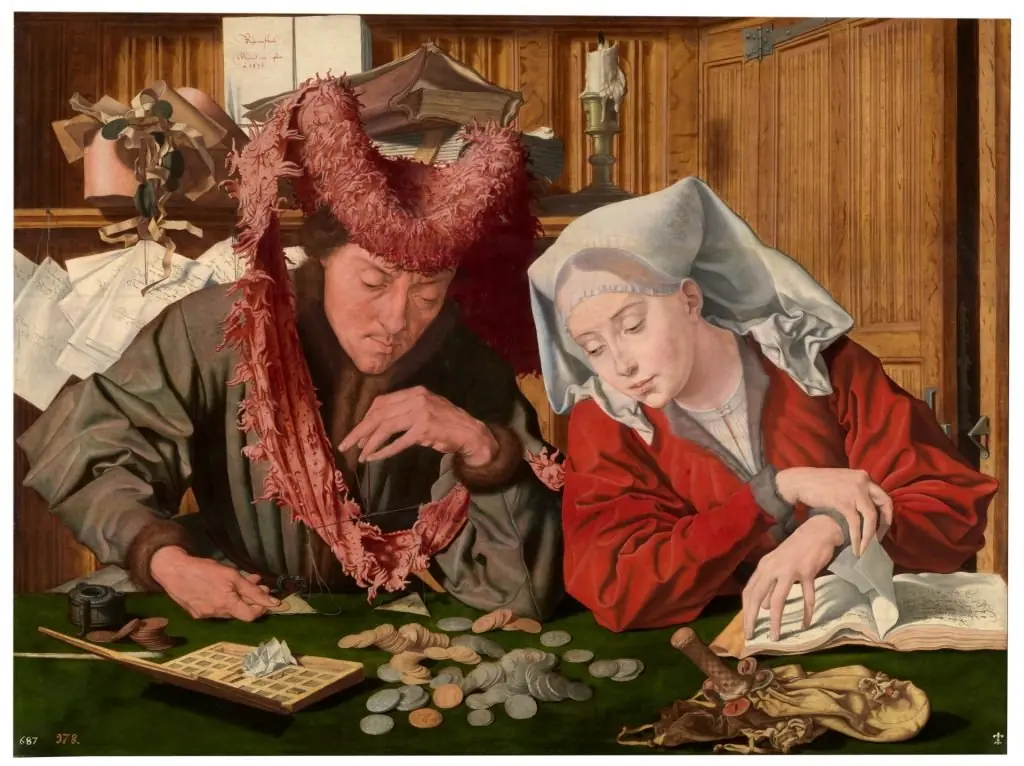
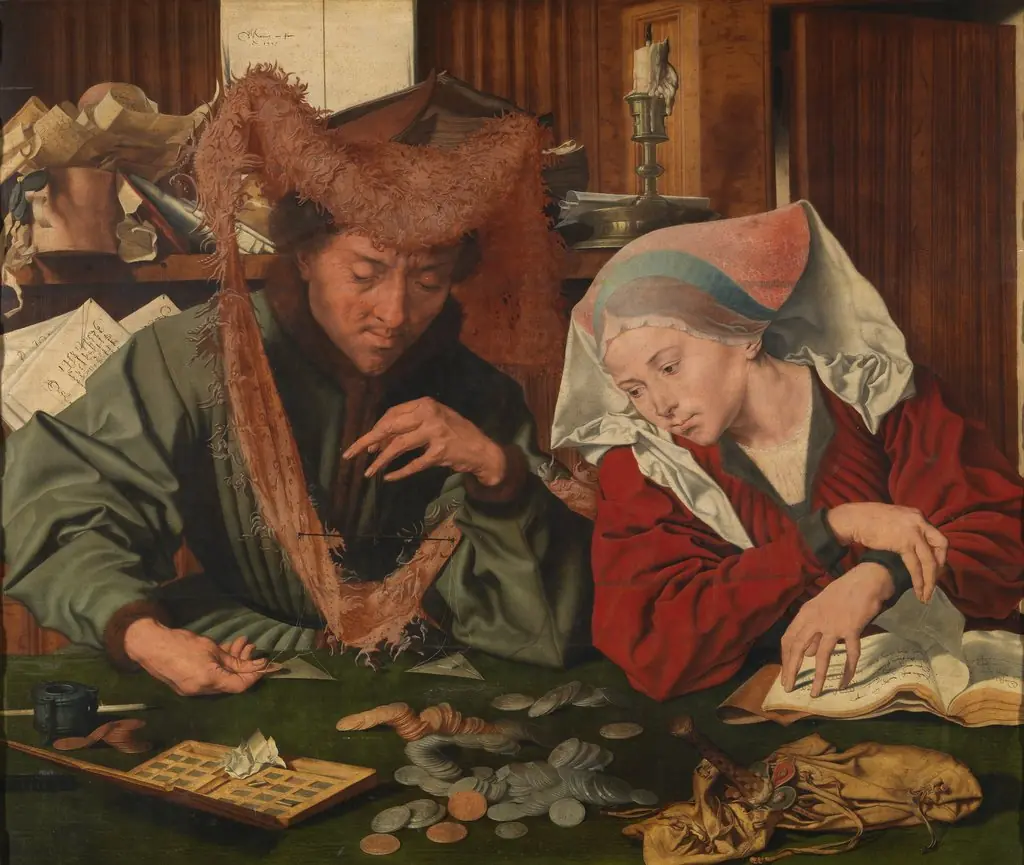
Marinus van Reymerswaele's 1537 oil painting, The Tax Collectors, belongs to the genre of genre art and centers on the figure of a tax collector.
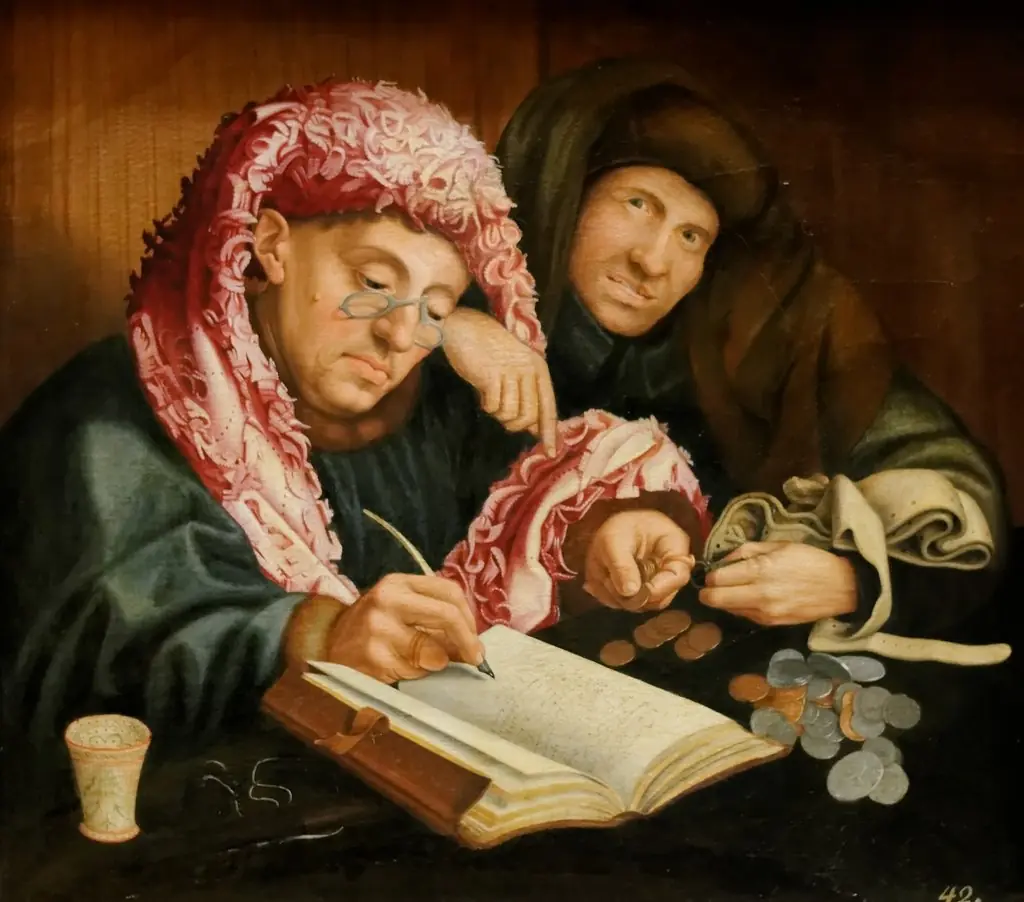
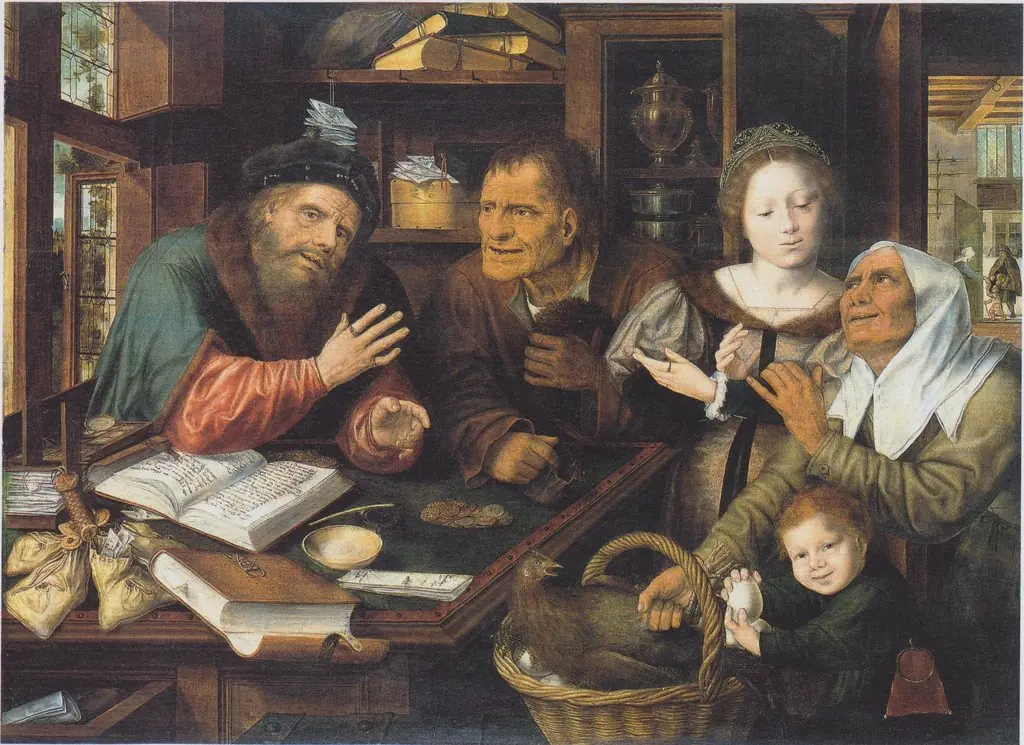
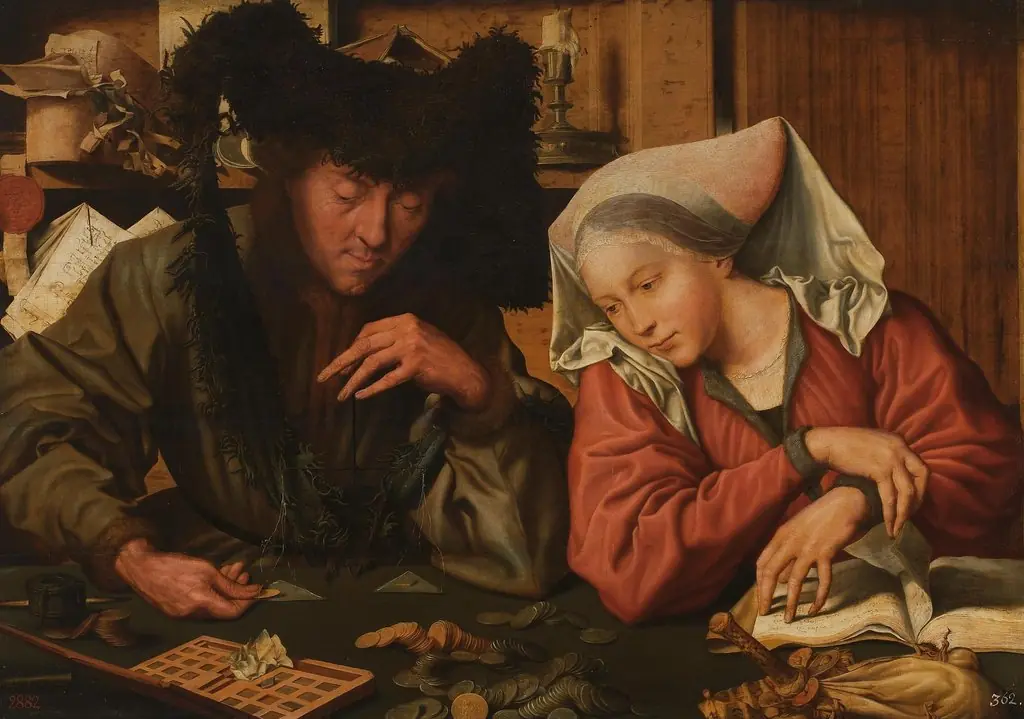
Marinus van Reymerswaele's 1537 oil painting, The Tax Collectors, belongs to the genre of genre art and centers on the figure of a tax collector. The composition depicts the main subject engaged in financial administration, surrounded by specific objects including a coin, a ledger, and a financial adviser. These elements collectively illustrate the mechanics of tax collection and the associated roles within that economic sphere.
The work serves as a representation of fiscal activity and the individuals involved in managing financial records and currency.
Technique & Style
The Tax Collectors is executed in oil paint on a wooden panel support. Created in 1537, the work measures 65 cm in height and 52 cm in width. As a genre scene, the composition focuses on the depiction of financial figures, specifically tax collectors, alongside associated objects such as coins and ledgers. The handling of the medium reflects the artist's approach to genre art during this period.
History & Provenance
The Tax Collectors by Marinus van Reymerswaele is held by the Royal Museum of Fine Arts Antwerp (KMSKA), where it forms part of the Vlaamse Kunstcollectie. Painted in oil on panel in 1537, the work measures 65 cm in height by 52 cm in width.
No specific accession number or detailed exhibition history is documented in the available sources.
Overview
Marinus van Reymerswaele’s oil painting The Tax Collectors (1537) presents a quiet interior scene in which two men are absorbed in accounting duties. The work belongs to a series of genre pieces that focus on everyday commercial activities, a subject that occupied the artist throughout his career.
Context
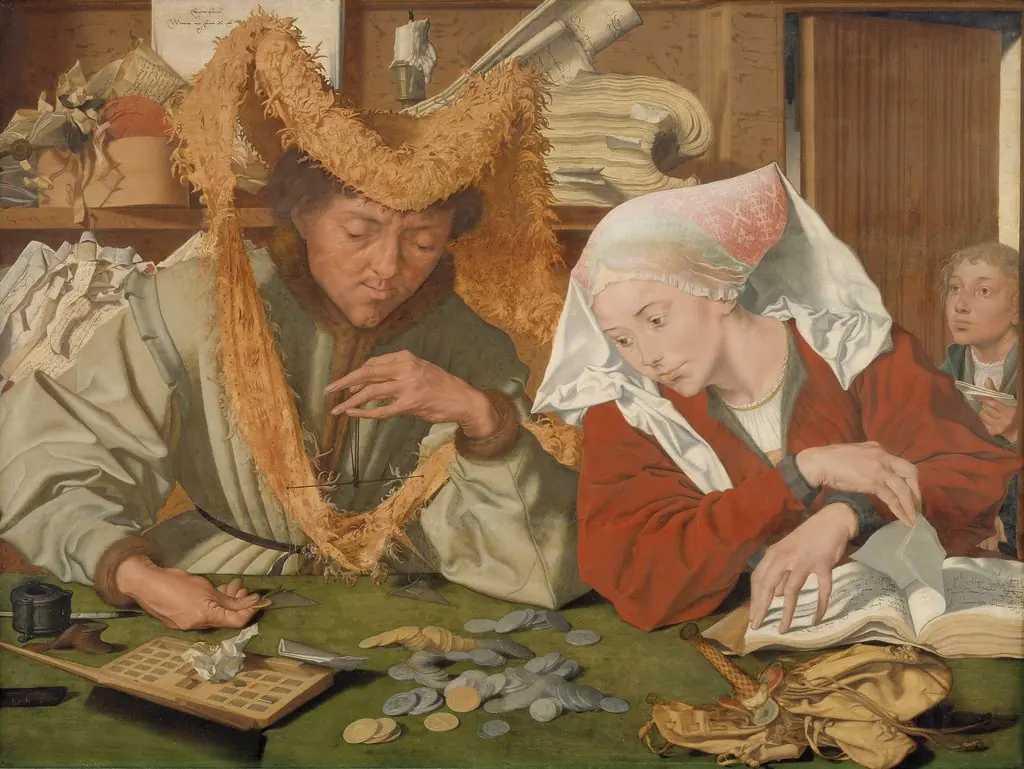
During the Renaissance, the Low Countries experienced a surge in trade and finance, prompting artists to depict the burgeoning world of merchants, tax officials, and accountants. The Tax Collectors reflects this socio‑economic climate, illustrating the growing importance of record‑keeping and monetary exchange.
Own this work as a print
Artist & collection
Artist
Marinus van Reymerswaele or Marinus van Reymerswale (c. 1490 – c. 1546) was a Dutch Renaissance painter mainly known for his genre scenes and religious compositions. After studying in Leuven and training and working as…