Artwork
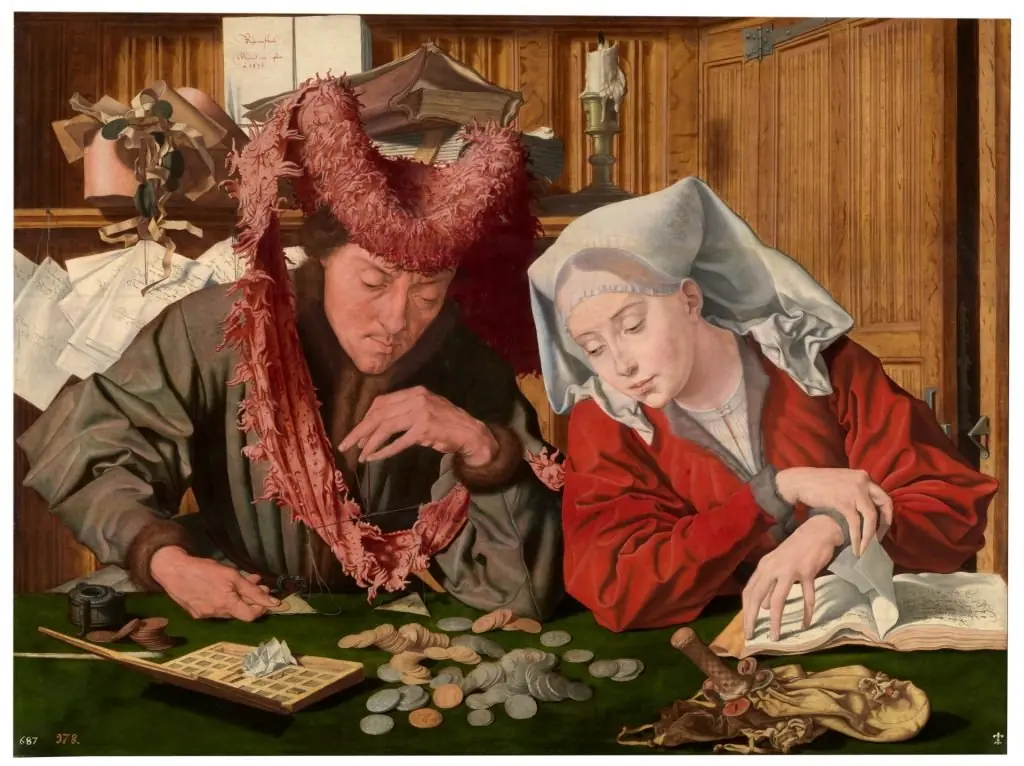
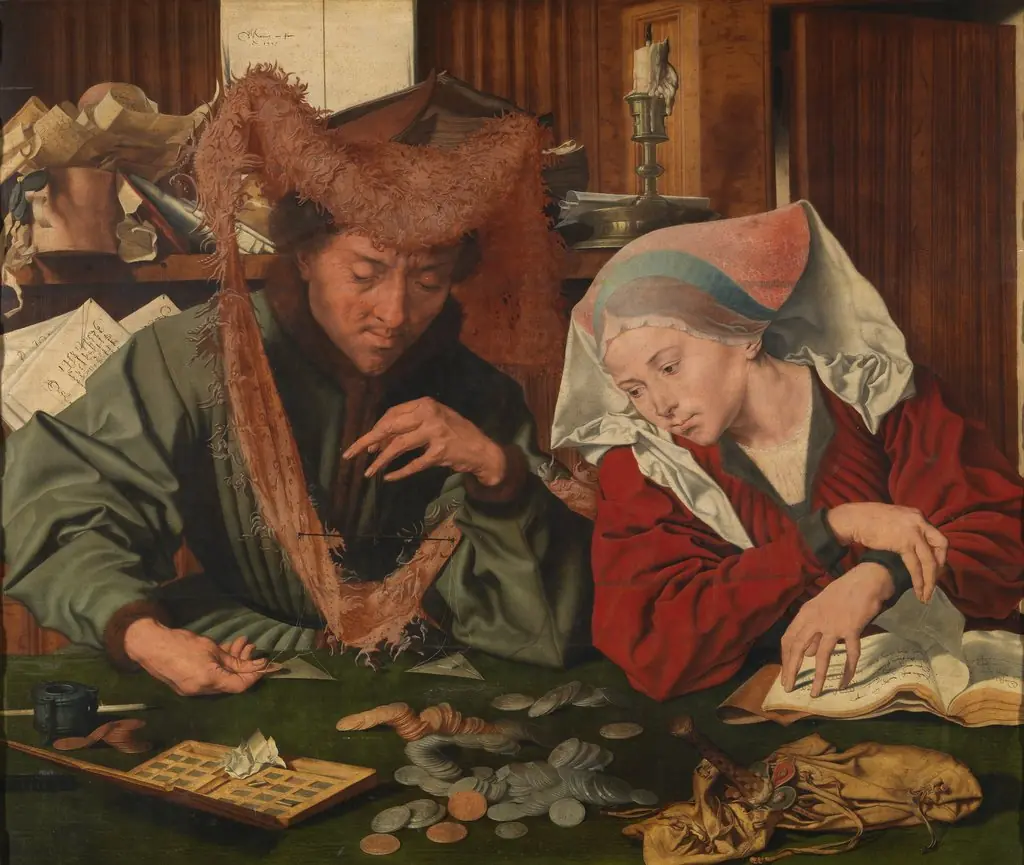
The Moneychanger and his wife
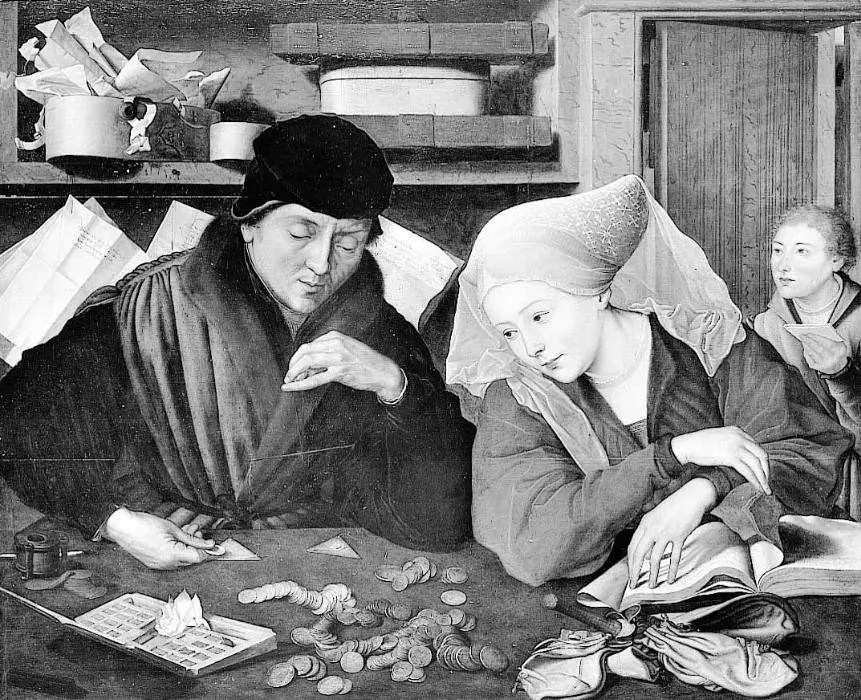
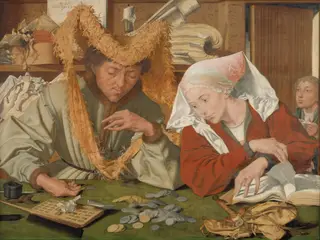
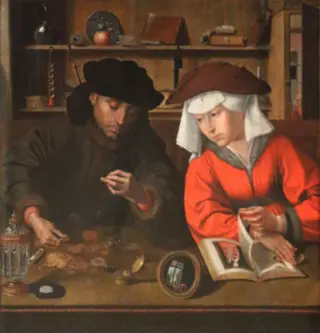
The Moneychanger and his wife is a paint painting by the Northern Renaissance artist Marinus van Reymerswaele. It is held in the collection of the Gemäldegalerie Berlin.
About this work
Subject & Meaning
The inclusion of the weighing scale and coins underscores the theme of financial transaction and mercantile activity.
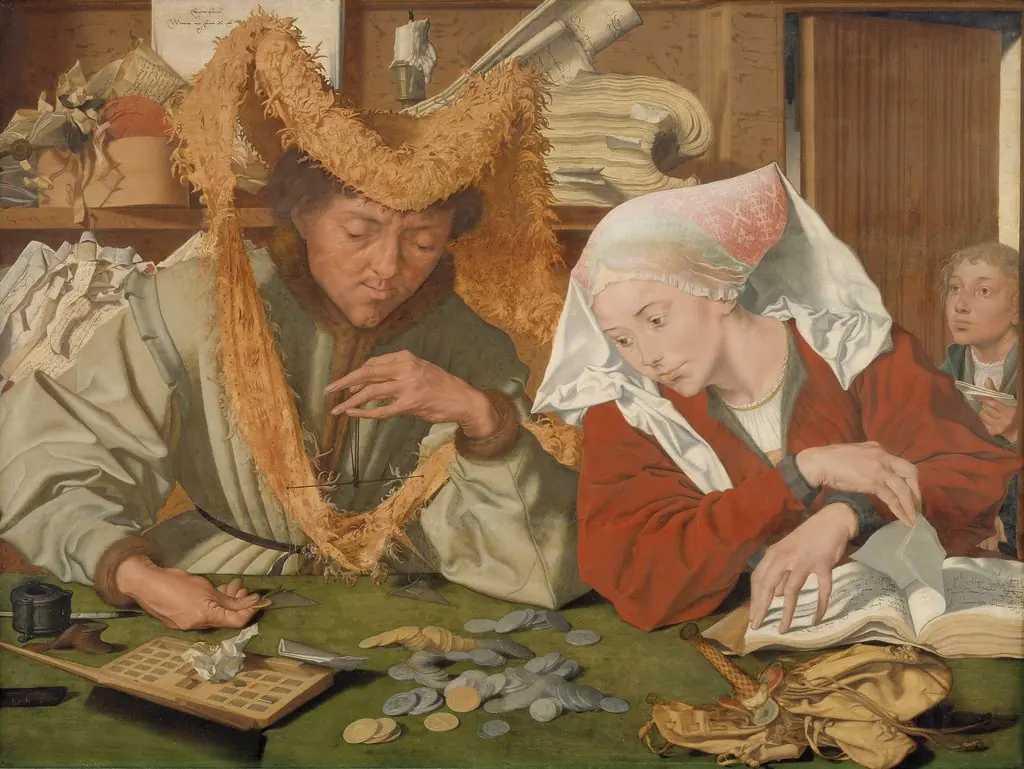
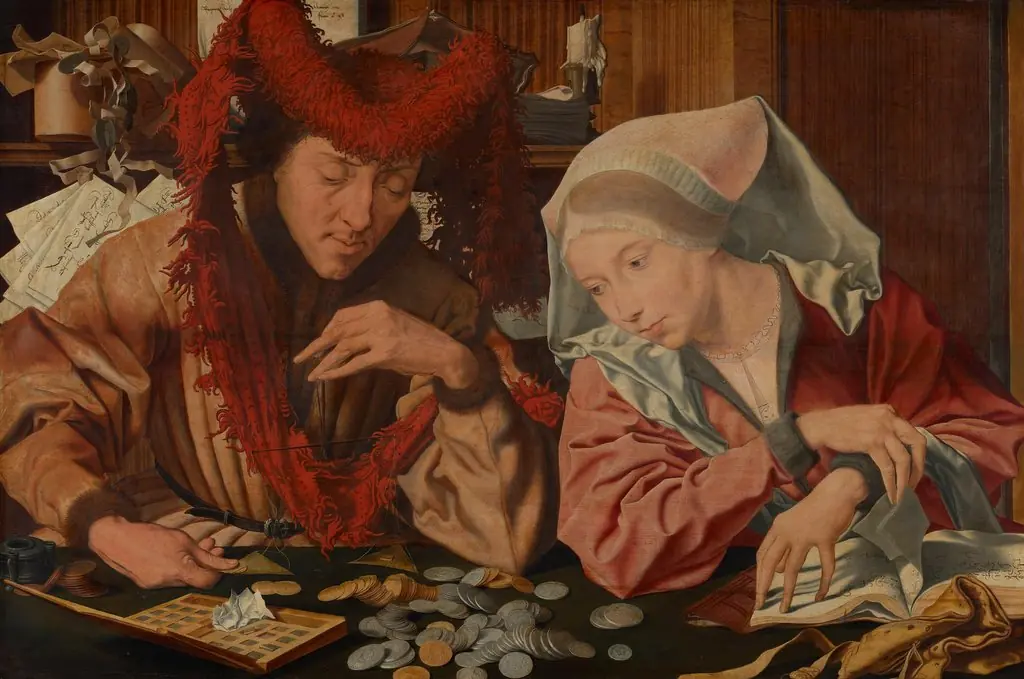
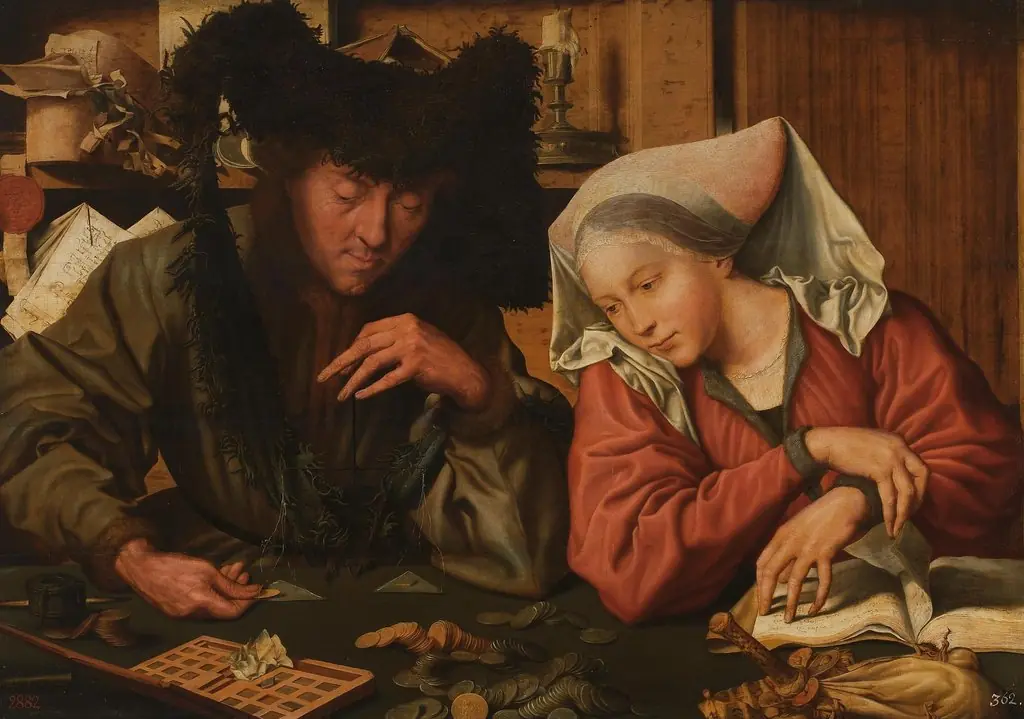
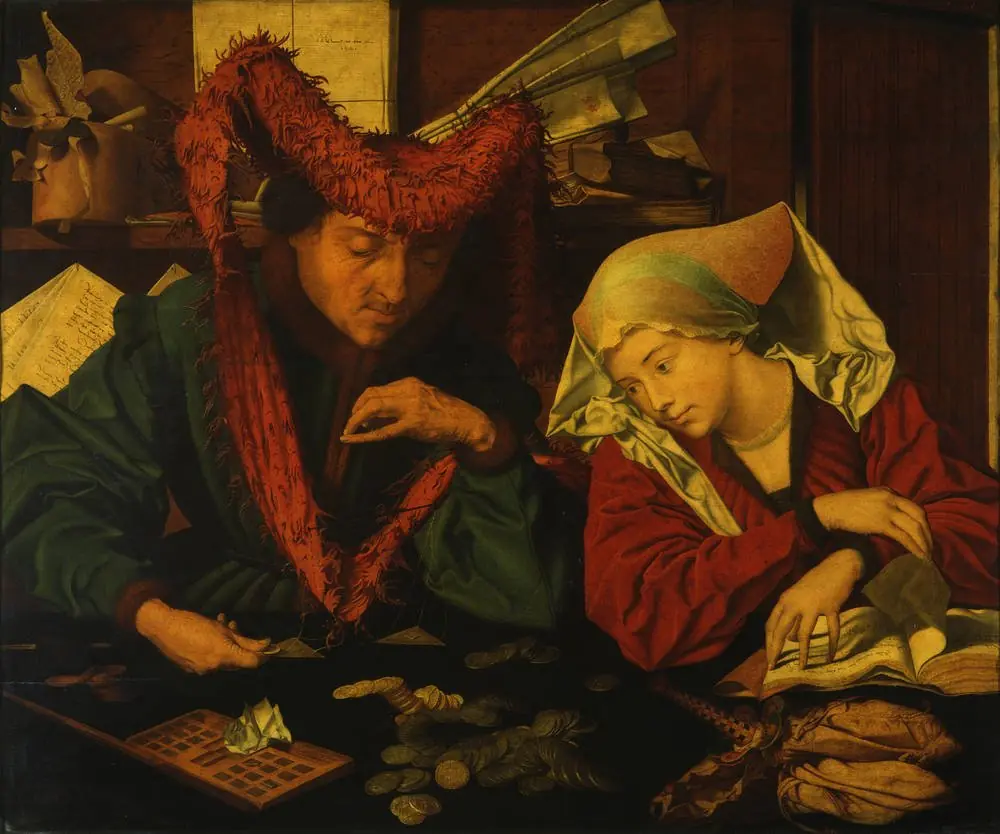
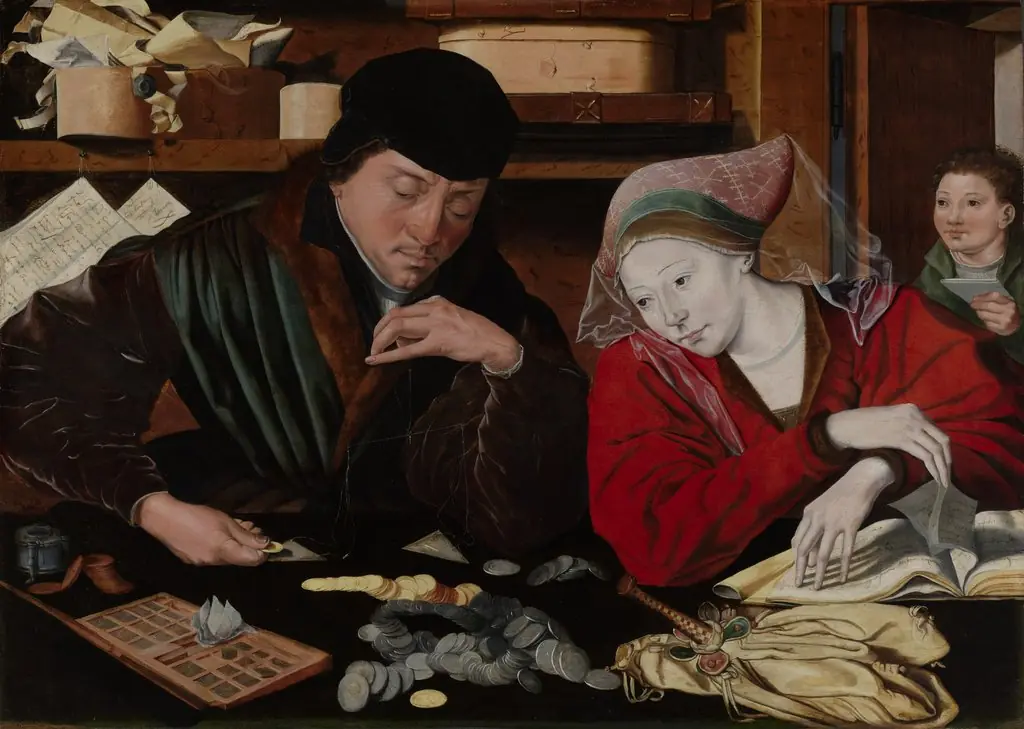
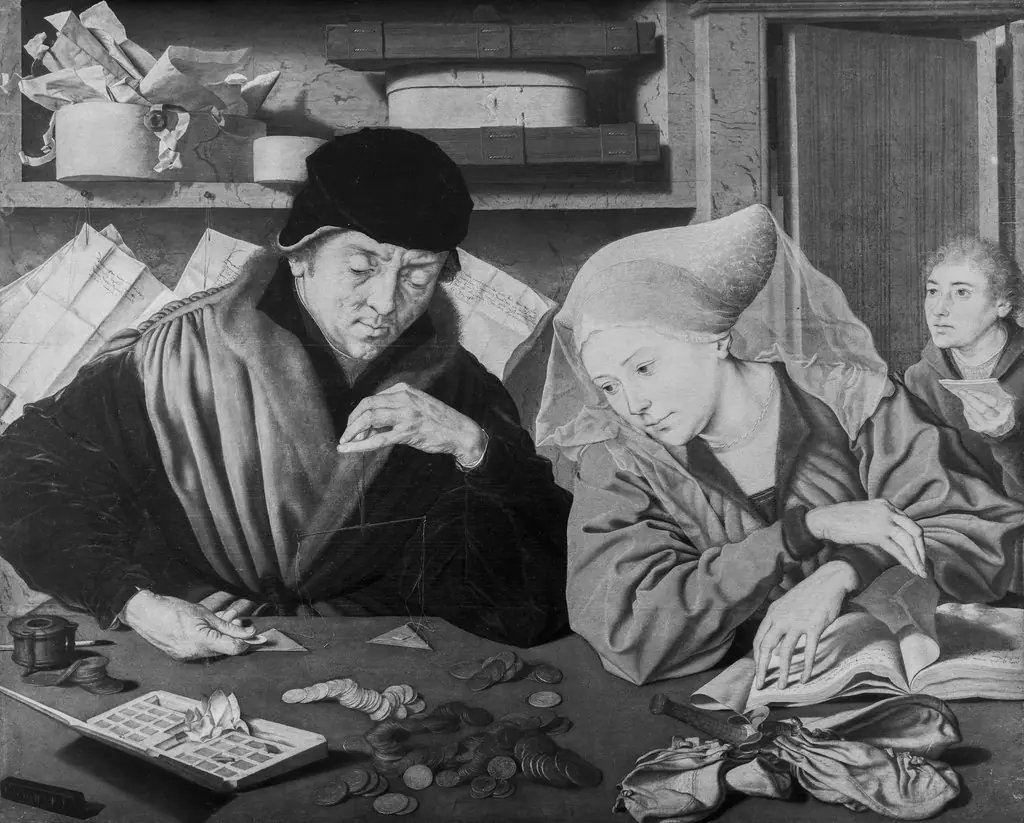
The painting depicts a moneychanger and his wife in a domestic interior, engaged in the act of counting coins. The man weighs money on a balance scale while the woman examines a coin, surrounded by the tools of their trade. The scene belongs to the genre of genre art, representing everyday commercial life in the sixteenth century.
The inclusion of the weighing scale and coins underscores the theme of financial transaction and mercantile activity. As a work by Marinus van Reymerswaele, the painting reflects the artist's recurring interest in moneychangers and the moral and social dimensions of wealth and commerce in the early modern period.
Technique & Style
The work is an oil painting on oak panel executed in 1550, measuring 93 cm in height by 114 cm in width. Its handling emphasizes sharp linear definition and a cool, subdued palette to articulate the figures and props with a crisp, almost diagrammatic clarity.
Stylistically, the composition adheres to the Antwerp mannerist tradition of the mid-sixteenth century, using compressed space and closely observed detail to underscore the moralizing theme of avarice. The figures are rendered with attenuated proportions and precise contours, while the still-life elements, the coins, balance, and ledger, are painted with meticulous realism to heighten the narrative’s didactic edge.
History & Provenance
The painting The Moneychanger and his wife was created by Marinus van Reymerswaele in 1550. Executed in oil paint on a panel support, the work measures 93 cm in height and 114 cm in width. It is currently held in the collection of the Gemäldegalerie in Berlin.
The artwork depicts a man and a woman engaged with a weighing scale, consistent with the genre art classification of the piece.
The painting is held in the collection of the Gemäldegalerie in Berlin. Created in 1550 by Marinus van Reymerswaele, the work depicts a money changer and his wife engaged with weighing scales and currency. While the piece is identified as part of the Berlin museum's holdings, the provided sources do not list specific inventory numbers or detail its exhibition history.
Overview
Marinus van Reymerswaele, a Dutch painter of the Northern Renaissance, executed The Moneychanger and his Wife circa 1550. The work presents a domestic interior where a man, identified as a money‑changer, weighs coins at a table while a woman, presumed to be his spouse, watches. A partially concealed figure stands in the doorway, adding depth to the cramped setting.
Artist & collection
Artist
Marinus van Reymerswaele or Marinus van Reymerswale (c. 1490 – c. 1546) was a Dutch Renaissance painter mainly known for his genre scenes and religious compositions. After studying in Leuven and training and working as…