Artwork
Untitled
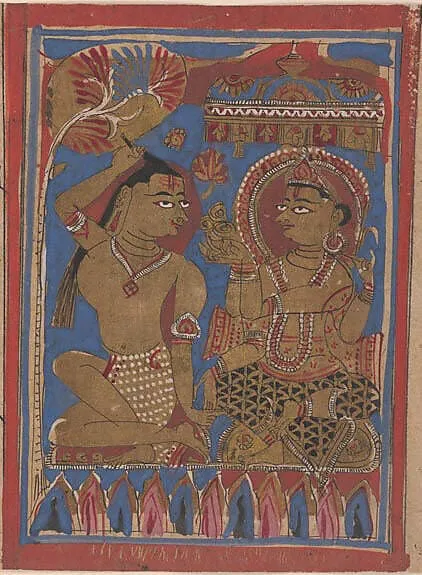
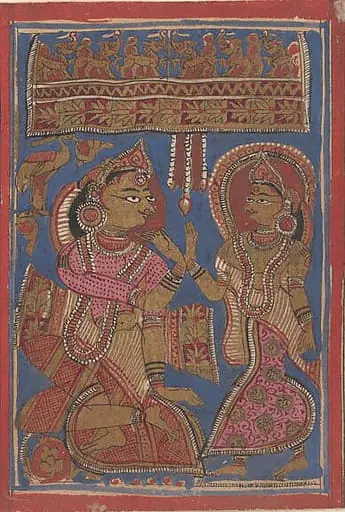
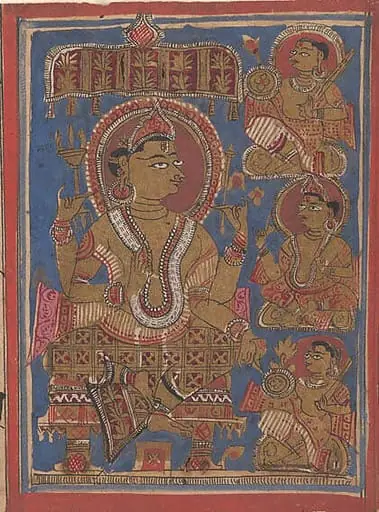
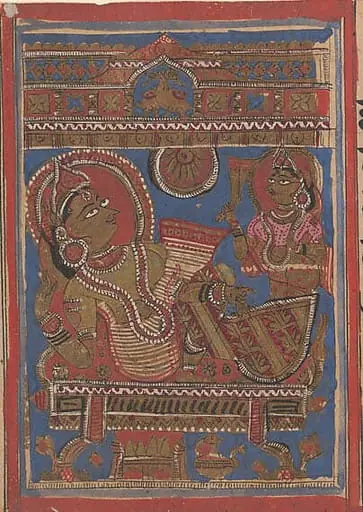
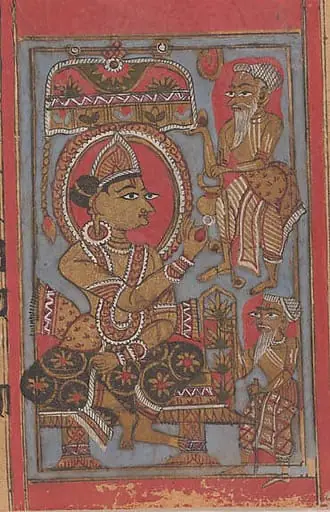
Untitled is a watercolor painting. It dates from 1449 and is held in the collection of the Metropolitan Museum of Art.
About this work
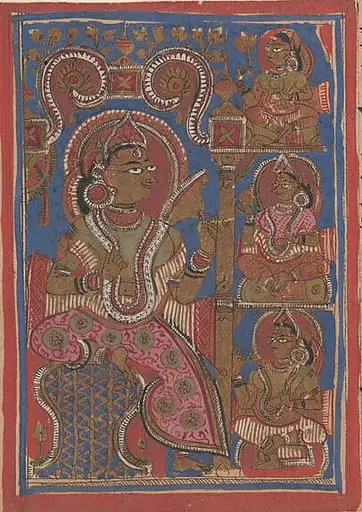
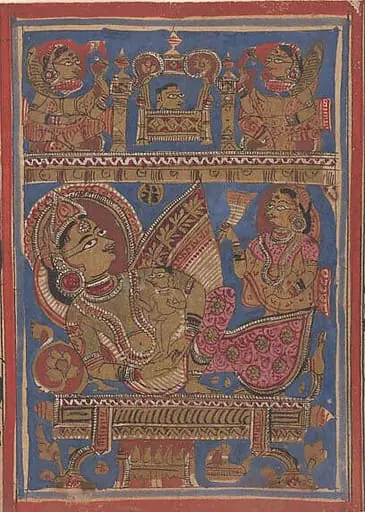
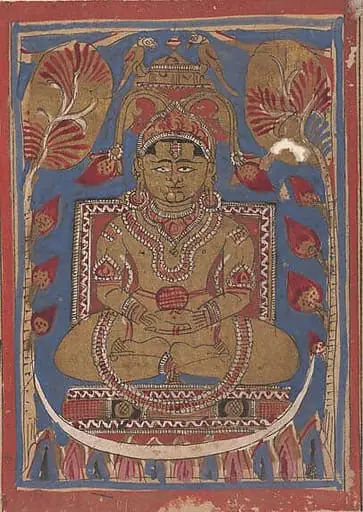
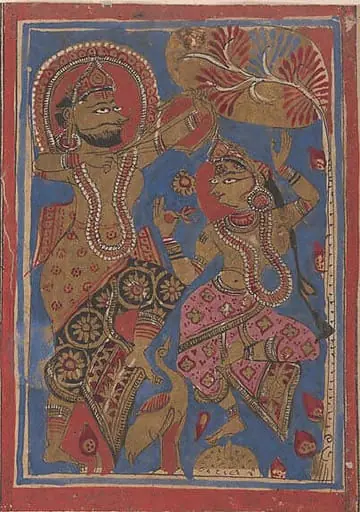
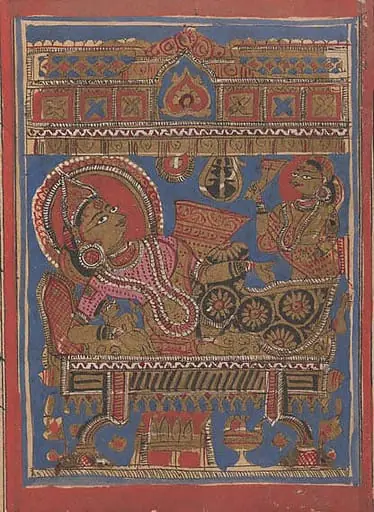
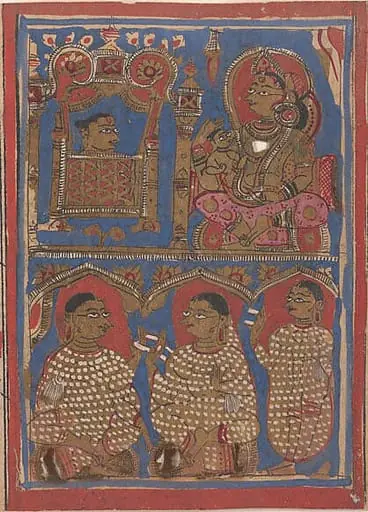
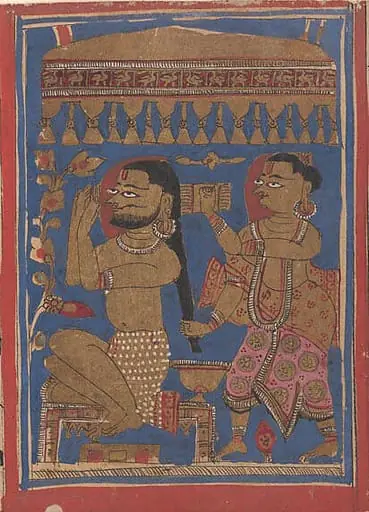
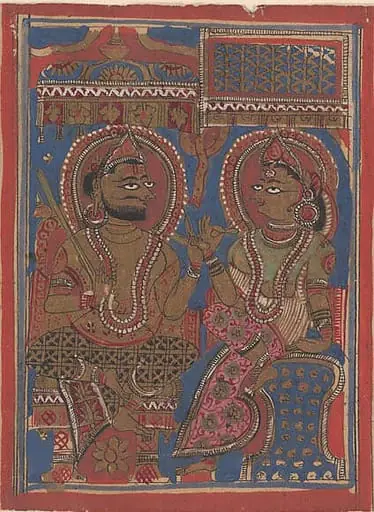
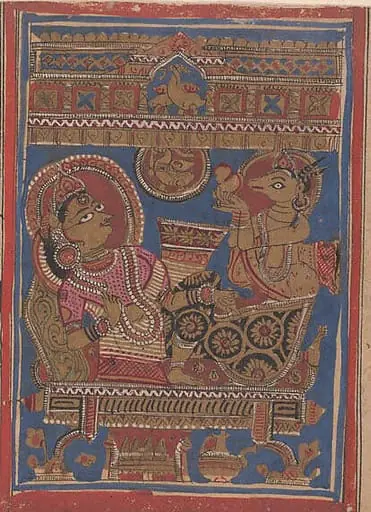
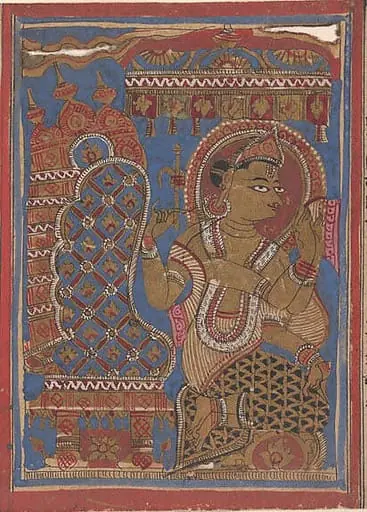
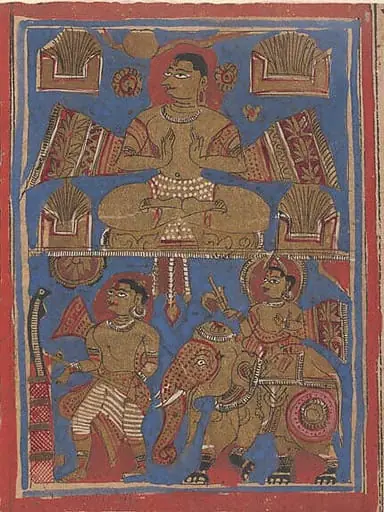
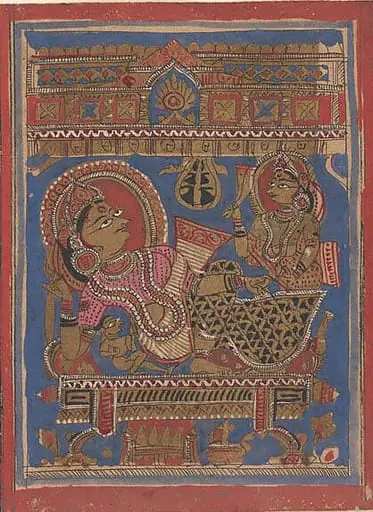
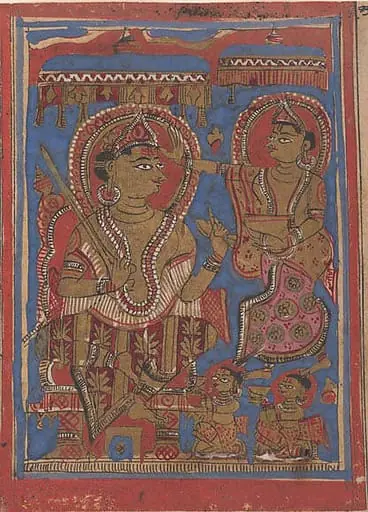
This painting shows a man in a white robe sitting under a tree, surrounded by tiny figures and animals. Gold leaf covers the background, making everything glow.
It was made by Jain monks in Gujarat, India, around 1450. The monks used these images to teach stories from their faith. The gold wasn’t just for beauty, it symbolized purity and the divine.
To see more works like this, look up Jainism.
Subject & Meaning
The work, dated 1449 and executed in ink, opaque watercolor and gold on paper, belongs to the religious genre and is classified as depicting Jainism.
The work, dated 1449 and executed in ink, opaque watercolor and gold on paper, belongs to the religious genre and is classified as depicting Jainism. Its iconography follows Jain visual conventions, though specific symbolic elements are not detailed in the available records. As a piece from the anonymous Indian painter held in the Metropolitan Museum of Art, the painting functions as a devotional image within the Jain tradition, embodying spiritual themes characteristic of that faith. The limited documentation underscores its role as a representative example of early Jain religious art.
Technique & Style
Created in 1449 in India, this anonymous religious painting depicts themes of Jainism. The work is executed on a paper support using ink and opaque watercolor, with gold applied to enhance the visual effect. Classified as a painting, the piece measures 11.1 units in height and 27 units in width.
The combination of materials, specifically the use of gold alongside pigments, suggests a formal style consistent with devotional artworks of the period. The handling of the medium involves precise application to create the religious imagery characteristic of the genre.
History & Provenance
The work is dated 1449 on internal curatorial records and is classified among Indian Jain manuscript paintings in opaque watercolor and gold on paper. It entered the collection of The Metropolitan Museum of Art as part of a bequest in 1953, with no documented commission or early ownership chain prior to that accession.
The work Untitled, dated 1449, is held in the collection of the Metropolitan Museum of Art in New York. While the museum's records identify the artist as anonymous, the piece is classified as a religious painting depicting Jainism, created in India using ink, opaque watercolor, and gold on paper. Specific inventory details such as an accession number or precise shelf location are not provided in the available records.
Furthermore, the provided sources contain no information regarding the artwork's exhibition history, including past or future displays at the museum or other institutions. The physical dimensions are recorded as 11.1 cm in height and 27 cm in width, but these measurements do not constitute an exhibition record.
Context
The work, dated 1449 and executed in ink, opaque watercolor, and gold on paper, depicts Jain ritual figures and belongs to the religious manuscript tradition of India. It is attributed to an anonymous painter, reflecting the anonymity common among Indian artists of the fifteenth century. The painting’s genre as religious art and its material technique align with contemporaneous Indian manuscript illumination.
Housed in the Metropolitan Museum of Art, the work is presented as a key example of Jain artistic production from the period, illustrating the devotional visual culture of early Indian manuscript painting.
Overview
This untitled painting, created around 1450 by Jain monks in Gujarat, India, features a central figure in a white robe seated beneath a tree. The scene is populated by numerous smaller figures and animals, all set against a luminous background of gold leaf. Executed with ink, opaque watercolor, and gold on paper, the artwork served as a visual aid for religious instruction within the Jain faith.
Artist & collection