Artwork
Untitled
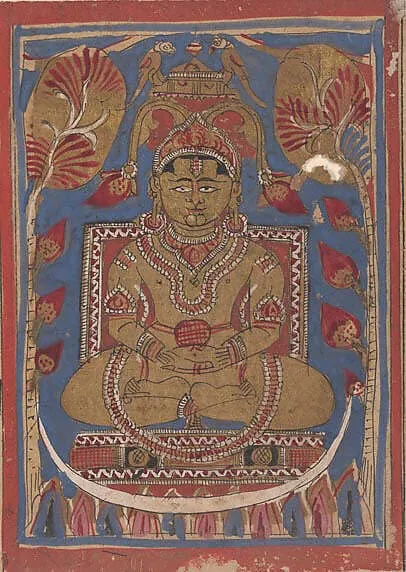
Untitled is a watercolor painting. It dates from 1449 and is held in the collection of the Metropolitan Museum of Art.
About this work
Subject & Meaning
Its classification within the religious genre confirms its function as a devotional or didactic object within the Jain context of that period.
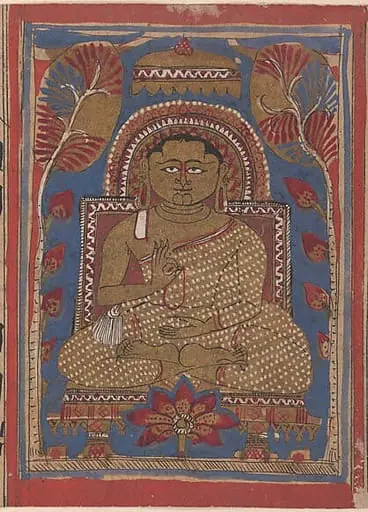
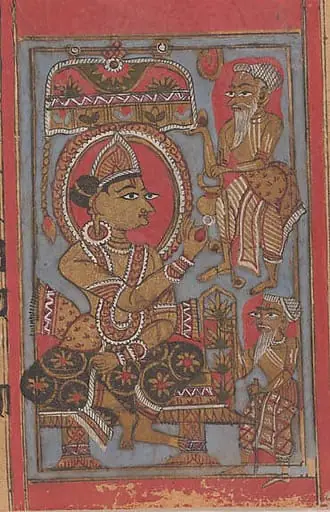
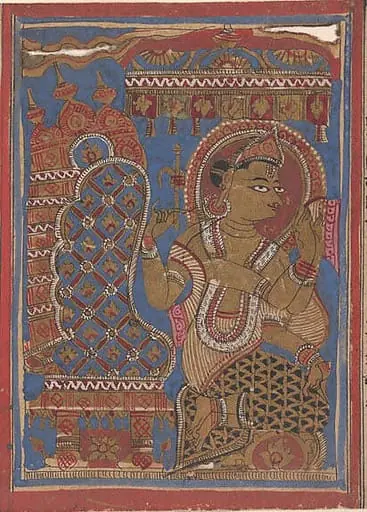
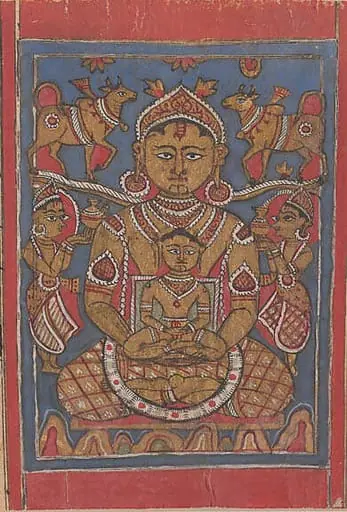
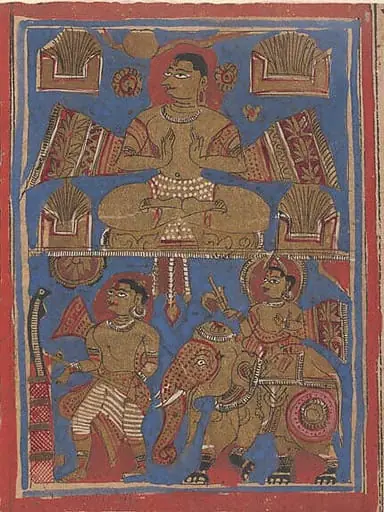
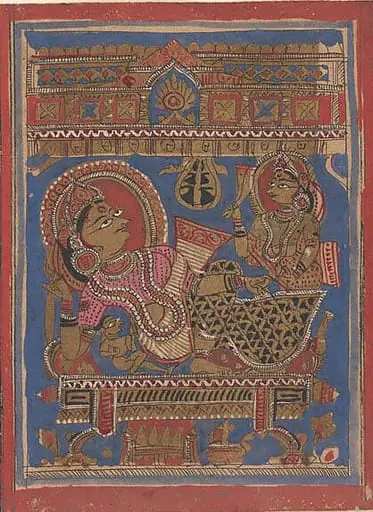
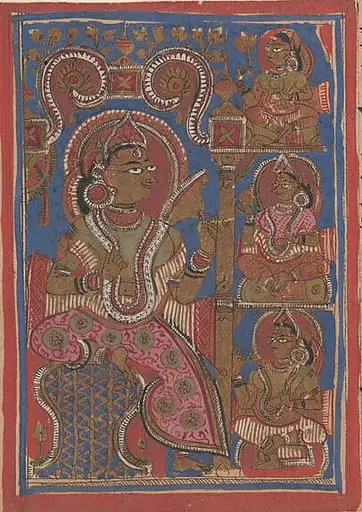
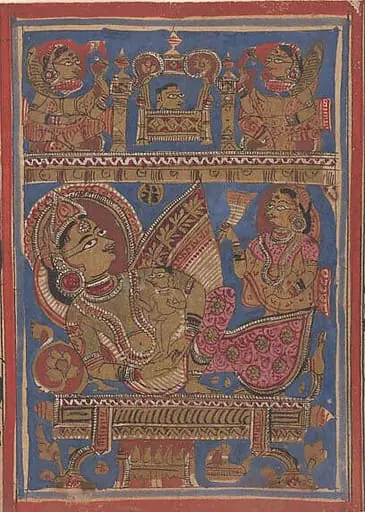
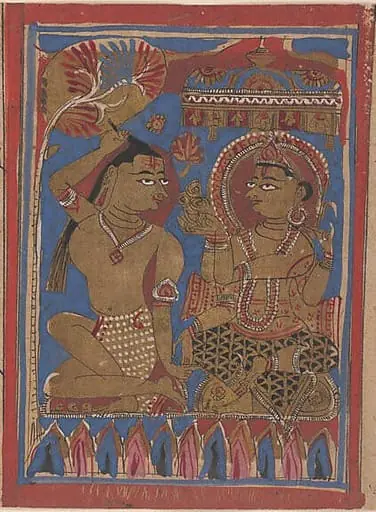
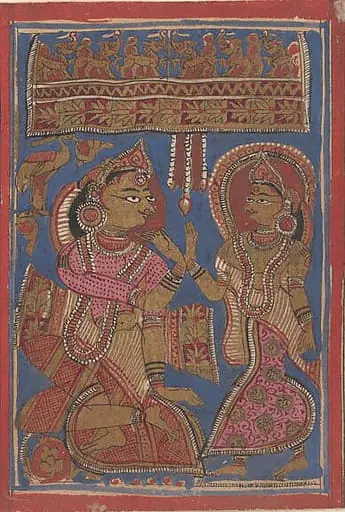
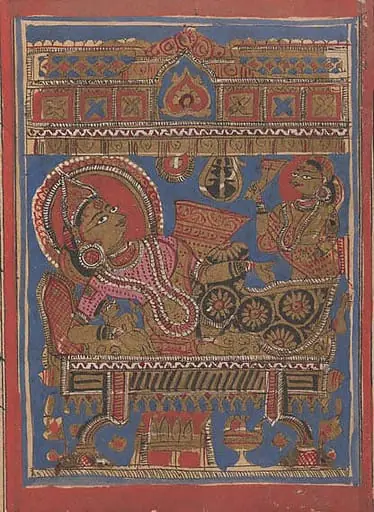
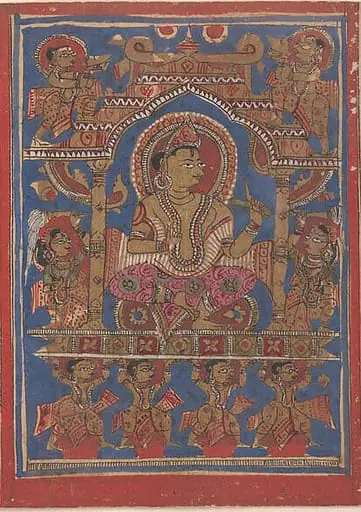
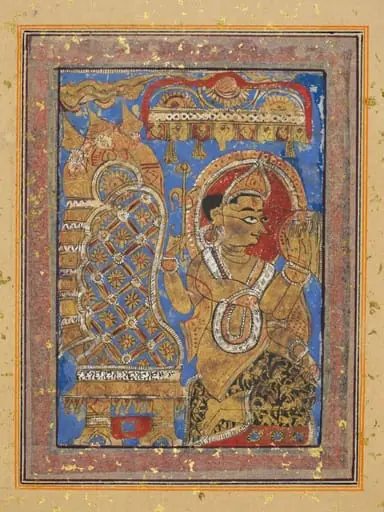
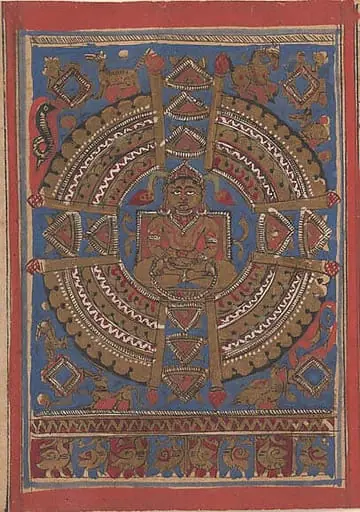
The artwork is a religious painting from 1449 created in India, depicting themes central to Jainism. As a religious genre piece, its subject matter and iconography are derived from Jain traditions, though the specific narrative or symbolic details of the scene are not elaborated in the available records. The work is attributed to an anonymous artist and executed in ink, opaque watercolor, and gold on paper.
While the precise symbolic meaning of the depicted figures or motifs remains unspecified in the provided documentation, the piece serves as a visual representation of Jain religious concepts from the mid-15th century. Its classification within the religious genre confirms its function as a devotional or didactic object within the Jain context of that period.
Technique & Style
The work is executed on paper using ink, opaque watercolor and gold leaf, a technique typical of 15th‑century Indian manuscript painting. The support is a single sheet of paper, and the composition is rendered in a flat, outlined style with muted pigments punctuated by gold highlights that emphasize sacred narrative. As a religious Jain piece, the imagery follows established iconographic conventions, employing limited color palette and decorative patterning characteristic of the period. The painting’s condition is not detailed in the available records, and no specific handling history is documented.
History & Provenance
The work is dated 1449 and attributed to an anonymous painter active in India. It entered the collection of the Metropolitan Museum of Art, where it is catalogued as a Jain religious painting on paper rendered in ink, opaque watercolor, and gold. No documented commission or early provenance prior to its acquisition by the museum is recorded in available sources.
The painting titled Untitled, created in 1449, is part of the permanent collection of the Metropolitan Museum of Art in New York. While the museum holds the work, the provided sources do not specify a unique inventory or accession number for this piece. The artwork, executed in ink, opaque watercolor, and gold on paper, is classified as a religious painting depicting Jainism.
It was produced in India and measures 11.1 cm in height by 27 cm in width. The sources confirm its current location at the Metropolitan Museum of Art but do not list any specific past or future exhibition history for this particular object.
Context
The painting Untitled, dated 1449, is an ink, opaque watercolor and gold work on paper classified as a religious painting that depicts Jainism. It is attributed to an anonymous Indian painter and is part of the Metropolitan Museum of Art collection, where it is displayed as a representative example of early Indian manuscript art. Scholarship situates the piece within the broader tradition of South Asian religious art, noting its significance as an early 15th‑century example of devotional imagery produced in India.
Its presence in a major Western museum underscores its recognized importance in art‑historical narratives of Jain visual culture.
Overview
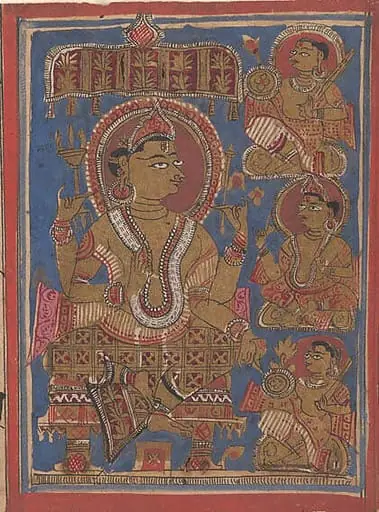
This untitled painting, rendered with ink, opaque watercolor, and gold on paper, depicts a central female figure. She is seated on a golden throne, adorned in a red sari, holding a book and a lotus flower. Smaller figures are shown kneeling at her feet, while the background is illuminated by extensive gold leaf, suggesting a sacred aura. The work originated from a Jain manuscript in Gujarat, India.
Artist & collection