Artwork
Untitled
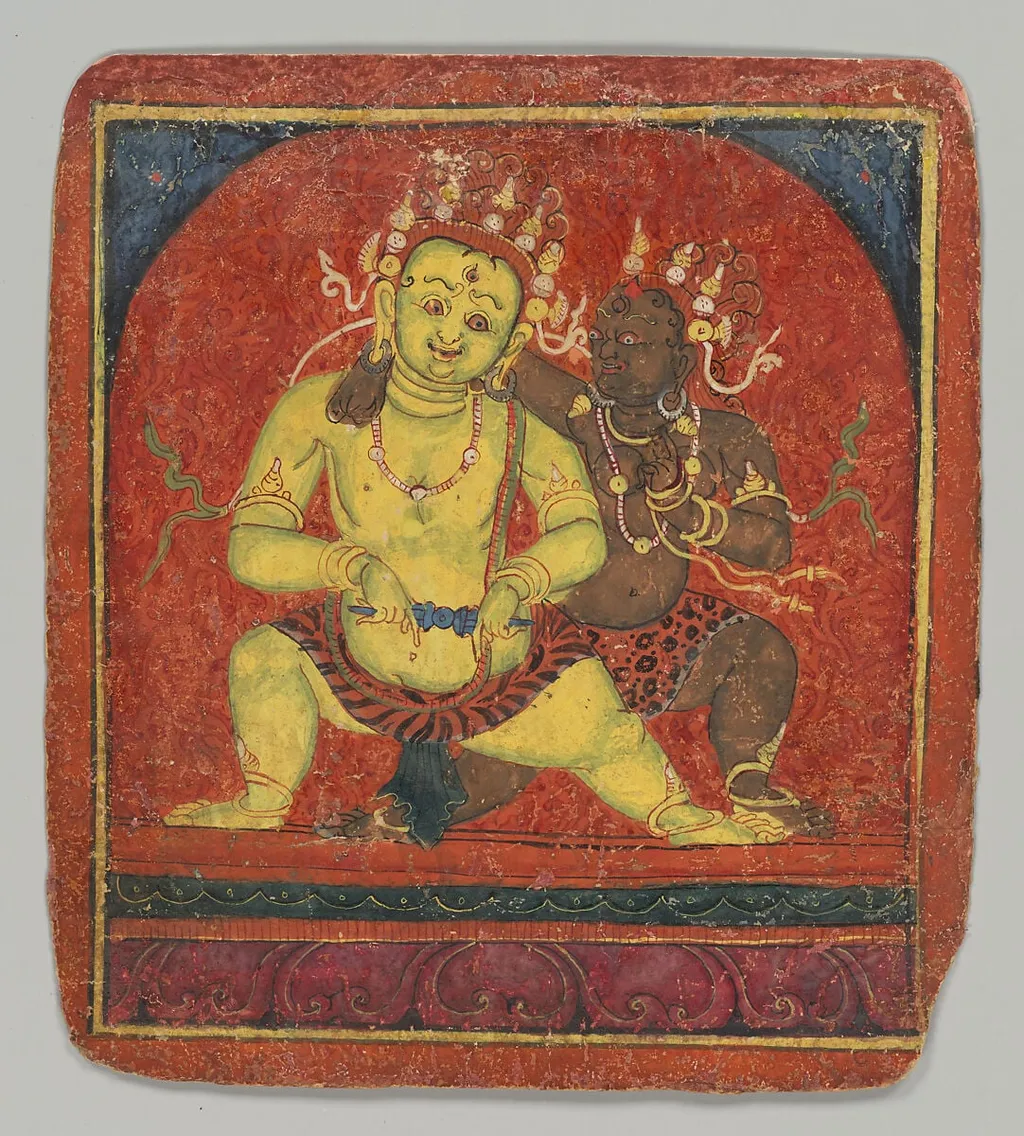
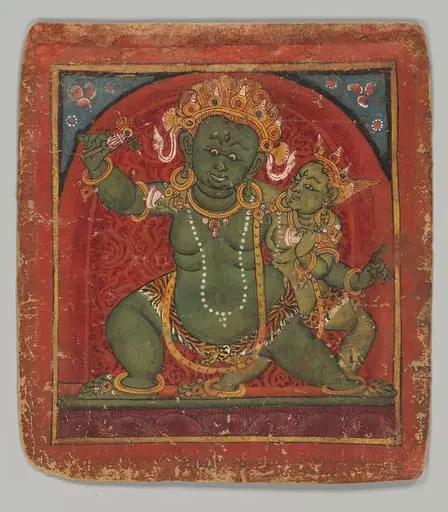
Untitled is a watercolor painting. It dates from 1416 and is held in the collection of the Metropolitan Museum of Art.
About this work
Subject & Meaning
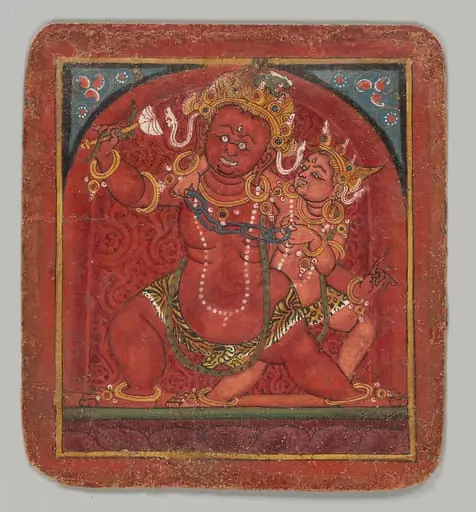
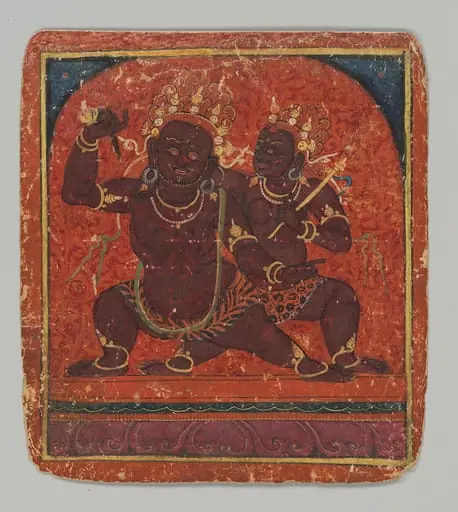
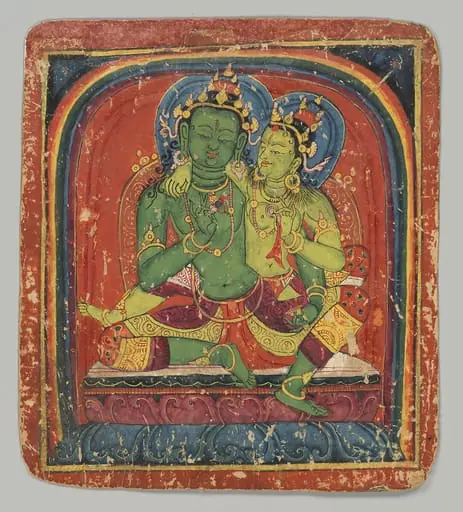
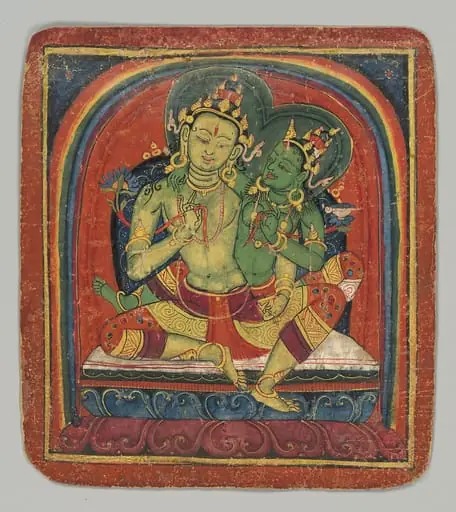
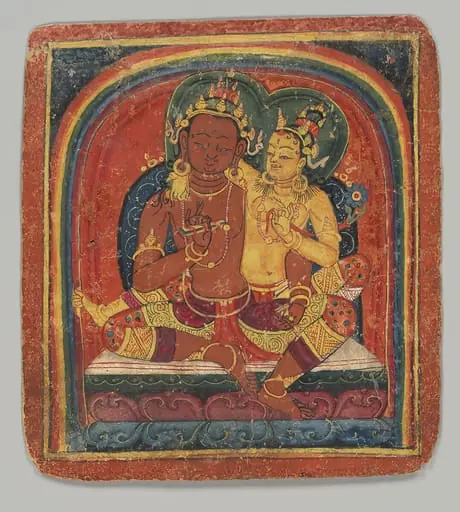
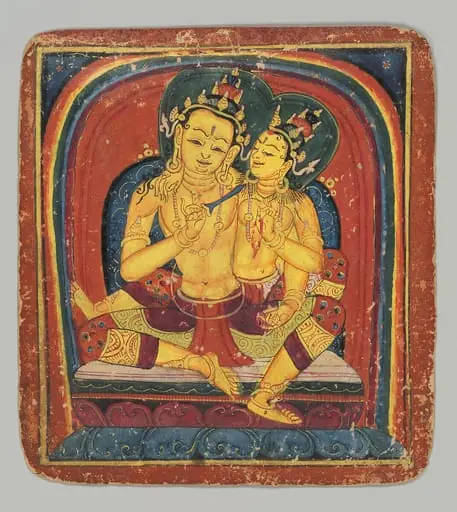
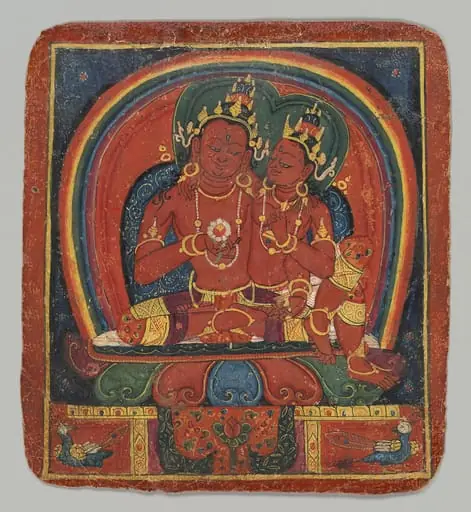
The primary subject depicted is a deity, establishing the piece's function within a spiritual or devotional context.
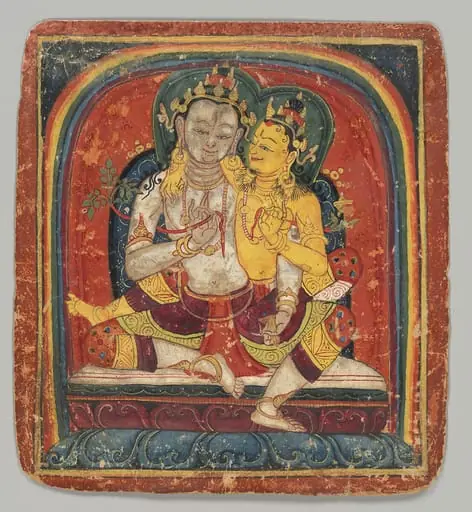
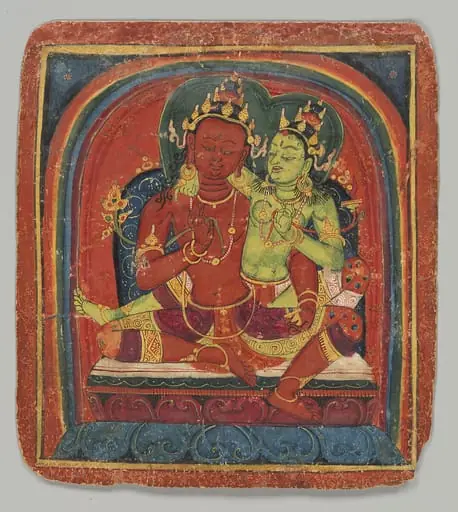
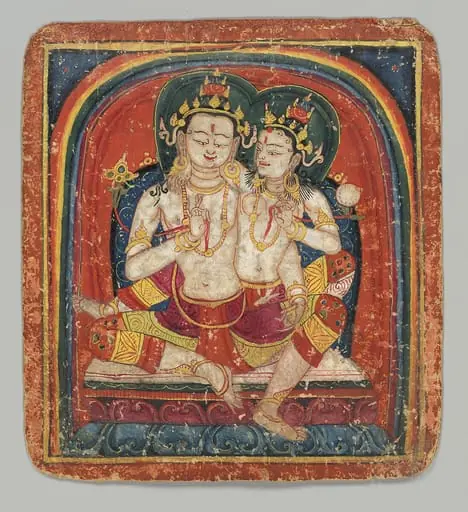
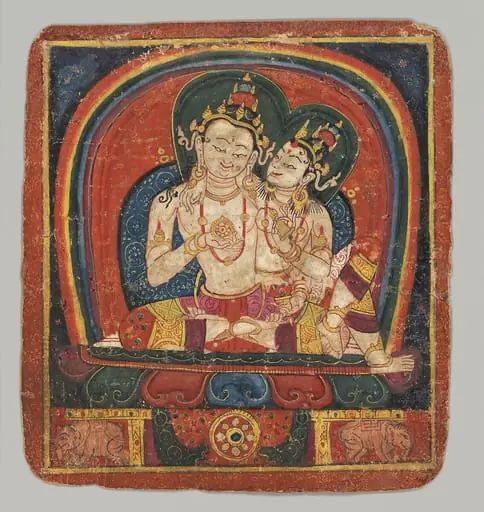
Created in 1416 by an anonymous artist, this opaque watercolor on paper is classified as a work of religious art. The primary subject depicted is a deity, establishing the piece's function within a spiritual or devotional context. While the specific identity of the divine figure is not detailed in the available records, the explicit categorization as religious art and the depiction confirm that the iconography serves to represent a sacred entity.
The work's meaning is derived directly from this religious classification, positioning it as an object of veneration or theological illustration rather than a secular portrait.
Technique & Style
The work is an opaque watercolor painting on paper, created circa 1416. The medium consists of opaque watercolor pigments applied to a paper support, a technique typical of early 15th-century devotional imagery. Measured approximately 16 cm in height by 14.5 cm in width, the piece is classified as a painting within the religious genre and depicts a deity.
History & Provenance
The work is a religious painting created in 1416 by an anonymous artist, executed in opaque watercolor on paper measuring 16 by 14.5 cm and depicting a deity. While the specific commissioning details and the original ownership chain prior to its current location remain undocumented, the artwork is held in the collection of the Metropolitan Museum of Art in New York. No further information regarding the patron or the circumstances of its initial production is provided by the existing sources.
Legacy
The painting's inclusion in the Metropolitan Museum of Art's collection has sustained its scholarly visibility, allowing continued study of its 15th-century religious iconography and anonymous authorship. It is classified as a religious painting depicting a deity and dates to 1416, details that inform its attribution to an unnamed master. Its presence in a major public museum supports the preservation and study of rare anonymous devotional works.
Overview
This untitled painting, rendered in opaque watercolor on paper, depicts a multi-armed blue deity seated on a lotus against a golden background. Originally part of a Tibetan Buddhist scroll, the work was designed for portability or display within a temple setting. Its distinctive style features bold, flat colors and precise outlines, characteristic of devotional art intended for contemplation.
Context
This painting originated as a component of a larger Tibetan Buddhist scroll, indicating its devotional purpose. Such scrolls were designed to be portable, allowing them to be easily transported for rituals or teachings, or to be hung within a temple or private shrine for worship and meditation. Its function was to serve as a visual aid for spiritual practice and to convey religious narratives.
Artist & collection