Artwork
Untitled
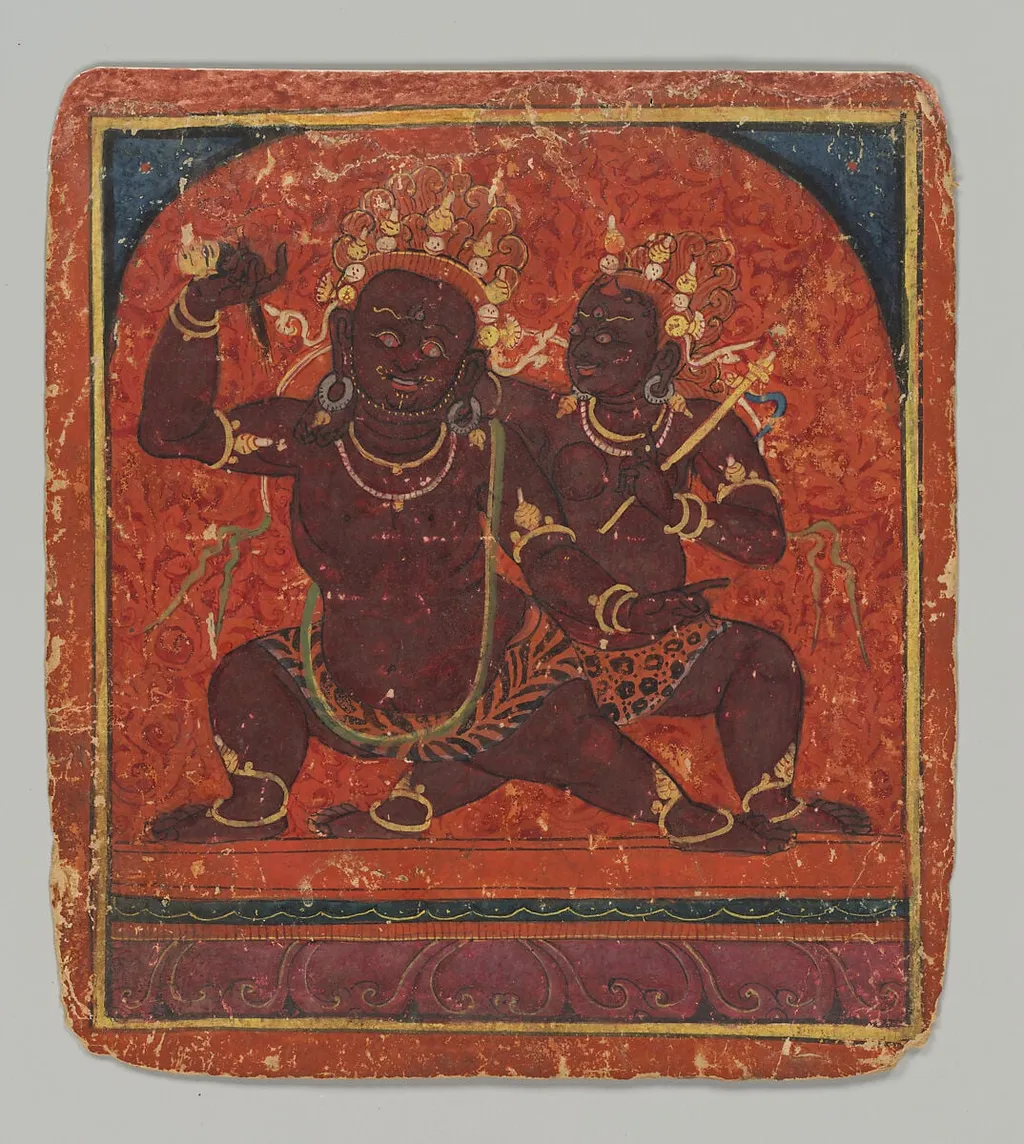
Untitled is a watercolor painting. It dates from 1416 and is held in the collection of the Metropolitan Museum of Art.
About this work
Subject & Meaning
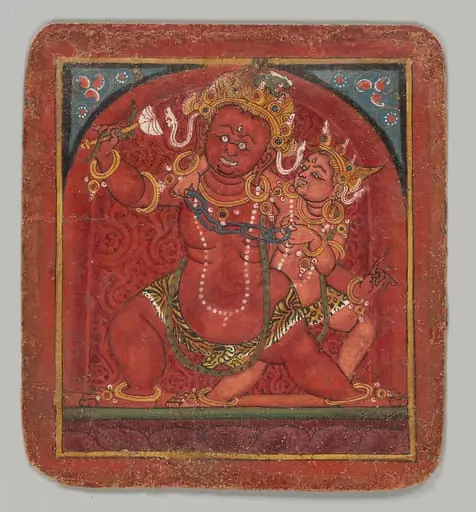
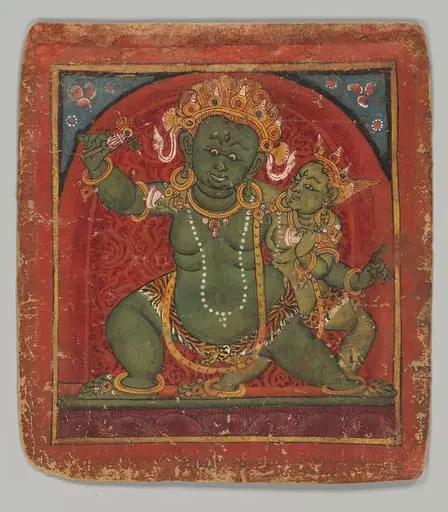
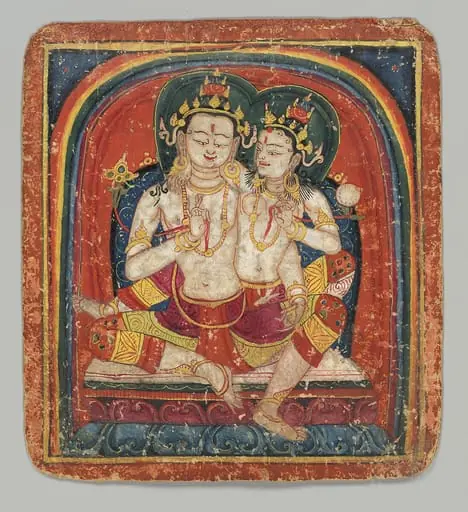
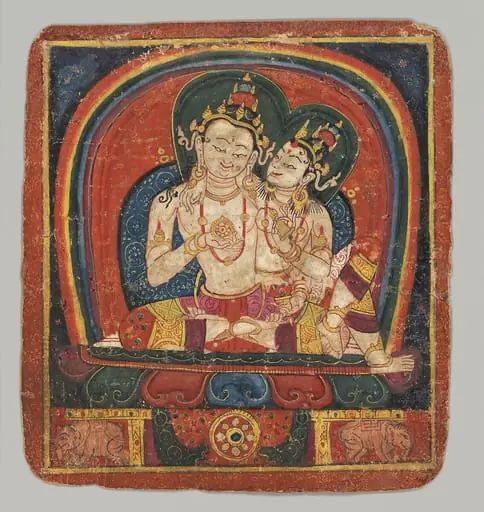
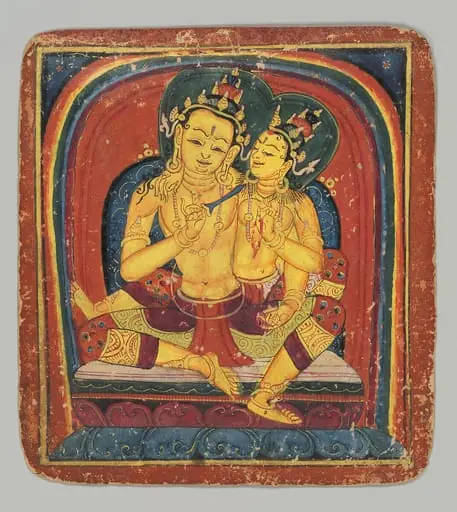
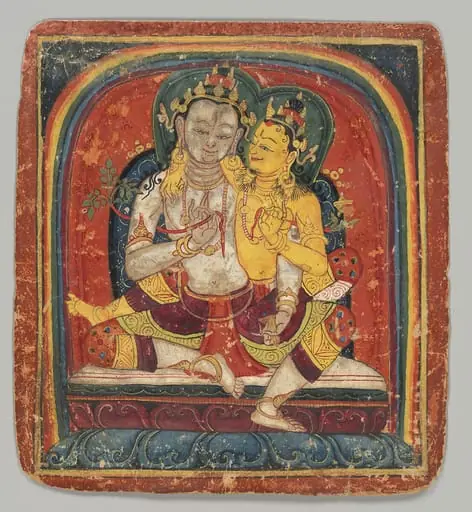
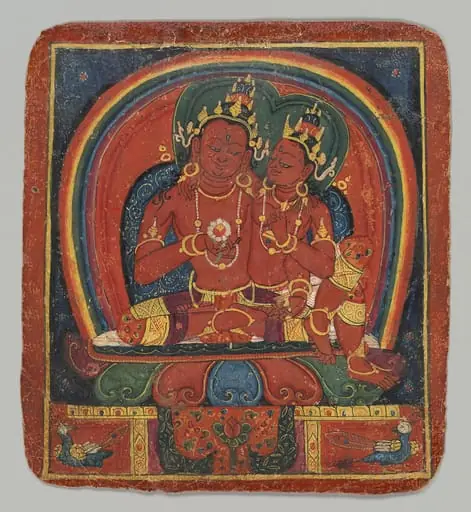
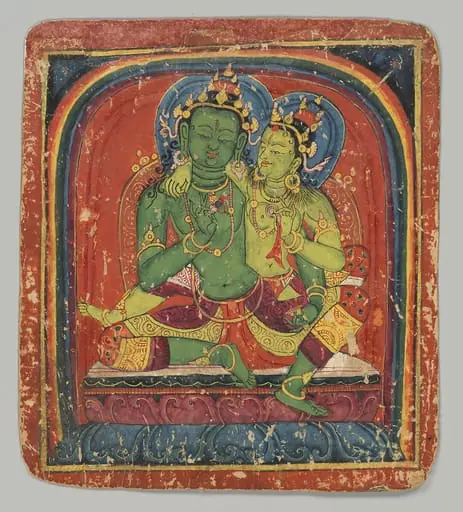
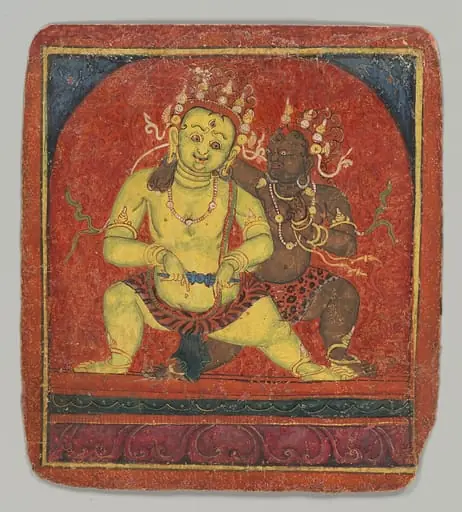
The untitled work, dated 1416 and executed in opaque watercolor on paper, portrays a deity, functioning as a visual embodiment of religious devotion.
The untitled work, dated 1416 and executed in opaque watercolor on paper, portrays a deity, functioning as a visual embodiment of religious devotion. As a religious painting in the Metropolitan Museum of Art, it exemplifies the genre of devotional art from the early fifteenth century. The anonymous execution and iconographic representation of a divine figure underscore the work’s symbolic role in communicating spiritual themes, while its formal dimensions of 16 × 14.5 cm reflect the scale typical of devotional panels of the period.
History & Provenance
The painting titled Untitled is an anonymous work dated to 1416, executed in opaque watercolor on paper and classified as a religious painting that depicts a deity. Its dimensions measure 16 cm in height by 14.5 cm in width. The work was created in the early 15th century and remained in the possession of its unknown patron until it entered the collection of the Metropolitan Museum of Art, where it is recorded as part of the museum’s holdings. No further provenance or commission details are documented in the available sources.
The work is held in the collection of the Metropolitan Museum of Art, as recorded in its Wikidata entry, which lists the painting's location and collection as the Metropolitan Museum of Art. No accession number is provided in the available sources. Likewise, the available records do not document any exhibition history for the work, and no loans, displays, or past installations are noted beyond its current institutional home.
Overview
This untitled painting, rendered in opaque watercolor on paper, depicts a four-armed blue deity seated upon a lotus. It originates from a Tibetan Buddhist scroll, designed for portability or display within a temple setting. The artwork's vibrant palette and symbolic imagery serve a devotional purpose, characteristic of traditional thangka paintings.
Technique & Style
The artist employed opaque watercolor, a medium where pigments are mixed with chalk to achieve solid, non-transparent colors. This technique allows for distinct, vibrant hues that stand out against the paper. The precise red outlining around the deity's form and its various attributes enhances clarity and definition, contributing to the painting's overall visual precision and devotional focus.
Context
This artwork was originally part of a larger Tibetan Buddhist scroll, often referred to as a thangka. Such scrolls were crafted for practical use, either to be rolled up and transported for teachings or rituals, or to be hung in temples and monastic spaces for contemplation and worship. Their portability facilitated the dissemination of Buddhist teachings and imagery across different locations.
Artist & collection