Artwork
Untitled
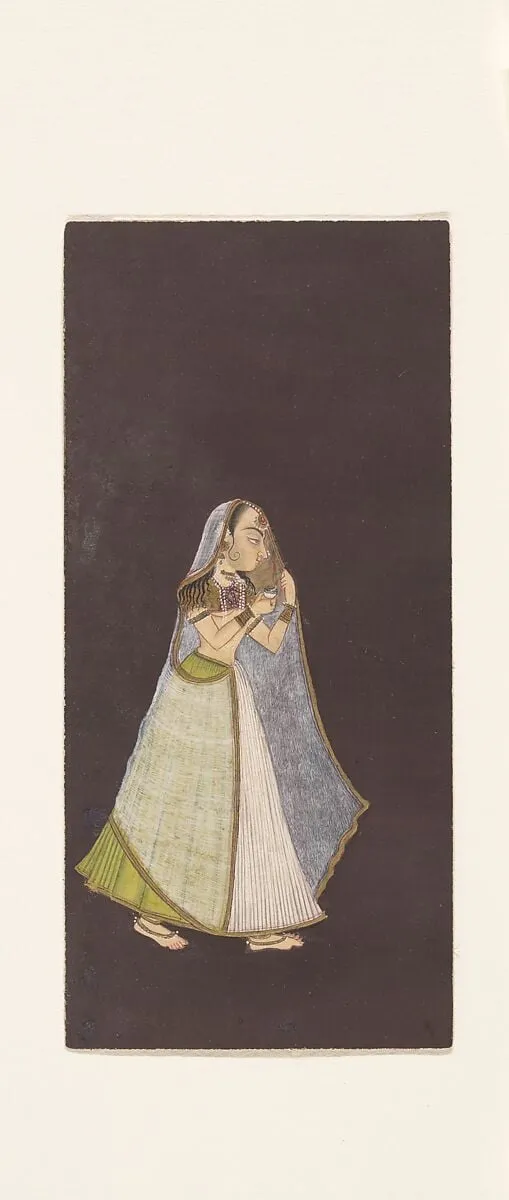
Untitled is a watercolor painting. It dates from 1725 and is held in the collection of the Metropolitan Museum of Art.
About this work
Subject & Meaning
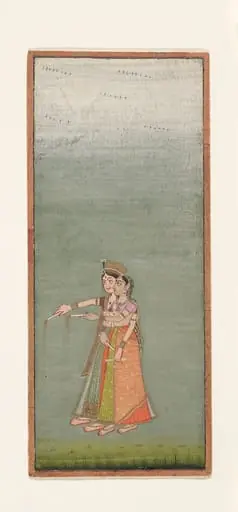
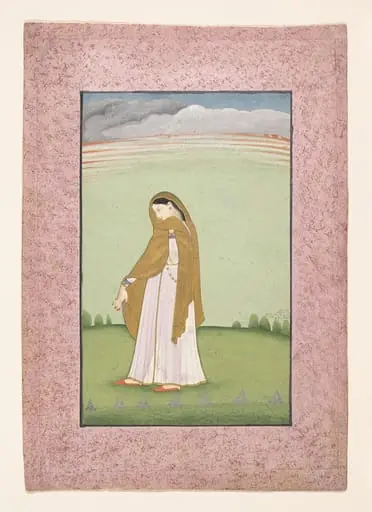
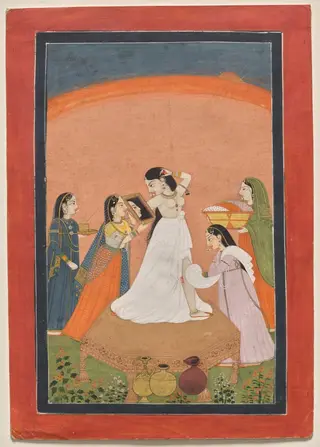
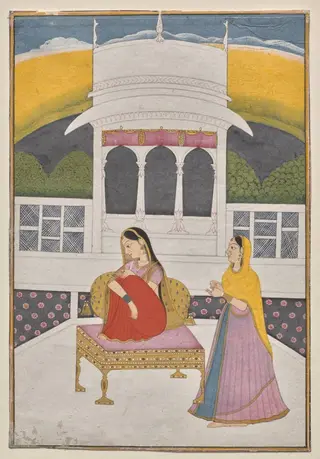
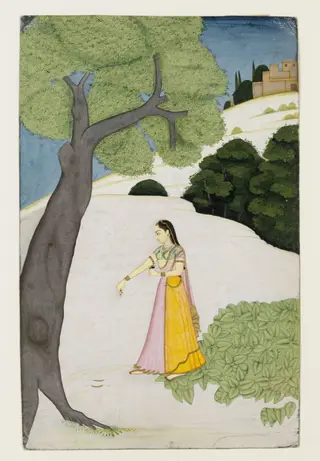
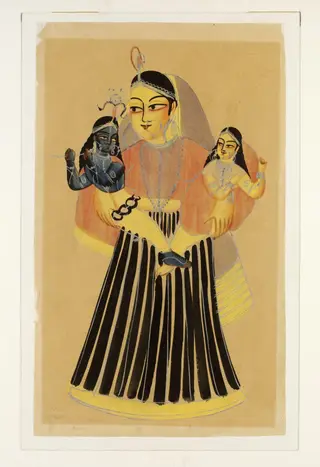
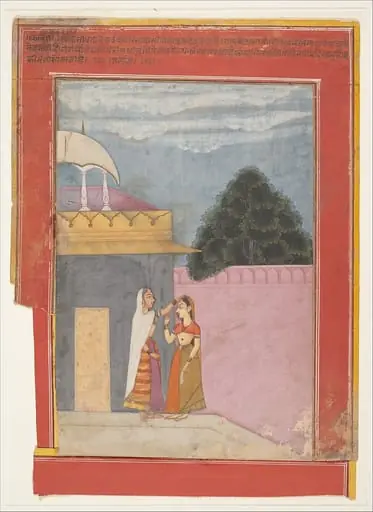
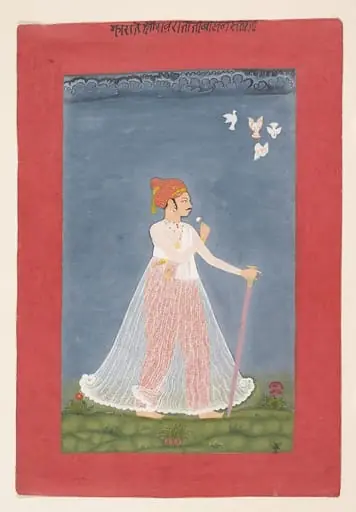
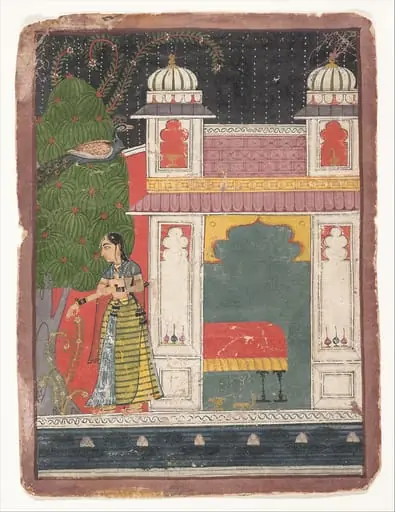
The painting shows a lamp alongside a solitary woman, a composition typical of an 18th‑century genre scene that records everyday domestic activity.
The painting shows a lamp alongside a solitary woman, a composition typical of an 18th‑century genre scene that records everyday domestic activity. The lamp, rendered in ink and opaque watercolor, functions as a visual cue for interior illumination and may allude to moments of quiet labor or domestic routine. Attributed to an anonymous Indian artist, the work was created circa 1725 and entered the collection of the Metropolitan Museum of Art, where it remains on display. Its iconography therefore reflects a modest, possibly regional, portrayal of household life in the early modern period.
Technique & Style
Executed in ink and opaque watercolor on paper, this small-scale work measures 14.3 cm in height by 6.7 cm in width, a format consistent with intimate South Asian manuscript or album painting traditions. The combination of fine ink linework with opaque watercolor washes allows for both detailed figural rendering and the application of flat, saturated color areas. The support is paper, and the work is classified within the Metropolitan Museum of Art's paintings holdings as a genre scene depicting a woman and a lamp.
The narrow vertical proportions suggest a format suited to a single figure or compact narrative vignette rather than a multi-figure composition. No information is available regarding the specific handling, brushwork characteristics, or present condition of the work.
History & Provenance
The artwork, titled Untitled, was created in 1725 by an anonymous artist in India. Executed in ink and opaque watercolor on paper, the piece measures 14.3 by 6.7 units and depicts a woman alongside a lamp. While the specific commissioning patron and detailed creation circumstances remain unrecorded in the available documentation, the work is currently held within the collection of the Metropolitan Museum of Art.
The dating is established as January 1, 1725, placing the piece firmly in the early eighteenth century. No further details regarding the ownership chain prior to its acquisition by the museum are provided in the current records, leaving the full provenance history incomplete beyond its known presence in the museum's holdings.
The painting titled Untitled, attributed to an anonymous painter, is held in the collection of the Metropolitan Museum of Art in New York. It was created in 1725 in India using ink and opaque watercolor on paper, depicting a lamp and a woman. The work is listed among the museum's holdings, but no accession number is provided in the available documentation. Its exhibition history is not recorded in the sources consulted.
Legacy
The painting Untitled (1725), attributed to an anonymous Indian artist, is documented in internal records and listed in Wikidata as part of the Metropolitan Museum of Art’s collection, confirming its scholarly identification and preservation. Its depiction of a lamp and a woman, recorded in both sources, marks it as a notable example of 18th‑century Indian genre painting. The work’s presence in a major museum’s holdings and its detailed cataloguing have established a lasting reputation within art history, influencing subsequent scholarship on anonymous South Asian art.
Overview
This untitled painting, created with ink and opaque watercolor on paper, depicts a woman seated on the floor. She holds a round lamp with a flickering flame, illuminating her calm face and richly patterned sari. The artwork originates from Bikaner, a small kingdom in Rajasthan, and exemplifies the detailed artistic traditions of the region.
The warm light from the lamp casts a glow within the otherwise dark room, drawing the viewer's attention to the central figure.
Context
This painting emerged from the artistic environment of Bikaner, a princely state located in Rajasthan. Artists in this region frequently received patronage from royal courts, for whom they produced works that often captured aspects of daily life. The meticulous detail evident in the woman's attire and the surrounding space reflects the refined aesthetic preferences prevalent in these courtly commissions.
Artist & collection