Artwork
Untitled
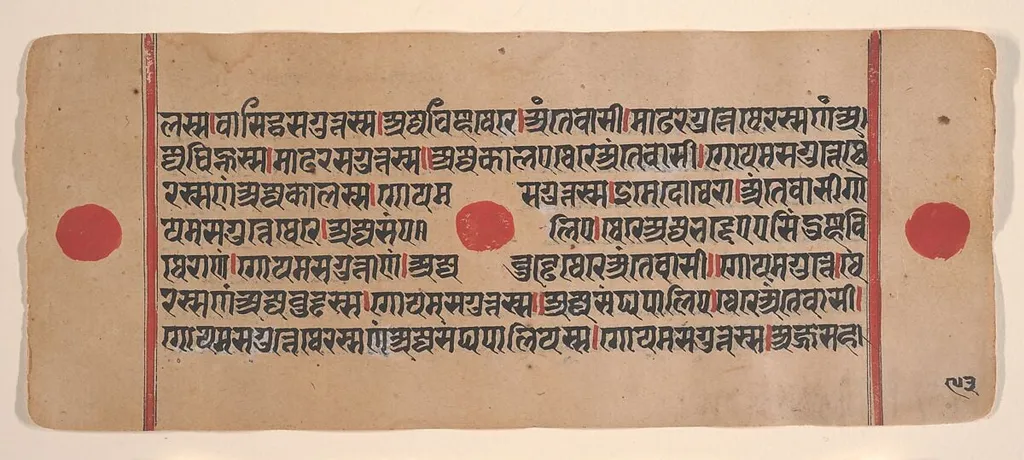
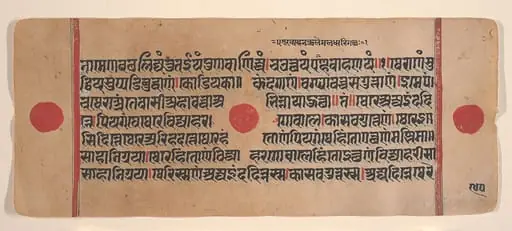
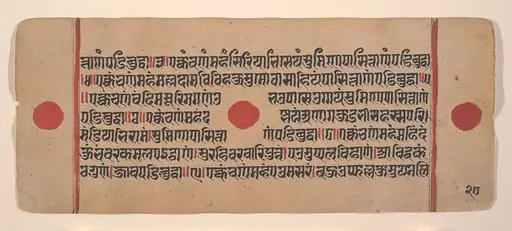
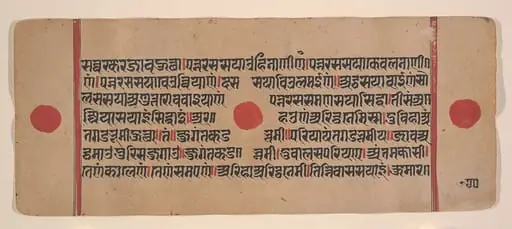
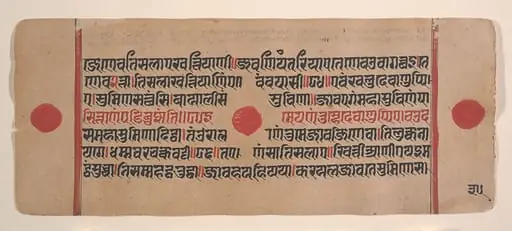
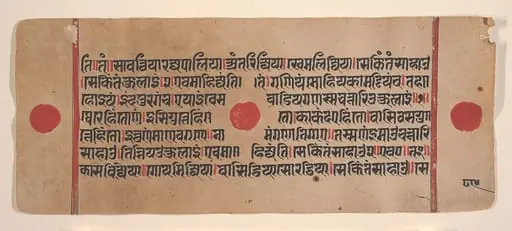
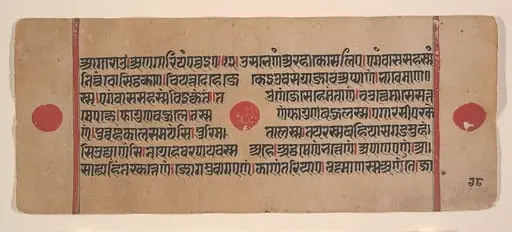
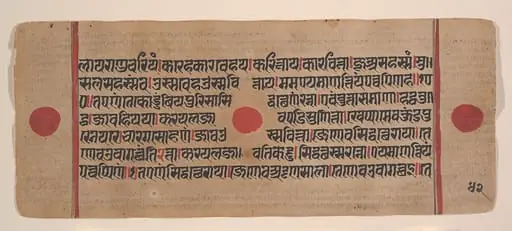
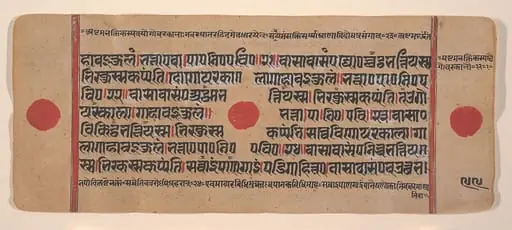
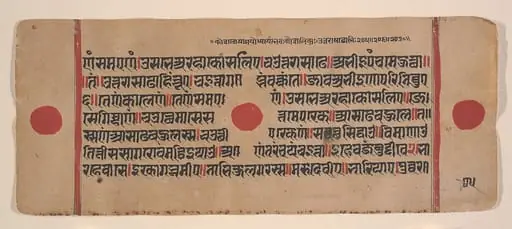
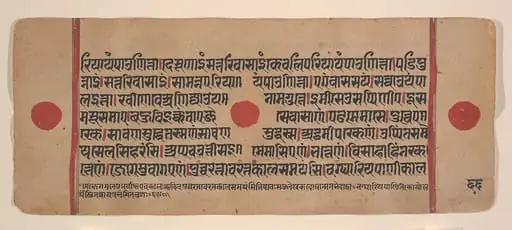
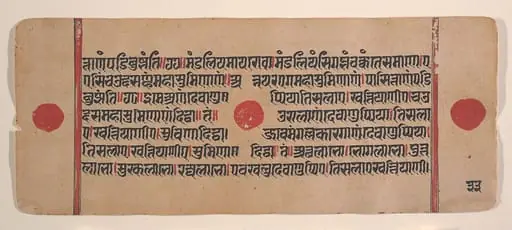
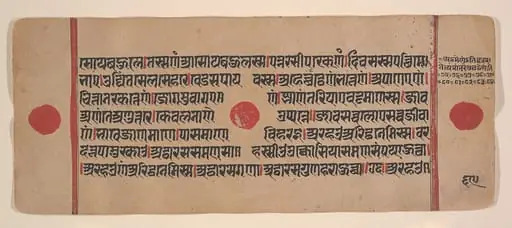
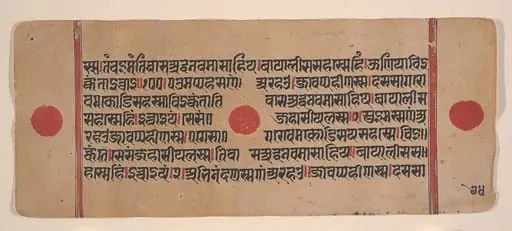
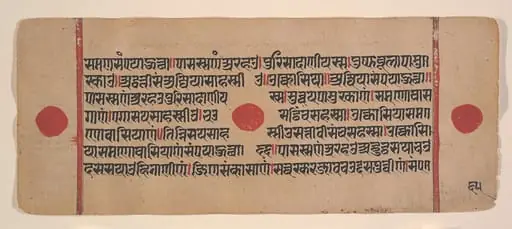
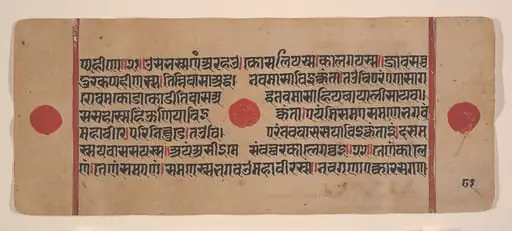
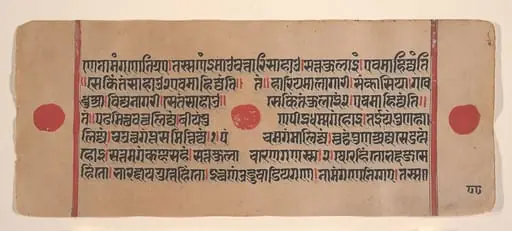
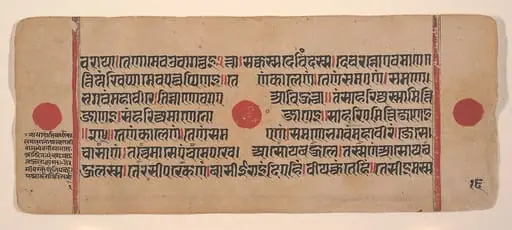
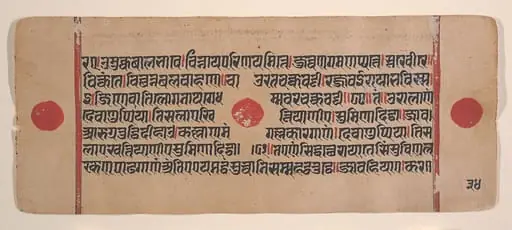
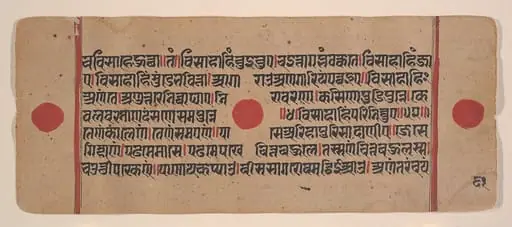
Untitled is a watercolor painting. It dates from 1449 and is held in the collection of the Metropolitan Museum of Art.
About this work
Subject & Meaning
Created in 1449 in India, this anonymous religious painting depicts scenes from Jainism, serving as a visual representation of the faith's spiritual narratives.
Created in 1449 in India, this anonymous religious painting depicts scenes from Jainism, serving as a visual representation of the faith's spiritual narratives. Executed in ink, opaque watercolor, and gold on paper, the work functions as a devotional object within the Jain tradition rather than a secular portrait or landscape. The inclusion of gold leaf alongside the pigments suggests a ritualistic purpose, emphasizing the sanctity of the depicted figures or events.
While the specific iconographic details of the figures remain unspecified in the available records, the work's classification as religious art explicitly tied to Jainism indicates its primary meaning lies in illustrating core tenets or stories of that religion. As a product of anonymous Indian craftsmanship from the mid-15th century, the piece represents the historical artistic expression of Jain communities during that period.
Technique & Style
Created in 1449 in India, this religious painting depicting Jainism utilizes ink, opaque watercolor, and gold applied to a paper support. The work measures 11.1 cm in height by 27 cm in width. Attributed to an anonymous artist, the piece is classified as a painting within the collection of the Metropolitan Museum of Art.
The combination of gold and opaque pigments on paper reflects specific material choices characteristic of the region and period, though detailed information regarding the current physical condition or specific handling techniques is not provided in the available records.
History & Provenance
The work is held in the collection of the Metropolitan Museum of Art, where it is identified by the accession number 55.121.38.69. According to the Wikidata record for the painting, its current location is the Metropolitan Museum of Art, and it forms part of that institution's holdings. The sources do not provide any information regarding prior ownership, acquisition history, or past exhibitions of the work, so further details of its provenance and display history cannot be stated.
Overview
This untitled painting, created approximately five centuries ago in Gujarat, India, features a serene seated figure rendered with ink, opaque watercolor, and gold on paper. Intended for Jain monks, the artwork is characterized by its delicate lines and vibrant yet simple color palette. The central figure, clad in white robes, is depicted against a flat background, embodying a sense of quiet contemplation or instruction.
Context
This painting was produced in Gujarat, India, around 500 years ago, specifically for the use of Jain monks. Its creation reflects the artistic traditions associated with Jainism, a religion emphasizing non-violence and asceticism. The quiet, detailed style and the spiritual subject matter align with the devotional practices and visual culture prevalent within Jain monastic communities of the period.
Artist & collection