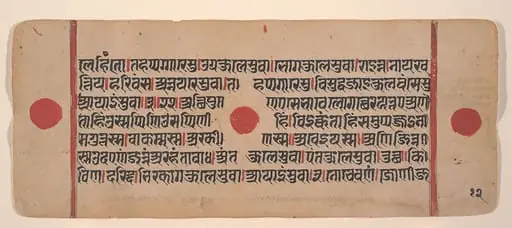
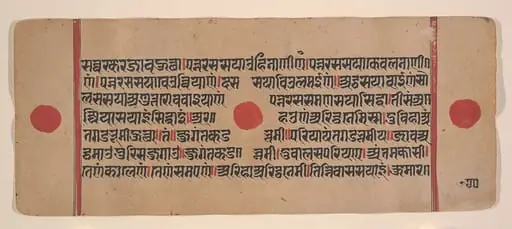
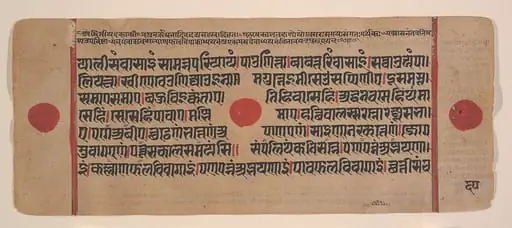
Artwork
Untitled
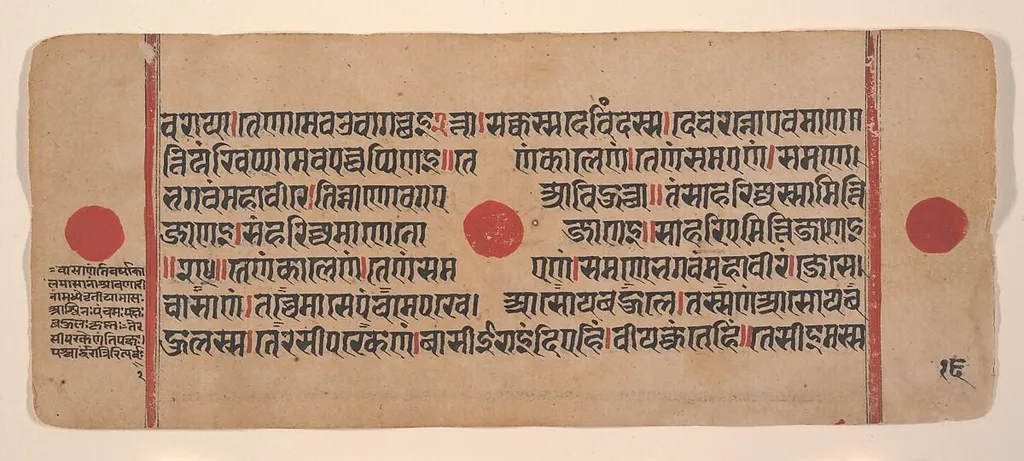
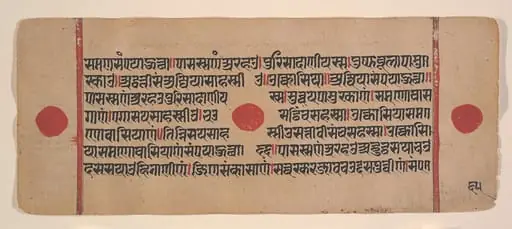
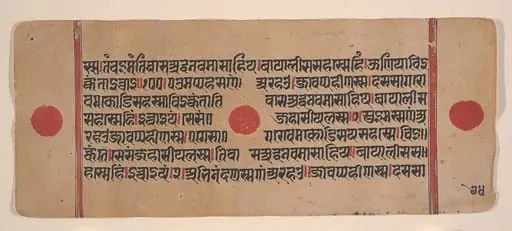
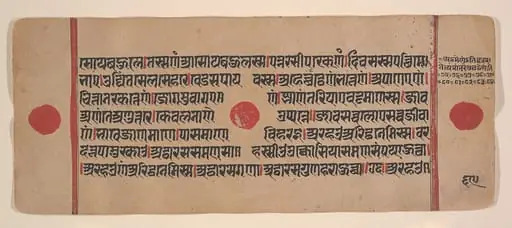
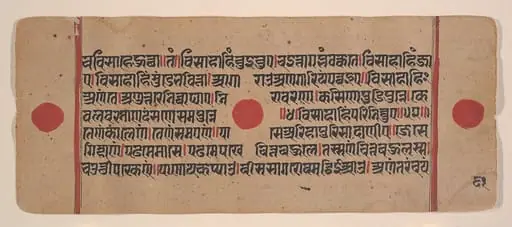
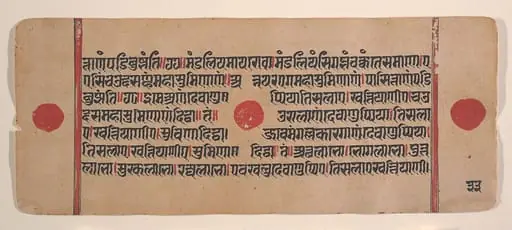
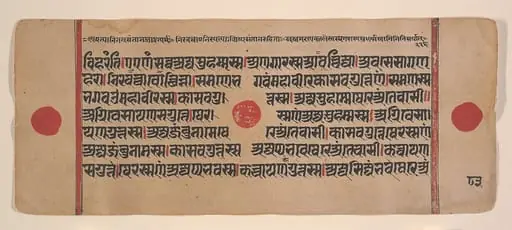
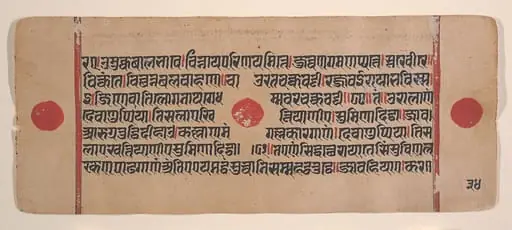
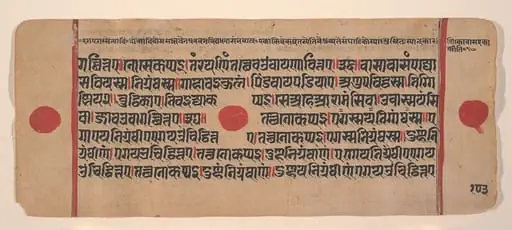
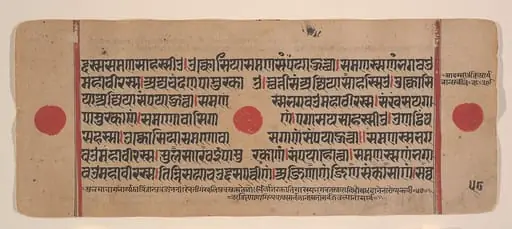
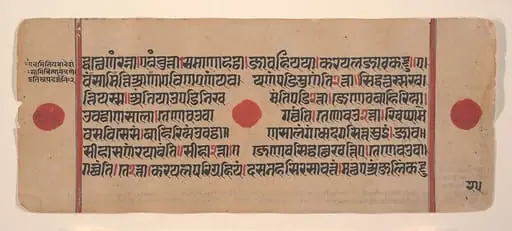
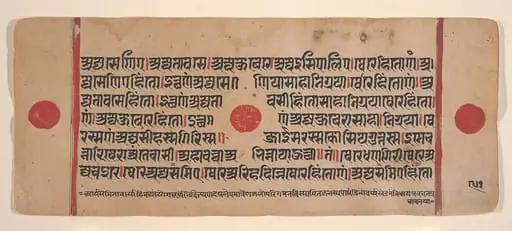
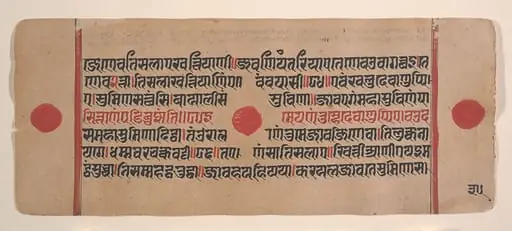
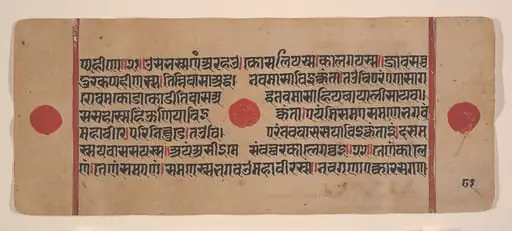
Untitled is a watercolor painting. It dates from 1449 and is held in the collection of the Metropolitan Museum of Art.
- Accession no.
- 55.121.38.49
- Credit line
- Rogers Fund, 1955
About this work
Subject & Meaning
Created in 1449 by an anonymous Indian artist, this work functions as a piece of religious art explicitly depicting themes of Jainism.
Created in 1449 by an anonymous Indian artist, this work functions as a piece of religious art explicitly depicting themes of Jainism. Executed in ink, opaque watercolor, and gold on paper, the composition serves as a visual representation of Jain faith and doctrine. While the specific narrative scene or individual figures are not detailed in the available records, the work's primary iconography is defined by its classification within the Jain religious tradition.
As an artifact of fifteenth-century India, the painting embodies the spiritual values and devotional practices central to Jainism during this period, utilizing precious materials like gold to underscore the sacred nature of its subject matter.
Technique & Style
The work is executed in ink, opaque watercolor, and gold on paper, a combination typical of Jain religious painting from 15th-century India. Measuring 11.1 × 27 cm, the small horizontal format suggests it may have functioned as a manuscript illumination or detached folio. The use of gold alongside opaque watercolor indicates a luxurious, devotional purpose, while the ink underdrawing would have provided precise linear definition for the religious imagery.
The Metropolitan Museum of Art holds the painting (accession number 55.121.38.49). No specific information about its current condition or detailed stylistic handling is provided in the sources.
History & Provenance
Created in 1449 in India, this anonymous religious painting depicts themes of Jainism. Executed in ink, opaque watercolor, and gold on paper, the work measures 11.1 by 27 centimeters. The piece currently resides in the collection of the Metropolitan Museum of Art, where it is cataloged under the accession number 55.121.38.49.
While the specific circumstances of its commission and the identity of its creator remain unknown, the work is firmly dated to the mid-15th century. The museum's records attribute the piece to an anonymous painter, and it is classified within the institution's paintings department as a significant example of Indian religious art from this period.
Untitled, a 1449 ink, opaque watercolor and gold on paper painting, is part of the Metropolitan Museum of Art's collection under accession number 55.121.38.49. The work, classified as a religious painting depicting Jainism, is housed in the museum's galleries in New York. No exhibition history is documented in the available sources, and the piece is not listed as having been shown in any recorded exhibitions. Its provenance is documented only by the museum's catalog entry.
Overview
This untitled painting, executed with ink, opaque watercolor, and gold on paper, originates from a Jain manuscript produced in Gujarat, India. It depicts a central female figure seated on a golden throne, surrounded by symbolic elements and smaller kneeling figures, rendered with precise lines and vibrant, unmodulated colors characteristic of the tradition.
Context
This piece is a page from a Jain manuscript, a type of book central to the religious practices of Jainism, a faith emphasizing non-violence and disciplined living. Such manuscripts were meticulously crafted by hand, often incorporating precious materials like gold to convey deep respect for the sacred texts and the spiritual principles they contained. The anonymous nature of the artist is typical for devotional works of this period.
Artist & collection