Artwork
Virgin and Child
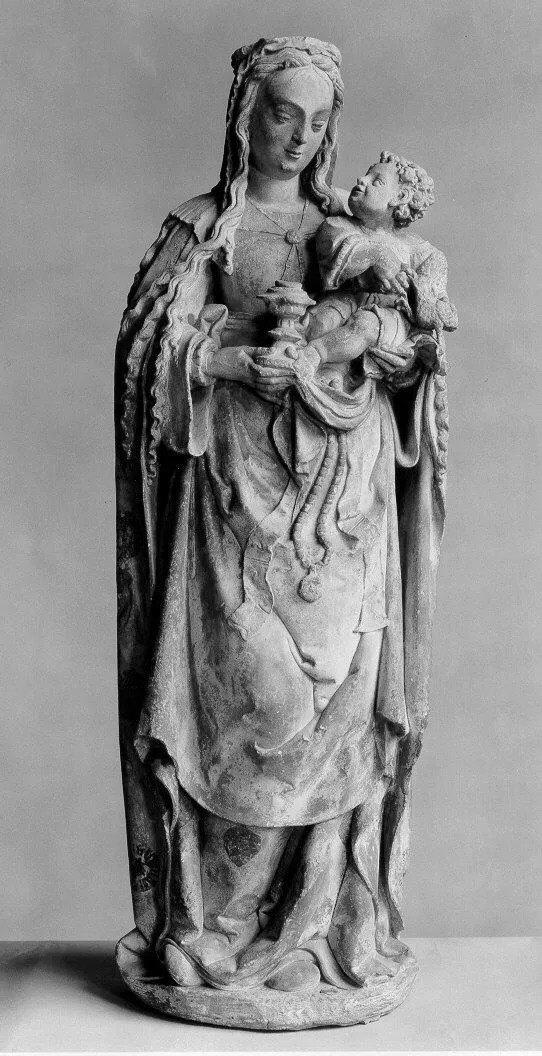
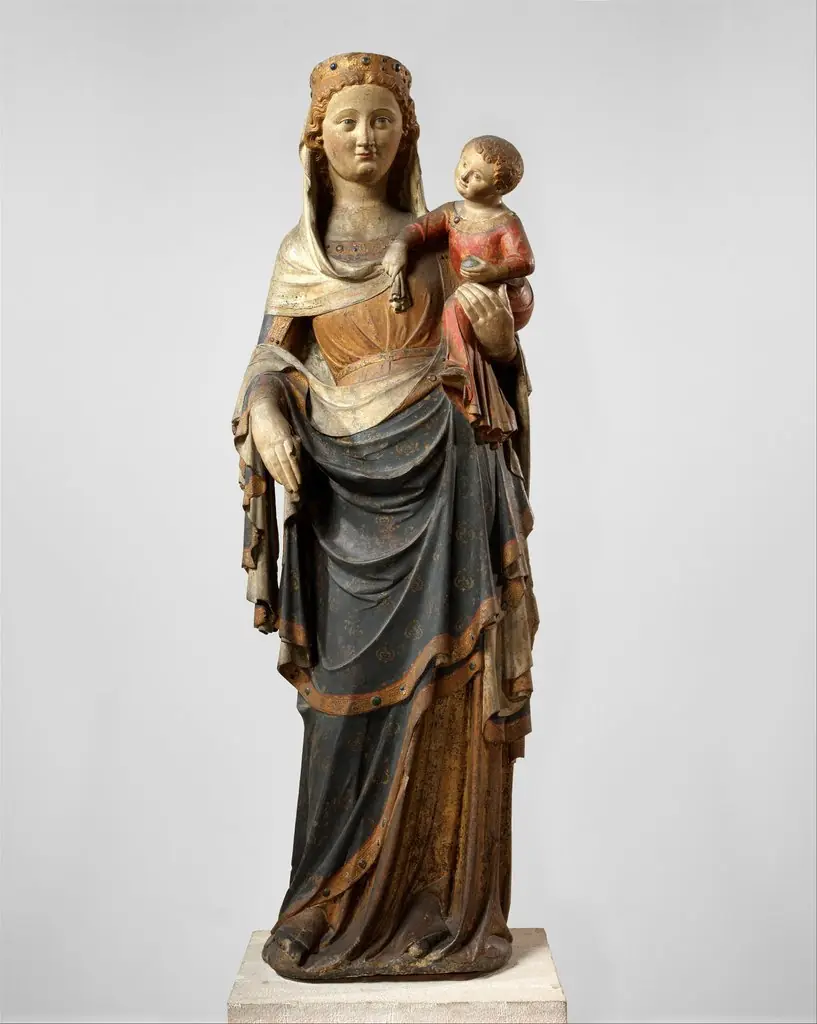
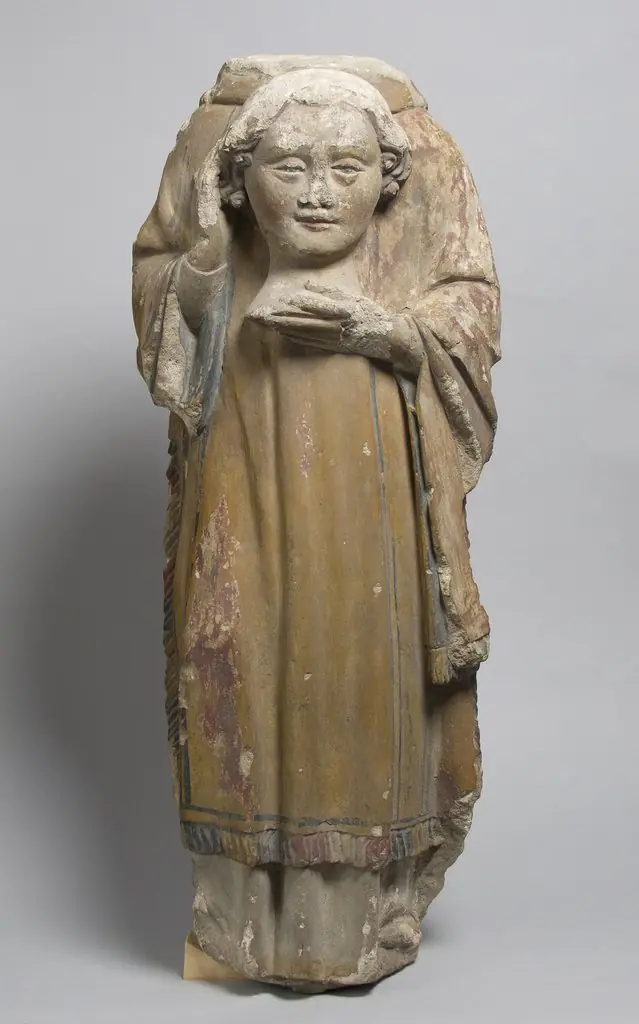
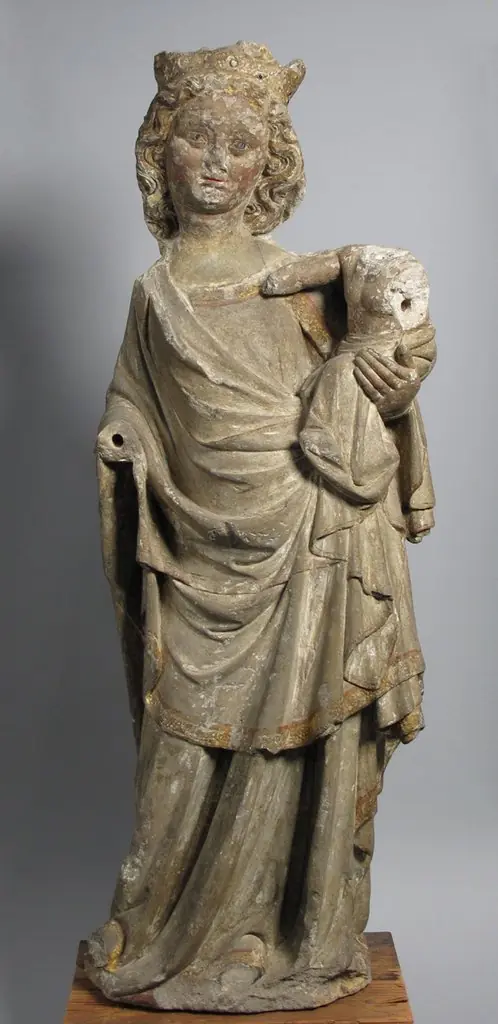
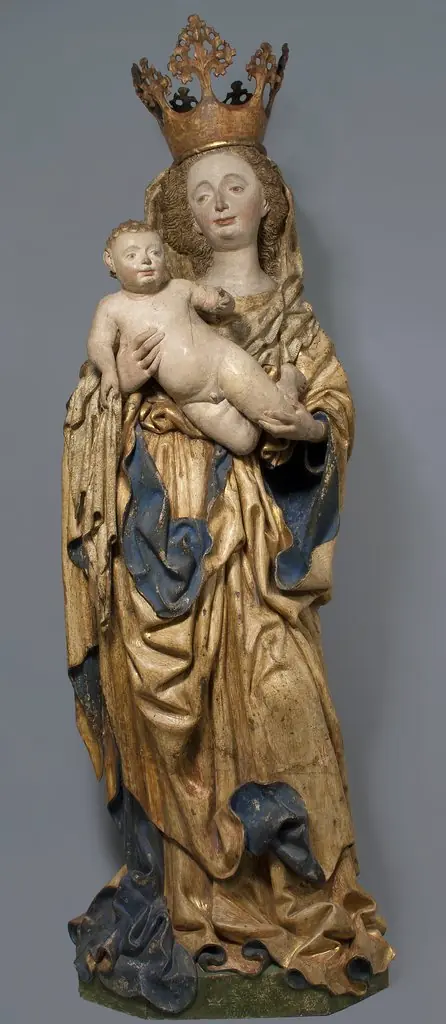
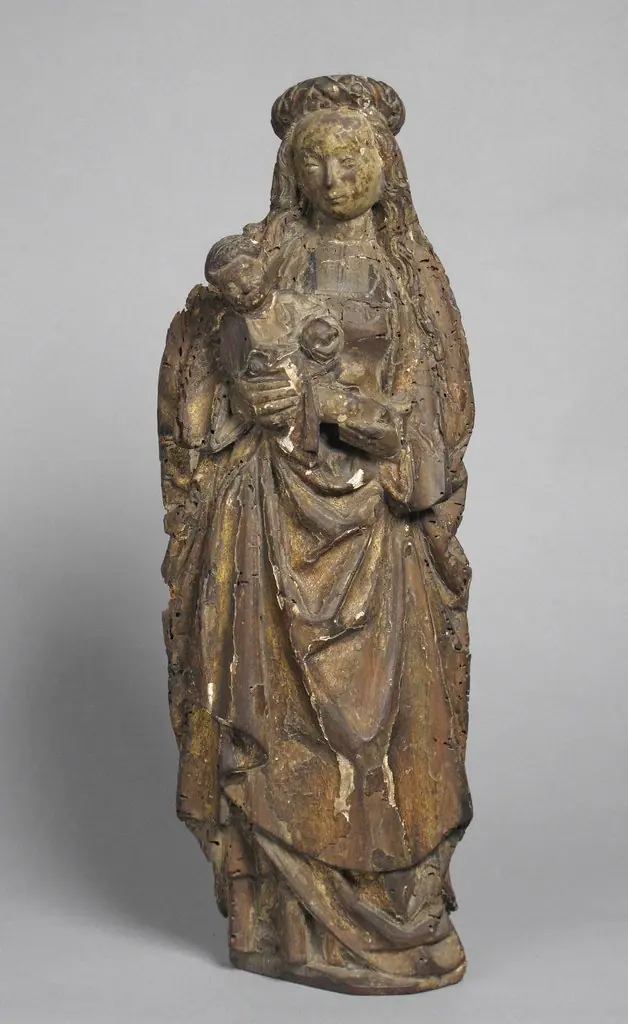
Virgin and Child is an unspecified painting. It dates from 1525 and is held in the collection of the Metropolitan Museum of Art. This artwork presents a sculptural depiction of the Virgin Mary cradling the Christ Child.
About this work
Subject & Meaning
Documented as a 1525 religious painting, the piece exemplifies the period's emphasis on sacred narrative and symbolic representation of holy figures.
The painting presents the Virgin Mary cradling the infant Christ, the canonical Madonna and Child motif that signifies the Incarnation and the mediating role of Mary in salvation. In this composition the figures embody theological themes of divine motherhood, intercession, and the human nature of Christ, reflecting typical Renaissance devotional iconography. The work's religious genre is underscored by its subject matter and the inclusion of holy symbols associated with Marian veneration.
Documented as a 1525 religious painting, the piece exemplifies the period's emphasis on sacred narrative and symbolic representation of holy figures.
History & Provenance
The Virgin and Child is an anonymous painting dated to 1525. It is currently housed in the Metropolitan Museum of Art under accession number 26.63.4. No documentation survives regarding its original commission, early owners, or subsequent transfers before entering the museum’s collection; the work’s provenance is therefore limited to its modern institutional holding.
The Virgin and Child is held in the collection of the Metropolitan Museum of Art in New York, where it is recorded under accession number 26.63.4. The work dates to 1525 and belongs to the religious painting genre, depicting the Madonna and Child. No exhibition history is documented in the available sources, indicating that the piece has not been featured in publicly listed exhibitions according to the referenced records, as noted in the source documentation.
Legacy
The 1525 Virgin and Child, recorded in the corpus of early sixteenth‑century religious paintings, helped codify the Madonna and Child iconography that dominated later devotional art. Its attribution to an anonymous master and inclusion in the Metropolitan Museum of Art’s collection have made the composition a reference point for scholars studying the diffusion of Marian imagery in the Renaissance. The work’s provenance and public display have reinforced the reputation of the Virgin and Child motif as a benchmark for devotional painting, influencing subsequent artists who adapted its compositional balance and intimate scale.
Overview
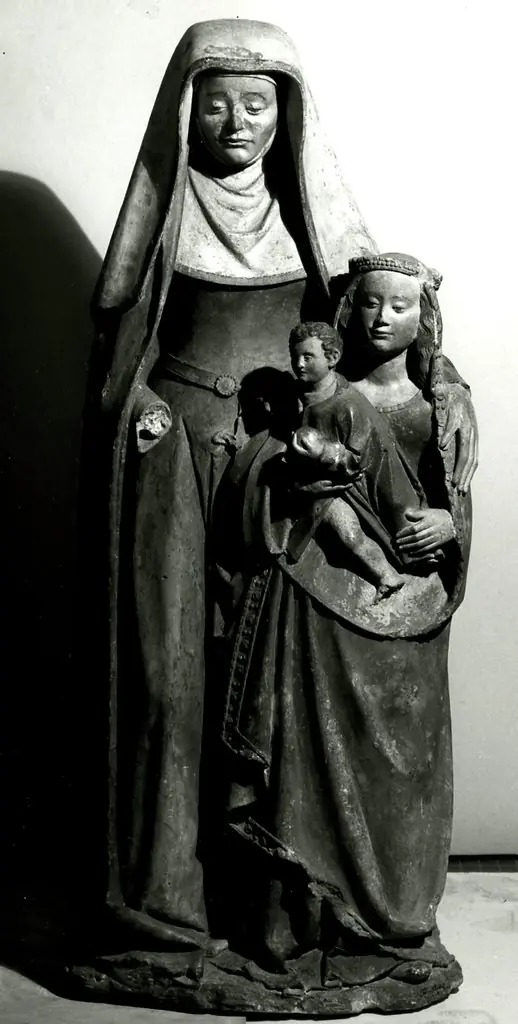
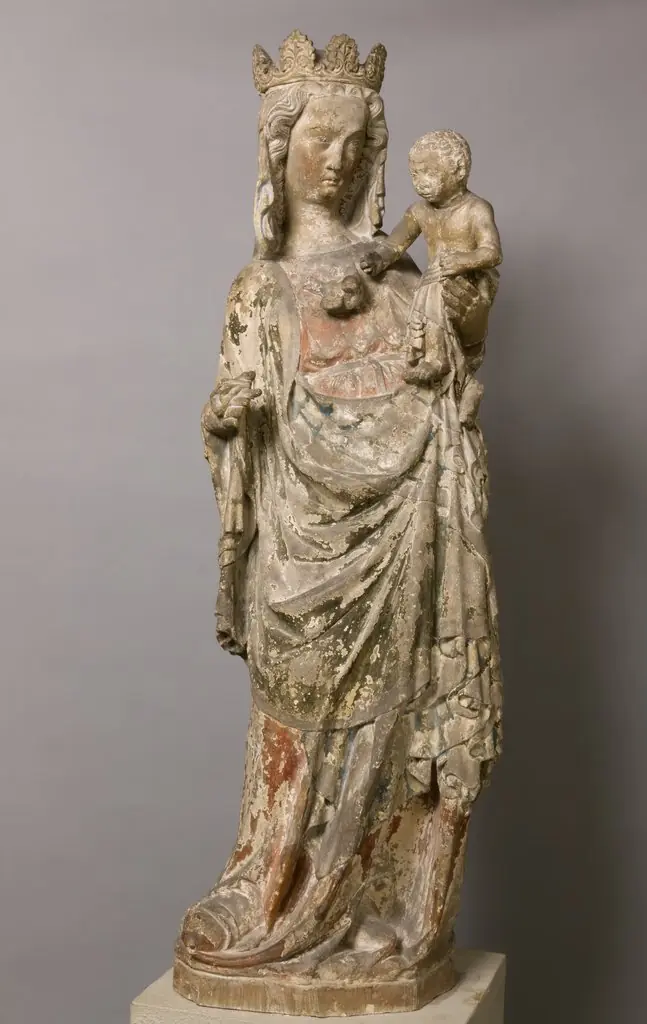
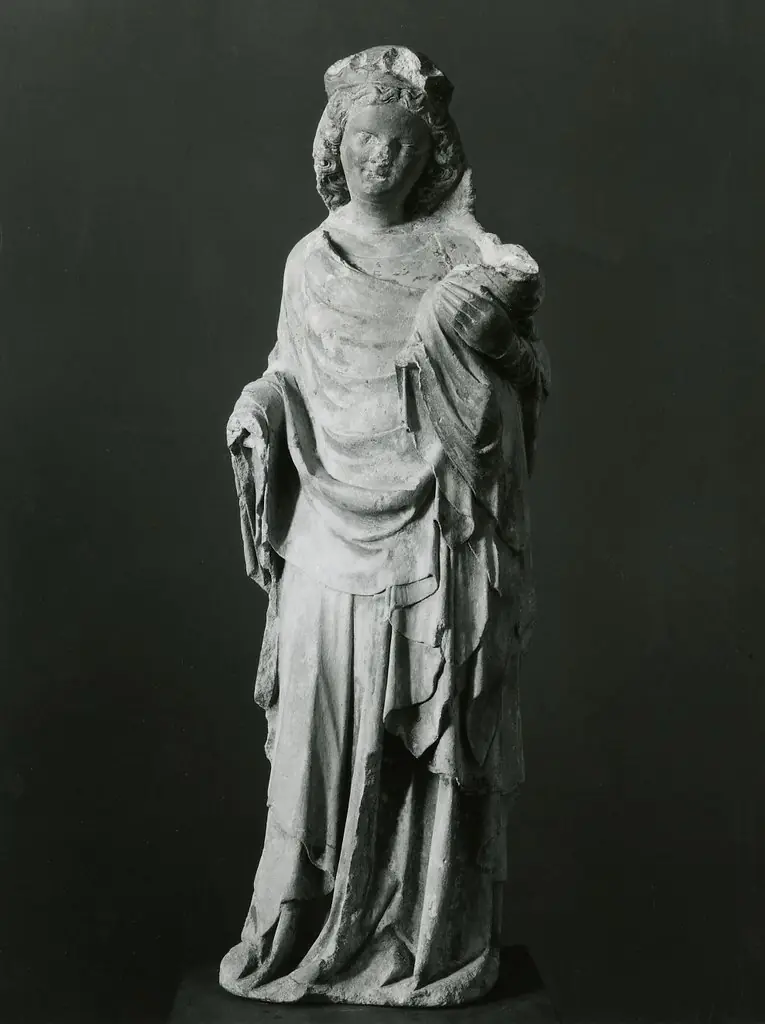
This artwork presents a sculptural depiction of the Virgin Mary cradling the Christ Child. The composition conveys a sense of profound serenity and devotion, characteristic of religious art. The figures are rendered with careful attention to their forms and expressions, inviting contemplation of the sacred bond between mother and son.
Technique & Style
The sculpture exhibits a realistic approach, evident in the meticulous detailing of the drapery, where folds of fabric are precisely articulated. Facial expressions are carefully modeled, contributing to the overall sense of calm and piety. This detailed naturalism and focus on religious themes align with artistic trends seen in the Northern Renaissance, where such devotional works were highly valued.
Artist & collection