Artwork
Angel
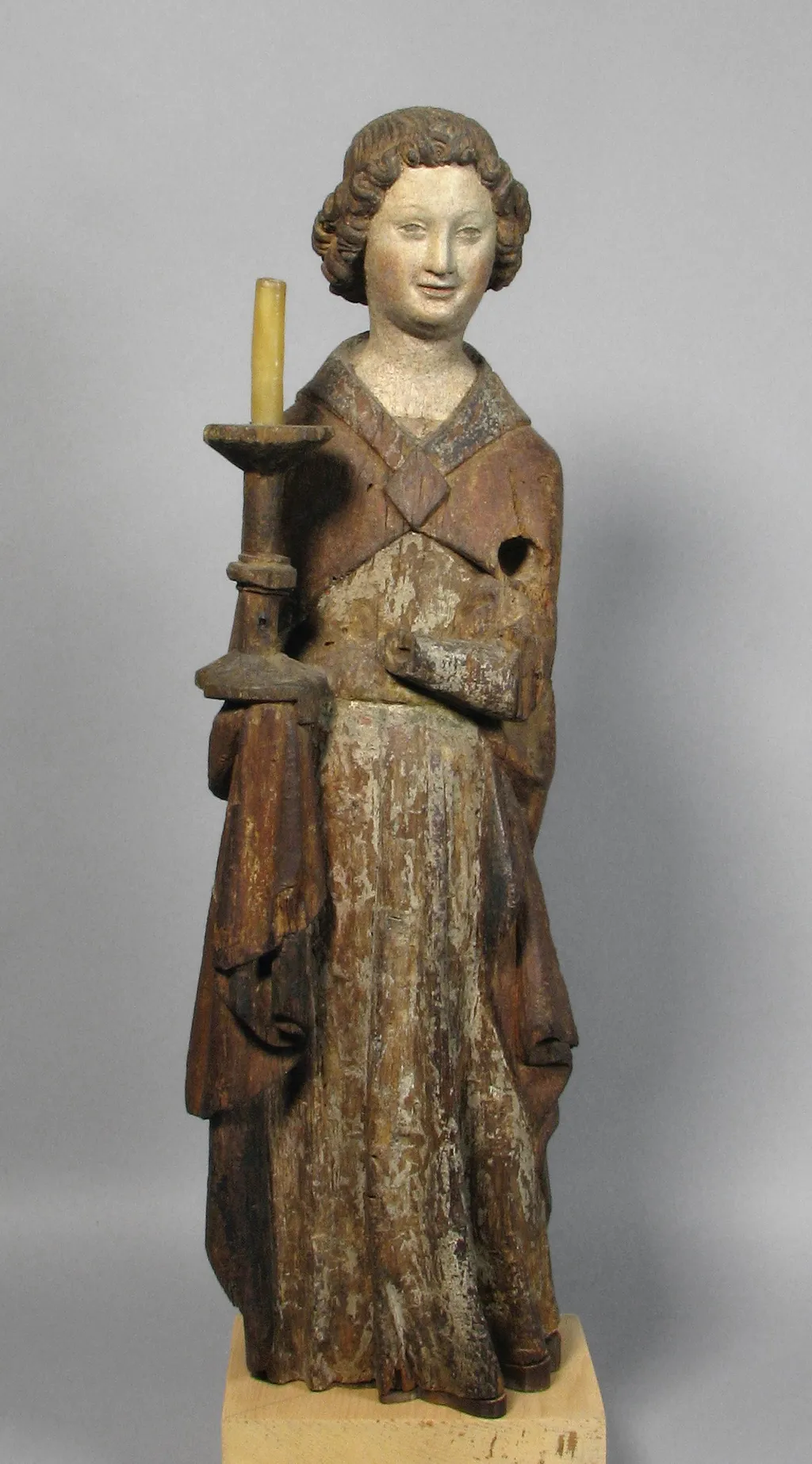
Angel is an unspecified painting. It dates from 1250 and is held in the collection of the Metropolitan Museum of Art.
About this work
Subject & Meaning
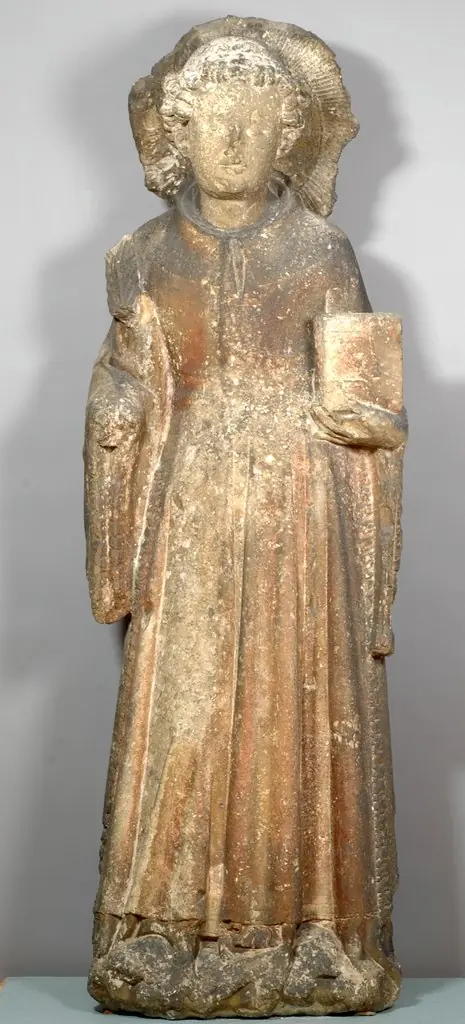
It portrays a winged celestial being rendered with traditional attributes, flowing robe and outstretched wings, signalling divine messenger status.
The painting titled Angel is a 13th-century religious work dated to circa 1250, housed in the Metropolitan Museum of Art (accession 25.120.231). It portrays a winged celestial being rendered with traditional attributes, flowing robe and outstretched wings, signalling divine messenger status. In Christian iconography the angel symbolizes protection, guidance, and the transmission of divine will.
As a piece of medieval devotional art, the work reinforces the theological significance of heavenly intermediaries within the conventions of early European panel painting.
History & Provenance
Created circa 1250 by an anonymous artist, this religious painting is housed in the Metropolitan Museum of Art in New York (accession 25.120.231). The work measures 67.3 cm in height and is classified within the museum's European paintings collection. No commission history, earlier ownership, or exhibition records are documented in the available sources.
Context
Angel exemplifies the prevalence of celestial imagery in 13th-century sacred art and reflects the stylistic conventions of early European panel painting. Its inclusion in the Metropolitan Museum of Art collection illustrates the enduring scholarly and institutional interest in medieval devotional imagery. The anonymous attribution places it within the broader tradition of workshop production characteristic of the period.
Overview
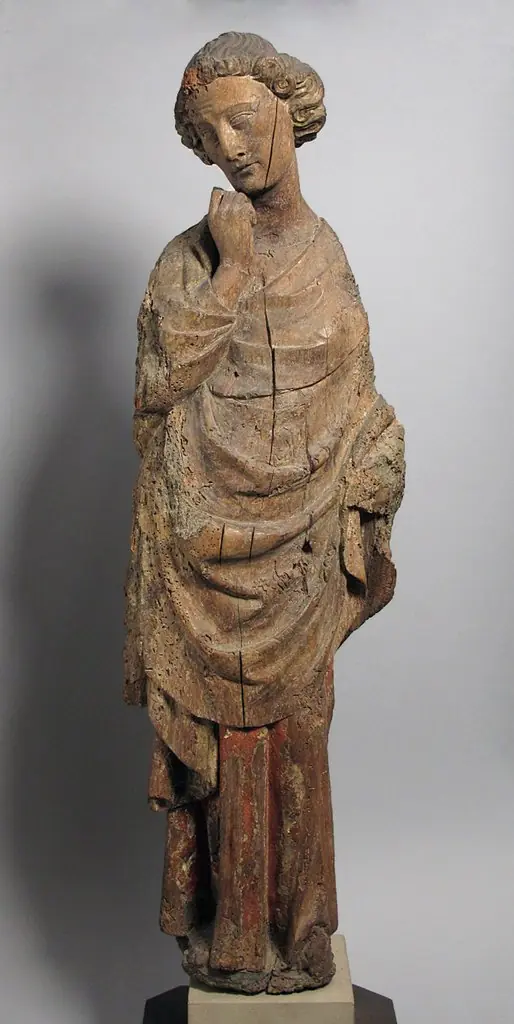
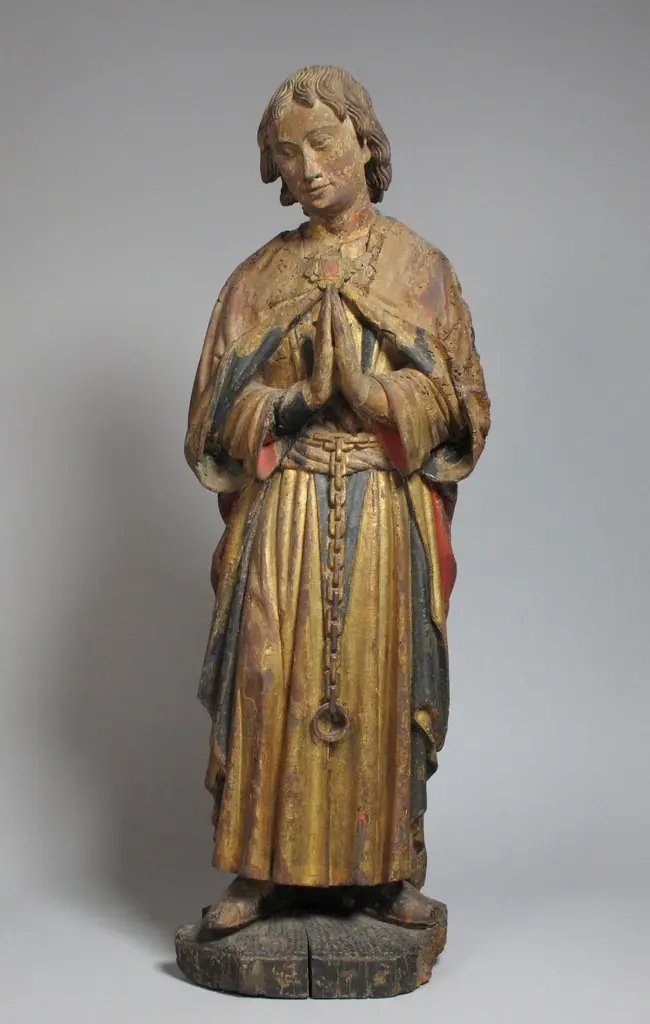
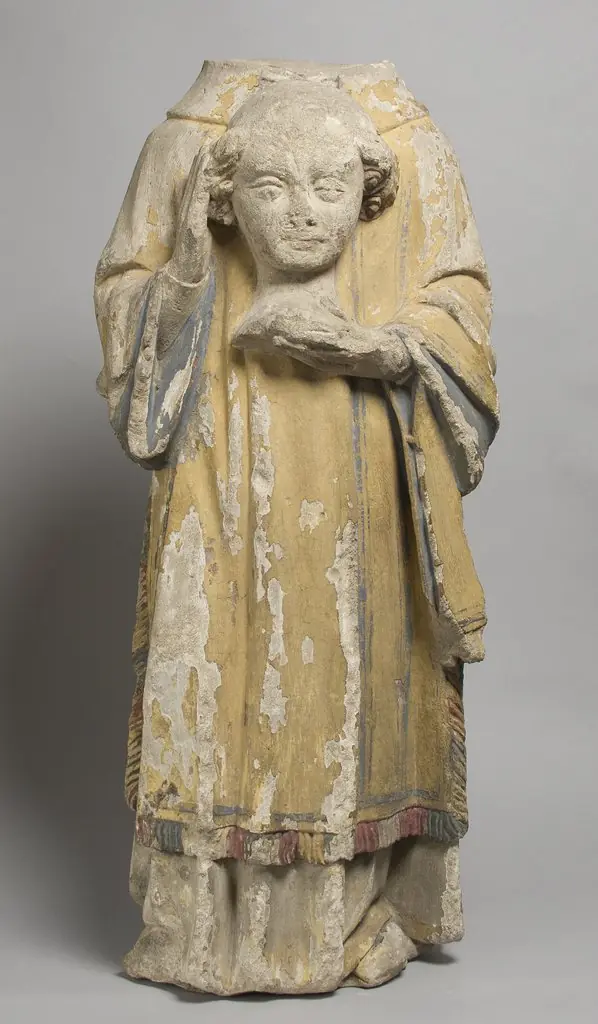
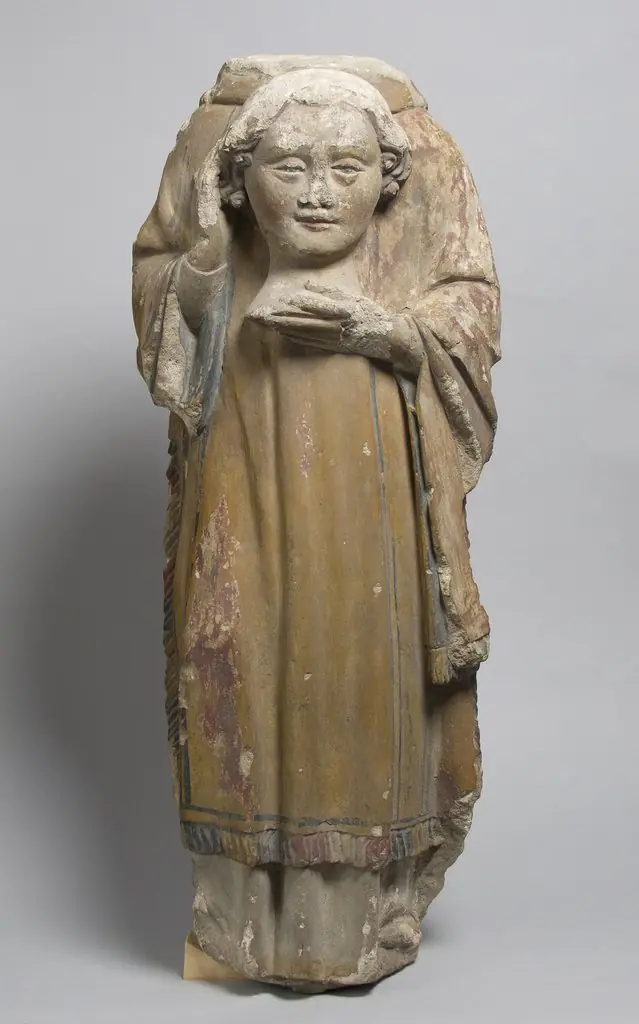
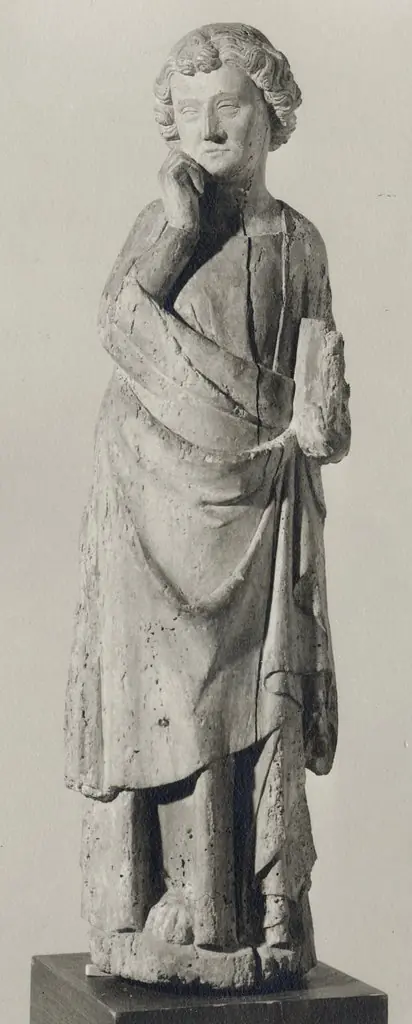
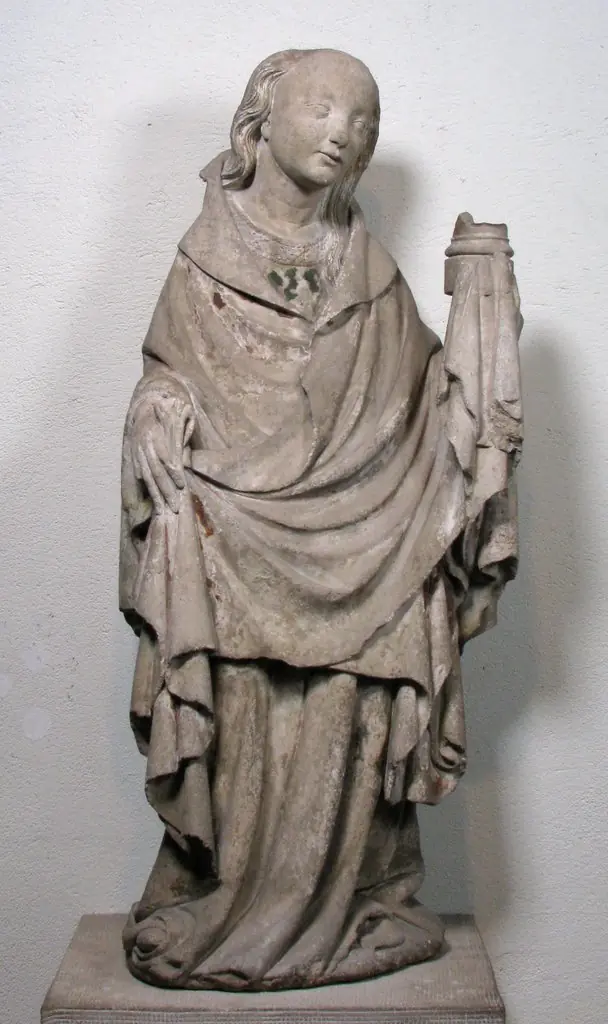
The artwork titled Angel is a painting depicting a serene figure. It presents an angelic form, rendered with an appearance akin to carved wood, holding a tall, slender candle. The overall impression is one of tranquility, conveyed through the figure's gentle demeanor and smooth features. This piece invites contemplation of its subject and the artistic choices made in its representation.
Technique & Style
The artist has rendered the angel with a distinct visual quality that evokes the appearance of a sculpted wooden figure. The smooth contours of the face and the simple, flowing lines of the robe contribute to this effect. Over time, the painted surface has developed signs of age, with some areas of paint chipping away.
This natural wear adds a historical dimension to the artwork, hinting at its journey through time and its material reality as an object.
Artist & collection