Artwork
Saint Frederick
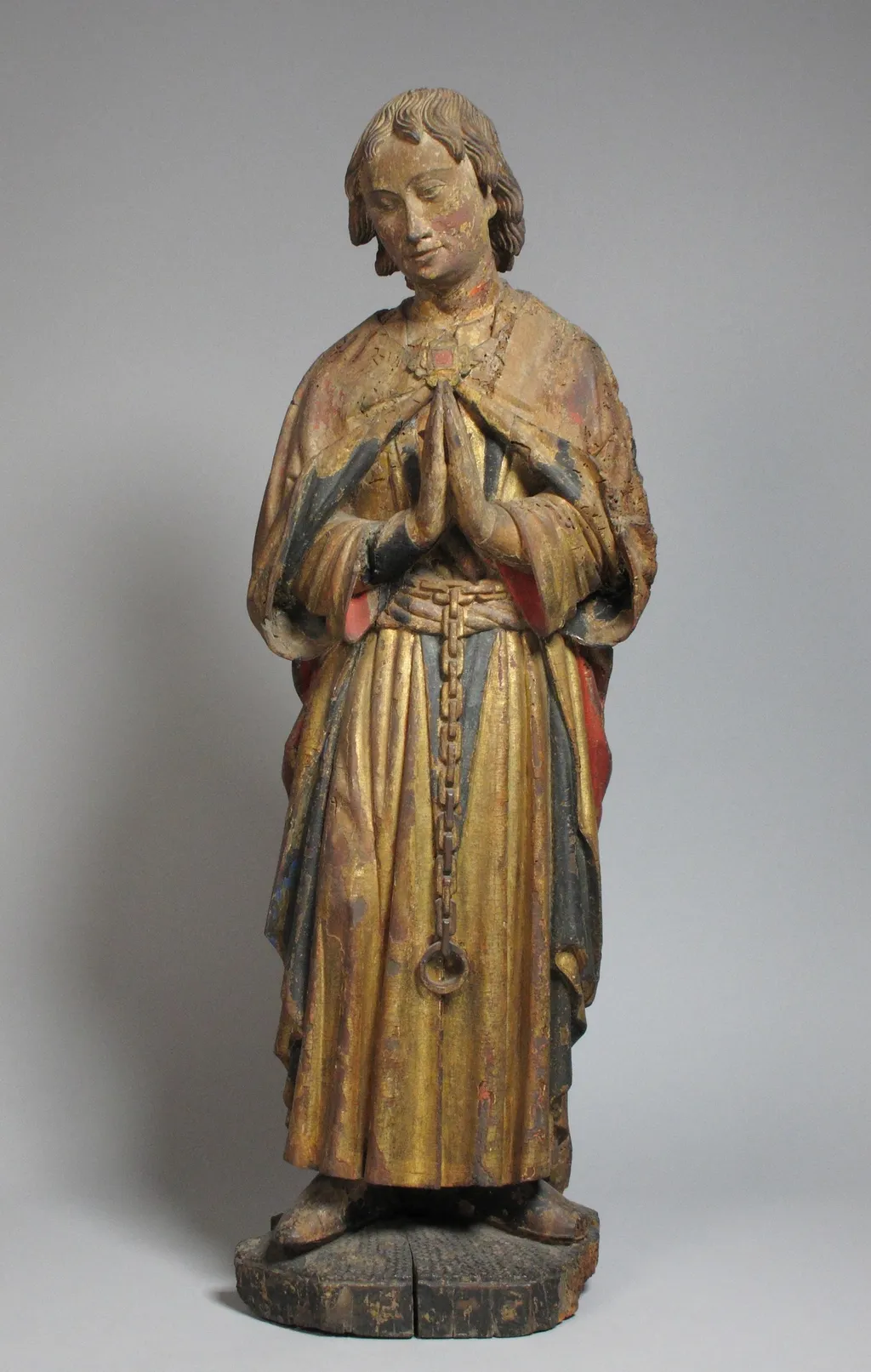
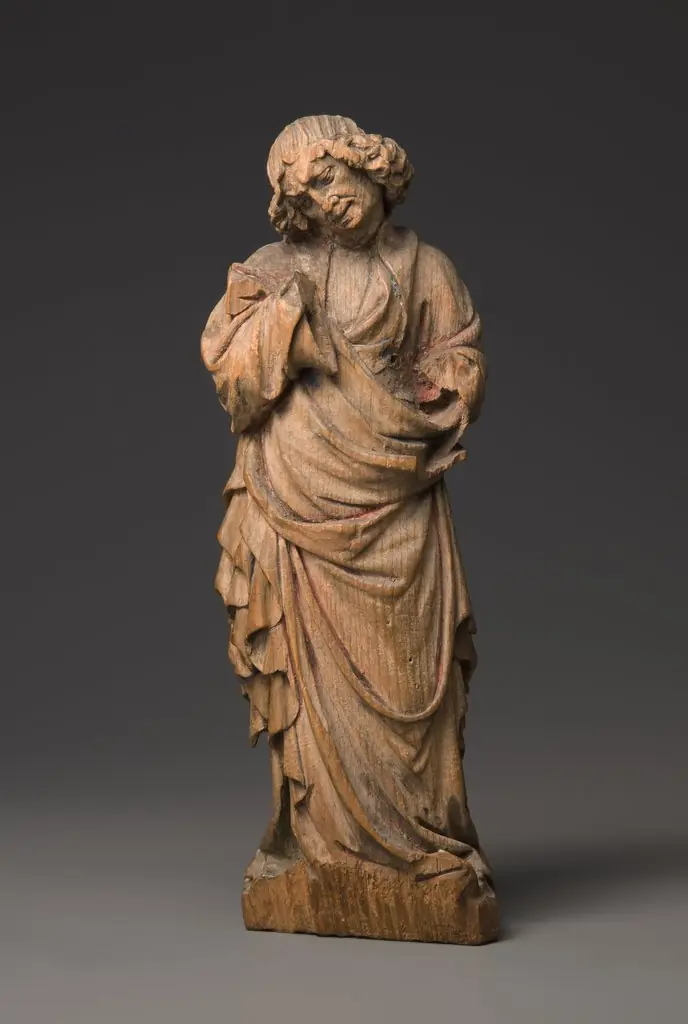
Saint Frederick is an unspecified painting. It dates from 1450 and is held in the collection of the Metropolitan Museum of Art.
About this work
Subject & Meaning
As a religious subject, the image serves to venerate the saint, likely intended for devotional purposes or to illustrate his spiritual significance to viewers.
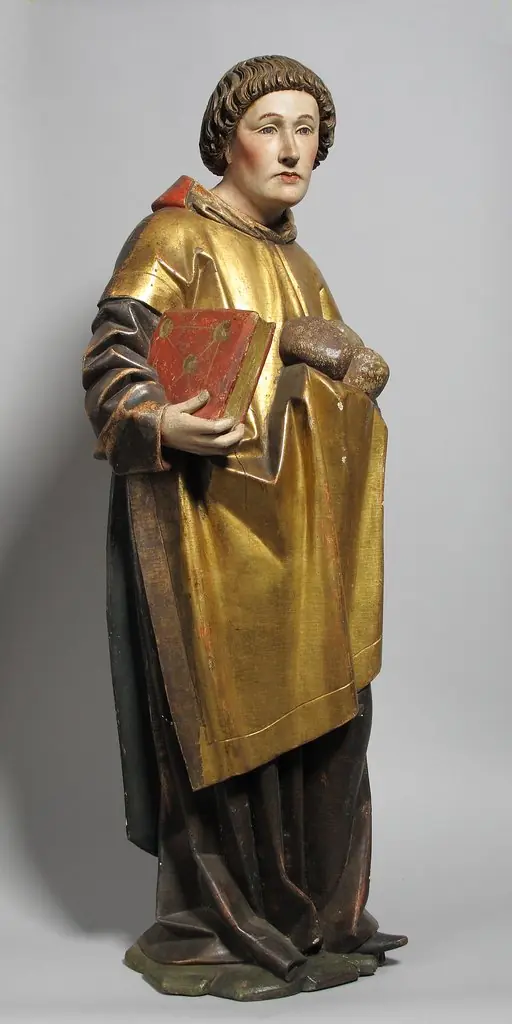
The painting depicts a male saint, specifically identified as Saint Frederick, rendered within the tradition of religious art. Created around 1450 by an anonymous artist, the work presents the figure as a man of sanctity, consistent with hagiographic portraiture of the mid-fifteenth century. As a religious subject, the image serves to venerate the saint, likely intended for devotional purposes or to illustrate his spiritual significance to viewers.
The representation focuses on the individual's identity as a holy man, aligning with the conventions of sacred imagery where the subject's status is the primary visual and symbolic focus.
History & Provenance
Saint Frederick is an anonymous religious painting dated to circa 1450. The work is currently held in the collection of the Metropolitan Museum of Art in New York, where it is catalogued as a religious depiction of a saint. No specific commission or earlier ownership details are recorded in the available sources; the painting’s provenance is therefore limited to its creation in the mid‑fifteenth century and its present residence at the Metropolitan Museum of Art.
The painting Saint Frederick is held in the collection of the Metropolitan Museum of Art. Its inventory or accession details are not specified in the available sources. The work has not been documented in any recorded exhibition history according to the provided references.
Overview
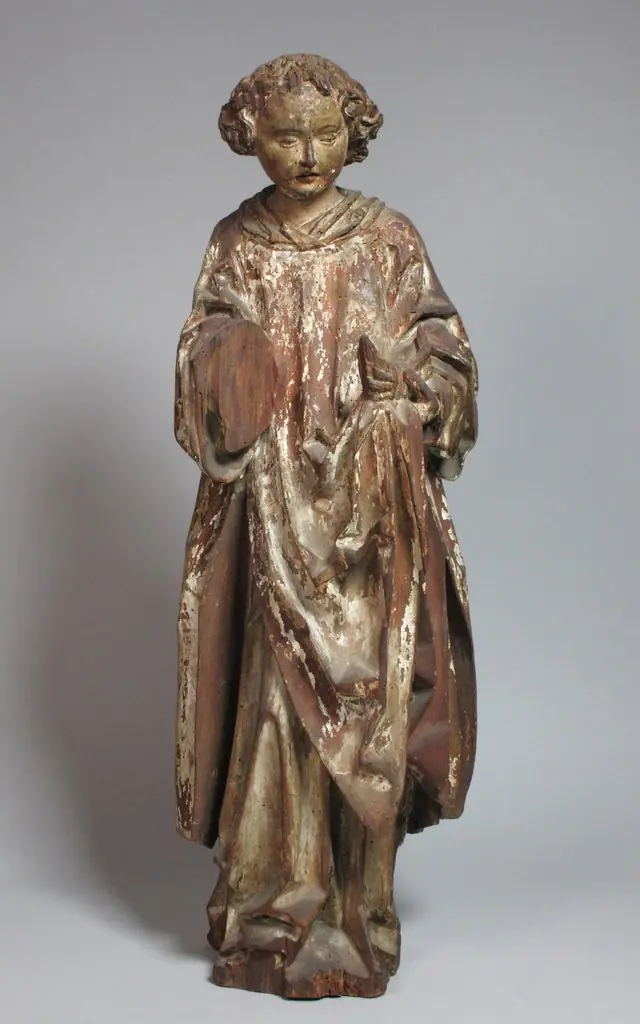
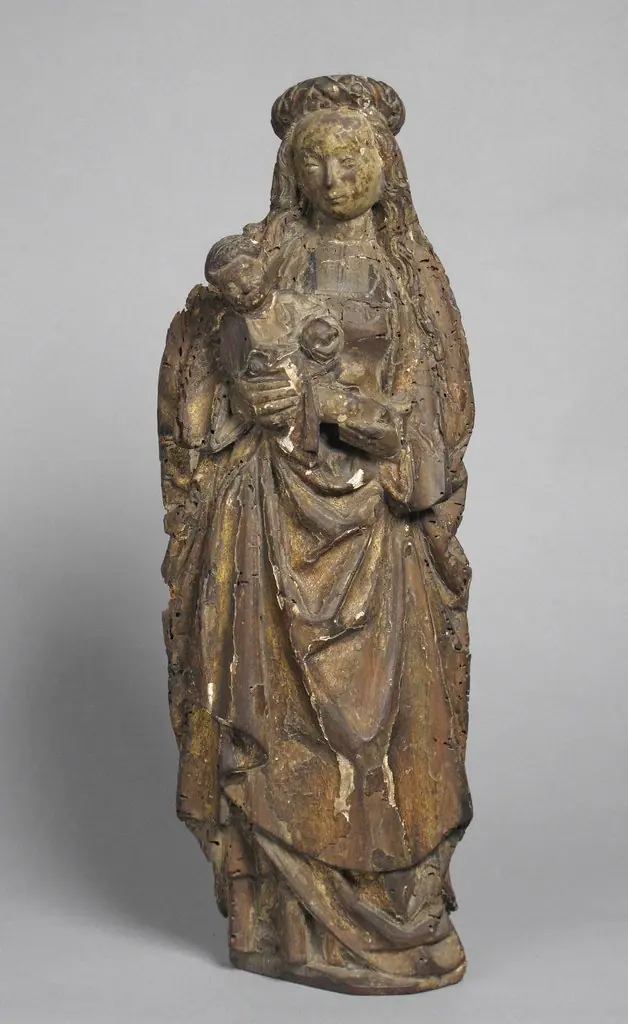
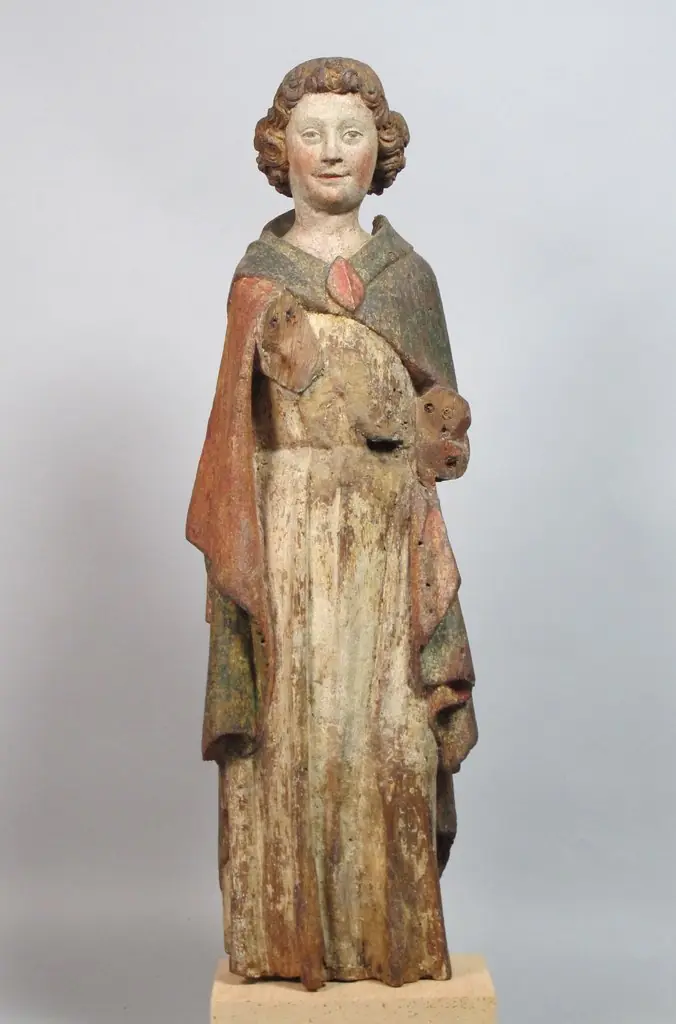
This painting, titled Saint Frederick, presents a detailed rendering of a weathered wooden statue. The devotional sculpture portrays a male figure, likely a saint, with hands clasped in prayer. The artwork emphasizes the intricate carving and aged appearance of its subject, capturing the essence of a historical religious artifact within a painted medium.
Technique & Style
The artist meticulously renders the textured surface of the wooden statue, conveying its aged and weathered quality. Details in the figure's face and drapery are intricately carved, suggesting a high degree of craftsmanship in the original sculptural work. The painting effectively translates the three-dimensional qualities and material characteristics of the devotional object onto a two-dimensional plane.
Context
The depiction of a carved religious figure aligns with a long tradition of Christian iconography. Such works, whether paintings or sculptures, served devotional purposes and were often found in ecclesiastical settings. The style and subject matter resonate with historical religious art, recalling similar artifacts preserved in major collections, such as those housed at The Metropolitan Museum of Art.
Artist & collection