Artwork
Vishnu Battles Madhu and Kaitabha, from a Markandeya Purana
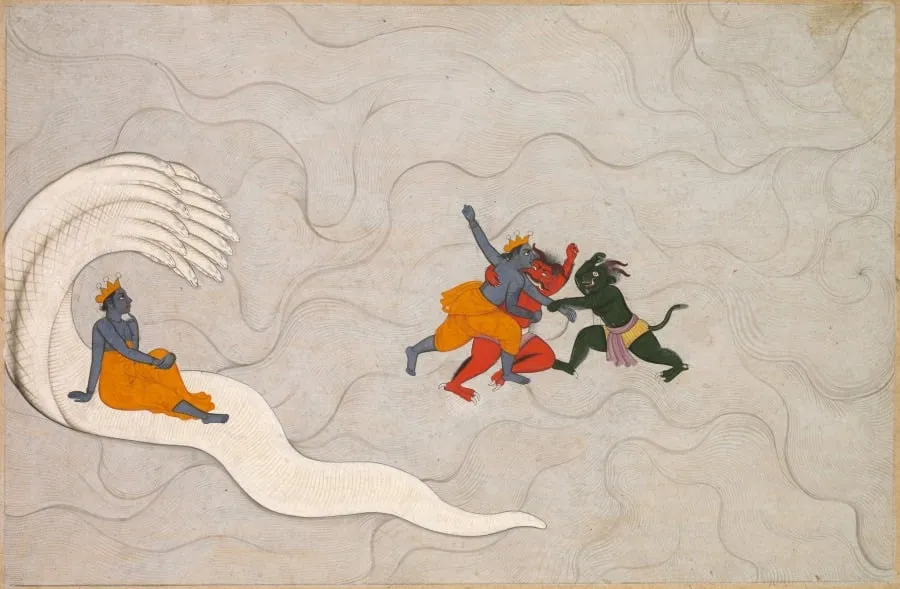
Vishnu Battles Madhu and Kaitabha, from a Markandeya Purana is an unspecified painting by the Pahari Painting artist Unknown. It dates from 1760 and is held in the collection of the Cleveland Museum of Art. The painting illustrates a moment from the Markandeya Purana in which the deity Vishnu confronts the demons Madhu and Kaitabha.
- Accession no.
- 1974.46
- Credit line
- John L. Severance Fund
About this work
Overview
The painting illustrates a moment from the Markandeya Purana in which the deity Vishnu confronts the demons Madhu and Kaitabha. Set on the cosmic ocean of milk, Vishnu is shown reclining on the multi‑headed serpent Shesha, his four arms poised for battle as the two adversaries loom nearby.
Subject & Meaning
According to the Purana, the demons originated from Vishnu’s own earwax, symbolising the emergence of chaos before creation. Their conflict with Vishnu represents the primordial struggle between disorder and divine order that precedes the formation of the world.
Technique & Style
Executed in the early‑modern Pahari tradition, the work combines delicate contour lines with a limited palette of opaque colors. The composition features expansive, lightly rendered backgrounds that contrast with the densely packed figures, a hallmark of the Guler court’s aesthetic in the seventeenth century.
History & Provenance
The piece originates from the hill‑state courts of the western Himalayas, where local rulers under Mughal suzerainty patronised artists modeled on the imperial atelier. Workshops in Guler and neighboring kingdoms produced paintings for devotional and courtly purposes during the 1600s.
Context
The Guler school emerged amid a network of small principalities that paid tribute to the Mughal emperor yet cultivated distinct artistic identities. Their painters adapted Mughal techniques to local tastes, resulting in works that blend courtly sophistication with regional narrative themes.
Legacy
Works from the Guler workshop contributed to the broader development of Pahari painting, influencing later hill‑state schools and preserving a visual record of Hindu mythological narratives as interpreted through a syncretic Indo‑Mughal visual language.
Artist & collection









 Brahma Hides the Cowherds and the Calves in the Cave, page from a Bhagavata Purana
 Brahma Hides the Cowherds and the Calves in the Cave, page from a Bhagavata Purana
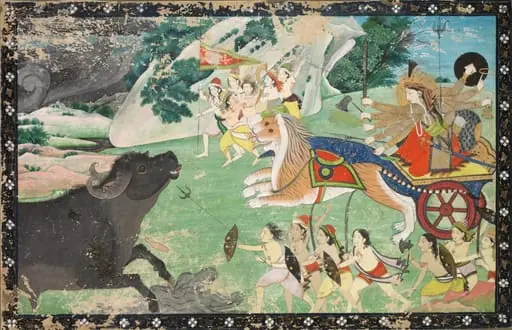 Durga Slaying Mahisha
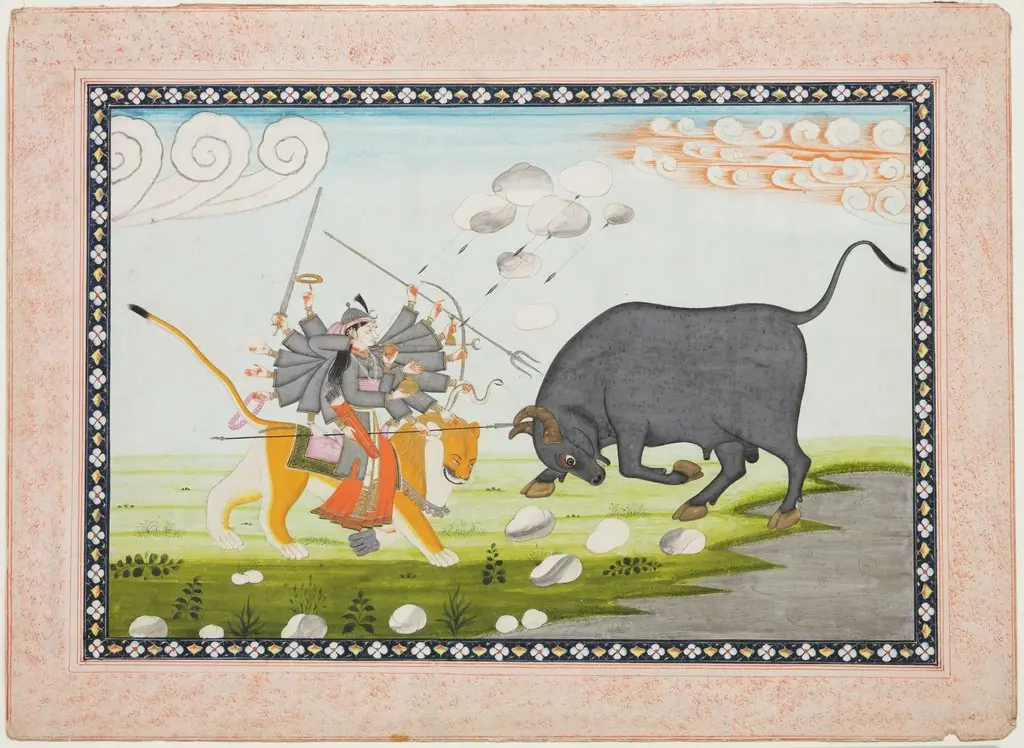 Durga in Combat with the Bull, Mahishasura
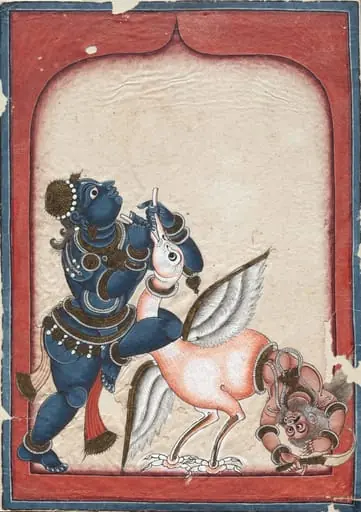 Krishna Vanquishing the Crane-Demon Bakasura
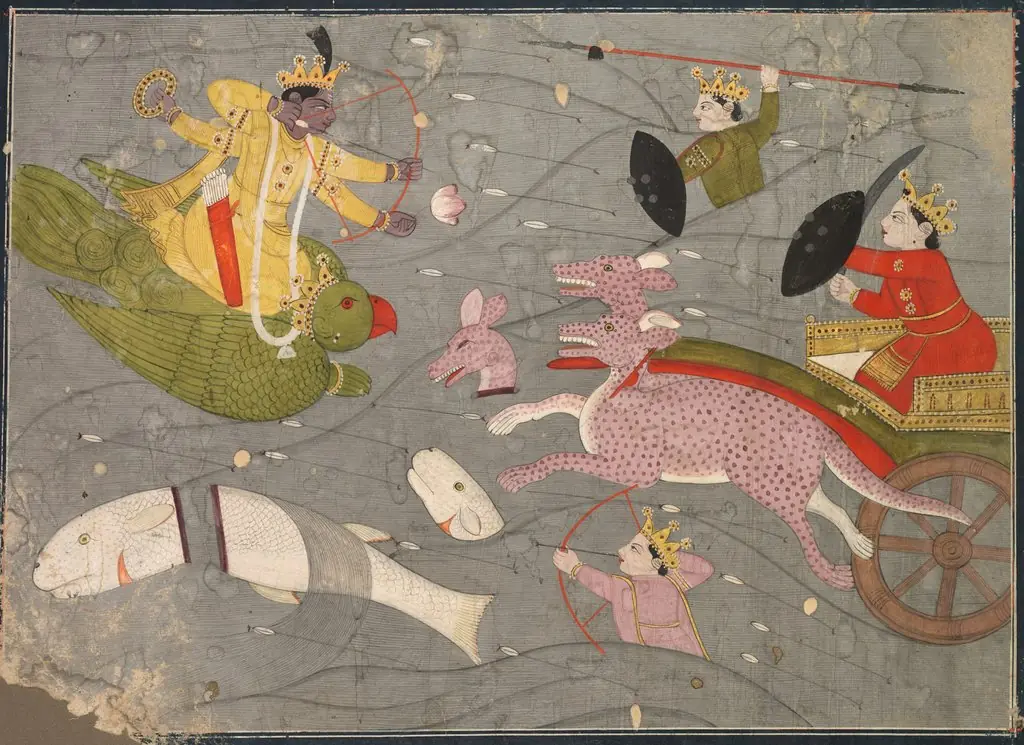 Krishna Fighting Vanasura's Sons: Scene from the Aniruddha Usha Section of Krishna Lila
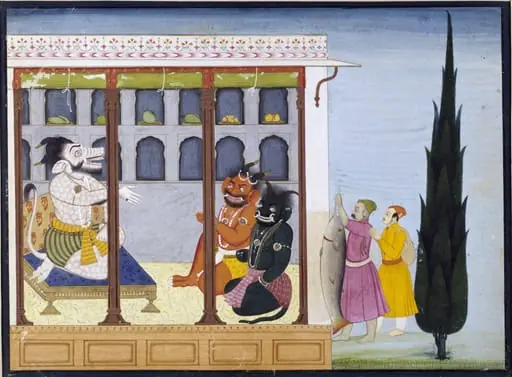 Sambara
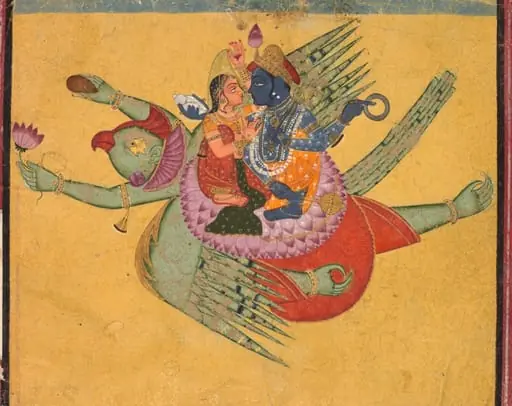 Vishnu and Lakshmi on Garuda
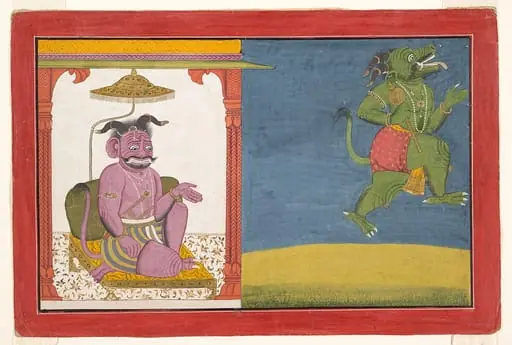 Untitled