Subject
King
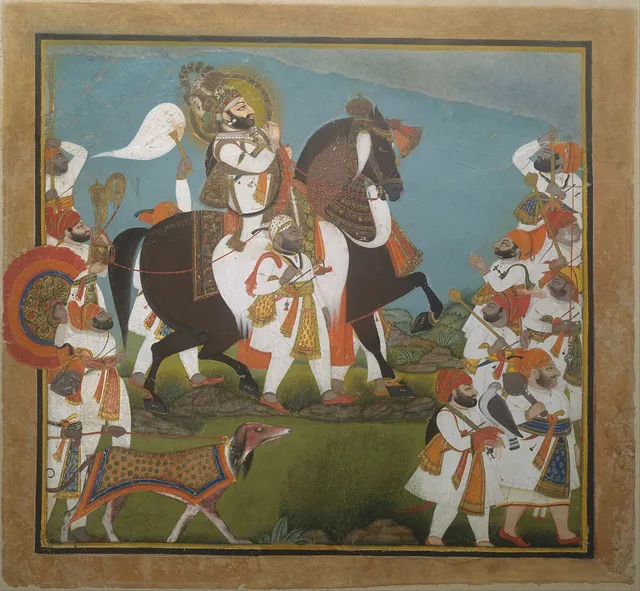
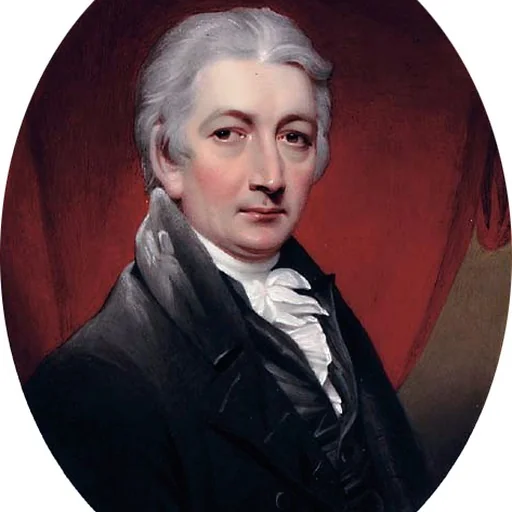
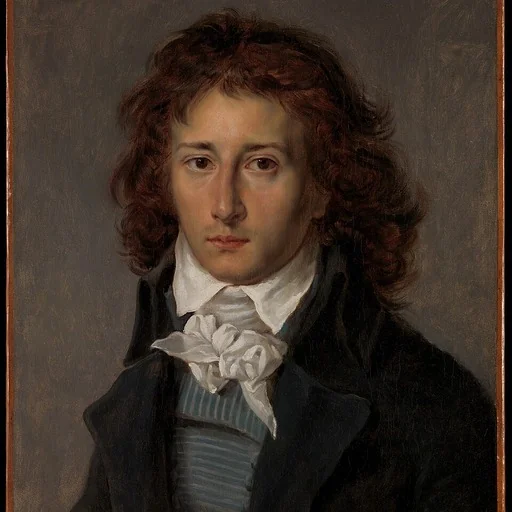
King is a subject in art. The gallery holds 70 works in this subject in art, including works by Henry Bone, François Gérard and Chokha.
The king is among the oldest and most enduring subjects in art, appearing wherever rulers sought to make power visible and permanent. The theme arose with the first centralized states of the ancient Near East and Egypt, where images of the monarch served less to record a likeness than to assert legitimacy and divine sanction. On the Egyptian Narmer Palette (c. 3100 BCE) the king unifying Upper and Lower Egypt towers over his enemies, while the Akkadian Victory Stele of Naram-Sin (c. 2250 BCE) crowns its ruler with the horned helmet of a god. Such works established a grammar of kingship—hierarchic scale, conquest, and superhuman stature—that would persist for millennia.
Across cultures, the depiction of kings relies on a stable vocabulary of regalia and staging. Crown, scepter, throne, orb, and ermine-lined robe identify the sitter as sovereign, while frontal poses, elevated settings, and costly materials project unassailable authority. Byzantine emperors were given haloes and Christ-like features to signal divinely ordained rule. From the Renaissance onward two formats dominated: the standing or seated state portrait, designed to overwhelm the viewer, and the equestrian portrait, which cast the monarch as commander in the imperial tradition of ancient Rome and of Titian's Emperor Charles V.
The genre's canonical achievements cluster in the early modern courts of Europe. Hans Holbein the Younger's Whitehall Mural (1537) fixed the image of Henry VIII—legs astride, jewelled and immovable—as Tudor propaganda, surviving in over twenty copies after the original burned in 1698. Anthony van Dyck lent Charles I of England an aristocratic melancholy, and Diego Velázquez portrayed Philip IV of Spain with sober restraint for the Hall of Realms in Madrid. The tradition culminated in Hyacinthe Rigaud's Portrait of Louis XIV (1701, Louvre), the "Sun King" in coronation ermine and fleur-de-lis. The workshop of François Clouet, official painter to the French crown, produced the portrait of Henry II (1519–1559) held in this collection.
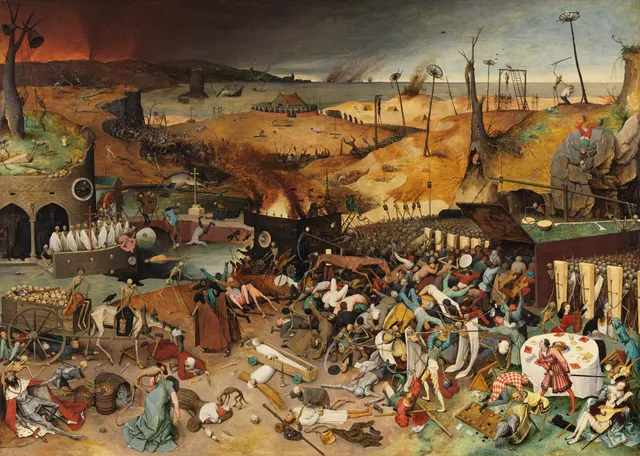
Kingship also shaped allied themes. The Roman triumph, revived by Neoclassicism, paraded defeated kings as captives, as in Carle Vernet's vast Triumph of Aemilius Paulus (1789), where the conquered Perseus of Macedon trails the victor's chariot. Conversely, the memento mori tradition humbled the crown: in Pieter Bruegel the Elder's Triumph of Death (c. 1562), Death claims an emperor and a king alongside the lowliest peasant. (As a label, "King" is also a common English surname and an Anglicized form of the German König or Küng.) Together these strands trace art's long negotiation between earthly majesty and its limits.
Key artists


Overview
The figure of the king is a fundamental subject in art history, representing sovereign authority, divine sanction, and temporal power. As a motif, the king recurs across artistic traditions because the office of kingship provides a visual focal point for a society's religious, political, and social ideologies. From ancient divinized rulers to medieval monarchs and modern sovereigns, the depiction of the king serves to legitimize power structures and communicate the ideological foundations of governance. The concept of sacred or divine kingship, where the ruler is intimately connected to the divine, appears as an almost universal concept in human history, making the king a persistent and adaptable subject for artistic representation.
Iconography & meaning
The iconography of the king relies on specific attributes to signify regal status and often divine sanction. Common symbols include the crown, scepters, and royal regalia. In Christian iconography, sainted kings like Louis IX of France are distinguished by the fleur-de-lis on their clothing or crowns, the Main de Justice scepter used in French coronation ceremonies, or specific relics like the crown of thorns. They may also be depicted in armor to signify their role as crusaders. In ancient Mesopotamia, the iconography of the king evolved alongside the concept of divine kingship, where rulers like Naram-Sin and Shulgi adopted self-deification, emphasizing their connection to deities such as Ishtar to legitimize their imperial power. Ancient Egyptian royal iconography similarly developed specific insignia and motifs to convey the king's divine ideology and socio-cultural role.
Across movements & periods
The treatment of the king in art shifted significantly across periods, reflecting changing conceptions of power. In early Mesopotamia, the divinization of the king, first declared by Naram-Sin of Akkad in the 23rd century BCE, coincided with the establishment of territorial empires and religious shifts, such as the proliferation of the cult of Ishtar. The practice was later revived by Shulgi of the Third Dynasty of Ur to consolidate imperial power. In ancient Egypt, royal iconography evolved from earlier apotropaic paradigms to more complex representations intertwined with divine ideology. In medieval and early modern Europe, the representation of kings shifted toward Christian sanctification and temporal authority, as seen in the iconography of St. Louis IX, which blends royal regalia with religious attributes like the crown of thorns and Franciscan iconography, reflecting the intersection of church and state.
Notable depictions
Notable depictions of the king include El Greco's portrayal of St. Louis IX, which distinguishes the French monarch from other sainted kings by including the Main de Justice scepter and the fleur-de-lis. St. Louis is also the subject of stained glass panels at The Cloisters, which illustrate the journey of the crown of thorns to Paris. In ancient art, the self-deified Mesopotamian ruler Naram-Sin represents a canonical shift in royal depiction, where the king was visually and textually elevated to the status of a god. Egyptian representations of Amenhotep III, such as those showing him with his mother Mutemwia in a kiosk, provide canonical examples of pharaonic iconography that emphasize the divine and dynastic aspects of the ruler.
Legacy
The artistic legacy of the king as a motif persists in institutions that preserve and display royal iconography and collections. The King's Gallery at Buckingham Palace, established in 1962 and expanded in 2002, serves as a public venue for rotating exhibitions from the Royal Collection, showcasing treasures by artists such as Rembrandt and Leonardo da Vinci. This gallery reflects the enduring cultural afterlife of royal patronage and the continued public engagement with monarchic art. The preservation and exhibition of these works ensure that the visual language of kingship, from ancient divine rulers to modern constitutional monarchs, remains accessible and relevant to contemporary audiences.
Works
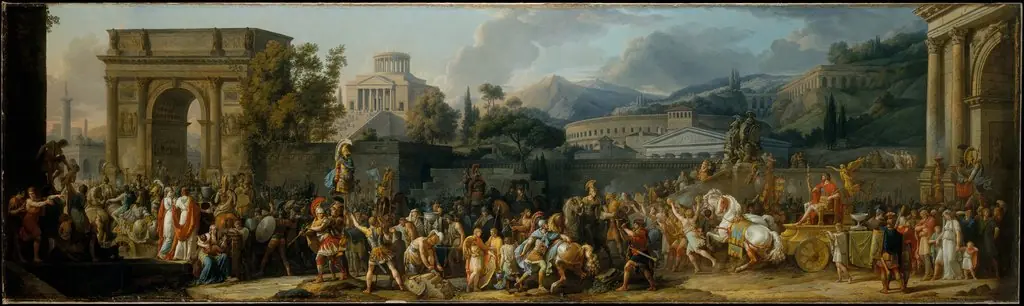 The Triumph of Aemilius Paulus
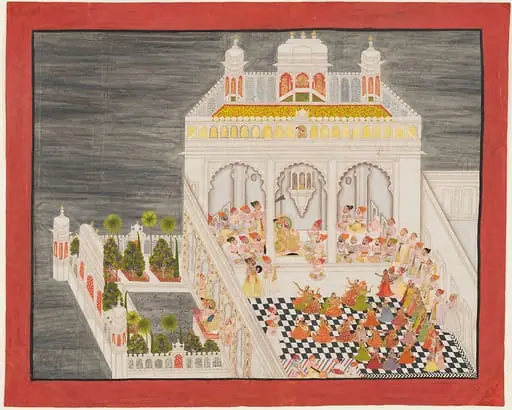 Untitled
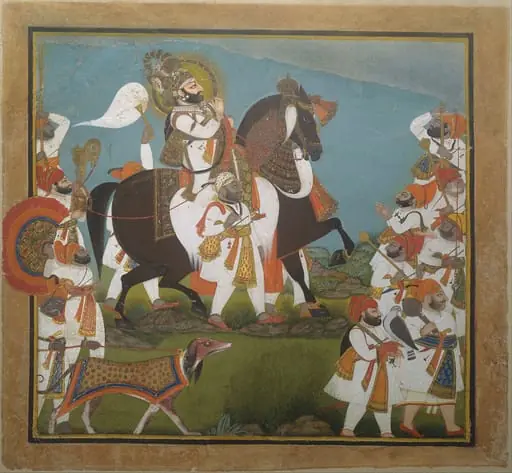 Untitled
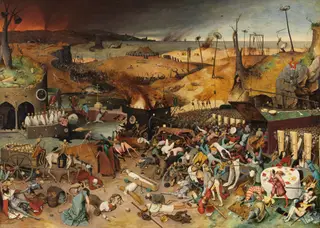 The Triumph of Death
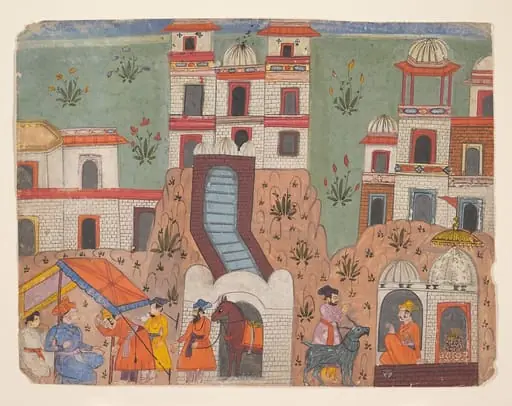 Untitled
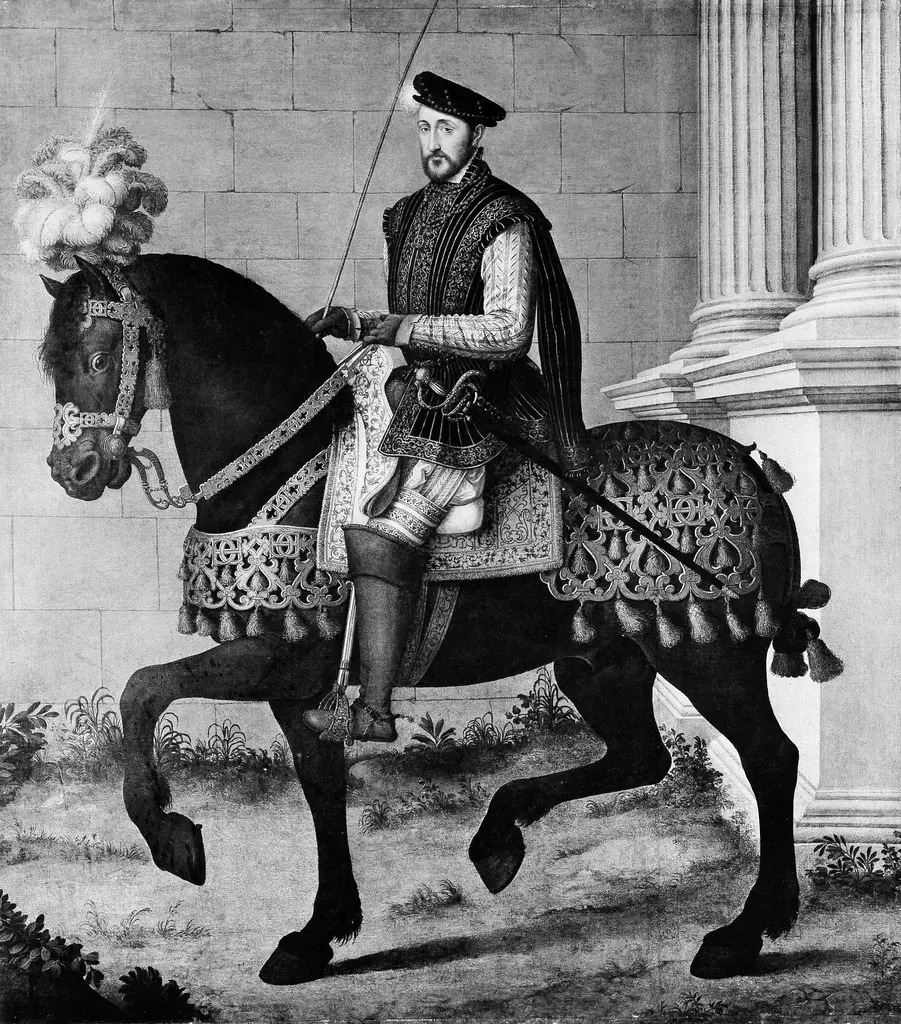 Henry II (1519–1559), King of France
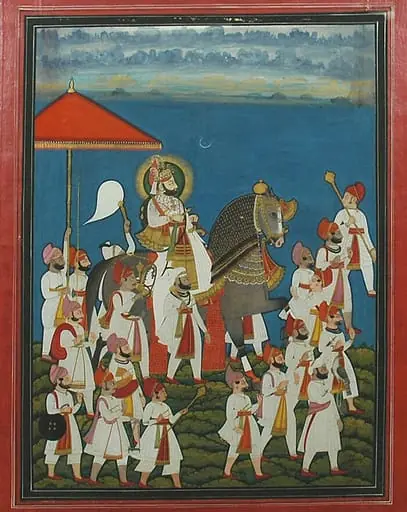 Untitled
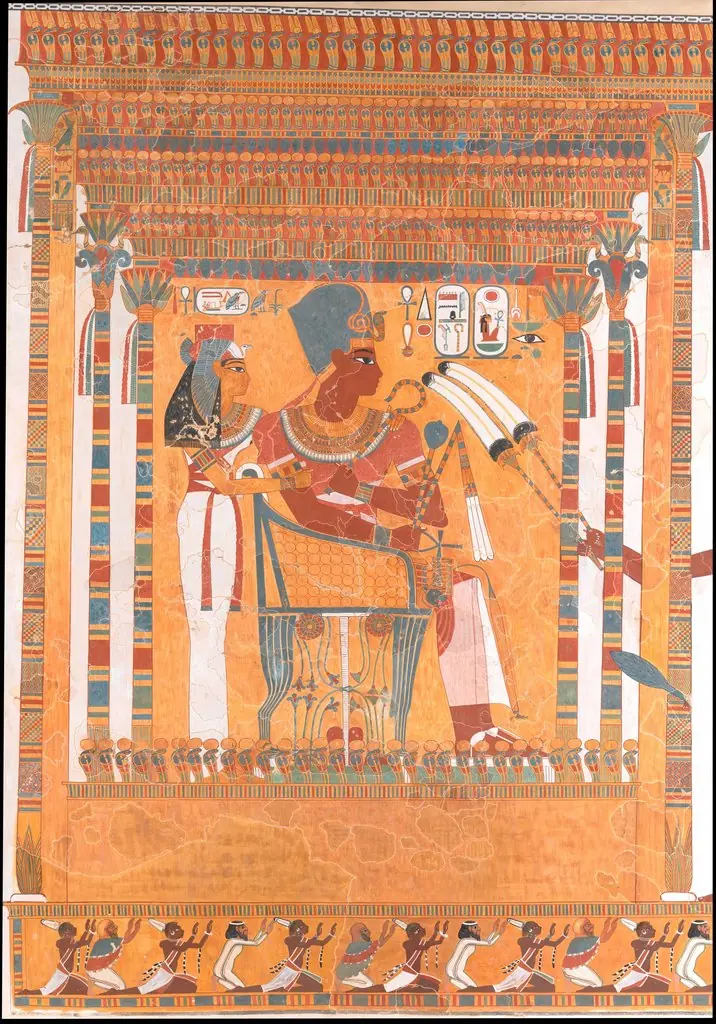 Amenhotep III and his Mother, Mutemwia, in a Kiosk
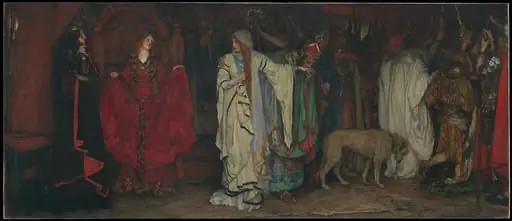 "King Lear," Act I, Scene I
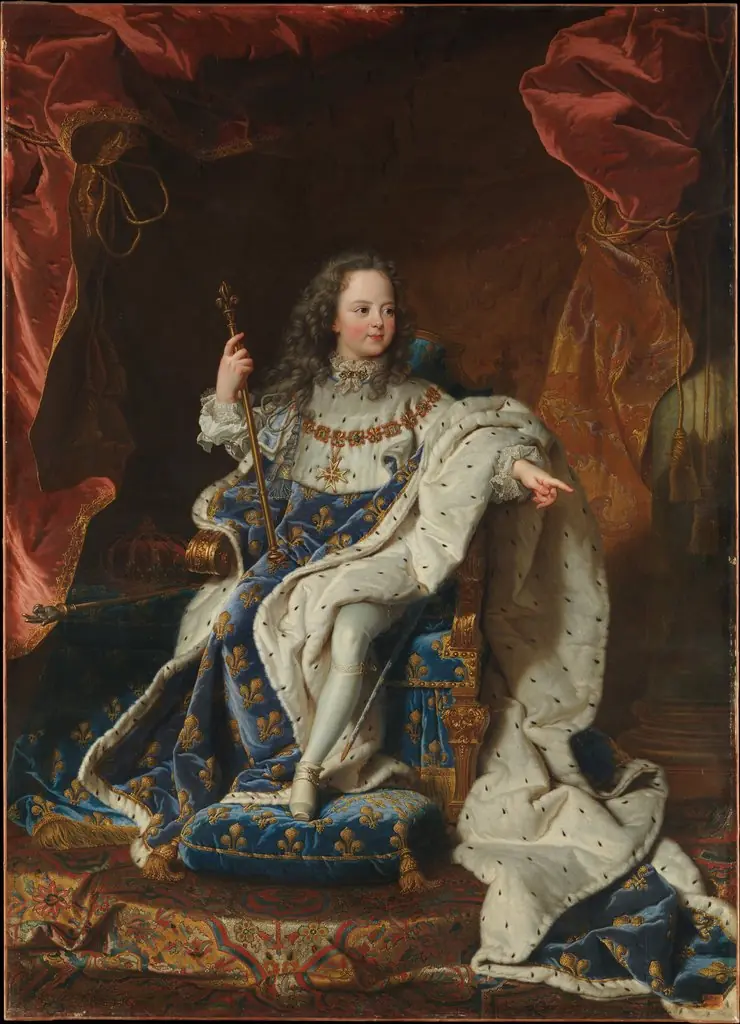 Louis XV at the Age of Five in the Costume of the Sacre
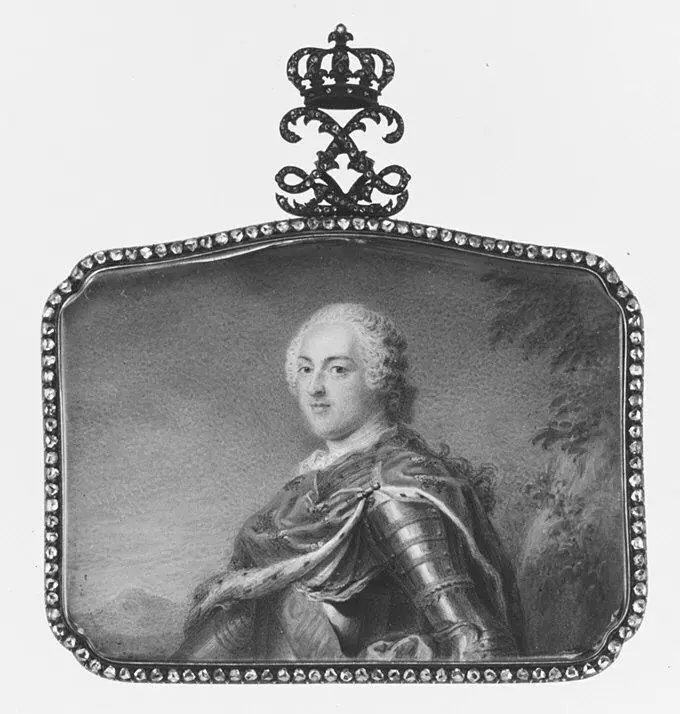 Louis XV (1710–1774), King of France
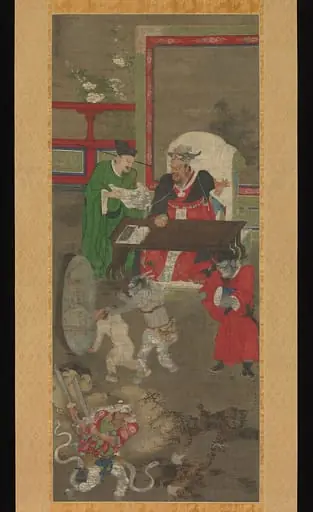 金處士筆 十王図の内|Ten Kings of Hell
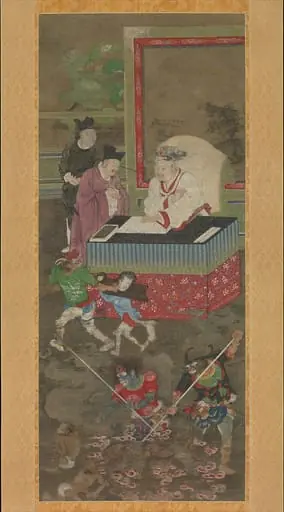 南宋 金處士 十王圖 軸|Ten Kings of Hell
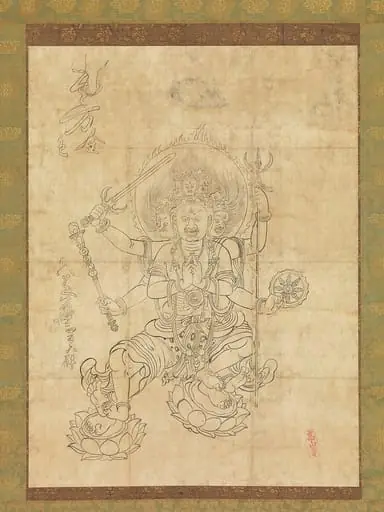 大威徳明王|Daiitoku Myōō
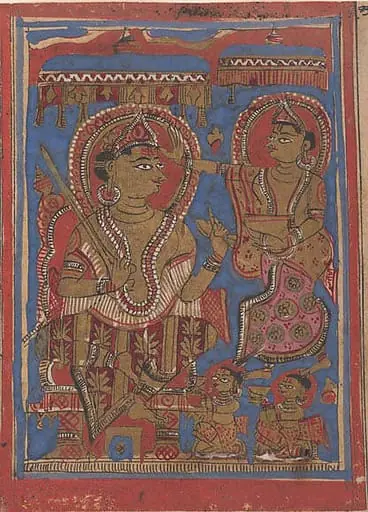 Untitled
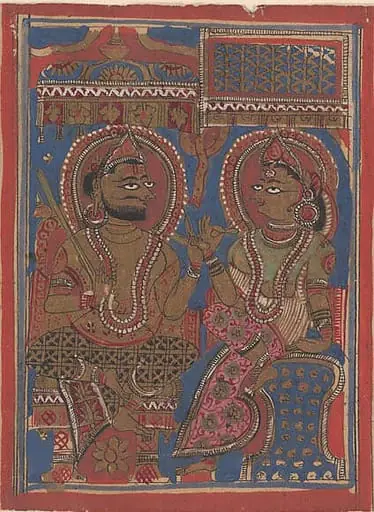 Untitled
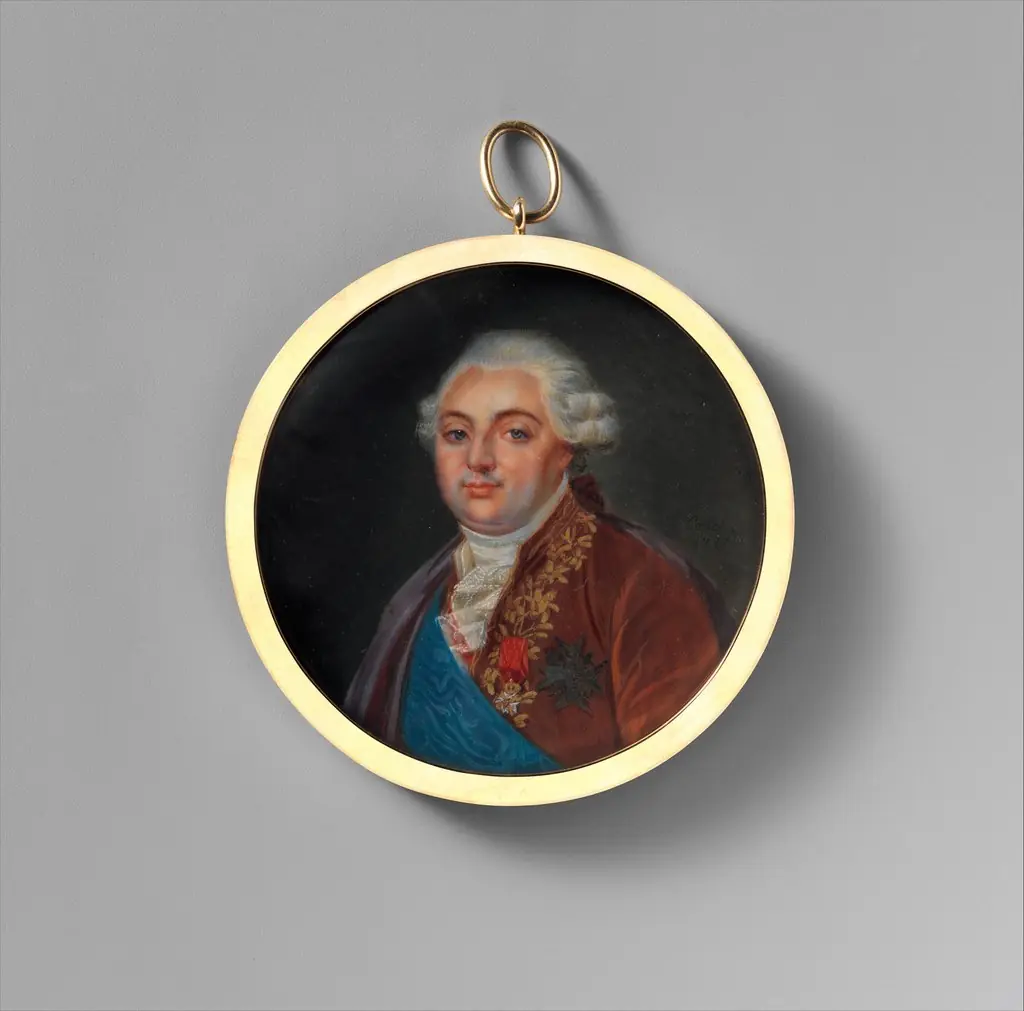 Louis XVI (1754–1793), King of France
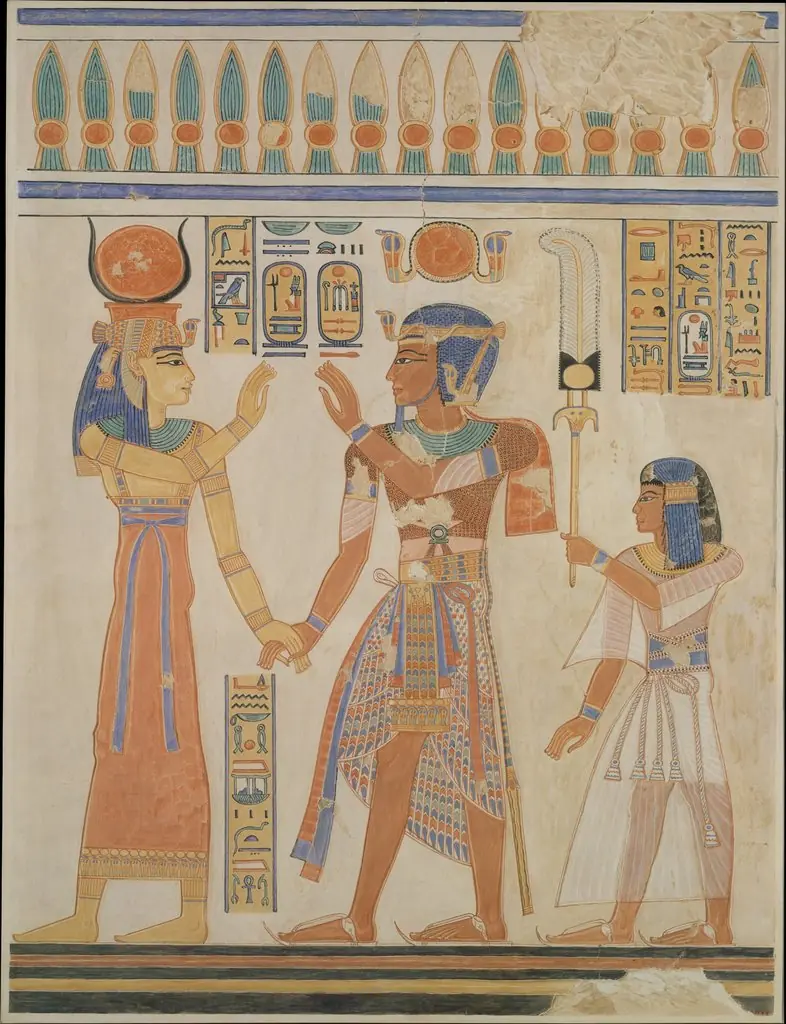 Ramesses III and Prince Amenherkhepeshef before Hathor
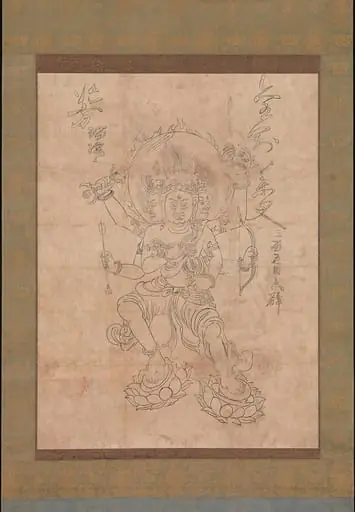 金剛夜叉明王|Kongōyasha Myōō
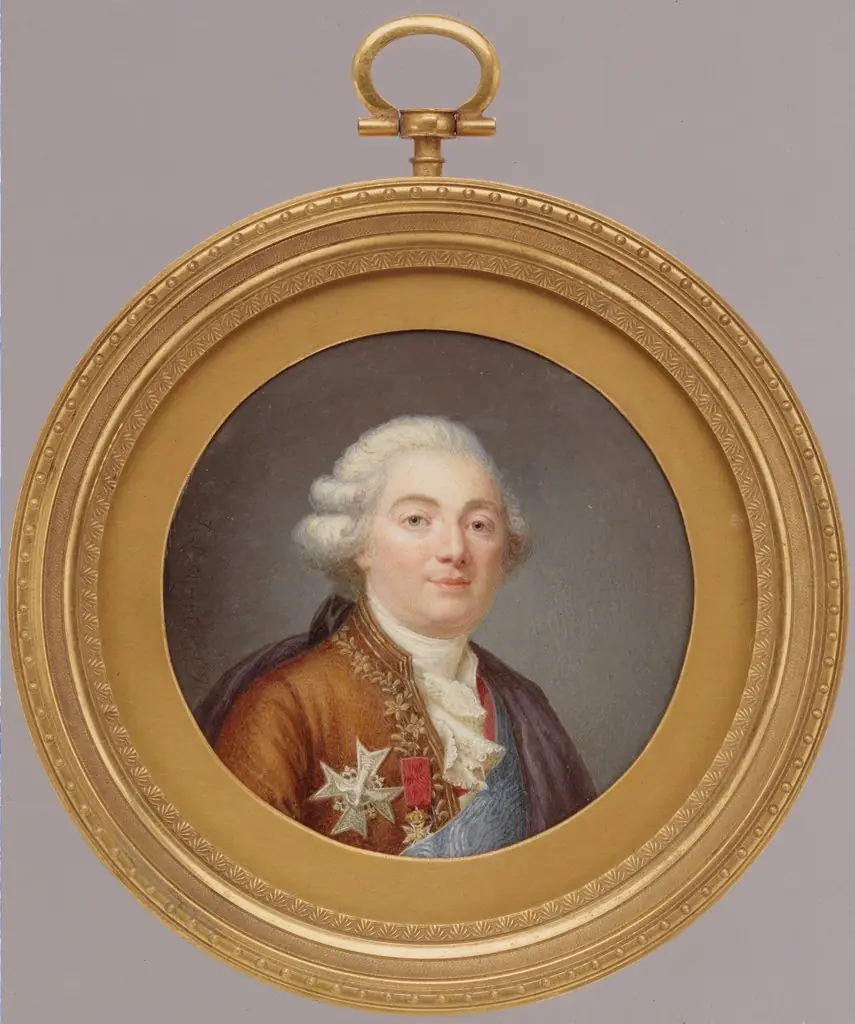 Louis XVI (1754–1793), King of France
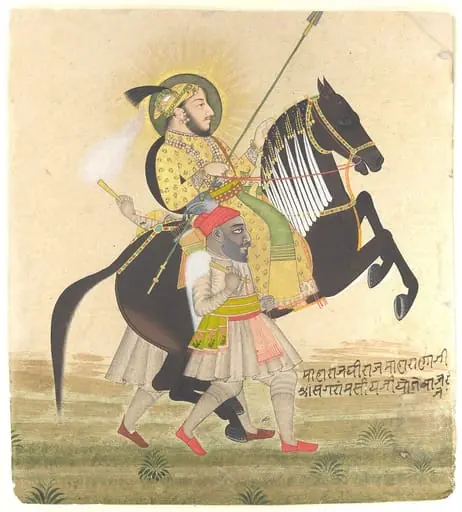 Untitled
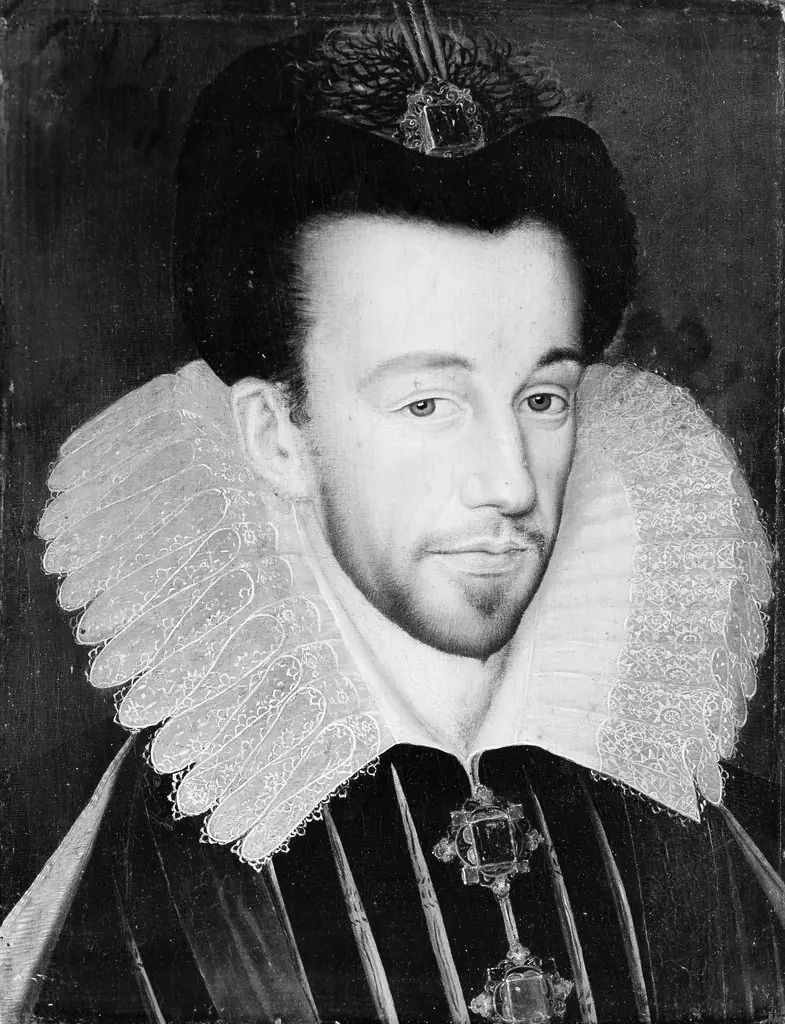 Henri III (1551–1589), King of France
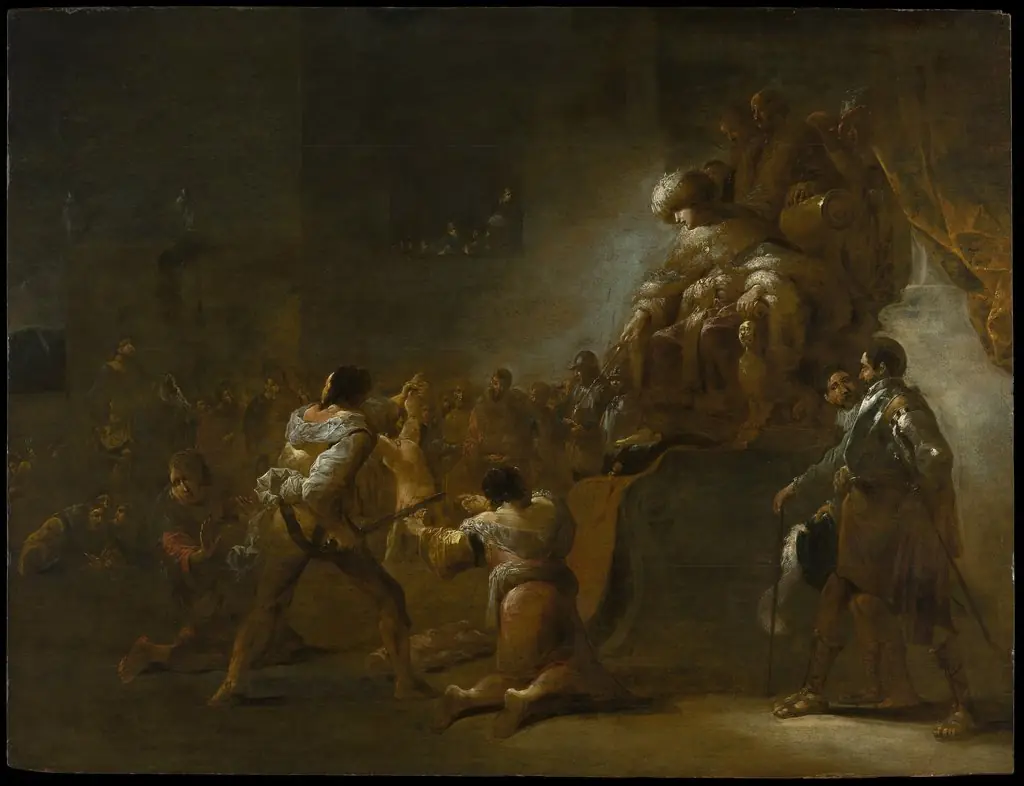 The Judgment of Solomon
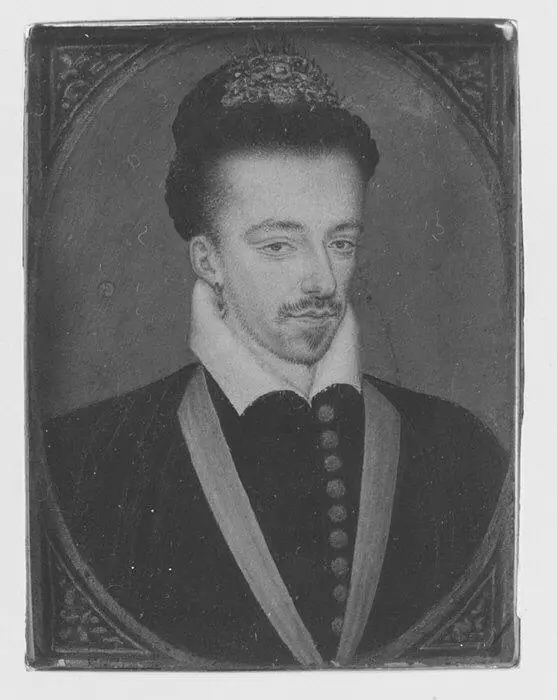 Henry III (1551–1589), King of France
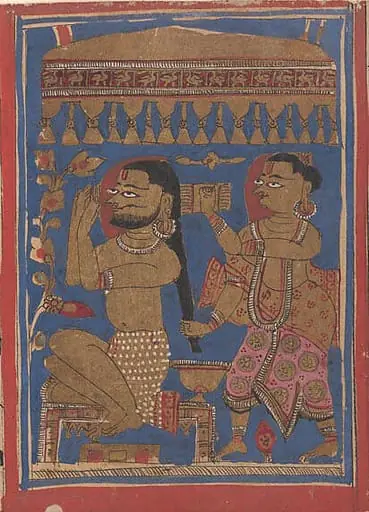 Untitled
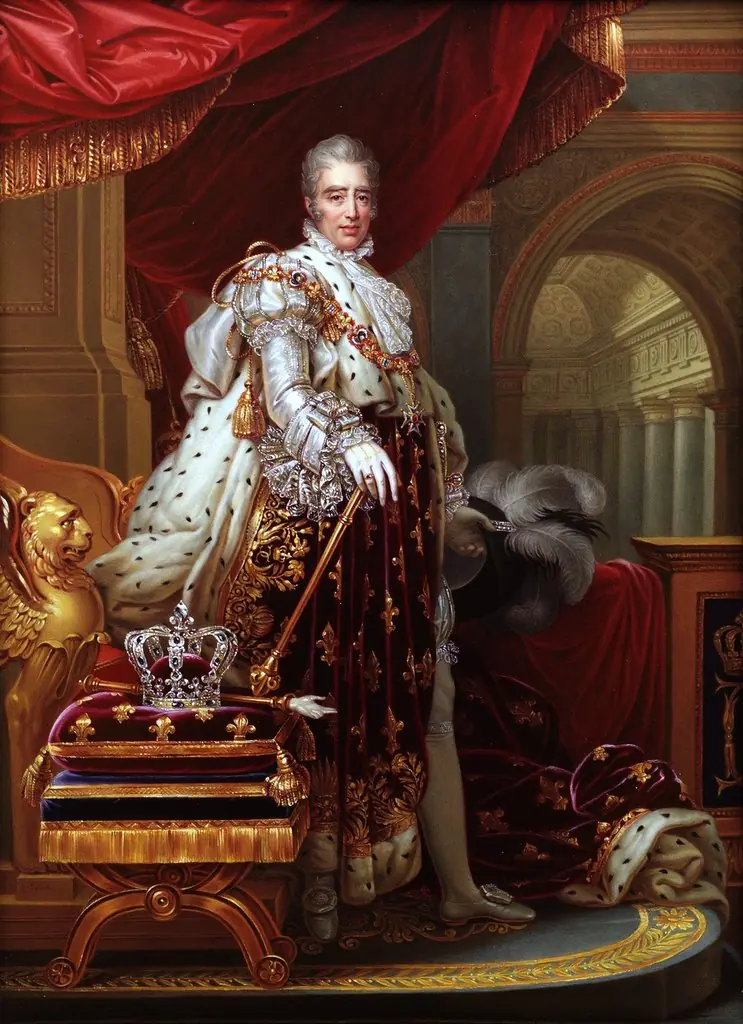 Charles X (1757–1836), King of France, after Gérard
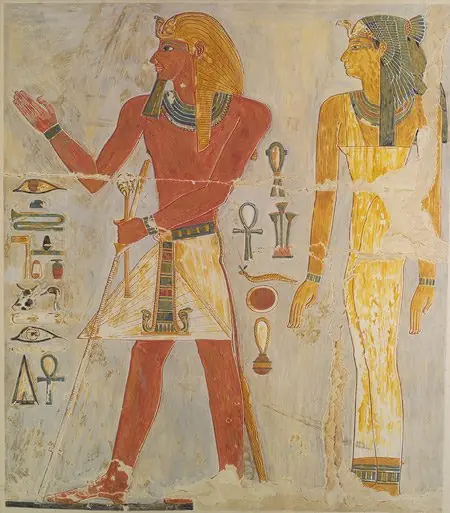 Thutmose I and His Mother Seniseneb
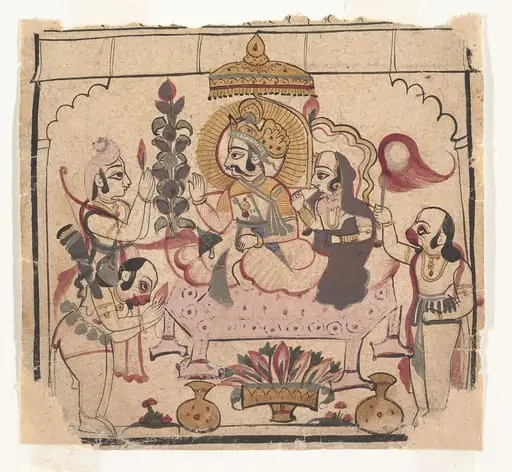 Untitled
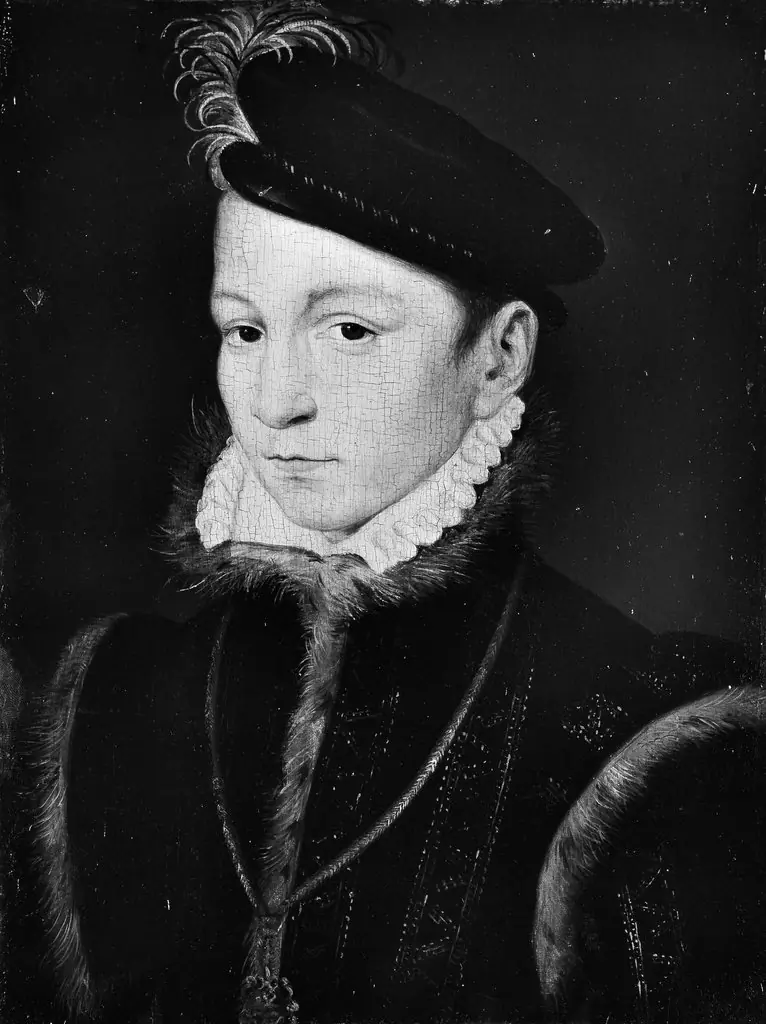 Charles IX (1550–1574), King of France
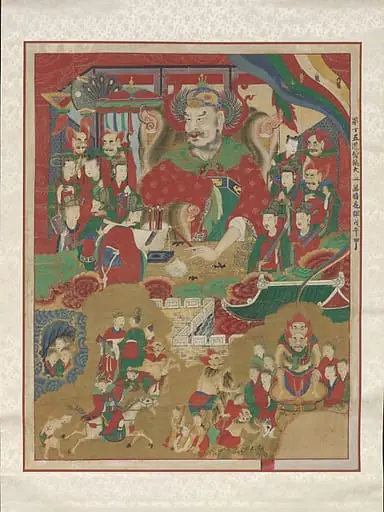 Untitled
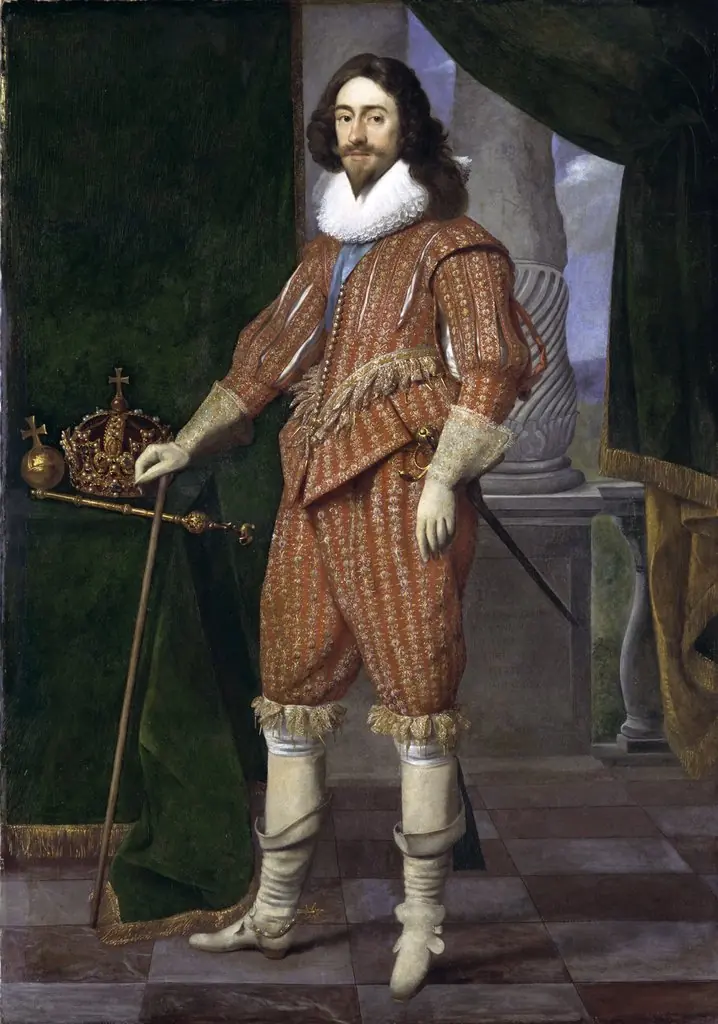 Portrait of Charles I of England
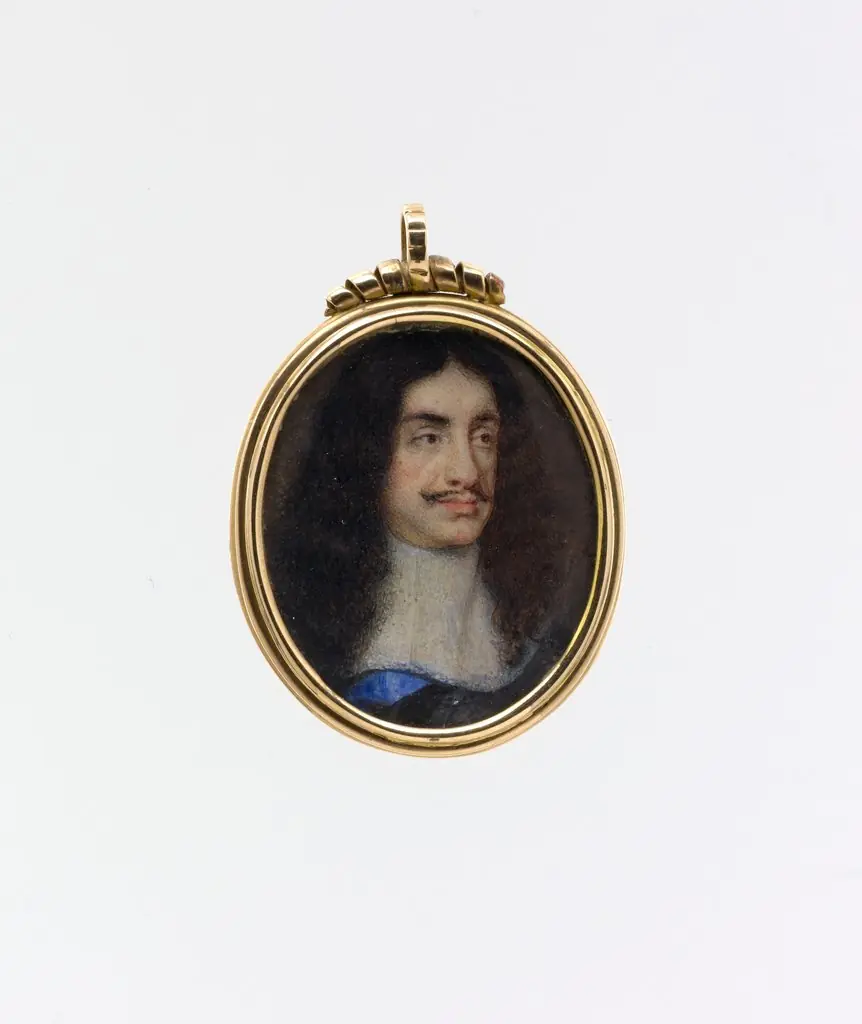 Charles II (1630–1685), King of England
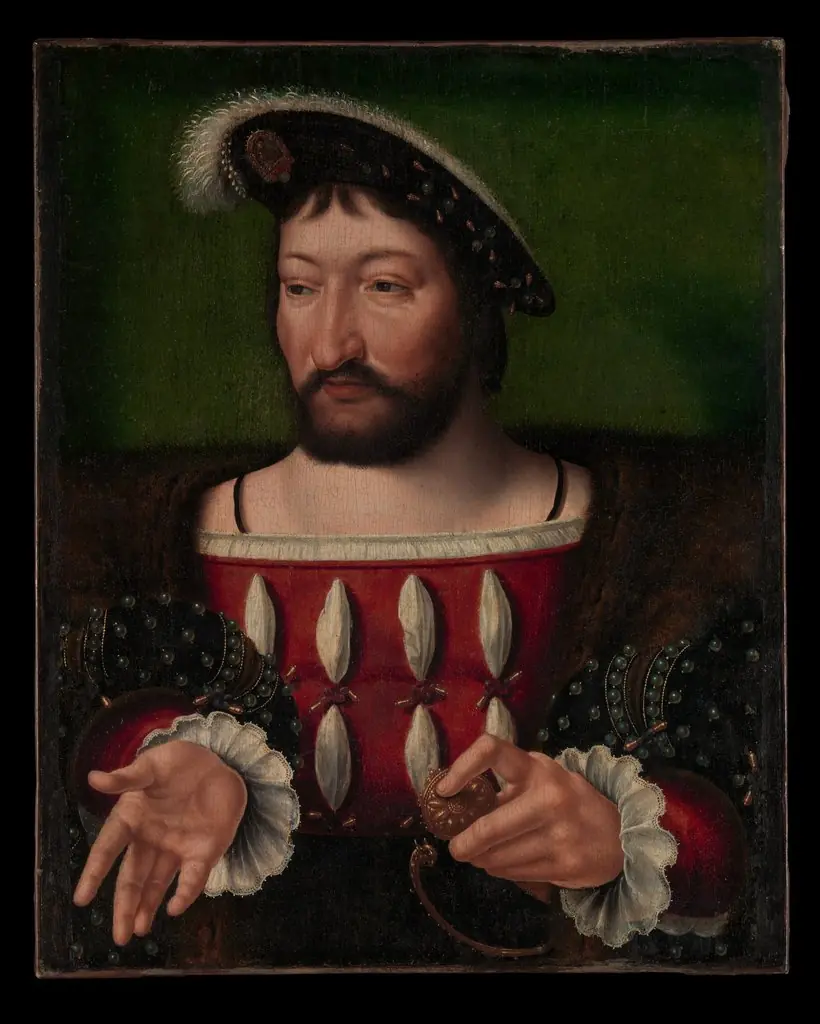 Francis I (1494–1547), King of France
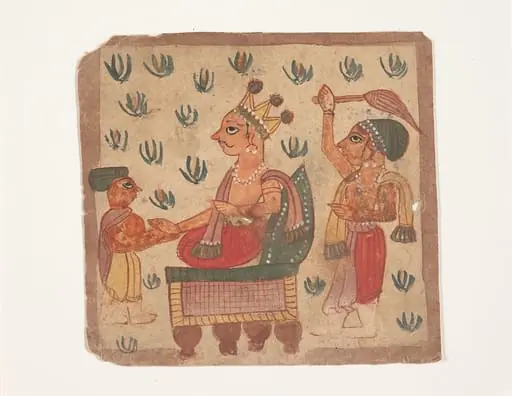 Untitled
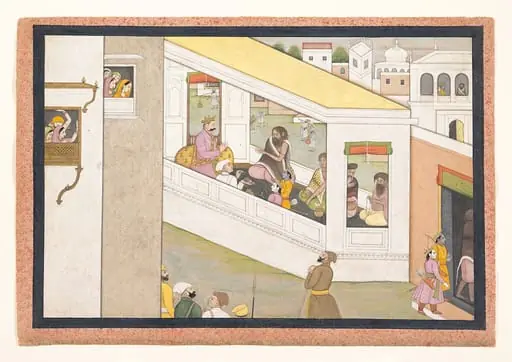 Untitled
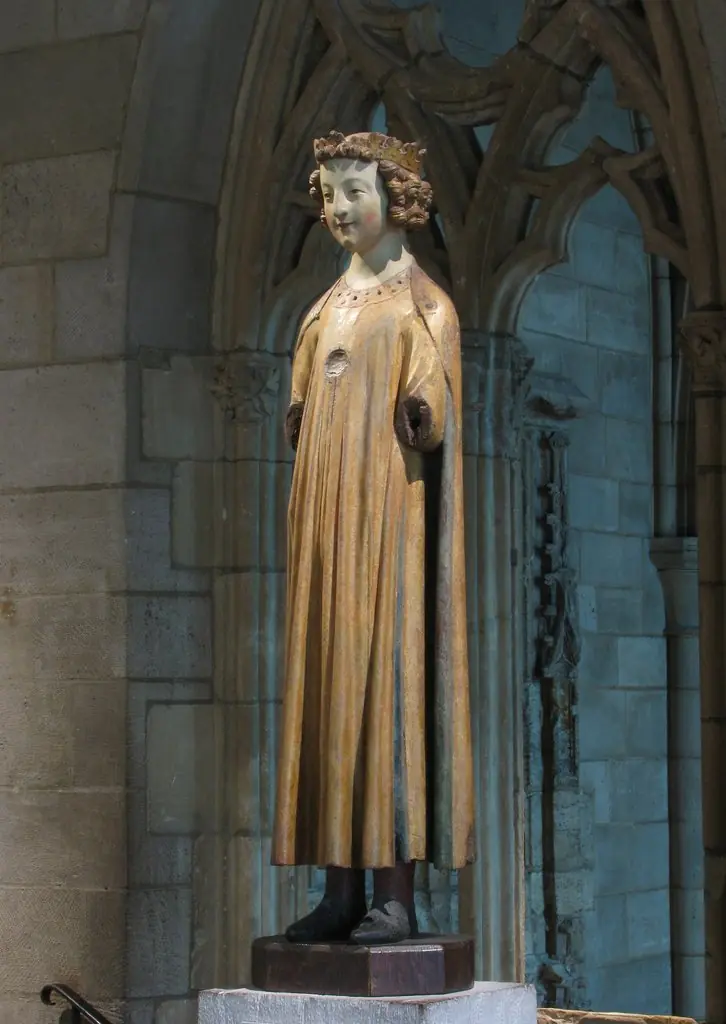 Figure of a King
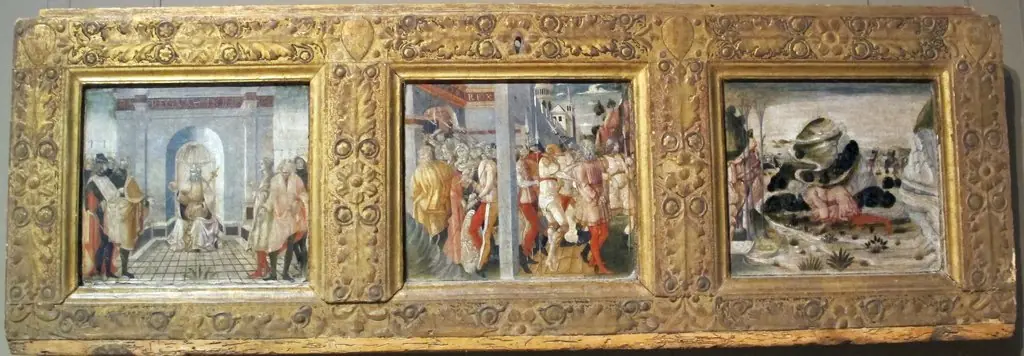 Scenes from the Life of King Nebuchadnezzar
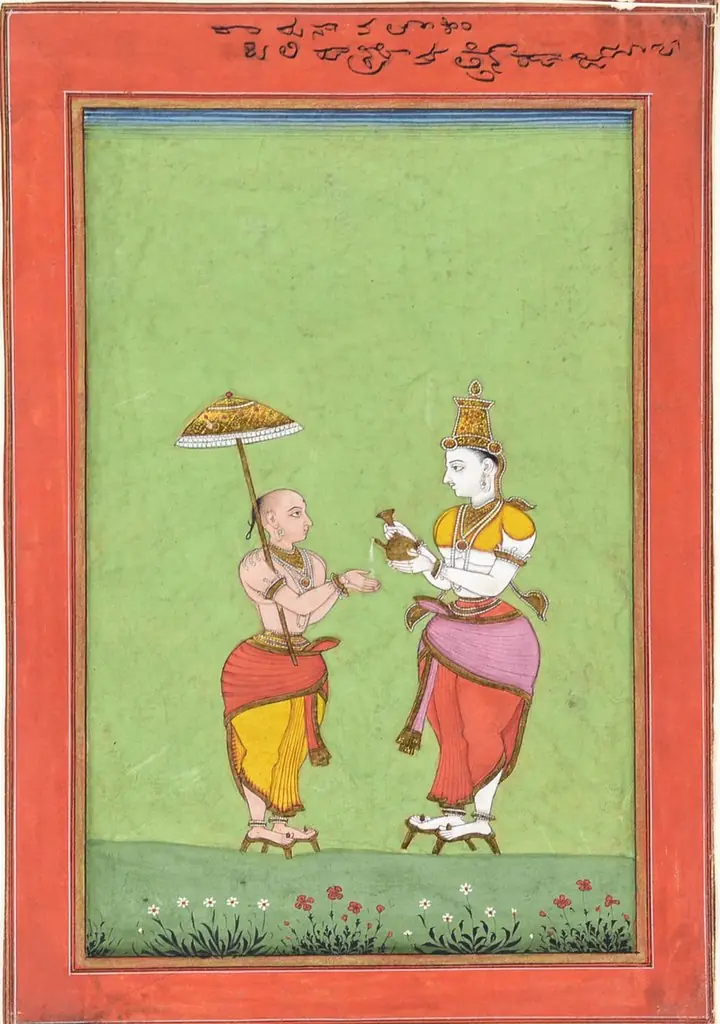 Vamana being blessed by King Bali
 Untitled
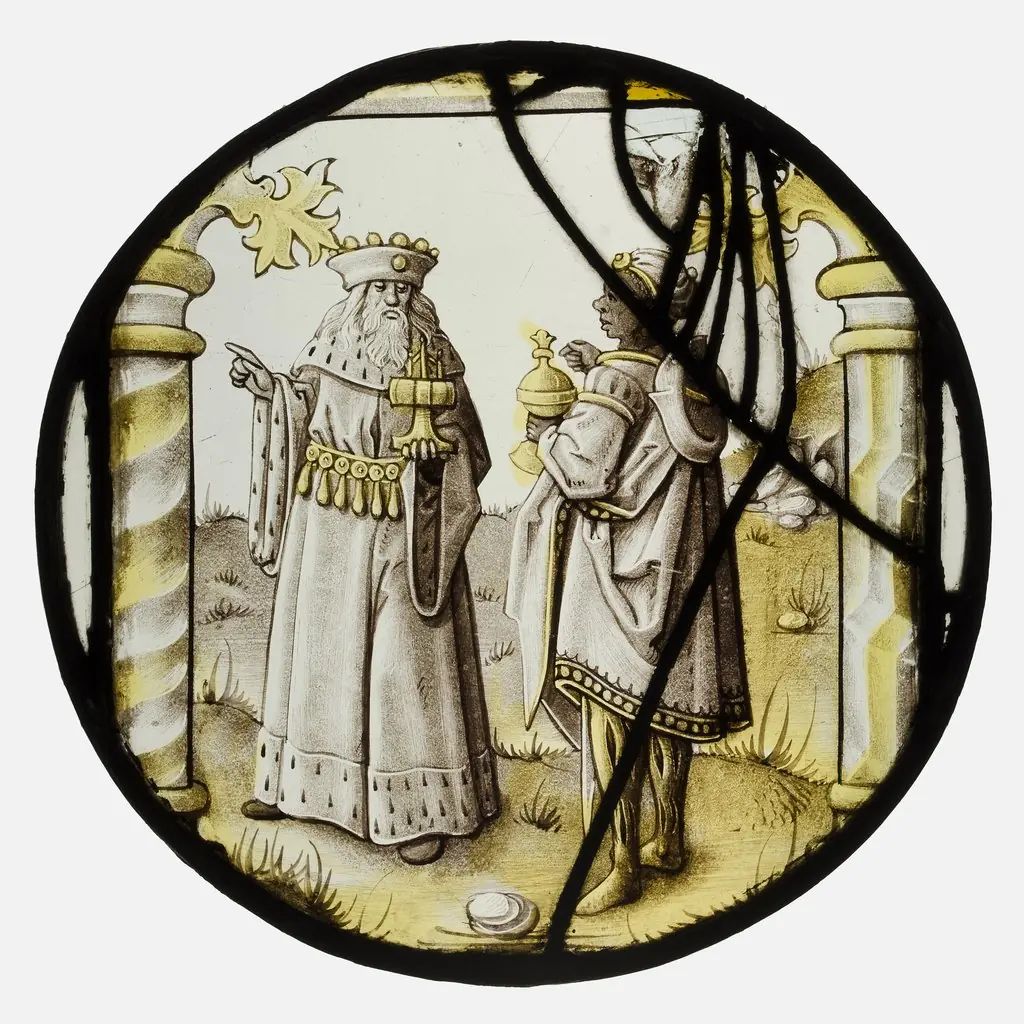 Roundel with two Kings from an Adoration Group
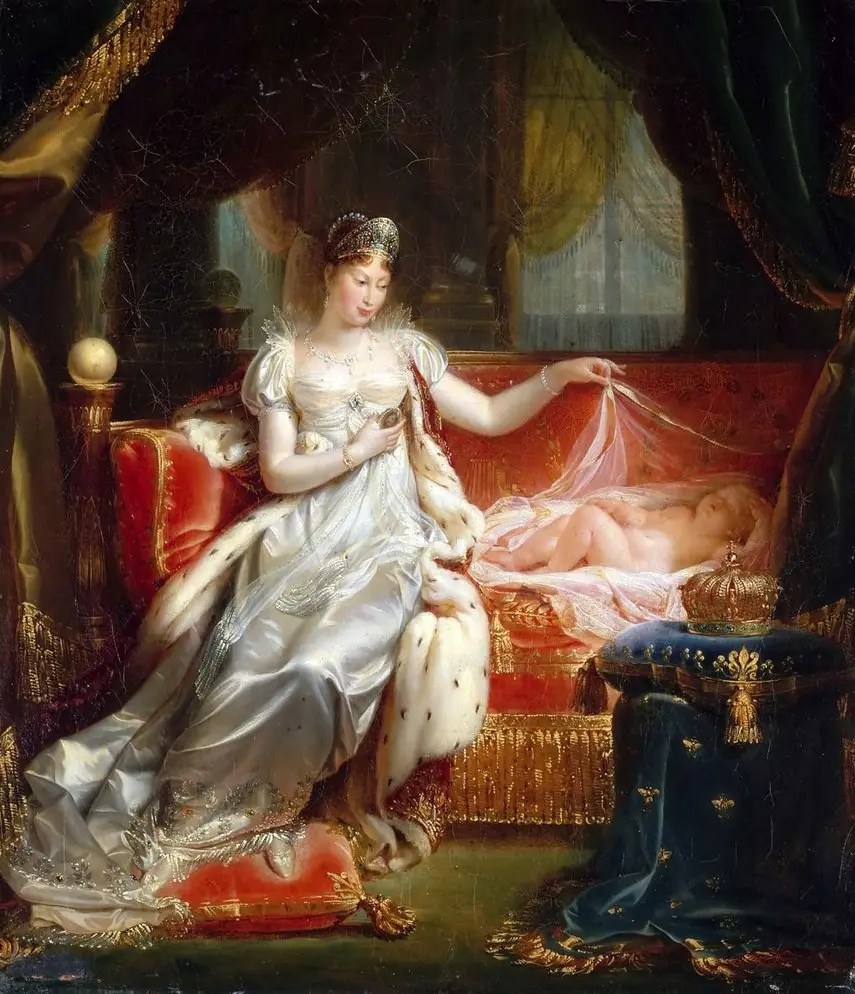 The Empress Marie-Louise watching over the sleep of the King of Rome
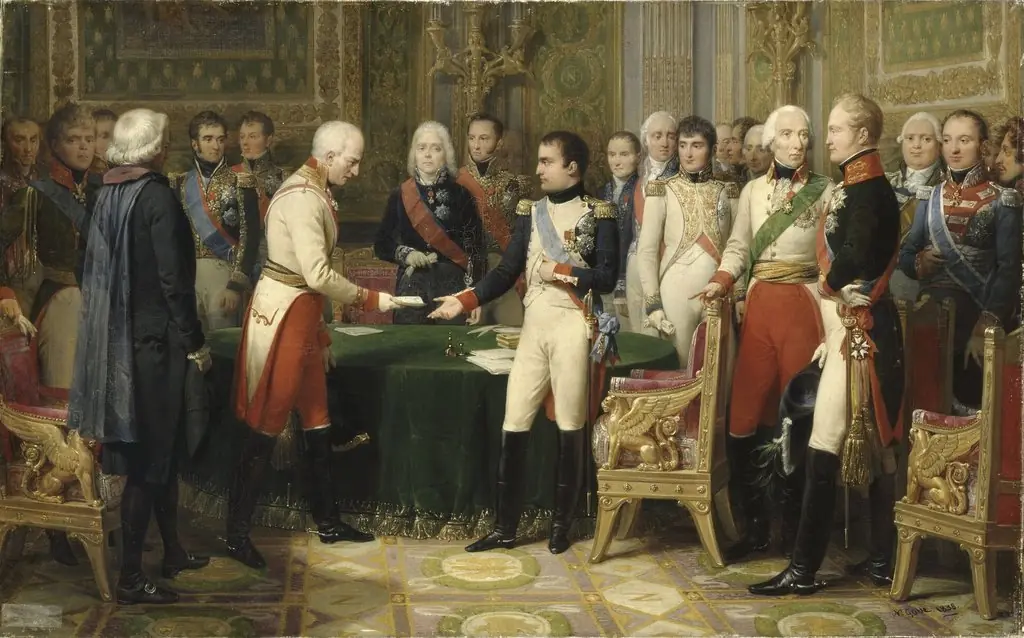 Napoleon I receiving Baron Vincent, the Austrian Ambassador, at Erfurt, 1808
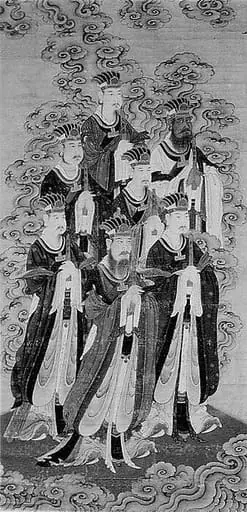 Untitled
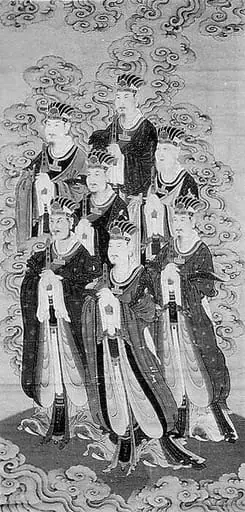 Untitled
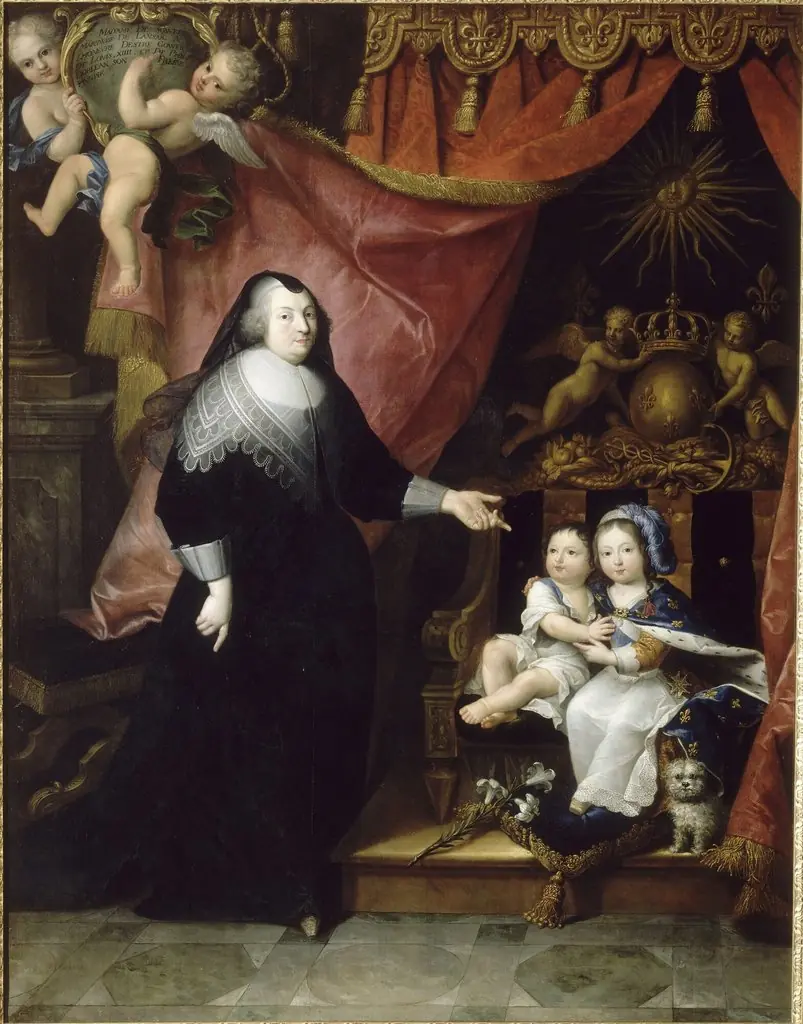 The young Louis XIV with his brother Philippe and his governess Françoise de Souvré, marquise de Lansac
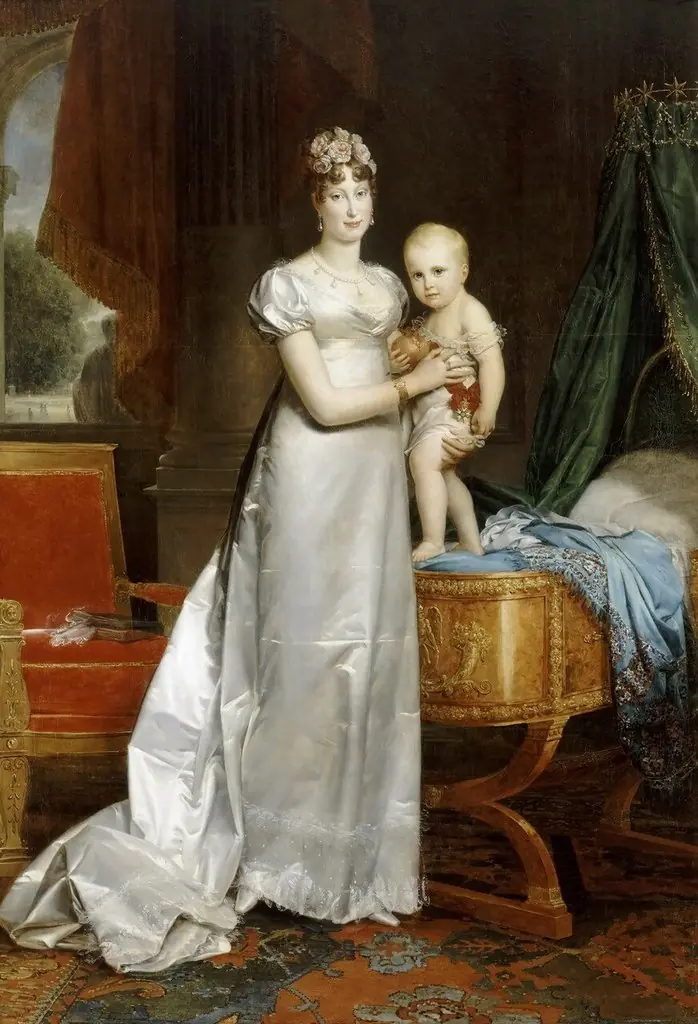 Marie-Louise, Empress of the French, and the Roi de Rome
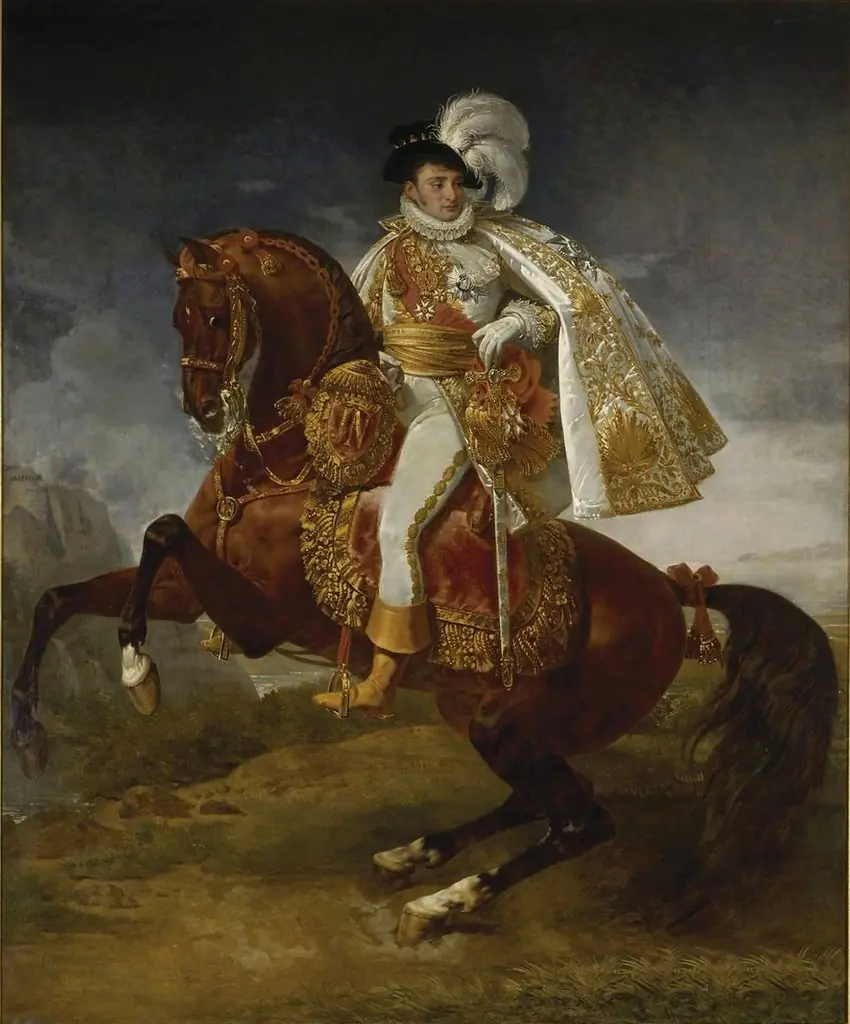 Jérôme Bonaparte, King of Westphalia
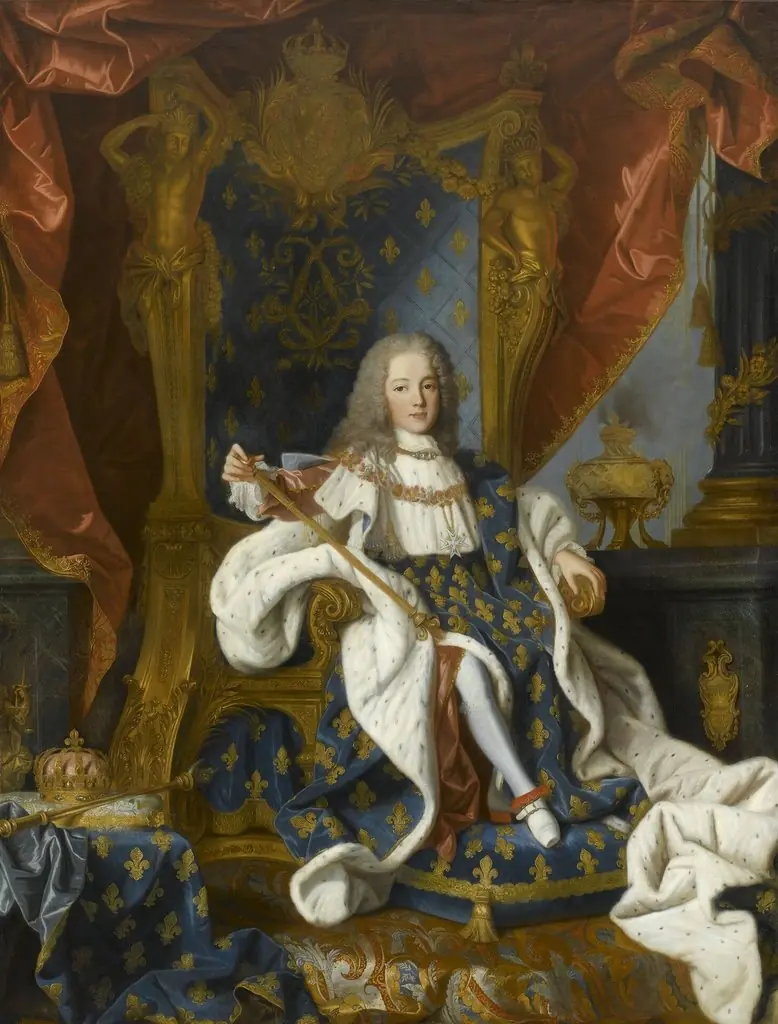 Louis XV, King of France (1710-1774)
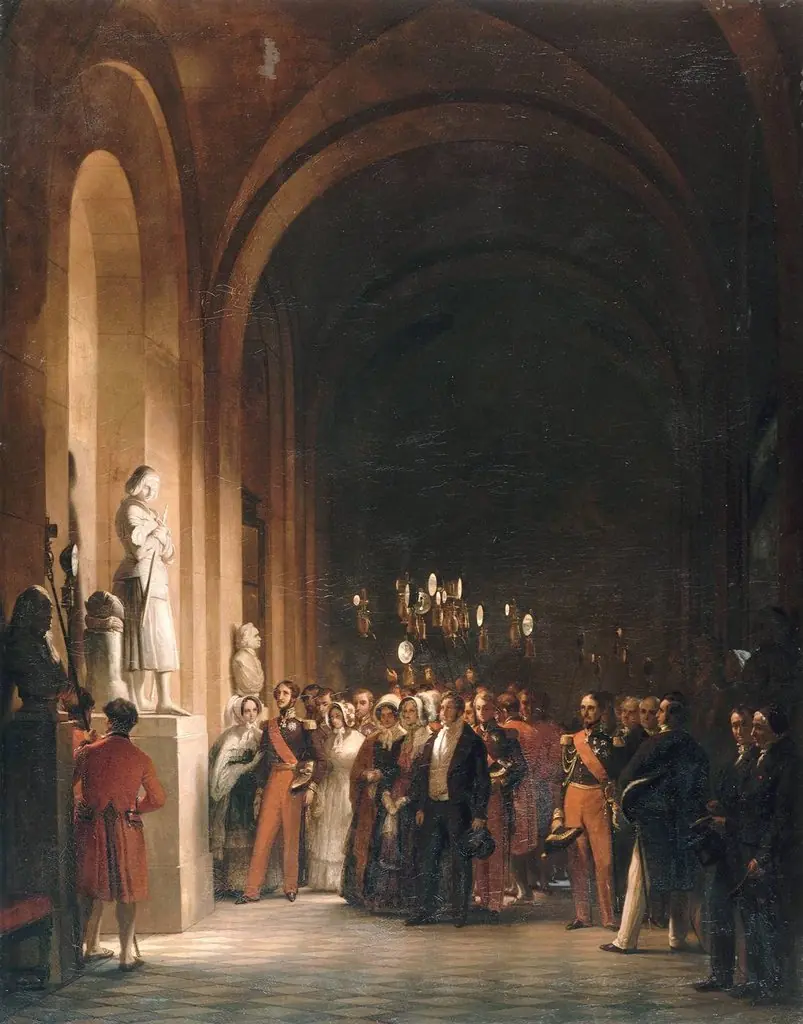 Louis-Philippe and the royal family visit the Historic Galleries of Versailles
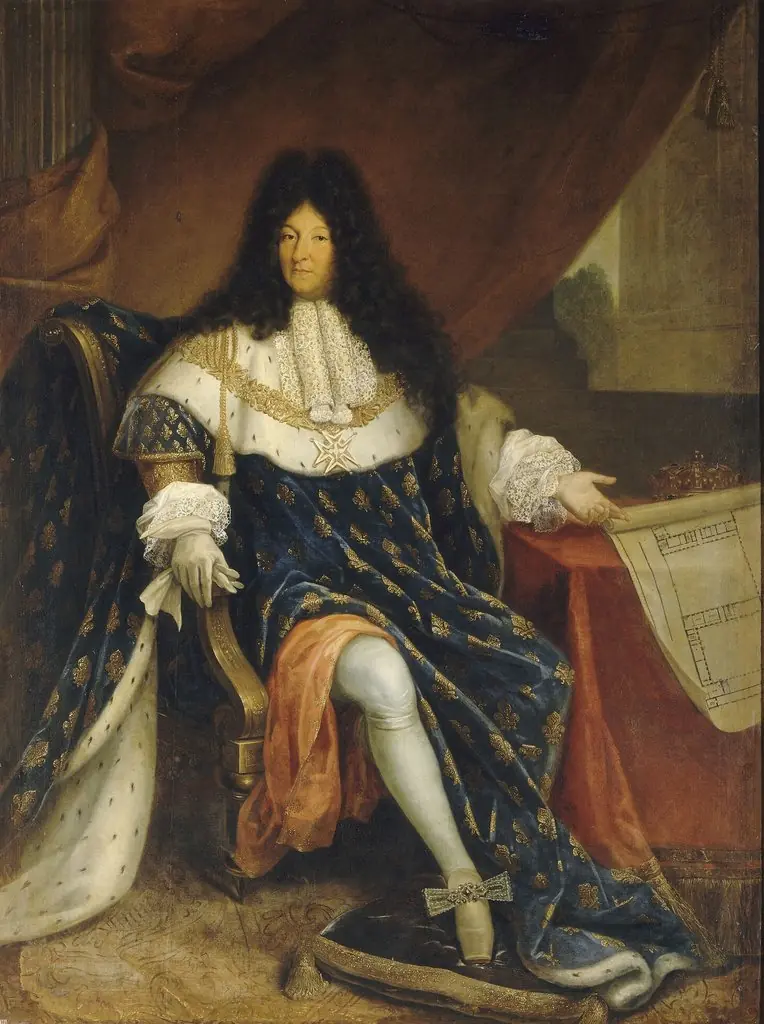 Louis XIV holding the plan of the royal house of Saint-Cyr
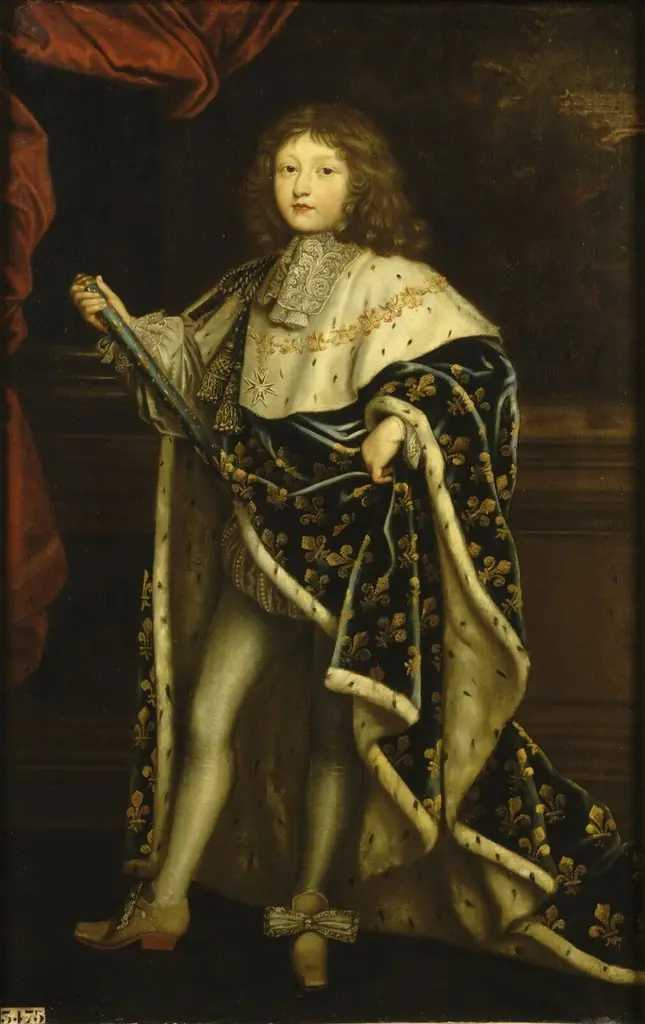 Louis XIV child in Coronation Robes
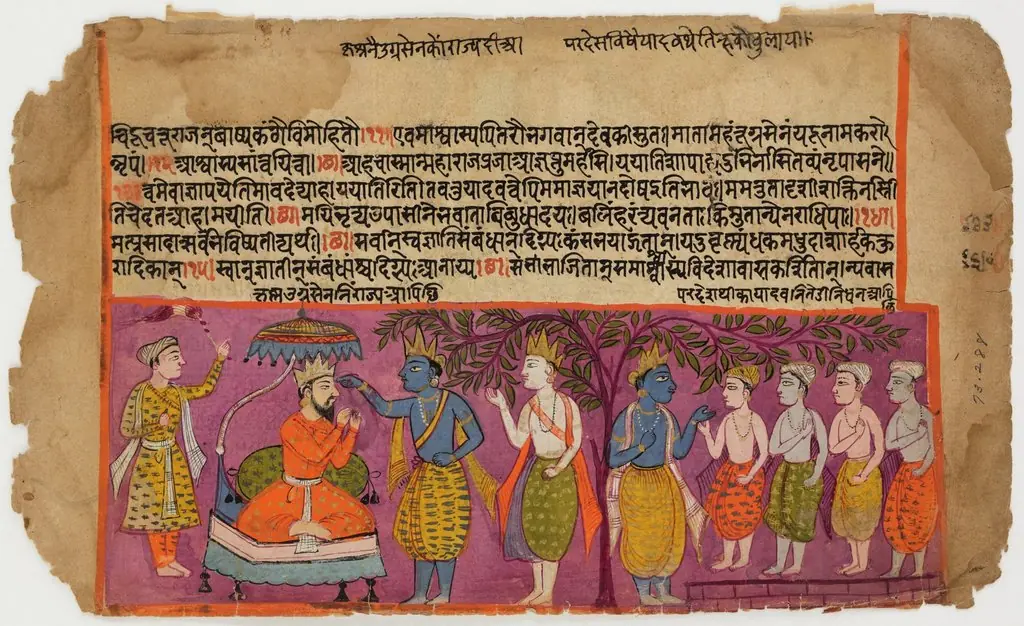 Krishna with King & Courtiers (Obv); Krishna & Courtiers in Forest Scene (Rev)
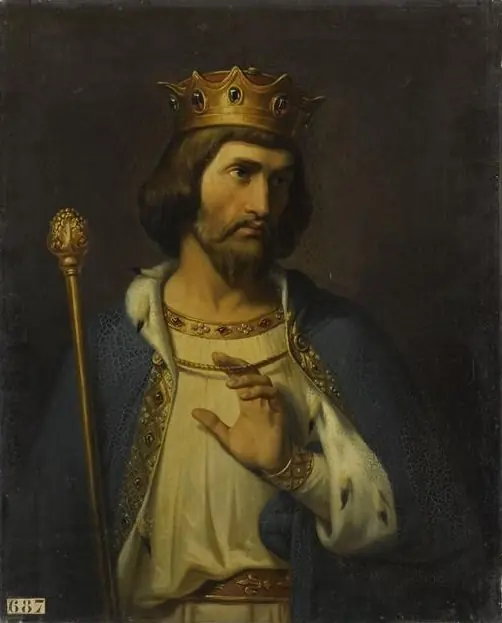 Robert II, dit le pieux, roi de France (970-1031)
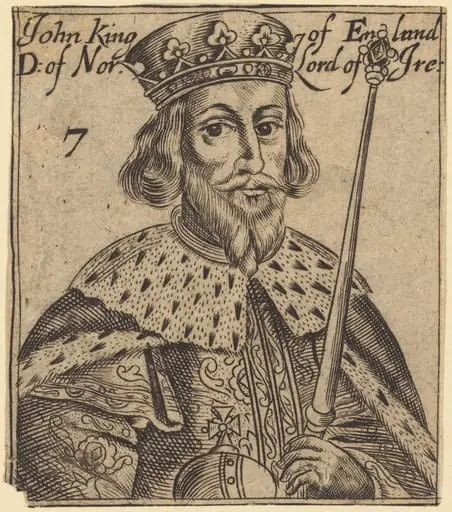 John, King of England
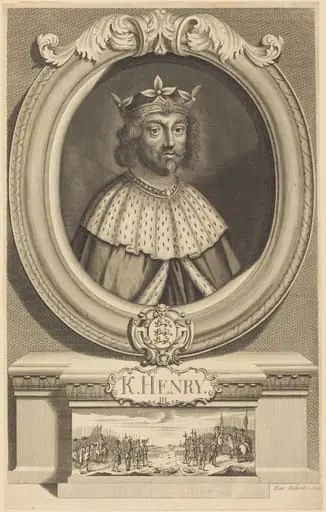 King Henry III
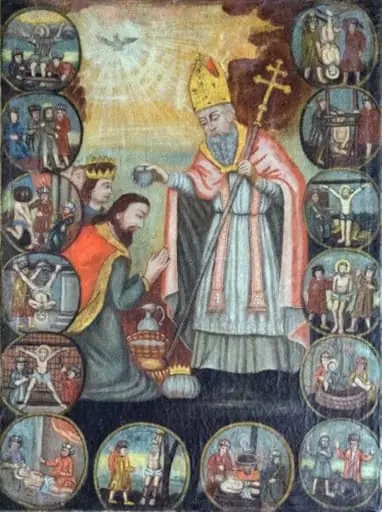 Sfântul Grigore Iluminatorul botezând regele Tiridates (cu scenele torturării sfântului)
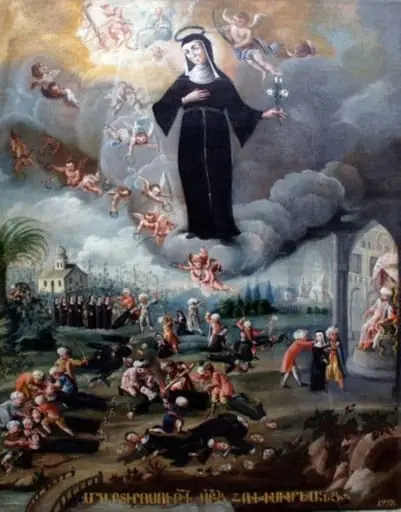 Martiriul Sfintei Hripsime
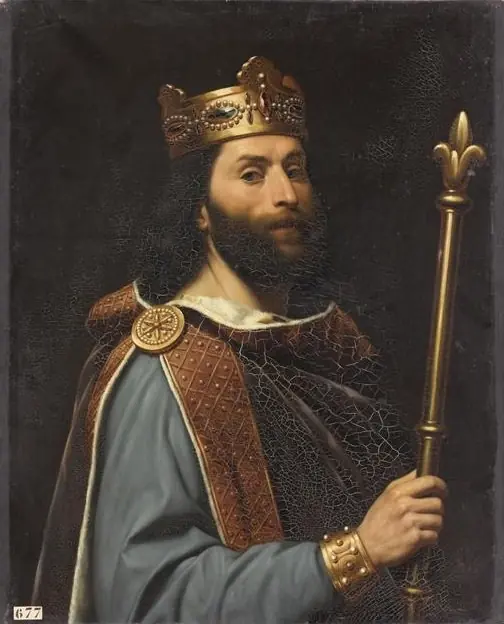 Louis the Stammerer
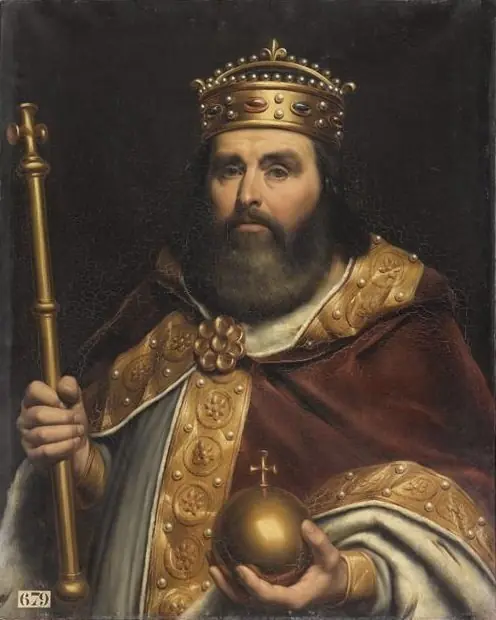 Charles the Fat
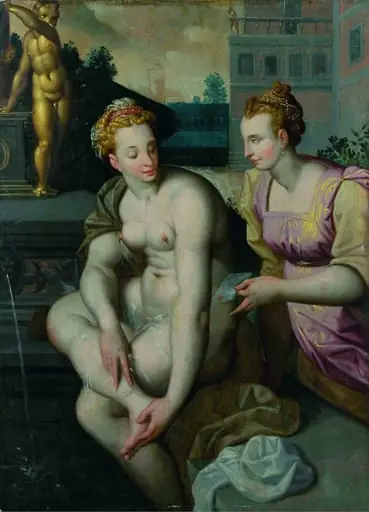 Betsabeea primind o scrisoare de la regele David
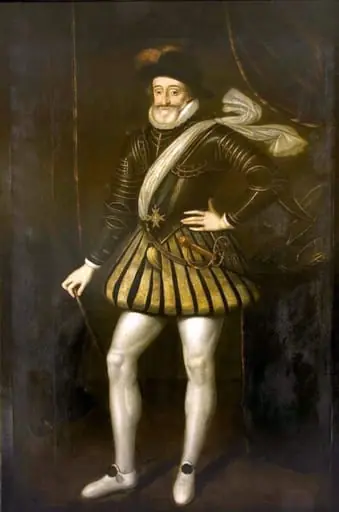 Portretul Regelui Henric al IV-lea
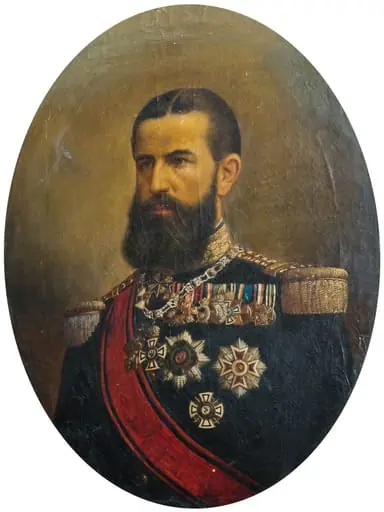 Carol I
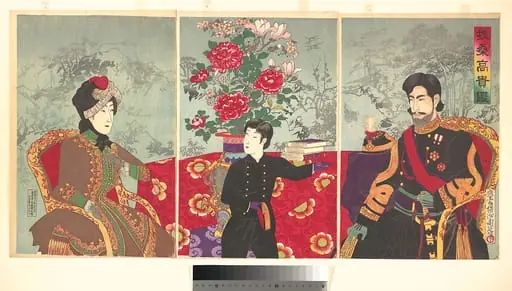 『扶桑高貴鑑』|A Mirror of Japan’s Nobility: The Emperor Meiji, His Wife, and Prince Haru (Fūsō kōki kagami)
 Mihai (Regele Mihai copil)
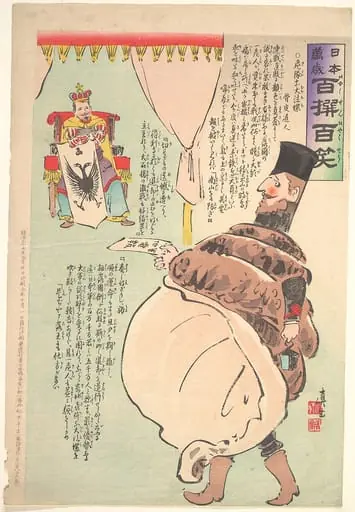 Kitai taihora|The Spiraling (Effect) of the Fundamental Law on the Fearful Party (Russians)
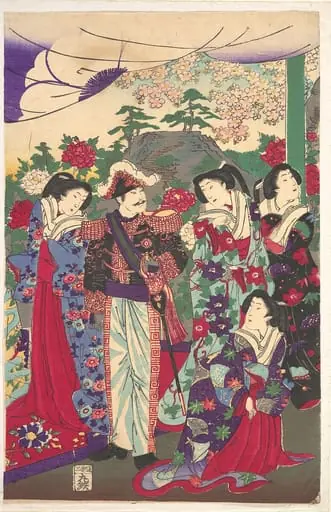 Untitled
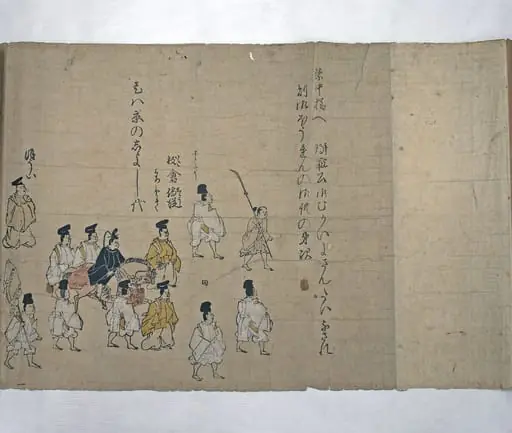 Untitled
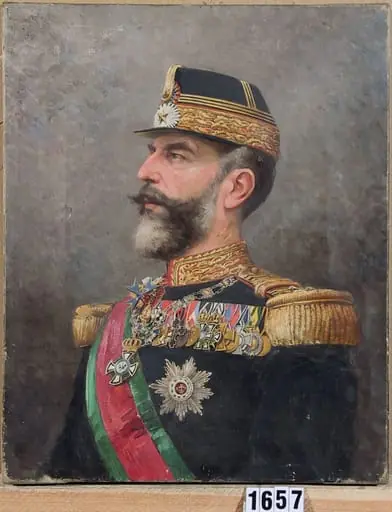 Regele Carol I
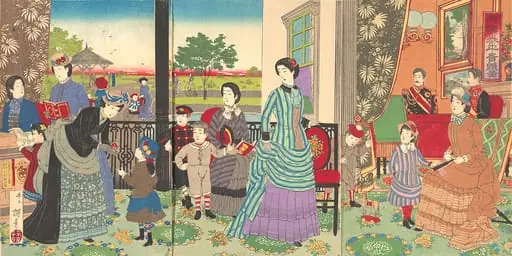 井上安治画 『共楽泰平貴顕図』|Peaceful Pleasures of the Highest Nobility (Kyōraku taihei kiken zu)
 Untitled
Frequently asked questions
What is King?
King is an English surname.
How many King works does Artifact World Gallery have?
Artifact World Gallery holds 70 public-domain King works, all free to view and download.
Who are the key King artists?
Key King artists in the collection include Henry Bone, François Gérard and Chokha.
Where can I see King works?
King works in the collection are held by Metropolitan Museum of Art, Palace of Versailles and Museum of the History of France.