Artwork
Vista de los jardines de la Casa de Campo con la estatua de Felipe III
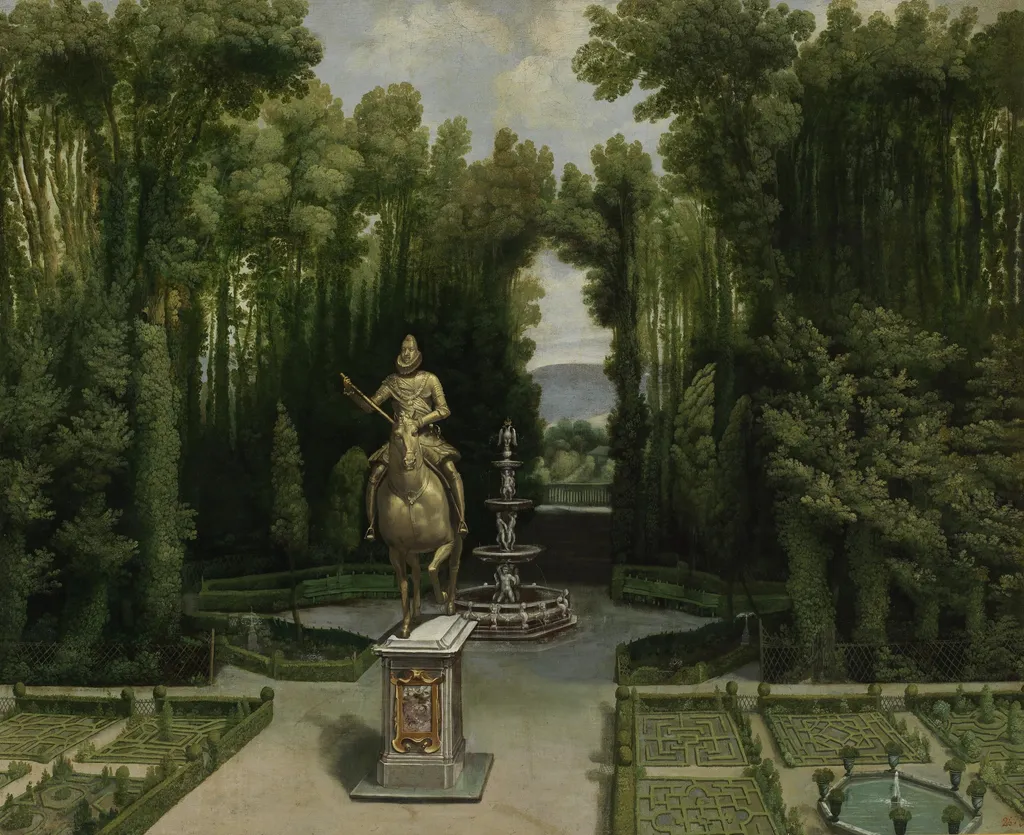
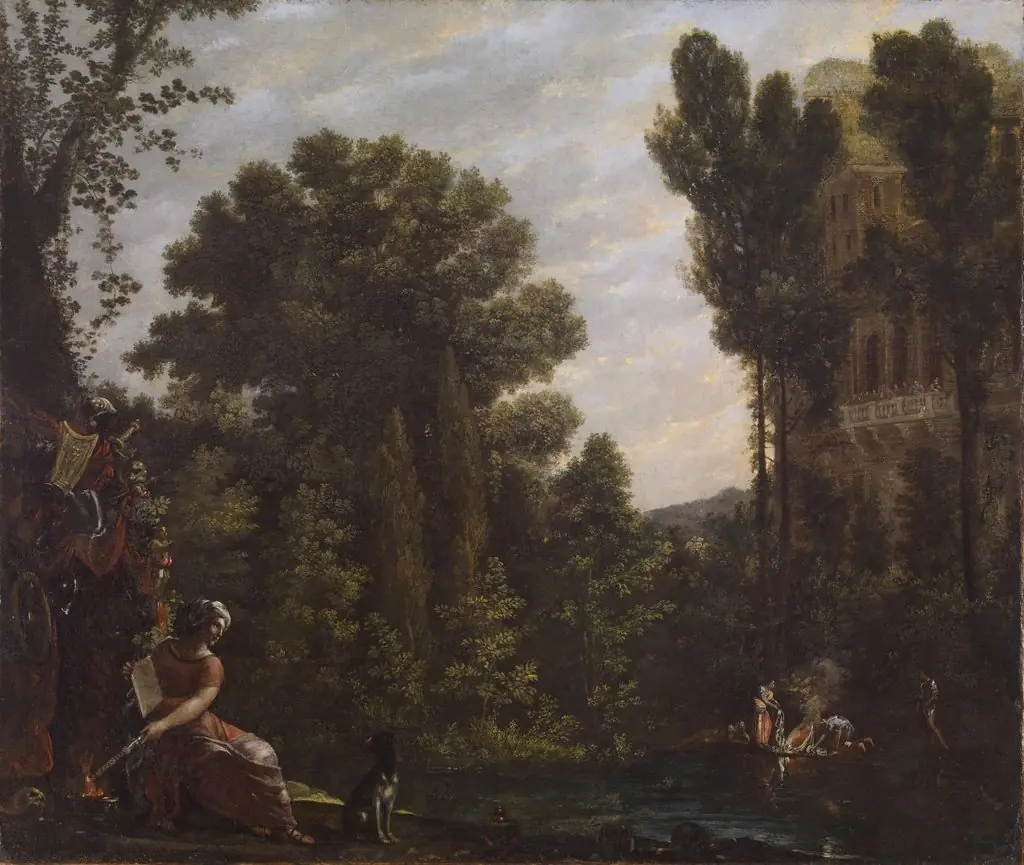
Vista de los jardines de la Casa de Campo con la estatua de Felipe III is an oil painting by the Flemish Baroque painting artist Unknown. It dates from 1634 and is held in the collection of the Museo del Prado.
About this work
Subject & Meaning
The painting depicts the gardens of the Casa de Campo in Madrid with the equestrian statue of Philip III prominently placed at the center.
The painting depicts the gardens of the Casa de Campo in Madrid with the equestrian statue of Philip III prominently placed at the center. The subject aligns with the tradition of topographical views that combine landscape with royal iconography, emphasizing the grandeur of the royal estate and its sculptural embellishments. The presence of the statue, a commemorative monument cast in bronze, underscores the political and dynastic significance of Philip III’s reign, situating the work within the broader genre of courtly representations that celebrate Habsburg authority in the Spanish capital.
The composition integrates the natural setting with the human-made elements, framing the garden’s pathways and vegetation as a backdrop to the authoritative presence of the statue. The choice to center the sculpture in the composition reflects an intention to link the landscape directly to the monarch’s legacy, reinforcing the ideological message of continuity and prestige associated with the royal household.
Technique & Style
Executed in 1634, this work is an oil painting on canvas. The composition depicts a garden landscape featuring a prominent sculpture, rendered with the material characteristics typical of seventeenth-century Spanish court art. The support measures 149 cm in height and 181 cm in width.
As a piece held within the collection associated with the Museo del Prado and located at the Madrid History Museum, the work utilizes oil paint to capture the architectural and natural elements of the Casa de Campo grounds alongside the statue of Philip III.
History & Provenance
The painting dates to 1634, executed in oil on canvas, and is attributed to an anonymous artist rather than a documented commission. It depicts the gardens of the Casa de Campo together with the statue of Philip III. The work is held by the Museo del Prado in Madrid, with its physical location recorded as the Madrid History Museum. No further details on early ownership, acquisition history, or provenance chain are documented in the available sources.
Vista de los jardines de la Casa de Campo con la estatua de Felipe III is held in the collection of the Museo del Prado in Madrid. According to the associated Wikidata record, the painting is also linked to the Madrid History Museum as a location. The work, an oil on canvas dated 1634, measures 149 cm in height and 181 cm in width.
No specific inventory or accession number is provided in the available sources, and no exhibition history is documented.
Context
The work belongs to the Spanish Baroque tradition and reflects the era's fascination with courtly landscapes that integrated sculptural elements into garden settings. Its depiction of the garden of the Casa de Campo alongside the Felipe III equestrian sculpture situates it within the broader discourse of urban planning and artistic patronage in 17th-century Madrid, where such compositions served both aesthetic and symbolic functions. Scholarship highlights its role in documenting the evolving relationship between architecture, nature, and public monuments during the Habsburg period, while the painting's presence in the Museo del Prado underscores its significance as a representative example of courtly patronage and artistic practice in early modern Spain.
Overview
Vista de los jardines de la Casa de Campo con la estatua de Felipe III is an oil painting depicting a serene and meticulously designed garden scene from the Casa de Campo, featuring a prominent equestrian statue of Felipe III at its center.
Legacy
While specific legacy details of this painting are not provided, works like Vista de los jardines de la Casa de Campo con la estatua de Felipe III contribute to our understanding of 17th-century Spanish royal aesthetics, garden design, and the symbolic use of statuary in outdoor spaces.
Artist & collection









- Park View
 Perspectiva con jardín
 Statues and buildings on the water in a park
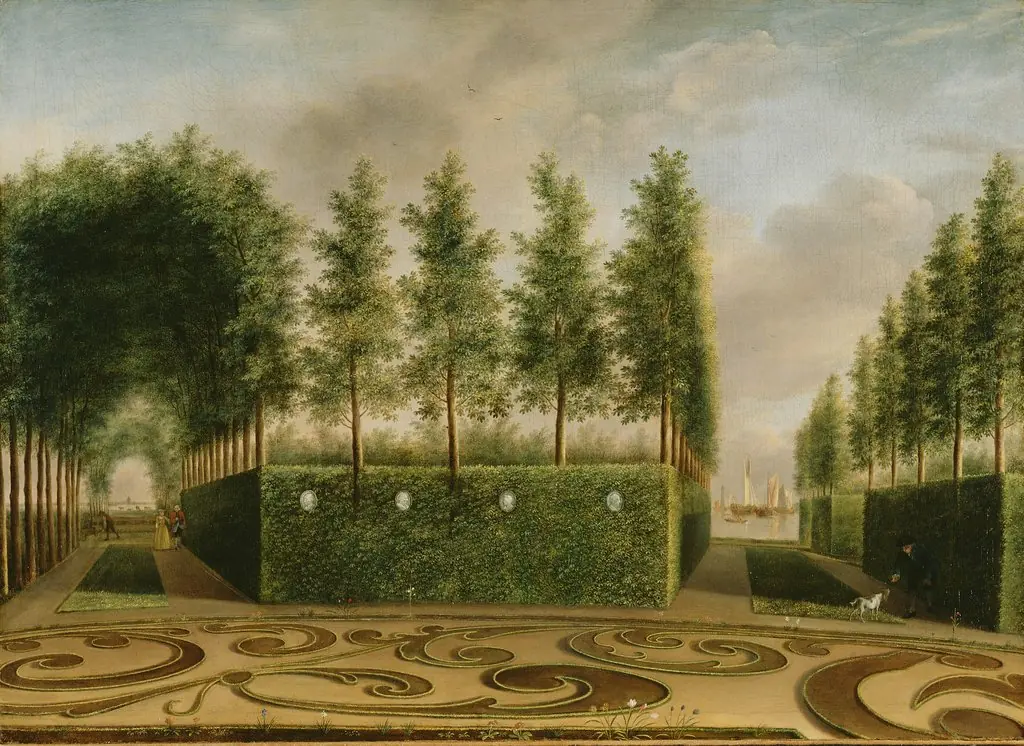 A Formal Garden
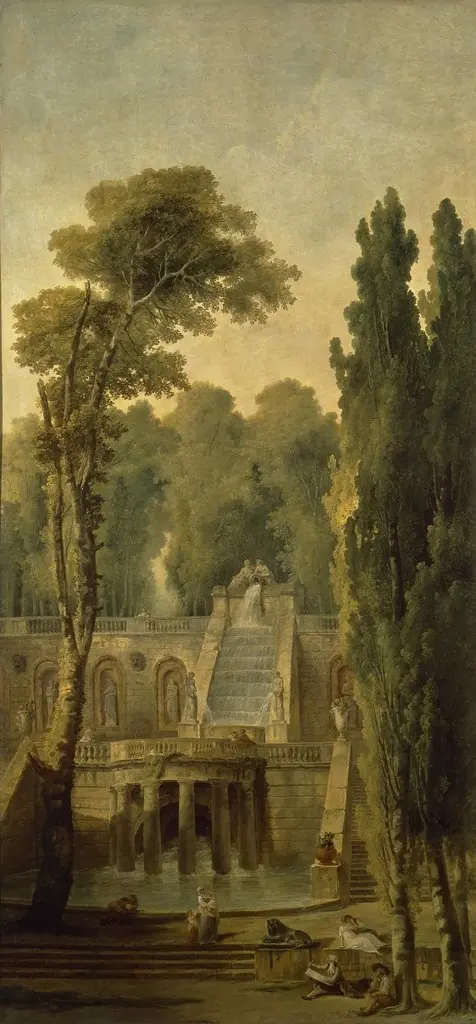 Landscape with a Terrace and Cascade
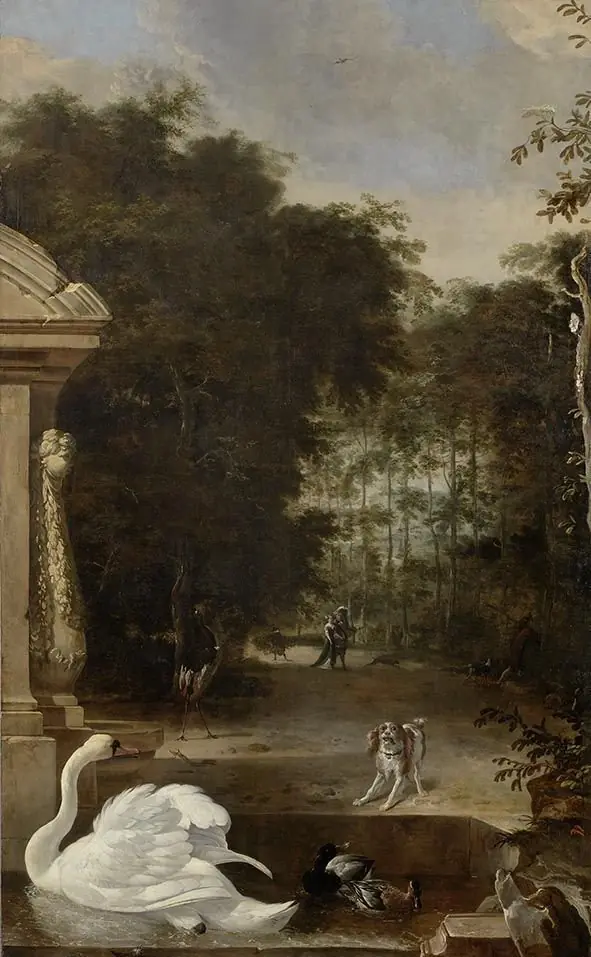 Vogelpark mit Schwan und Hund
 Untitled
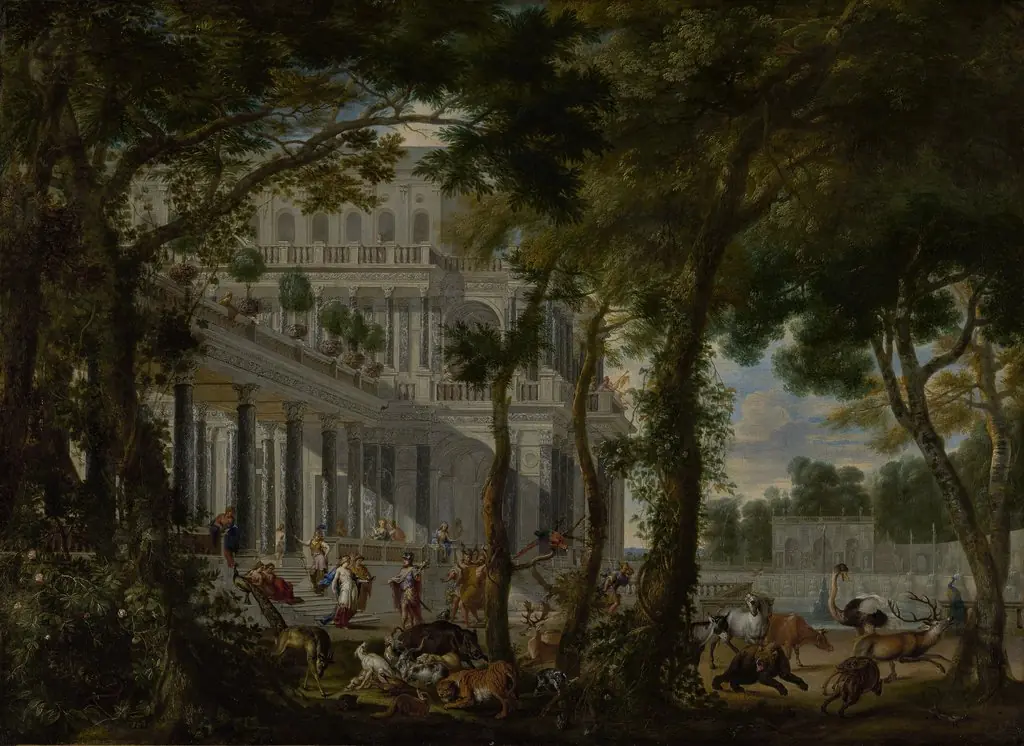 Ulysses at the Palace of Circe
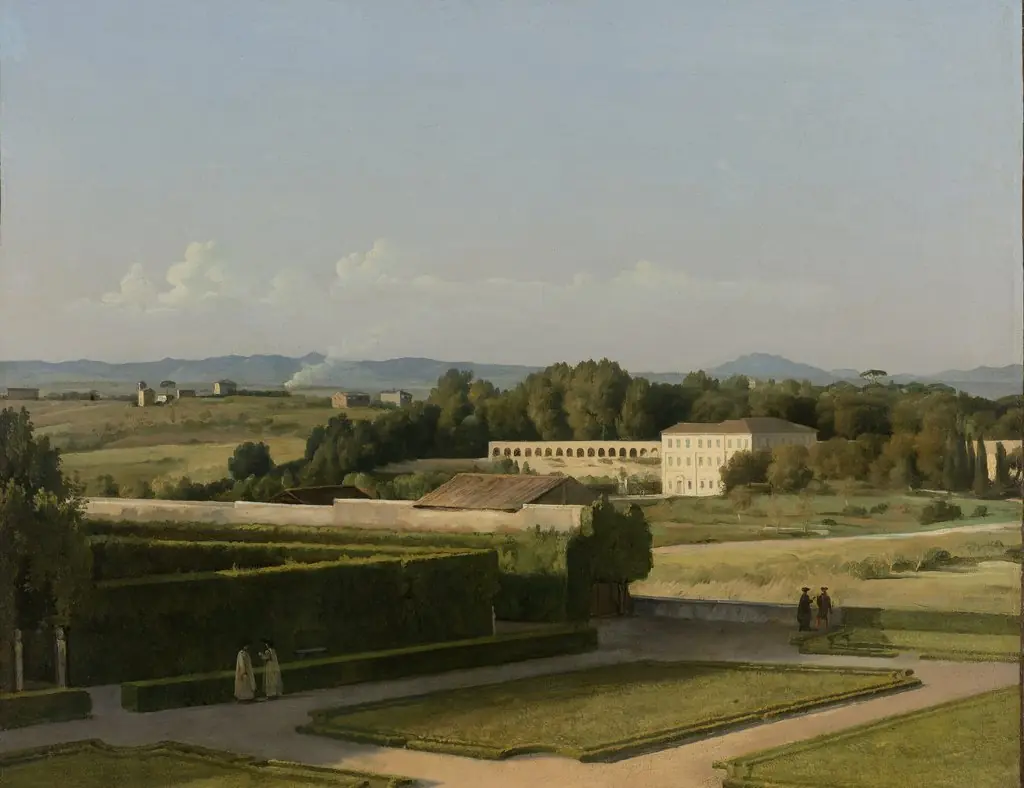 View of the Gardens of Villa Medici
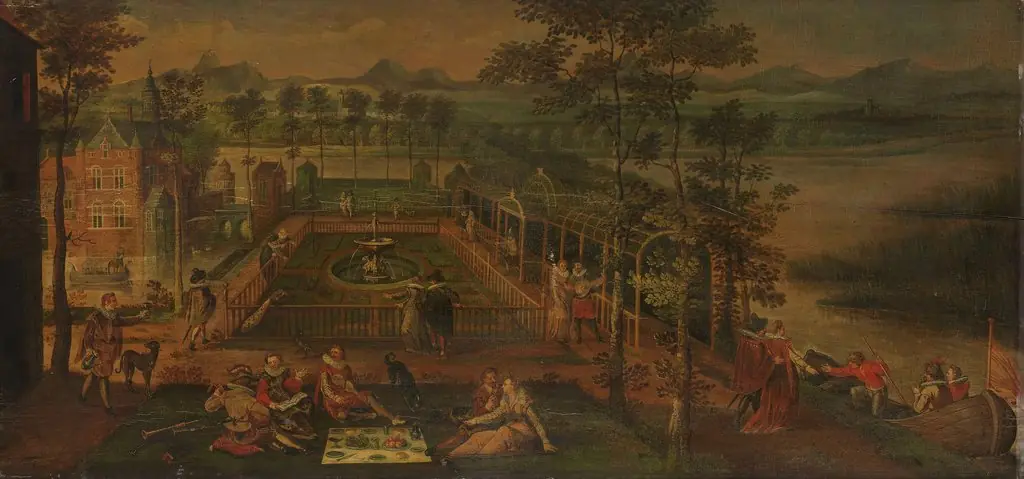 Pleasure Garden
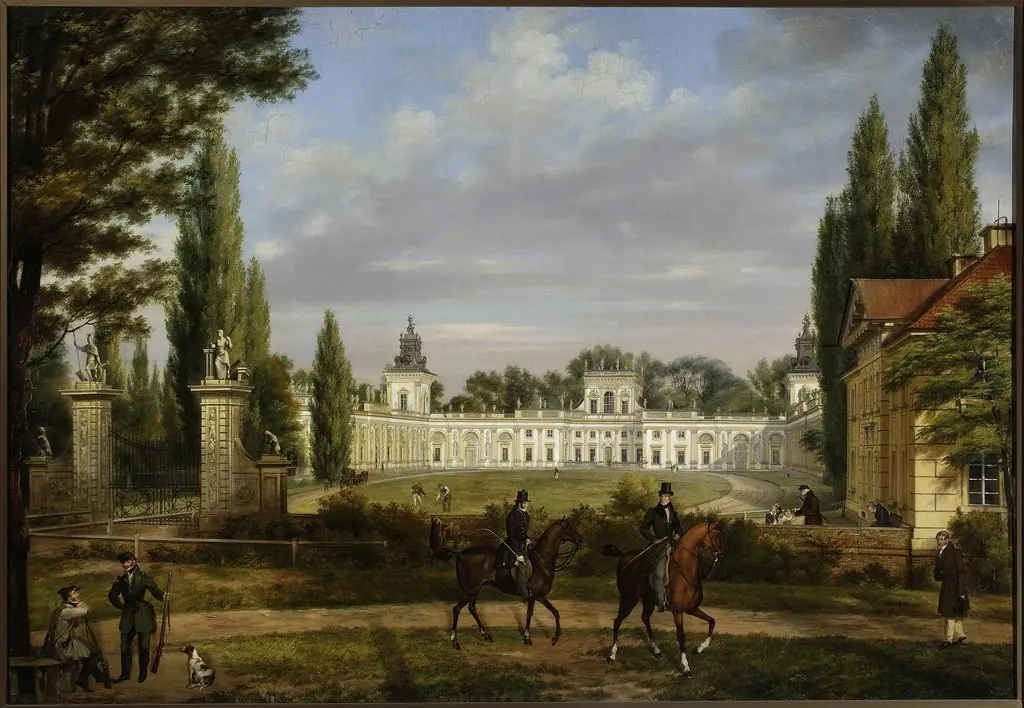 View of the Wilanów Palace from the entrance
 Landscape with a Scene of Witchcraft