Artwork
Pleasure Garden
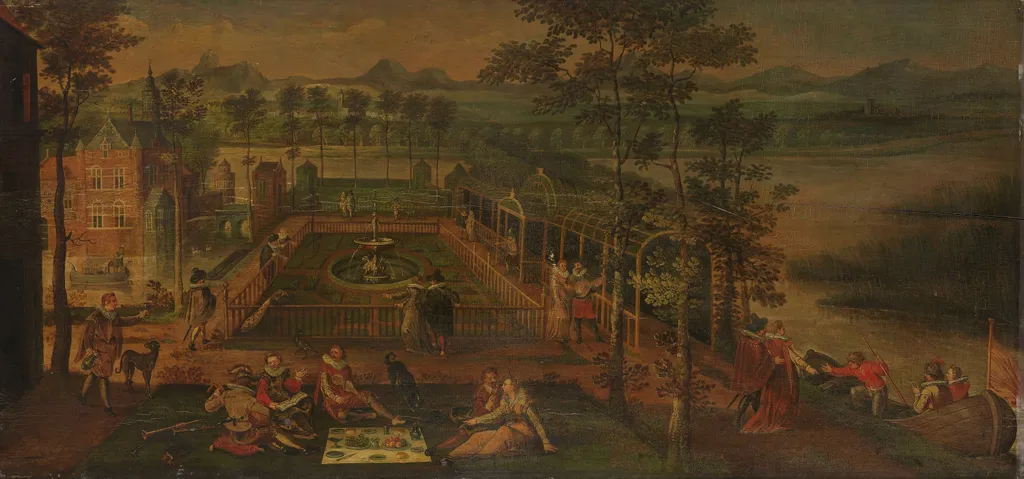
Pleasure Garden is an oil painting. It dates from 1596 and is held in the collection of the Rijksmuseum.
About this work
Subject & Meaning
The arrangement of revelers in a verdant setting reflects contemporary 17th-century ideals of rustic enjoyment and moral contemplation within nature.
The work presents a festive outdoor gathering beneath leafy trees, where figures recline on benches and partake in leisurely activities. Symbolic elements such as fruit-bearing branches and fluttering birds suggest themes of abundance and the transience of pleasure. The arrangement of revelers in a verdant setting reflects contemporary 17th-century ideals of rustic enjoyment and moral contemplation within nature.
The painting is housed at the Rijksmuseum in Amsterdam, part of the museum’s collection of Dutch Golden Age genre scenes.
Overview
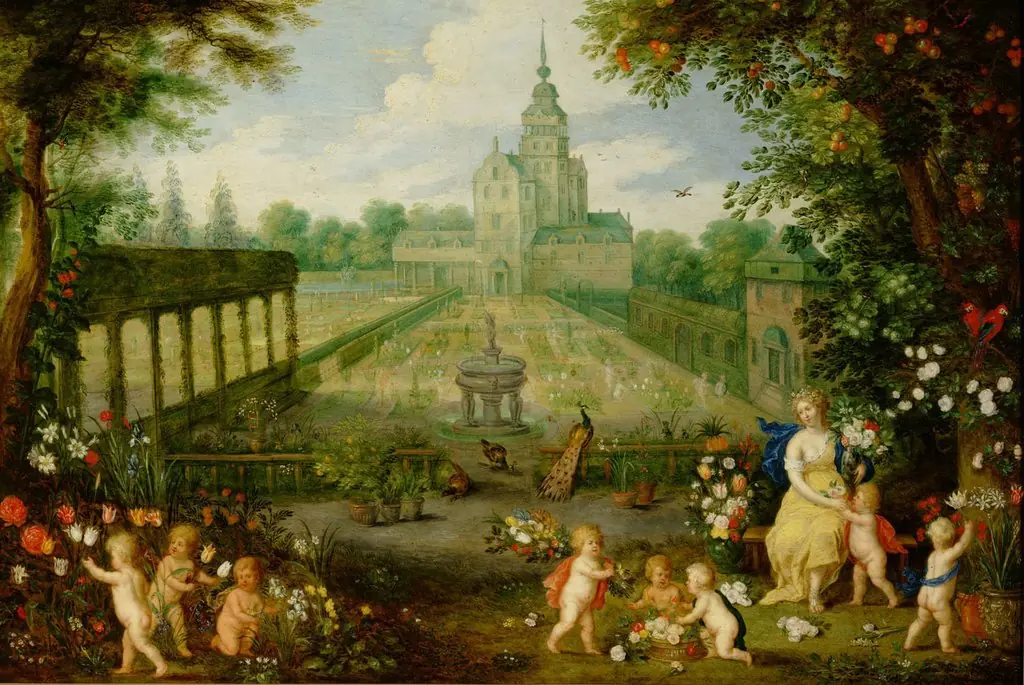
Pleasure Garden is an oil painting depicting a vibrant outdoor scene set in a luxurious garden, where various individuals engage in leisurely activities amidst a backdrop of architectural and horticultural refinement.
Technique & Style
The artist employs chiaroscuro, juxtaposing deep shadows with bright highlights to create a sense of three-dimensionality, adding depth and visual interest to the scene. This contrast enhances the overall realism and engagement of the outdoor setting.
Context
Given its themes and style, Pleasure Garden likely reflects the artistic and societal values of its time, possibly echoing the Renaissance or Baroque periods' fascination with light, shadow, and the depiction of leisure among the affluent.
Legacy
While specific influence or direct progeny are not detailed here, the painting's use of chiaroscuro and its capture of everyday luxury suggest it may have contributed to or reflected broader artistic trends emphasizing realism and the human experience in idyllic settings.
Artist & collection

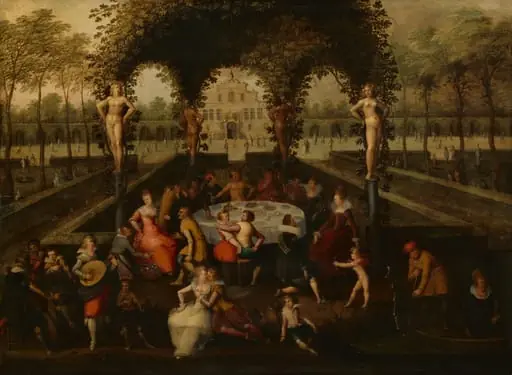 Venus, Bacchus and Ceres with Mortals in a Garden of Love
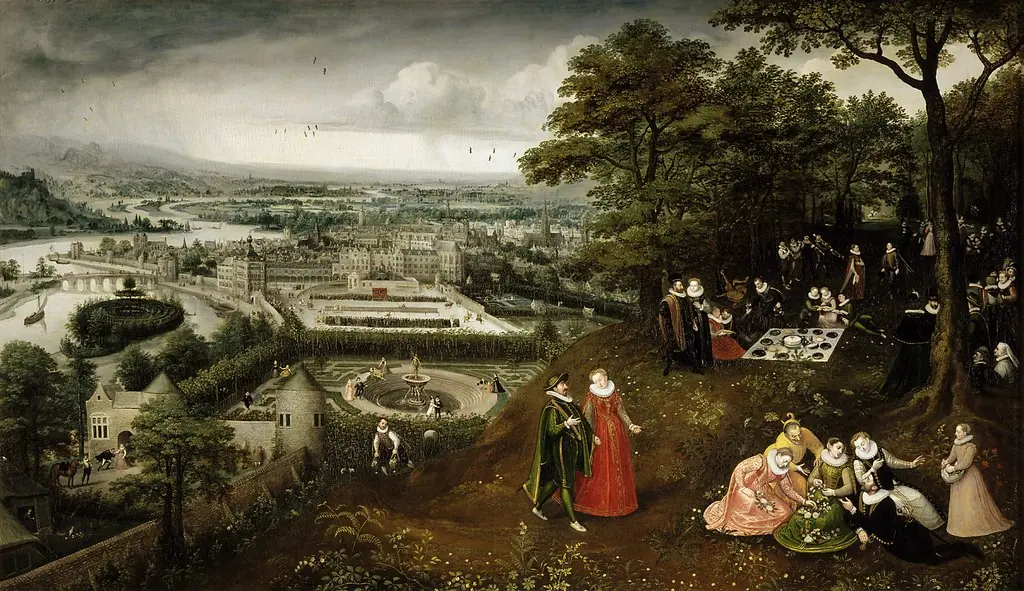 Spring Landscape (Representation of the month of May)
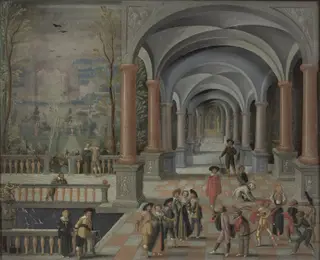 Festive Gathering and Figures from a Commedia dell'Arte in a Gallery
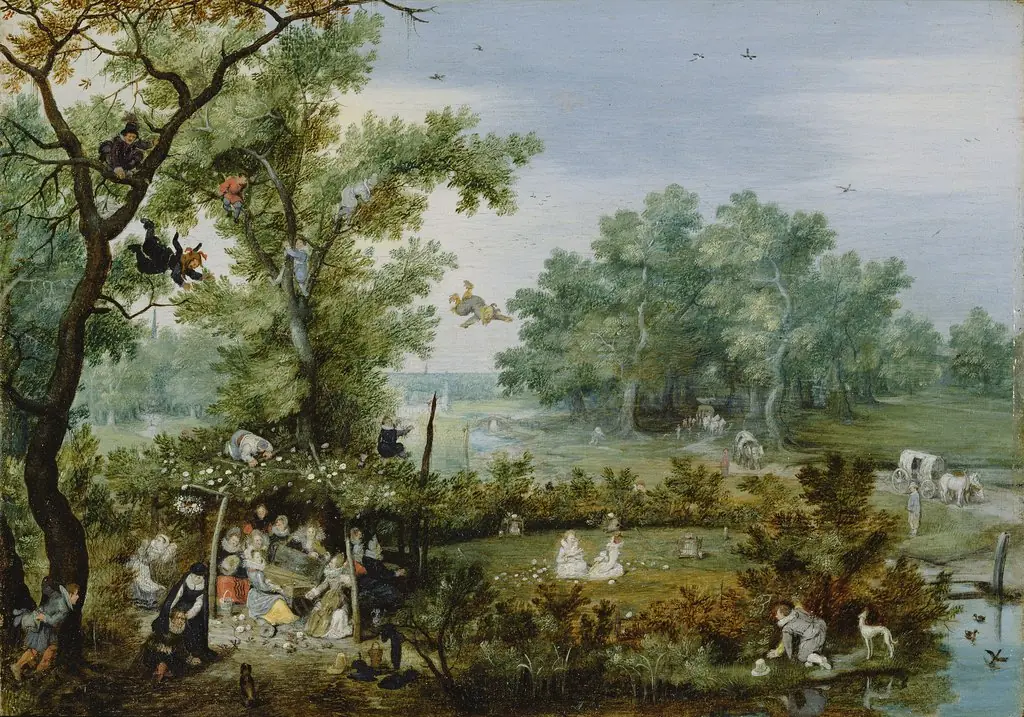 A Merry Company in an Arbor
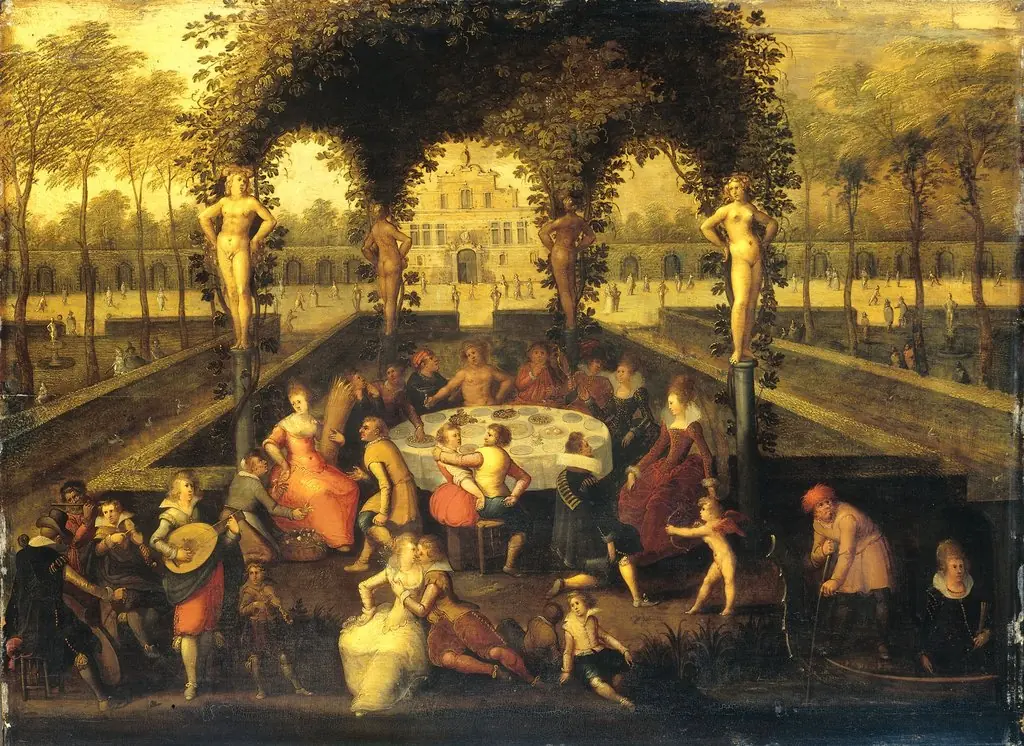 Venus, Bacchus and Ceres with Mortals in a Garden of Love
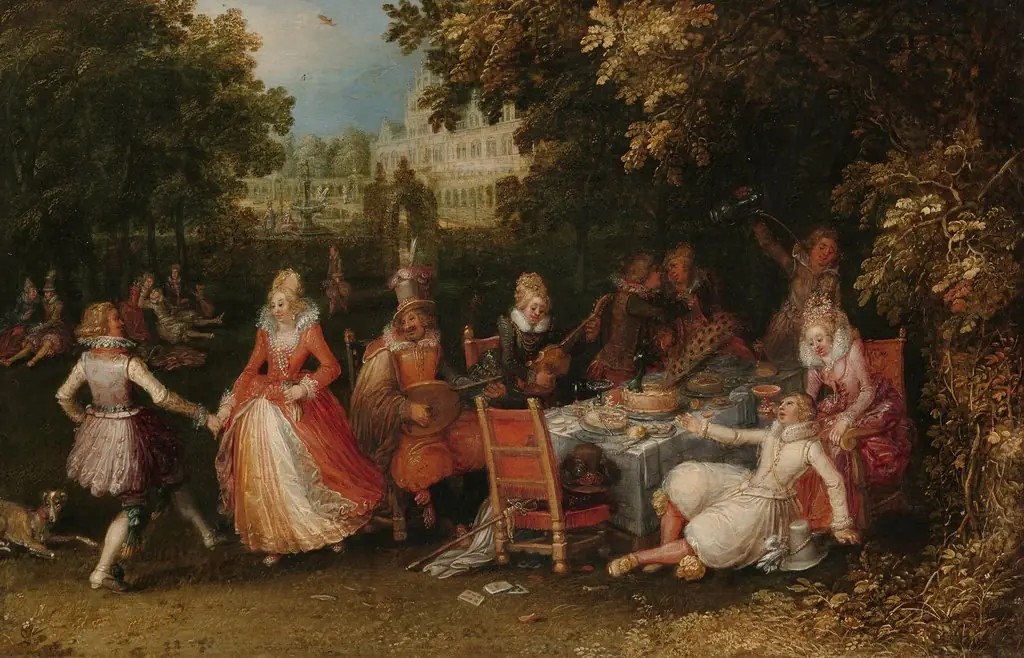 The fête champêtre
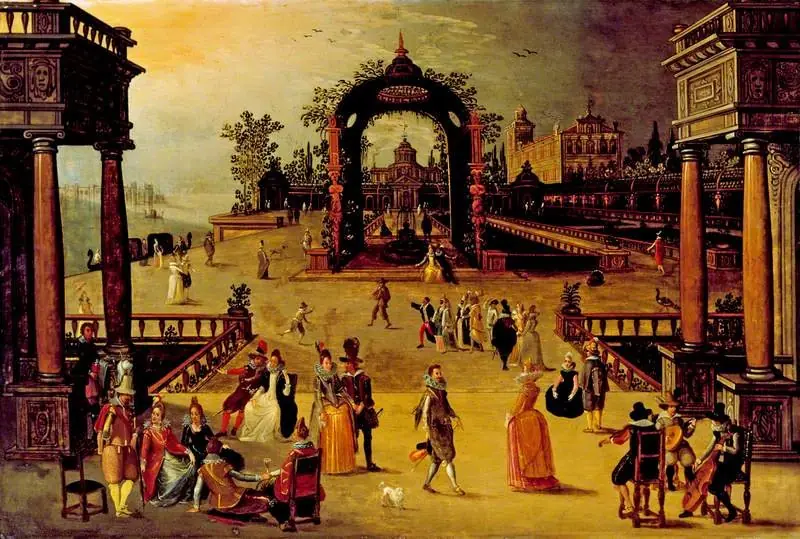 Court of a Venetian Palace
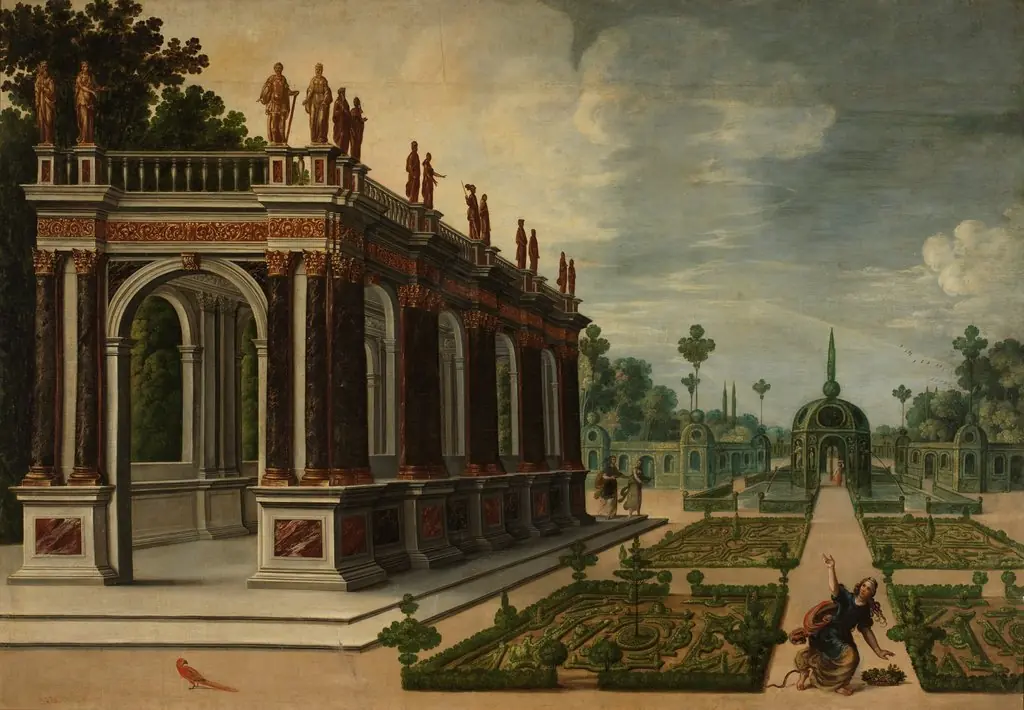 Perspectiva con jardín
 Landscape with Buildings
 Flora in the Garden
 Mount Auburn Cemetery
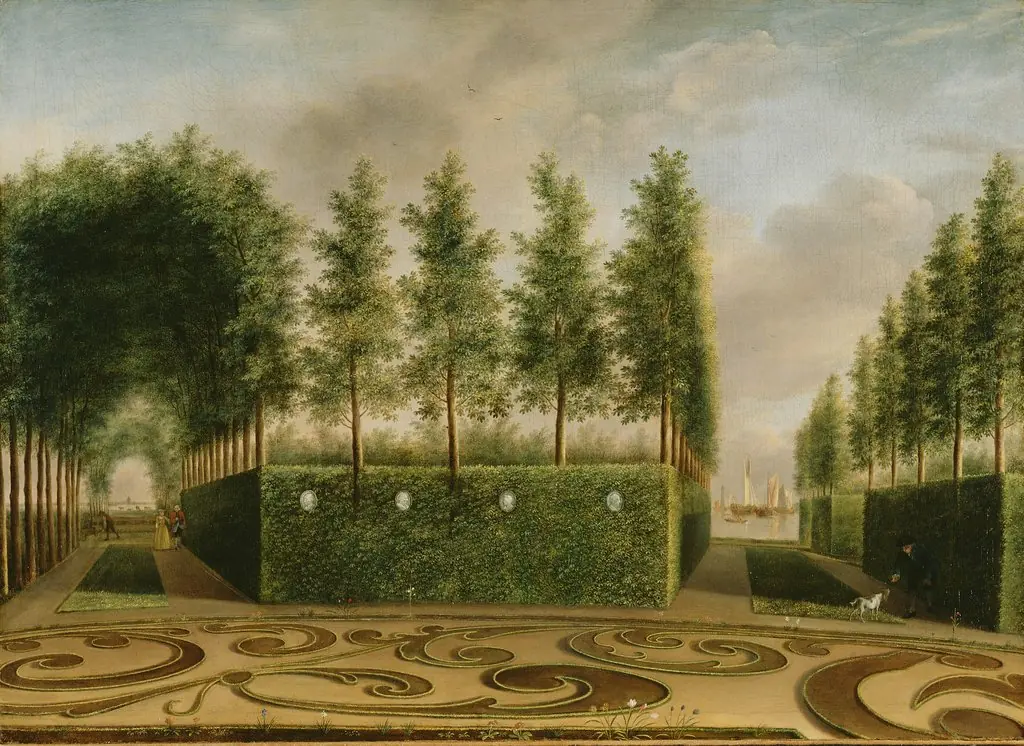
- A Formal Garden