Artwork
Untitled
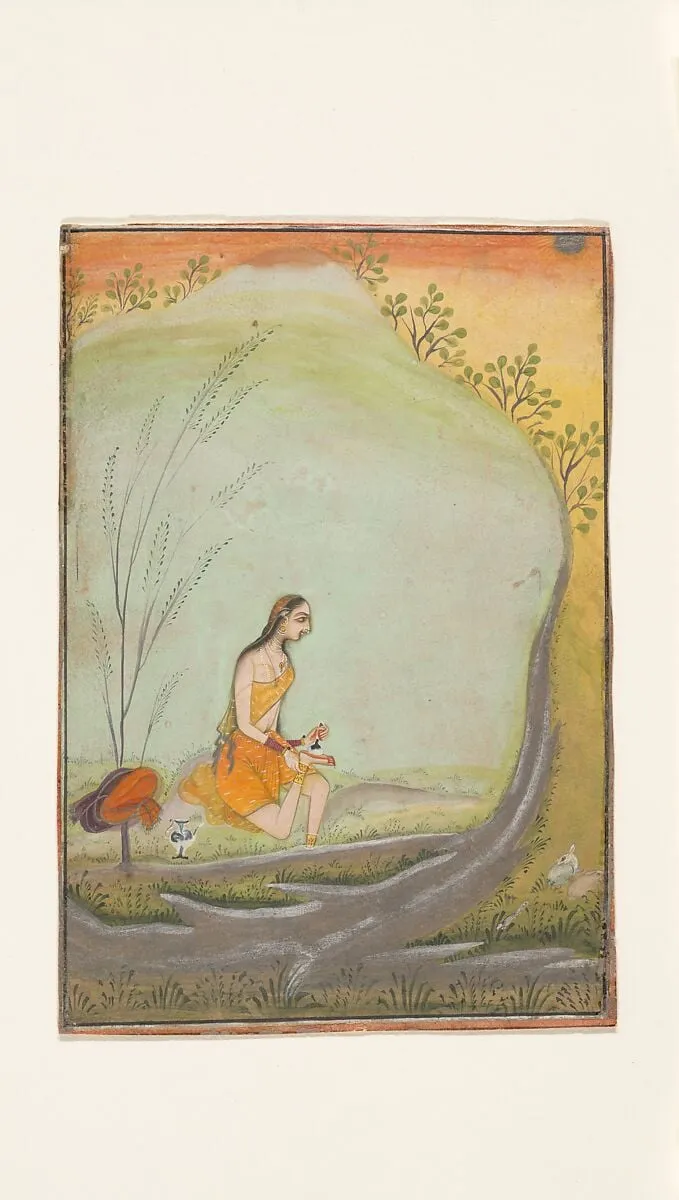
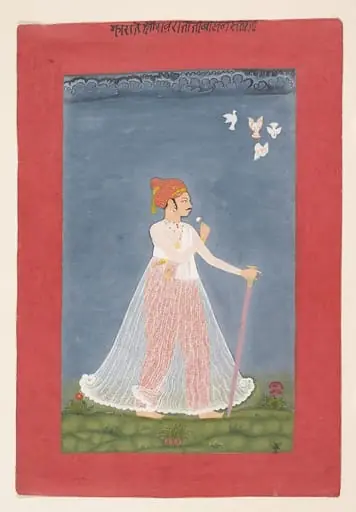
Untitled is a watercolor painting by the Baroque artist son of Murad Ustad Mohamed. It dates from 1725 and is held in the collection of the Metropolitan Museum of Art.
About this work
Subject & Meaning
Its composition and style align with portraiture of the period, emphasizing the sitter's presence through delicate line and subtle color.
The painting, titled Untitled, is a portrait that represents a woman. Executed in ink and opaque watercolor on paper in 1725 in India, the work measures 13.8 cm by 9.5 cm. Its composition and style align with portraiture of the period, emphasizing the sitter's presence through delicate line and subtle color. The subject's identity is not named, but the depiction fits within the tradition of courtly portraiture in Mughal-influenced Indian art, where women were often rendered with an emphasis on grace and status.
Technique & Style
Created in 1725, this portrait of a woman by Ustad Mohamed, son of Murad, is executed in ink and opaque watercolor on paper. The work measures 13.8 cm in height and 9.5 cm in width. As a painting classified within the genre of portraiture, it originates from India and is currently held in the collection of the Metropolitan Museum of Art.
History & Provenance
Created in 1725 in India, this portrait was executed by the artist Ustad Mohamed, son of Murad. The work utilizes ink and opaque watercolor on paper to depict a woman. It eventually entered the collection of the Metropolitan Museum of Art, where it is currently housed.
Overview
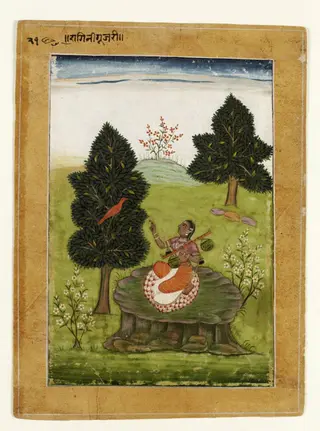
Created in 1725 by the son of Murad Ustad Mohamed, this untitled portrait originates from the court of Bikaner in Rajasthan, India. Executed in ink and opaque watercolor on paper, the work depicts a woman seated on the floor, dressed in a vibrant red garment. She holds a small book in her hands, a gesture that suggests literacy or devotional practice.
The composition is intimate and focused, characteristic of the small-scale portraiture produced for Rajput royal patrons during the early eighteenth century. The artist renders the subject with a calm, composed expression, emphasizing her serene demeanor. Fine attention is paid to the delicate patterns adorning her clothing, showcasing the technical precision and decorative sensibility typical of the Bikaner school.
This piece reflects the region's tradition of blending Mughal influences with local Rajput aesthetics, resulting in a refined and detailed representation of courtly life. The work stands as a testament to the skilled workshop practices of the time, where artists like the son of Murad Ustad Mohamed produced sophisticated images for elite consumption.
Context
Originating from Bikaner, a city in Rajasthan, India, this painting reflects the artistic environment of the region. Artists in Bikaner frequently received patronage from local royal courts, for whom they produced small, intricately detailed images. Such works often served to document individuals or illustrate narratives, embodying the sophisticated visual culture of the princely states.
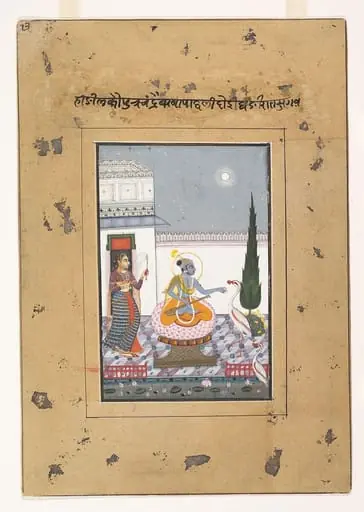
Artist & collection
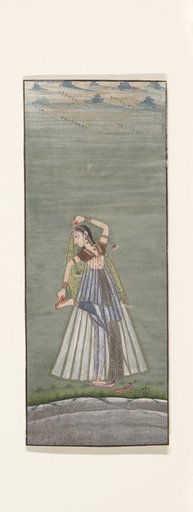
Artist
This artist worked 300 years ago, painting delicate scenes on paper with ink and bright colors.

- Untitled
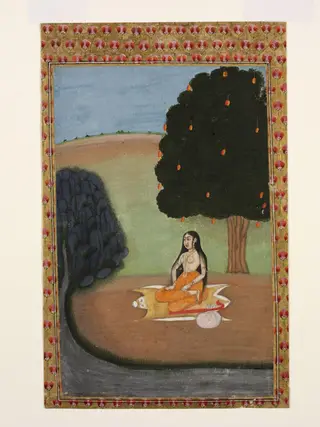 Gujari Ragini
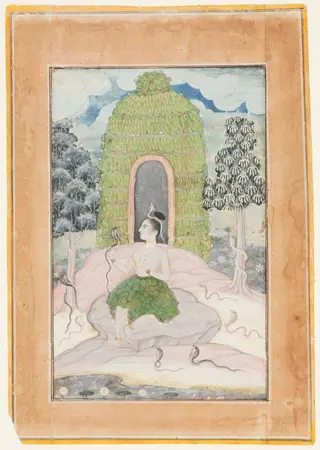 Ascetic Princess with Snakes in a Wilderness: Asavari Ragini, from a Ragamala
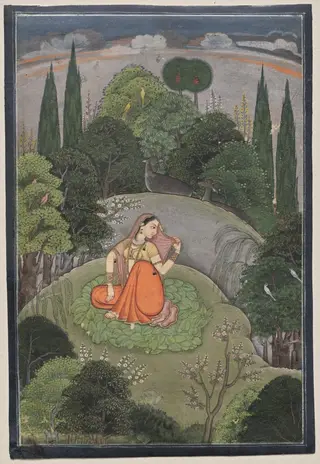 The Heroine Who Waits Anxiously for Her Absent Lover: Utka Nayika
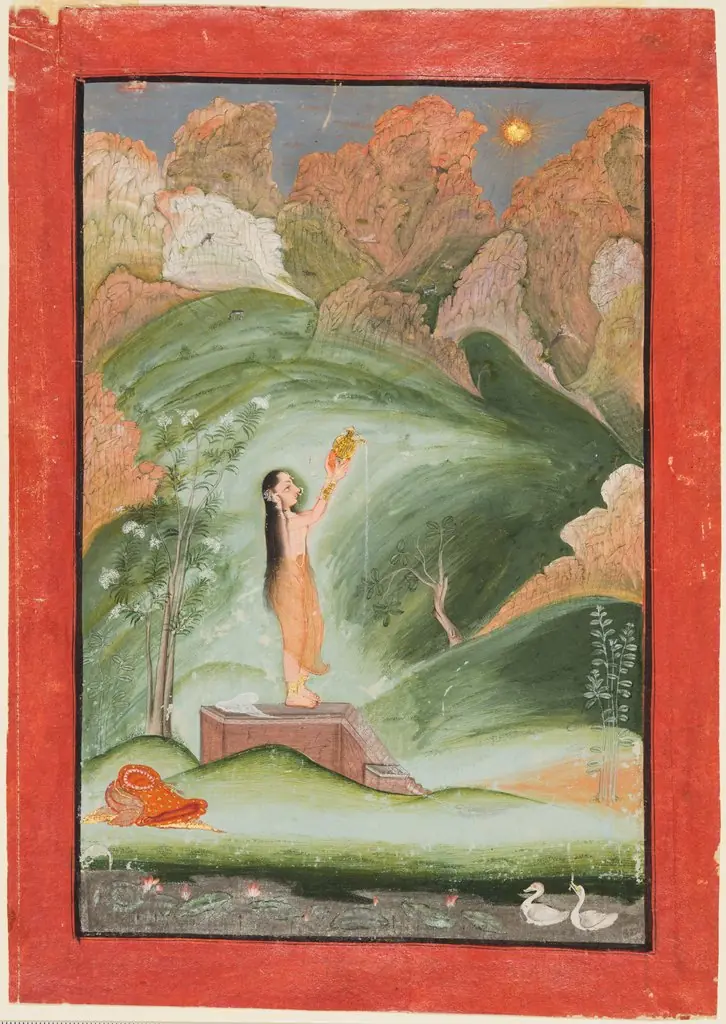 A girl worshipping the rising sun (Surya puja)
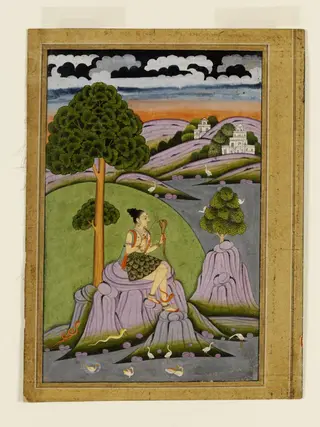 Asavari Ragini
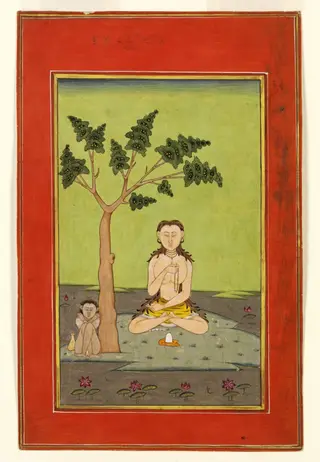 Devagandhari Ragini
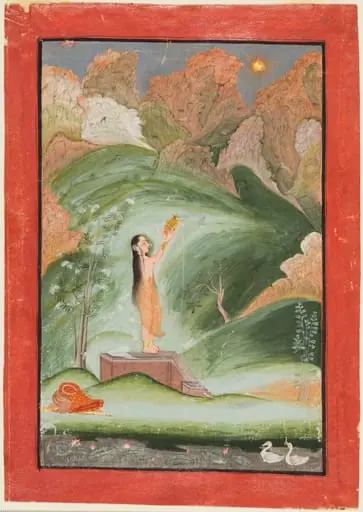 A girl worshipping the rising sun (Surya puja)
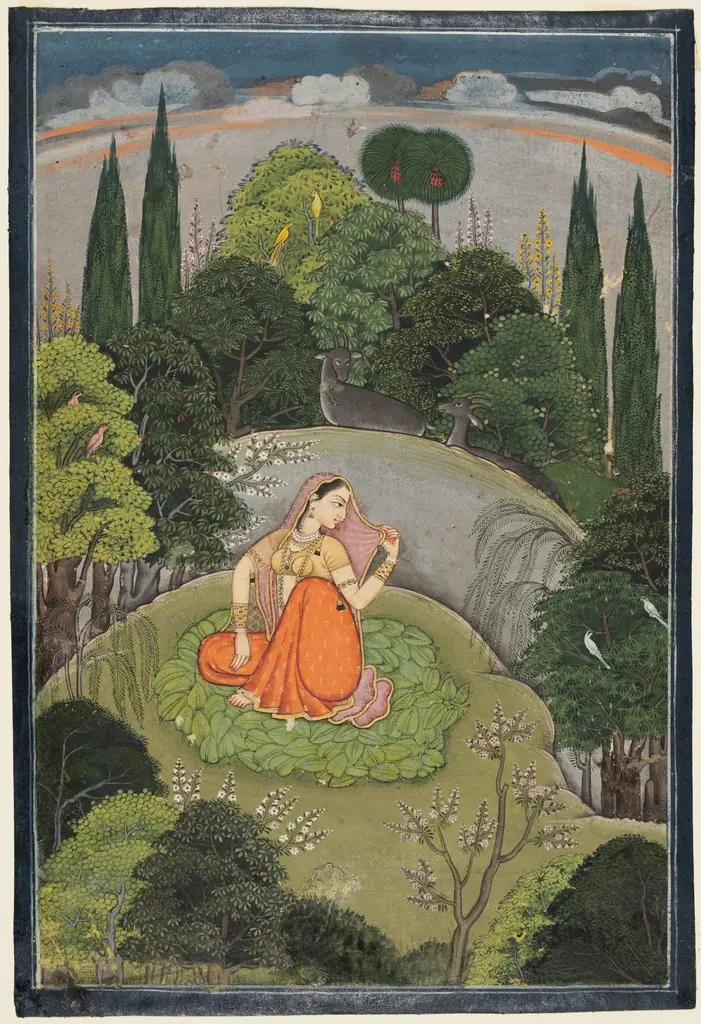 The Heroine Who Waits Anxiously for Her Absent Lover: Utka Nayika
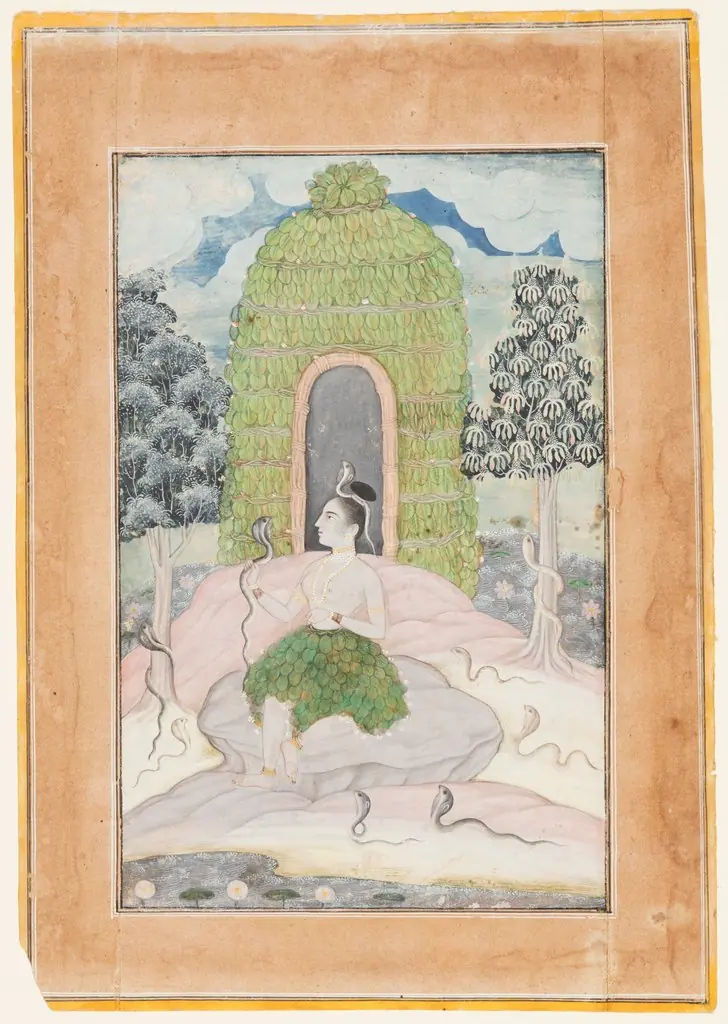 Ascetic Princess with Snakes in a Wilderness: Asavari Ragini, from a Ragamala
 Gujari Ragini
 Untitled