Artwork
Untitled
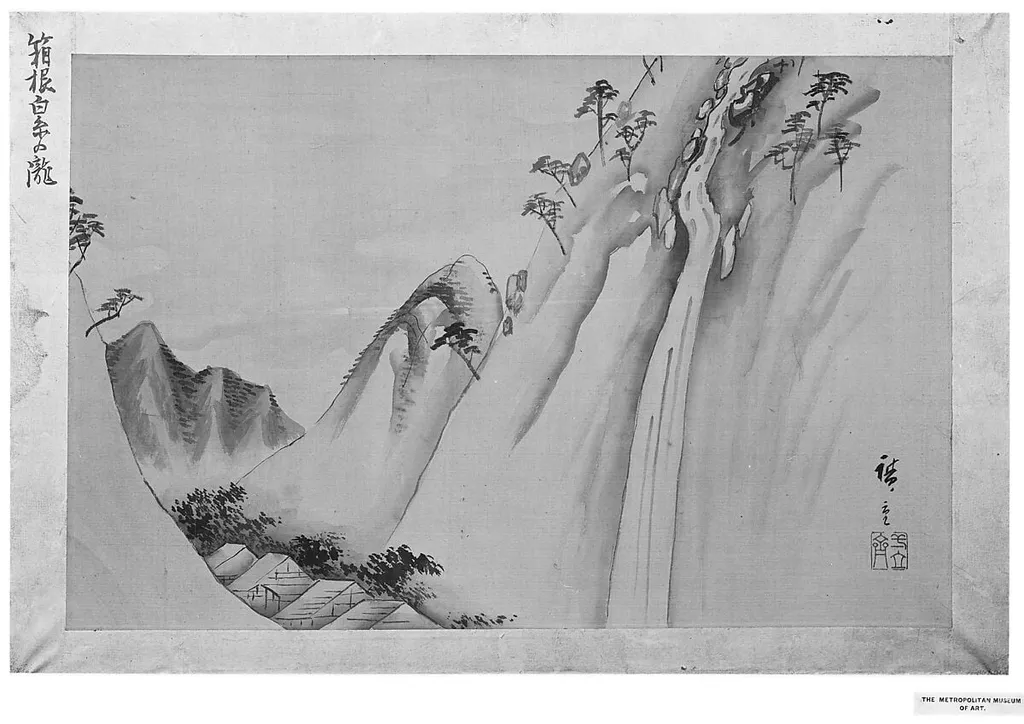
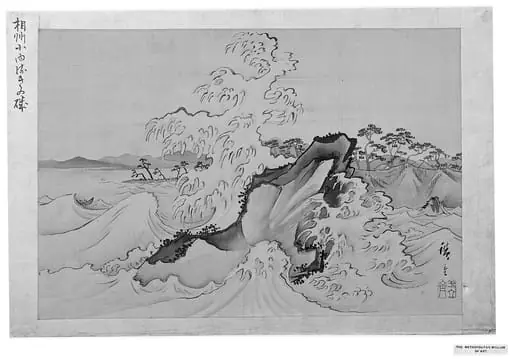
Untitled is an ink painting by the Romanticist artist Utagawa Hiroshige. It dates from 1827 and is held in the collection of the Metropolitan Museum of Art.
About this work
Subject & Meaning
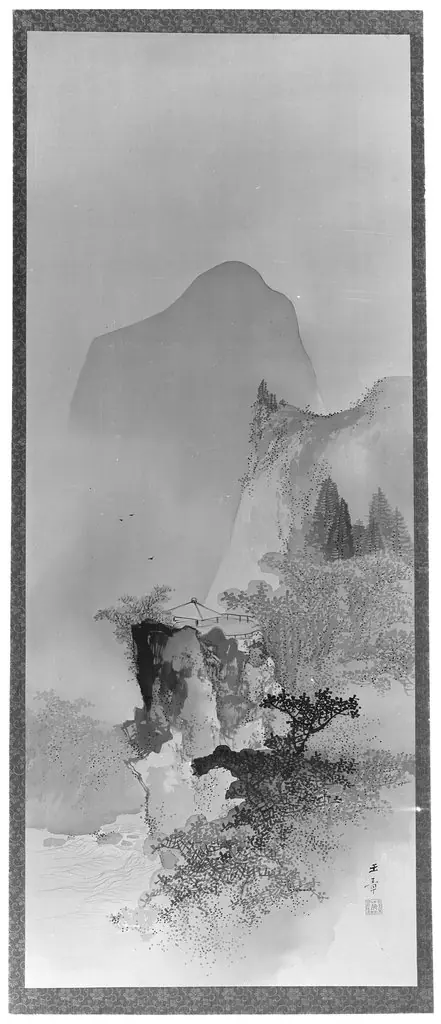
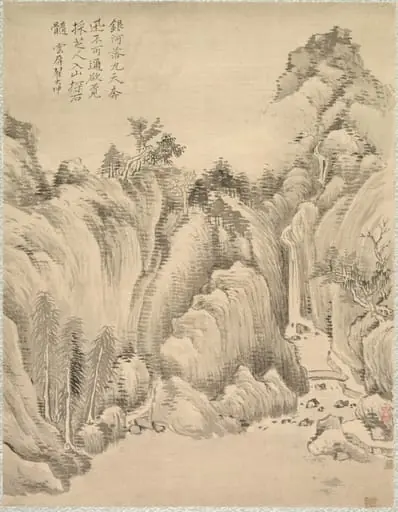
The subject focuses entirely on the cascading water, presenting the waterfall as the central iconographic element of the composition.
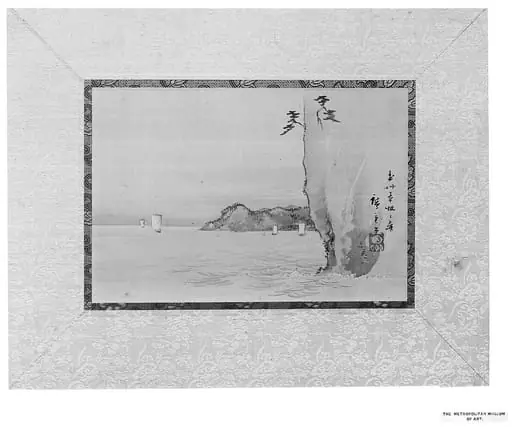
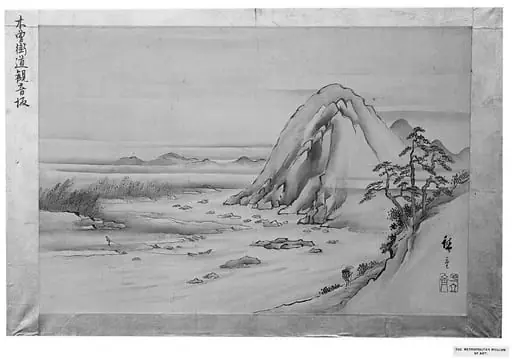
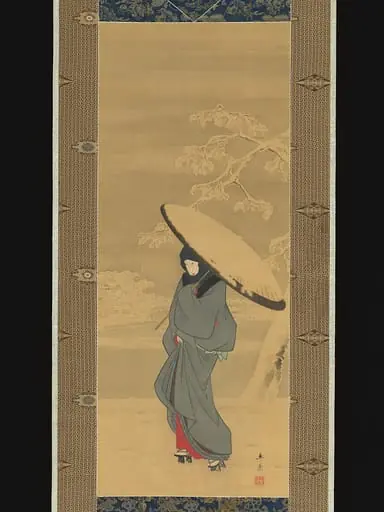
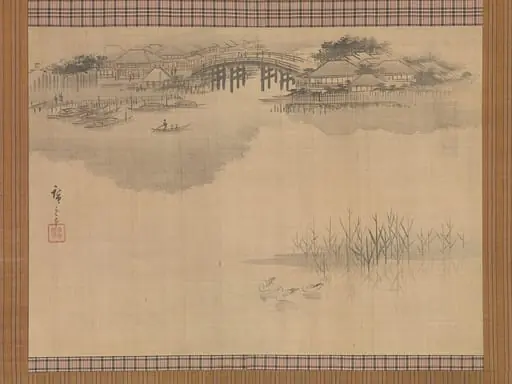
Created in 1827, Utagawa Hiroshige's Untitled is a landscape work that depicts a waterfall. Executed as a matted painting using ink and color on silk, the piece aligns with the ukiyo-e tradition of capturing natural scenery. The subject focuses entirely on the cascading water, presenting the waterfall as the central iconographic element of the composition. This singular focus on a natural feature represents the artist's engagement with landscape themes during this period.
Technique & Style
The work is an ukiyo-e matted painting on silk, employing ink and mineral-based colors. The composition centers on a waterfall, rendered with delicate washes and controlled gradations to convey mist and volume. Stylistic hallmarks include the use of fine contour lines for foliage and rocks, combined with broader, flat color areas for the cascade and surrounding foliage, reflecting early nineteenth-century Utagawa-school conventions.
Dimensions are 35.4 cm in height and 54.5 cm in width.
History & Provenance
Created in 1827, this untitled landscape was produced in Japan by the artist Utagawa Hiroshige. Executed in ink and color on silk, the work depicts a waterfall and measures 35.4 cm in height by 54.5 cm in width. It is held in the collection of the Metropolitan Museum of Art, where it is classified as a matted painting within the ukiyo-e tradition.
No specific details regarding the original commission or the chain of ownership prior to its arrival at the museum are recorded, and no accession number or exhibition history is documented in the available sources.
Context
Utagawa Hiroshige emerged as a central figure in early-19th-century Japanese landscape painting, a genre that elevated everyday scenery to fine art. His 1827 work Untitled, executed in ink and color on silk, exemplifies the ukiyo-e tradition through its depiction of a waterfall, a motif that recurs throughout his oeuvre. Classified as a landscape painting, the piece reflects the era's fascination with natural motifs and the artist's role in popularizing such subjects.
Held in the collection of the Metropolitan Museum of Art, the work is studied as part of the broader narrative of Japanese artistic exchange with the West.
Legacy
The painting Untitled (1827) by Utagawa Hiroshige is part of the Metropolitan Museum of Art's collection, a status that reflects its recognized significance within the history of Japanese art. Measuring 35.4 cm × 54.5 cm, the work is executed in ink and color on silk, illustrating the technical refinement of the ukiyo-e landscape genre. Its depiction of a waterfall captures the naturalistic detail that characterized Hiroshige's output and contributed to the enduring appeal of his subjects.
Overview
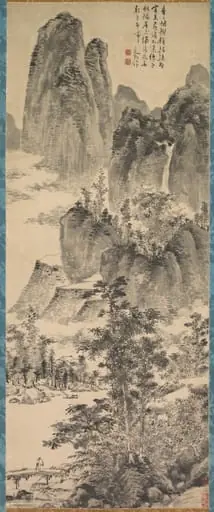
Created in 1827, this matted silk painting by Utagawa Hiroshige presents a cascading waterfall framed by rocks and foliage. A solitary figure traverses a narrow bridge that arches over the turbulent water, offering a quiet moment within a dynamic natural setting. The work exemplifies Hiroshige’s focus on landscape scenes, a hallmark of his output during the late Edo period.
Artist & collection
Artist
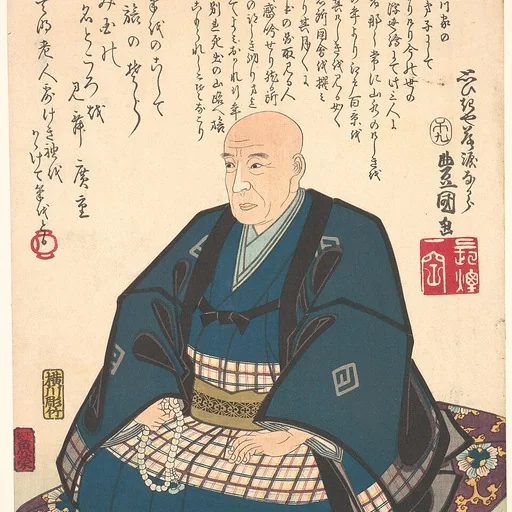
Utagawa Hiroshige (歌川 広重) or Andō Hiroshige (安藤 広重), born Andō Tokutarō (安藤 徳太郎; 1797 – 12 October 1858), was a Japanese ukiyo-e artist, considered the last great master of that tradition.