Artwork
The Green Hat (Le chapeau vert)
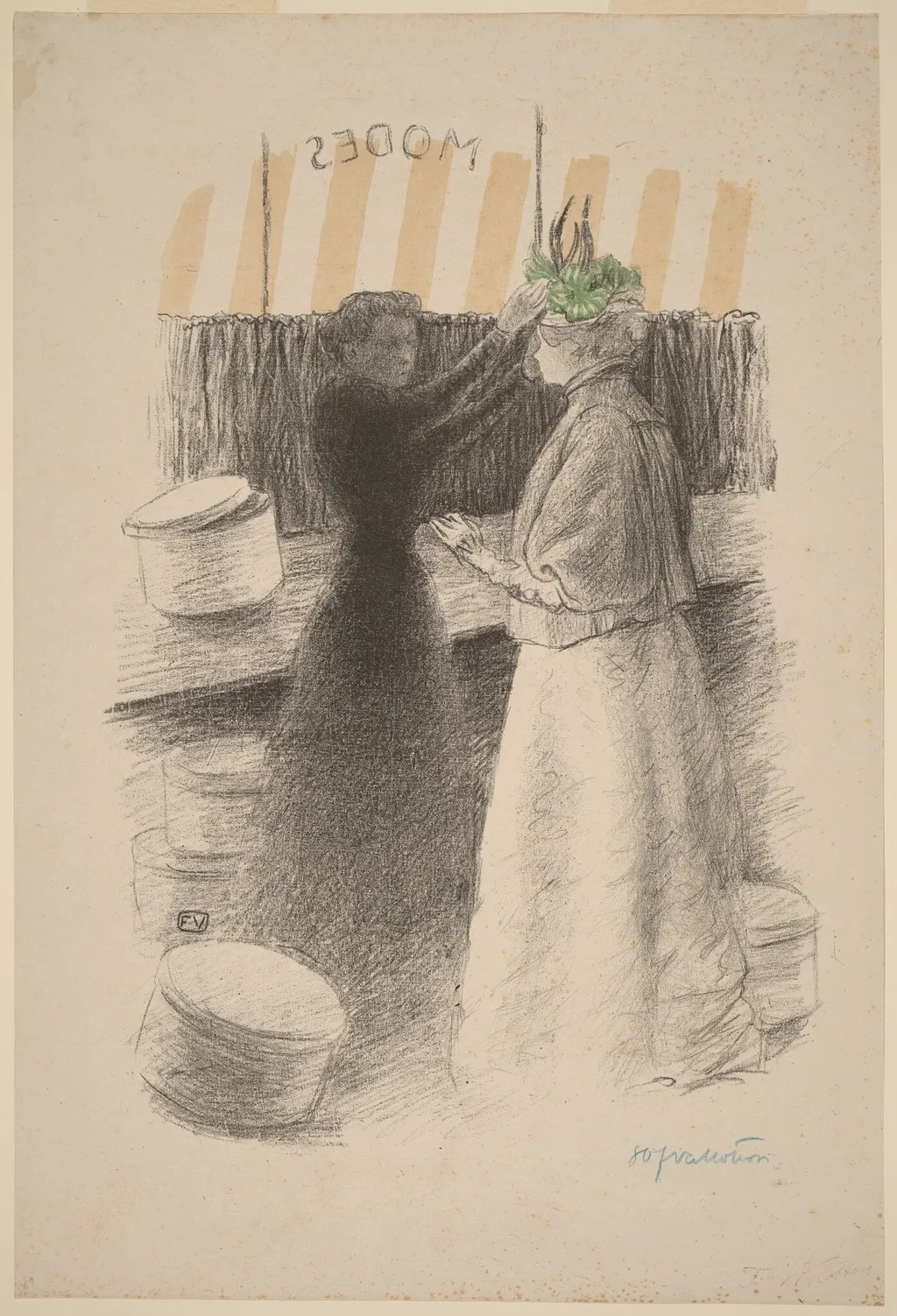
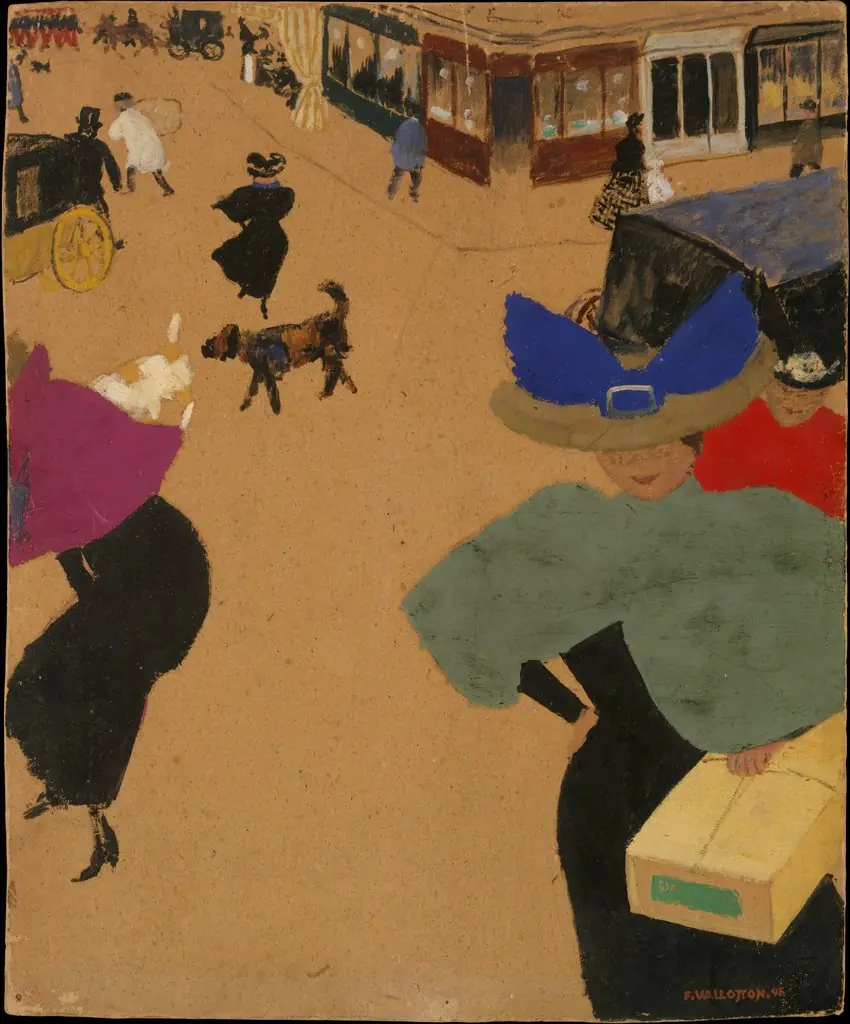
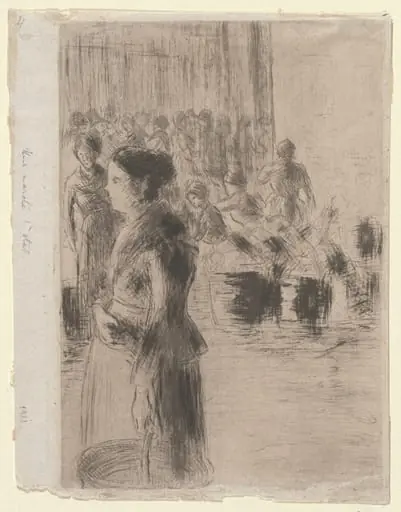
The Green Hat (Le chapeau vert) is an ink print by the Impressionist artist Félix Vallotton. It dates from 1896 and is held in the collection of the National Gallery of Art.
About this work
Overview
Created in 1896, The Green Hat is a color lithograph by Swiss-French artist Félix Vallotton. It belongs to a series of prints from the mid-1890s in which he refined his graphic style, blending modernist simplification with quiet domestic scenes. The work exemplifies his shift from painting to printmaking, where controlled line and restrained color became central to his expressive language.
Subject & Meaning
The image depicts a woman seated in a dim interior, wearing a green hat and a long dress, her hands folded in her lap. The stillness of her posture and the sparse arrangement of objects, a hat on a table, striped curtains, suggest a moment of pause. The green hat, the only vivid element, draws attention without narrative explanation, inviting contemplation rather than storytelling.
Technique & Style
Vallotton employed color lithography to achieve flat planes and sharp contrasts, using minimal tones to define form and space. His lines are economical, almost sketchlike, capturing the woman’s silhouette and the room’s shadows with precision. The muted palette, grays, browns, and blacks, heightens the impact of the green hat, demonstrating his mastery of tonal restraint in multi-color printing.
History & Provenance
The print was likely circulated among collectors and artists in Paris, where lithography was gaining traction as a medium for avant-garde expression.
Produced during Vallotton’s most active period in printmaking, The Green Hat was made shortly after he joined the Nabis group, though his style remained distinct in its detachment. The print was likely circulated among collectors and artists in Paris, where lithography was gaining traction as a medium for avant-garde expression. Its early reception aligned with broader interest in graphic arts as fine art.
Context
In the 1890s, Parisian artists sought to break from academic traditions, embracing flat compositions and everyday subjects. Vallotton’s work resonated with this movement, yet his approach was colder and more detached than that of his Nabi peers. The Green Hat reflects a broader trend toward interiority in printmaking, where psychological stillness replaced dramatic narrative.
Legacy
The print contributed to Vallotton’s reputation as a leading figure in modern graphic art. His use of lithography influenced later generations of printmakers who valued clarity and emotional restraint. Though not widely exhibited during his lifetime, The Green Hat remains a key example of how quiet, precise imagery could carry modernist weight without overt symbolism.
Own this work as a print
Artist & collection

Artist
Félix Édouard Vallotton (French: ; December 28, 1865 – December 29, 1925) was a Swiss and French painter and printmaker associated with the group of artists known as Les Nabis.

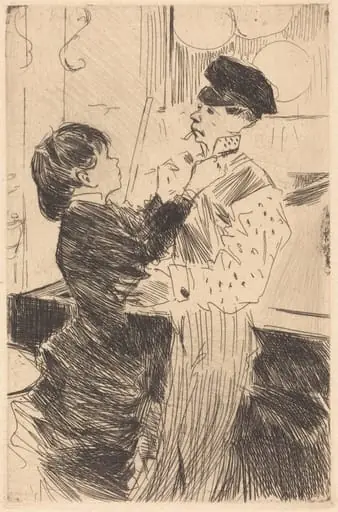 La noed de cravate (Knotting the Cravat)
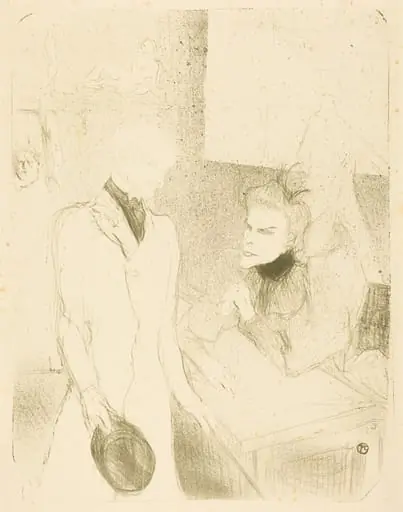 Brandes and Le Bargy in "Cabotins" (Brandès et Les Bargy dans "Cabotins")
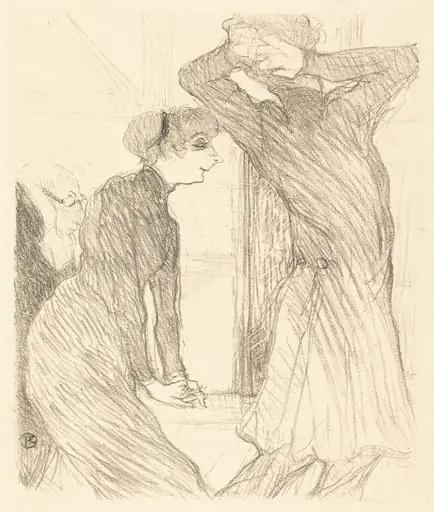 Lugne Poe and Baldy in "Au-dessus des forces humaines" (Lugne Poe et Baldy dans "Au-desses des forces humaines")
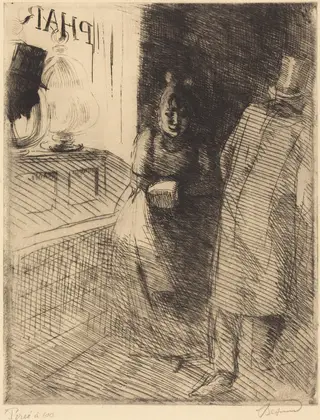 Prostitution (La Prostitution)
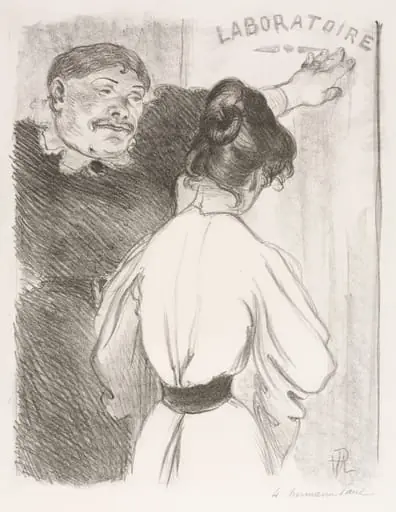 Laboratoire
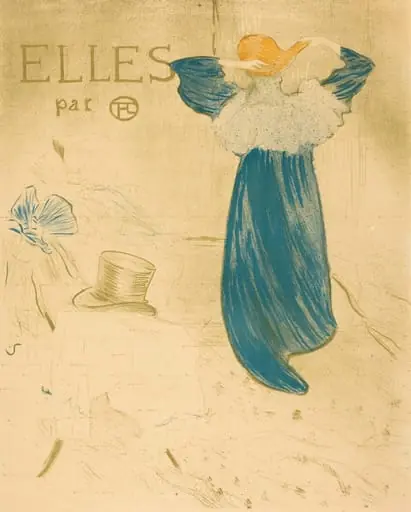 Frontispiece
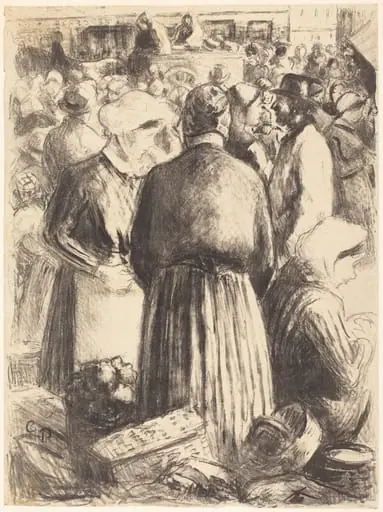 Market at Pontoise (Marché a Pontoise)
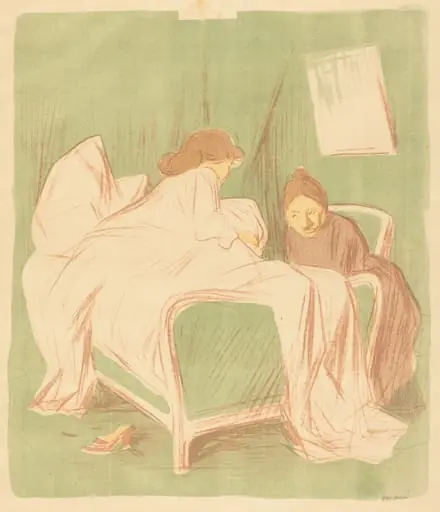 Les instructions pour la journée (The Instructions for the Day)
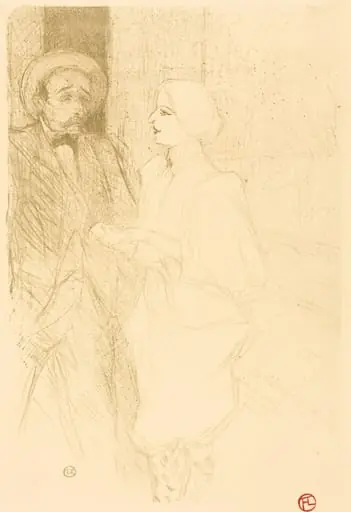 Yahne and Mayer in "L'age difficile" (Yahne et Mayer dans "L'age difficile")
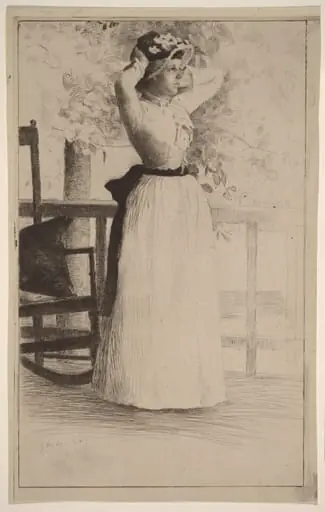 Portrait of Miss Hoe
 Untitled
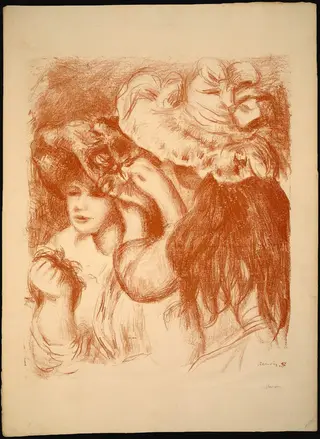
- The Hat Pin (Le chapeau épingle)