Artwork
The Marquis d'Ossun
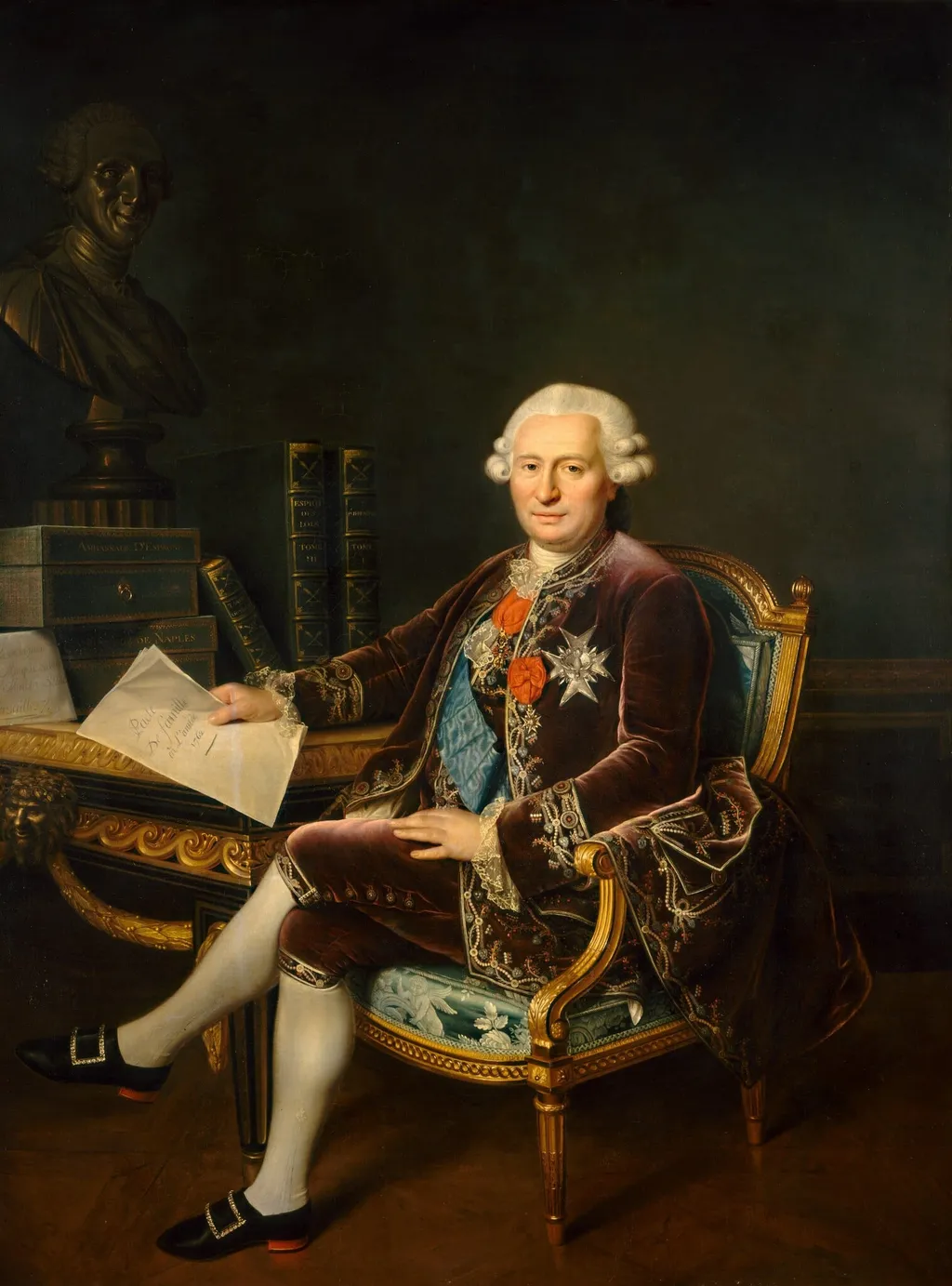
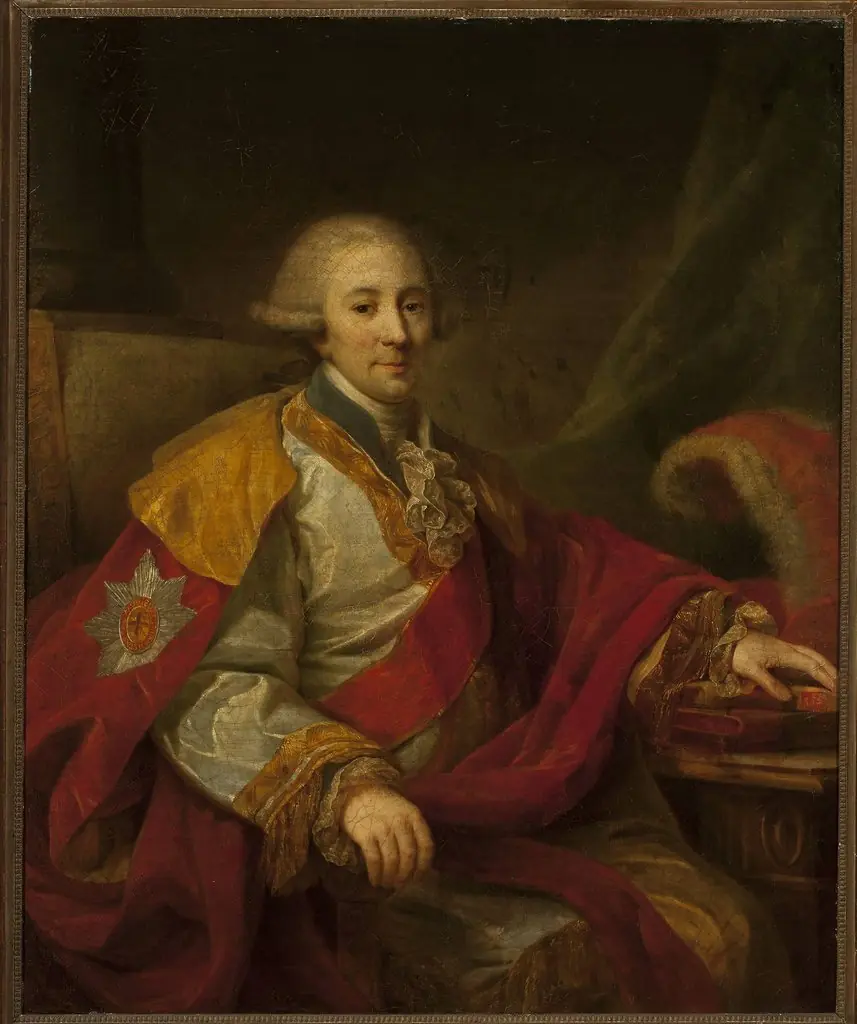
The Marquis d'Ossun is an oil painting by the Rococo painting artist Van Loo, called César Van Loo, Jules César Denis. It dates from 1780 and is held in the collection of the National Gallery of Art.
- Inscription
- Inscribed:center left on treaty: Pacte / De Famille / en L'annee / 1762
About this work
The painting depicts a man sitting in a chair, wearing a richly decorated velvet suit with intricate embroidery and a large red flower on his chest.
The painting depicts a man sitting in a chair, wearing a richly decorated velvet suit with intricate embroidery and a large red flower on his chest. He is holding a piece of paper in his right hand, which appears to be a letter or document. The background of the painting is dark, with a few objects visible, including a bust of a person and some books.
The man's attire and the objects in the background suggest a sense of luxury and refinement. The painting's use of chiaroscuro, a technique that uses strong contrasts between light and dark to create a sense of depth and volume, adds to the overall sense of drama and opulence.
The painting is a portrait of the Marquis d'Ossun, created by the artist Van Loo in the late 18th century. To learn more about this style of painting, explore the Romanticism movement.
Technique & Style
The portrait is executed in oil on canvas, measuring 218 cm in height and 164.1 cm in width.
Handling is consistent with the refined French academic tradition of the late eighteenth century, featuring smooth, blended brushwork and a polished surface that emphasizes the sitter's aristocratic bearing. The composition is structured around a three-quarter pose with a subdued palette dominated by dark, earthy tones and subtle accents of red and white, which heighten the figure's dignified presence. Subtle chiaroscuro modeling defines the facial planes and costume details, while the restrained background contributes to the work's formal clarity and psychological reserve.
History & Provenance
Jules-César-Denis van Loo created the oil-on-canvas portrait of the Marquis d'Ossun around 1780. The work entered the documented ownership chain with Charles Hour in Paris, who sold it after World War I to Mrs. Marshall Field (née Delia Spencer) of Chicago and Washington, D.C.; this is confirmed by a 1955 letter from her niece to the National Gallery of Art. Upon Mrs. Field's death in 1937, the portrait passed by inheritance to her niece, Mrs. Albert J. Beveridge (née Catherine Spencer Eddy), of Indianapolis and Beverly Farms, Massachusetts.
In 1955 it was given to the National Gallery of Art in Washington, D.C., where it is held under accession number 1955.7.1.
No exhibition history for the work is documented in the available records.
Overview
Created around 1780, this oil on canvas presents a formal portrait of the Marquis d'Ossun. Executed by the French artist César Van Loo, the work captures the aristocrat seated in a richly appointed interior, emphasizing his status through dress and surrounding objects.
Subject & Meaning
The sitter is shown seated, dressed in an opulent velvet coat adorned with elaborate embroidery and a prominent red flower on the chest. He holds a folded document in his right hand, suggesting a moment of private correspondence or official business, while the surrounding objects reinforce his cultured and affluent identity.
Context
During the late eighteenth century, French portraiture often combined realistic likeness with symbolic elements that signaled the sitter’s education and taste. The inclusion of a bust and a stack of books in the background aligns with contemporary conventions that linked noble status to intellectual refinement.
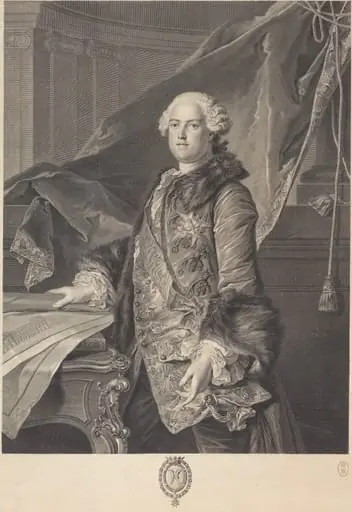
Own this work as a print
Artist & collection

Artist
Van Loo, called César Van Loo, Jules César Denis
Van Loo, called César Van Loo, Jules César Denis (1780–1780) was an artist.

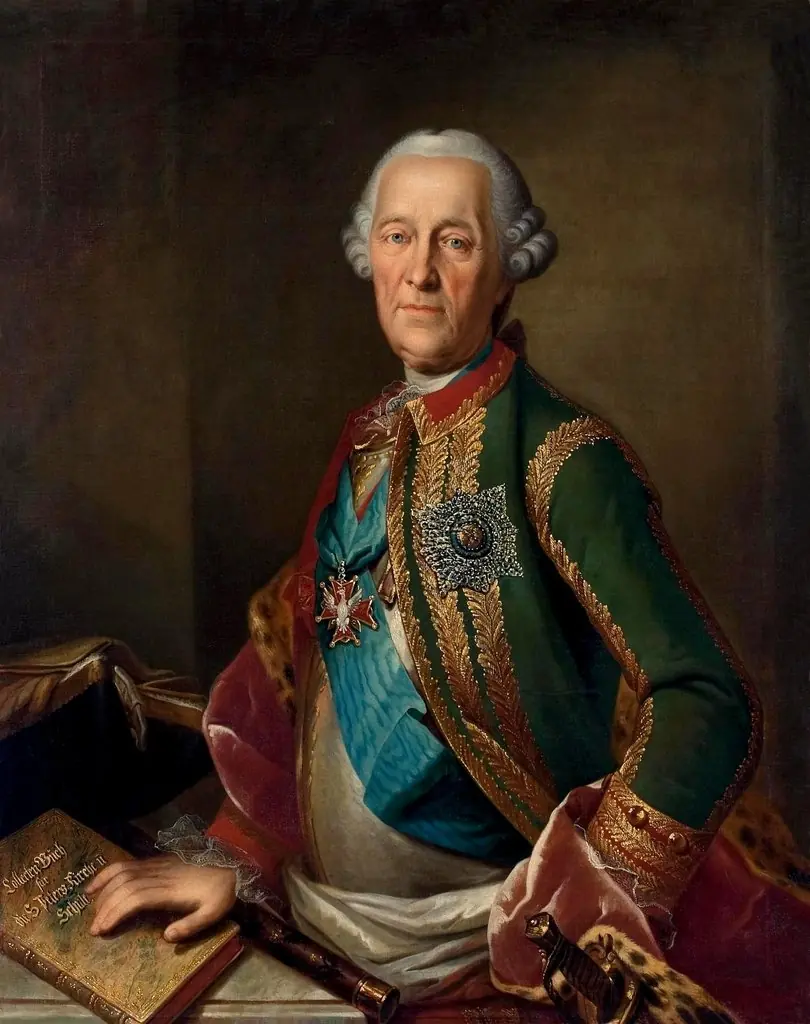 Portrait of Count Munnich
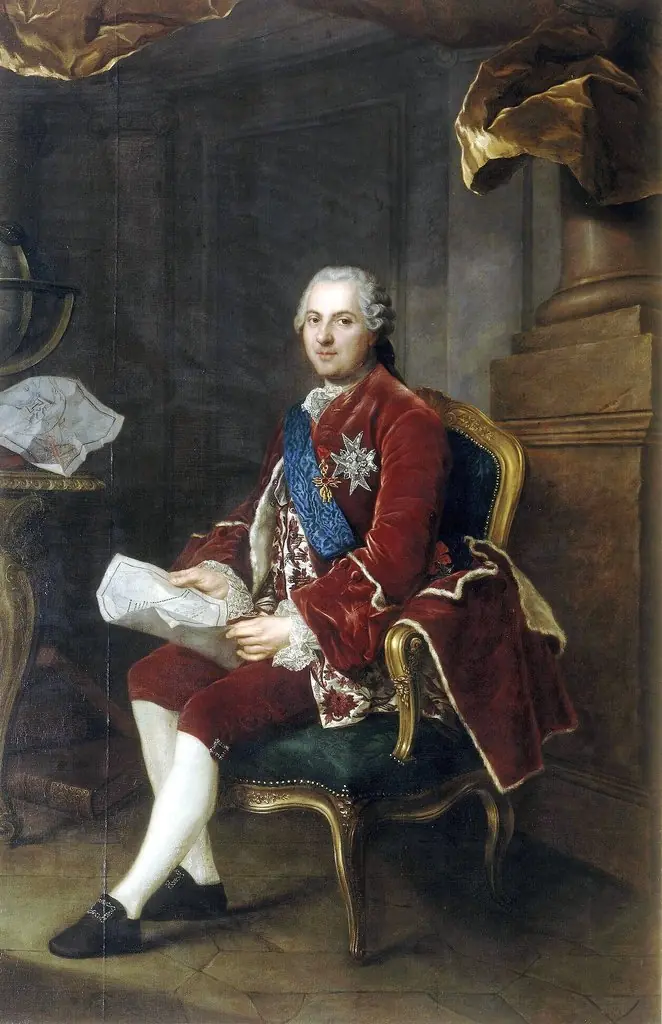 Louis, Dauphin of France
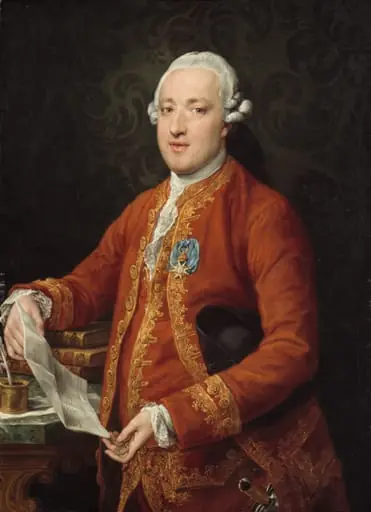 Don José Moñino y Redondo, Conde de Floridablanca
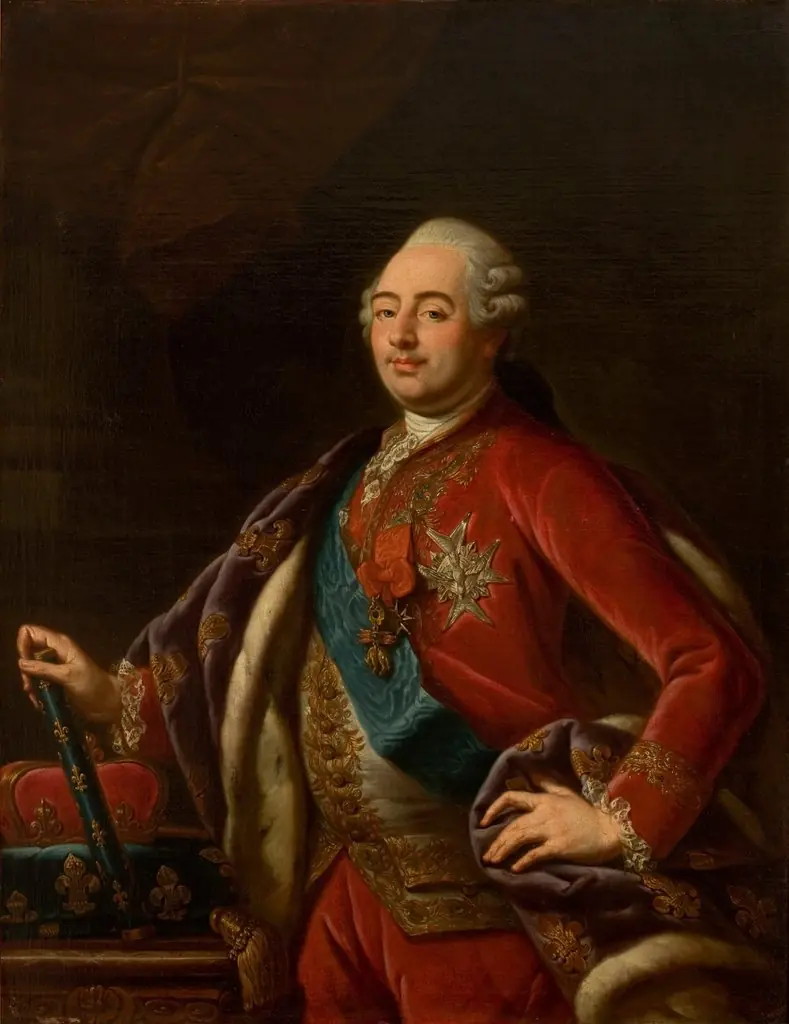 Retrato de Luís XVI
 Portrait of Louis de Noailles, maréchal de France (1713-1793)
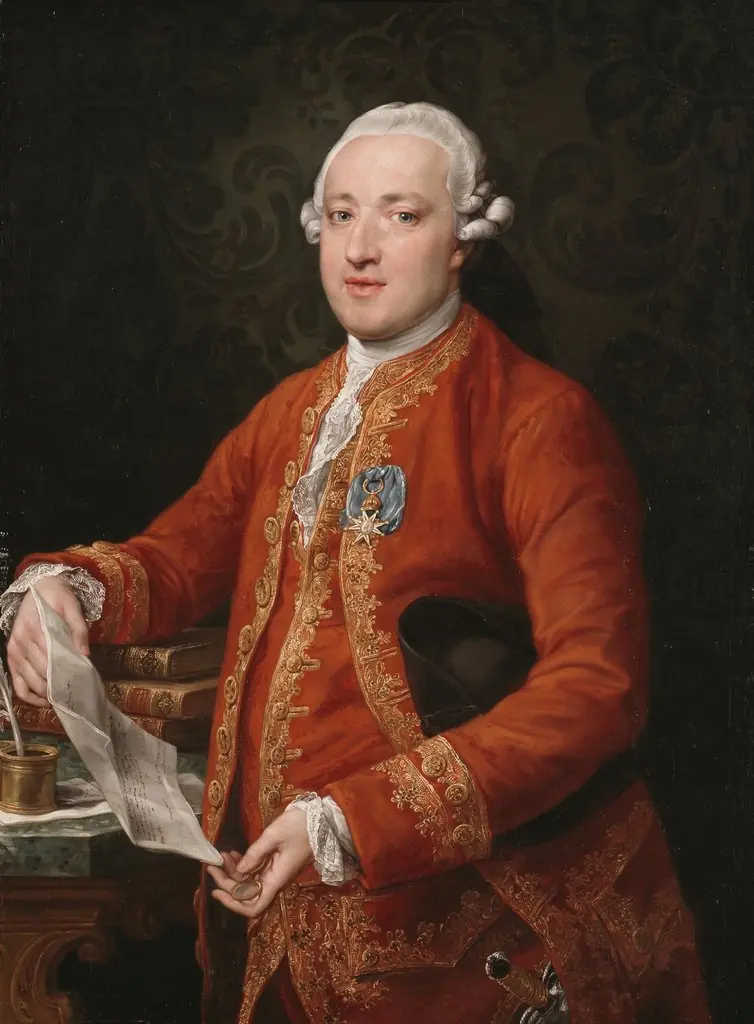 Don José Moñino y Redondo, Conde de Floridablanca
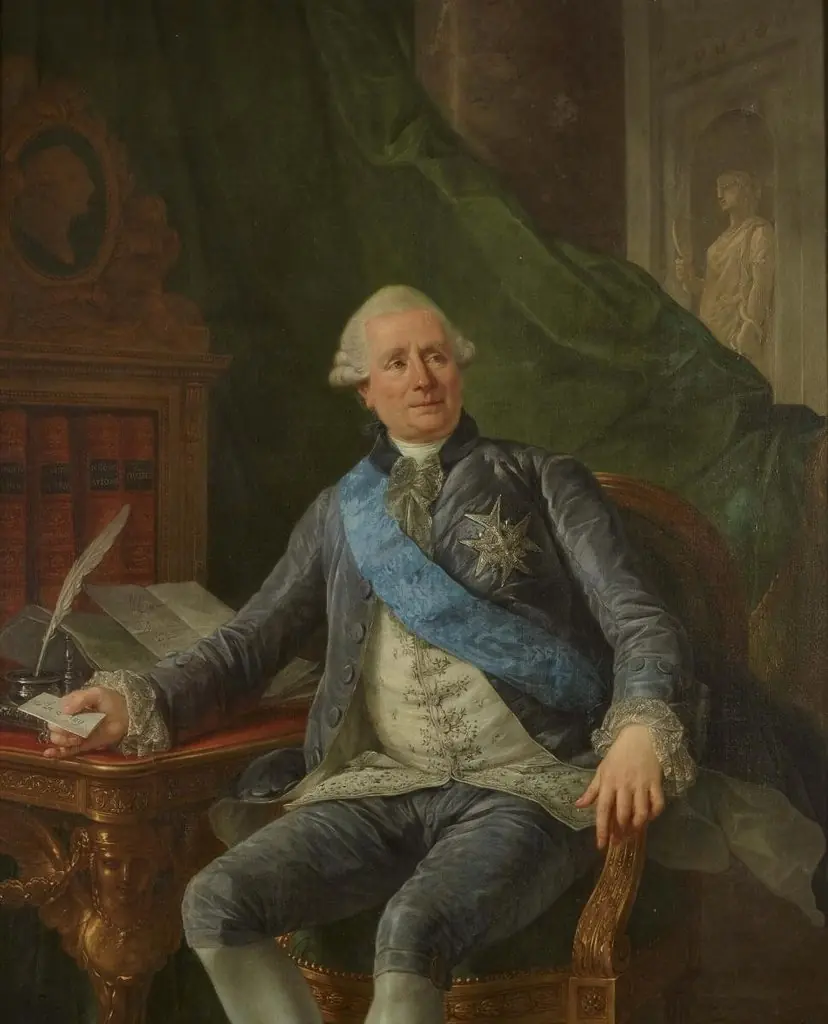 Portrait of the Comte de Vergennes
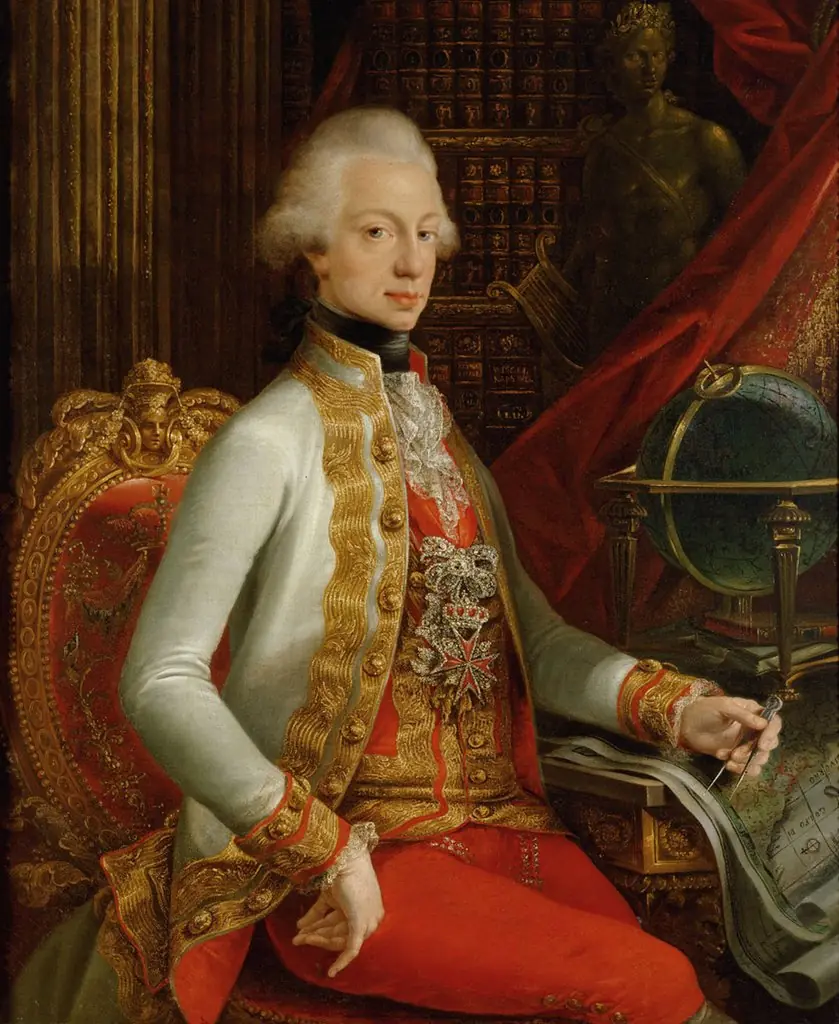 Portrait of Ferdinand III, Archduke of Austria and Grand Duke of Tuscany (1769-1824) sitting in his library
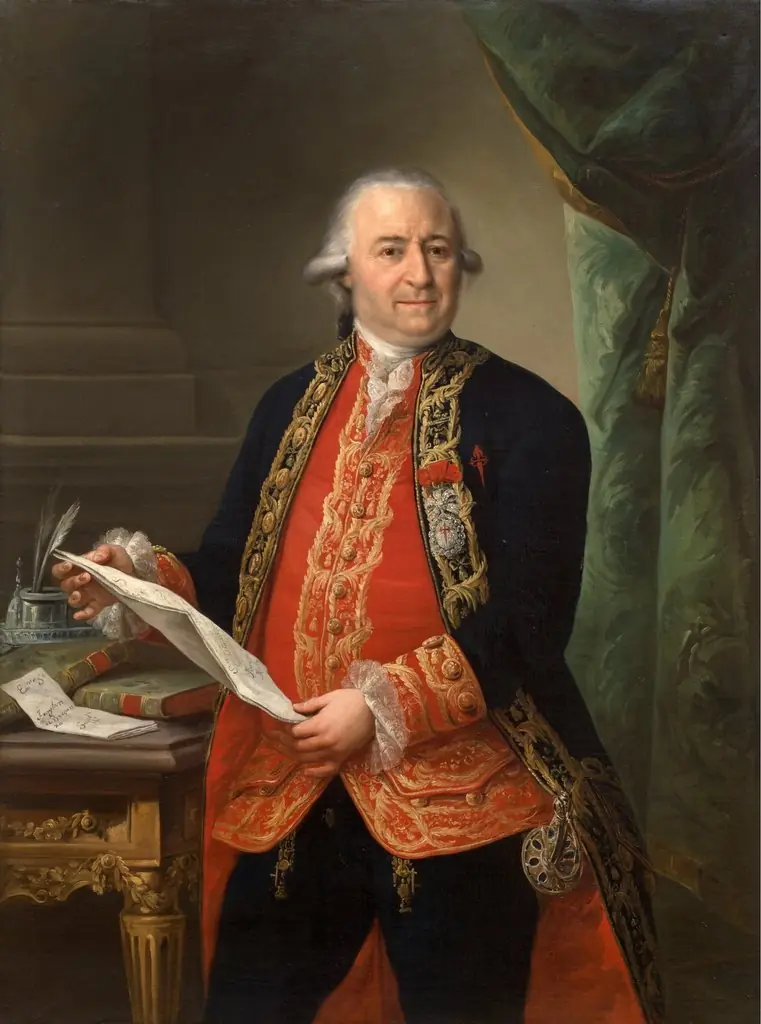 D Pedro López de Lerena, I Count of Lerena
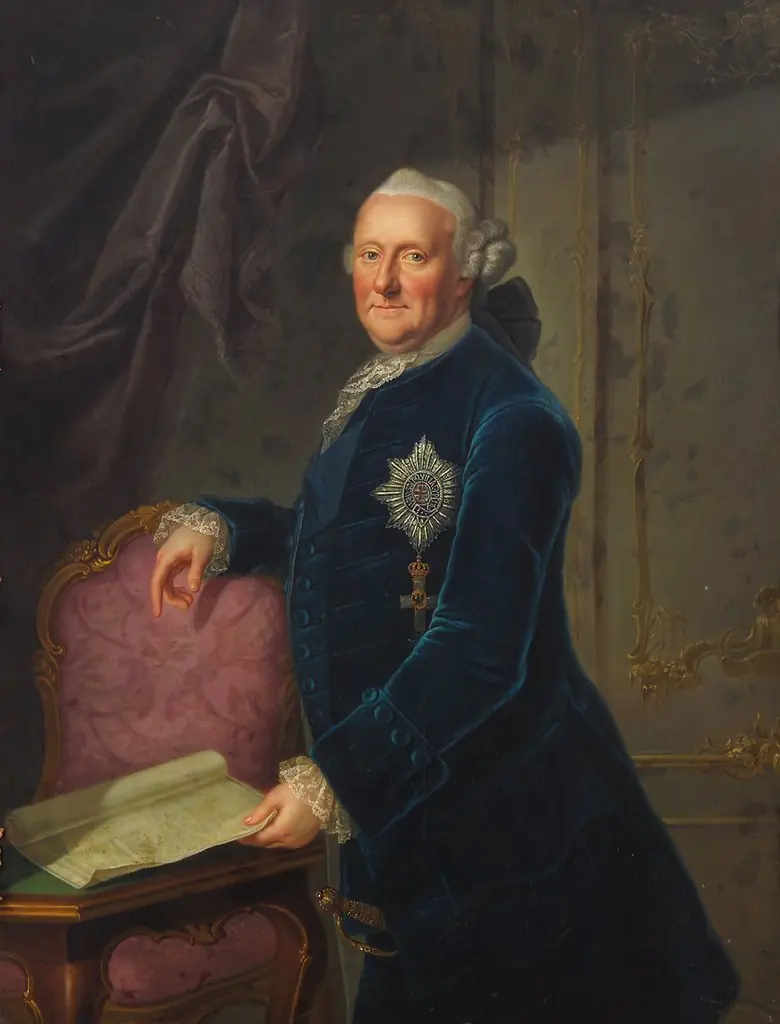 Herzog Ferdinand (1721-1792) von Braunschweig - Wolfenbüttel, Kniestück
 Portrait of a dignitary
- Marquis de Marigny