Artwork
Portrait of a Man
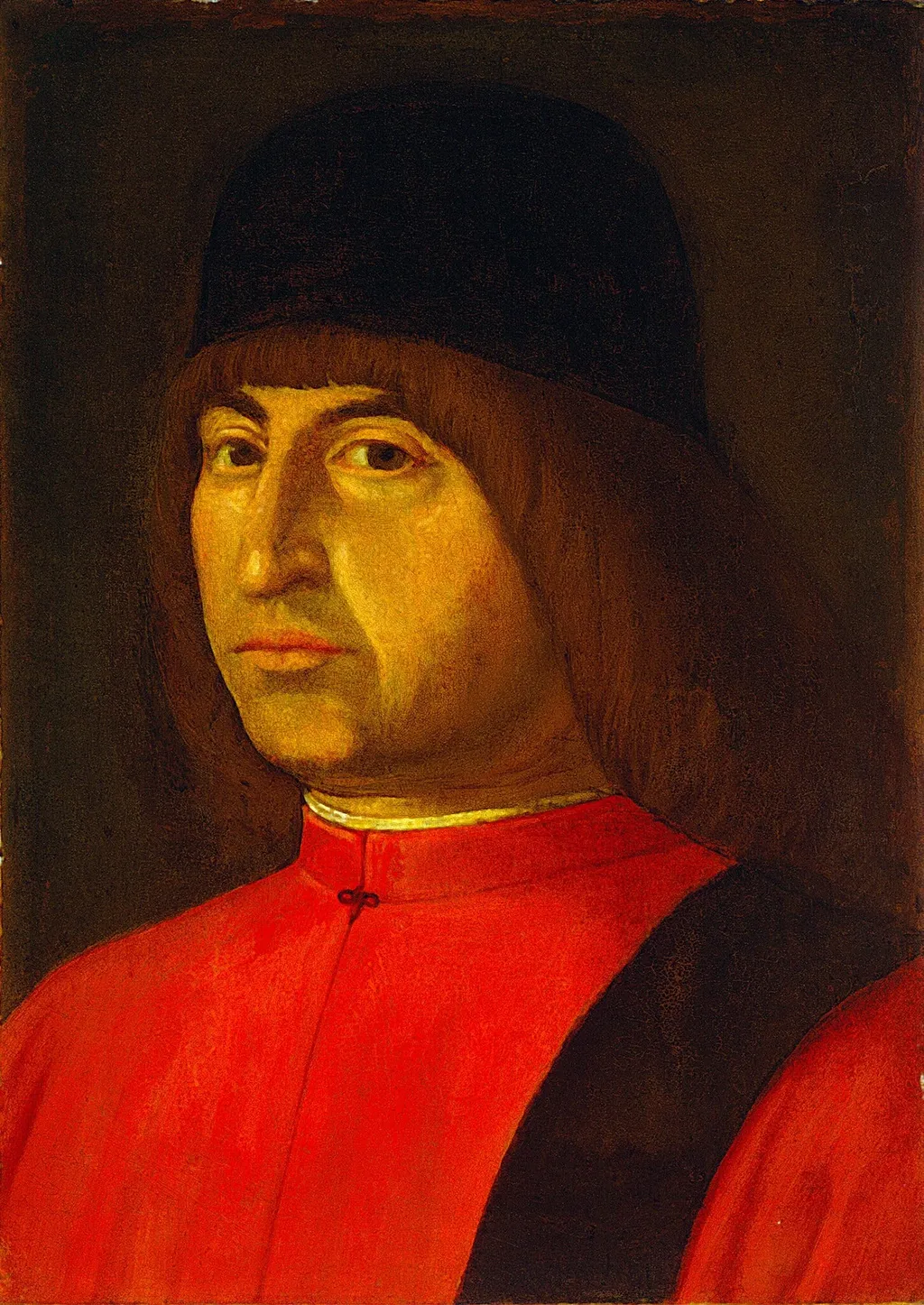
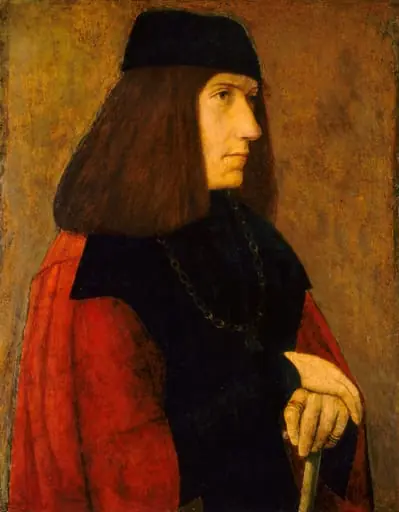
Portrait of a Man is an oil painting. It dates from 1450 and is held in the collection of the National Gallery of Art. This oil painting on panel depicts an unidentified man seated within an unadorned interior.
About this work
Technique & Style
Brushwork is restrained, with fine detail in the hair and clothing, while the background remains largely flat, drawing focus to the sitter’s calm expression.
The painting is executed in oil on a wooden panel, a technique typical of early Renaissance Venetian portraiture. The smooth panel supports a thin, translucent application of oil paint that allows subtle modeling of light across the sitter’s face, creating a soft chiaroscuro that emphasizes three‑dimensionality. Brushwork is restrained, with fine detail in the hair and clothing, while the background remains largely flat, drawing focus to the sitter’s calm expression.
The composition follows conventional portrait conventions of the period, presenting a half‑length figure against an indeterminate space. The work’s condition is stable, having been transferred through several documented owners before entering the National Gallery of Art collection.
History & Provenance
The work’s early history is uncertain; a 1962 study suggested a possible origin at San Domenico, Fiesole, though without documentation. By the early twentieth century it belonged to Count Friedrich von Pourtalès in Silesia. It then passed through Galerie Caspari in Munich to A.S. Drey, which sold it by 1929 to Carl W. Hamilton in New York.
In 1930 A.S. Drey again handled the painting, transferring it to William R. Timken, whose widow, Lillian Guyer Timken, bequeathed it in 1960 to the National Gallery of Art, Washington, where it remains.
The Portrait of a Man is held in the collection of the National Gallery of Art in Washington, D.C., where it was acquired as a bequest from Lillian Guyer Timken in 1960. Prior to its arrival at the gallery, the work passed through several notable collections, including those of Count Friedrich von Pourtalès in Silesia and Carl W. Hamilton in New York. It was sold to William R. Timken in 1930 and subsequently inherited by his widow.
The painting is attributed to a Venetian master of the 15th century and dates to approximately 1450. While its provenance traces back to possible origins at San Domenico in Fiesole and the Galerie Caspari in Munich, specific exhibition history details beyond its current institutional location are not documented in the available records.
Overview
This oil painting on panel depicts an unidentified man seated within an unadorned interior. Dressed in somber attire, the sitter gazes outward with a grave expression. The artist meticulously rendered the features of his face and hands, making them central to the composition. The work captures a contemplative stillness, inviting viewers to observe the individual's presence.
Subject & Meaning
The artist's primary objective in this portrait appears to be the exploration of the sitter's inner character. By emphasizing the man's countenance and the quiet intensity of his gaze, the painting moves beyond a mere likeness. It seeks to convey a sense of the individual's disposition and emotional depth, presenting a moment of introspection rather than outward action.
Artist & collection

- Portrait of a Young Man
 Portrait of a man
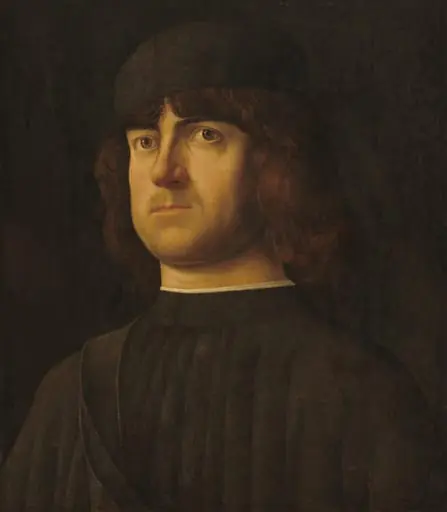 Portrait of a Man
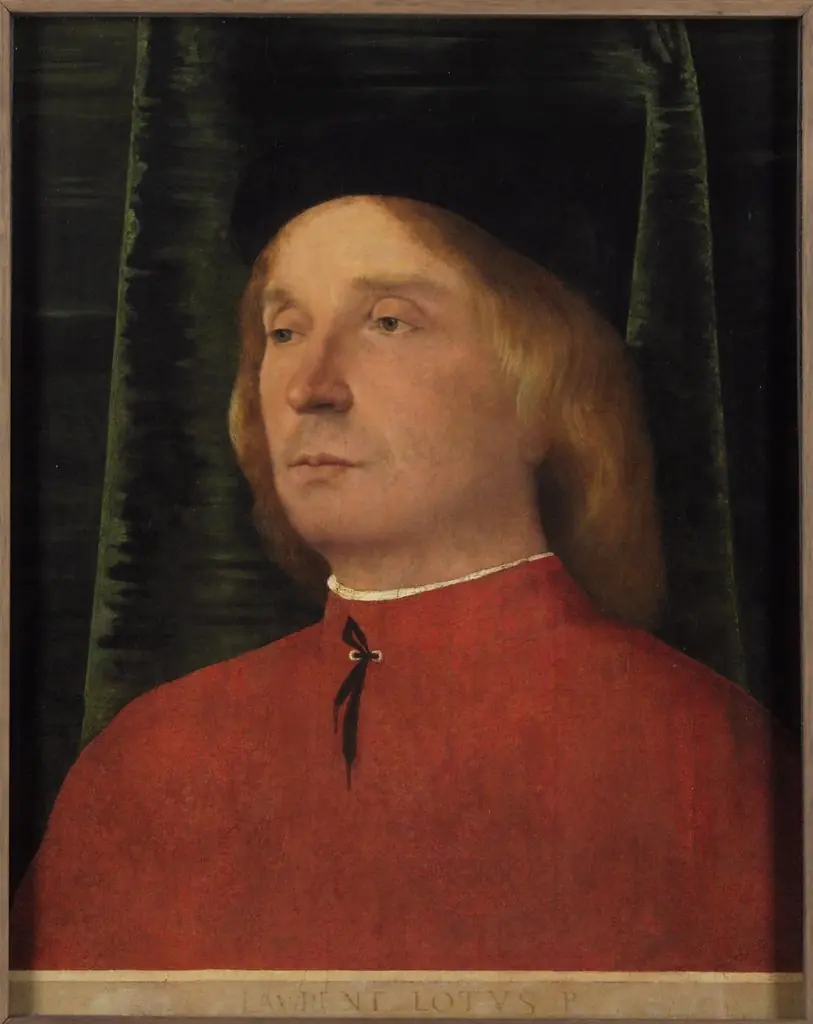 Portrait of a young man in red garment
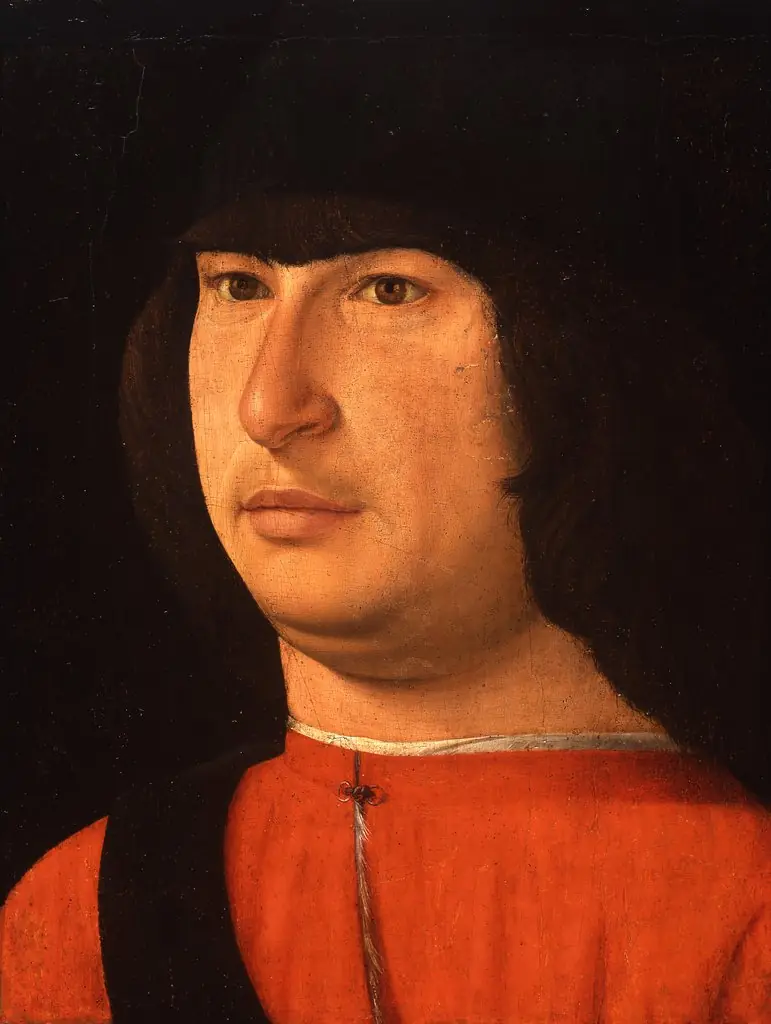 Portrait of a Venetian Procurator
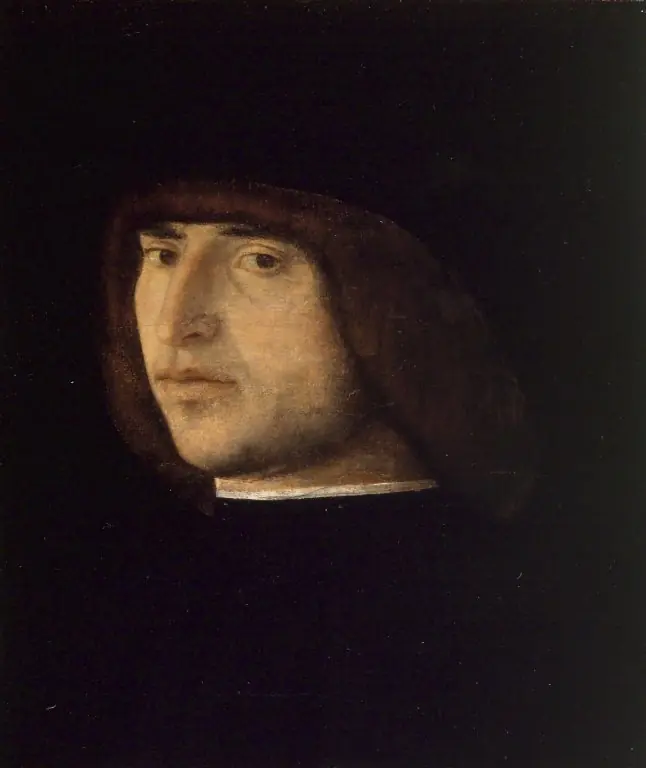 Portrait of a Young Man
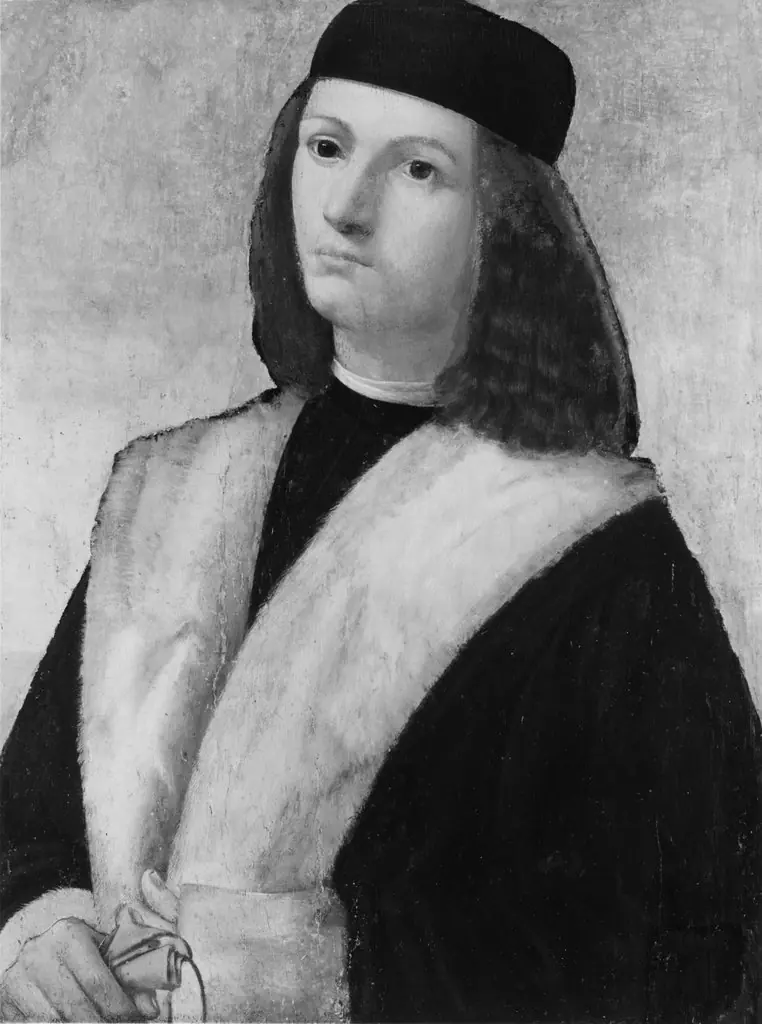 Portrait of a Young Man with Fur Collar
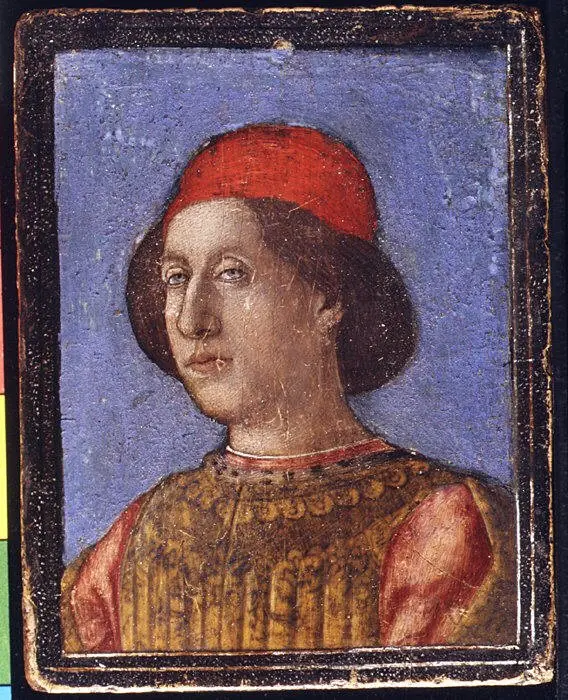 Rodolfo Gonzaga (1451–1495)
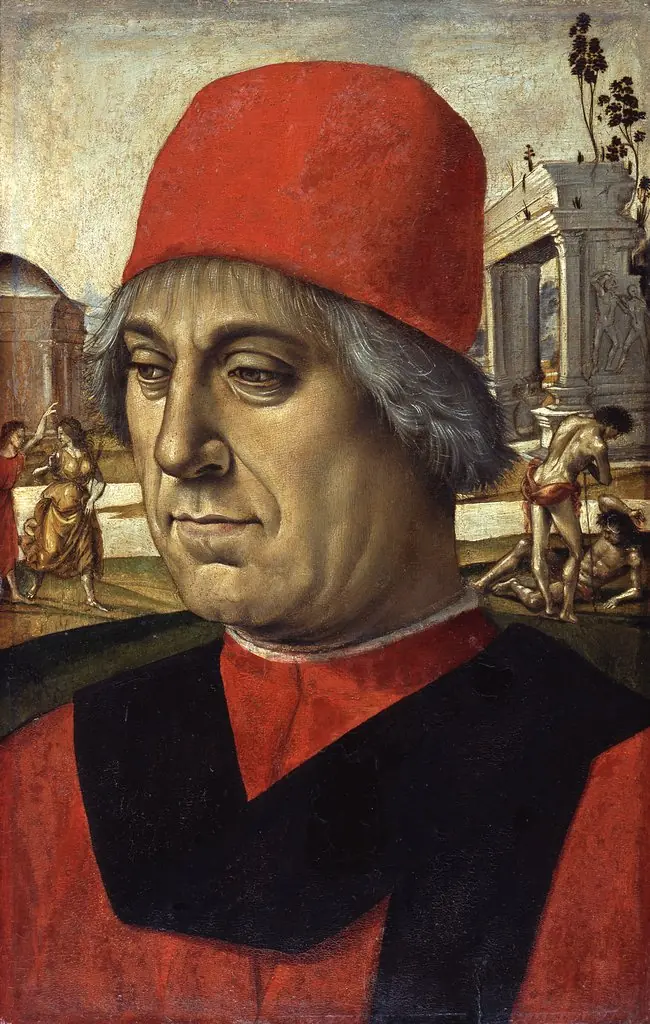 Portrait of a Man
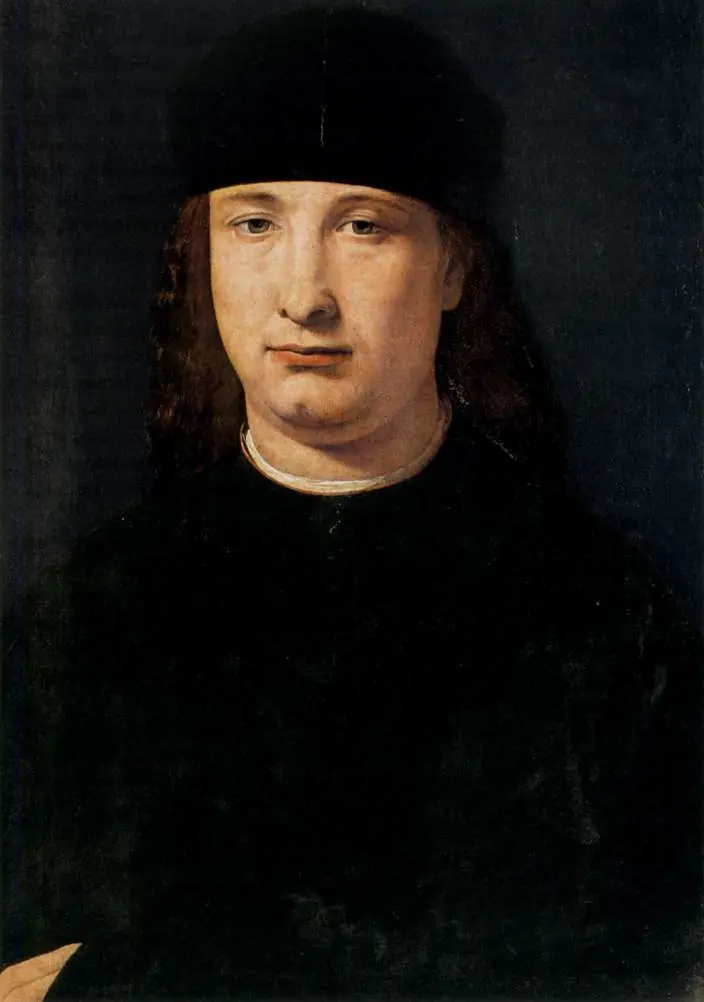 Portrait of a Notable (or Gerolamo Casio)
 A Knight of the Golden Fleece
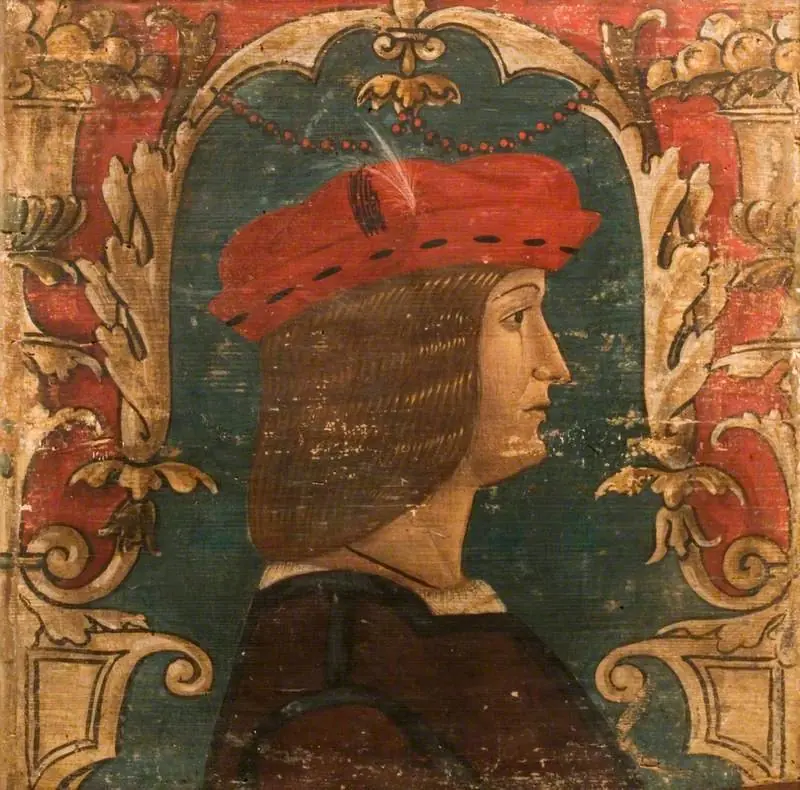 Profile Bust of a Man Facing Right (one of 29 painted panels from a frieze)