Artwork
Rodolfo Gonzaga (1451–1495)
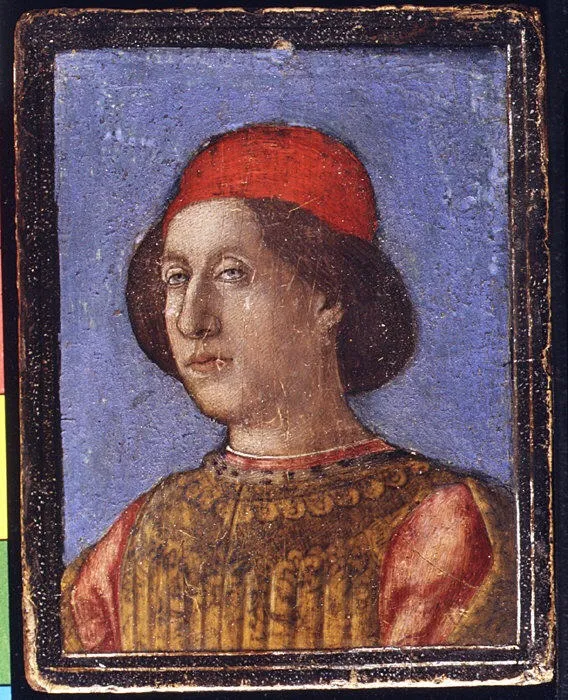
Rodolfo Gonzaga (1451–1495) is a tempera painting. It dates from 1500 and is held in the collection of the Metropolitan Museum of Art.
About this work
Subject & Meaning
The piece serves as a historical record of the Gonzaga figure, preserved within the collection of the Metropolitan Museum of Art.
The work functions as a portrait depicting a man, identified by its title as Rodolfo Gonzaga (1451–1495). Executed in tempera on panel around 1500, the painting presents a straightforward representation of the sitter without the explicit inclusion of complex allegorical attributes or specific symbolic objects detailed in the available records. As a genre portrait, its primary meaning lies in the commemoration of the individual's likeness and status, capturing the subject's physical appearance for posterity.
The attribution to the style of Andrea Mantegna suggests a connection to the artistic traditions of the Italian Renaissance, yet the specific iconographic program remains limited to the depiction of the man himself. The piece serves as a historical record of the Gonzaga figure, preserved within the collection of the Metropolitan Museum of Art.
Technique & Style
The portrait of Rodolfo Gonzaga is executed in tempera on a wooden panel support. Attributed to the style of Andrea Mantegna, the work dates to approximately 1500. The painting measures 10.8 centimeters in height and 8.3 centimeters in width, classifying it as a small-scale portrait.
The medium and support are consistent with Italian Renaissance panel painting techniques of the period. The surface depicts a male figure, rendered with the formal qualities characteristic of the Mantegna school. The work is currently held in the collection of the Metropolitan Museum of Art, having been part of the Jules Bache collection.
History & Provenance
The painting is held in the collection of the Metropolitan Museum of Art in New York. According to the available cataloguing, the work was formerly owned by Jules Bache before entering the museum's holdings. No accession number is recorded in the sources, and no exhibition history is documented.
Context
The portrait of an unidentified man, executed in tempera on panel around 1500, exemplifies the stylistic influence of Andrea Mantegna within the early Renaissance milieu of Mantua. Its attribution to the style of Mantegna, documented in the Metropolitan Museum of Art’s collection and formerly owned by collector Jules Bache, underscores its significance as a representative work of the period’s portraiture that blends meticulous detail with a sculptural compositional approach. Scholarship interprets the piece as a bridge between the late Gothic tradition and the emergent naturalistic realism that would dominate Venetian and central Italian portraiture, situating Gonzaga’s brief career within the broader narrative of artistic exchange in Northern Italy.
Overview
This painting depicts Rodolfo Gonzaga (1451–1495) in a close-up portrait. Executed in tempera, the work presents a man with a serious demeanor, identifiable by his distinctive attire. The artwork, a testament to Renaissance portraiture, offers a direct gaze at its subject, capturing his likeness with a focus on detail and expression. Its current state reflects the passage of time, showing signs of age.
Artist & collection

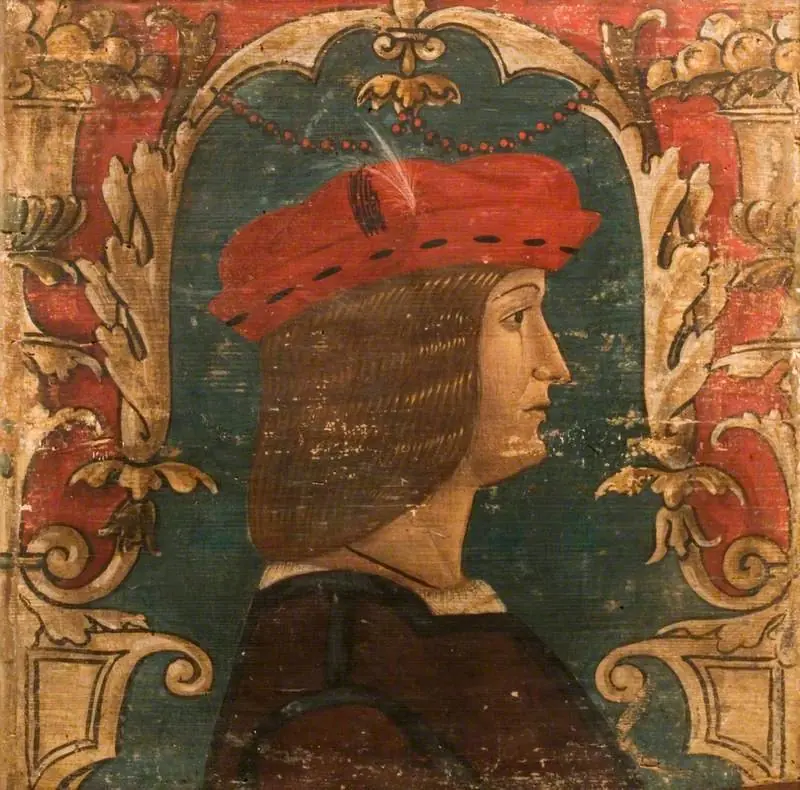
- Profile Bust of a Man Facing Right (one of 29 painted panels from a frieze)
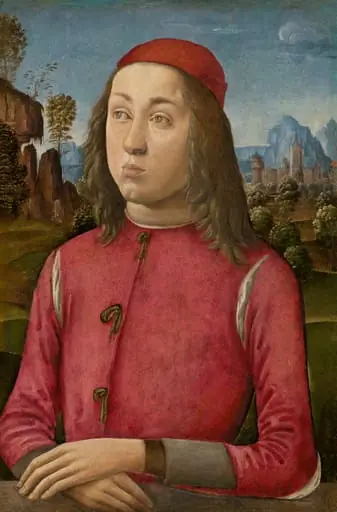 Portrait of a Youth
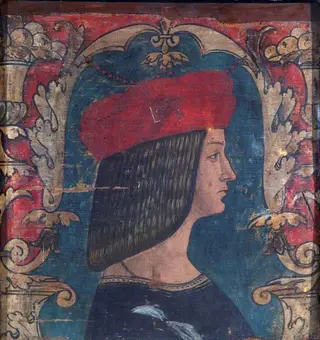 Profile Bust of a Man Facing Right (one of 29 painted panels from a frieze)
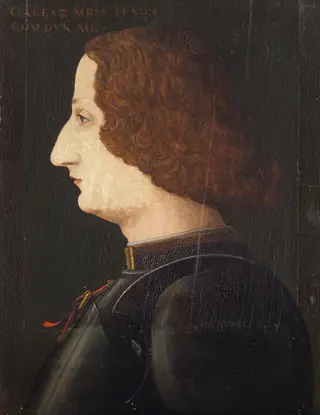 Galeazzo Maria Sforza (1444-1476), Herzog von Mailand, im Profil
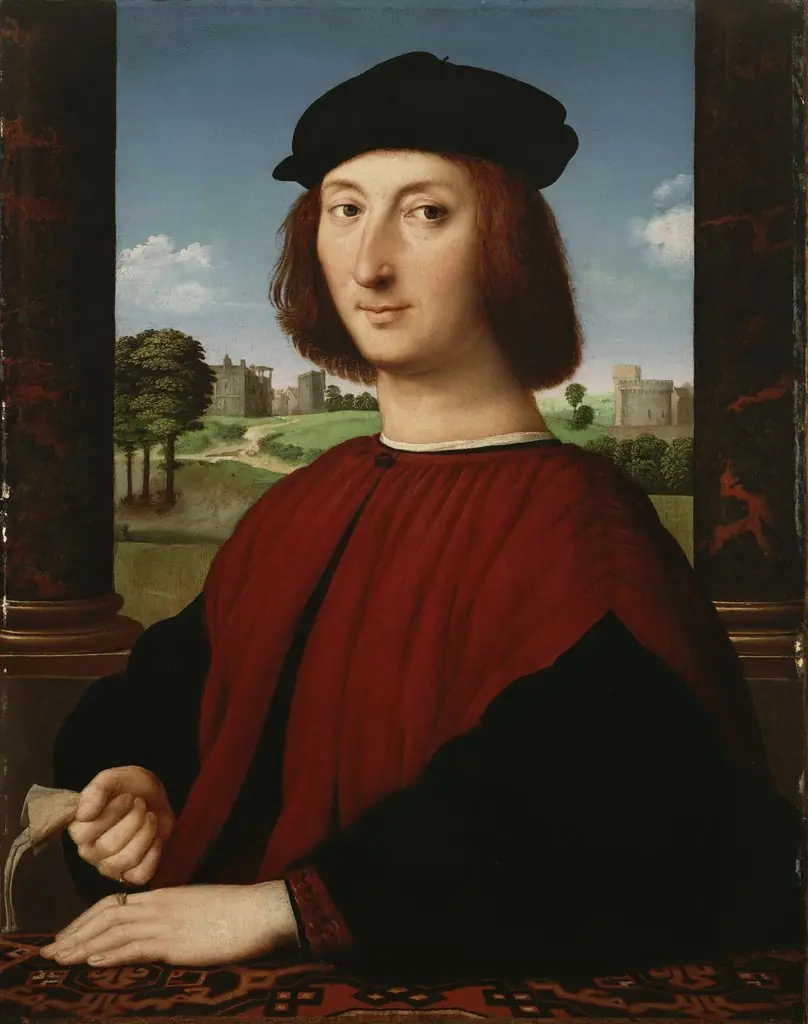 Portrait of a Young Man in Red
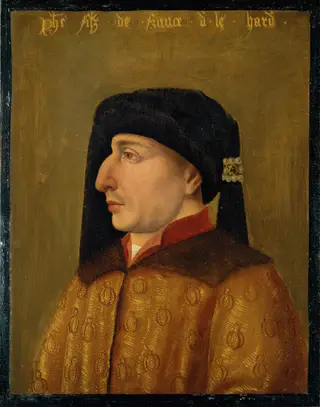 Herzog Philipp der Kühne (1342-1404) von Burgund im Profil
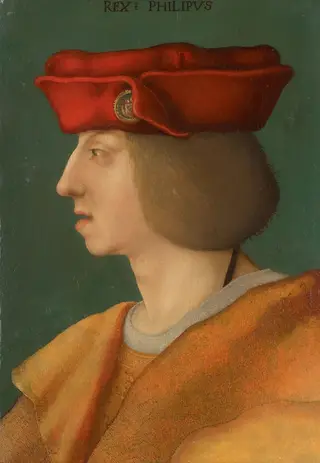 Kaiser Ferdinand I. (1503-1564), Profilbildnis
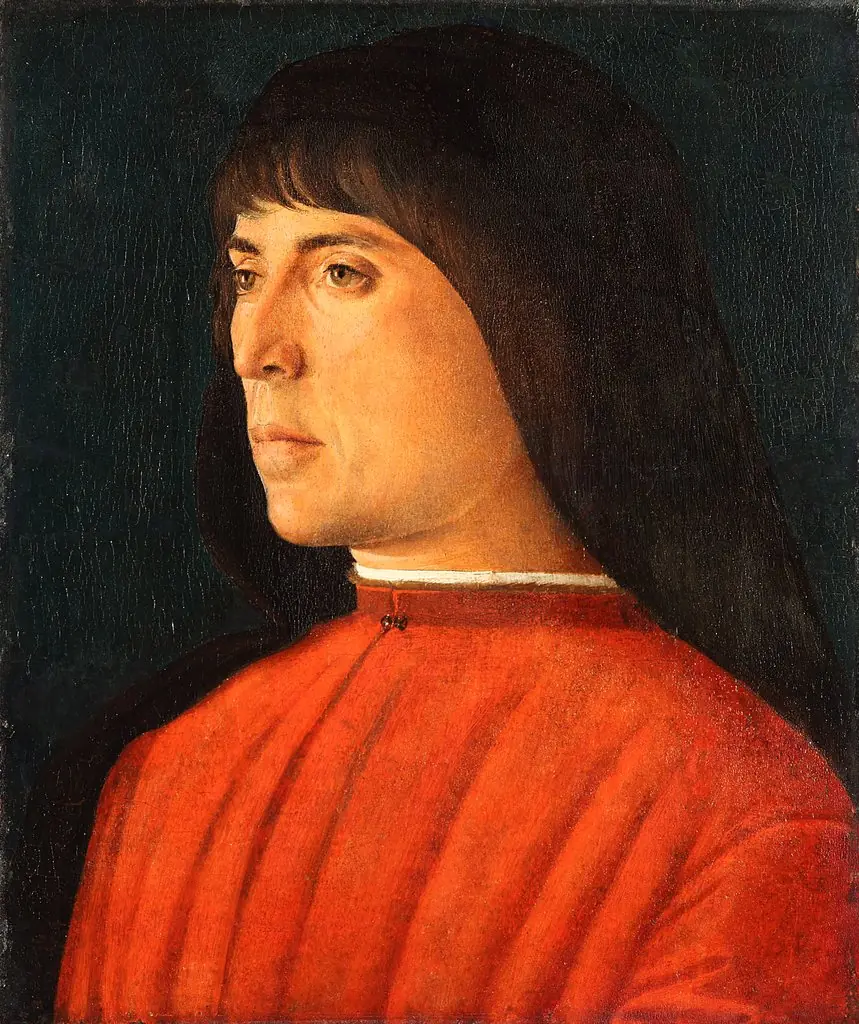 Portrait of a Young Man
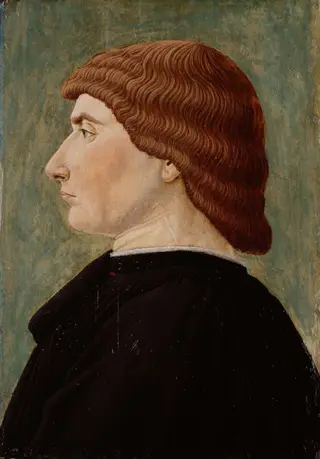 Portrait in profile
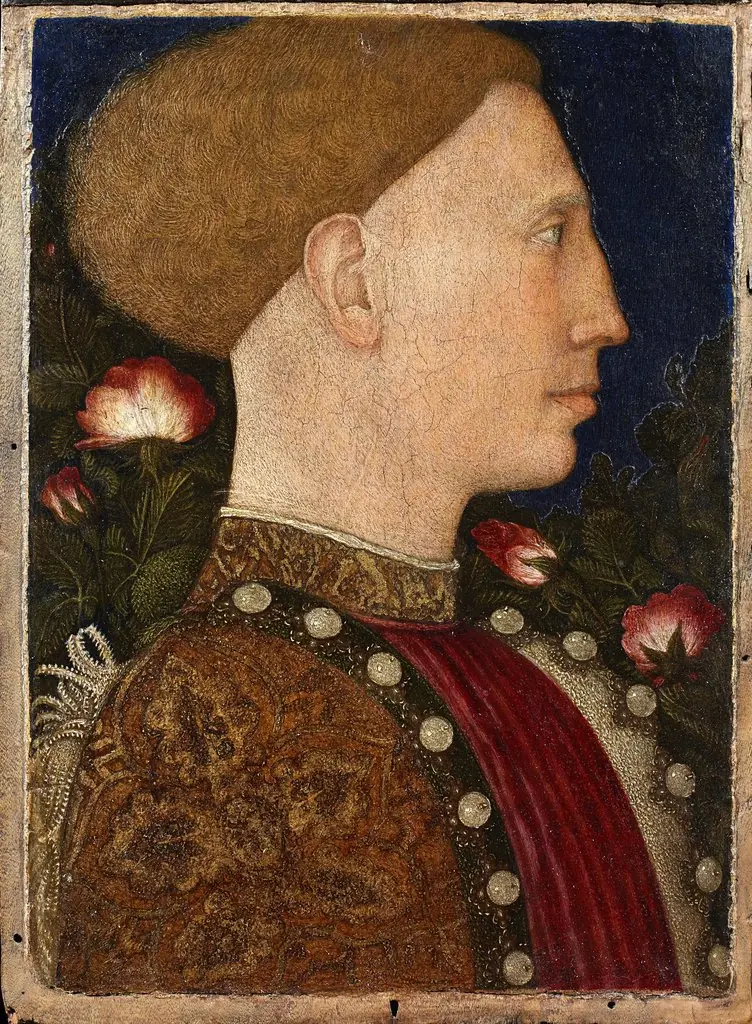 Portrait of Lionel d'Este
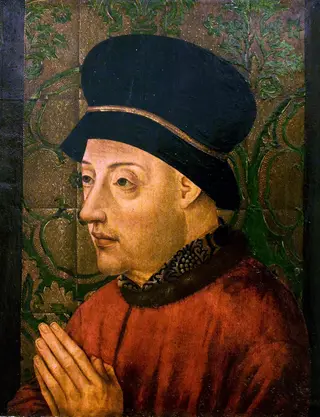 Portrait of King John I of Portugal
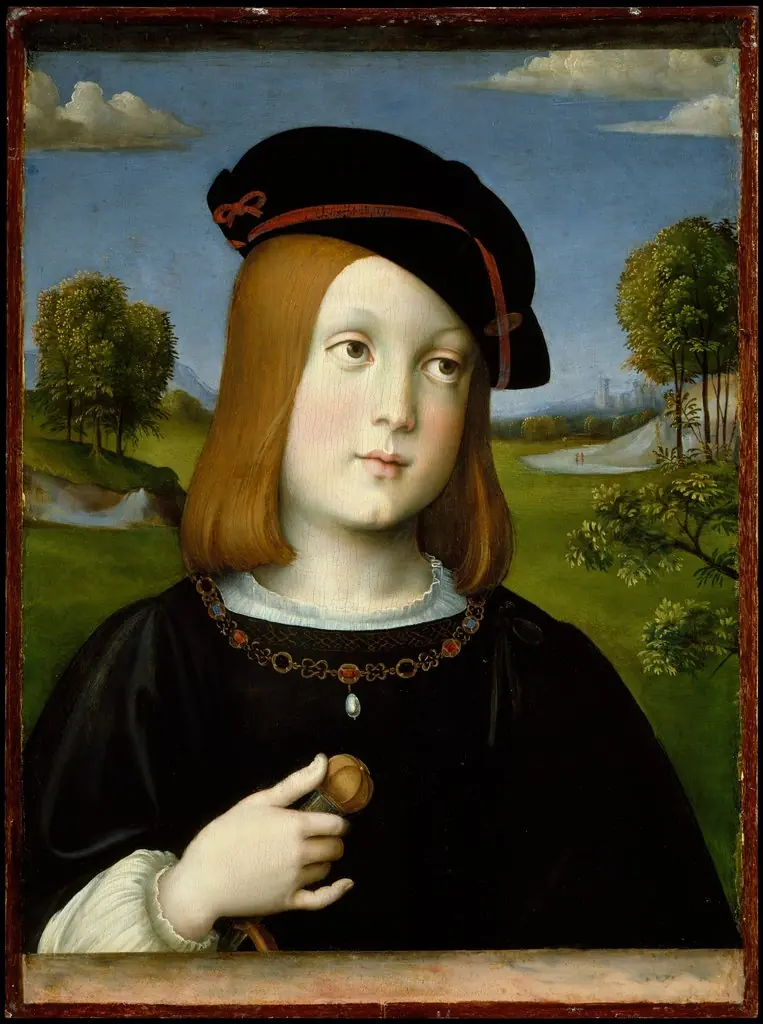 Federigo Gonzaga (1500–1540)