Artwork
Self-Portrait
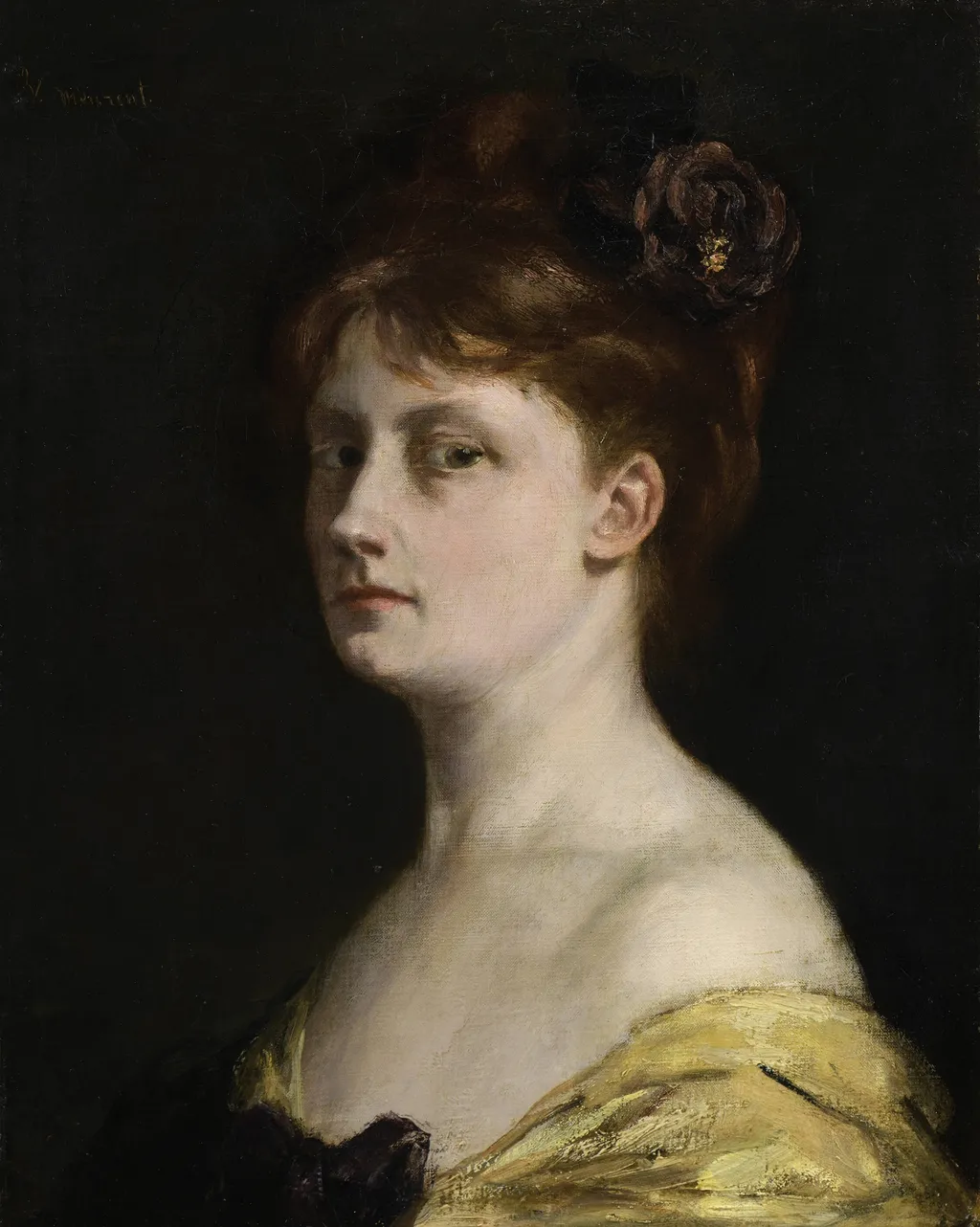
Self-Portrait is an oil painting by the Impressionist artist Victorine Meurent. It dates from 1888 and is held in the collection of the Museum of Fine Arts Boston.
About this work
Overview
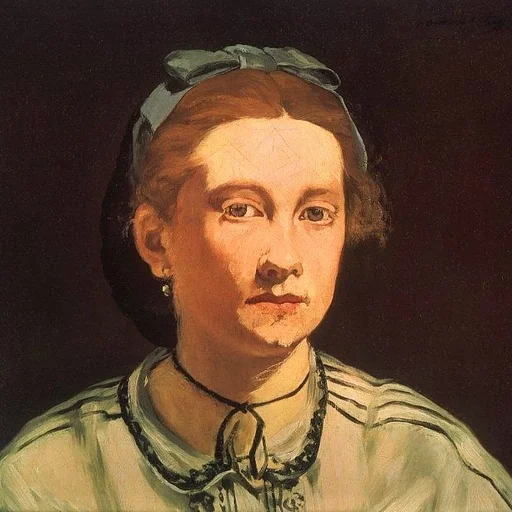
It is now in the collection of the Museum of Fine Arts, Boston, which also holds Édouard Manet's earlier Portrait of Victorine Meurent from circa 1862.
Self-Portrait is an oil on canvas painting by French artist Victorine Meurent, dated to 1876. Measuring 35 by 27 centimetres, this bust-length self-portrait depicts the artist turned three-quarters toward the left against a dark background. The work is significant as the only painting by Meurent held in a museum outside France, and it represents a crucial assertion of artistic identity by a woman who had previously been known primarily as a model for other artists. It is now in the collection of the Museum of Fine Arts, Boston, which also holds Édouard Manet's earlier Portrait of Victorine Meurent from circa 1862.
Subject & Meaning
The painting presents Meurent as a confident, self-possessed artist rather than a passive model. She wears an off-the-shoulder golden-yellow garment with a dark bow or fabric at the chest, and her auburn hair is piled high with a dark, circular decorative element pinned at the crown featuring a small golden detail. Some accounts describe a violet flower in her hair matching a bow at her neckline, though the visual record notes a dark element with golden detail. Her gaze meets the viewer directly, reversing the dynamic of the male gaze that had defined her public image. The dark, nearly black background isolates the figure and creates strong contrast with her illuminated form, a compositional strategy that focuses attention entirely on her self-determined presentation. The choice to depict herself in a yellow dress, with careful attention to her appearance, asserts her control over her own image and her professional identity as a painter rather than merely a subject for others.
Technique & Style
The painting is executed in oil on canvas with a restrained palette of warm browns, creamy flesh tones, muted gold, and deep umbers. Light falls from the upper left, highlighting the shoulder, neck, and left cheek while casting the right side of the face into subtler shadow. The paint handling demonstrates deliberate variation: smooth and blended in the face and neck, with looser, more textured strokes in the hair and dress. This differentiation of technique accords importance to the physiognomy while allowing more expressive handling in the costume and coiffure. The surface shows fine craquelure throughout, consistent with its age. A signature appears in the upper left corner. The overall effect combines academic finish in the flesh tones with a more personal, painterly touch in the surrounding elements, suggesting Meurent's training and her emerging individual style.
History & Provenance
The painting was likely exhibited at the Salon of 1876 in Paris under the title Portrait de l'auteur, marking Meurent's debut as an exhibiting artist. This was the same year she first showed her work publicly, while Manet's submissions were rejected. The work was rediscovered at the flea market at Porte de Vanves in Paris in 2010, a remarkable survival after decades of obscurity. The Museum of Fine Arts, Boston acquired the painting in 2021, adding it to a collection that already included Manet's earlier portrait of the same sitter. Its accession represents a significant expansion of the museum's holdings related to nineteenth-century French painting and the reclamation of overlooked women artists.
Context
Victorine Meurent was for many years best known as one of Édouard Manet's preferred models, appearing in some of his most celebrated and controversial works. The Museum of Fine Arts, Boston's dual possession of Manet's Portrait of Victorine Meurent (circa 1862) and her own Self-Portrait (1876) creates a powerful institutional dialogue about agency and representation. The 1876 Salon was a pivotal moment: Meurent exhibited her own work while Manet was rejected, symbolically reversing their established relationship. Scholarship has increasingly focused on Meurent's own artistic practice, moving beyond her identification as merely a muse for male modernists. The recovery of this self-portrait from a flea market in 2010 and its subsequent museum acquisition reflect broader efforts in art history to recover the work of women artists who were active participants in, not merely subjects of, artistic modernity.
Legacy
The rediscovery and museum acquisition of Self-Portrait have contributed significantly to the reassessment of Victorine Meurent's career. As the only painting by the artist in a museum collection outside France, it serves as a crucial material witness to her ambitions and abilities. The work has become central to narratives about women artists of the nineteenth century who trained, exhibited, and sought professional standing in a male-dominated field. Its pairing with Manet's portrait of the same sitter at the Museum of Fine Arts, Boston invites sustained comparison between how Meurent represented herself and how she was represented by one of the era's most prominent male painters. The painting's emergence from obscurity, first at a Paris flea market and then into a major American museum collection, exemplifies the ongoing project of recovering lost or neglected art historical voices. Critical attention, including coverage in major publications, has helped elevate Meurent from a footnote in Manet's biography to an artist worthy of independent study.
Own this work as a print
Artist & collection
Artist
Victorine-Louise Meurent (also Meurant; February 18, 1844 – March 17, 1927) was a French painter and a model for painters.

- Malli
 Portrait of Susan Mitchell (1866-1926), Poet
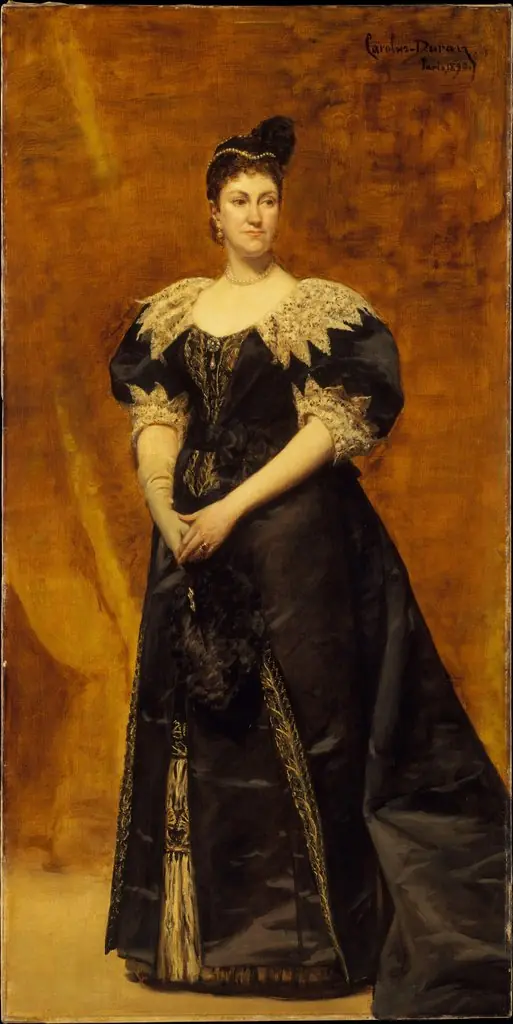 Mrs. William Astor (Caroline Webster Schermerhorn, 1831–1908)
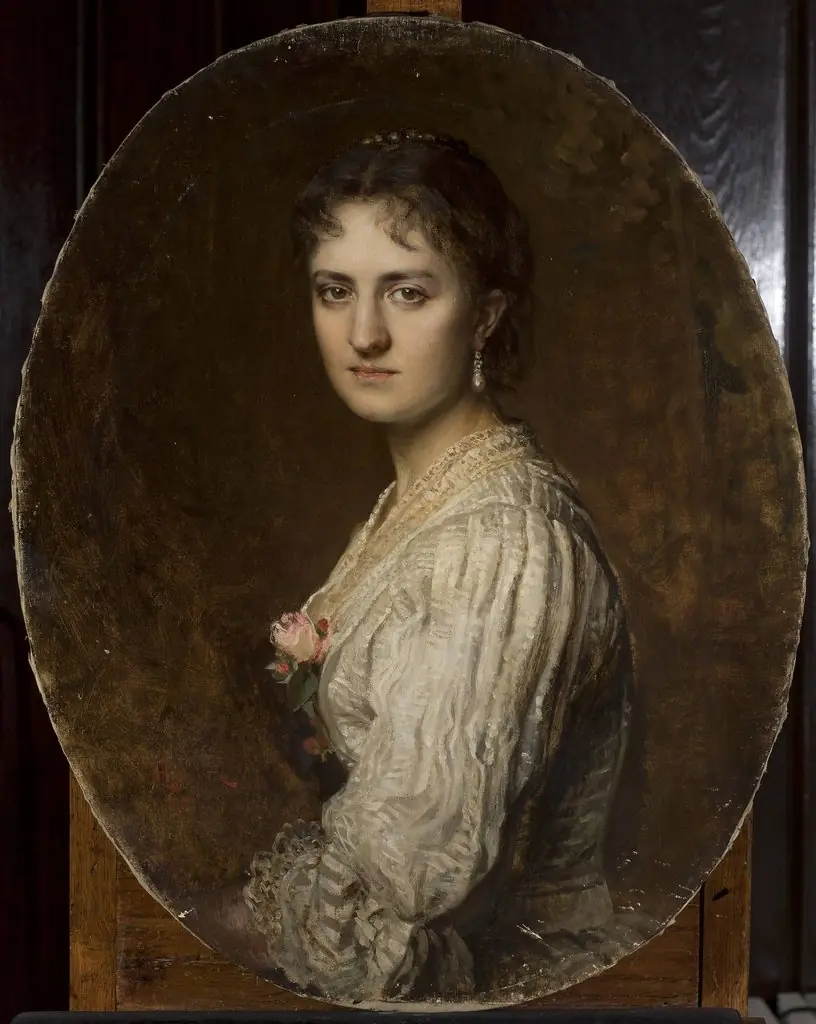 Portrait of Anna Branicka
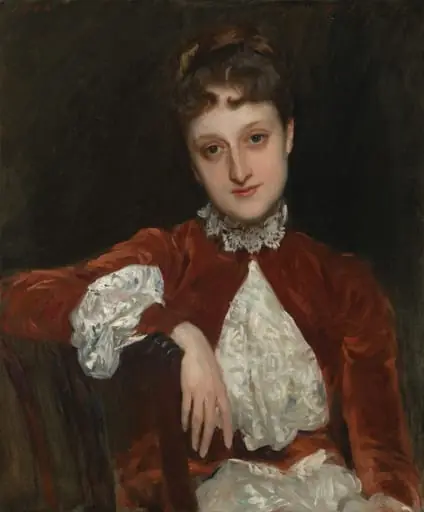 Mrs. Charles Deering (Marion Denison Whipple)
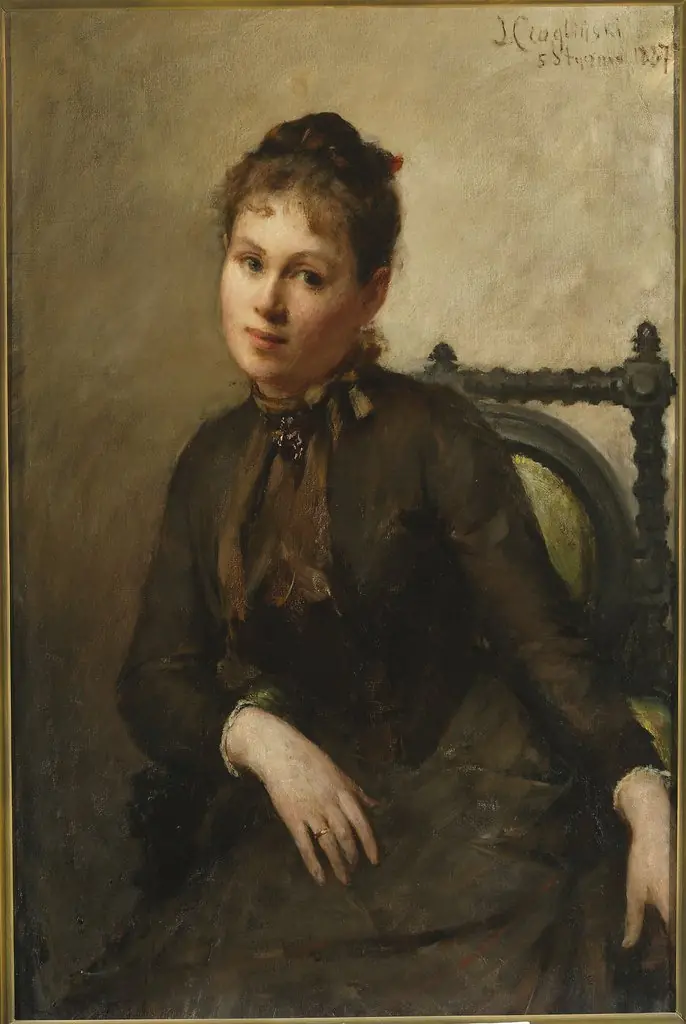 Portrait of Helena Piltz née Rymowicz
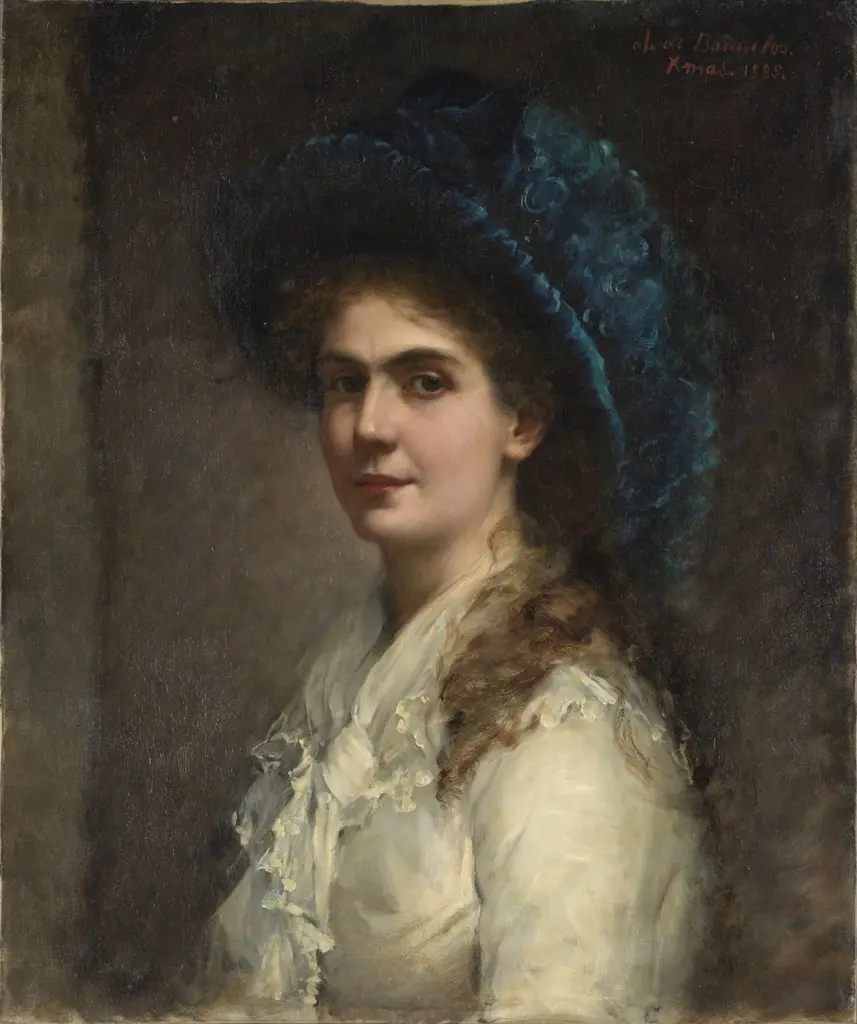 Self-portrait
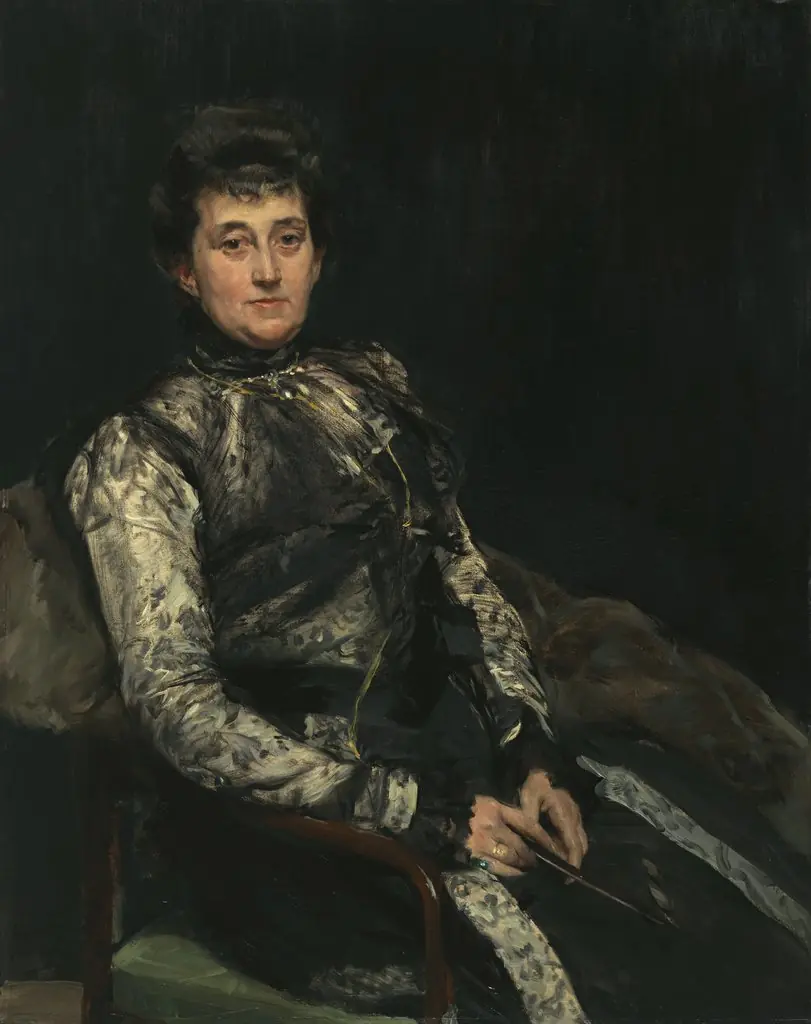 María Teresa Moret
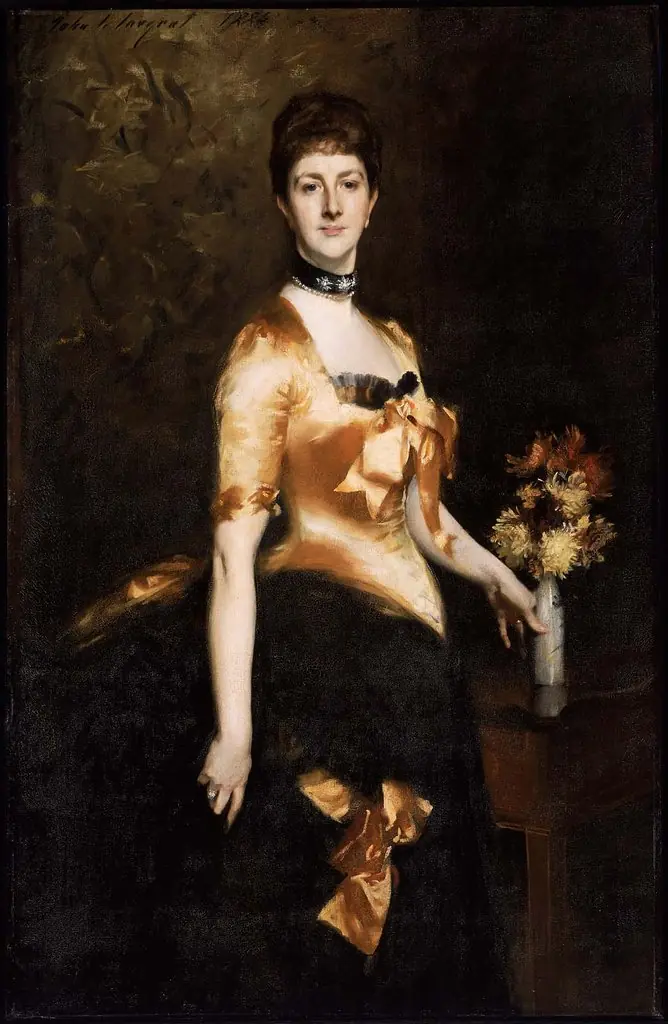 Edith, Lady Playfair (Edith Russell)
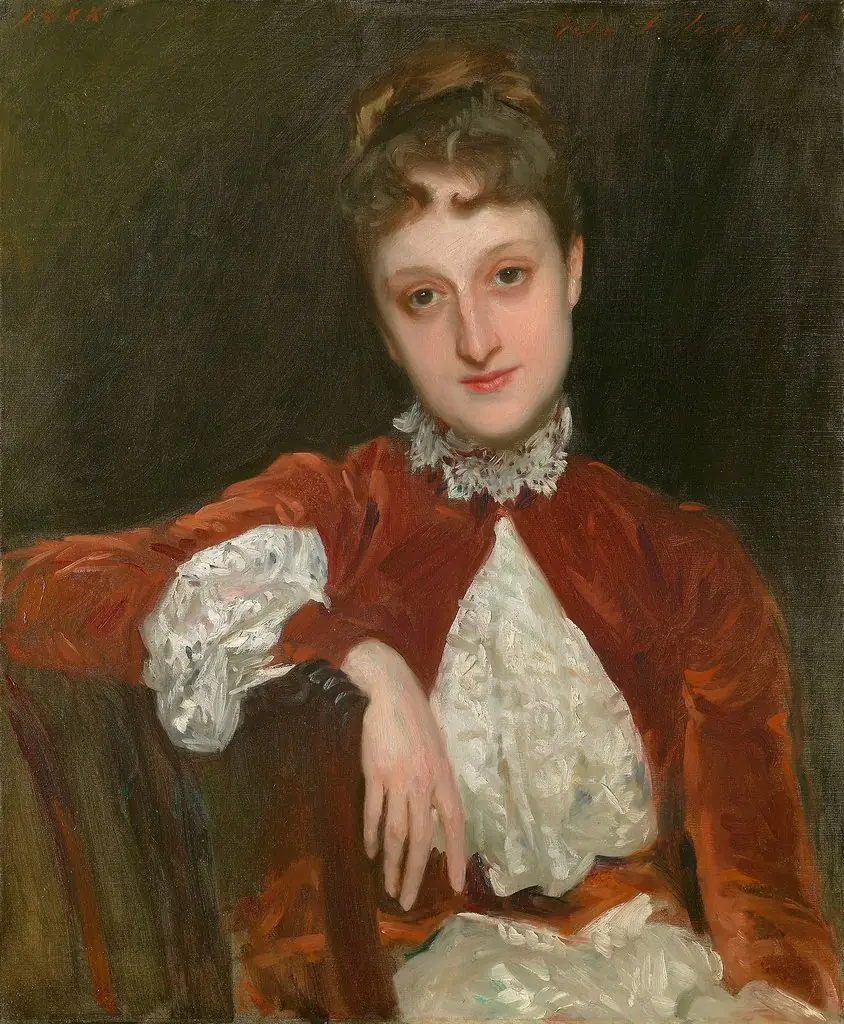 Mrs. Charles Deering (Marion Denison Whipple)
 Portrait of a Woman
 Madame Céline Leclanché