Artwork
A Peasant Woman Digging in Front of Her Cottage
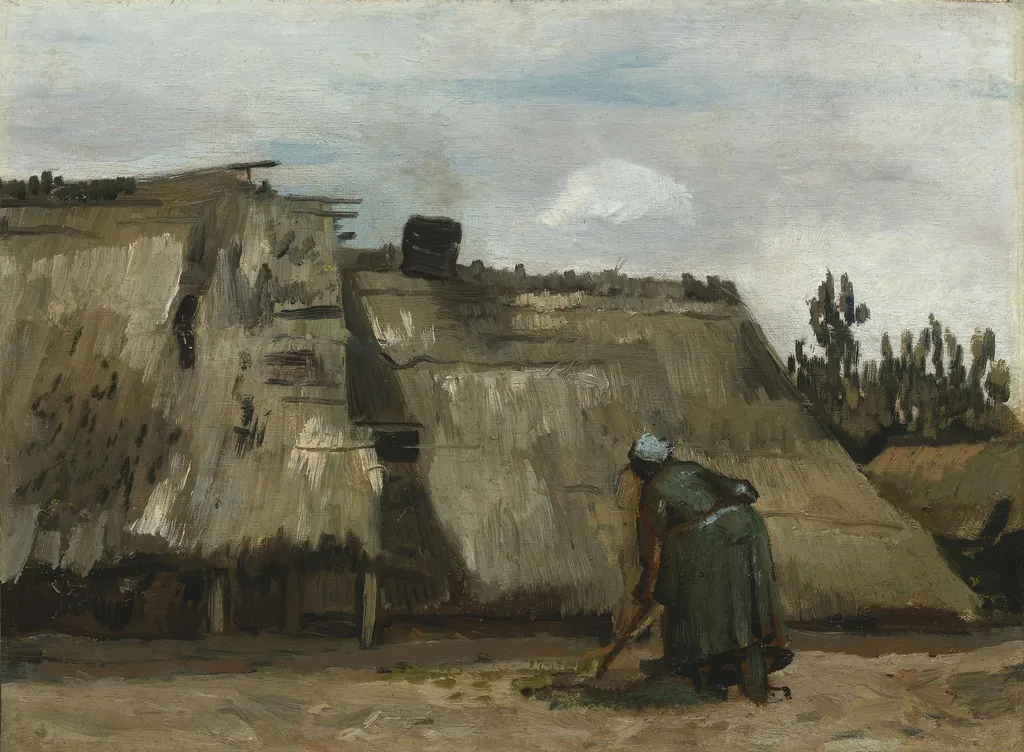
A Peasant Woman Digging in Front of Her Cottage is an oil painting by the Post-Impressionist artist Vincent van Gogh. It is held in the collection of the Art Institute of Chicago.
About this work
Subject & Meaning
The painting depicts a rural laborer, a peasant woman, engaged in the act of digging outside her cottage, a scene rooted in the everyday life of the Dutch countryside. Classified as a genre scene, it treats ordinary agricultural work as its central subject rather than as background detail, with the cottage anchoring the figure to a humble domestic setting.
Made in Nuenen in 1885, the work belongs to Van Gogh's early focus on peasant life during his time in the Brabant countryside, where he repeatedly returned to the dignity of rural labor as a theme. The composition, in which the figure and her modest dwelling dominate a small canvas, reflects his interest in the lives of working people and the land they tended.
The image carries no overt symbolic program; its meaning lies in the direct, unidealized portrayal of a woman performing the physical task of digging, a motif Van Gogh explored across multiple canvases from this period, and in its quiet affirmation of peasant labor as a worthy subject for serious painting.
Technique & Style
No specific handling notes, surface condition, or stylistic commentary are provided in the available sources beyond the medium, support, dimensions, and date.
A Peasant Woman Digging in Front of Her Cottage is executed in oil paint on canvas, a standard support for Van Gogh's Dutch-period work. The painting measures 31.3 by 42 centimeters, a modest scale suited to an intimate genre scene of a woman working at her cottage. Produced in 1885 during the artist's time in Nuenen, the work belongs to his early preoccupation with peasant laborers and rural dwellings, rendered in the dark, earthy palette and sober realism associated with that phase.
The composition centers on the laboring figure against the cottage, a straightforward genre arrangement consistent with the Dutch realist tradition Van Gogh was absorbing at the time.
No specific handling notes, surface condition, or stylistic commentary are provided in the available sources beyond the medium, support, dimensions, and date.
History & Provenance
A Peasant Woman Digging in Front of Her Cottage was created by Vincent van Gogh in 1885 in Nuenen, executed in oil paint on canvas.
The work passed through a lengthy succession of owners before reaching the Art Institute of Chicago. Earlier in its chain of custody it was held by members of the artist's family, including Anna Carbentus van Gogh, as well as by Adrianus Schrauwen, Jan and Rien Couvreur, C. Mouwen Jr., Frederik Muller & Co., Hendrik Enno van Gelder, and Mejevrouw K. Cosman. It was subsequently handled by the Amsterdam dealers Kunsthandel E.J. van Wisselingh & Co. and by E. & A. Silberman Galleries, with John J. Ireland, Harry Stevenson Southam, and other private collectors also recorded among its owners.
The painting is now part of the collection of the Art Institute of Chicago.
The painting is held at the Art Institute of Chicago, accessioned as 1926.156.
Its exhibition history includes Jules Breton and the French Rural Tradition, The Impressionist Tradition, and Masterpieces from the Art Institute of Chicago. It was also shown in Van Gogh and the Hague School.
Context
Painted in Nuenen in 1885, A Peasant Woman Digging in Front of Her Cottage exemplifies Vincent van Gogh's early dedication to genre scenes depicting rural labor. The work aligns with the artist's broader exploration of peasant life during his Dutch period, reflecting the influence of the Hague School and the French rural tradition. Its inclusion in exhibitions such as Jules Breton and the French Rural Tradition and Van Gogh and the Hague School underscores its significance within the context of 19th-century agrarian art.
Held by the Art Institute of Chicago, the painting serves as a key example of van Gogh's pre-Parisian style, characterized by earthy tones and a focus on the dignity of manual work.
Legacy
The painting has been cited as an early example of van Gogh's interest in rural labor and domestic scenes, influencing later interpretations of his formative years. Its inclusion in exhibitions of Dutch and French genre painting has reinforced its reputation as a bridge between the Hague School's realism and van Gogh's later expressive style. Scholars reference its composition when discussing the evolution of his portrayal of peasant figures, and its presence in major collections has kept it visible in studies of 19th‑century European genre art.
Overview
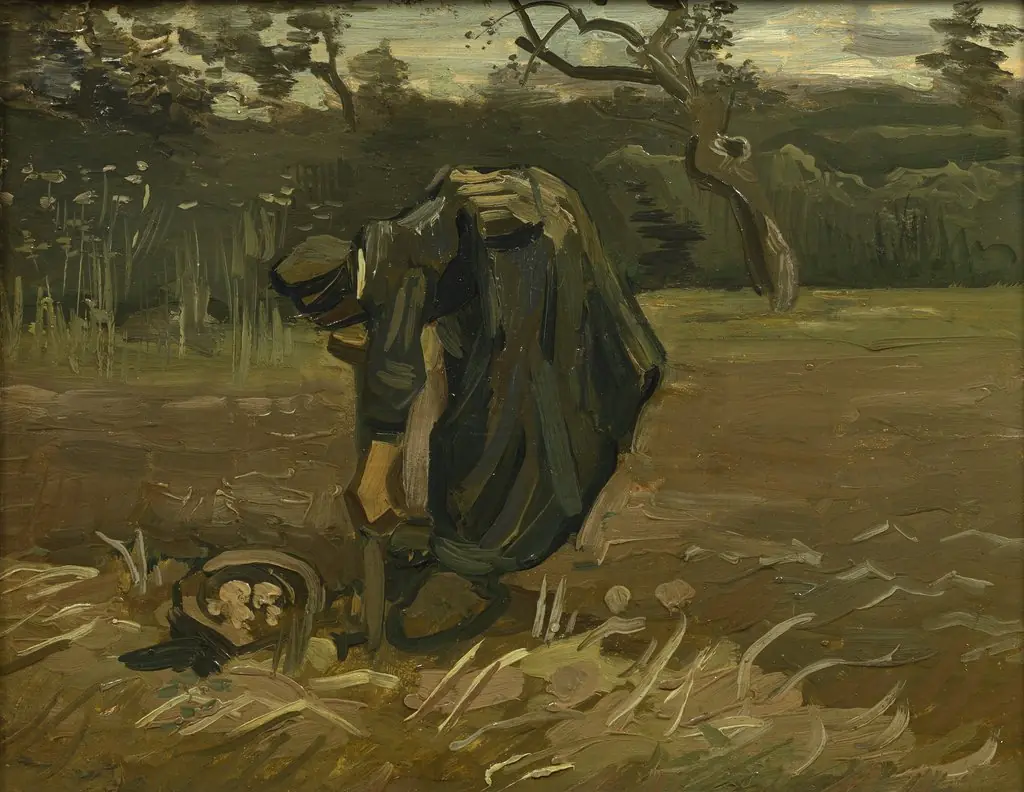
Vincent van Gogh’s 1893 oil painting titled A Peasant Woman Digging in Front of Her Cottage presents a quiet rural moment. The composition centers on a solitary woman bent over a garden plot, her back turned toward the viewer, while a modest, weather‑worn cottage rises behind her. The work belongs to the Art Institute of Chicago’s collection.
Own this work as a print
Artist & collection

Artist
Vincent Willem van Gogh was a Dutch Post-Impressionist painter who is among the most famous and influential figures in the history of Western art.


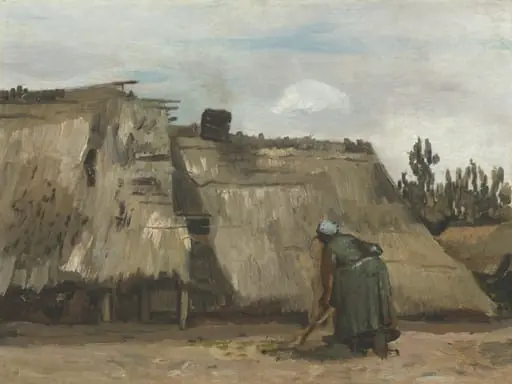 A Peasant Woman Digging in Front of Her Cottage
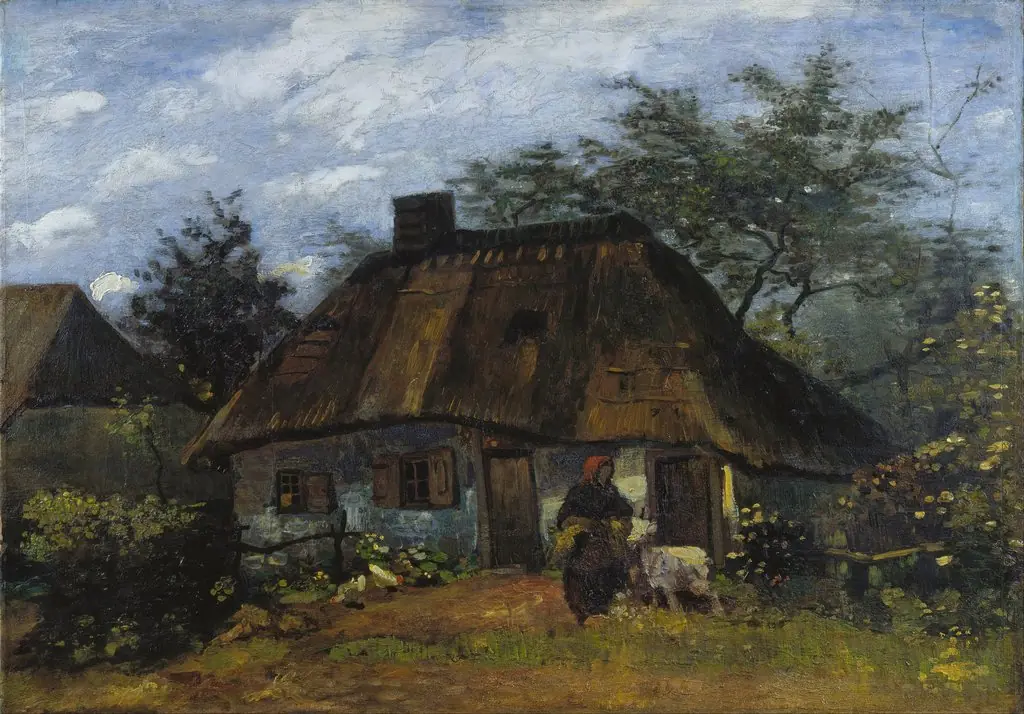 Cottage and Woman with Goat
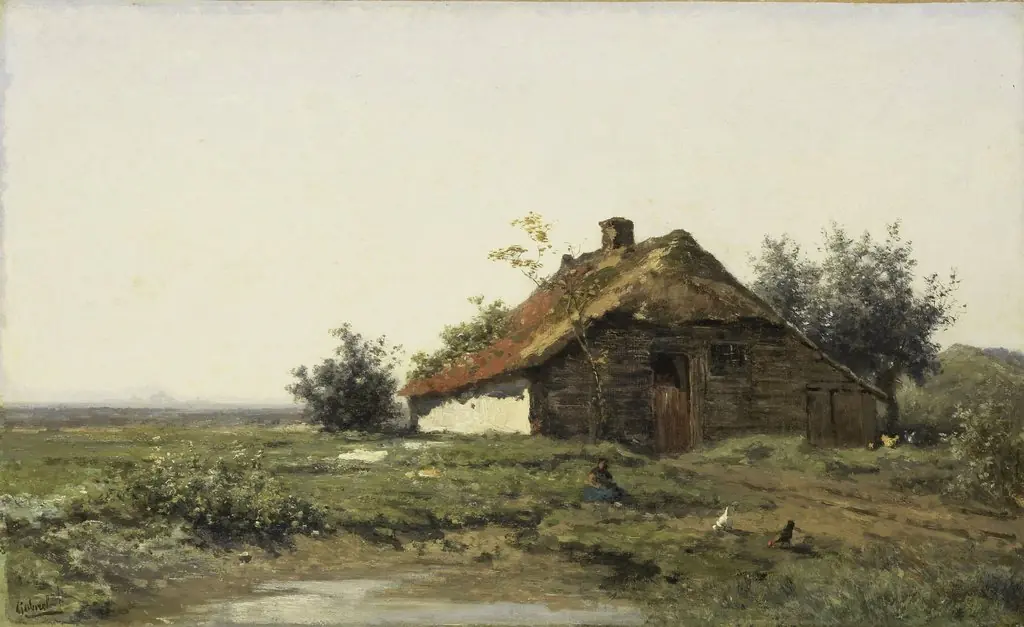 Farm in the Open Fields
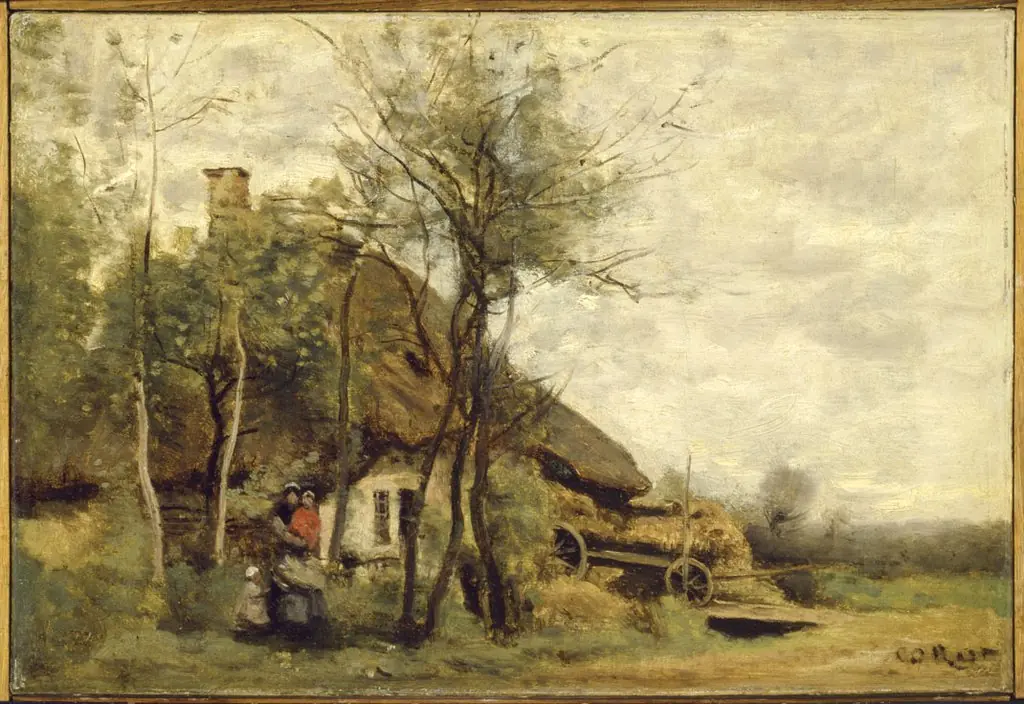 Little farm near Saint-Lô
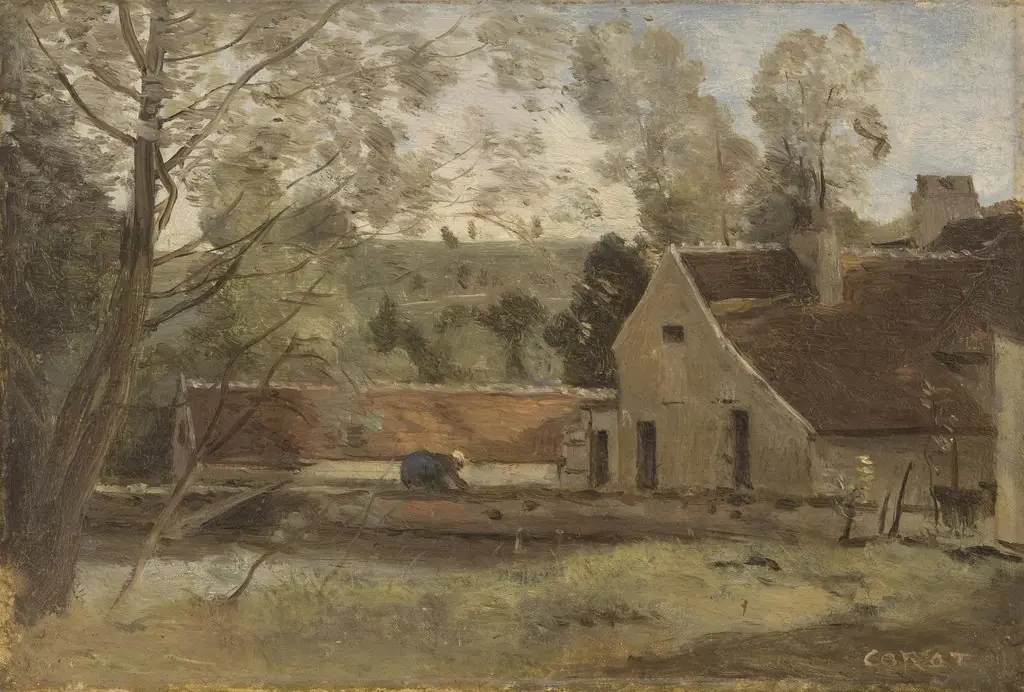 Château Thierry
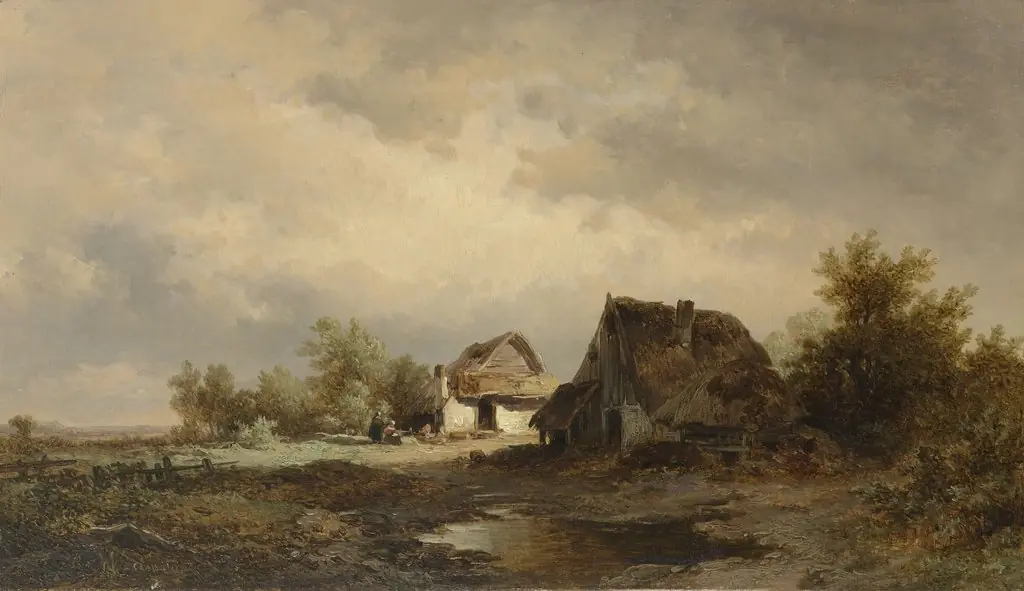 Landscape with Cottages on the Heath
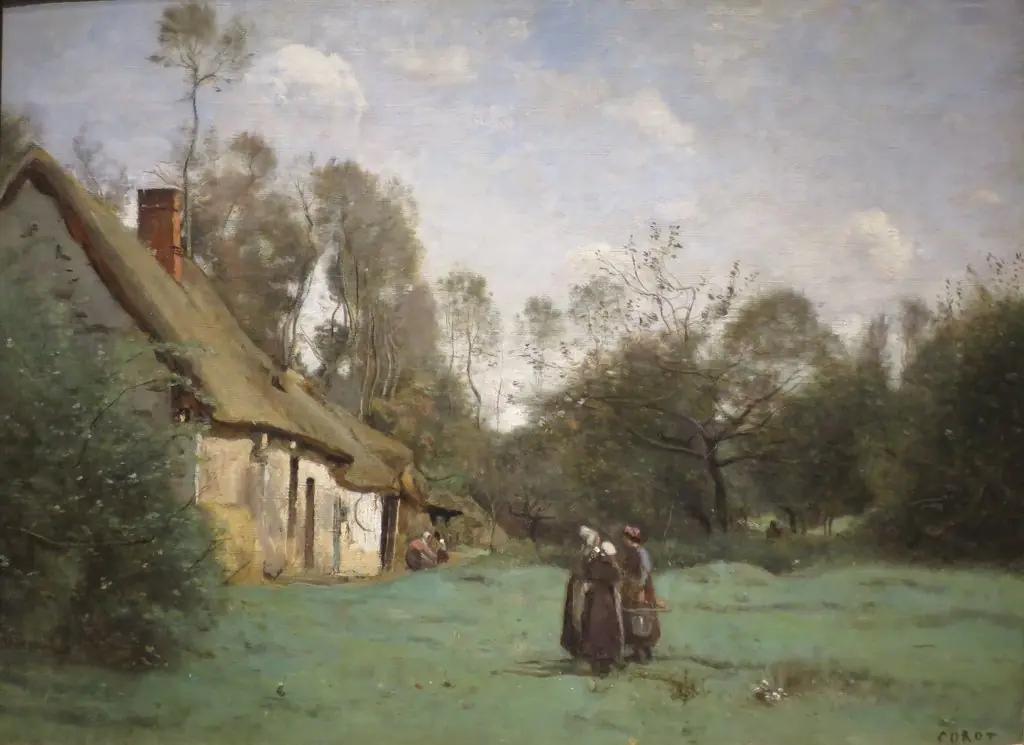 Thatched Cottage in Normandy
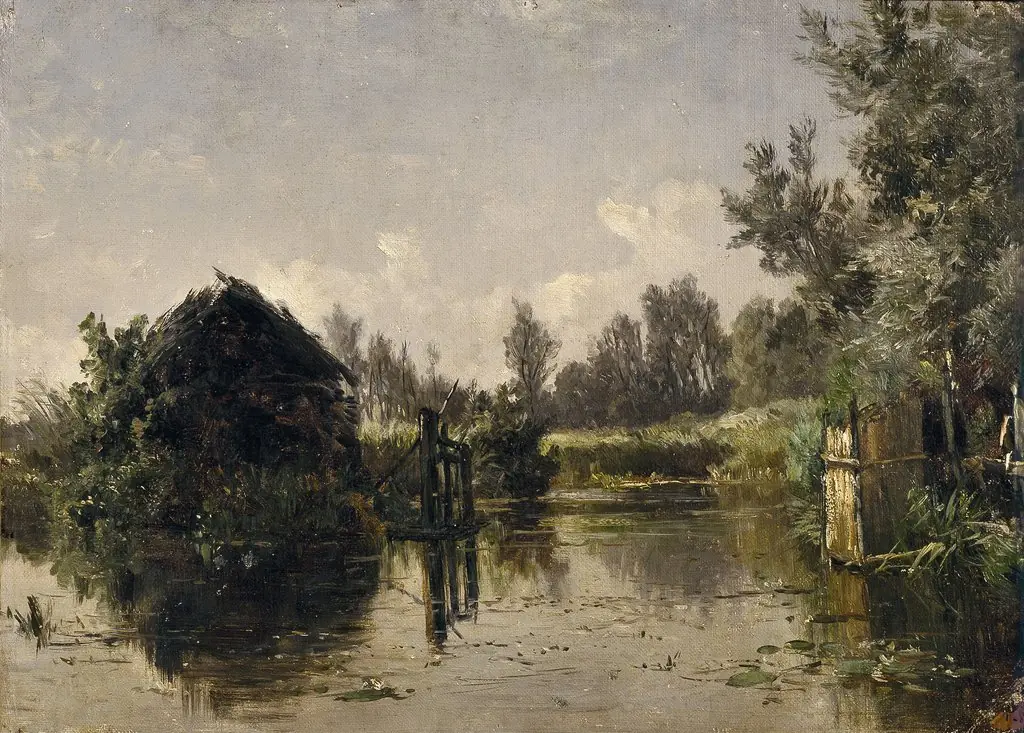 Canal abandonado en Vriesland (Holanda)
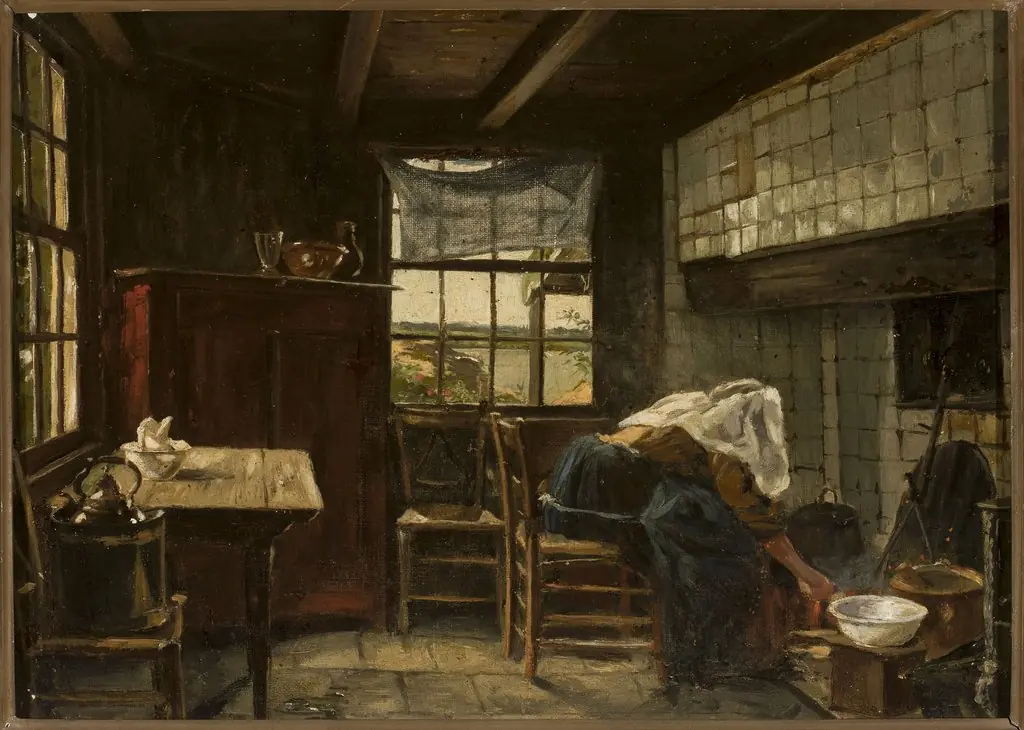 Finnish cottage interior
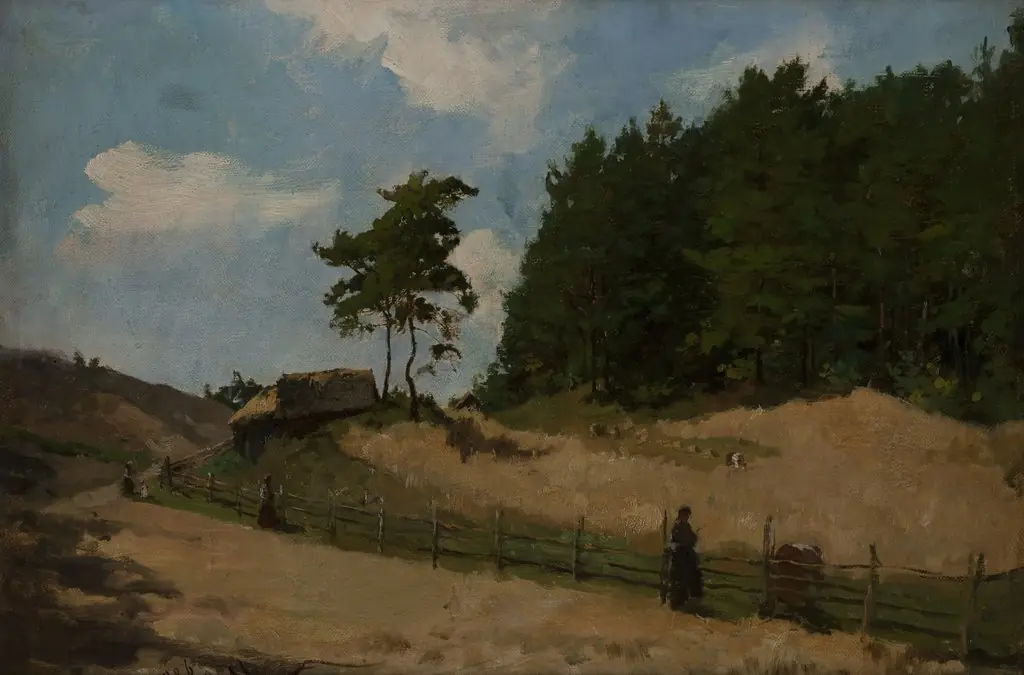 Landscape
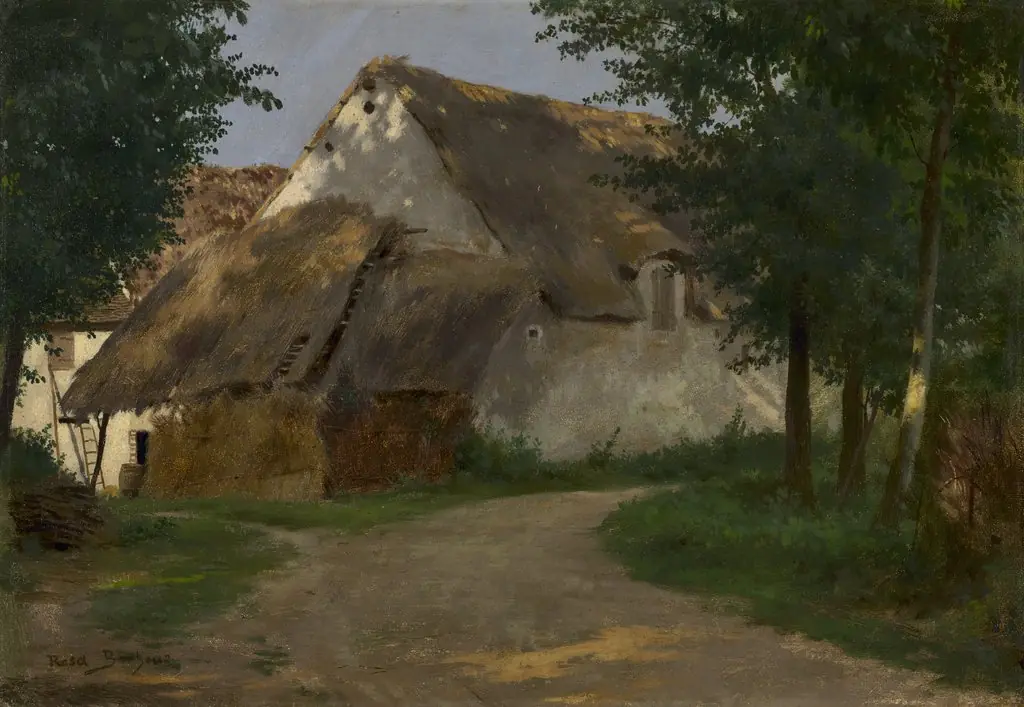 The Farm at the Entrance of the Wood
- Peasant Woman Digging Up Potatoes