Artwork
Portrait of a One-Eyed Man
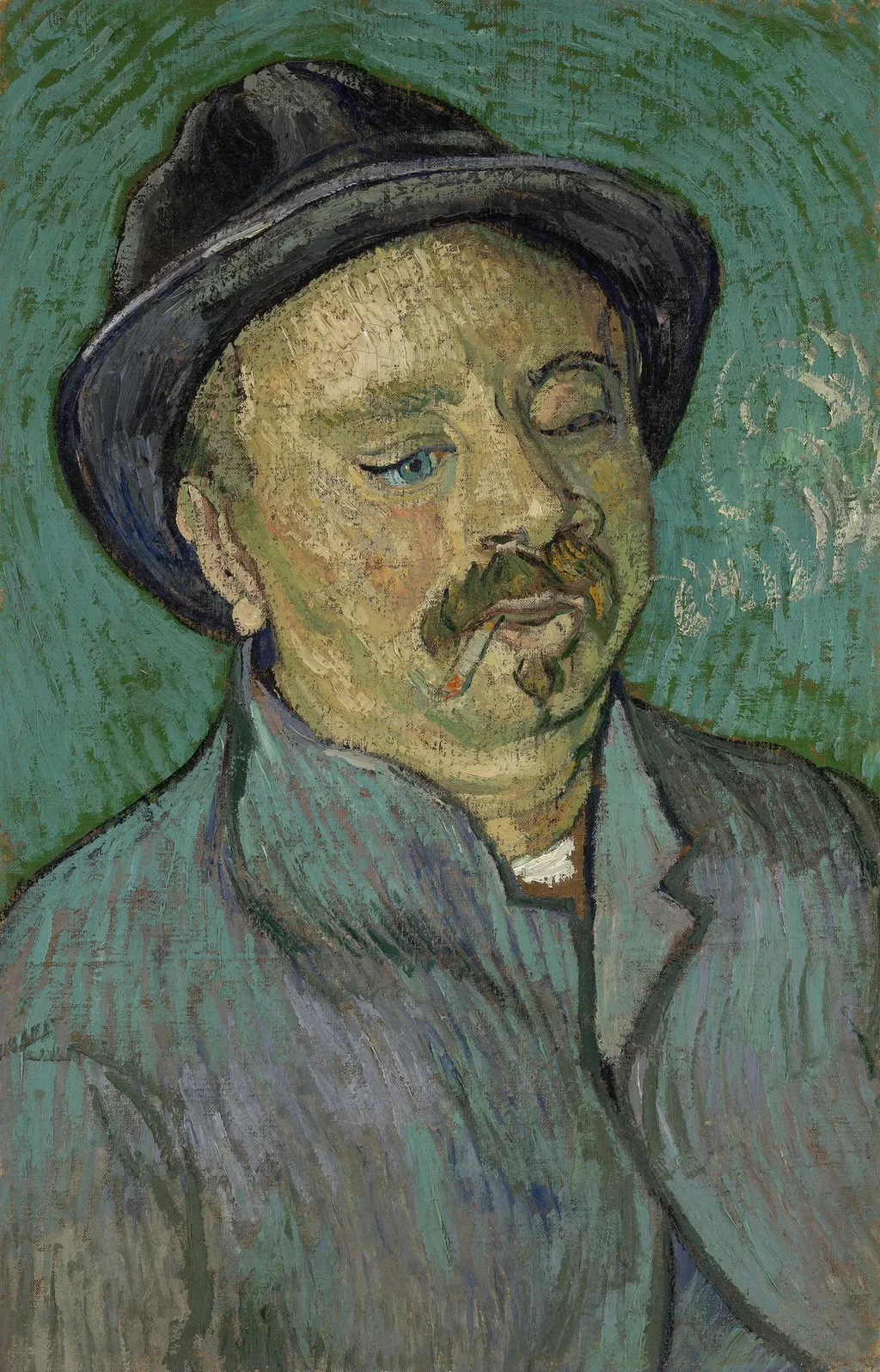
Portrait of a One-Eyed Man is an oil painting by the Post-Impressionist artist Vincent van Gogh. It is held in the collection of the Rijksmuseum.
About this work
Subject & Meaning
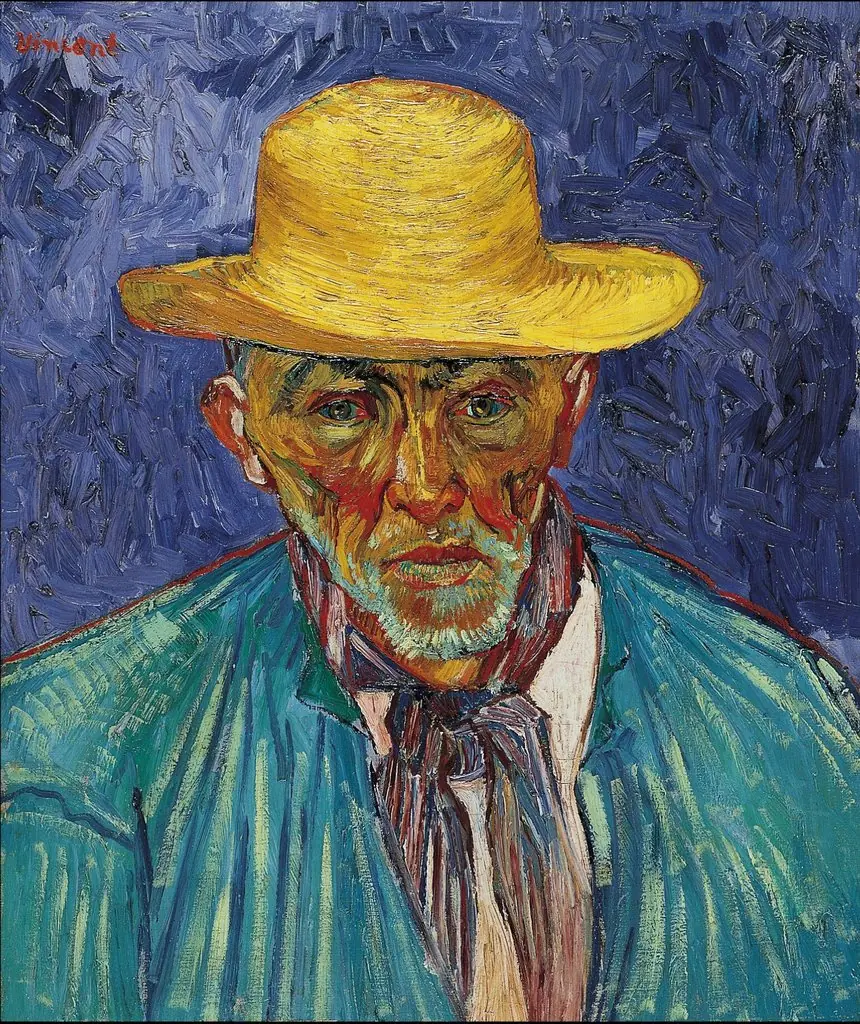
The painting is a portrait that depicts a human subject distinguished by the notable physical characteristic of having only one eye. The male figure is shown wearing a hat. As a portrait, the work represents an individualized study of a specific person encountered by the artist, focusing directly on the sitter's distinctive facial features rather than broader symbolic or allegorical themes.
Technique & Style
The palette is subdued, relying on earthy browns, ochres, and touches of blue in the hat, which lend a restrained yet expressive quality.
The work is executed in oil paint on canvas, with the support dimensions recorded as 56.5 cm in height and 36.5 cm in width. Handling aligns with Van Gogh’s late-career practice: thick, directional brushwork builds up the figure’s contours and textures, while the face is rendered with concentrated, parallel strokes that model volume and convey the sitter’s character. The palette is subdued, relying on earthy browns, ochres, and touches of blue in the hat, which lend a restrained yet expressive quality.
The composition is tightly framed, focusing attention on the subject’s gaze and the distinctive facial feature noted in the title.
Overall condition is not documented in the provided sources; no conservation notes or structural issues are reported.
History & Provenance
Vincent van Gogh created the oil-on-canvas work titled Portrait of a One-Eyed Man in October 1889. The painting measures 56.5 cm in height and approximately 36.5 to 36.6 cm in width. Currently, the artwork is held in the collections of the Van Gogh Museum and the Rijksmuseum in Amsterdam.
The sources do not provide specific details regarding the original commission, the identity of the sitter beyond the description, or the chain of ownership prior to its arrival at these institutions.
Portrait of a One-Eyed Man is an oil paint portrait held in the collection of the Van Gogh Museum and the Rijksmuseum. It was created in 1889 and measures 56.5 by 36.5 centimeters. The work has been exhibited at the Van Gogh Museum in Amsterdam and has appeared in shows focusing on Van Gogh’s portraiture.
Overview
Vincent van Gogh produced this oil portrait in 1895, now part of the Rijksmuseum’s collection. The work presents a solitary figure whose head is shaded by a low‑set dark hat, his right hand clutching a pipe, while one eye is conspicuously absent from the canvas.
Context
The painting belongs to van Gogh’s late oeuvre, a time when he explored portraiture with heightened emotional intensity. The use of impasto and stark compositional choices aligns with his broader experiments in conveying inner life through vigorous surface treatment.
Own this work as a print
Artist & collection
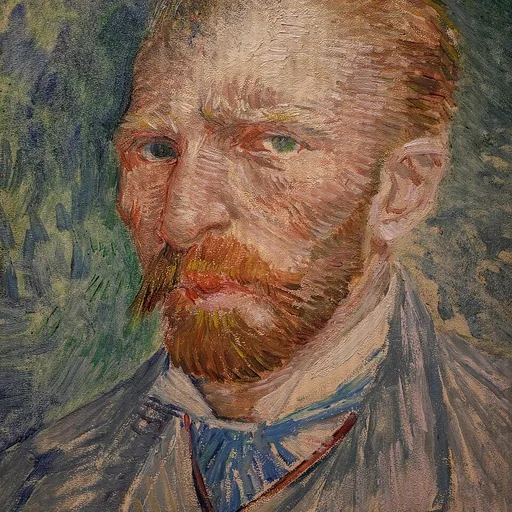
Artist
Vincent Willem van Gogh was a Dutch Post-Impressionist painter who is among the most famous and influential figures in the history of Western art.