Artwork
Self-portrait
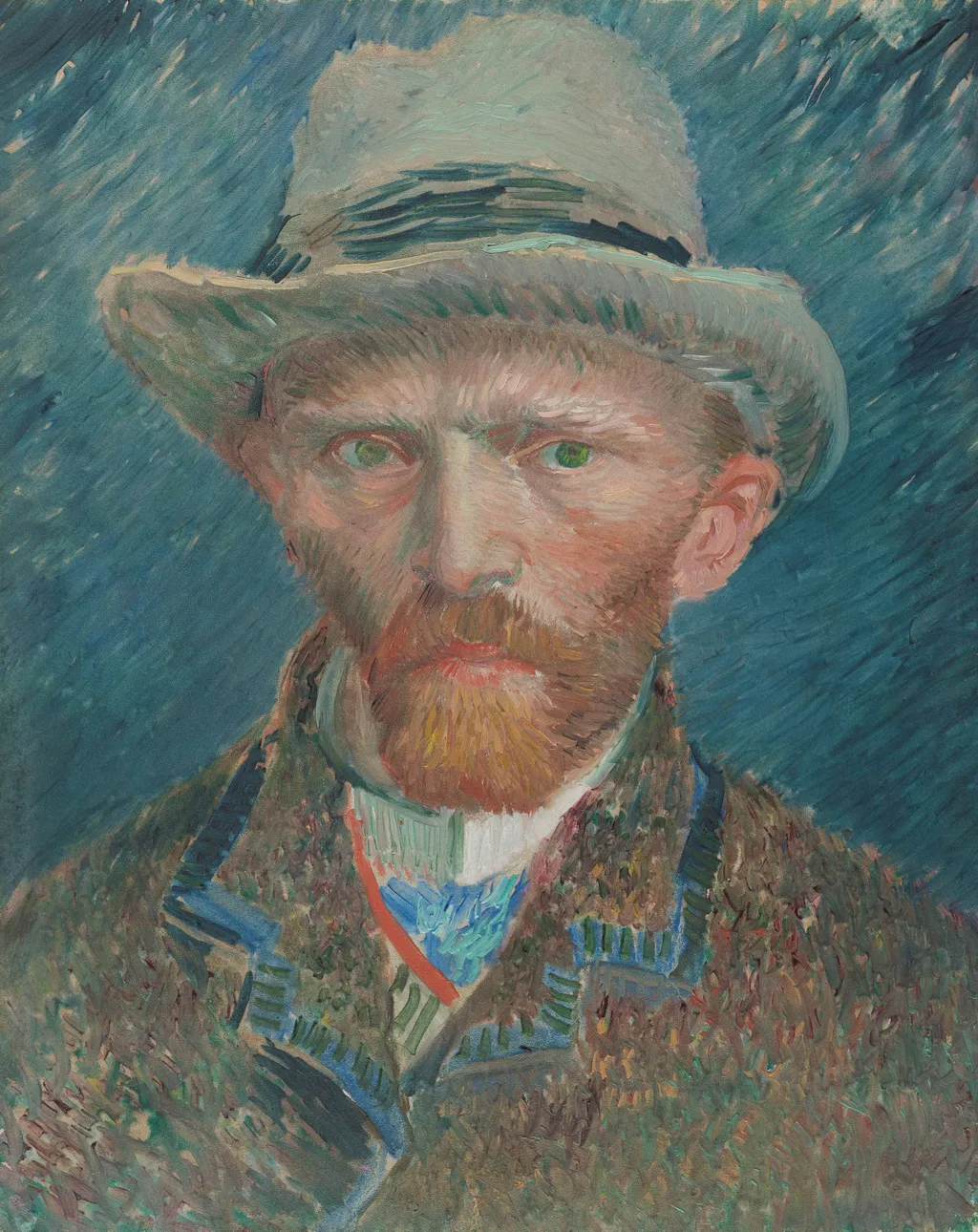
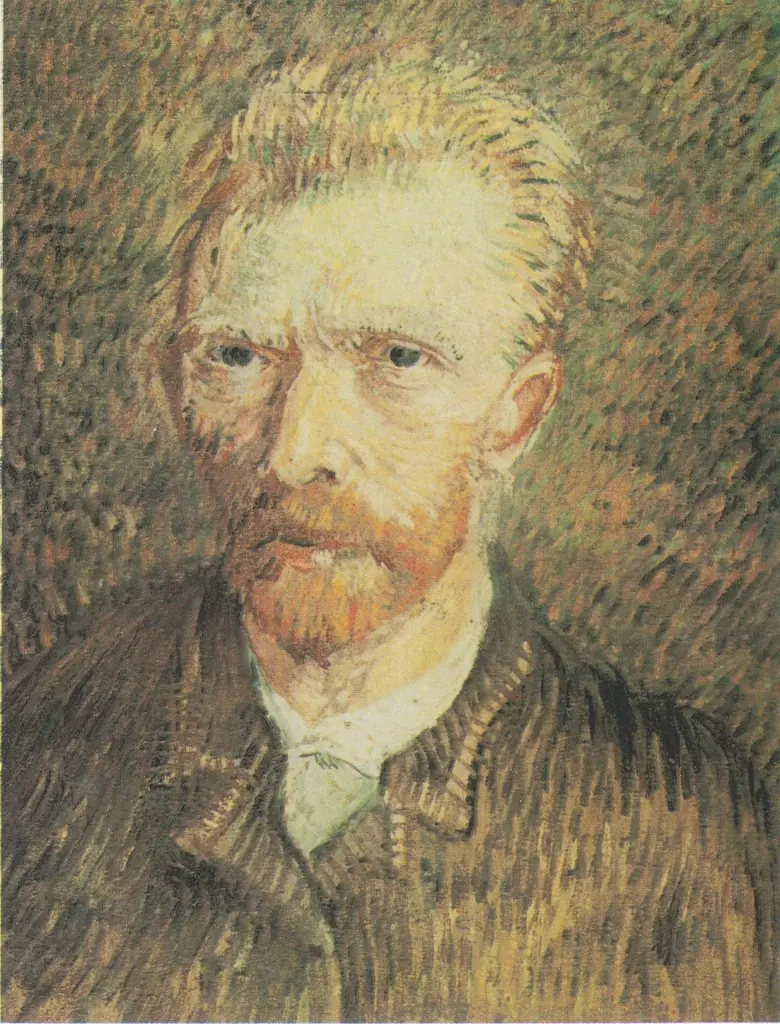
Self-portrait is an oil painting by the Post-Impressionist artist Vincent van Gogh. It is held in the collection of the Rijksmuseum.
About this work
Subject & Meaning
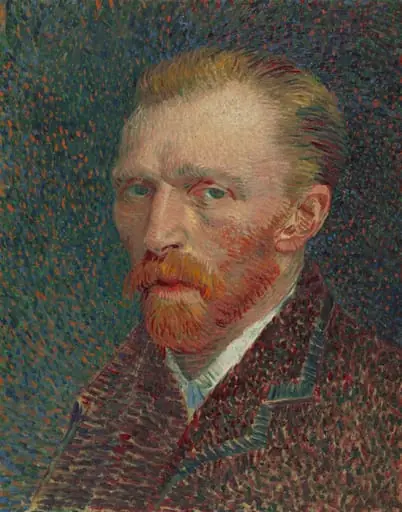
The painting depicts Vincent van Gogh himself, identified as both the creator and the sole figure portrayed.
The painting depicts Vincent van Gogh himself, identified as both the creator and the sole figure portrayed. Produced in Paris in 1887, it belongs to the self-portrait genre, a category in which the artist turns the act of representation inward, making the self the central subject of study.
As a self-portrait, the work functions simultaneously as a likeness and a self-examination, a format long used by artists to explore identity, technique, and psychological presence. By rendering his own features on cardboard, van Gogh used the genre to investigate how he wished to be seen, treating the canvas as a mirror for both technical experimentation and personal reflection.
The work's meaning is therefore tied directly to its autobiographical subject matter: it stands as a record of the artist at a specific moment in his Paris period, presenting the sitter and the maker as one and the same.
Technique & Style
The work is an oil painting on cardboard measuring 42 cm in height and 34 cm in width, executed in 1887 while van Gogh was in Paris. The artist employed a fluid handling of oil paint, building up thin, layered brushwork that conveys texture without heavy impasto. The composition is restrained yet expressive, with a muted palette of ochres, browns, and blues that reflects the muted light and artistic milieu of late-19th-century Parisian portraiture.
The sitter’s features are rendered with quick, decisive strokes that suggest both immediacy and a studied observation of character.
The cardboard support, visible in areas where the paint is thin, contributes to the matte surface and subdued tonality of the image.
History & Provenance
The work was created in Paris in 1887 using oil paint on cardboard, depicting the artist himself. It entered the collection of the Rijksmuseum in Amsterdam and remains part of its holdings.
The painting was produced during van Gogh's Paris period and is classified as a self-portrait within his oeuvre.
The painting is held by the Rijksmuseum in Amsterdam, which is listed as its location. According to the available records, the work is also associated with the Stedelijk Museum Amsterdam as part of its collection history.
No specific inventory or accession number is documented in the available sources, and no exhibition history is recorded.
Overview
Vincent van Gogh painted this self-portrait in oil in 1894. The work is part of the Rijksmuseum’s collection and presents the artist looking directly at the viewer, offering a personal glimpse into his appearance during that period.
Context
The portrait reflects Van Gogh’s ongoing exploration of color and texture, hallmarks of his later style. It aligns with his series of self‑portraits that served both as artistic experiments and practical means of financial support.
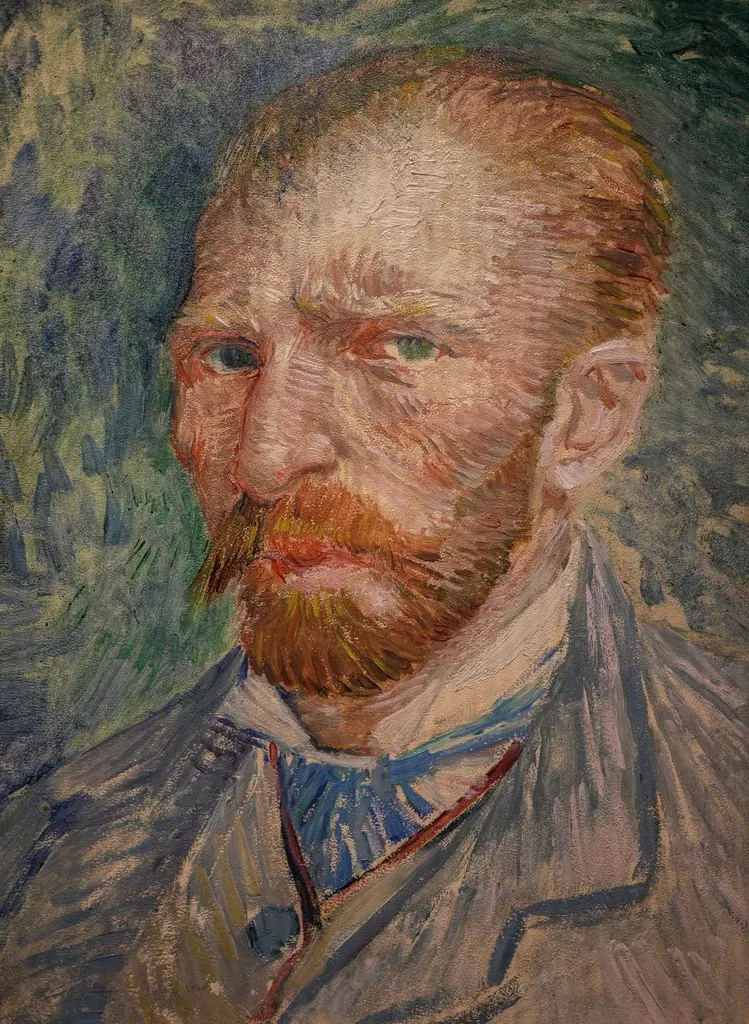
Own this work as a print
Artist & collection
Artist
Vincent Willem van Gogh was a Dutch Post-Impressionist painter who is among the most famous and influential figures in the history of Western art.

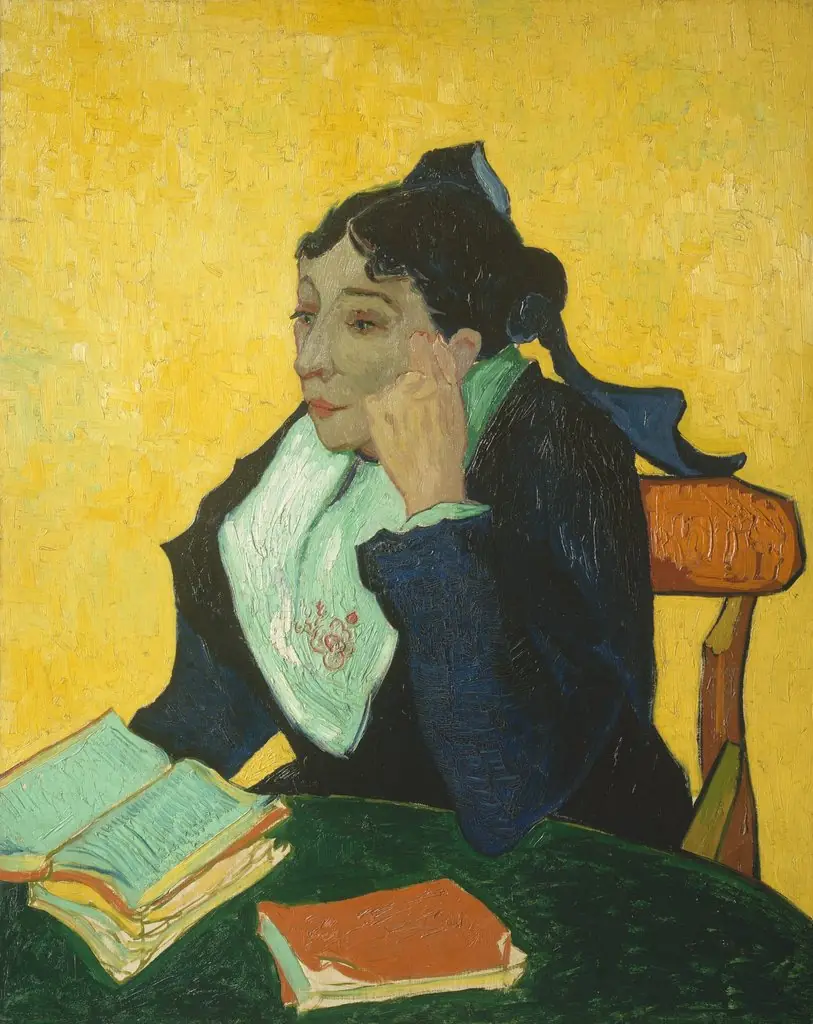
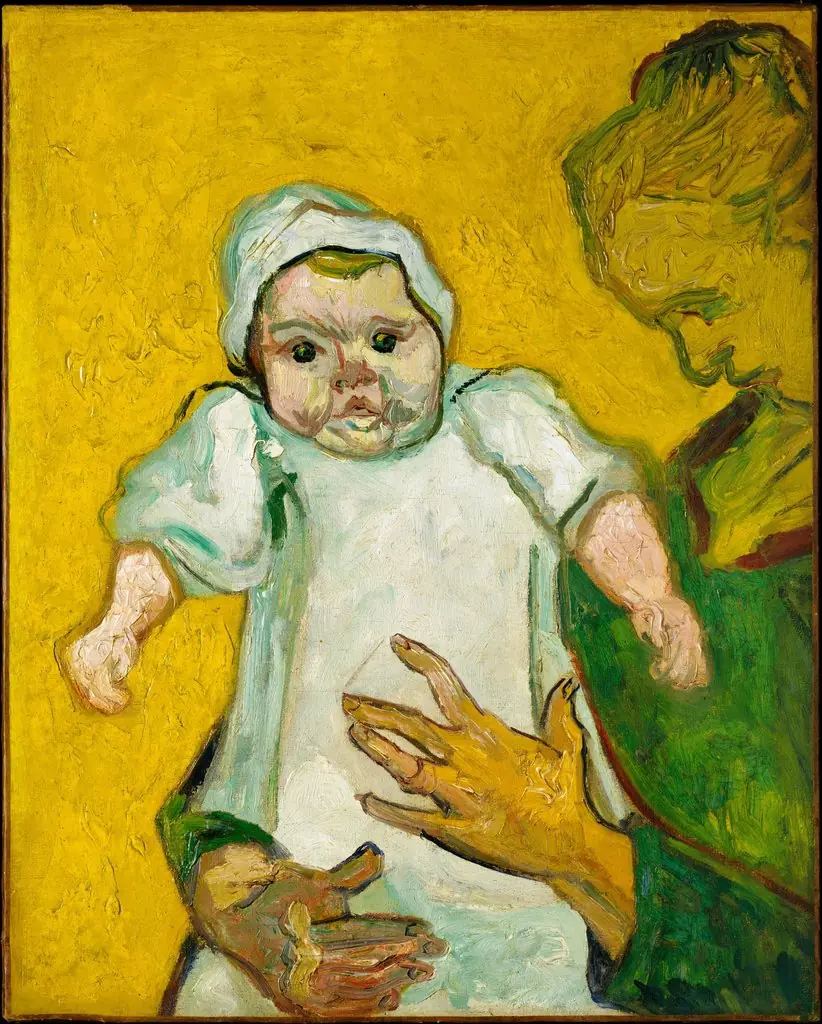
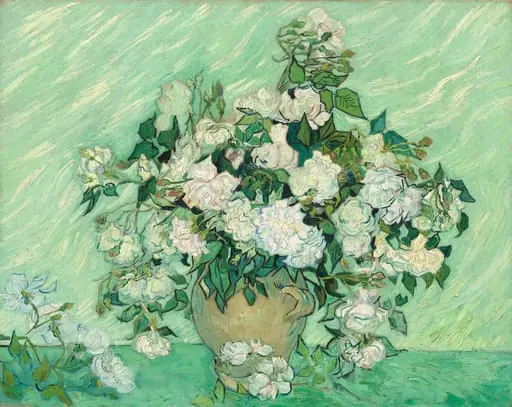
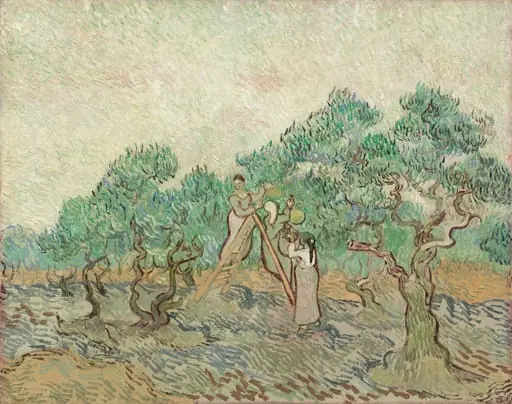
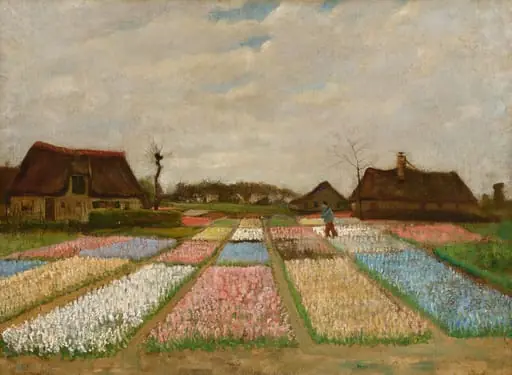
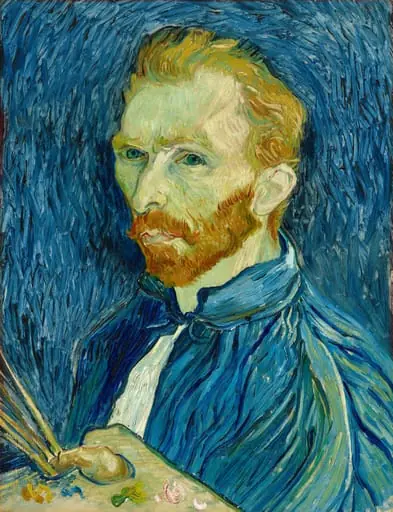
- Self portrait by Vincent van Gogh
 Self-Portrait
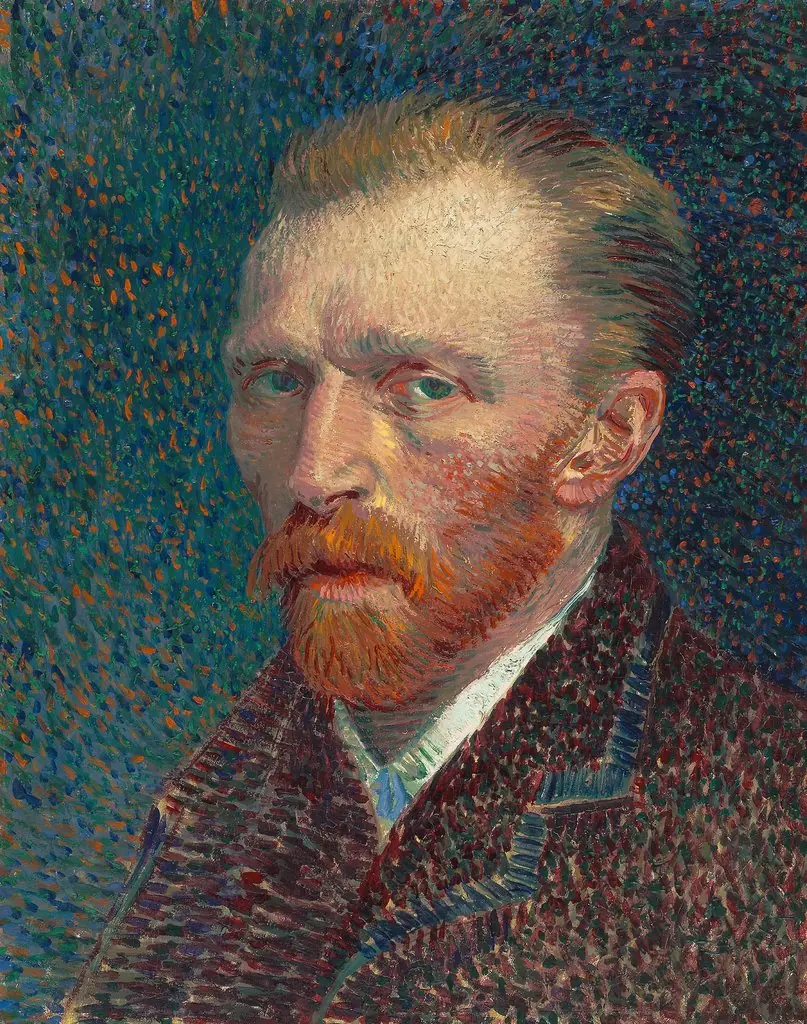 Self-Portrait
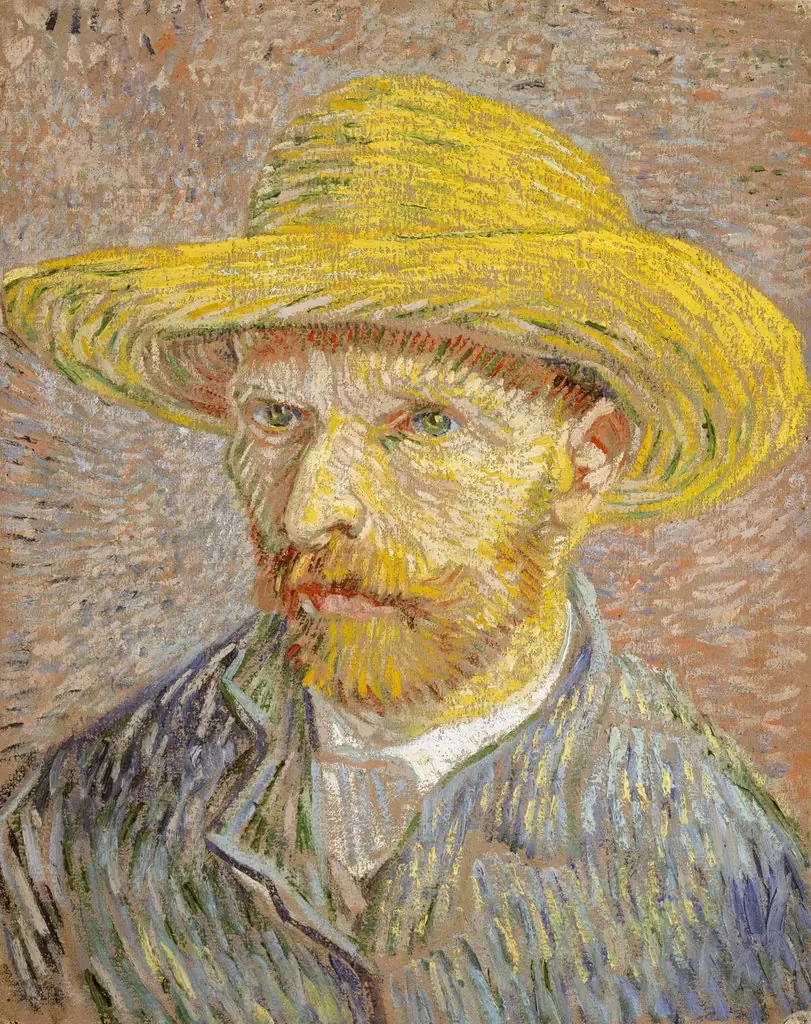 Self-Portrait with a Straw Hat
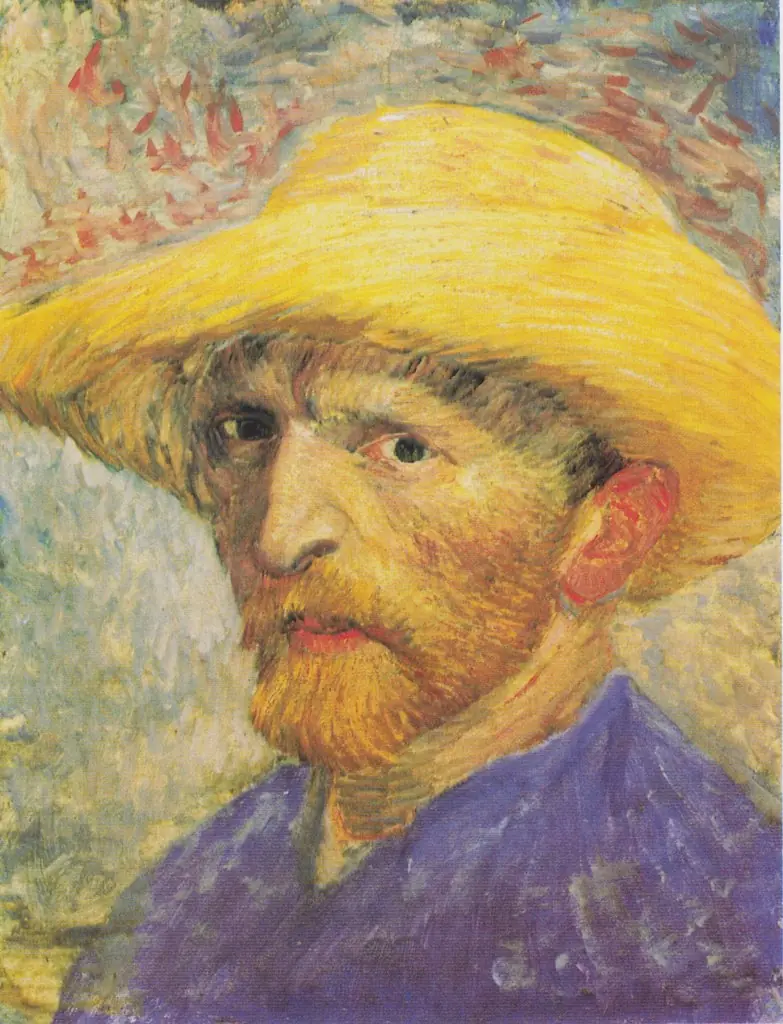 Self-Portrait with Straw Hat
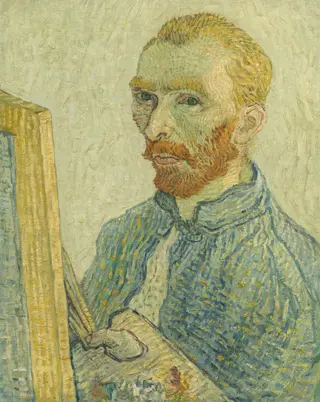 Portrait of Vincent van Gogh
 Self-Portrait
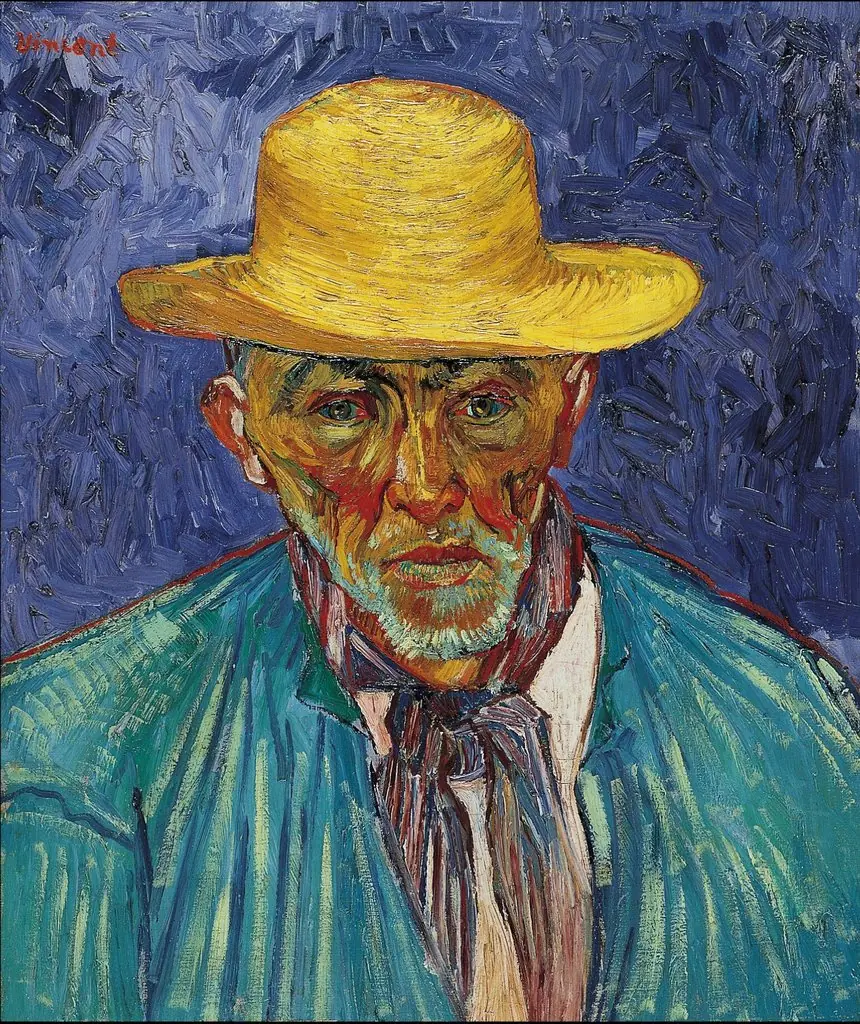 Portrait of a Peasant (Patience Escalier)
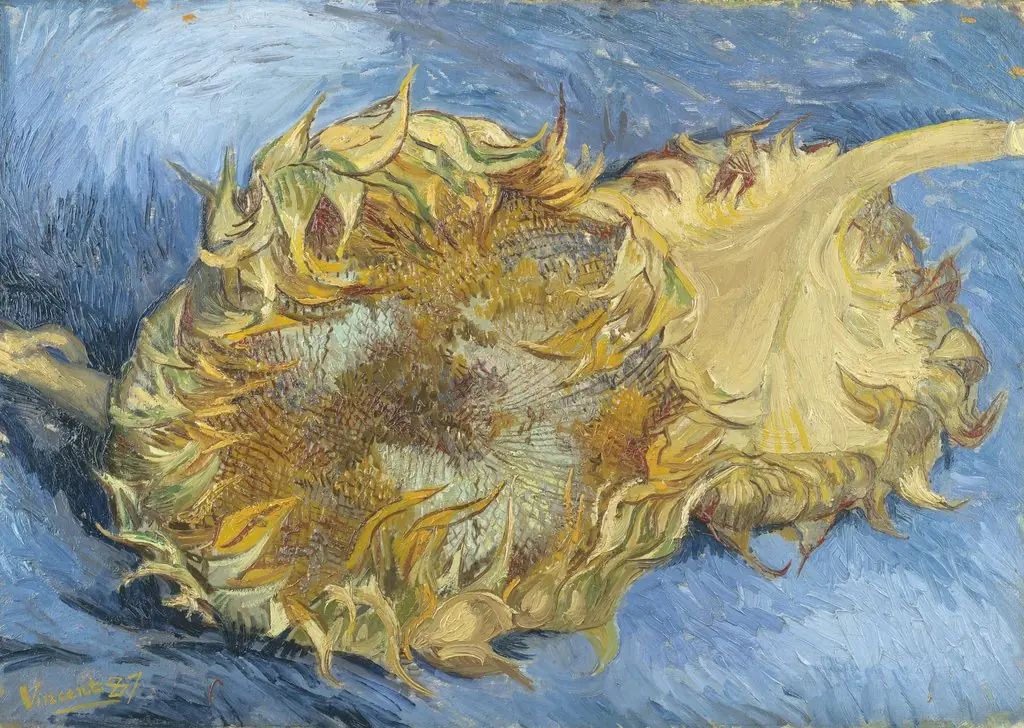 Sunflowers
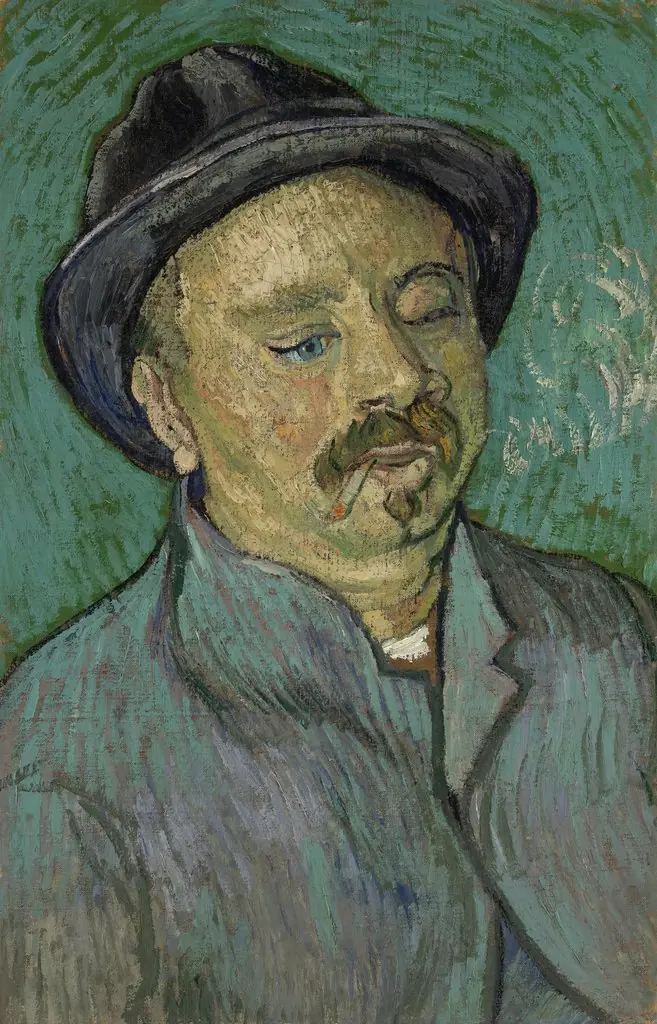 Portrait of a One-Eyed Man
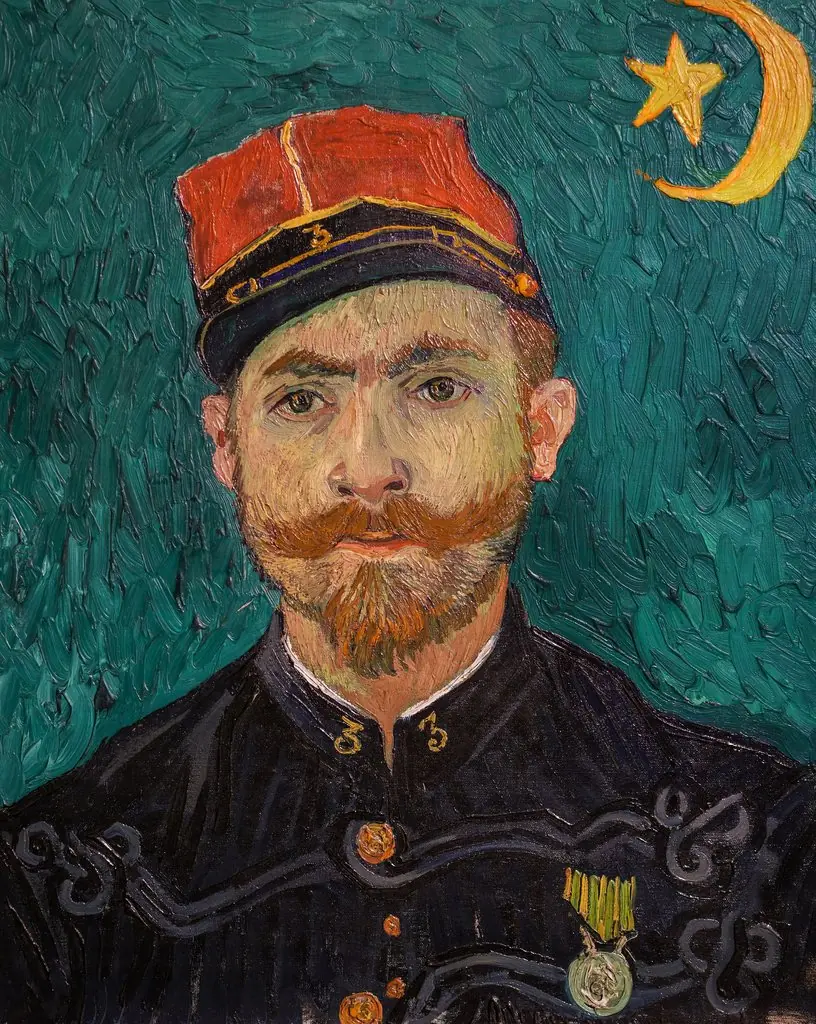 Portrait of Paul-Eugène Milliet, Second Lieutenant of the Zouaves