Artwork
Portrait of Dr. Gachet
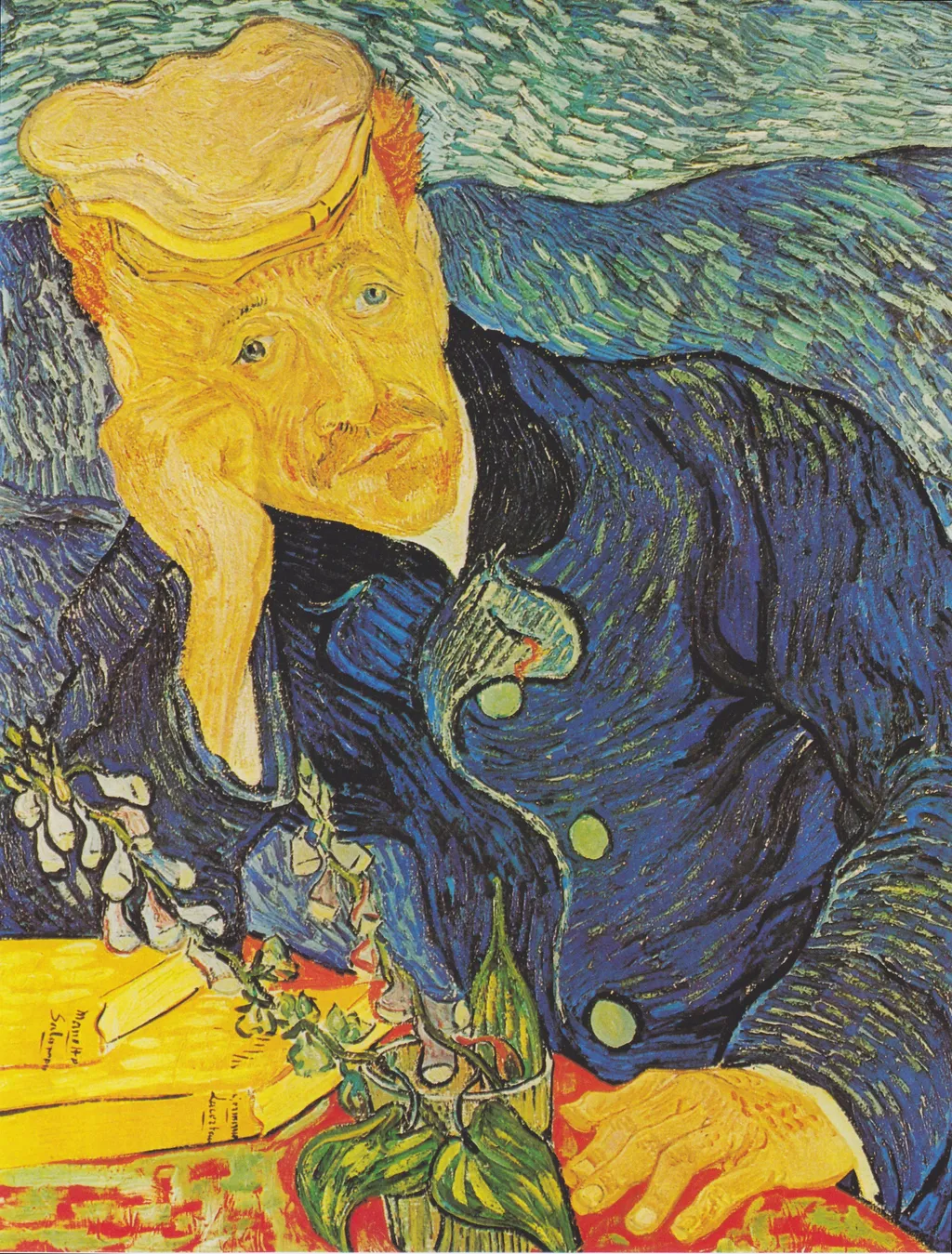
Portrait of Dr. Gachet is an oil painting by the Impressionist artist Vincent van Gogh. It dates from 1890 and is held in the collection of the Städel Museum.
About this work
Subject & Meaning
Symbolically, the portrait conveys both intimacy and melancholy, reflecting Gachet’s role as Van Gogh’s caretaker amid the artist’s deteriorating mental state.
The subject of Portrait of Dr. Gachet is Paul Gachet, a physician who cared for Vincent van Gogh during his final months in Auvers-sur-Oise. Iconographic elements include a red-haired sitter, a Digitalis purpurea flower on the table, and a book, alluding to the physician’s profession and possible medical references. Symbolically, the portrait conveys both intimacy and melancholy, reflecting Gachet’s role as Van Gogh’s caretaker amid the artist’s deteriorating mental state.
The work’s meaning extends to its complex provenance and reception, having been labeled "degenerate art" and included in exhibitions highlighting Van Gogh’s legacy.
Technique & Style
Executed in June 1890 at Auvers-sur-Oise, this portrait is an oil painting on canvas. The work exemplifies Impressionist techniques through its vibrant color palette and visible brushwork. The composition depicts Paul Gachet seated at a table, characterized by his red hair, moustache, and blue attire.
Beside him rests a sprig of Digitalis purpurea, a plant associated with his profession as a physician, alongside a book. The figure is rendered with a melancholic expression, sitting against a background that emphasizes the subject's introspective state. The canvas measures approximately 67 by 57 centimeters.
History & Provenance
The first version of Portrait of Dr. Gachet was painted by Vincent van Gogh in June 1890 at Auvers-sur-Oise, shortly before his death. It was commissioned by the sitter, Dr. Paul Gachet, a homeopathic physician and amateur artist who treated Van Gogh during his final months. The artist produced two near-identical oil-on-canvas versions of the portrait; the first remained with Gachet until his death in 1909.
After Gachet’s death, the painting entered the collection of Johanna van Gogh-Bonger, the artist’s sister-in-law and early promoter of his work. It passed through several dealers, Theo van Gogh, Ambroise Vollard, and Harry Graf Kessler, before reaching the Frankfurt-based collector Franz Koenigs by 1930. In 1937, the painting was seized by Nazi authorities as "degenerate art" from the Städel Museum, where Koenigs had deposited it.
It later surfaced in the possession of Siegfried Kramarsky in the Netherlands and was acquired by the Japanese industrialist Ryoei Saito in 1990.
The first version of Portrait of Dr. Gachet is held in the collection of the Städel Museum. Throughout its history, the painting has passed through several notable owners, including Paul Cassirer, Eugène Druet, and the Kramarsky family, before entering the collection of Ryoei Saito and later Wolfgang Flöttl. The work was also part of the Hermann Göring collection and the Franz Koenigs collection.
The painting has a documented exhibition history, having been displayed in Manet and the Post-Impressionists. It was also featured in The Art and Life of Vincent van Gogh, a loan exhibition organized to aid American and Dutch War Relief, as well as in an exhibition titled Paintings from Private Collections.
Context
Painted in June 1890 in Auvers-sur-Oise, the work represents Vincent van Gogh's engagement with the Impressionist movement during his final months. The portrait depicts Paul Gachet, a physician, seated with digitalis flowers and a book, reflecting the artist's focus on psychological depth and the human condition. Historically, the painting gained significant attention through its inclusion in the 1910 exhibition "Manet and the Post-Impressionists," which helped define the artist's legacy within post-Impressionist scholarship.
The work's provenance traces a complex path through major collections, including those of Paul Cassirer and the Koenigs family, before entering the "degenerate art" narrative associated with the Nazi era. Its presence in the Städel Museum today underscores its enduring importance as a key example of van Gogh's late portraiture and his broader contribution to modern art history.
Overview
Vincent van Gogh painted a portrait of Dr. Paul Gachet in 1890 using oil on canvas. The work presents the physician in profile, his figure framed by a turbulent backdrop of blues and greens. The painting is part of the collection of the Städel Museum in Frankfurt and is generally linked to the late Impressionist period of van Gogh’s output.
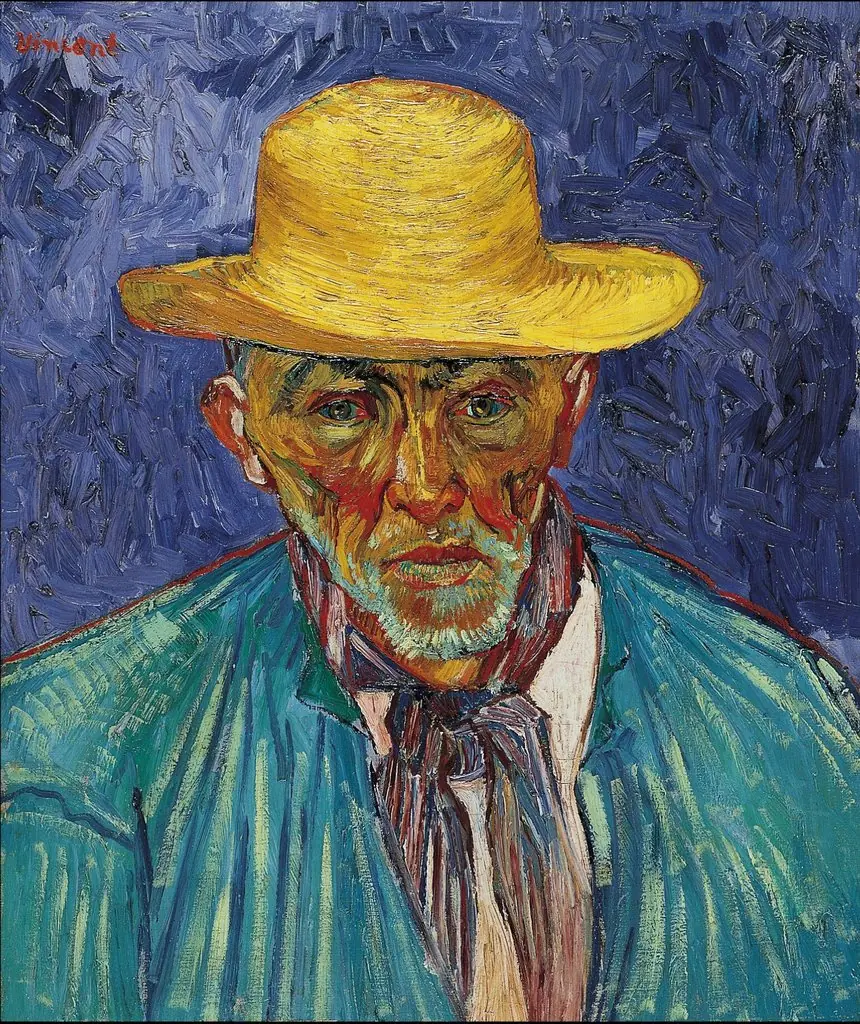
Own this work as a print
Artist & collection
Artist
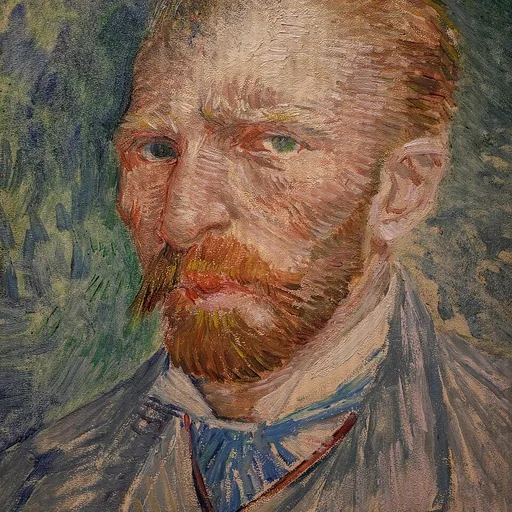
Vincent Willem van Gogh was a Dutch Post-Impressionist painter who is among the most famous and influential figures in the history of Western art.

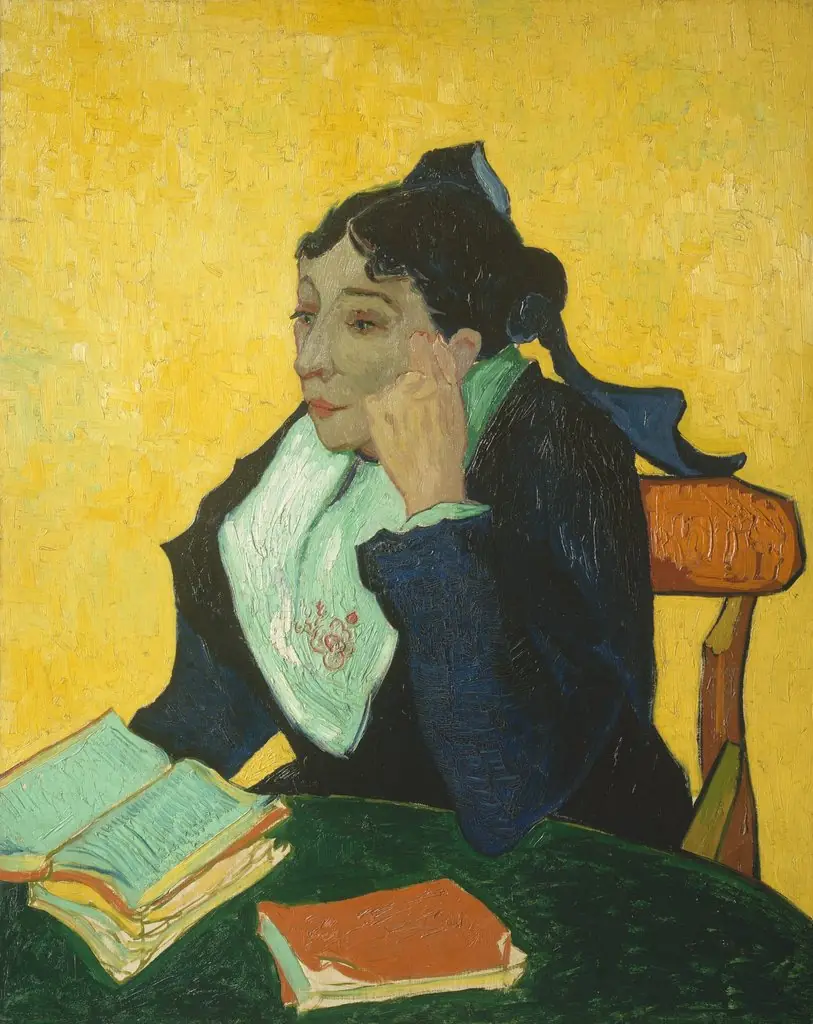
- Portrait of a Peasant (Patience Escalier)
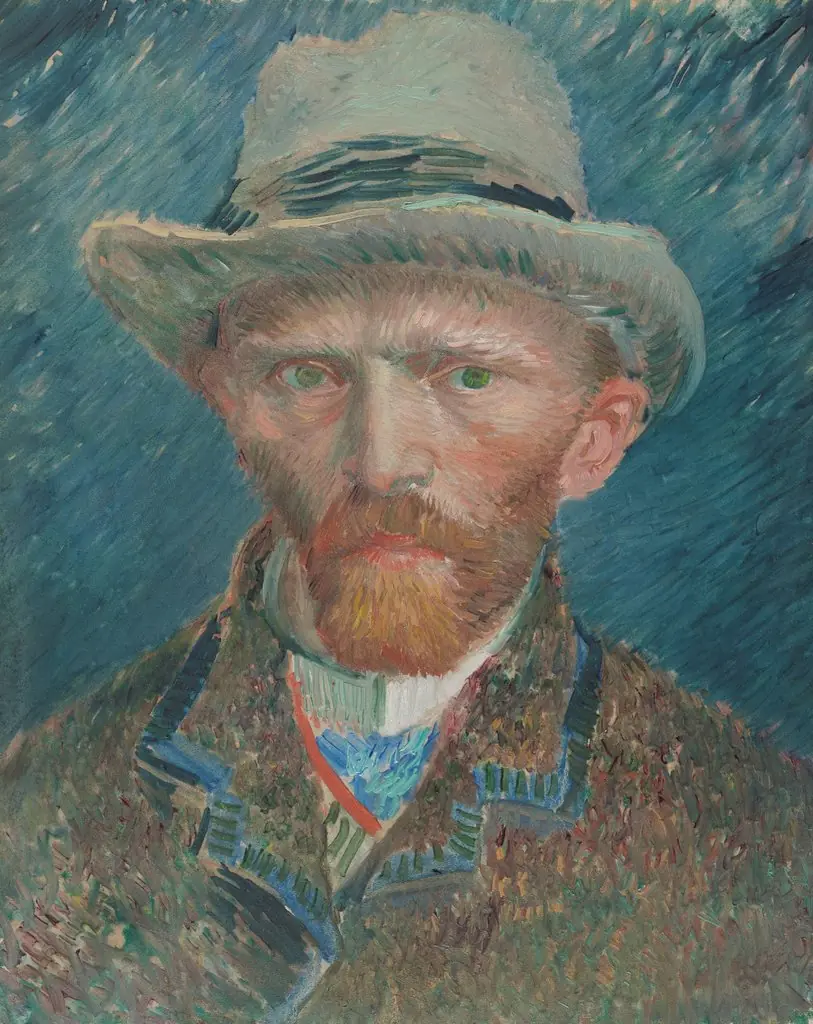 Self-portrait
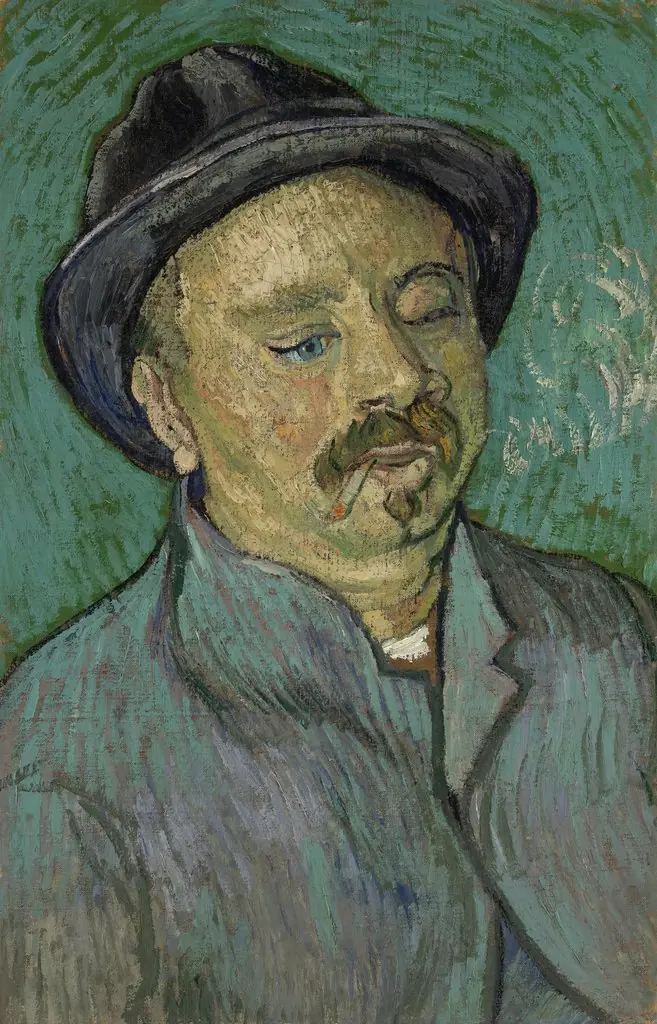 Portrait of a One-Eyed Man
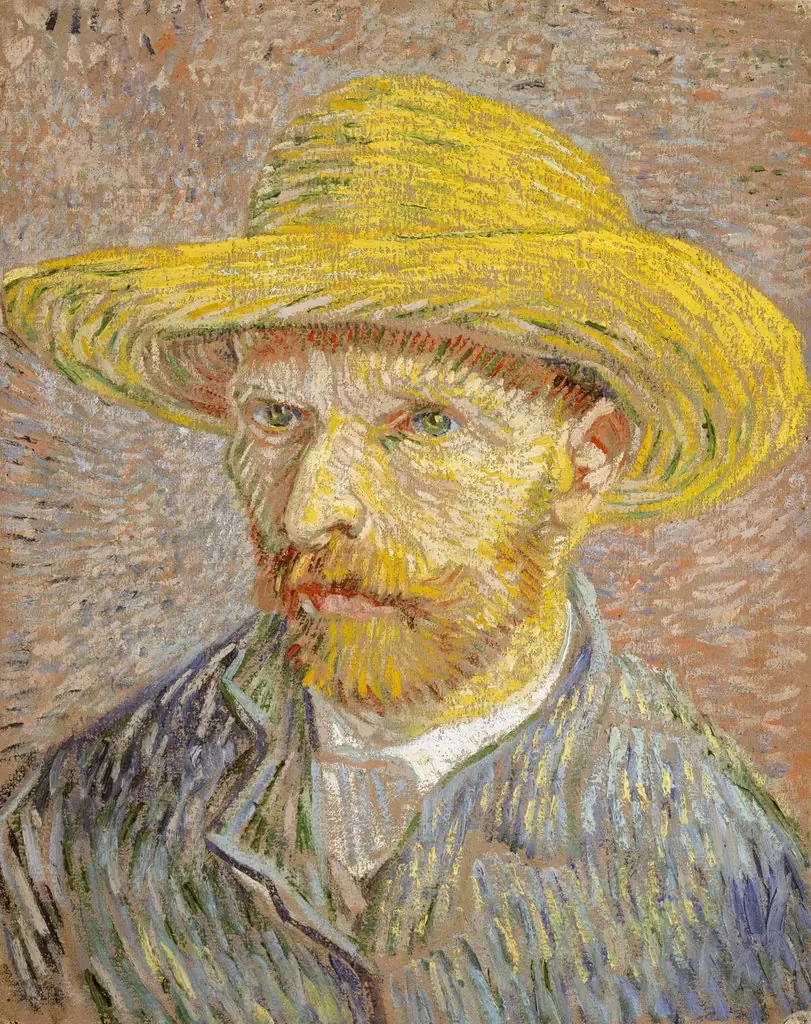
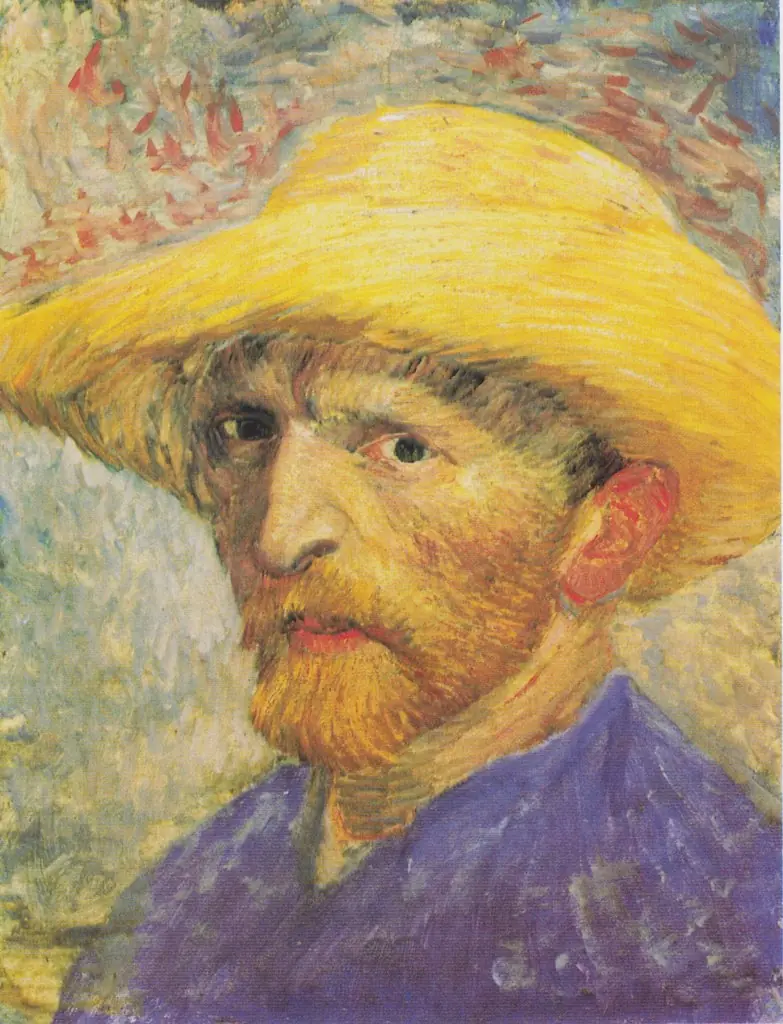 Self-Portrait with Straw Hat
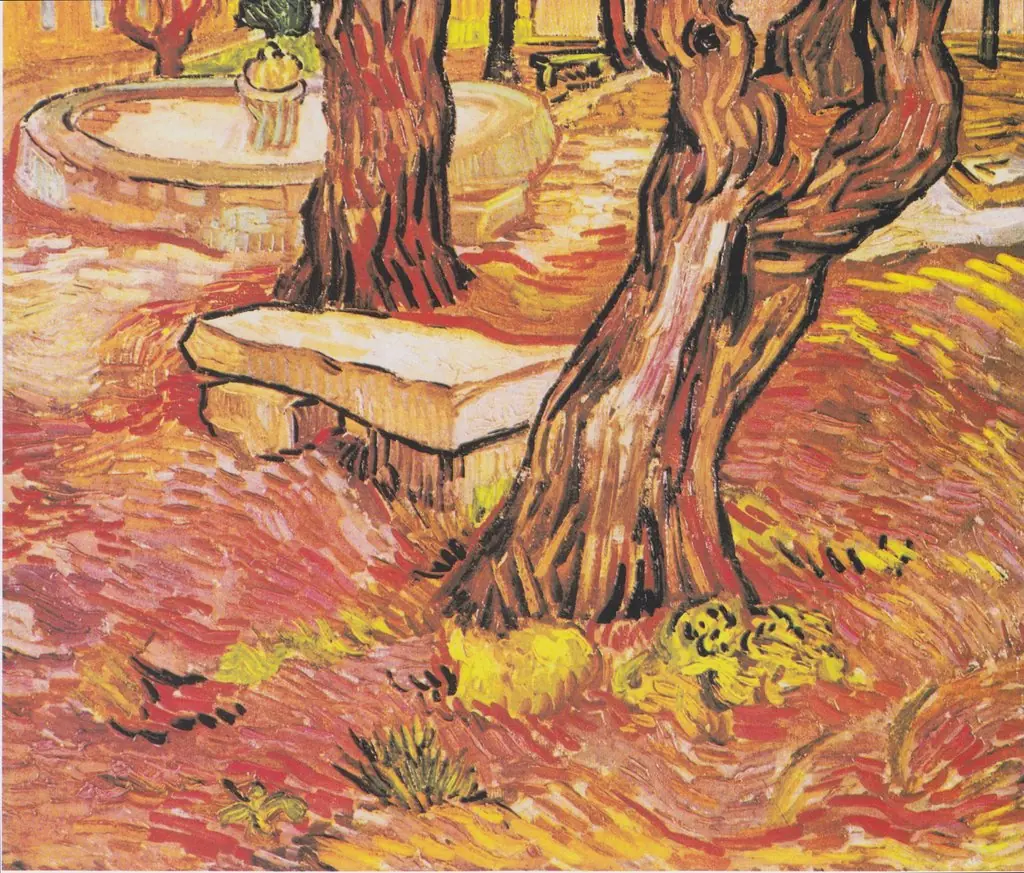 The Stone Bench in the Garden of Saint-Paul Hospital
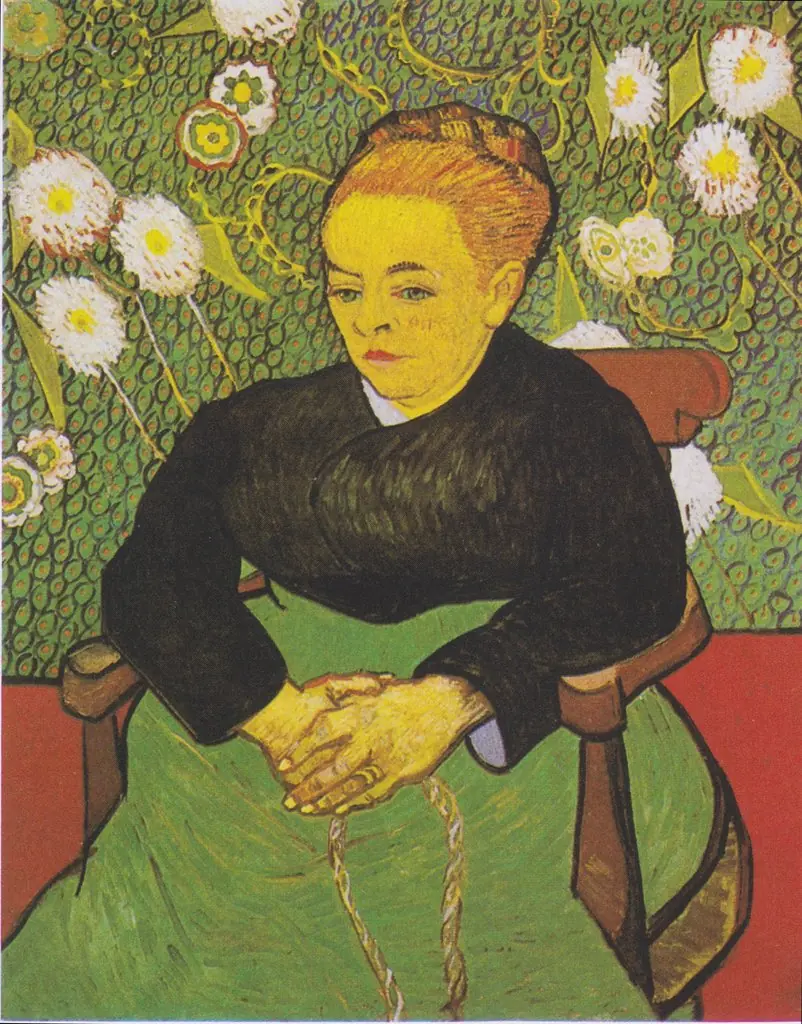 Lullaby: Madame Augustine Roulin Rocking a Cradle (La Berceuse)
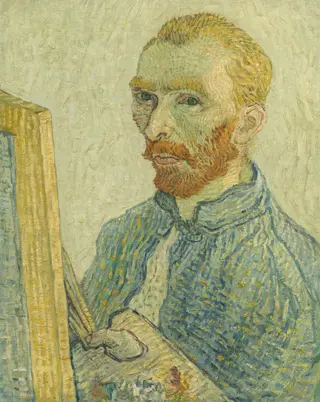 Portrait of Vincent van Gogh
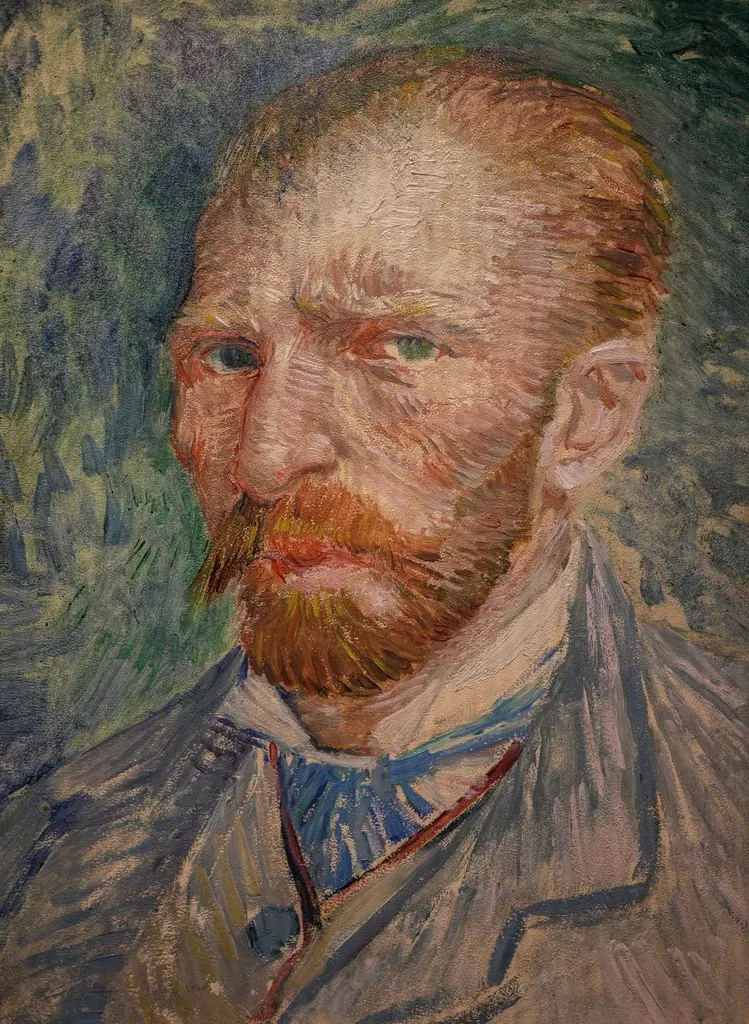 Self portrait by Vincent van Gogh
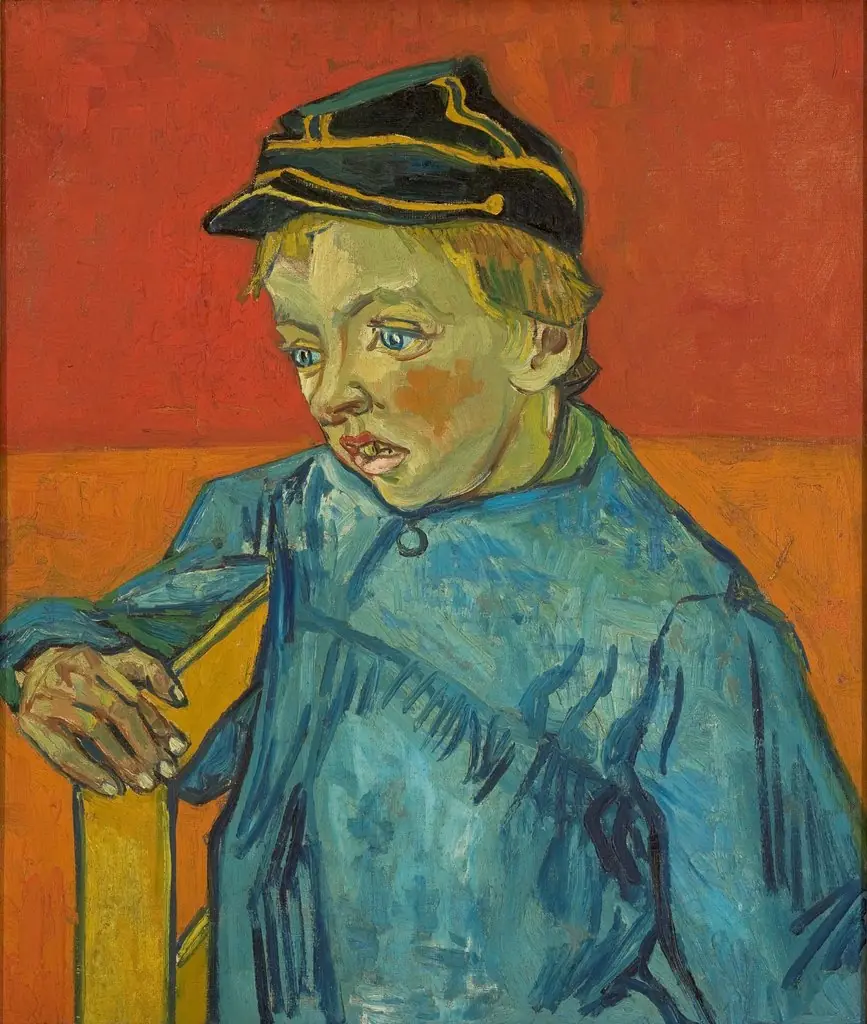 The Schoolboy
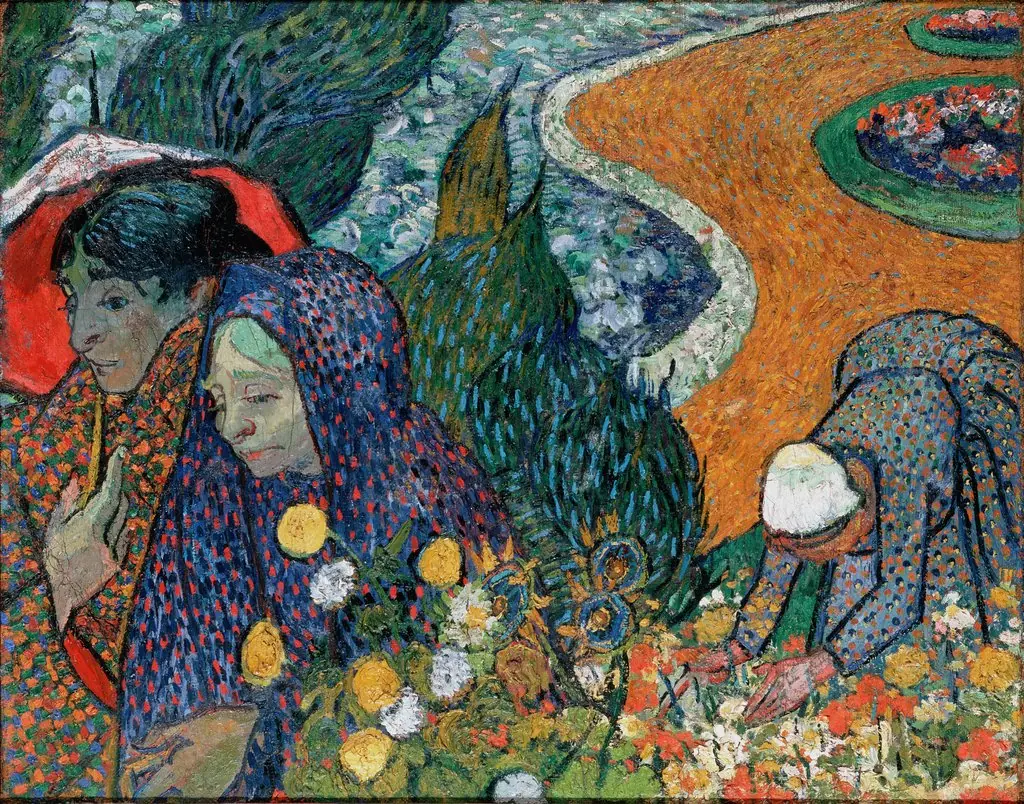 Memory of the Garden at Etten
 Self-Portrait with a Straw Hat