Artwork
La Beata Mariana de Jesús
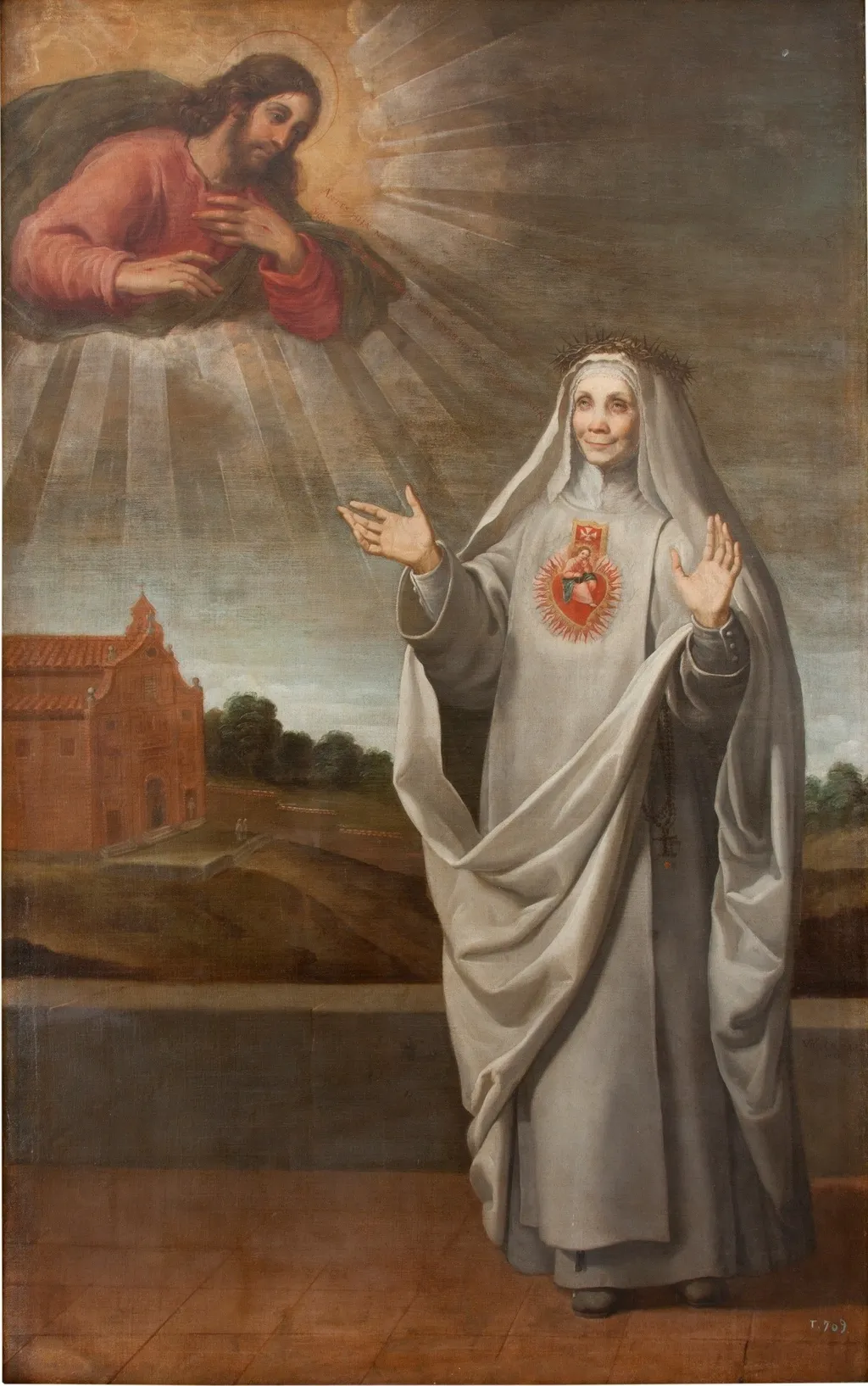
La Beata Mariana de Jesús is an oil painting by the Early Baroque Italian artist Vincenzo Carducci. It dates from 1625 and is held in the collection of the Museo del Prado.
About this work
Subject & Meaning
The painting shows the young mystic Mariana de Jesús in a devotional pose, emphasizing her sanctity through a modest, contemplative expression and traditional habit. Symbolic elements such as the rosary and a small crucifix highlight her devotion to the Passion of Christ, underscoring themes of sacrifice and divine love.
Technique & Style
The handling of brushwork suggests a semi-finished surface typical of studio production in the Carducci workshop.
The work is an oil painting executed on canvas, reflecting Baroque religious composition and naturalistic modeling characteristic of early 17th-century Spanish devotional art. Its formal qualities include a restrained palette, chiaroscuro modeling of the figure, and a focus on spiritual intensity expressed through the sitter's gaze and gestures. The handling of brushwork suggests a semi-finished surface typical of studio production in the Carducci workshop.
The painting measures 223 cm in height by 141 cm in width, confirming its large-scale devotional function.
History & Provenance
La Beata Mariana de Jesús is an oil painting on canvas by Vincenzo Carducci (also known as Vicente Carducho), dated 1625. The work was created in that year, as recorded in both the canonical record and the Wikidata entry, which gives an inception date of 1625. The painting measures 223 cm in height by 141 cm in width.
The work is associated with the Museo del Prado, where it is currently located, and with the Museo de la Trinidad collection. The sources do not provide further detail on the original commission, the circumstances of its creation, or the chain of ownership that led from its production in 1625 to its present institutional home.
La Beata Mariana de Jesús is held by the Museo del Prado. The painting was formerly part of the collection of the Museo de la Trinidad, which was subsequently absorbed into the Prado's holdings.
No specific inventory or accession number, and no exhibition history, is documented in the available sources for this work.
Context
Created in 1625 by Vincenzo Carducci (also known as Vicente Carducho), La Beata Mariana de Jesús stands as a significant example of early 17th-century Spanish religious painting. The work, executed in oil on canvas, depicts the mystic Mariana de Jesús and is currently held by the Museo del Prado, having originated from the Museo de la Trinidad collection. As a major production by Carducci, a prominent figure in the Spanish court, the painting reflects the devotional intensity characteristic of the artist's wider oeuvre during this period.
Its large dimensions, measuring 223 cm in height and 141 cm in width, underscore its intended impact within a religious or monastic setting, aligning with the Counter-Reformation emphasis on visual piety prevalent in Spain at the time.
Legacy
The painting is recognized as an early example of Baroque religious art that contributed to the development of devotional imagery in 17th‑century Spanish painting. Its depiction of the mystic figure Mariana de Jesús influenced later artists’ approaches to saintly representation, particularly in the use of naturalistic detail and emotive expression. The work’s presence in major collections such as the Museo del Prado has ensured continued scholarly attention to its stylistic innovations and its role in shaping devotional practices within the Spanish Counter‑Reformation.
Overview
Created in 1625, La Beata Mariana de Jesús is an oil painting by Vincenzo Carducci, an Italian artist who spent much of his career in Spain. Executed during the early Baroque period, the work belongs to the religious genre and is presently part of the Museo del Prado’s collection.
Artist & collection
Artist
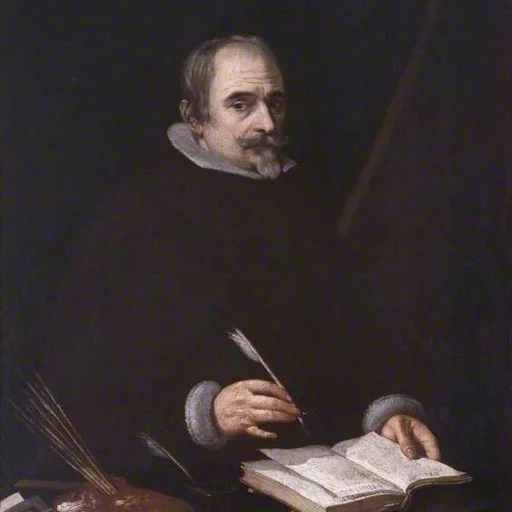
Vincenzio Carduccio (in Spanish, sometimes Vicencio or Vicente Carducho; 1576 or 1578–1638) was an Italian painter who spent his career in Spain.

- Santa Rosa de Lima
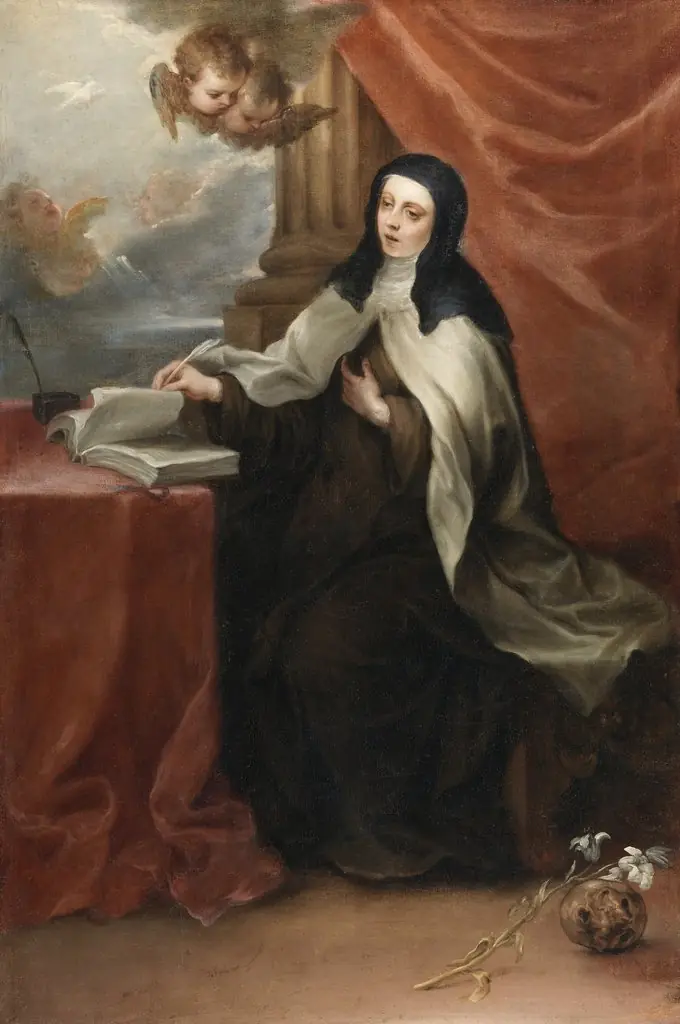 Saint Teresa of Avila
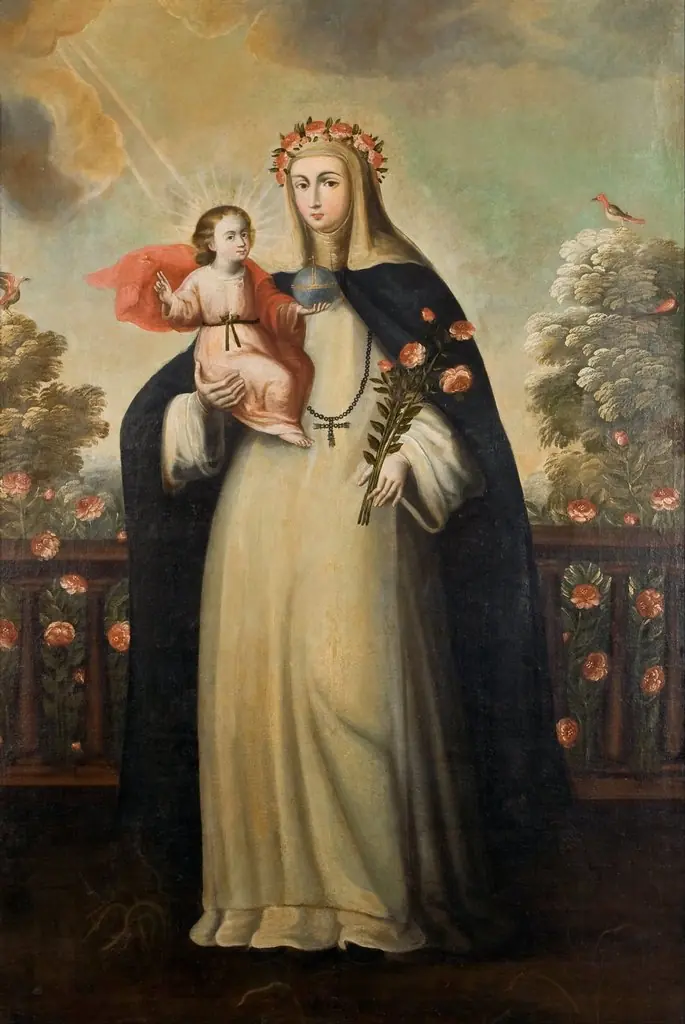 Saint Rose of Lima with Child Jesus
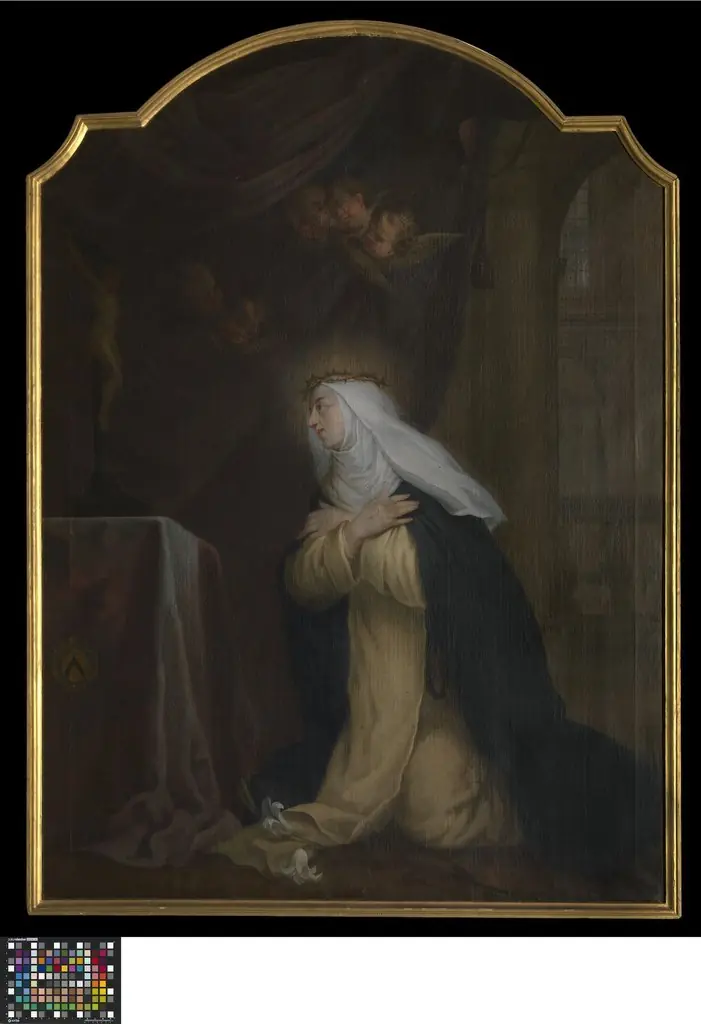 Heilige Catharina van Siena in extase
 En helgeninde, udklædt som nonne i hvid dragt med sort slør, holdende monstransen i den højre hånd
 En helgeninde, udklædt som nonne i hvid dragt med sort slør, holdende monstransen i den højre hånd
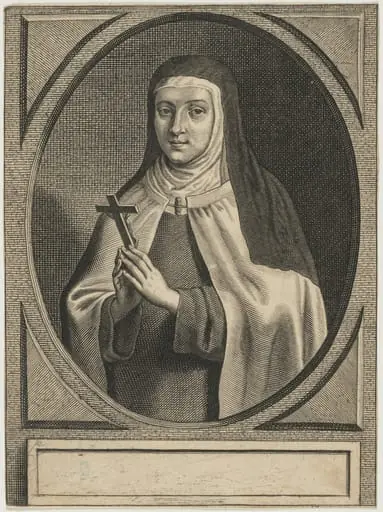 Portrait of a Nun Holding Crucifix
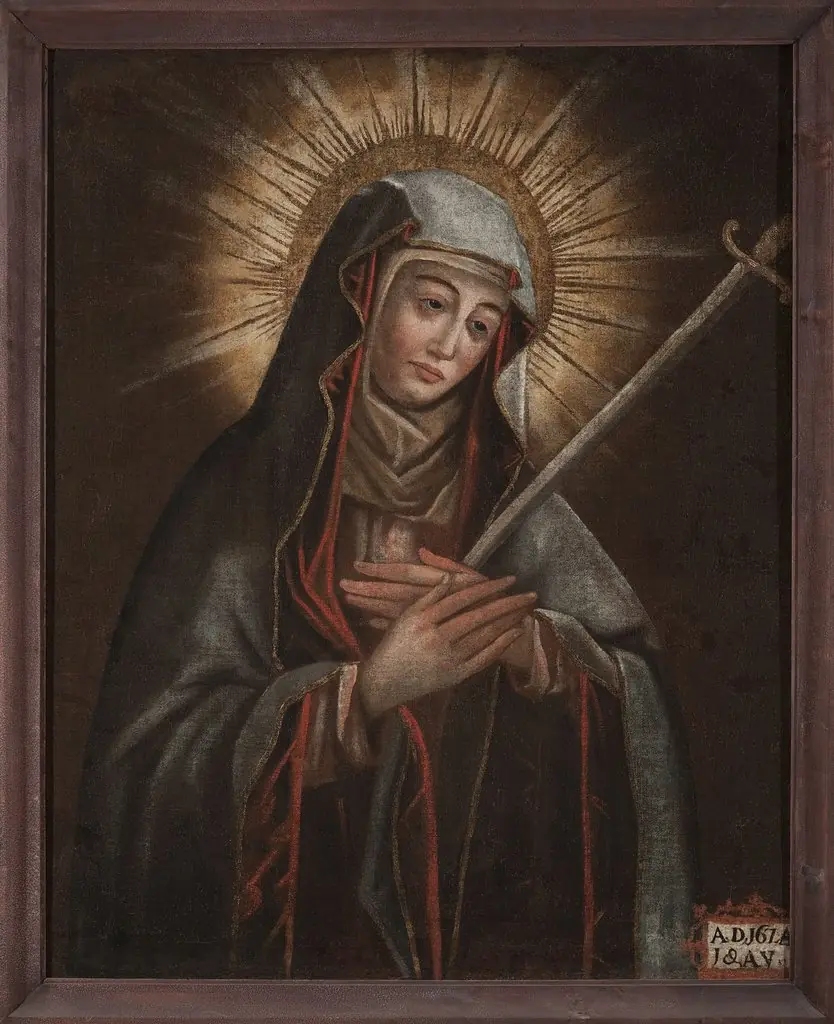 Our Lady of Sorrows
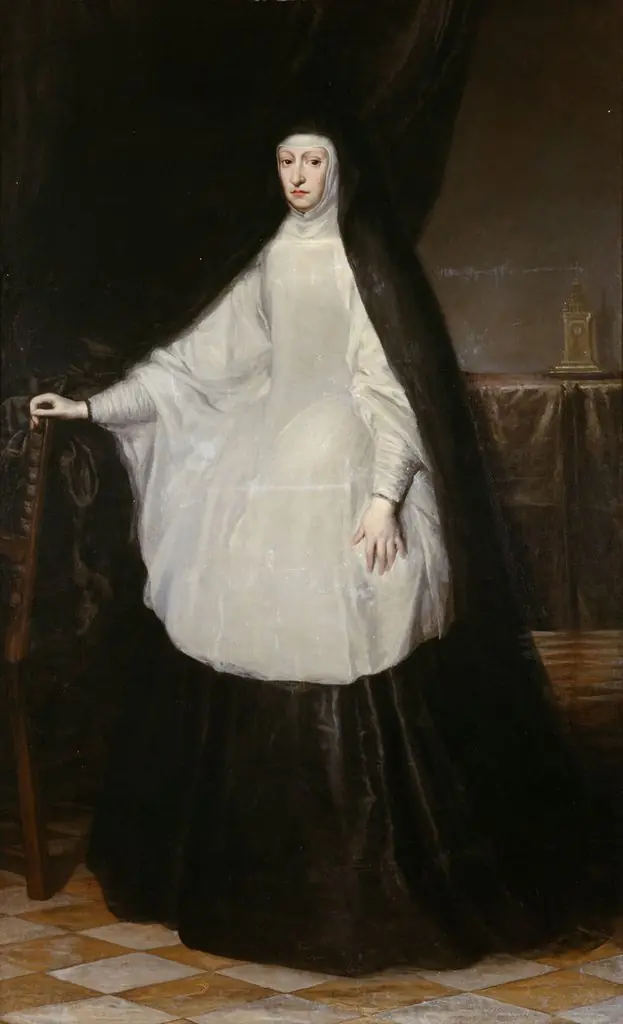 Erzherzogin Maria Anna, Königin von Spanien, als Witwe
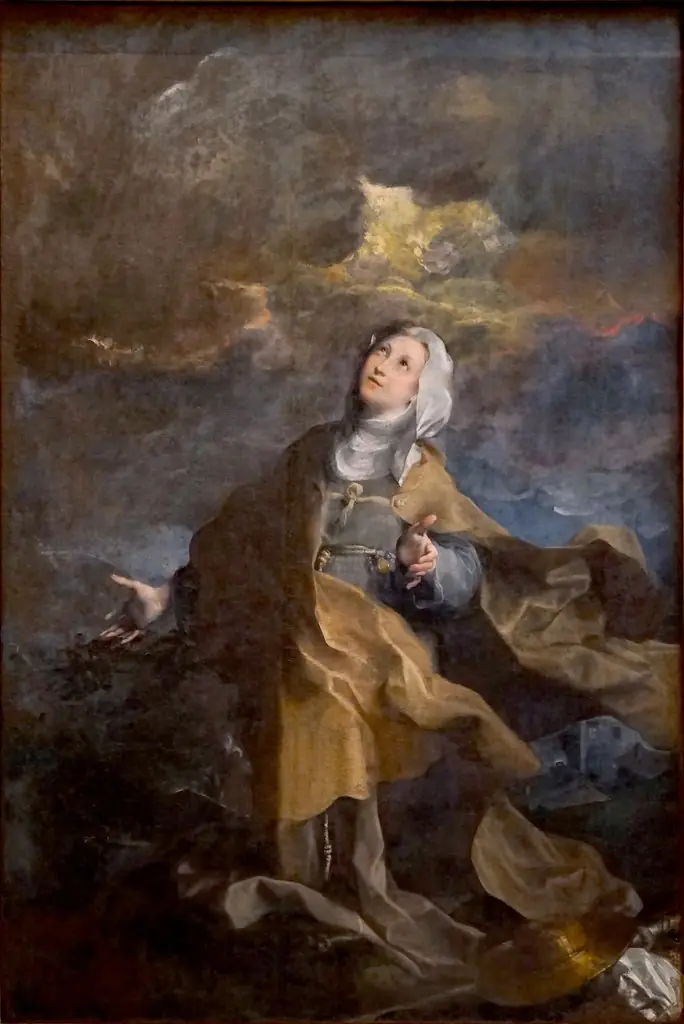 Beata Michelina
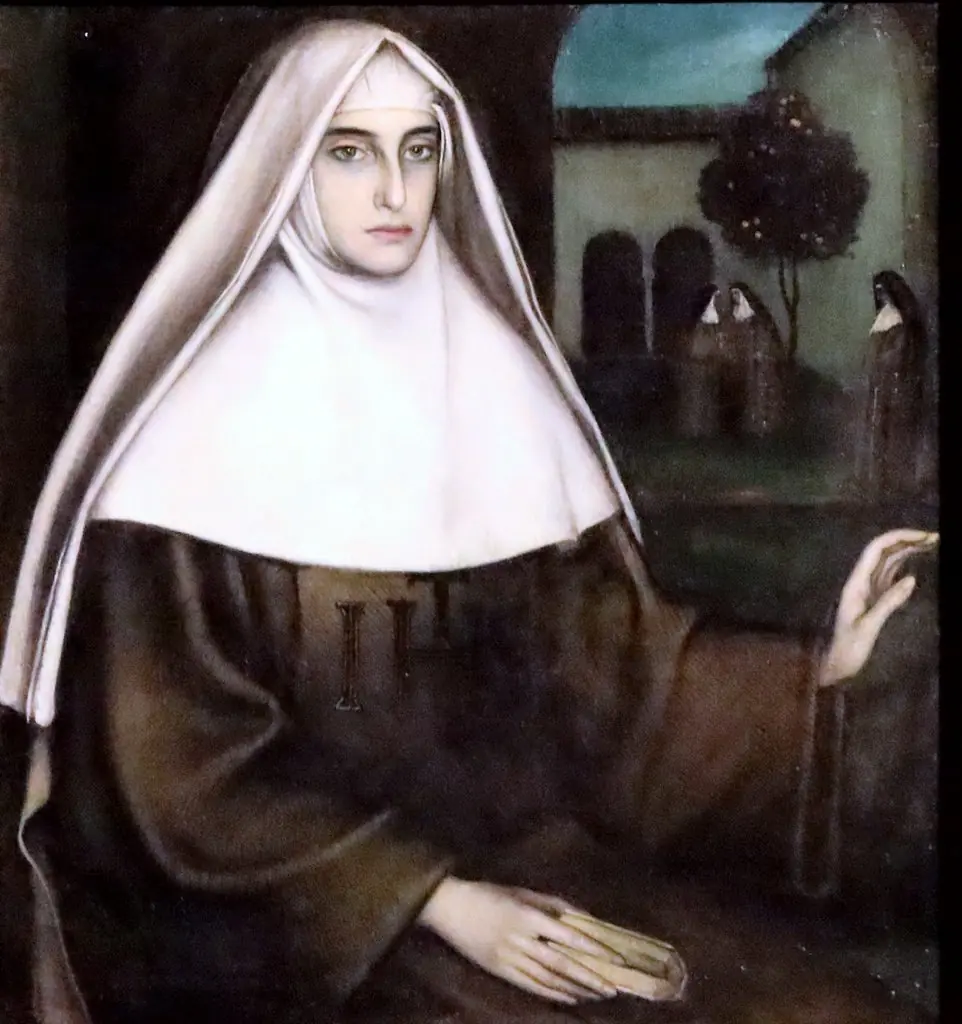 La novícia (Museu Nacional d'Art de Catalunya, inv 024157-004)
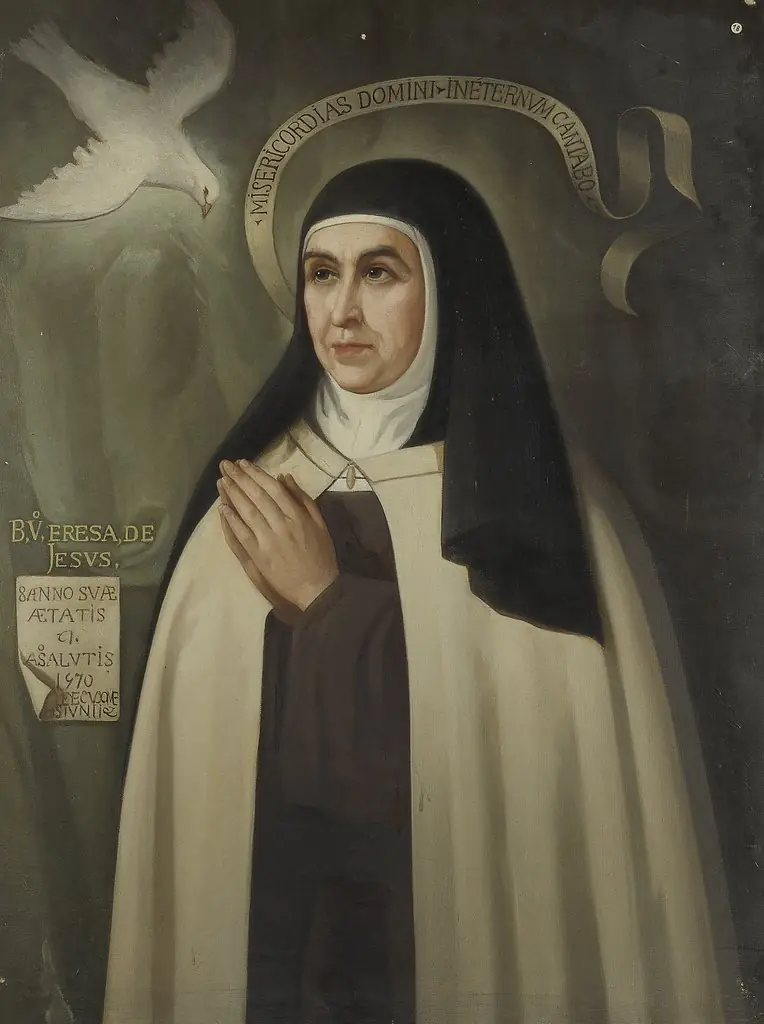 Saint Teresa of Ávila