Artwork
Saint Bruno Prays in La Torre Calabria
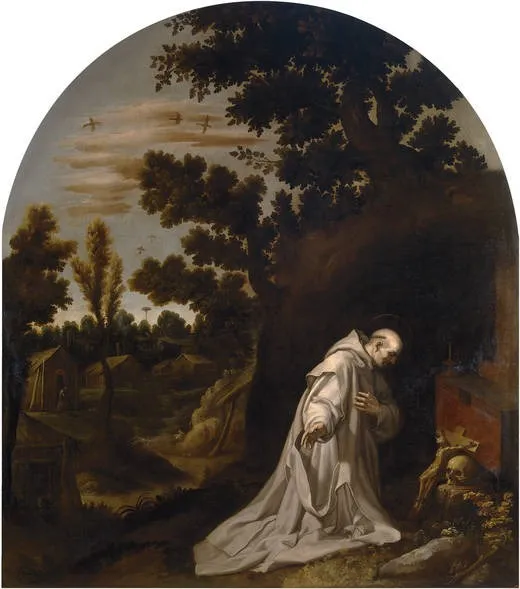
Saint Bruno Prays in La Torre Calabria is an oil painting by the Early Baroque Italian artist Vincenzo Carducci. It dates from 1626 and is held in the collection of the Museo del Prado.
About this work
Subject & Meaning
The painting portrays Saint Bruno engaged in prayer within the rugged landscape of La Torre Calabria, emphasizing his contemplative devotion.
The painting portrays Saint Bruno engaged in prayer within the rugged landscape of La Torre Calabria, emphasizing his contemplative devotion. Central iconography includes a skull and crucifix, symbols of mortality and Christ’s sacrifice that underscore the work’s theological focus on repentance and divine grace. The composition reflects Baroque religious art’s intent to convey spiritual intensity and the saint’s ascetic resilience.
Symbolically, the skull serves as a memento mori, reminding viewers of earthly transience, while the crucifix anchors the scene in Christian redemption, together representing Bruno’s sanctified communion with divine will.
Technique & Style
The work is executed in oil paint on a canvas support measuring 337 cm in height and 297.5 cm in width. Carducci’s handling emphasizes chiaroscuro to articulate the saint’s ascetic figure against the cavernous interior, with controlled, layered glazes that model the folds of the habit and the skeletal remains resting on the ledge. The composition’s formal qualities foreground a restrained dynamism: the diagonal thrust of the praying figure directs the viewer’s gaze toward the crucifix and skull, both rendered with precise, almost sculptural definition.
The palette remains subdued, relying on earthy ochres and blacks to heighten the spiritual gravity of the scene.
History & Provenance
Vincenzo Carducci created the oil painting Saint Bruno Prays in La Torre Calabria in 1626. The work, executed on canvas, measures 337 cm in height and 297.5 cm in width. It depicts the religious subject of Saint Bruno praying alongside a skull and a crucifix.
The painting is currently held in the collection of the Museo del Prado in Madrid, having previously been part of the Museo de la Trinidad.
Saint Bruno Prays in La Torre Calabria is held in the collection of the Museo del Prado in Madrid. The work is associated with the holdings of both the Museo del Prado and the Museo de la Trinidad, reflecting its institutional history within the Spanish national collections.
No specific inventory or accession number is recorded in the available sources, nor is any exhibition history documented.
Overview
Vincenzo Carducci, an Italian-born painter active in Spain, completed the oil painting Saint Bruno Prays in La Torre Calabria in 1626. The work exemplifies early Baroque sensibilities and is part of the Museo del Prado’s collection.
Context
The work reflects the Counter‑Reformation emphasis on personal piety and the visual language of early Baroque Italy, where dramatic lighting and symbolic objects such as skulls were used to inspire devotional reflection.
Artist & collection
Artist
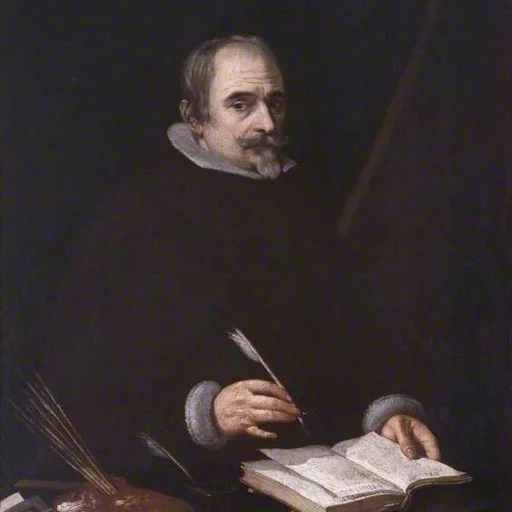
Vincenzio Carduccio (in Spanish, sometimes Vicencio or Vicente Carducho; 1576 or 1578–1638) was an Italian painter who spent his career in Spain.

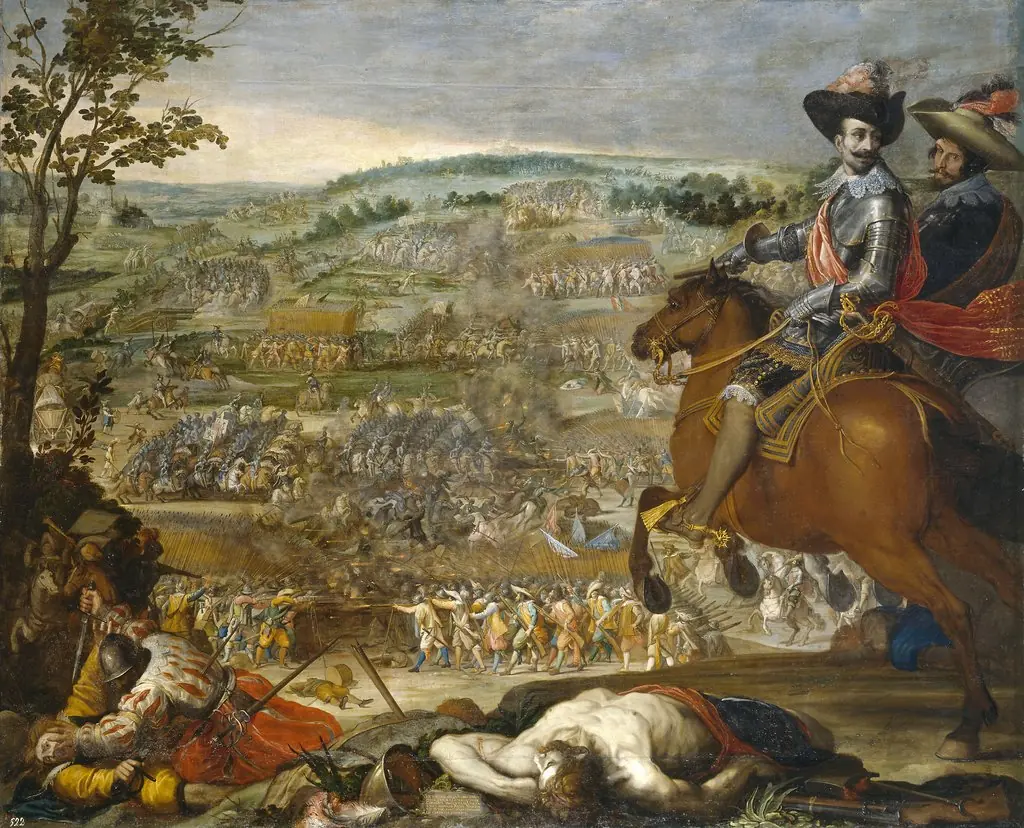
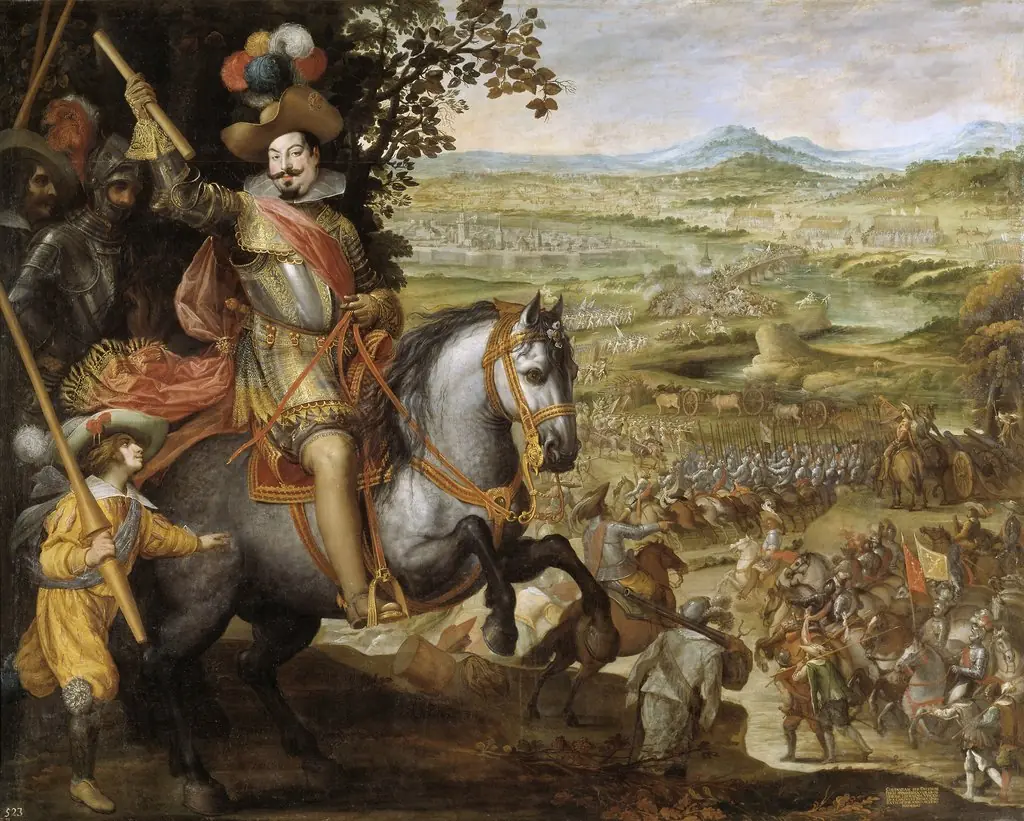
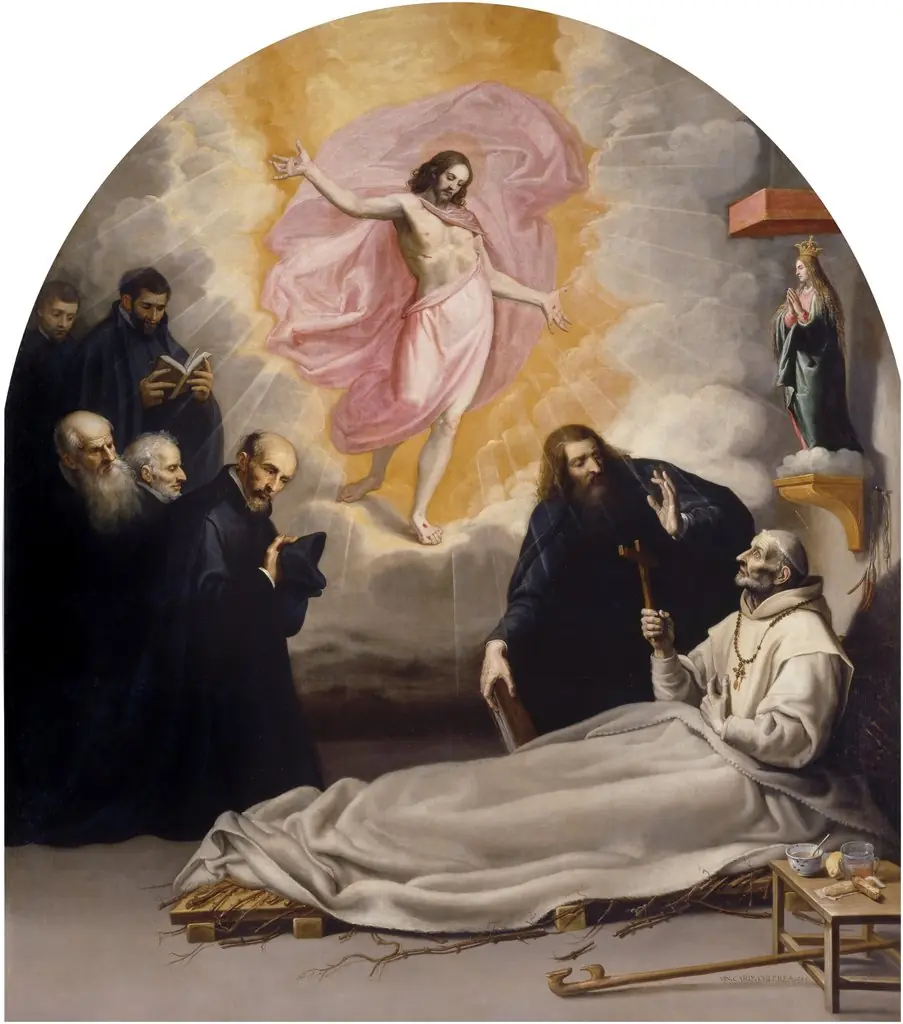
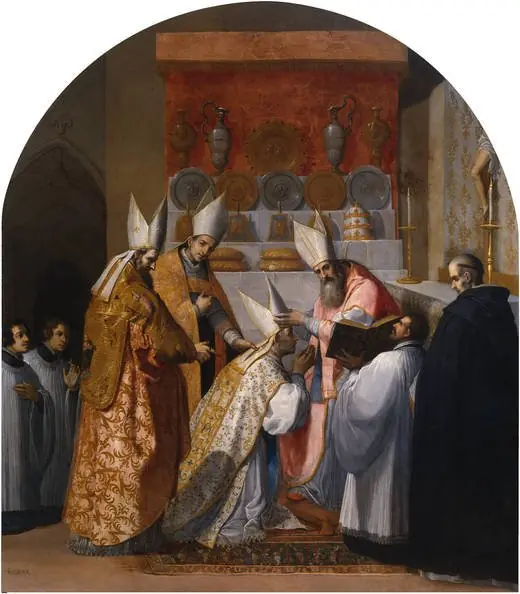
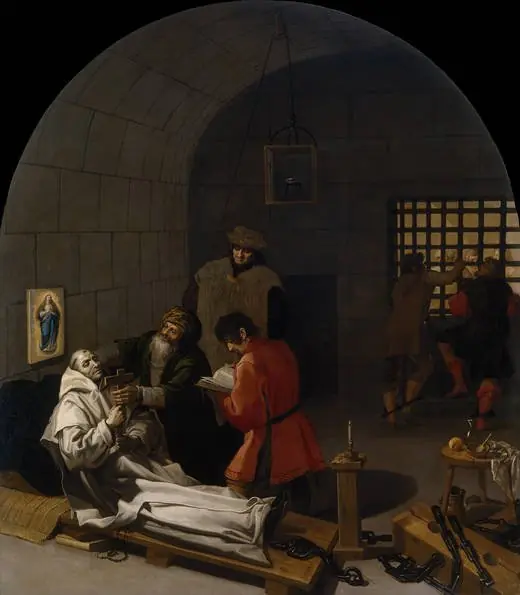
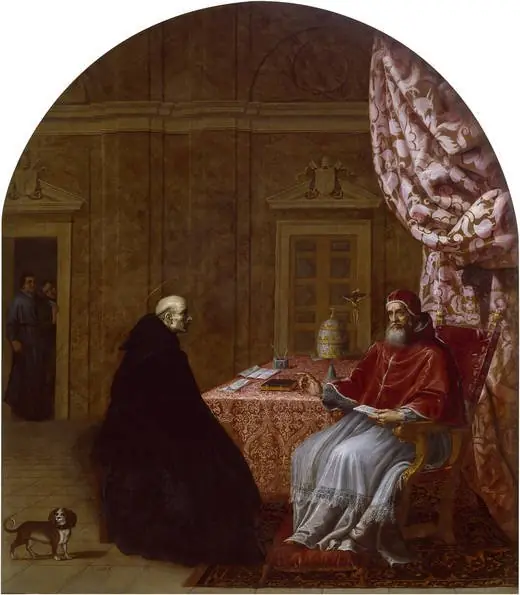
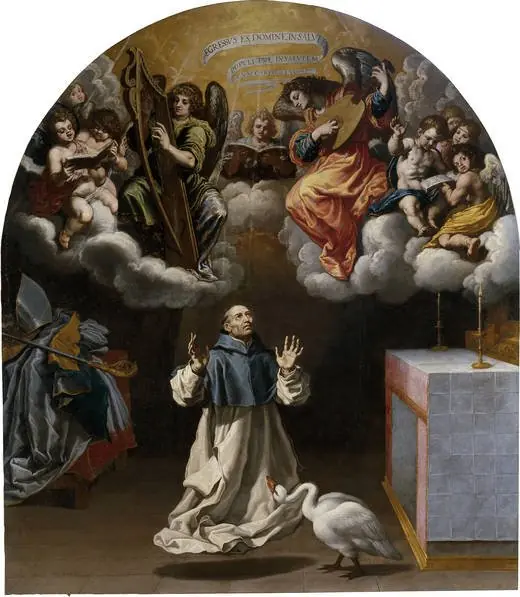
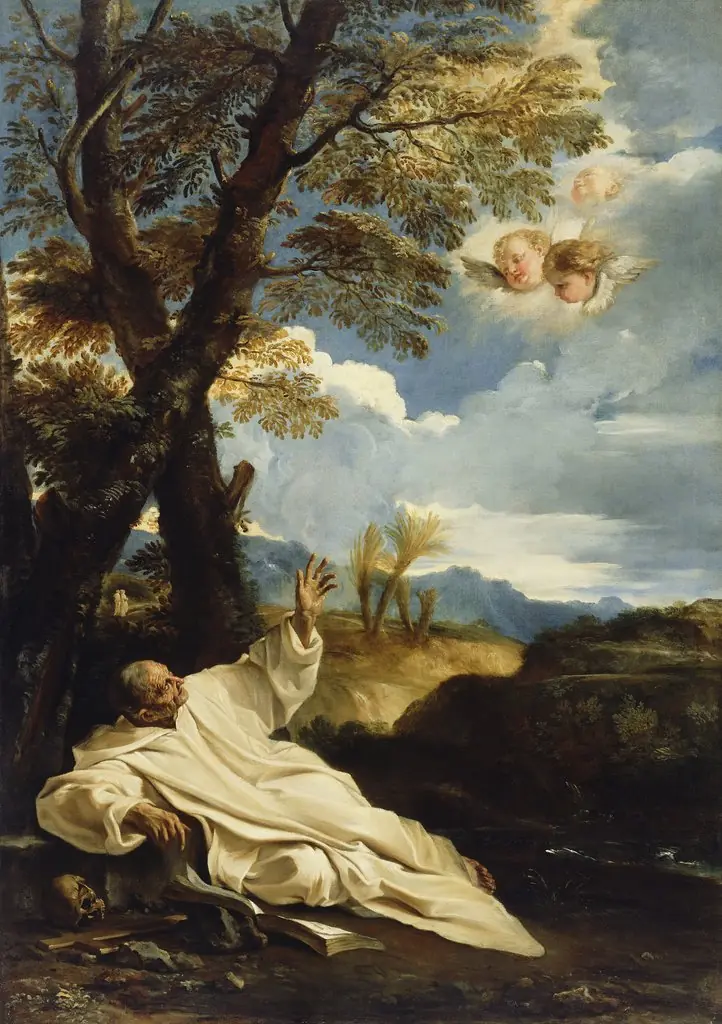
- The Vision of Saint Bruno
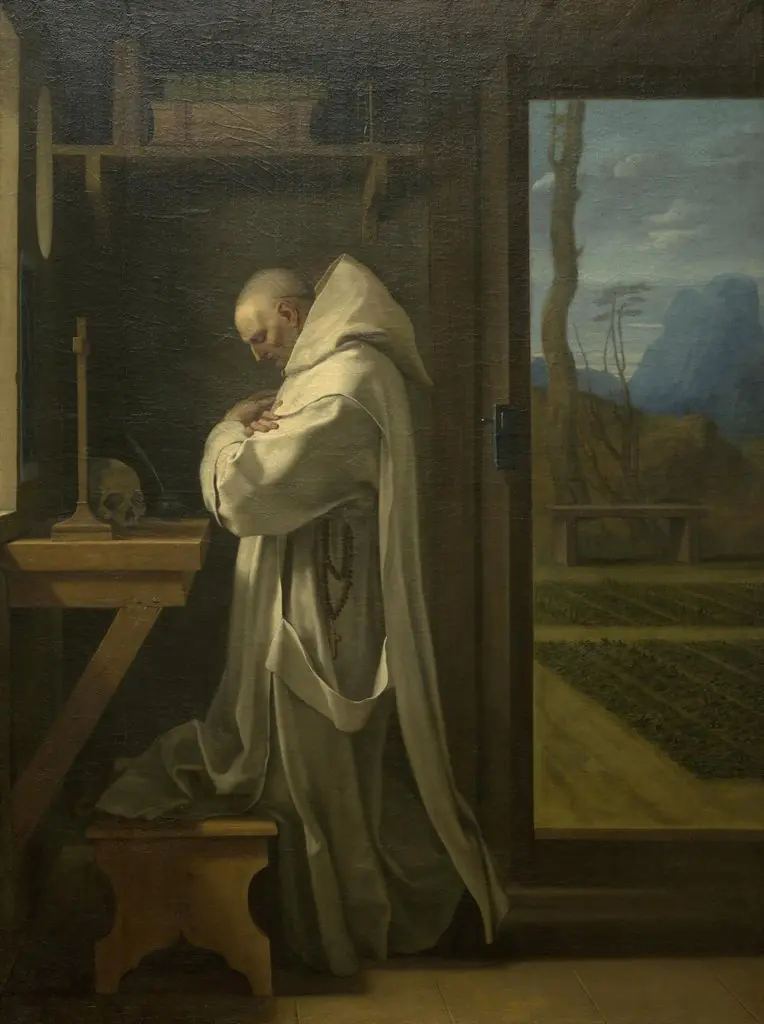 St. Bruno in Prayer
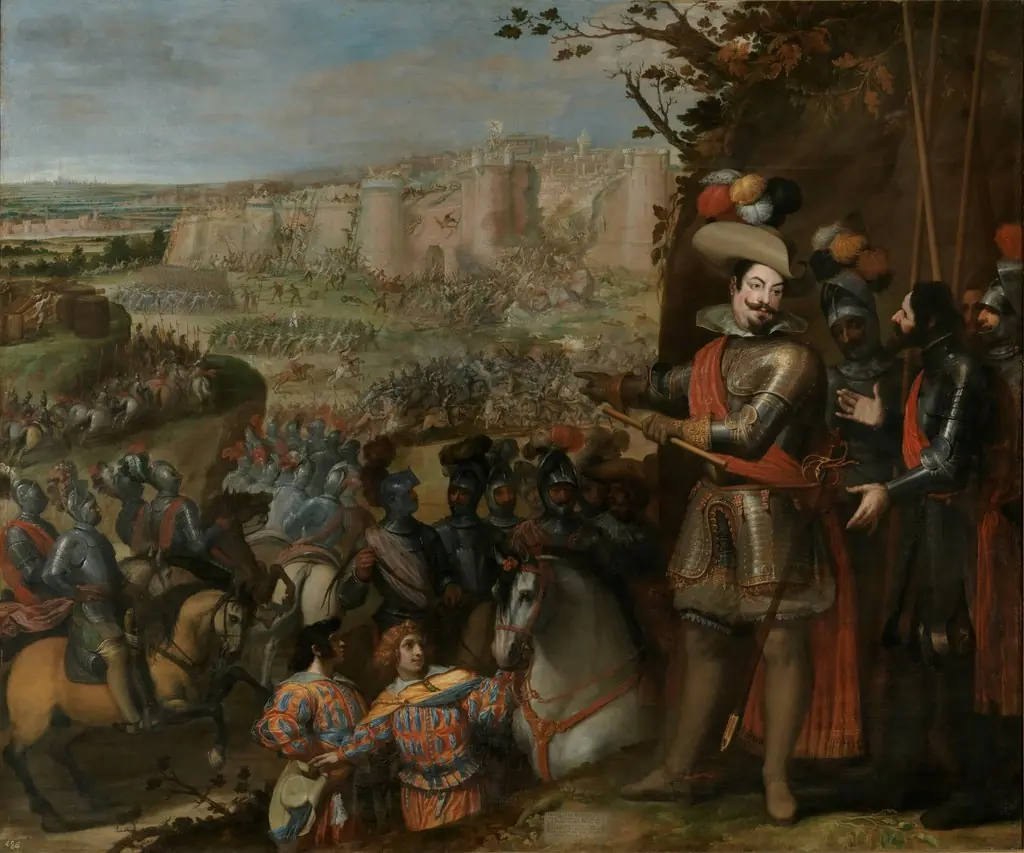
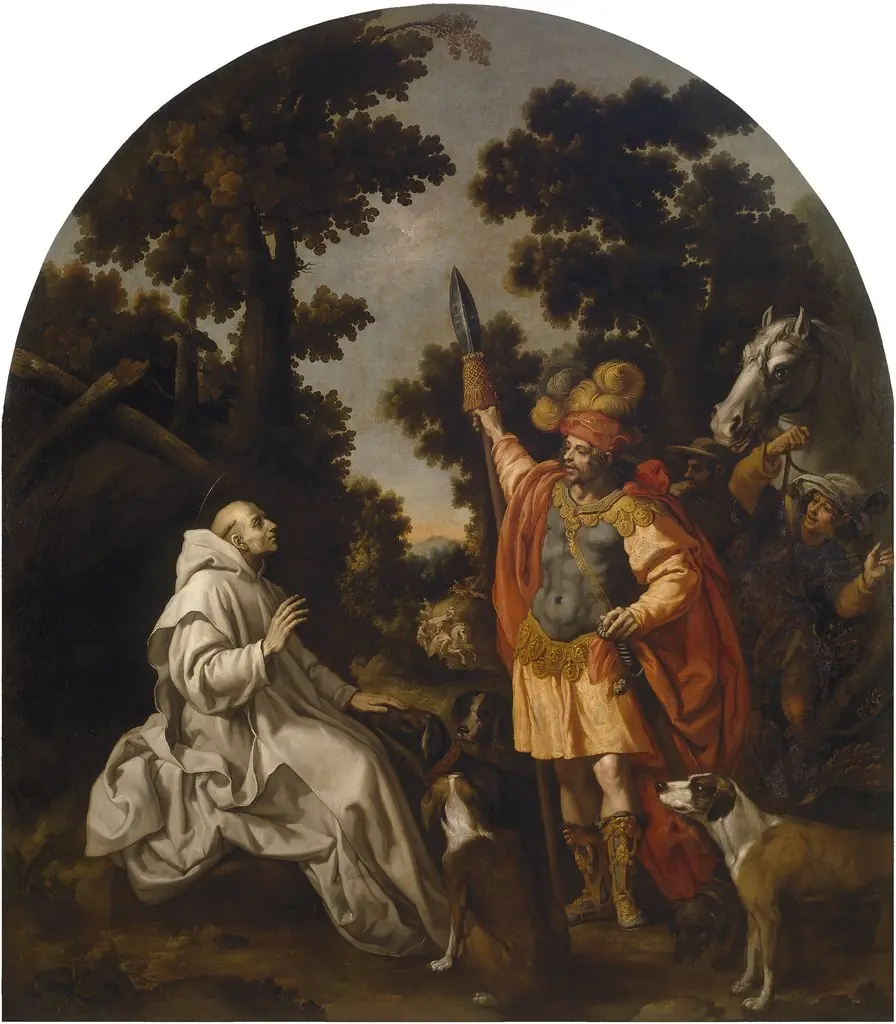 Saint Bruno Encounters the Count of Sicily and Calabria
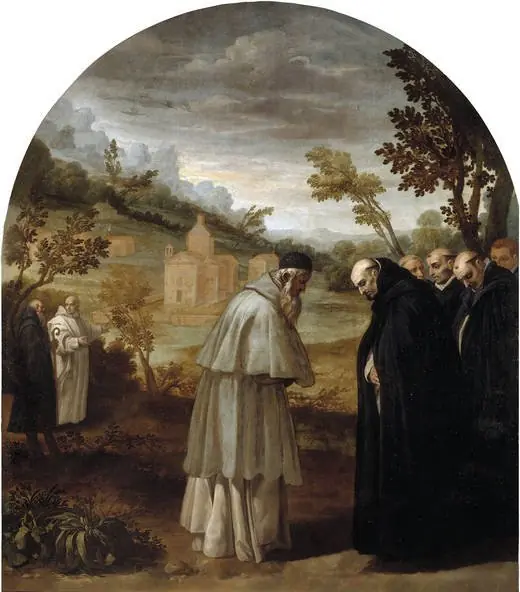 Saint Bruno Bids Farewell to Saint Hugo Before his Trip to Rome
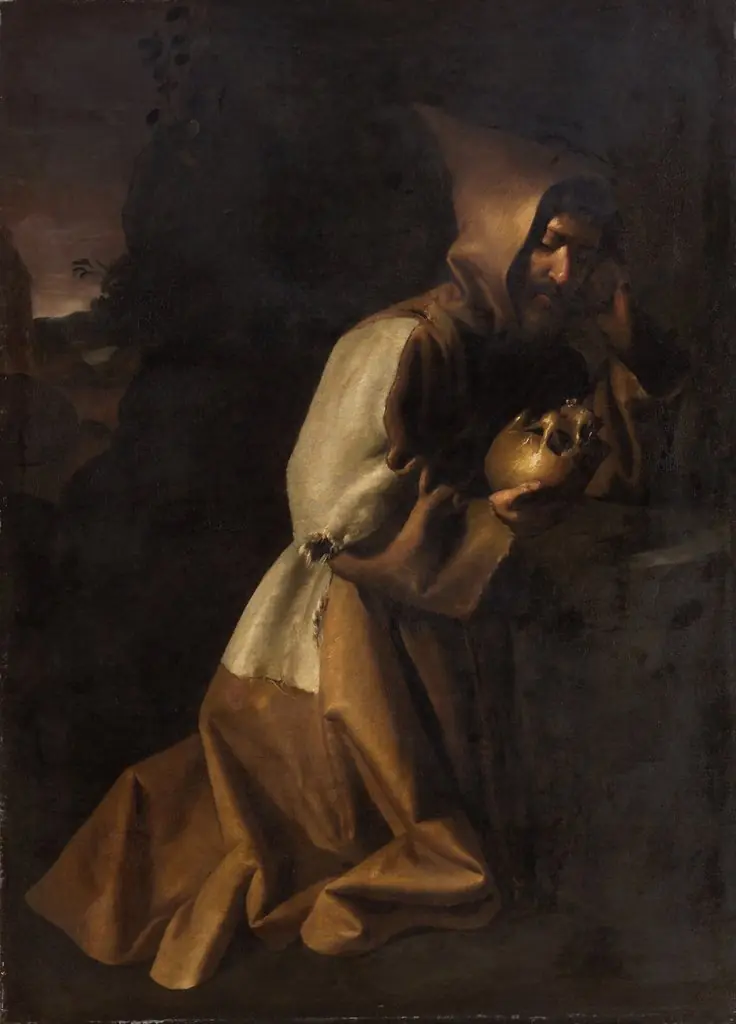 Saint Francis in prayer
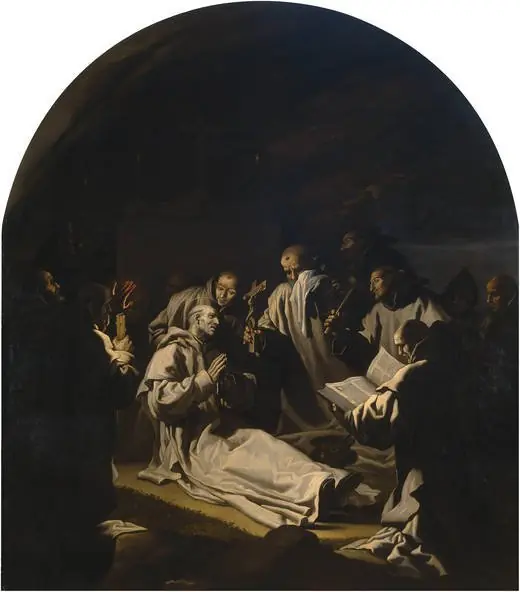 The Death of Saint Bruno
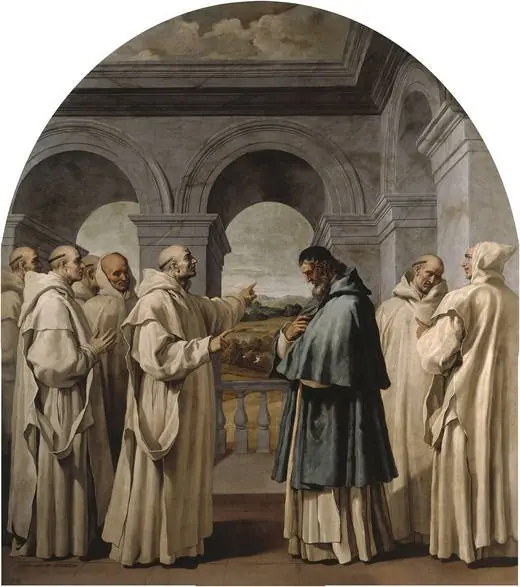 Saint Bruno Bids Farewell to Saint Hugo
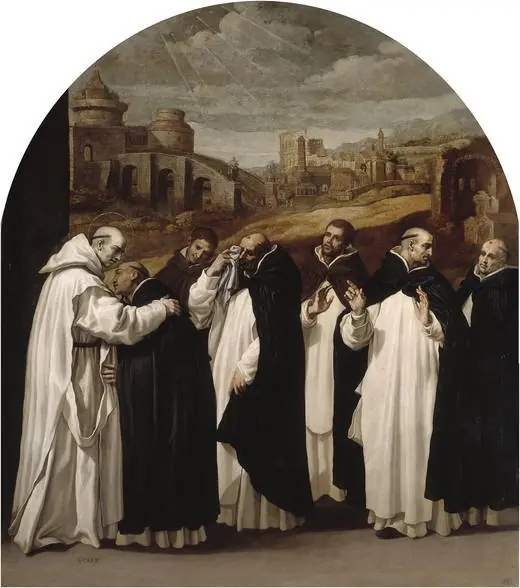 Saint Bruno Bids Farewell to his Companions in Rome
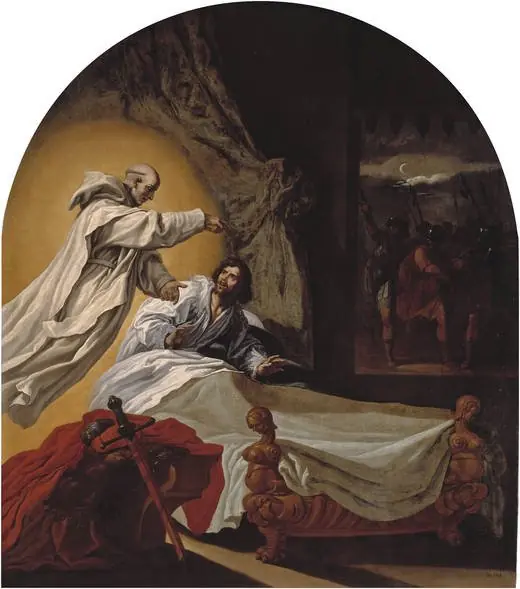 Saint Bruno Appears to Rogerio Guiscardo Count of Apulia and Calabria