Artwork
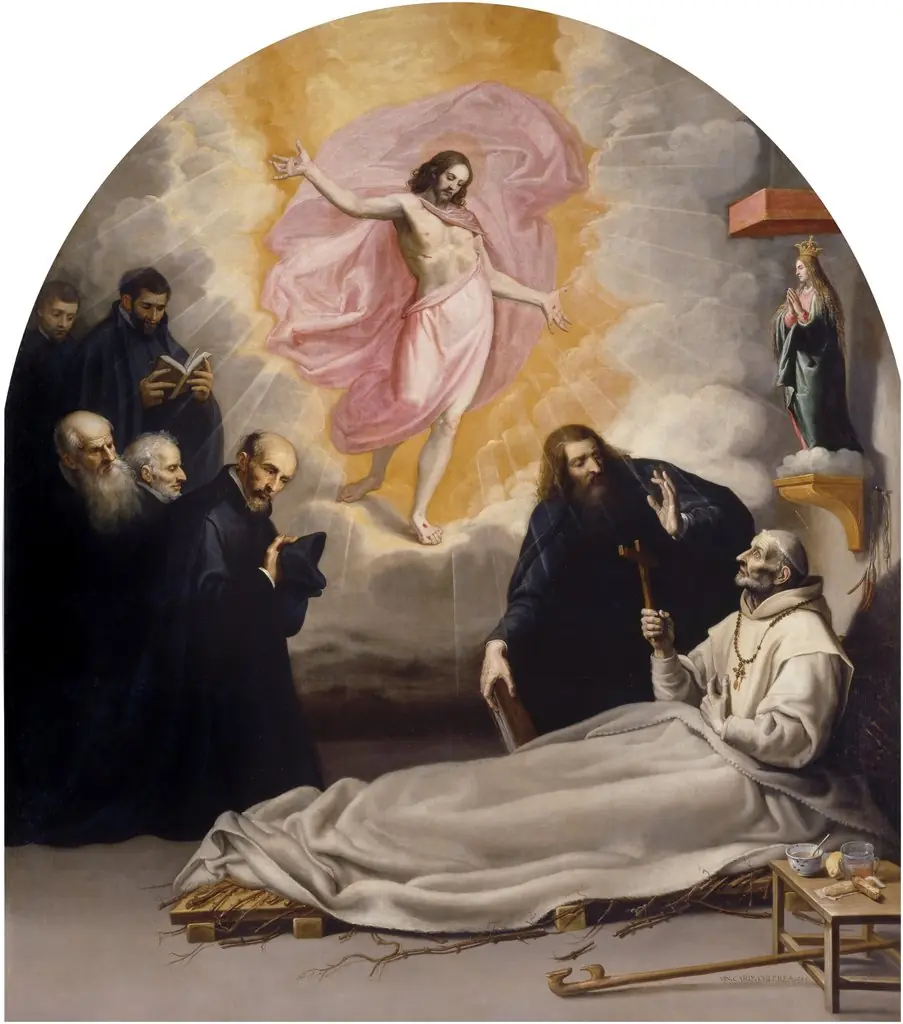
The Death of Saint Bruno
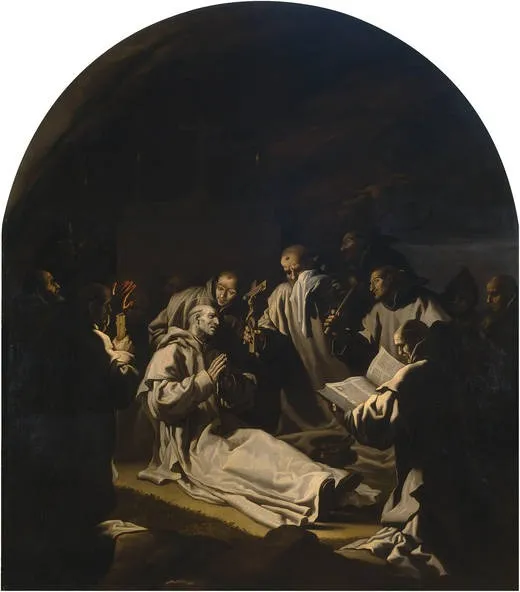
The Death of Saint Bruno is an oil painting by the Early Baroque Italian artist Vincenzo Carducci. It dates from 1626 and is held in the collection of the Museo del Prado.
About this work
Subject & Meaning
These iconographic elements together convey the work’s religious significance and its focus on martyrdom within the Catholic tradition.
The Death of Saint Bruno depicts the saint at the moment of his passing, surrounded by traditional symbols of martyrdom and devotion. A book, candle, and crucifix appear in the composition, each carrying symbolic weight: the book signifies divine wisdom, the candle represents spiritual illumination, and the crucifix underscores his sacrificial faith. These iconographic elements together convey the work’s religious significance and its focus on martyrdom within the Catholic tradition.
The painting is housed in the Museo del Prado, where it remains part of the museum’s religious art collection.
Technique & Style
The Death of Saint Bruno is an oil painting executed on canvas, a support consistent with Vincenzo Carducci's large-scale religious commissions of the period. The work measures 337 cm in height by 298 cm in width, a substantial format suited to its devotional function. Its iconography centers on a small, austere still-life grouping, a book, a candle, and a crucifix, the kind of tightly arranged attributes that Carducci rendered with restrained naturalism.
The canvas is held in the collection of the Museo del Prado (with an associated provenance from the Museo de la Trinidad), and the medium and support are documented as oil on canvas.
The painting's stylistic character is conveyed through its religious genre classification and the disciplined handling typical of Carducci's mature work, though specific condition notes, palette details, or stylistic descriptors are not recorded in the available sources.
History & Provenance
The painting was commissioned and completed in 1626 by Vincenzo Carducci, as recorded in internal sources and corroborated by Wikidata.
It entered the collection of the Museo del Prado in Madrid through the Museo de la Trinidad, which transferred its holdings to the Prado. The work remains in the permanent collection of the Museo del Prado, as documented in the museum’s records.
The Death of Saint Bruno is currently held in the collection of the Museo del Prado in Madrid. The work is also associated with the Museo de la Trinidad, which historically formed part of the Prado's holdings. This large oil painting on canvas, measuring 337 cm in height and 298 cm in width, was created in 1626 by Vincenzo Carducci.
While the provided sources confirm the museum location and dimensions, they do not list a specific inventory or accession number for the piece, nor do they document any exhibition history.
Overview
Created in 1626 by Vincenzo Carducci, an Italian artist active in Spain, this oil painting portrays the final moments of Saint Bruno. Executed in the early Baroque idiom, the work is part of the Prado Museum’s collection and presents a quiet, reverent tableau centered on a solitary figure in white robes.
Context
The work belongs to a period when artists sought to convey piety through dramatic yet intimate scenes. Saint Bruno, founder of the Carthusian order, was a frequent subject for Spanish patrons, and Carducci’s rendering aligns with contemporary efforts to visualize holy death as a model of humility and devotion.
Artist & collection

Artist
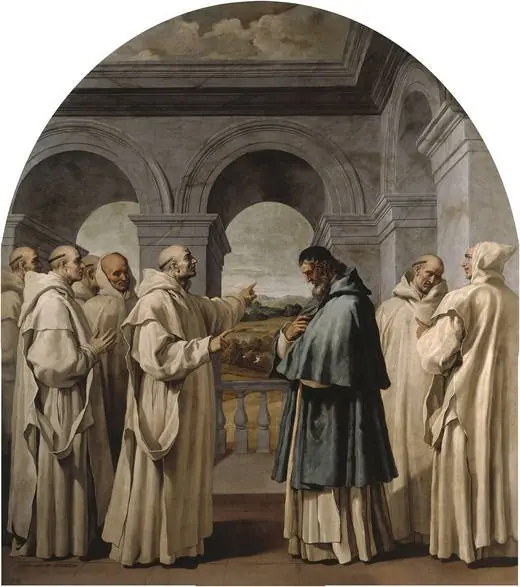
Vincenzio Carduccio (in Spanish, sometimes Vicencio or Vicente Carducho; 1576 or 1578–1638) was an Italian painter who spent his career in Spain.

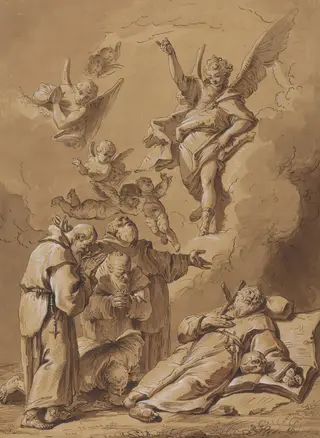 Death of a Holy Friar
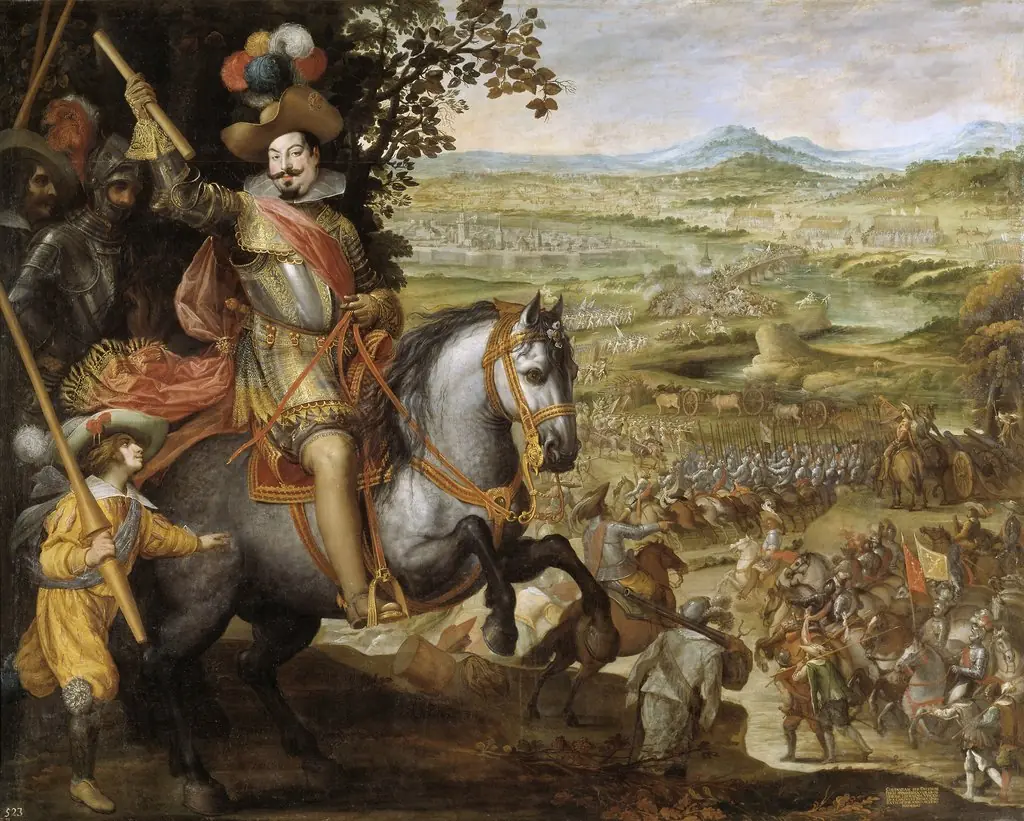
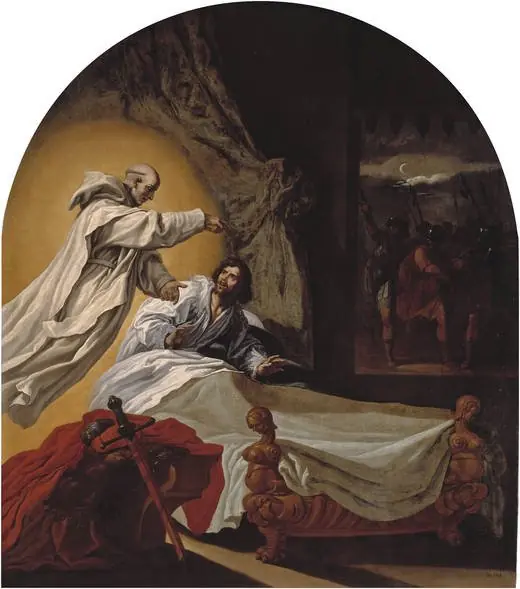 Saint Bruno Appears to Rogerio Guiscardo Count of Apulia and Calabria
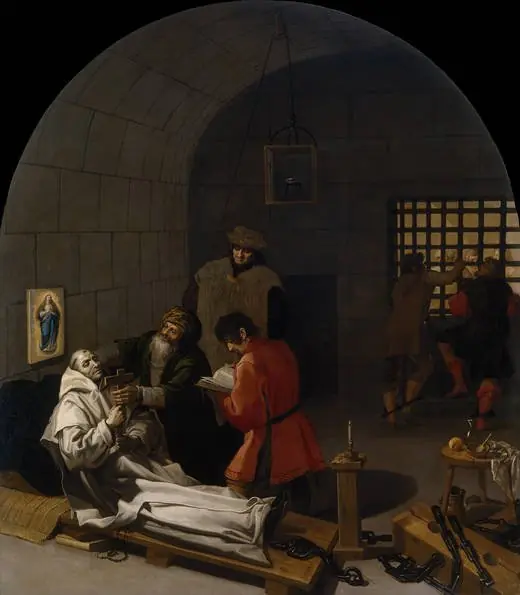
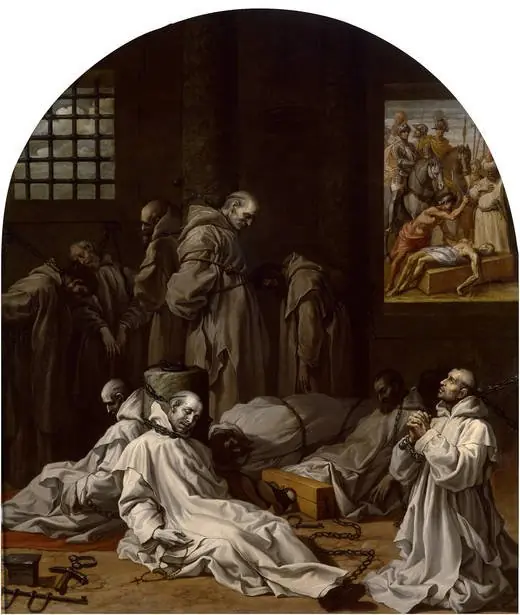 Prison and Death of the Ten Members of the London Charterhouse
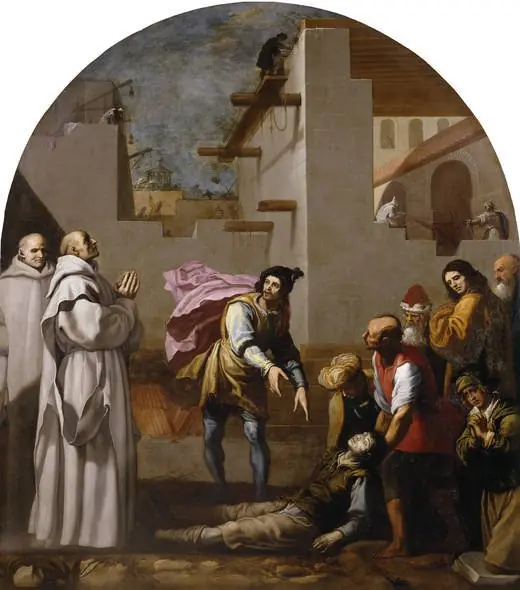 Prior Boson Revives a Mason
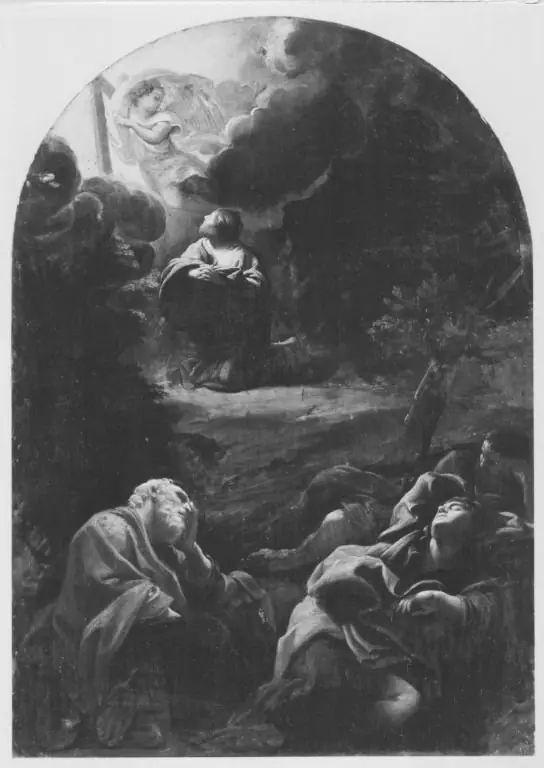 Christus am Ölberg
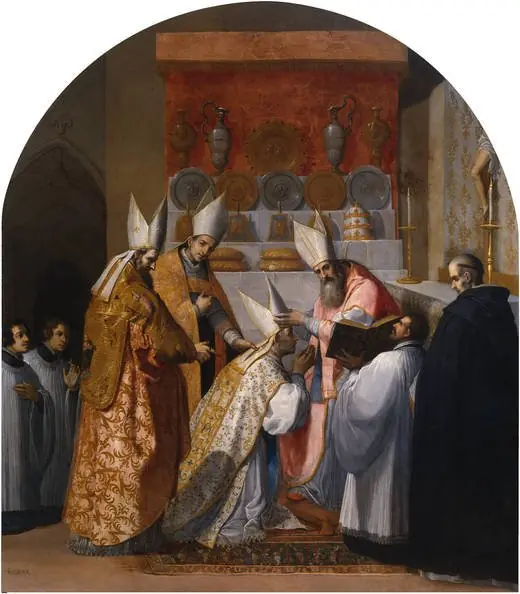
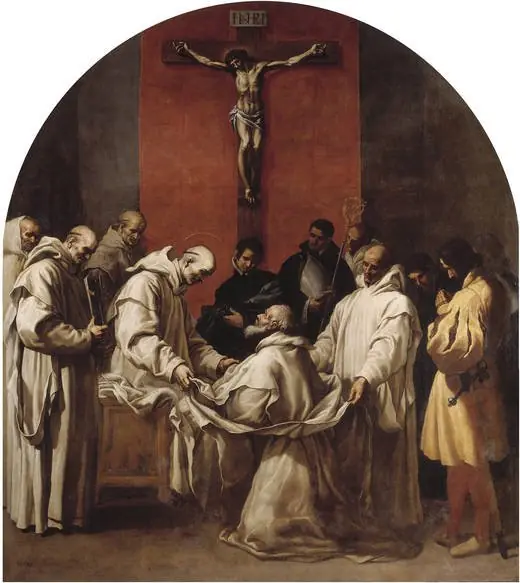 Bishop Hugo wears the Carthusian Habit
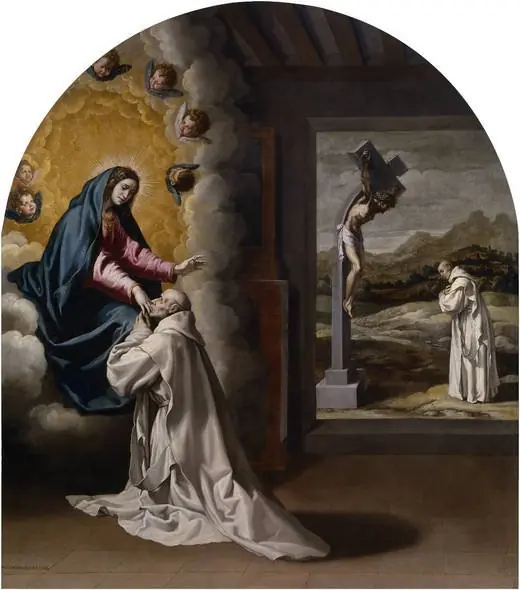 The Virgin Appears to Juan Fort
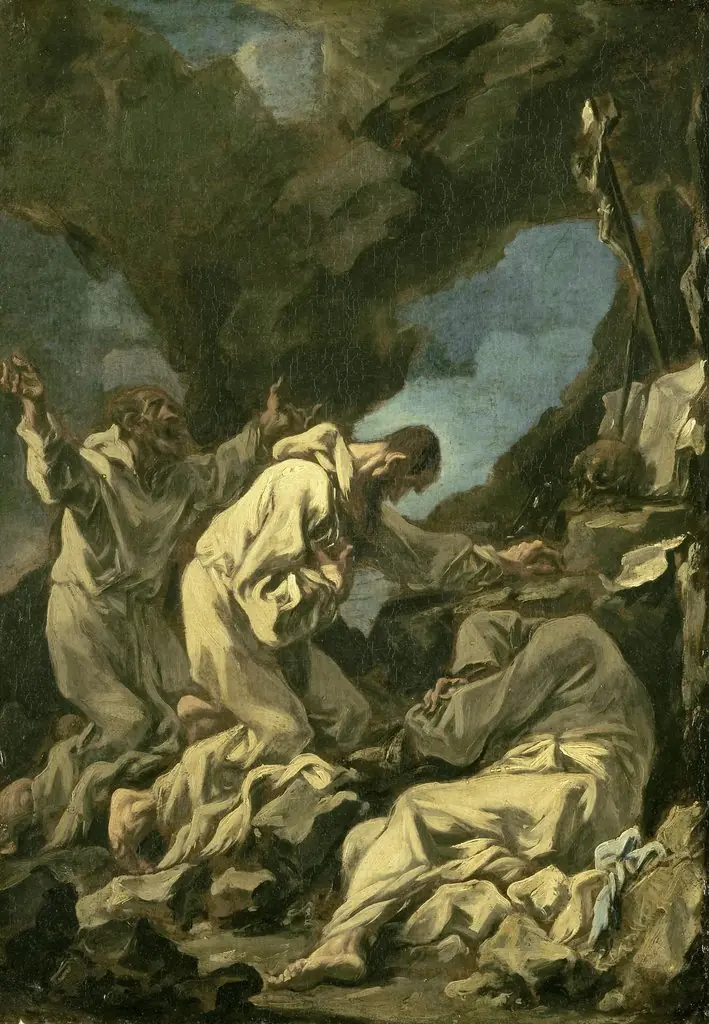 Three Camaldolese Monks in Ecstatic Prayer
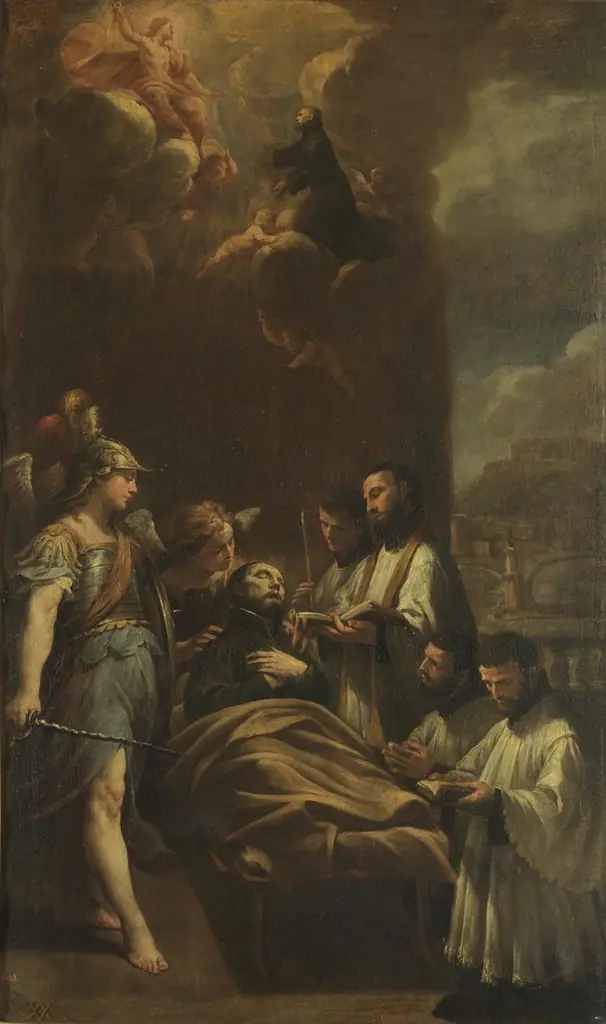 La muerte de San Cayetano