Artwork
Santa Inés
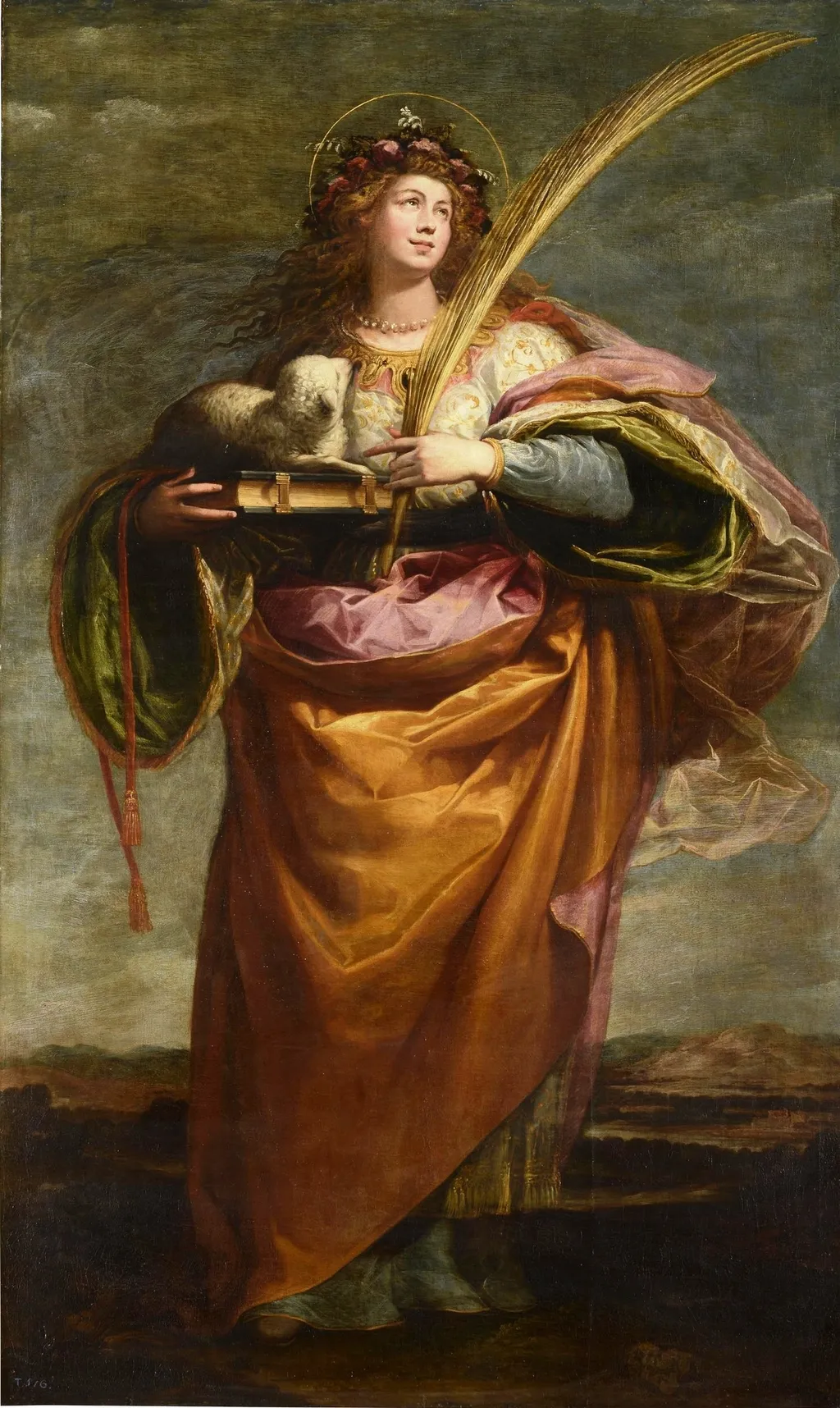
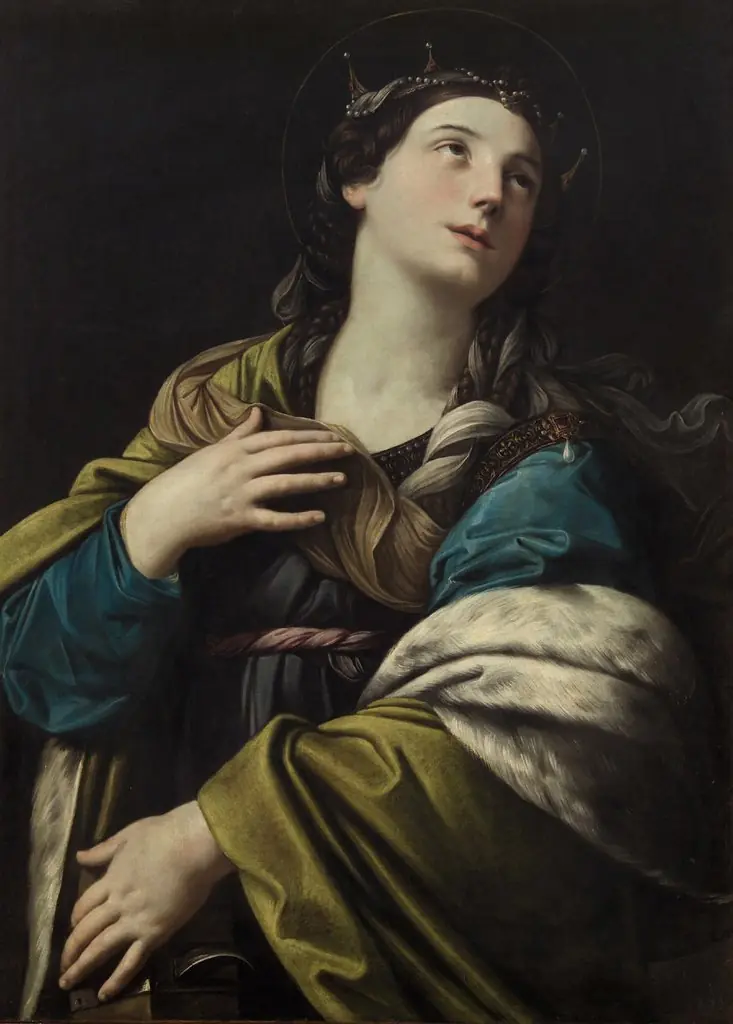
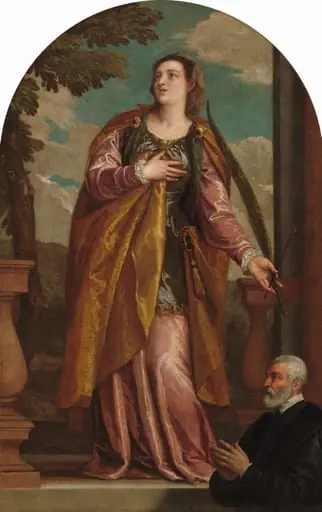
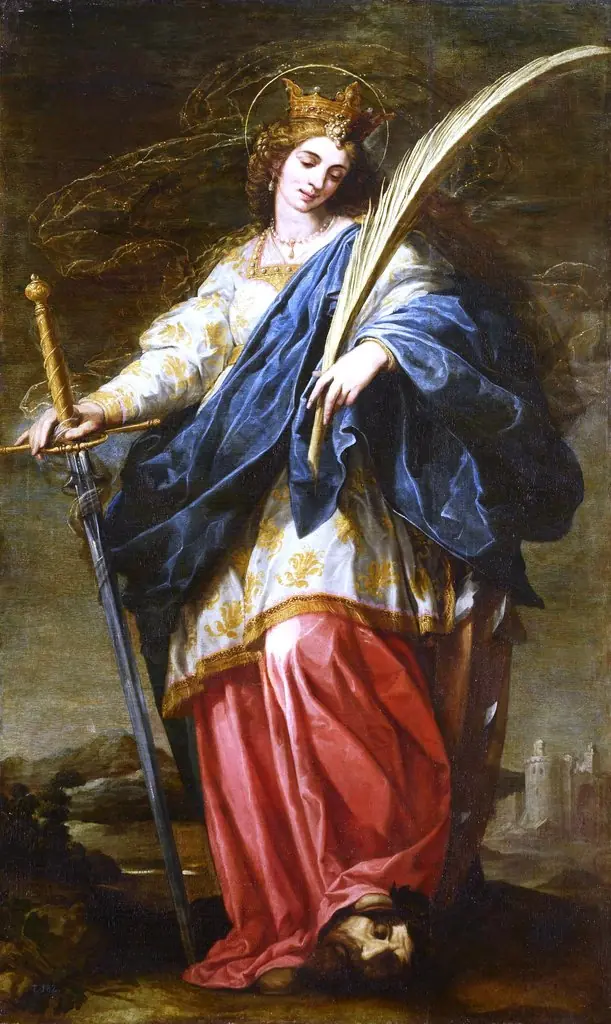
Santa Inés is an oil painting by the Early Baroque Italian artist Vincenzo Carducci. It dates from 1637 and is held in the collection of the Museo del Prado.
About this work
Subject & Meaning
As a work of religious art, the composition includes the depiction of a book, a common attribute associated with the saint's martyrdom and faith.
The painting depicts Agnes of Rome, the titular saint, within a religious context. As a work of religious art, the composition includes the depiction of a book, a common attribute associated with the saint's martyrdom and faith. Created in 1637 by Vincenzo Carducci, the artwork serves to visualize the life and veneration of this early Christian martyr.
The subject matter focuses entirely on Agnes of Rome, presenting her as the central figure of the narrative. The inclusion of the book reinforces the iconographic tradition linking the saint to her spiritual devotion and the written word of her legend.
Technique & Style
Vincenzo Carducci executed Santa Inés in 1637 using oil paint applied to a canvas support. The work measures 212 cm in height and 125 cm in width, presenting a substantial vertical format typical of religious altarpieces. Stylistically, the painting belongs to the religious art genre and depicts the main subject, Agnes of Rome, alongside a book, which serves as a key iconographic attribute of the saint. The composition integrates these formal elements to convey the narrative and spiritual significance of the martyrdom.
History & Provenance
Painted in 1637 by Vincenzo Carducci, the work was created as a religious depiction of Saint Agnes of Rome. It entered the collection of the Museo del Prado, where it remains on display today. The painting, executed in oil on canvas, measures 212 cm by 125 cm and portrays the saint holding a book.
Santa Inés is held at the Museo del Prado in Madrid. According to the Wikidata record for the work, the painting is part of the Museo del Prado's collection and is also associated with the Museo de la Trinidad. No specific inventory or accession number is provided in the available sources, and no exhibition history is documented.
The painting, an oil on canvas measuring 212 cm in height by 125 cm in width, was created in 1637 by Vincenzo Carducci (also known as Vicente Carducho).
Overview
Created in 1637 by Vincenzo Carducci, an Italian-born artist who spent much of his career in Spain, this oil painting portrays a solitary female figure. The work is part of the early Baroque tradition and is presently housed in the Museo del Prado's collection.
Context
In the 1630s, religious imagery served both devotional and didactic purposes within Catholic Spain. Carducci's depiction of Saint Agnes aligns with Counter‑Reformation goals, presenting saints as approachable intercessors. The work thus exemplifies the period's blend of spiritual narrative and emerging Baroque visual drama.
Artist & collection
Artist
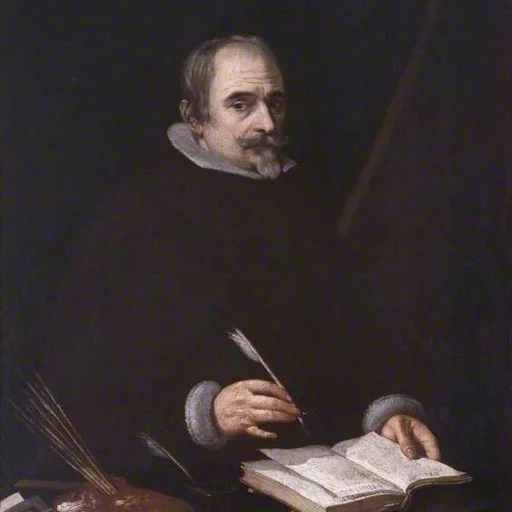
Vincenzio Carduccio (in Spanish, sometimes Vicencio or Vicente Carducho; 1576 or 1578–1638) was an Italian painter who spent his career in Spain.