Artwork
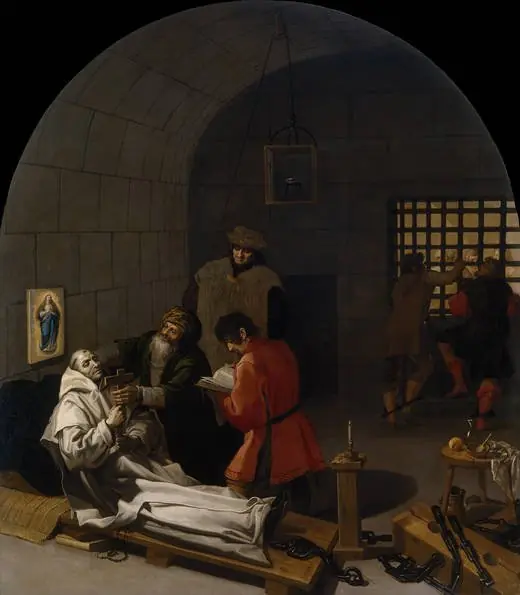
The Martydom of Three Carthusians at the London Charterhouse
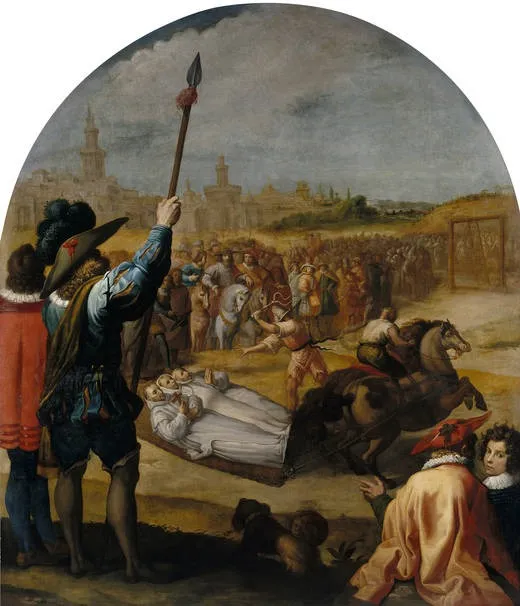
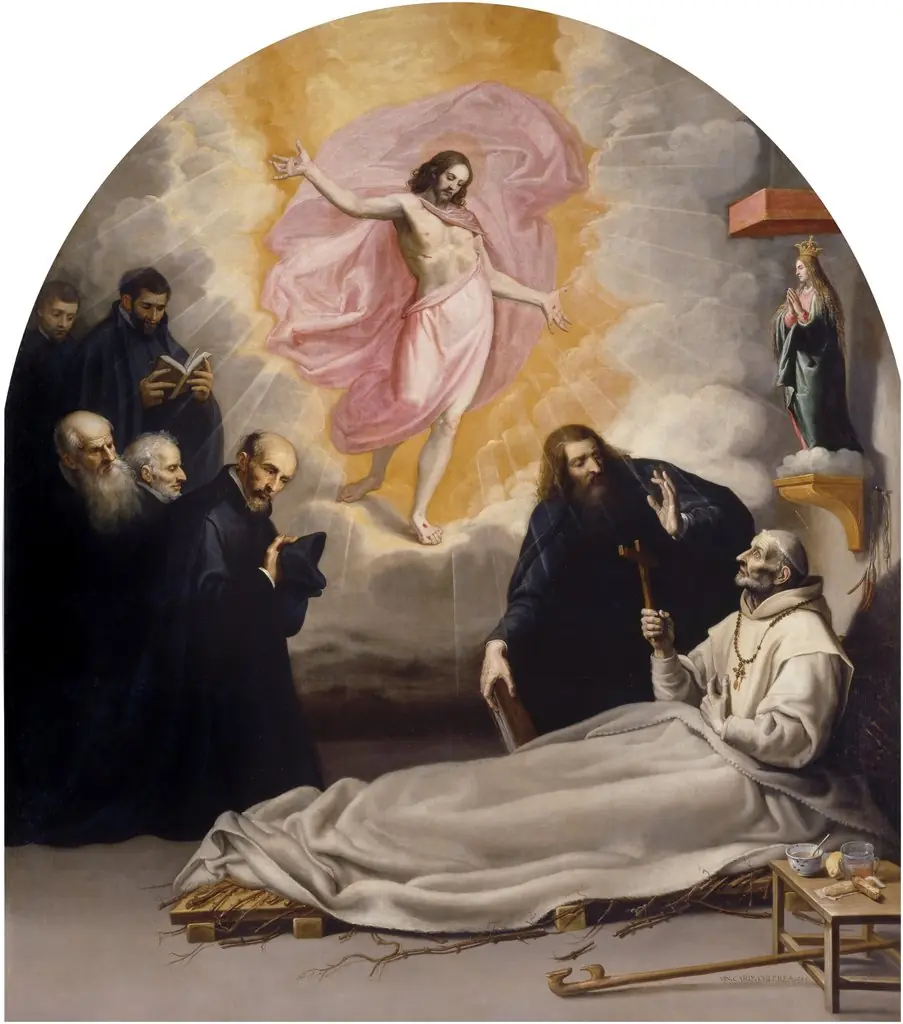
The Martydom of Three Carthusians at the London Charterhouse is an oil painting by the Early Baroque Italian artist Vincenzo Carducci. It dates from 1626 and is held in the collection of the Museo del Prado.
About this work
Subject & Meaning
The composition emphasizes spiritual sacrifice through its iconography, linking the figures’ suffering to broader theological themes of faith and endurance.
The painting shows three Carthusian monks meeting a violent end, their martyrdom rendered with a crucifix and a weapon as symbolic elements. The work belongs to the religious art genre and reflects the historical context of monastic persecution. It is housed in the Museo del Prado, where it remains part of the permanent collection.
The composition emphasizes spiritual sacrifice through its iconography, linking the figures’ suffering to broader theological themes of faith and endurance. The artist’s use of oil on canvas underscores the devotional purpose of the piece within Counter-Reformation visual culture.
Technique & Style
The work is an oil painting on canvas, created by Vincenzo Carducci in 1626. It measures 338 cm in height and 297.5 cm in width, reflecting a religious composition typical of the period. The depiction includes symbolic elements such as a crucifix and weapon, rendered with the formal stylistic qualities associated with Baroque religious art.
History & Provenance
The painting was created by Vincenzo Carducci in 1626, executed in oil on canvas. It was produced as part of a larger commission for the Carthusian order, documenting the martyrdom of three monks at the London Charterhouse. The work entered the collection of the Museo de la Trinidad before being transferred to the Museo del Prado, where it is currently held.
The canvas measures 338 cm in height and 297.5 cm in width. It depicts weapons and a crucifix, consistent with the religious subject of the Carthusian martyrdom.
The Martyrdom of Three Carthusians at the London Charterhouse is held by the Museo del Prado. According to the available records, the painting is part of the Museo del Prado's collection and has also been associated with the former Museo de la Trinidad. No specific inventory or accession number is documented in the provided sources.
No exhibition history is recorded in the available sources for this work.
Context
Carducci's 1626 oil painting The Martydom of Three Carthusians, housed in the Museo del Prado, depicts the Carthusian martyrs alongside a crucifix and weapon, reflecting Counter-Reformation religious themes. Scholarship emphasizes its stylistic connection to Vicente Carducho's religious art and its role within the artist's documented output for the London Charterhouse.
The work's composition and iconography have been analyzed in relation to Counter-Reformation devotional practices, situating it within the broader trajectory of Spanish Baroque religious painting and the artistic legacy of the Carducci workshop.
Its placement in art history is defined by its dated execution in 1626 and its presence in major institutional collections, including the Museo del Prado, establishing it as a representative example of the period's religious narrative painting.
Overview
Vincenzo Carducci’s 1626 oil canvas, titled The Martyrdom of Three Carthusians at the London Charterhouse, presents a tumultuous outdoor tableau. Central to the composition are three white‑robed figures lying on the ground, surrounded by a restless crowd that includes mounted riders and onlookers. The work now belongs to the Museo del Prado’s collection.
Artist & collection
Artist
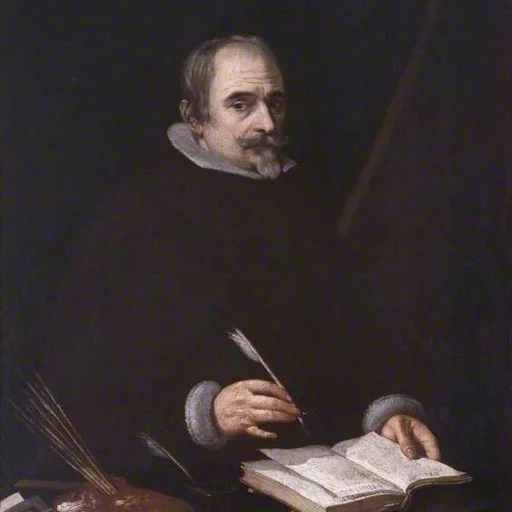
Vincenzio Carduccio (in Spanish, sometimes Vicencio or Vicente Carducho; 1576 or 1578–1638) was an Italian painter who spent his career in Spain.

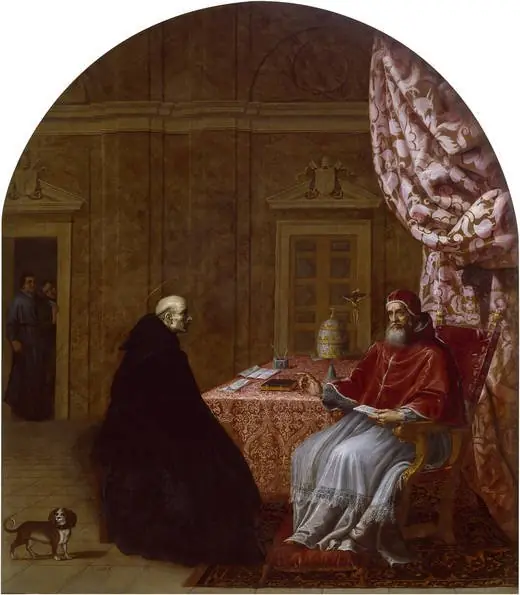
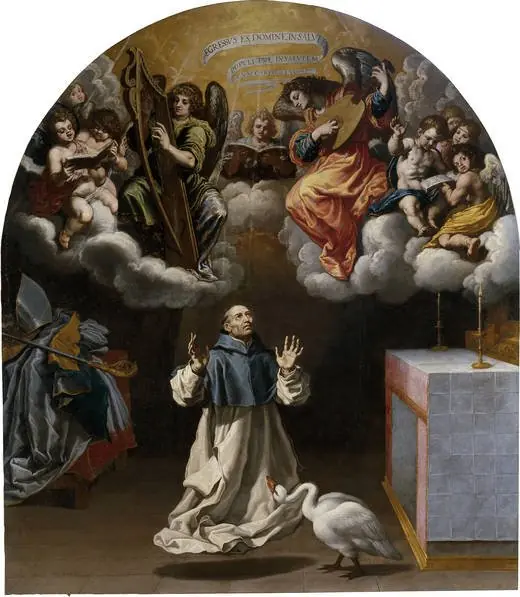
- Închinarea magilor
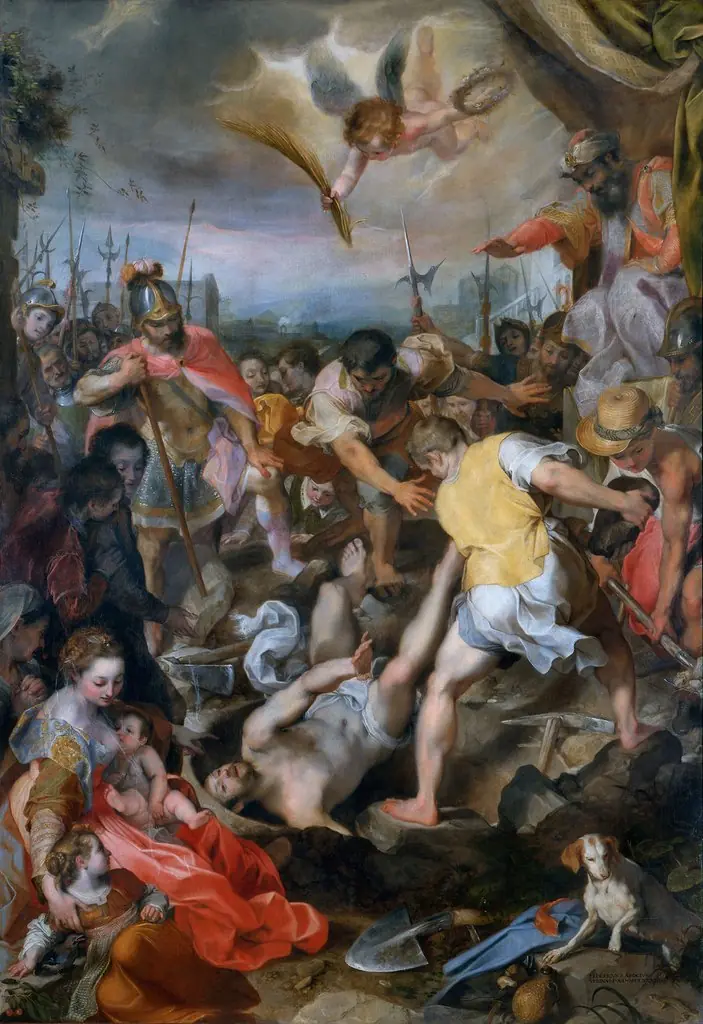 Martirio di san Vitale
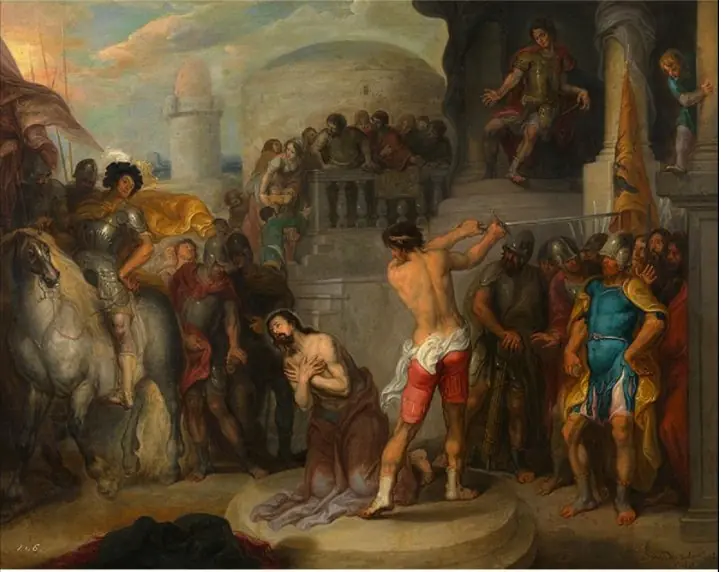 The Beheading of Saint Paul
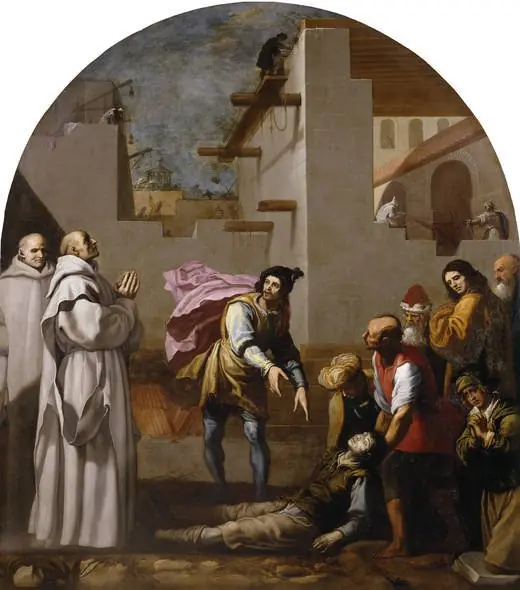 Prior Boson Revives a Mason
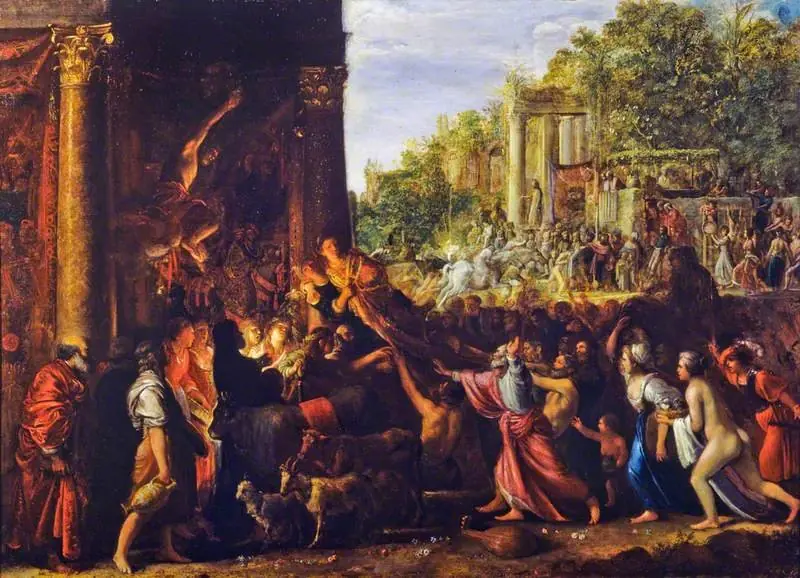 Il Contento (Contentment)
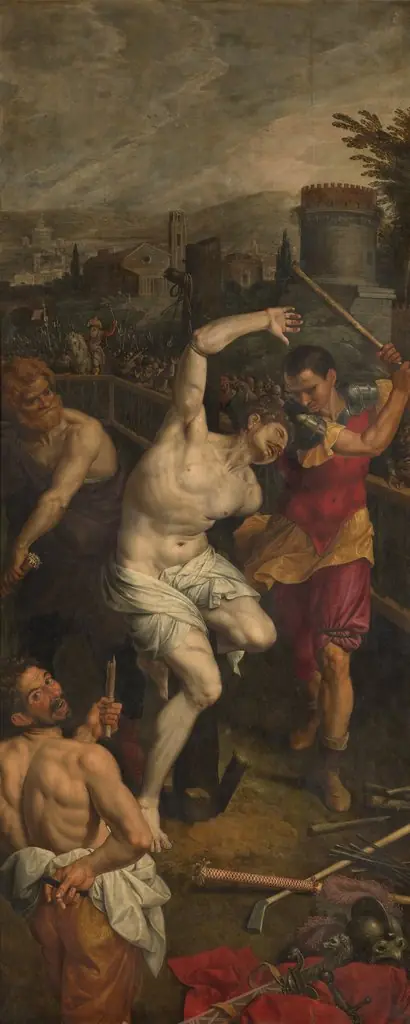 The Martyrdom of Saint Sebastian of Rome
 Entry of David into Jerusalem
 Passion Play on the Grote Markt in Antwerp
 The victory of death
 Village Kermis
 Ecce Homo
 Henri IV at the battle of Arques