Artwork
The Rest on the Flight into Egypt
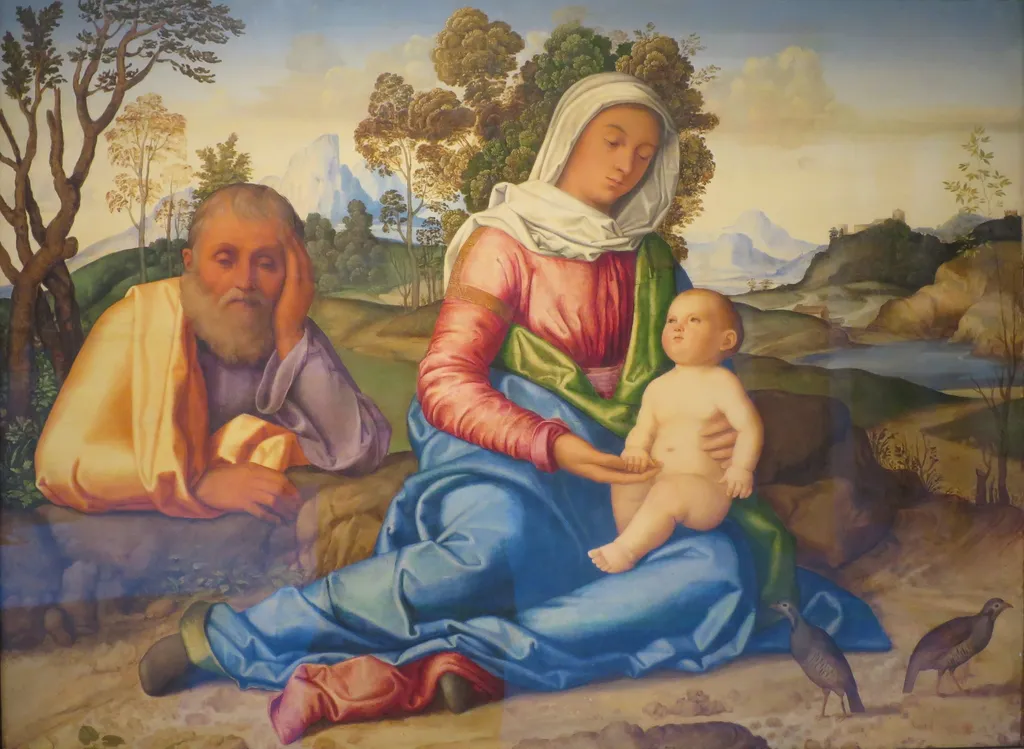
The Rest on the Flight into Egypt is an oil painting by the Venetian Renaissance artist Vincenzo Catena. It dates from 1510 and is held in the collection of the Norton Simon Museum.
About this work
Overview
As part of the Venetian Renaissance tradition, it reflects the period’s growing interest in naturalistic landscapes and intimate religious narratives.
Painted in 1510 by Vincenzo Catena, this oil-on-panel work is a quiet depiction of the Holy Family during their journey to Egypt. As part of the Venetian Renaissance tradition, it reflects the period’s growing interest in naturalistic landscapes and intimate religious narratives. The painting is currently held in the Norton Simon Museum’s collection, where it stands as a modest yet refined example of early 16th-century Venetian devotional art.
Subject & Meaning
The scene captures a moment of respite during the Flight into Egypt, when Mary, Joseph, and the infant Jesus paused to rest. Mary cradles Jesus with calm tenderness, while Joseph, weary from travel, leans against a tree. The absence of dramatic action emphasizes spiritual stillness, suggesting divine protection in solitude. This quietude aligns with devotional practices of the time, inviting contemplation rather than awe.
Technique & Style
Catena employed oil paint to achieve subtle gradations of light and texture, particularly in the folds of Mary’s garments and the rough bark of the tree. The palette favors warm earth tones and soft blues, enhancing the scene’s serenity. While not overtly dramatic, the handling of light suggests an awareness of chiaroscuro, used here to model forms gently and unify the figures within their environment.
History & Provenance
Created in Venice around 1510, the painting remained within regional collections before entering the Norton Simon Museum’s holdings. Its documented history is limited, but its style aligns with other works by Catena and his contemporaries, suggesting it was likely commissioned for private devotion. The panel’s condition indicates careful preservation over centuries.
Context
In early 16th-century Venice, religious subjects were often rendered with increasing attention to landscape and human emotion. Catena’s work reflects this shift, moving away from rigid iconography toward more personal, atmospheric interpretations. The inclusion of detailed natural elements mirrors broader trends in Venetian painting, where the environment became a vessel for spiritual mood.
Legacy
Though not widely known outside scholarly circles, the painting exemplifies the quiet elegance of lesser-known Venetian Renaissance artists. It contributes to understanding how devotional themes were adapted for intimate settings, influencing later regional painters who favored tranquility over spectacle. Its preservation ensures continued study of early oil techniques in northern Italian art.
Own this work as a print
Artist & collection
Artist
Vincenzo Catena (c. 1480–1531) was an Italian painter of the Renaissance Venetian school. He is also known as Vincenzo de Biagio.

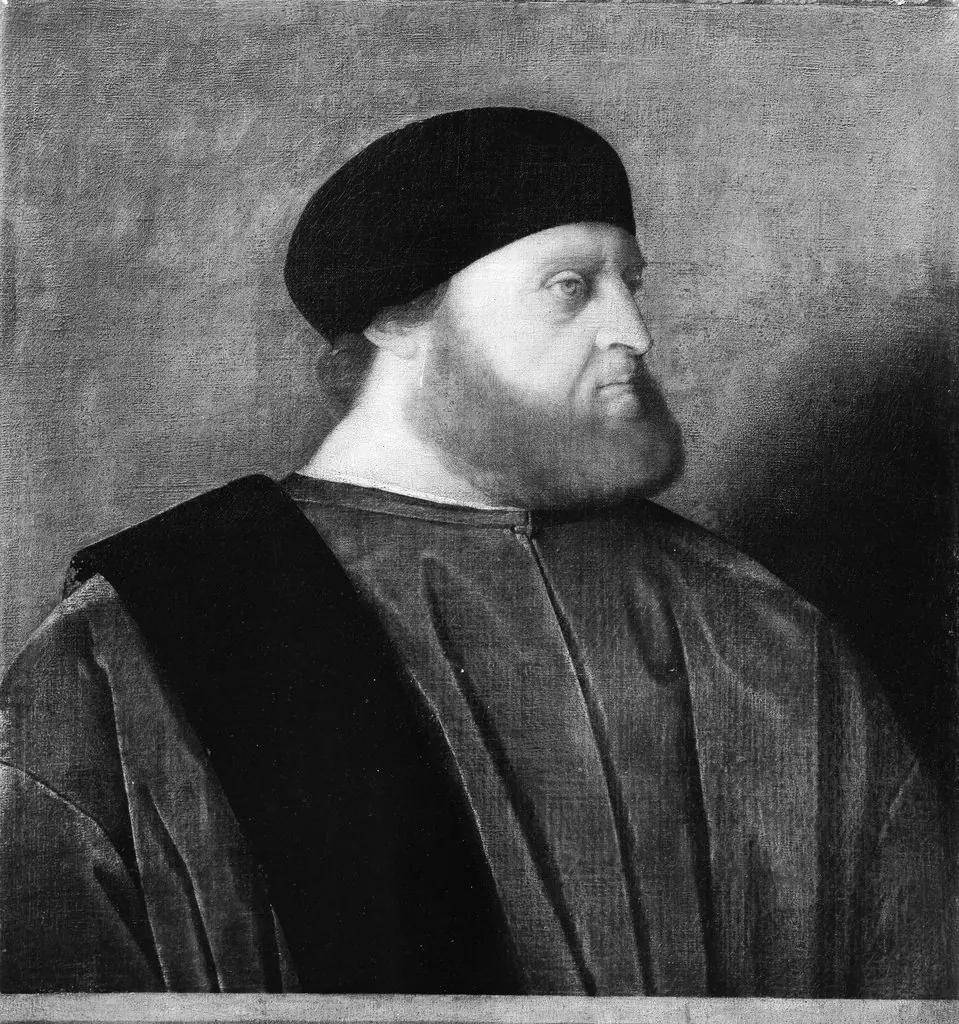
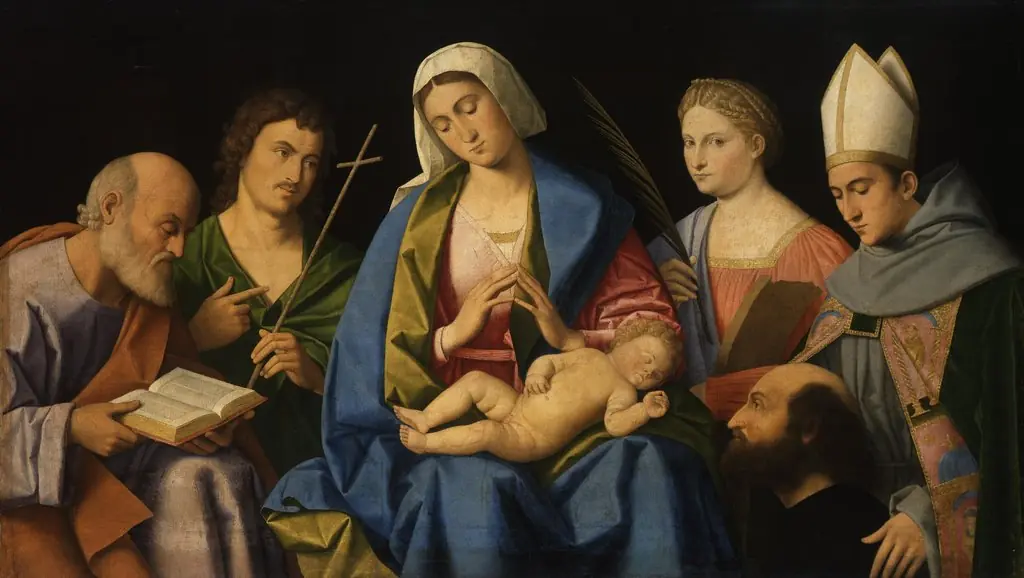
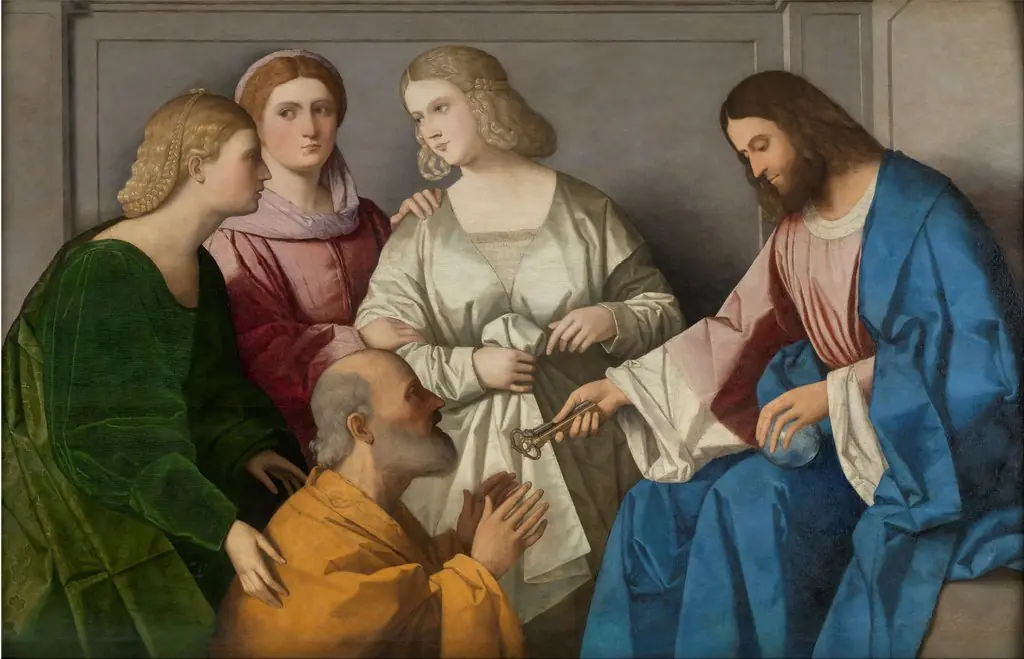
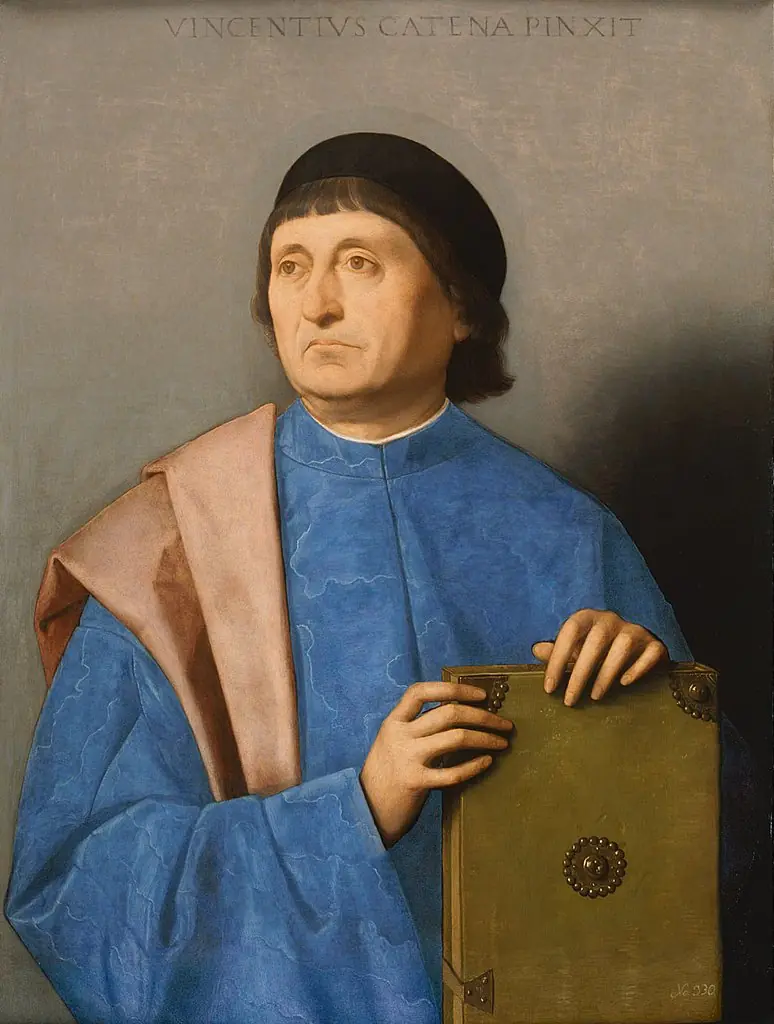
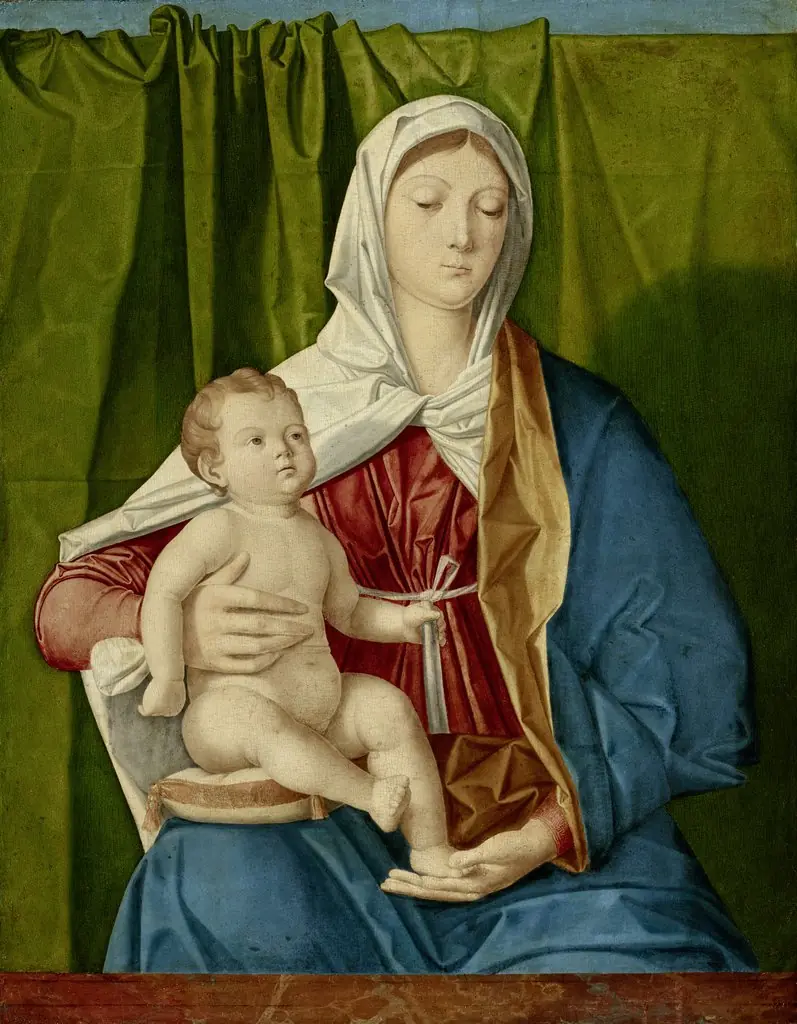
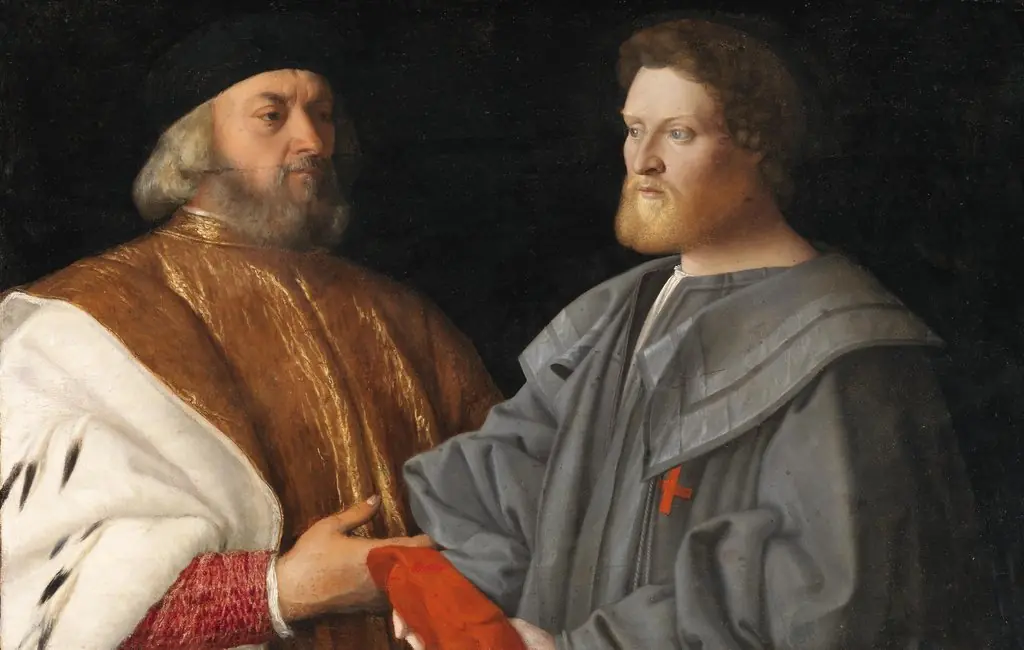
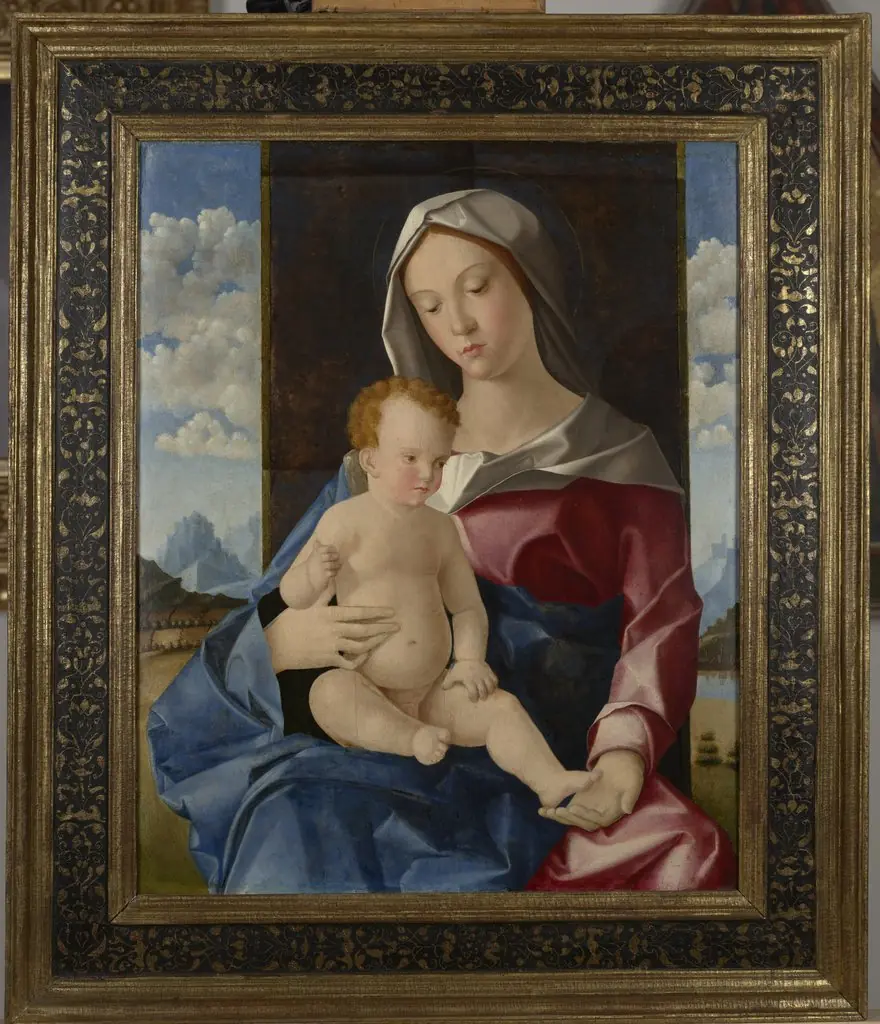
- The Rest on The Flight into Egypt
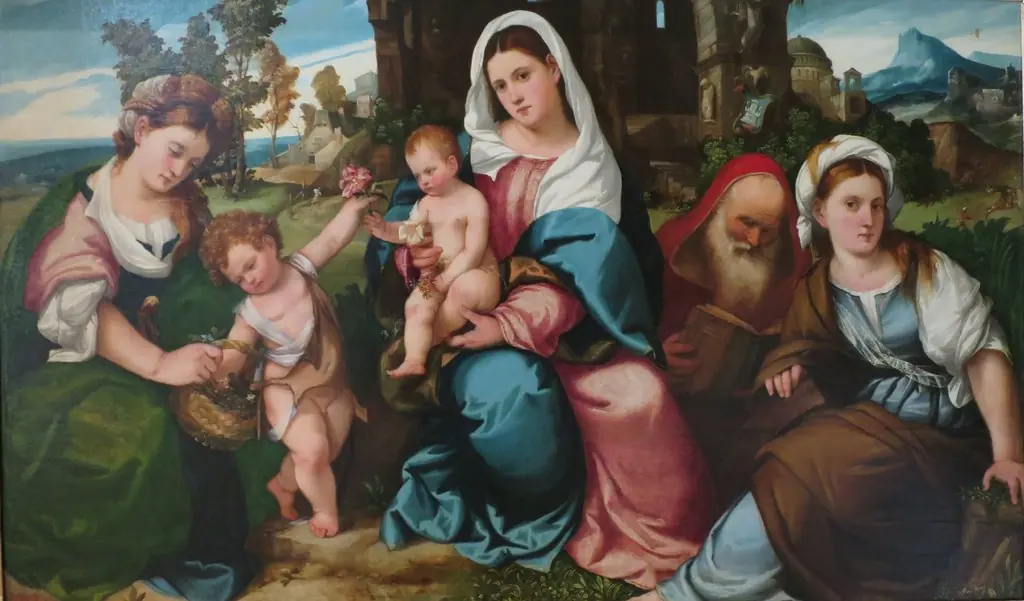 Madonna and Child with St Catherine, St John the Baptist, St Dorotea and St Anthony the Abbot
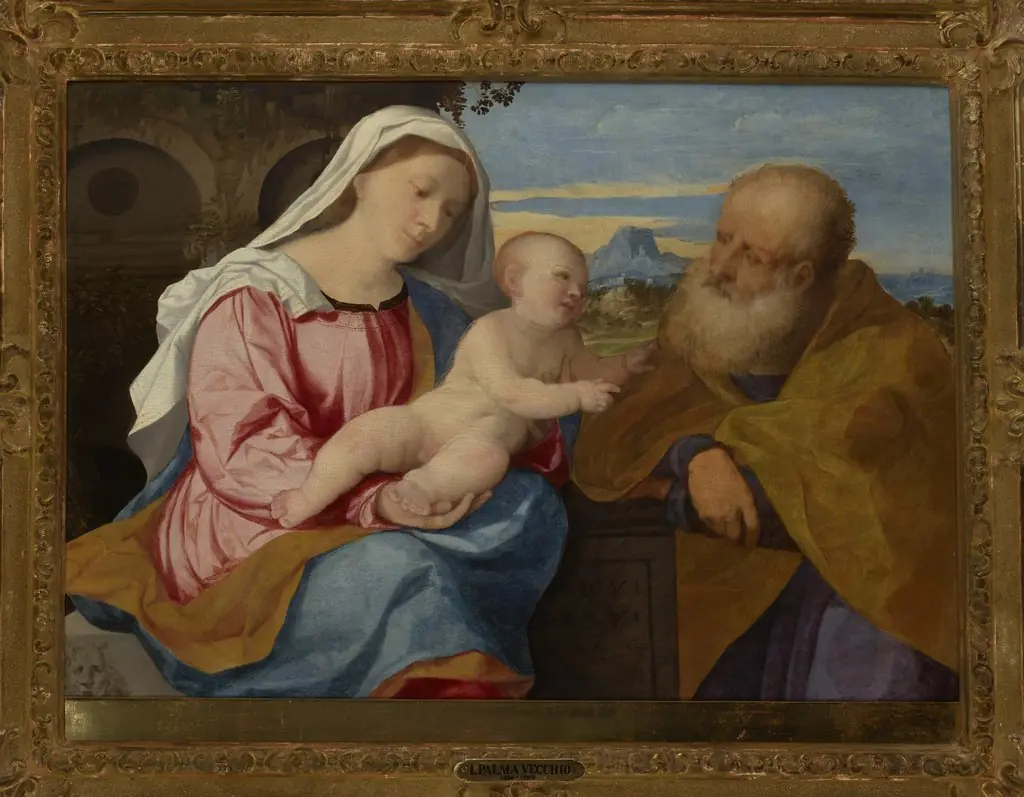 The Holy Family
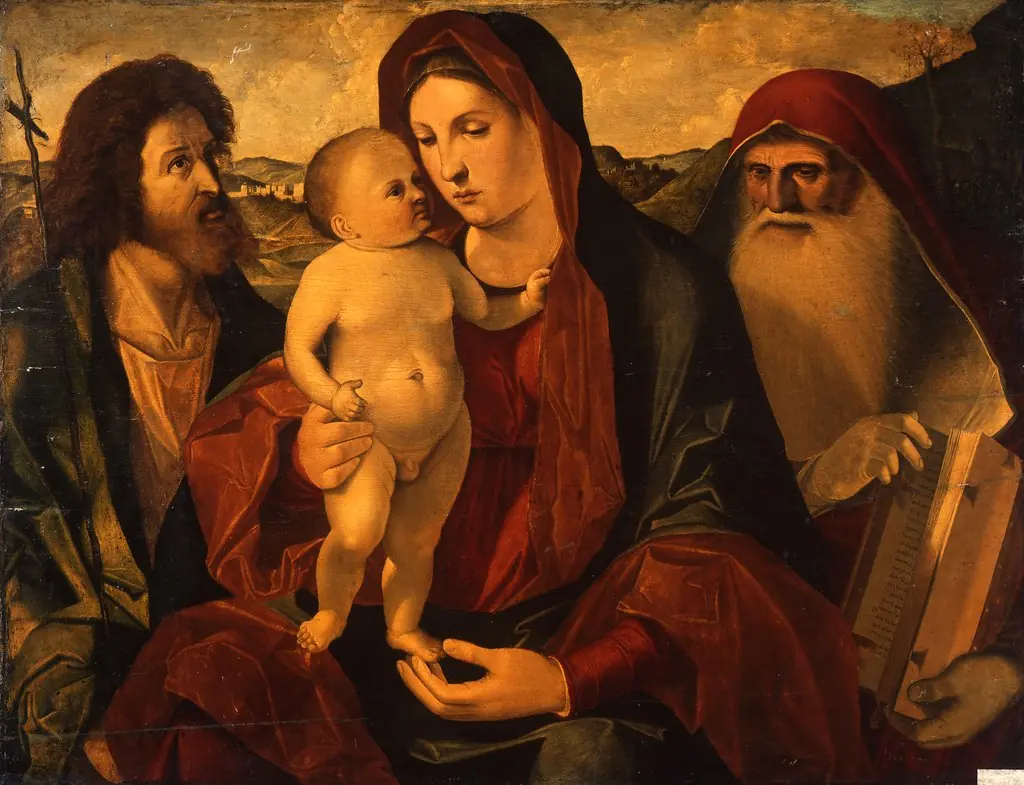 The Virgin and the Child with St. John the Baptist and St. Jerome
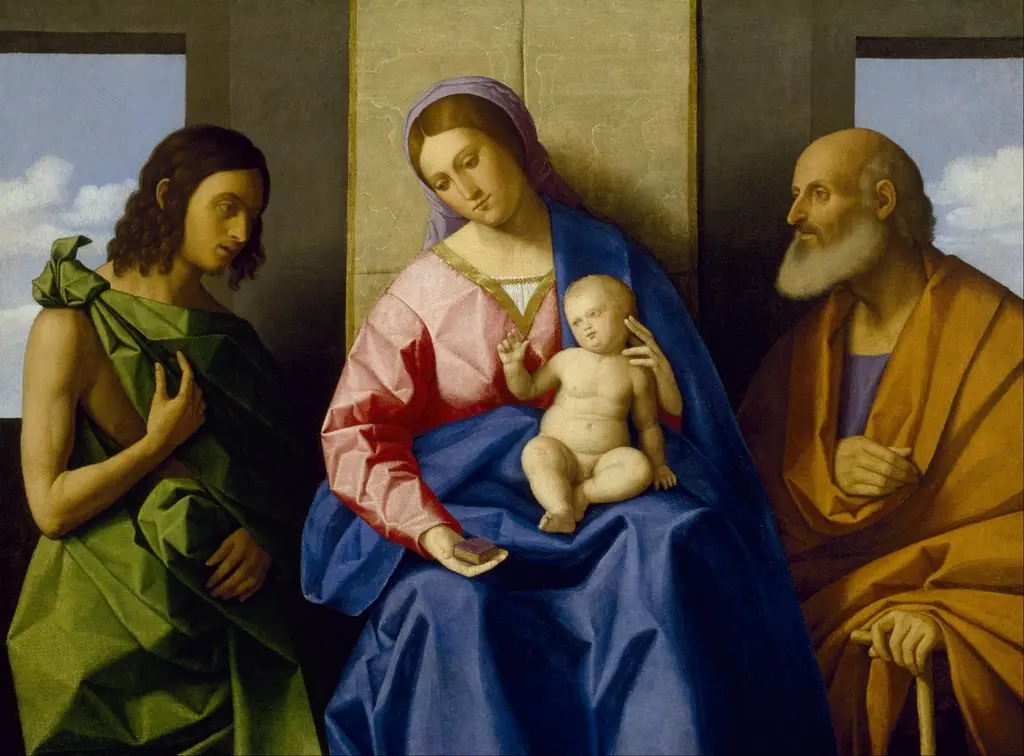 Virgin and Child with Saints John the Baptist and Joseph
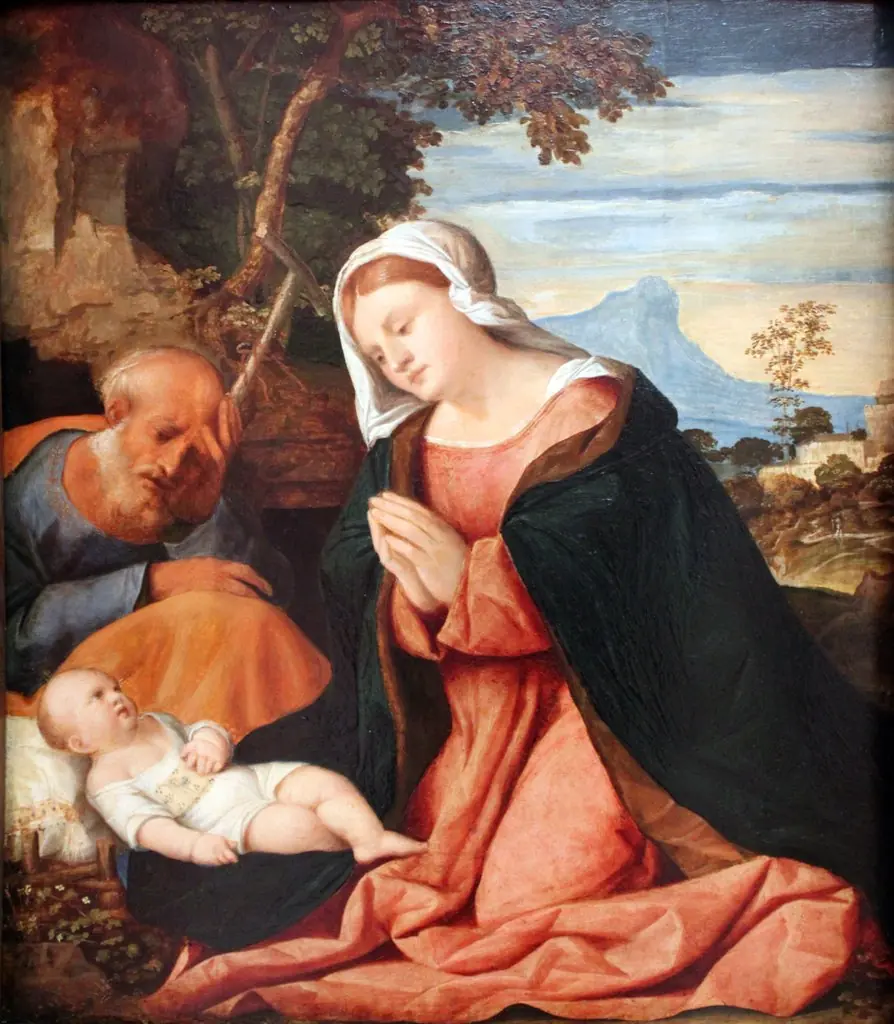 The Holy Family
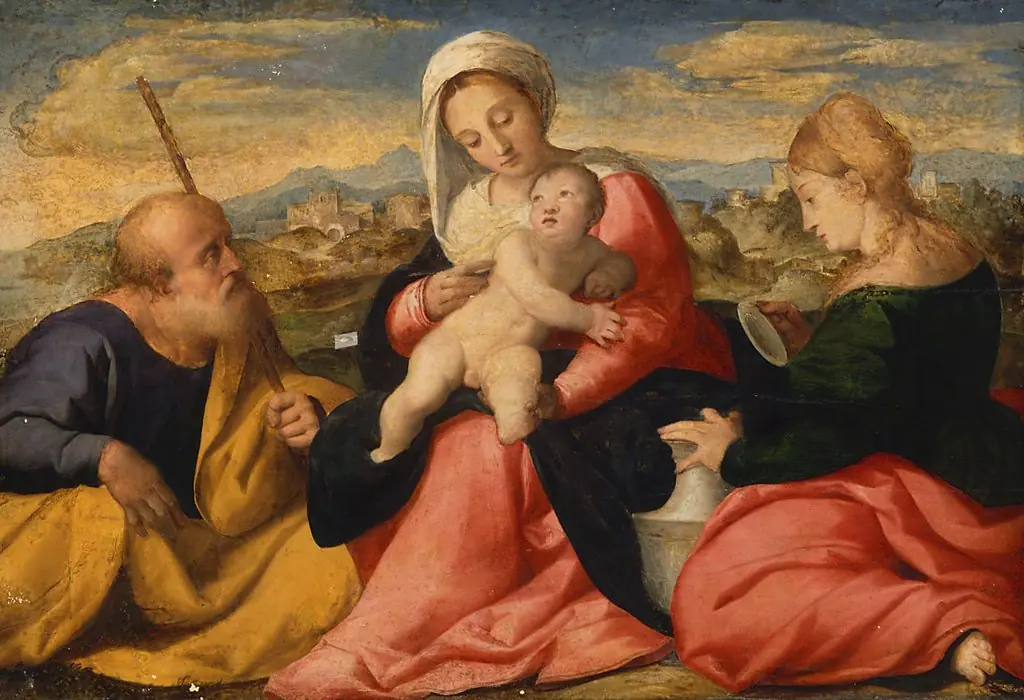 Madonna and Child with Sts Joseph and Magdalene
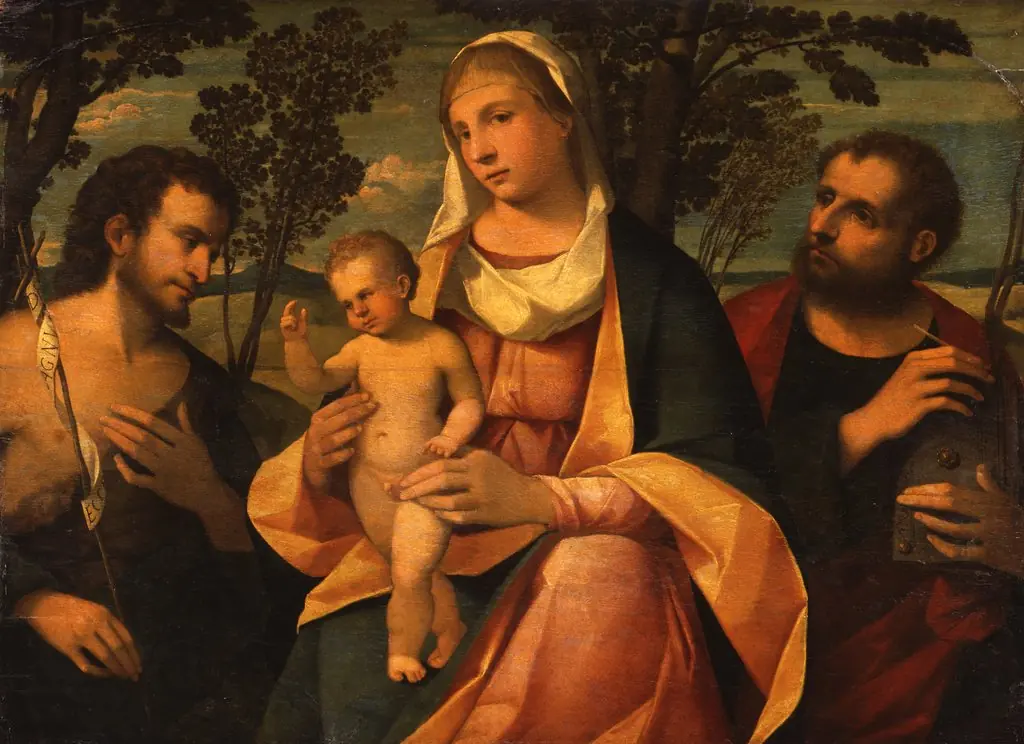 The Virgin with the Blessing Child and St. John the Baptist and Marcus the Evangelist
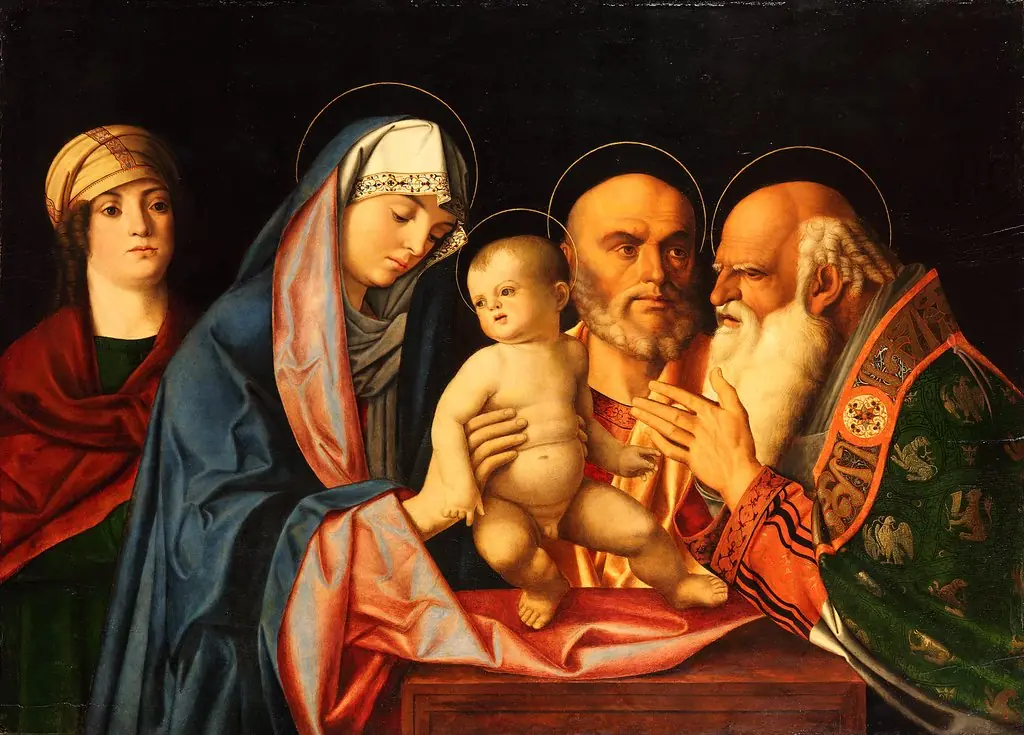 Presentation of Christ in the temple
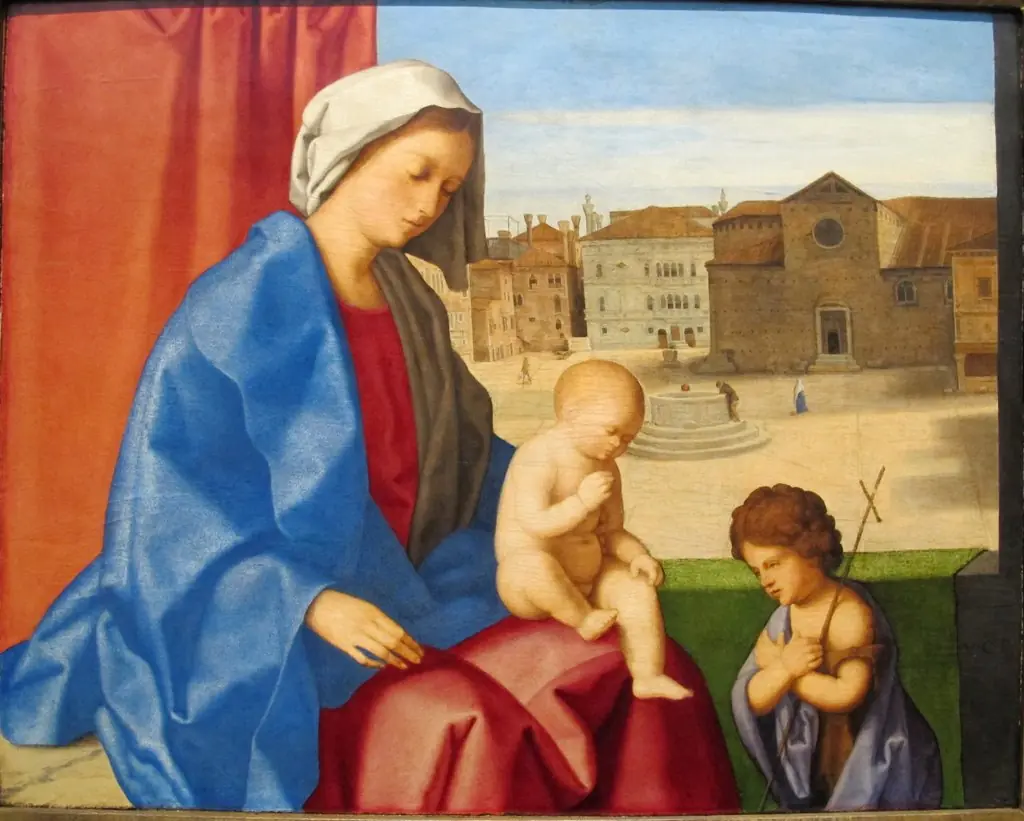 The Madonna and Child with the Infant Saint John the Baptist
 Virgin and Child with Saints,
 Holy Family and Donors