Artwork
The Holy Family
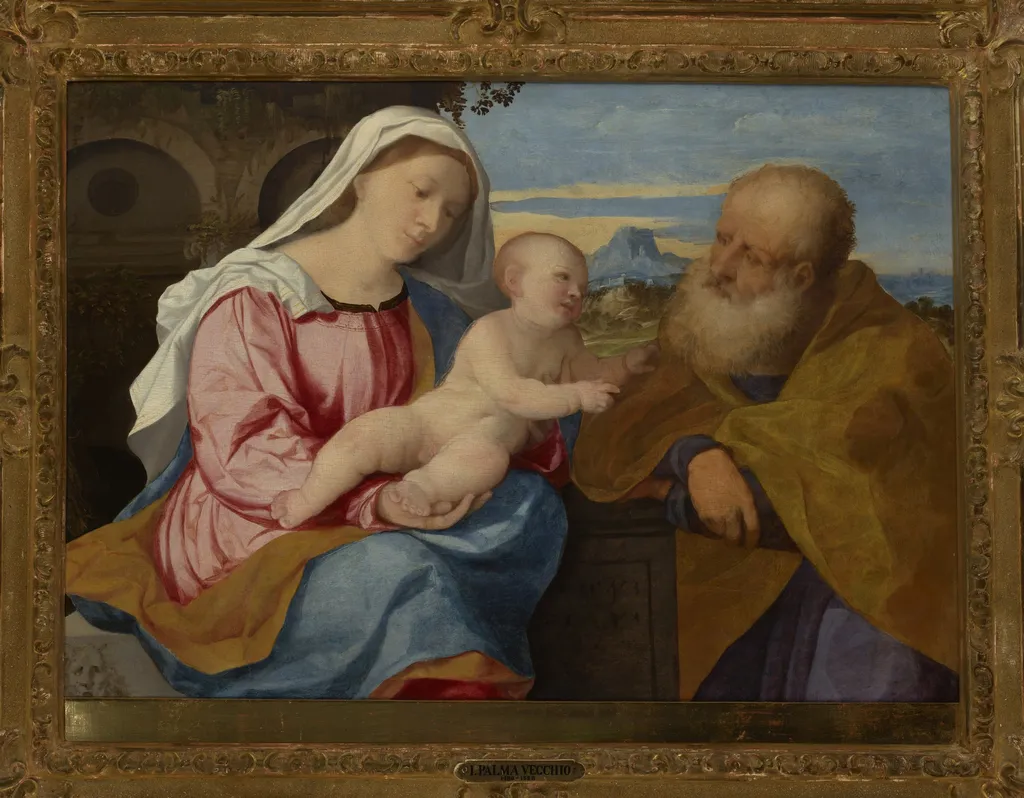
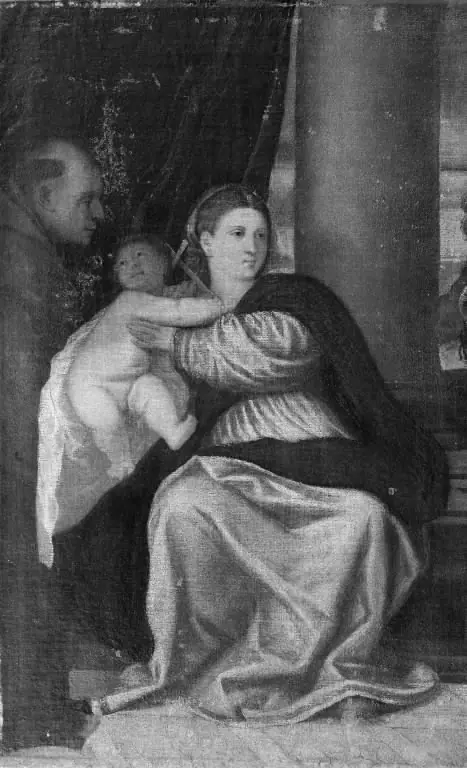
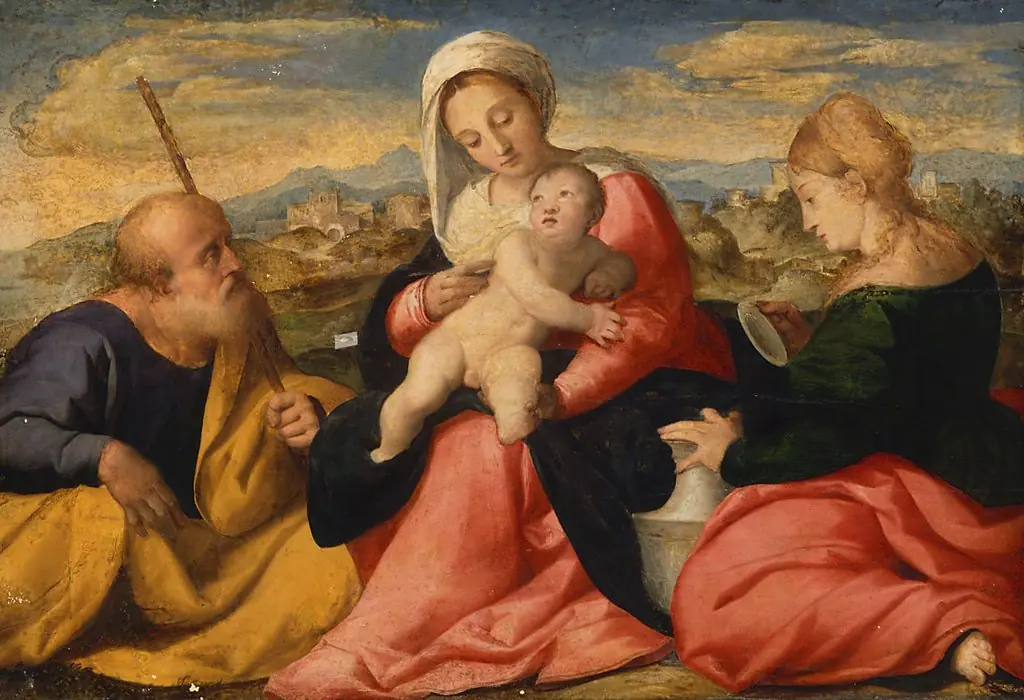
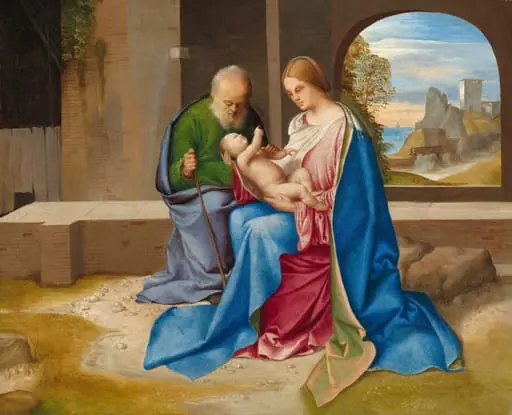
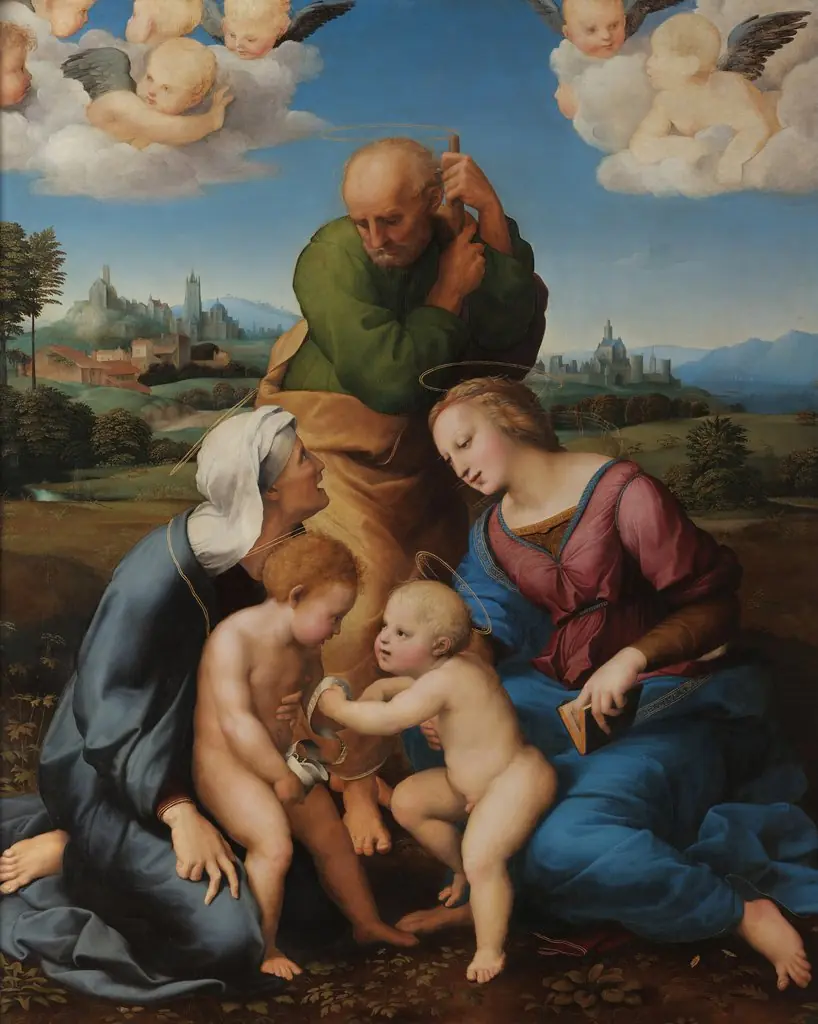
The Holy Family is an oil painting by the High Renaissance artist Palma Vecchio. It dates from 1514 and is held in the collection of the National Museum in Kraków.
About this work
Subject & Meaning
Palma Vecchio arranges the figures in an intimate domestic setting, using gentle gestures and soft lighting to convey affection and spiritual closeness.
The Holy Family depicts the Virgin Mary, the infant Jesus, and Saint Joseph, a common subject in Renaissance religious art that emphasizes familial unity and divine protection. Palma Vecchio arranges the figures in an intimate domestic setting, using gentle gestures and soft lighting to convey affection and spiritual closeness. The composition underscores the humanity of the sacred trio, inviting viewers to contemplate their role as protectors of the Christ child.
The work belongs to the religious art genre, reflecting its devotional purpose within Christian iconography. Its representation of the Holy Family serves both as a devotional image and a commentary on earthly family values, aligning with contemporary expectations of piety and domestic harmony.
The painting is housed in the National Museum in Kraków, where it remains part of the museum's collection of early Italianate works.
The work was created in 1514, during the High Renaissance period, reflecting the artistic trends of that era.
The subject is the Holy Family, comprising Mary, Christ Child, and Joseph, depicted as a unified domestic unit, symbolizing familial love and religious devotion.
Technique & Style
The Holy Family is an oil painting on a wooden panel support, specifically a plank. The medium is oil paint, a technique that allowed Palma Vecchio to achieve rich color saturation and subtle tonal transitions characteristic of Venetian Renaissance painting. The work depicts the Holy Family, Mary, the Christ Child, and Joseph, in a religious composition typical of the period's devotional imagery.
The use of oil on panel reflects the established practice in early-sixteenth-century Venetian painting, combining the durability of the wooden support with the expressive possibilities of the oil medium.
History & Provenance
The Holy Family is an oil-on-panel painting created by the Venetian artist Palma Vecchio in 1514. The work depicts the Virgin Mary, the Christ Child, and Saint Joseph, fitting within the religious art genre. It was executed using oil paint applied to a wooden plank support. The painting is currently held in the collection of the National Museum in Kraków.
Overview
Created in 1514, this oil painting by the Venetian artist known as Palma il Vecchio portrays a domestic scene of the Holy Family. The composition features the Virgin Mary, the infant Christ, and an elderly male figure identified as Joseph, arranged within a modest interior that opens onto a distant landscape.
Context
During the early sixteenth century, Venetian artists frequently combined devotional subjects with genre-like intimacy. Palma’s treatment aligns with contemporary trends that emphasized naturalistic settings and emotional accessibility in religious imagery.
Own this work as a print
Artist & collection
Artist
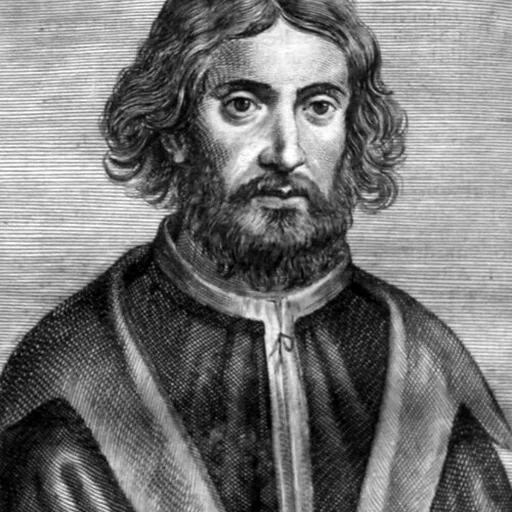
Palma Vecchio (c. 1480 – 30 July 1528), born Jacopo Palma, also known as Jacopo Negretti, was a Venetian painter of the Italian High Renaissance. He is called Palma Vecchio in English and Palma il Vecchio in Italian…

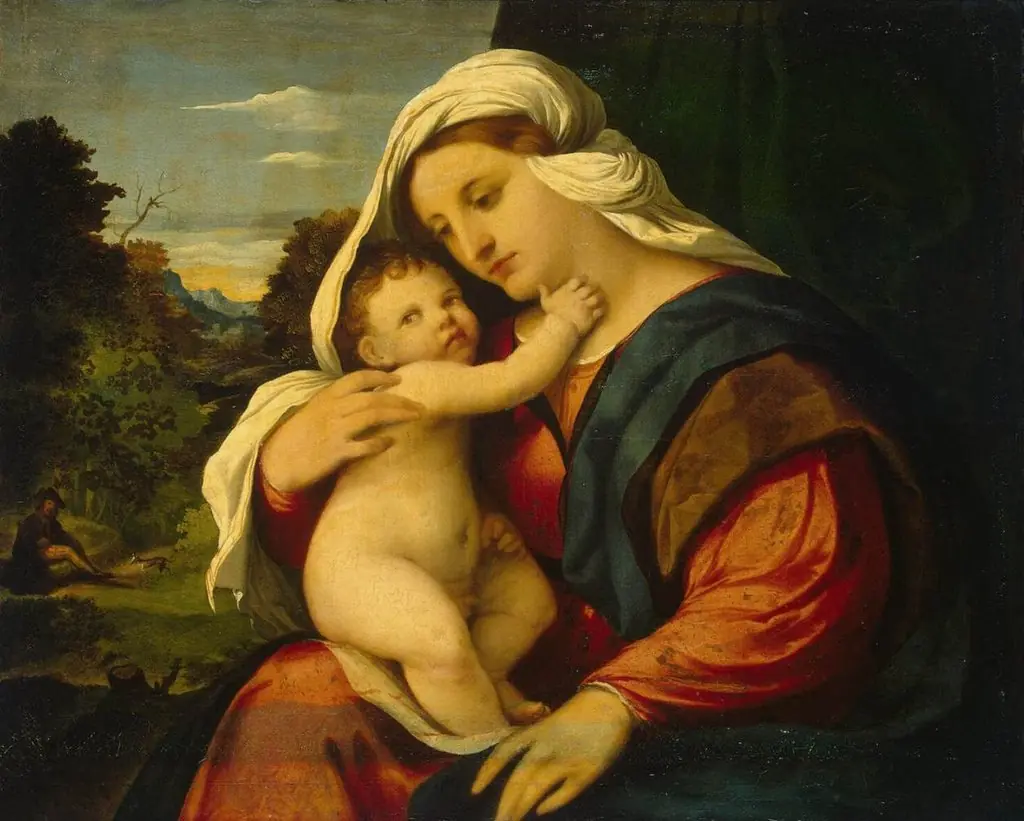
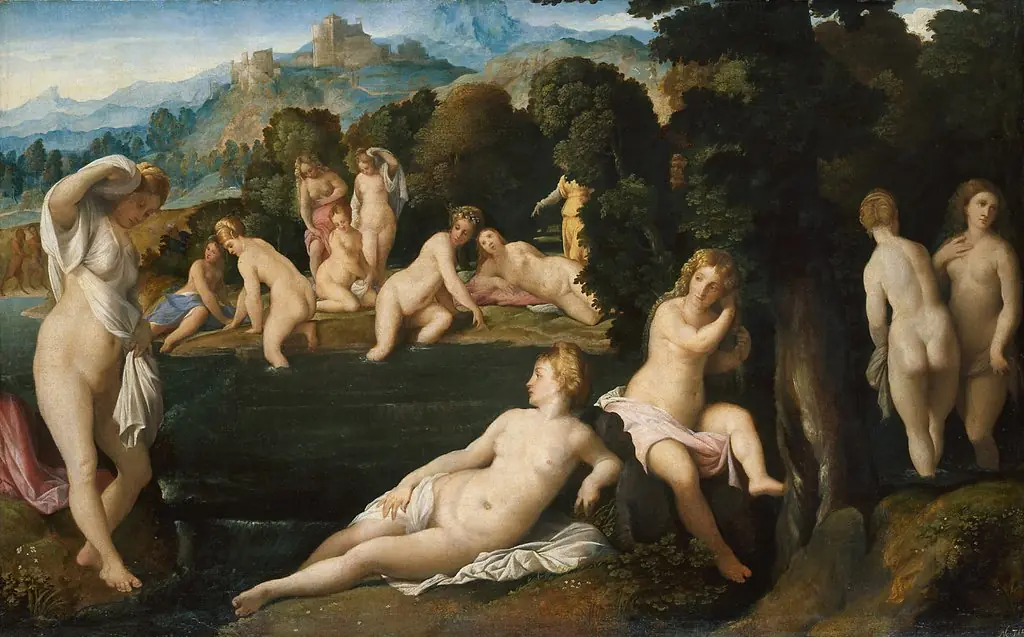
- Madonna and Child with Saints
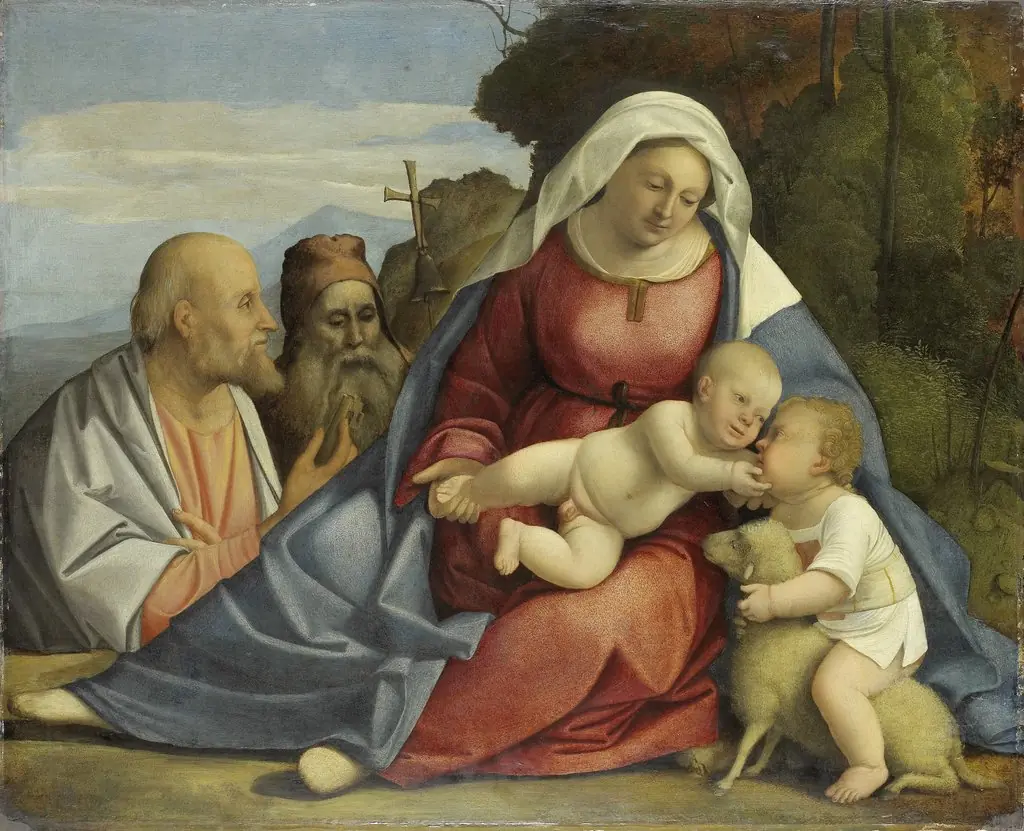 Virgin and Child with young John the Baptist, Saints Peter and Antony Abbot
 The Holy Family
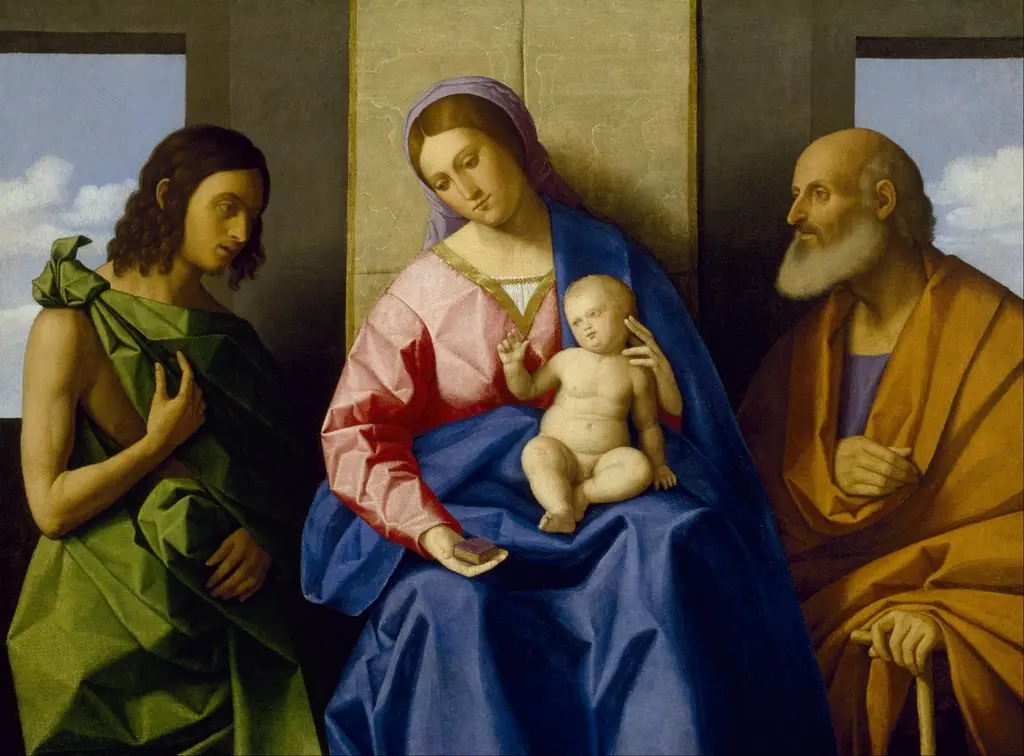 Virgin and Child with Saints John the Baptist and Joseph
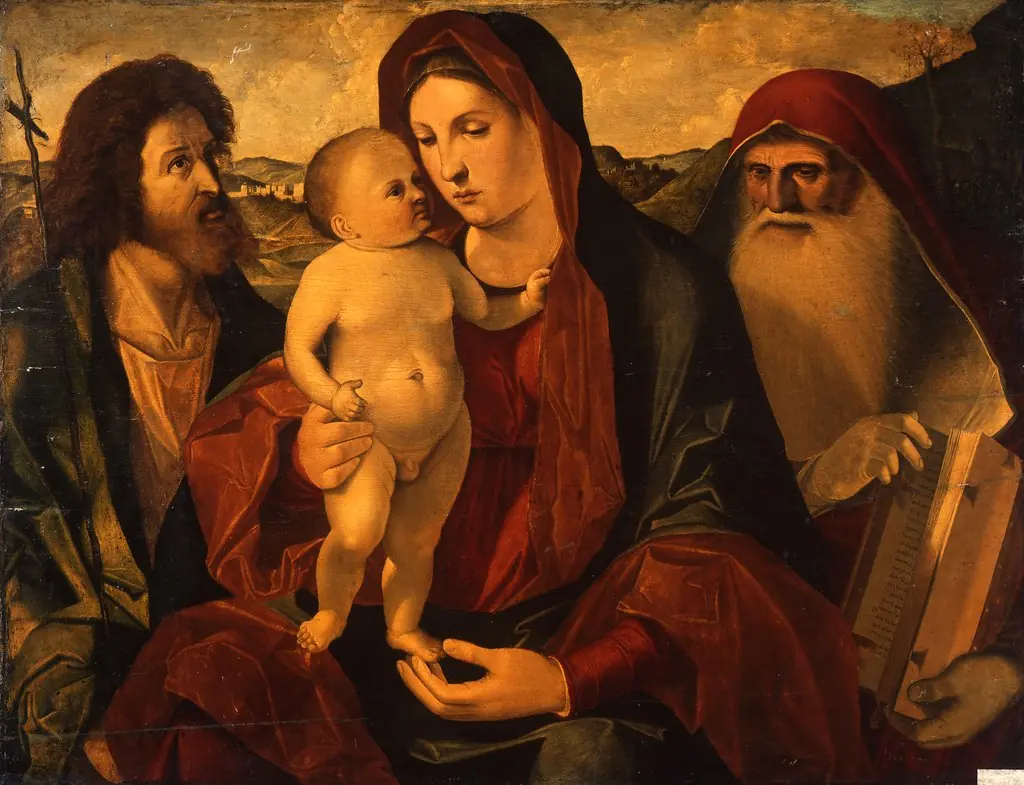 The Virgin and the Child with St. John the Baptist and St. Jerome
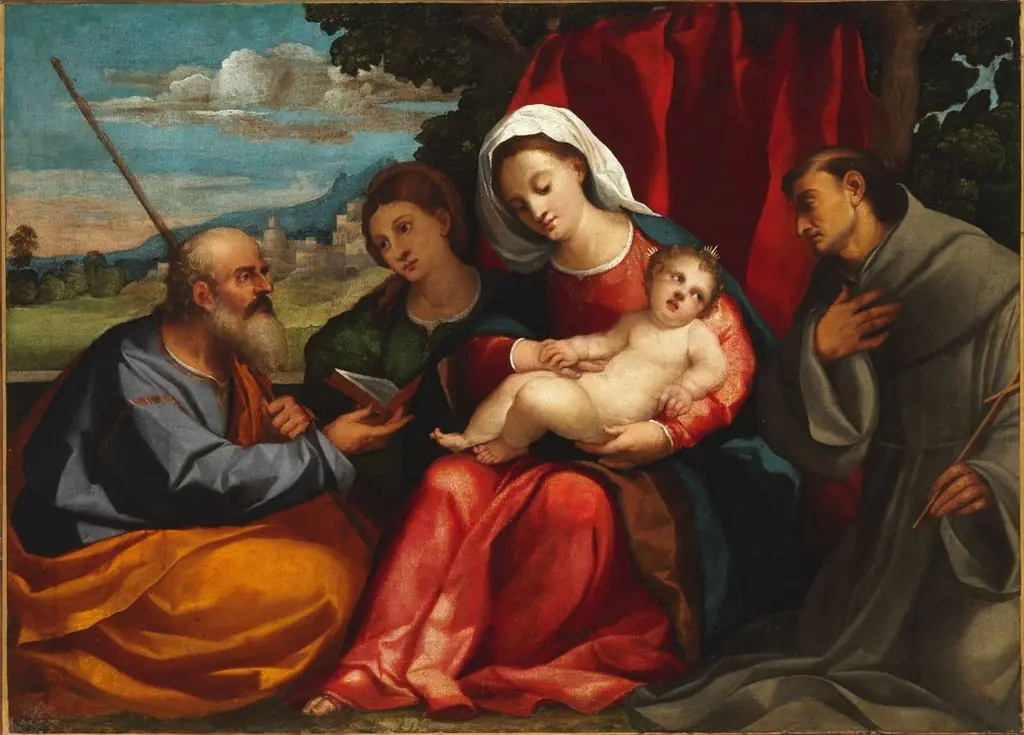 The Holy Family with a Female Saint and Saint Francis of Assisi
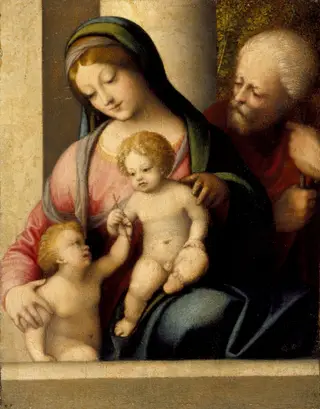 Holy Family with the Infant St. John
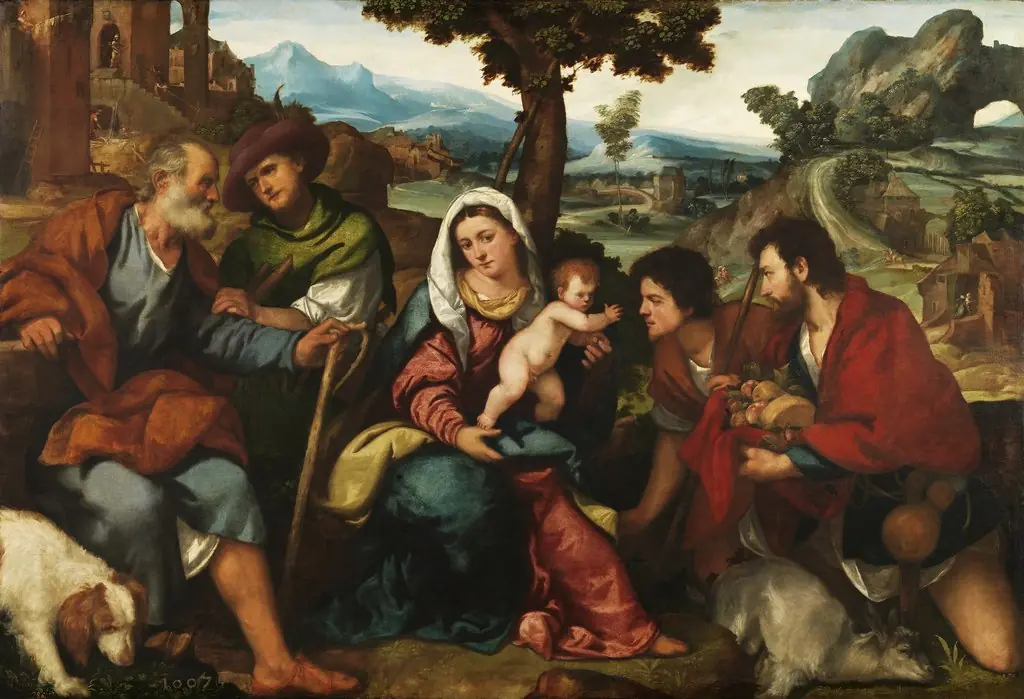 The Adoration of the Shepherds
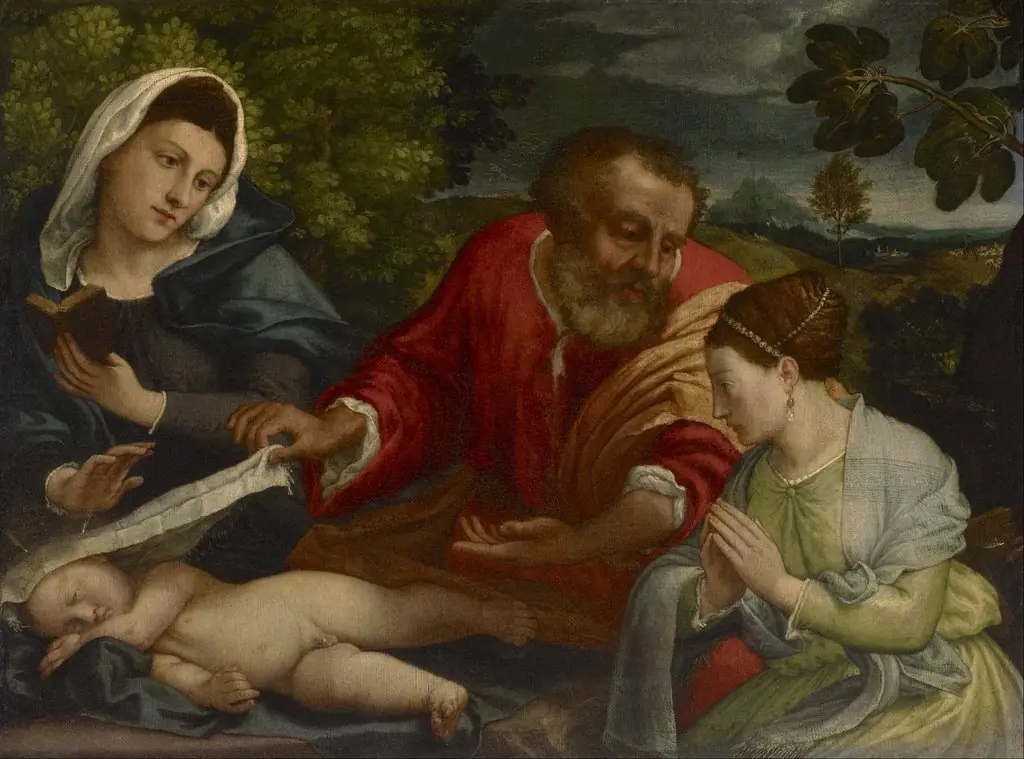 The Holy Family with a Donatrix as Saint Catherine of Alexandria
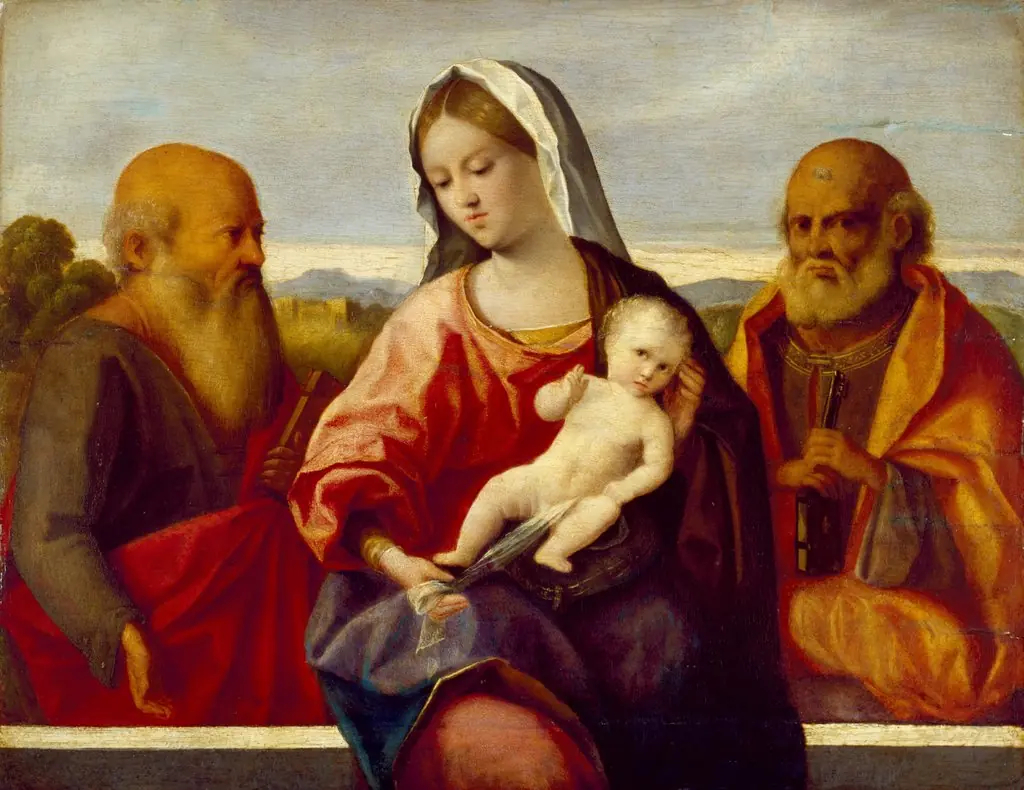 Madonna and Child with Saints Peter and Paul
 Canigiani Holy Family