Artwork
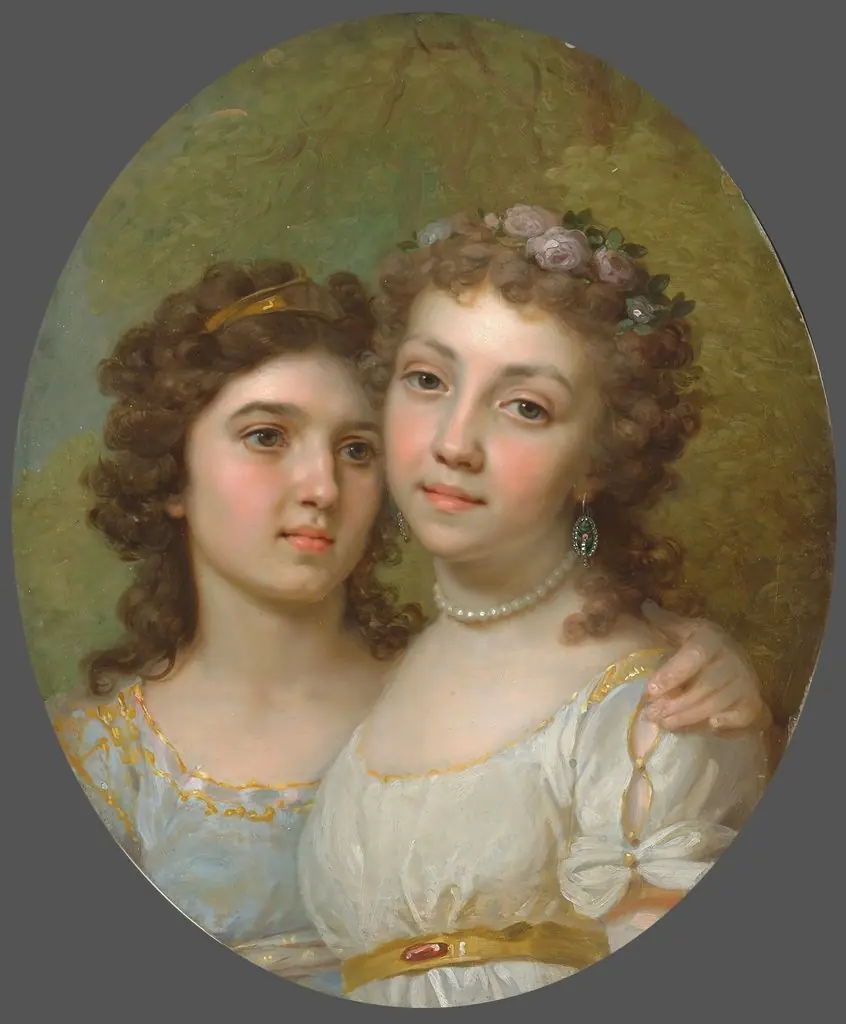
Anna and Varvara Gagarin
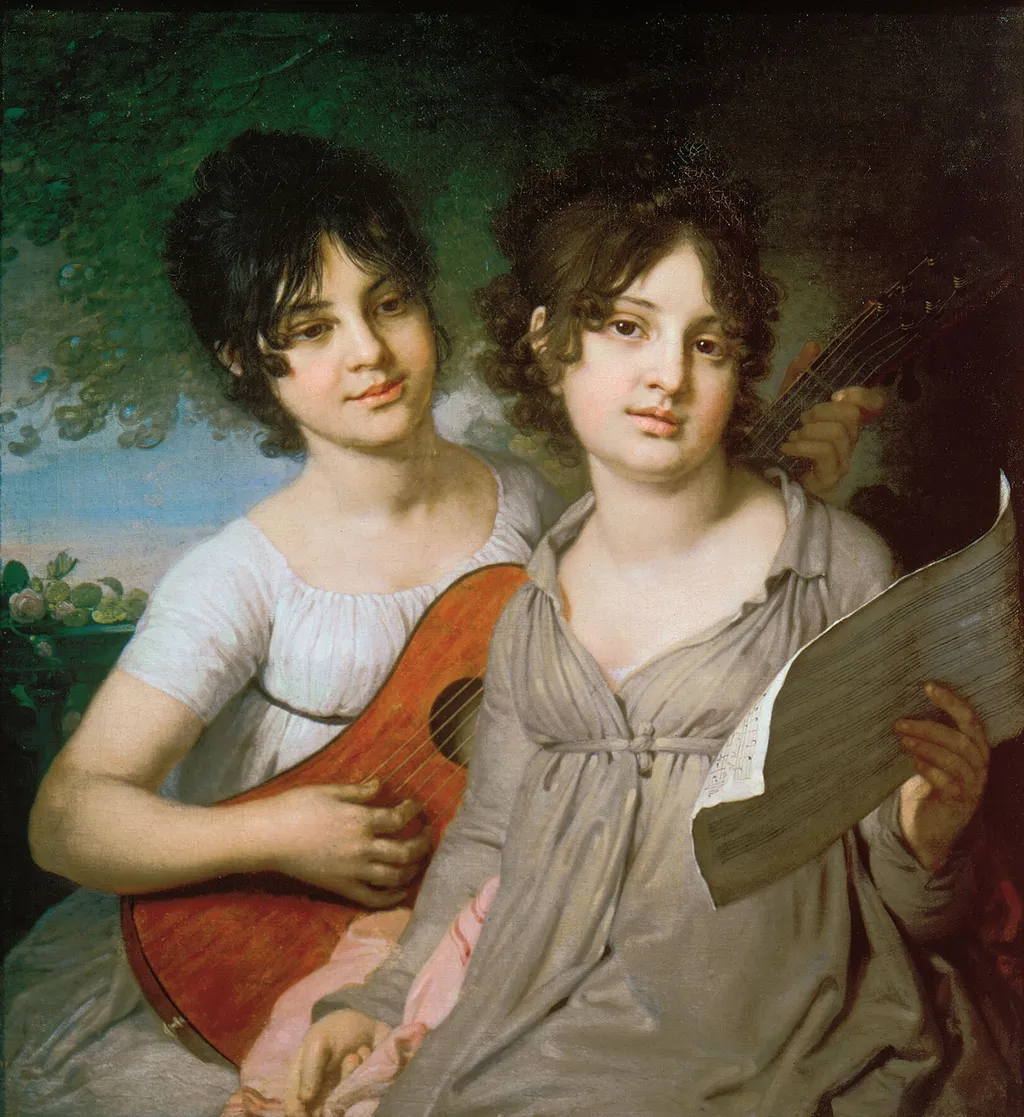
Anna and Varvara Gagarin is an oil painting by the Russian Icon artist Vladimir Borovikovsky. It dates from 1802 and is held in the collection of the Tretyakov Gallery.
About this work
Overview
The work reflects Borovikovsky’s role as a leading portraitist in Catherine the Great’s court, blending spiritual stillness with aristocratic grace.
Painted in 1802 by Vladimir Borovikovsky, this oil portrait captures two young sisters of the Gagarin family, Anna and Varvara. Though rooted in the visual language of Russian religious icons, serene expressions, soft lighting, and frontal composition, it departs from sacred subject matter to honor private, domestic life. The work reflects Borovikovsky’s role as a leading portraitist in Catherine the Great’s court, blending spiritual stillness with aristocratic grace.
Subject & Meaning
The sisters are portrayed in quiet repose, engaged in a shared musical moment: one holds a stringed instrument, the other a sheet of music. Their calm demeanor and matching posture suggest intimacy and mutual devotion. Dressed in modest yet refined attire, they embody an idealized femininity valued in early 19th-century Russian aristocracy, gentle, cultivated, and inwardly focused. The absence of grandeur or symbolism shifts emphasis to personal presence rather than social status.
Technique & Style
Borovikovsky employs subtle chiaroscuro to model the girls’ faces with gentle luminosity, avoiding harsh contrasts. Thin glazes build skin tones with translucency, while delicate impasto defines lace and fabric textures. The muted, atmospheric background recedes softly, isolating the figures and enhancing their quiet dignity.
His brushwork is precise yet unobtrusive, prioritizing emotional resonance over theatrical display, a hallmark of his court portraiture.
History & Provenance
Commissioned by the Gagarin family, the painting remained within private collections until entering the Tretyakov Gallery’s holdings in the late 19th century. Its preservation reflects its recognition as a significant example of early Russian secular portraiture. Unlike many court works of the period, it escaped major alterations or reattributions, retaining its original composition and condition.
Context
Created during the twilight of Catherine the Great’s reign, the painting emerged in a cultural moment when Russian elites sought to define a distinct national identity through art. Borovikovsky, of Ukrainian Cossack origin, bridged Western European portraiture traditions with indigenous sensibilities. His focus on quiet, intimate scenes marked a shift from formal state portraiture toward personal, emotionally resonant imagery.
Legacy
The portrait influenced later Russian artists who turned to domestic subjects with psychological depth. Its restrained elegance and spiritual tone helped redefine portraiture beyond aristocratic display, paving the way for more introspective depictions of family life. Today, it remains a touchstone in discussions of how Russian art negotiated secular and sacred aesthetics in the early 1800s.
Own this work as a print
Artist & collection
Artist
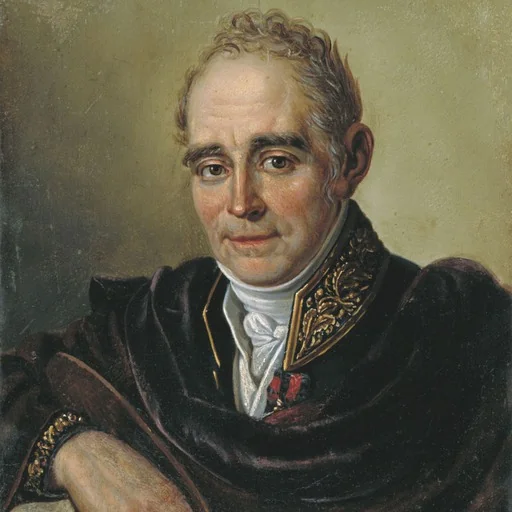
Vladimir Lukich Borovikovsky (August 4 1757 – April 18 1825) was a Russian artist of Ukrainian Cossack origin. He served at the court of Catherine the Great and dominated portraiture in Russia at the turn of the 19th century.

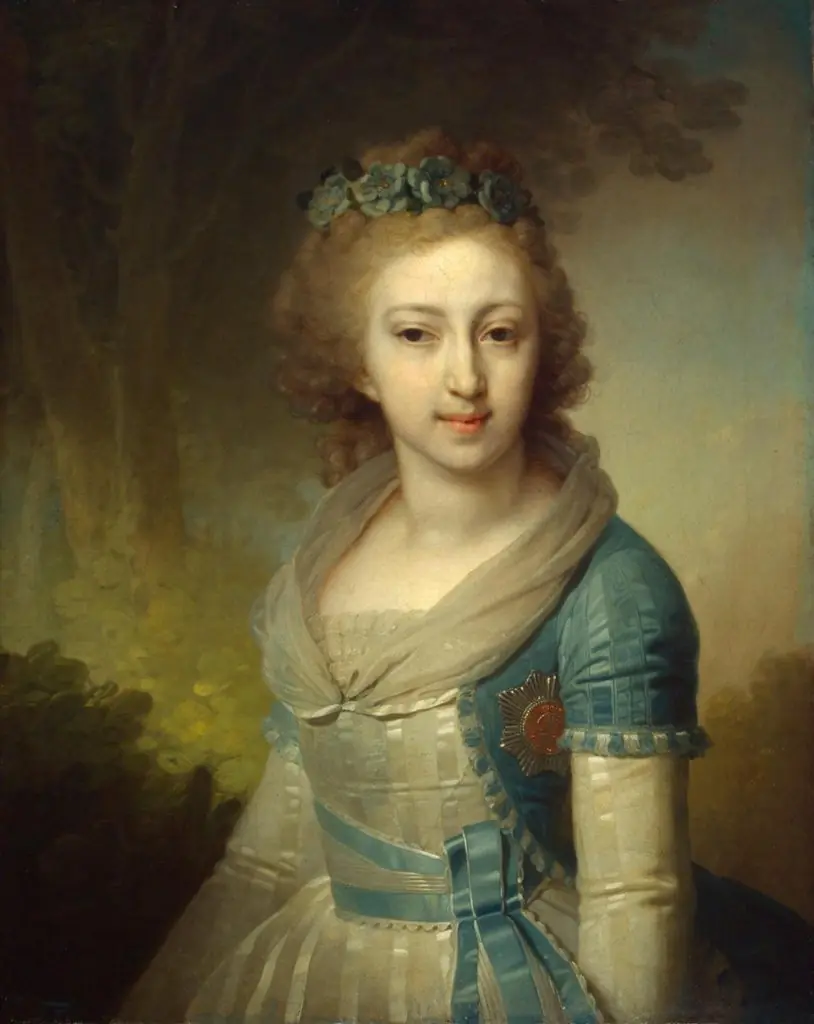 Portrait of Grand DuchessYelena Pavlovna
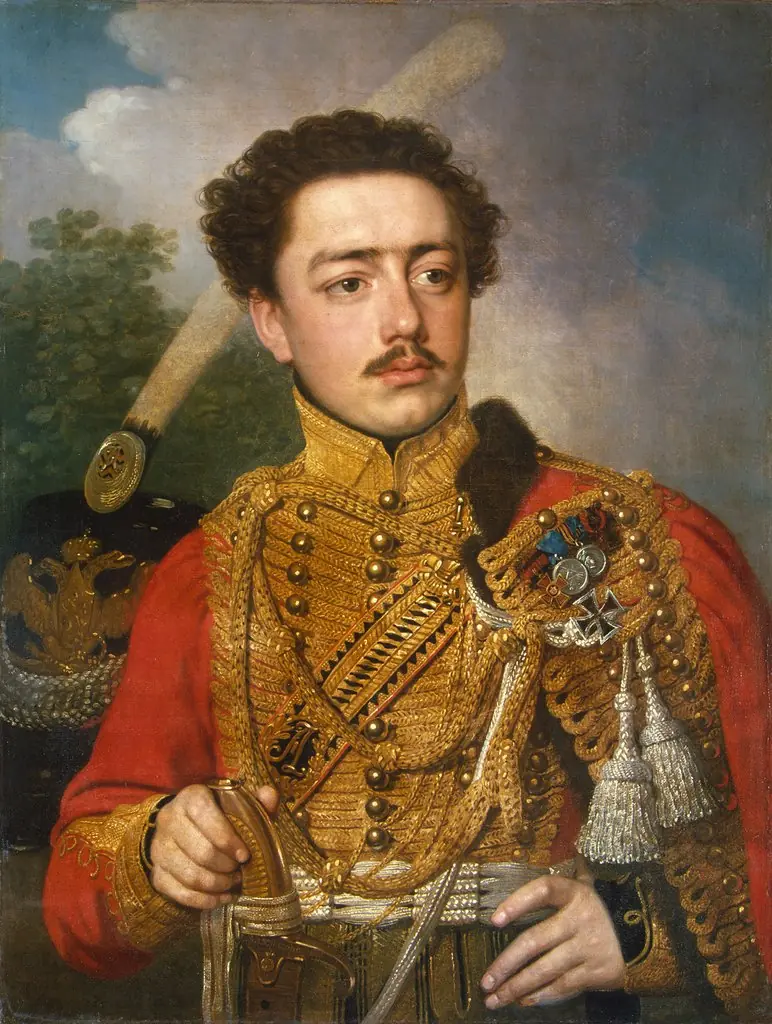 Portrait of Pavel Masyukov, the Cavalry Captain of the Life-Guards Hussar Regiment
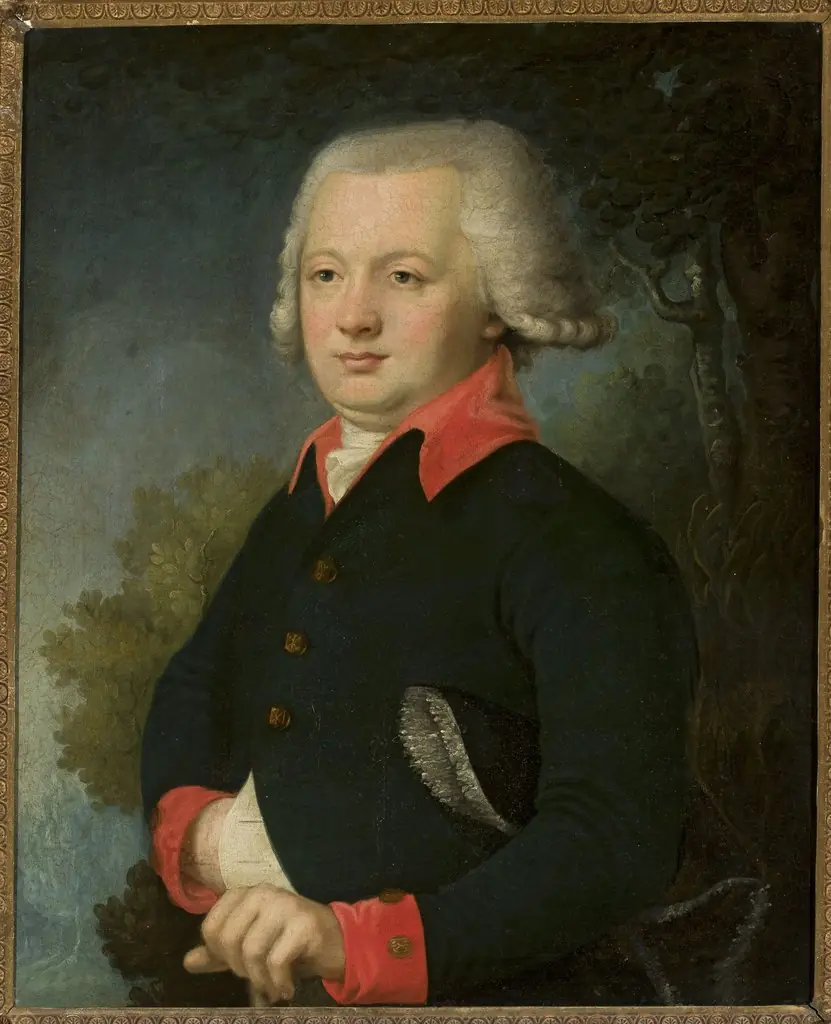 Portrait of a young man
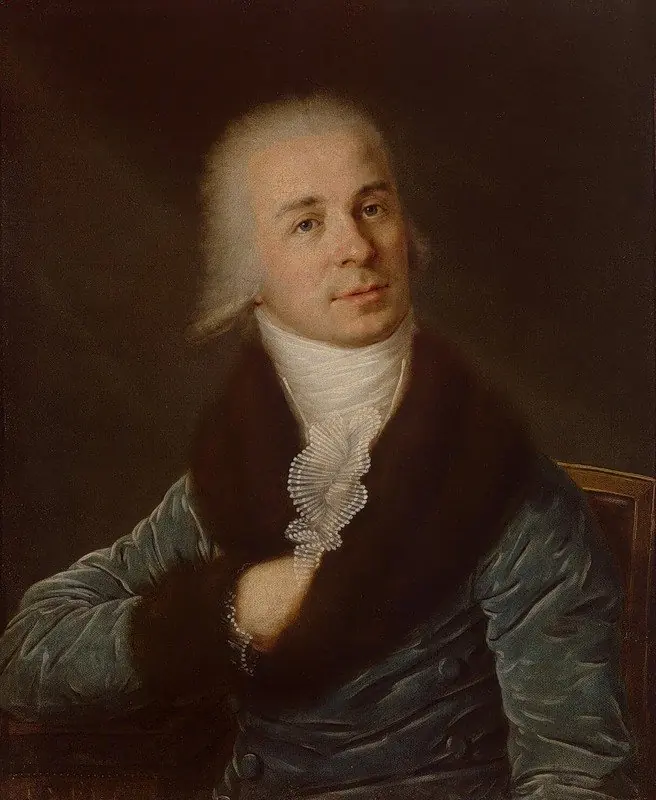 Portrait of Gavrila Derzhavin
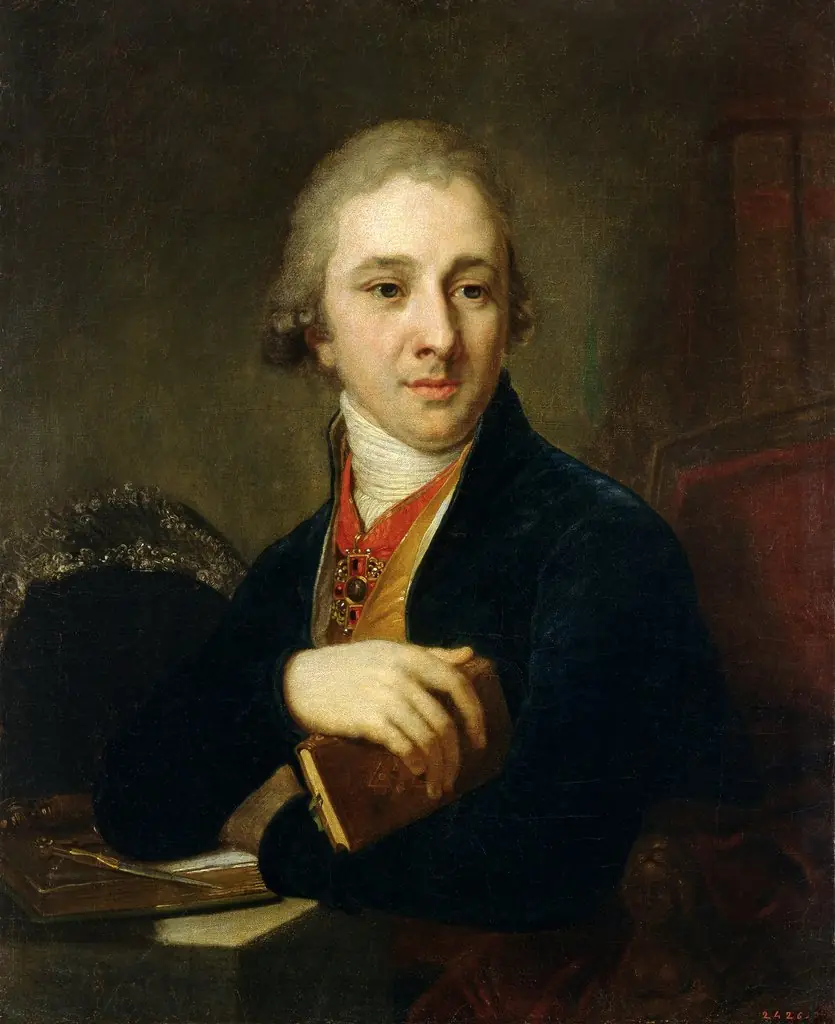 "Portrait of Alexander Labzin" (1766-1825)
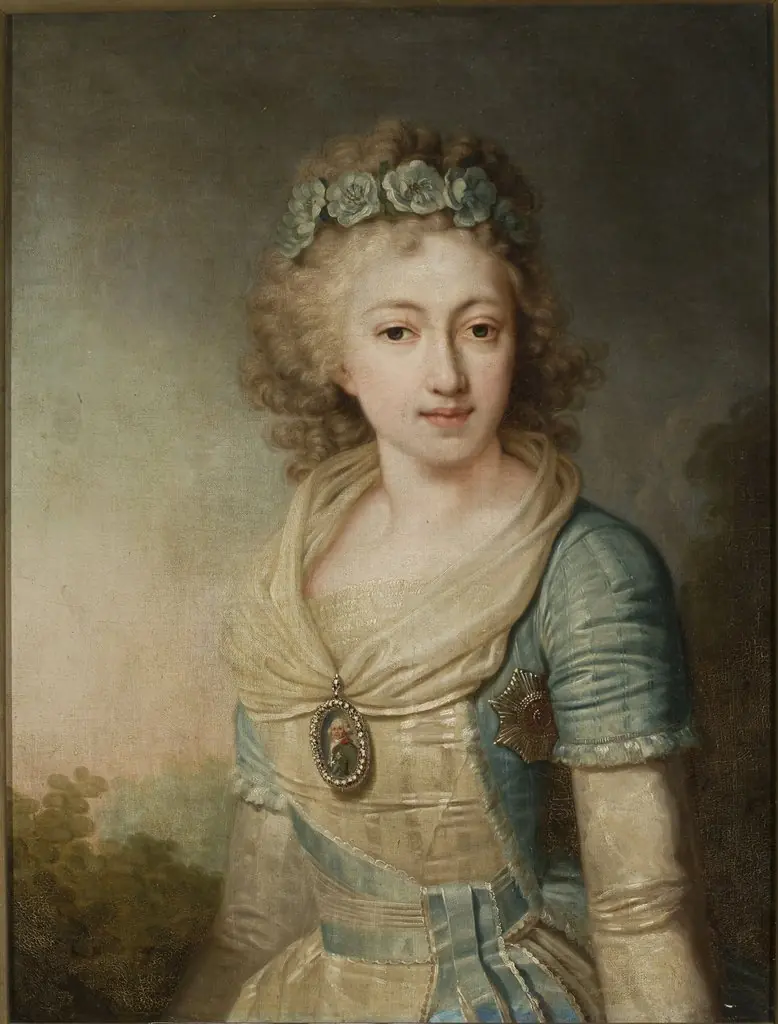 Portrait of Paul I’s daughter – Helena
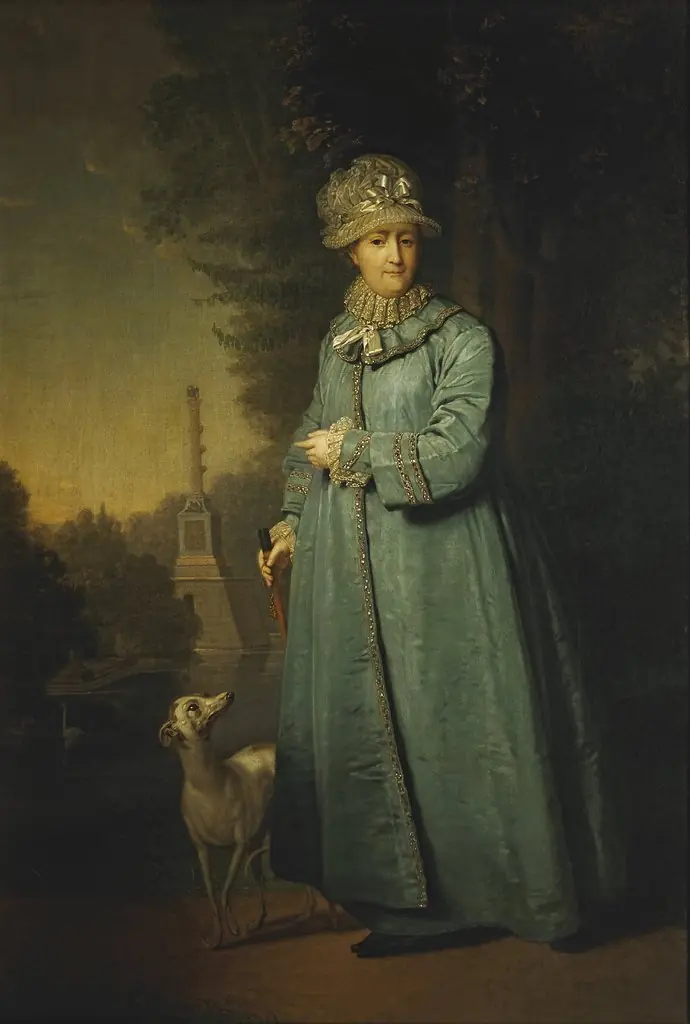 Catherine II during a walk in the Tsarskosyelsky Park
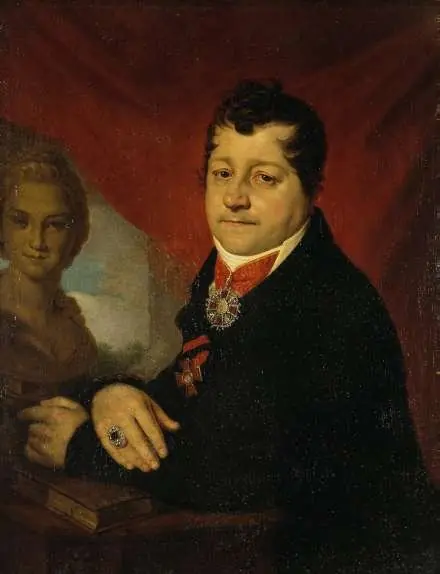 Portrait of Sergei Yakovlev
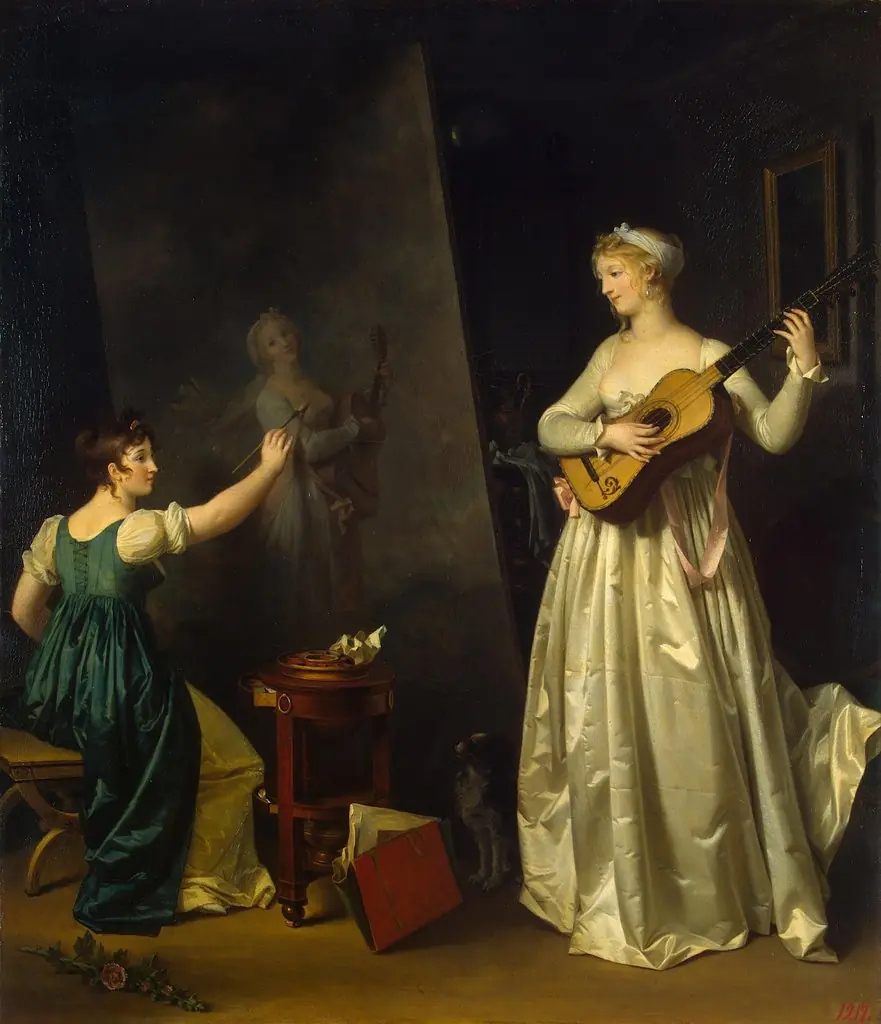
- Artist Painting a Portrait of a Musician
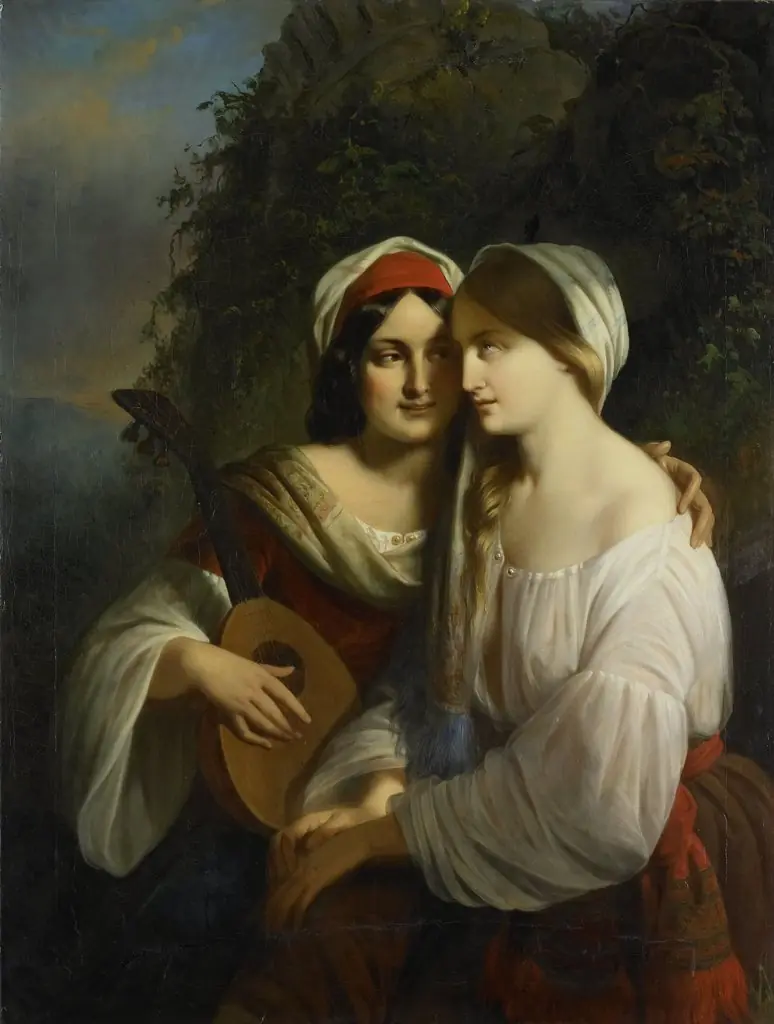 Twee vrouwen in Italiaanse dracht
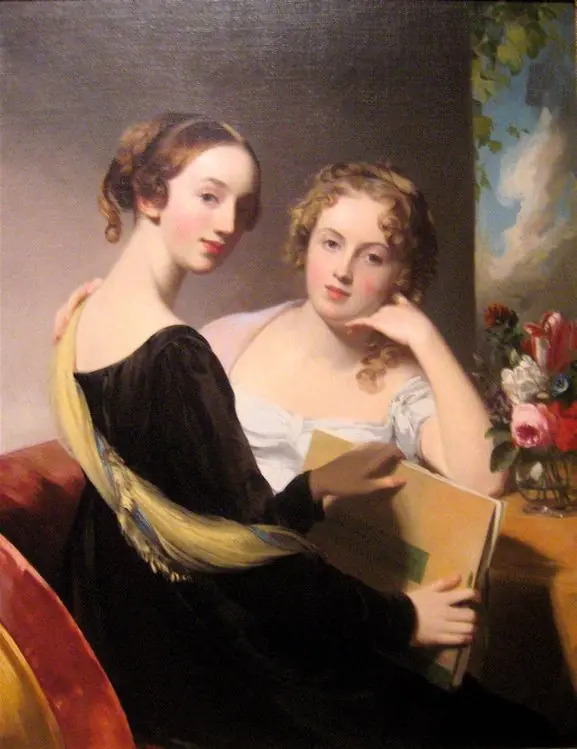 Portrait of the Misses Mary and Emily McEuen
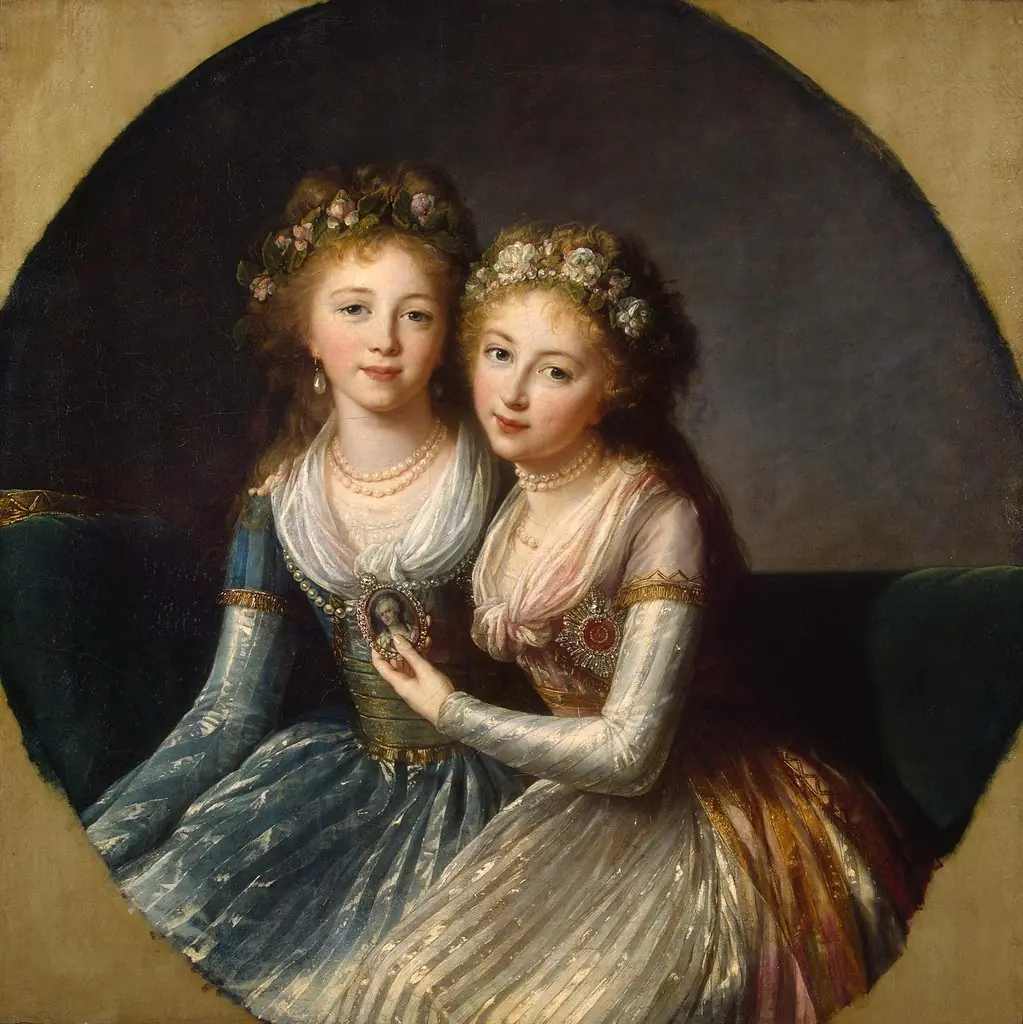 Portrait of Emperor Pavel I's Daughters
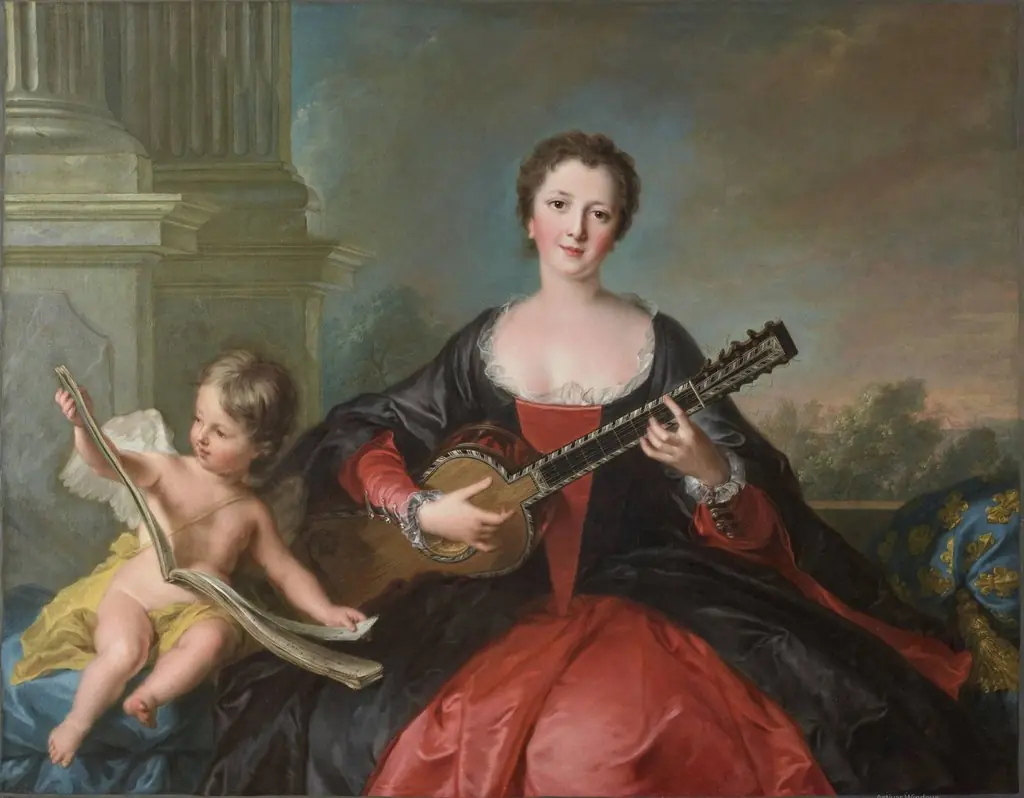 Presumed portrait of Philippine Élisabeth d'Orléans
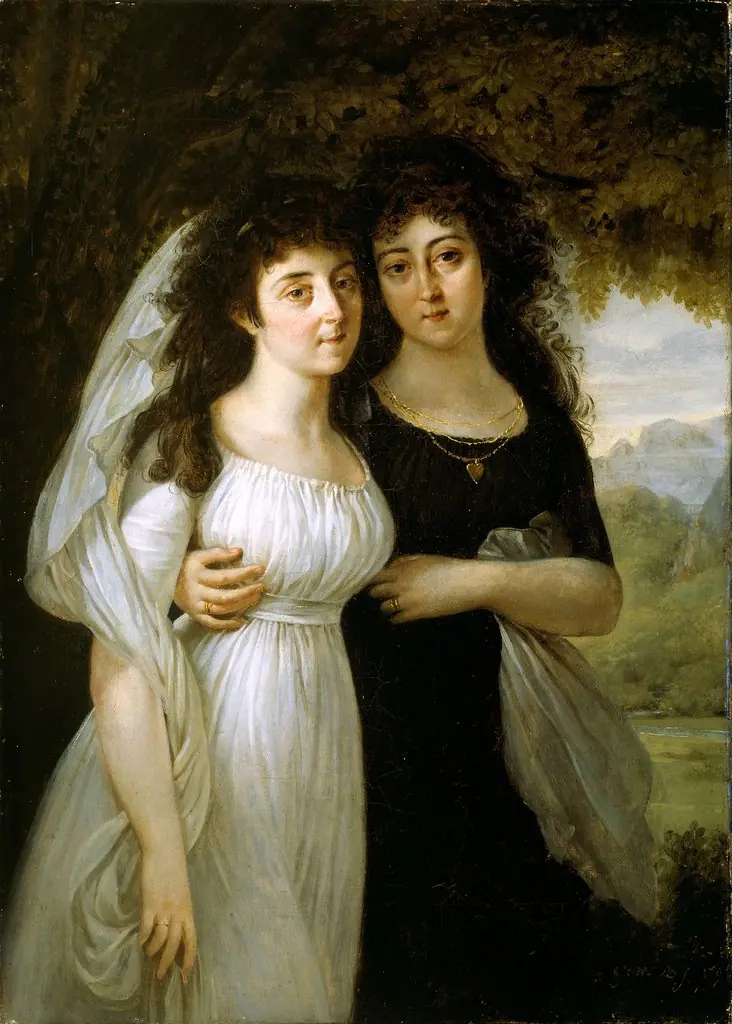 Portrait of the Maistre Sisters
 Дашенька та Лізонька
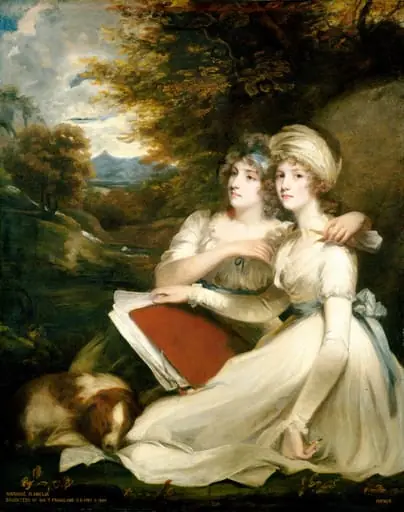 The Frankland Sisters
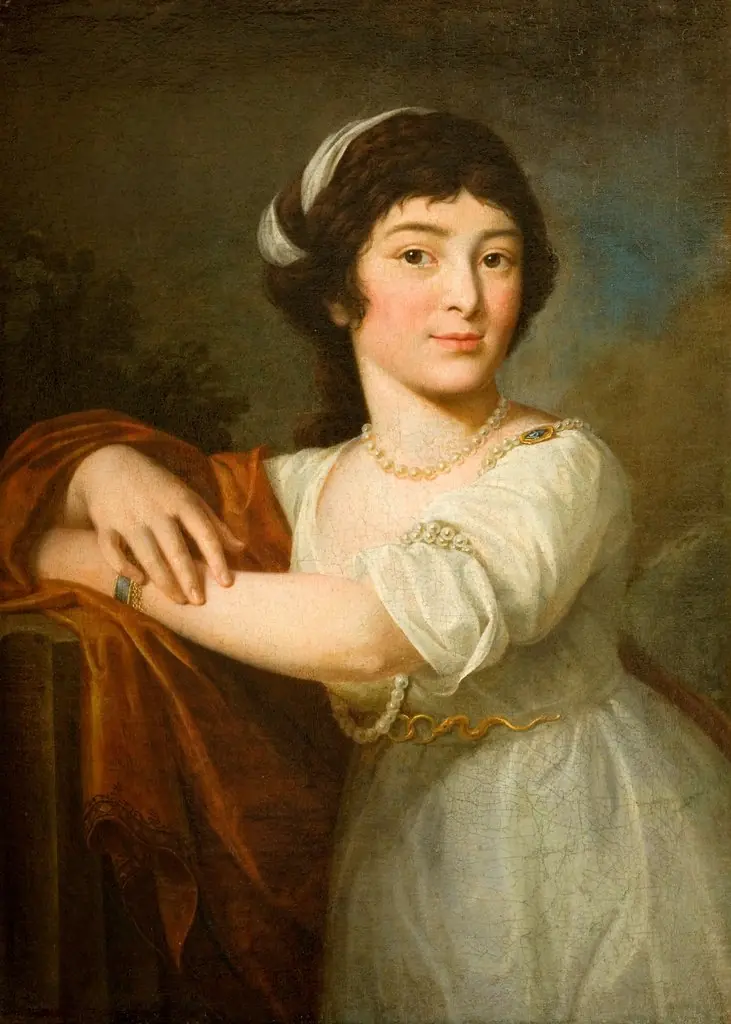 Portrait of Joanna Dzierzbicka
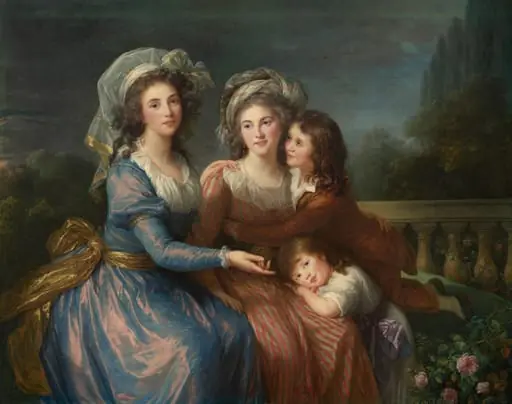 The Marquise de Pezay, and the Marquise de Rougé with Her Sons Alexis and Adrien
 The Hussar and His Family
 Portrait of Elena Aleksandrovna Naryshkina (1785-1855)