Artist
Subject
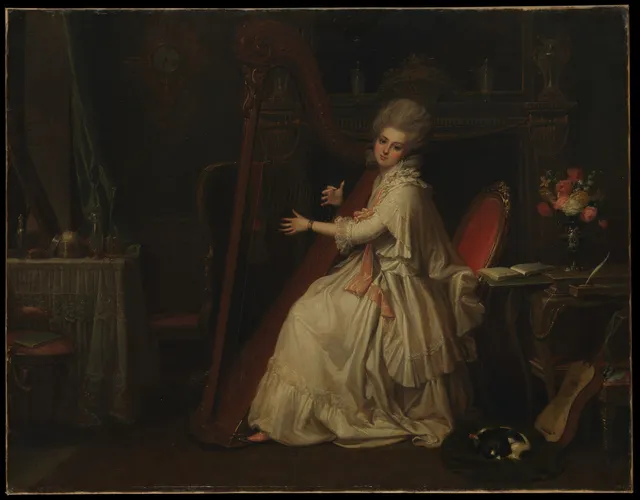
Guitar is a subject in art. The gallery holds 41 works in this subject in art, including works by Édouard Manet, Richard Cosway and Pierre-Auguste Renoir.
The guitar is a stringed musical instrument that is usually fretted (with some exceptions) and typically has six or twelve strings. It is usually held flat against the player's body and played by strumming or plucking the strings with the dominant hand, while simultaneously pressing selected strings against frets with the fingers of the opposite hand.
Artist
Artist

The guitar is a fretted string instrument, typically with six or twelve strings, that has appeared as a subject in at least 45 works in this collection. Held flat against the player's body, it is played by strumming or plucking with the dominant hand while pressing strings against frets with the opposite hand. The guitar belongs to the chordophone family, producing sound through vibrating strings stretched between fixed points. Its ancestors include the gittern, vihuela, four-course Renaissance guitar, and five-course baroque guitar, all contributing to the development of the modern six-string instrument. The word guitar derives from the Spanish guitarra, which comes via Andalusian Arabic qīthārah from the Latin cithara and ultimately the Ancient Greek kithára.
In art, the guitar carries layered significance. As a portable instrument, it frequently symbolizes leisure, intimacy, and domestic music-making. Its presence in portraits often signals cultural refinement or social status, particularly in aristocratic settings where guitar playing was cultivated. The instrument also evokes particular national and regional identities, especially Spanish musical culture, given the guitar's formal development in Spain from the guitarra latina and guitarra morisca traditions. In genre scenes, the guitar can denote romantic or idle pastimes, while in still life contexts it may serve as a memento mori or reference to the transience of sensory pleasures. The guitar's association with popular and folk traditions, as well as with flamenco, blues, and rock music in later periods, gives it a dual character as both a courtly and a demotic symbol.
The guitar's representation in art has had a lasting afterlife that extends beyond the works in this collection. As the instrument became central to twentieth-century popular music, its visual iconography permeated advertising, album covers, and fine art alike. The classical guitar tradition, consolidated by builders such as Antonio de Torres Jurado around 1884 and performers including Francisco Tárrega, Andrés Segovia, and Julian Bream, preserved its status as a concert instrument. Meanwhile, the electric guitar's role in blues, rock, heavy metal, and punk transformed it into a symbol of rebellion, youth culture, and sonic power. The guitar's portability and accessibility have made it one of the most widely disseminated instruments globally, appearing in African, Latin, Celtic, and Asian musical contexts. Its continued presence in contemporary art and visual culture testifies to the enduring flexibility of its meanings, from refined accomplishment to popular expression.
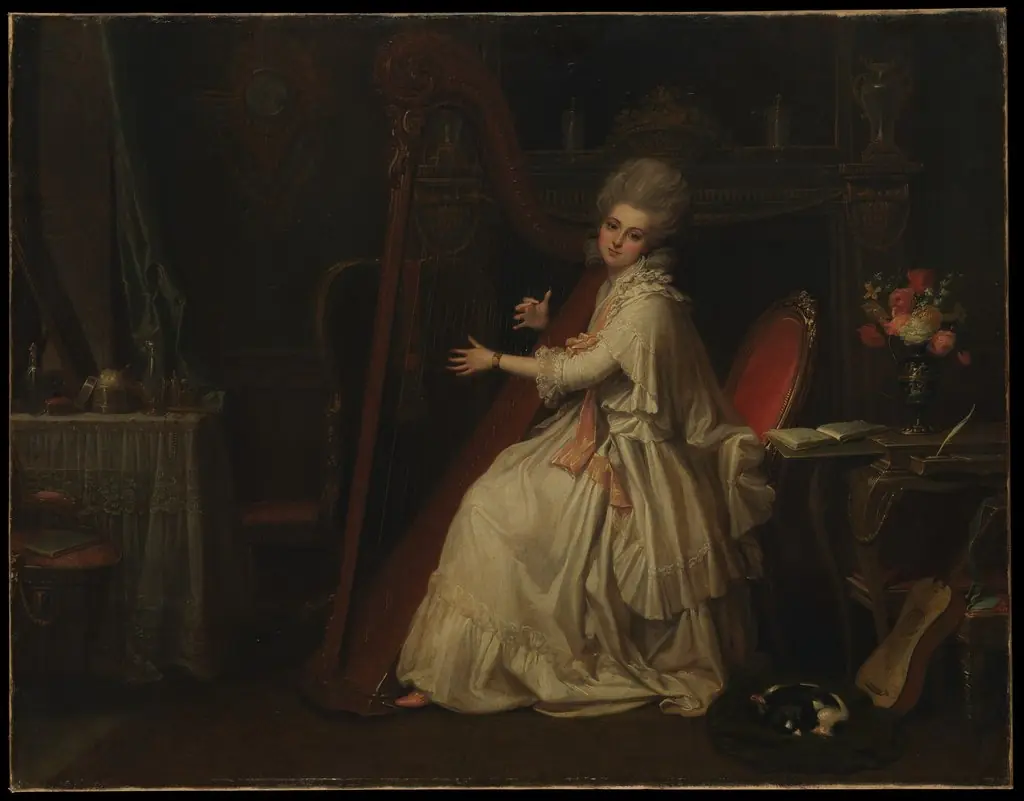 Portrait of Marianne Dorothy Harland (1759–1785), Later Mrs. William Dalrymple
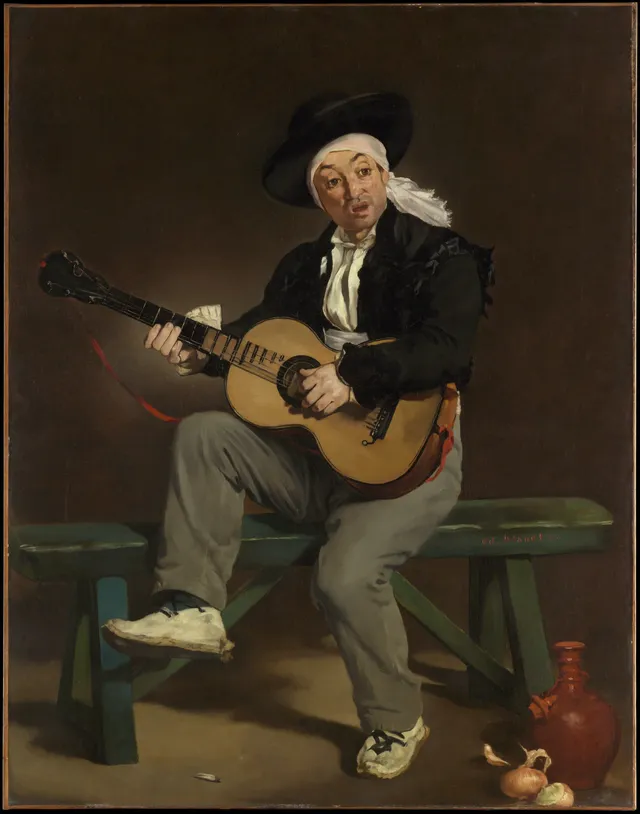
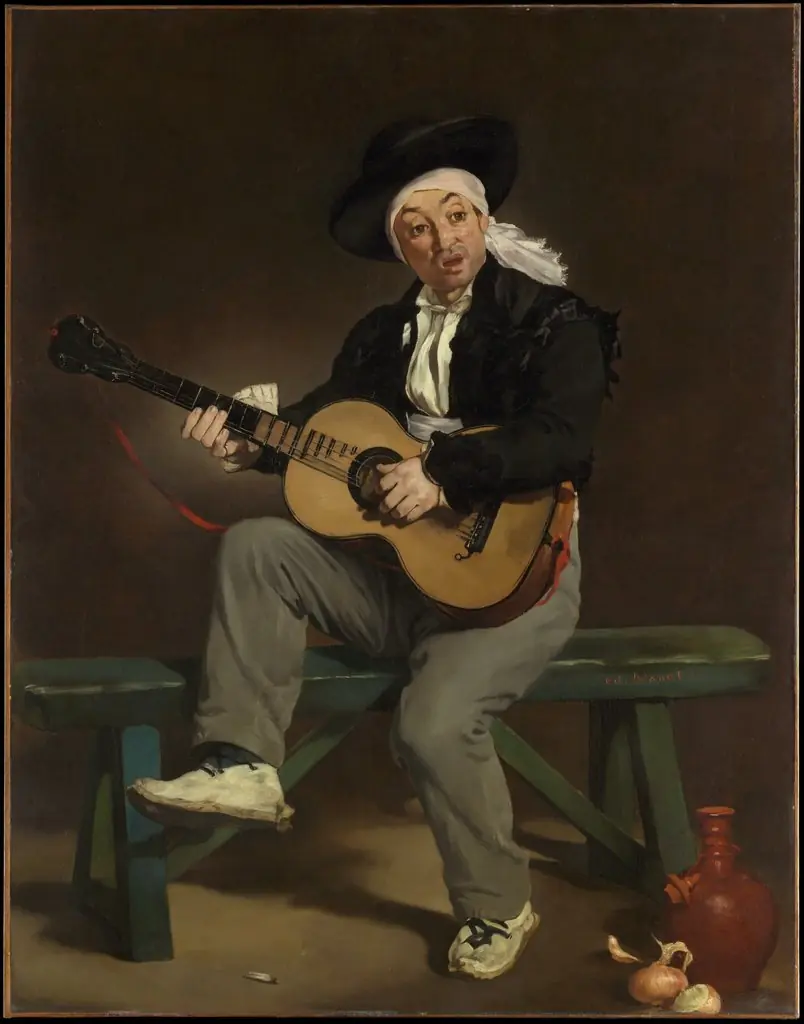 The Spanish Singer
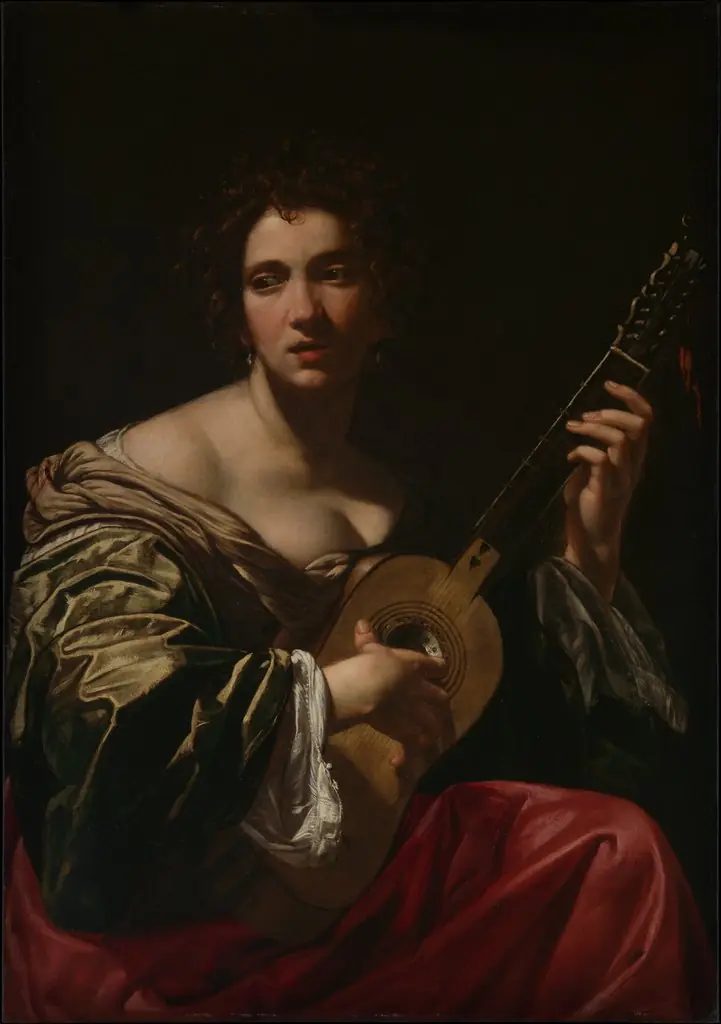 Woman Playing a Guitar
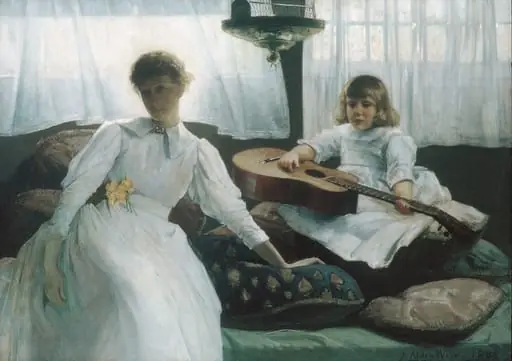 Idle Hours
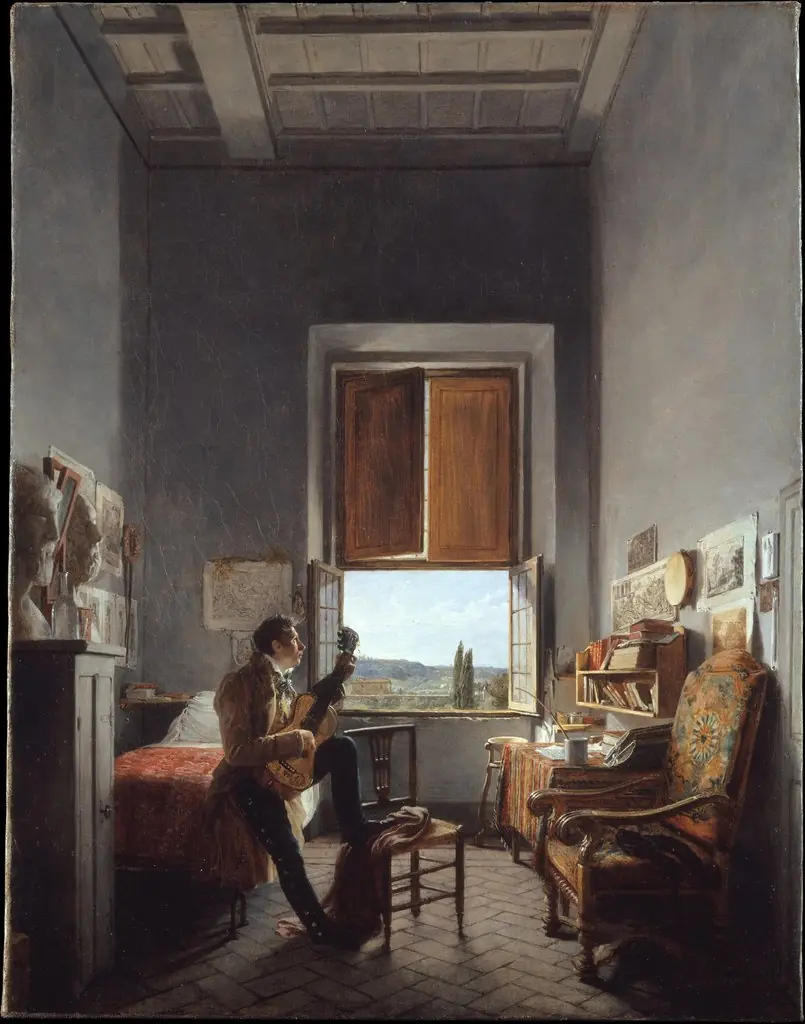 Léon Pallière (1787–1820) in His Room at the Villa Medici, Rome
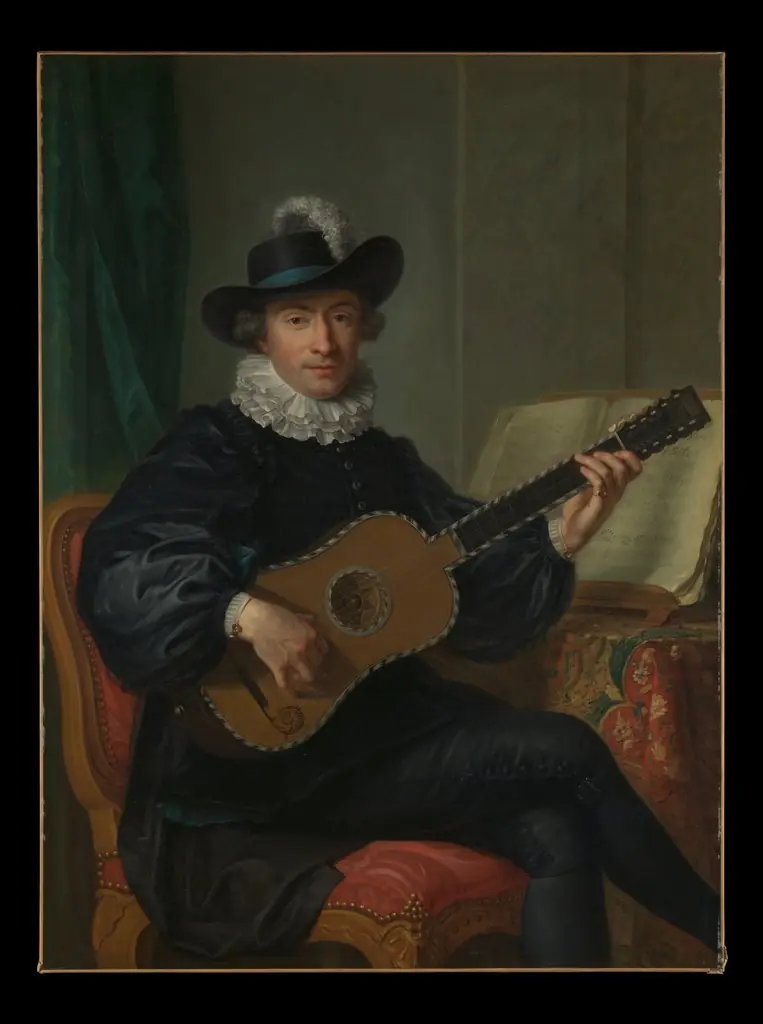 Portrait of Monsieur Aublet
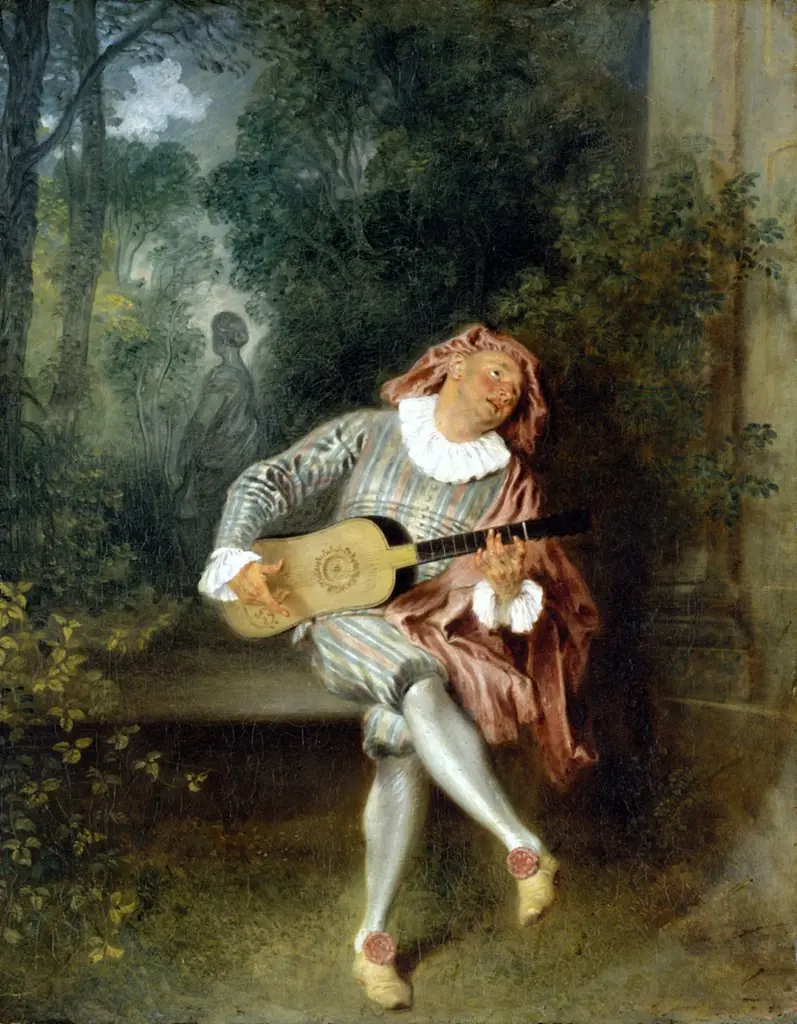 Mezzetin
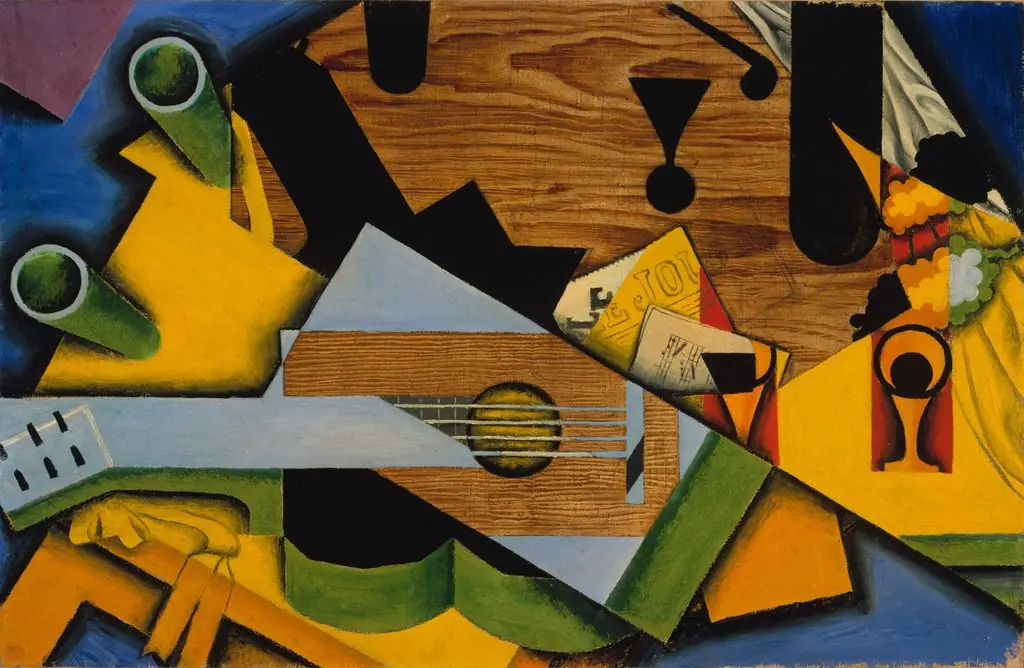 Still Life with a Guitar
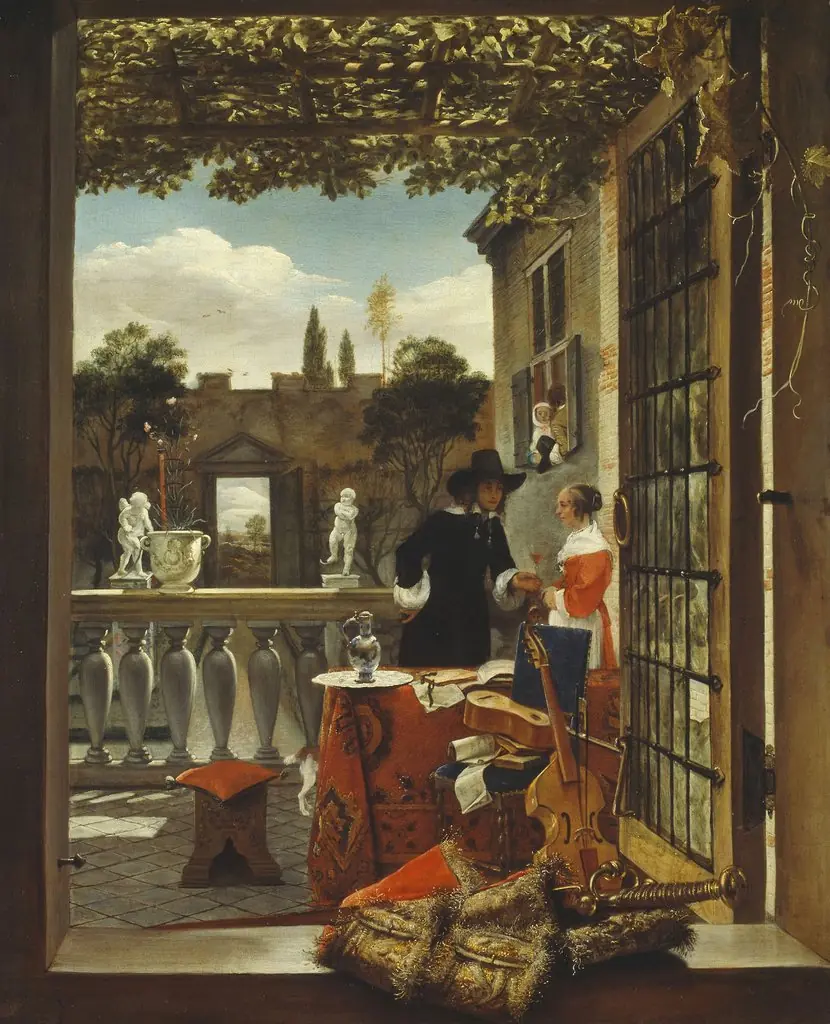 The Terrace
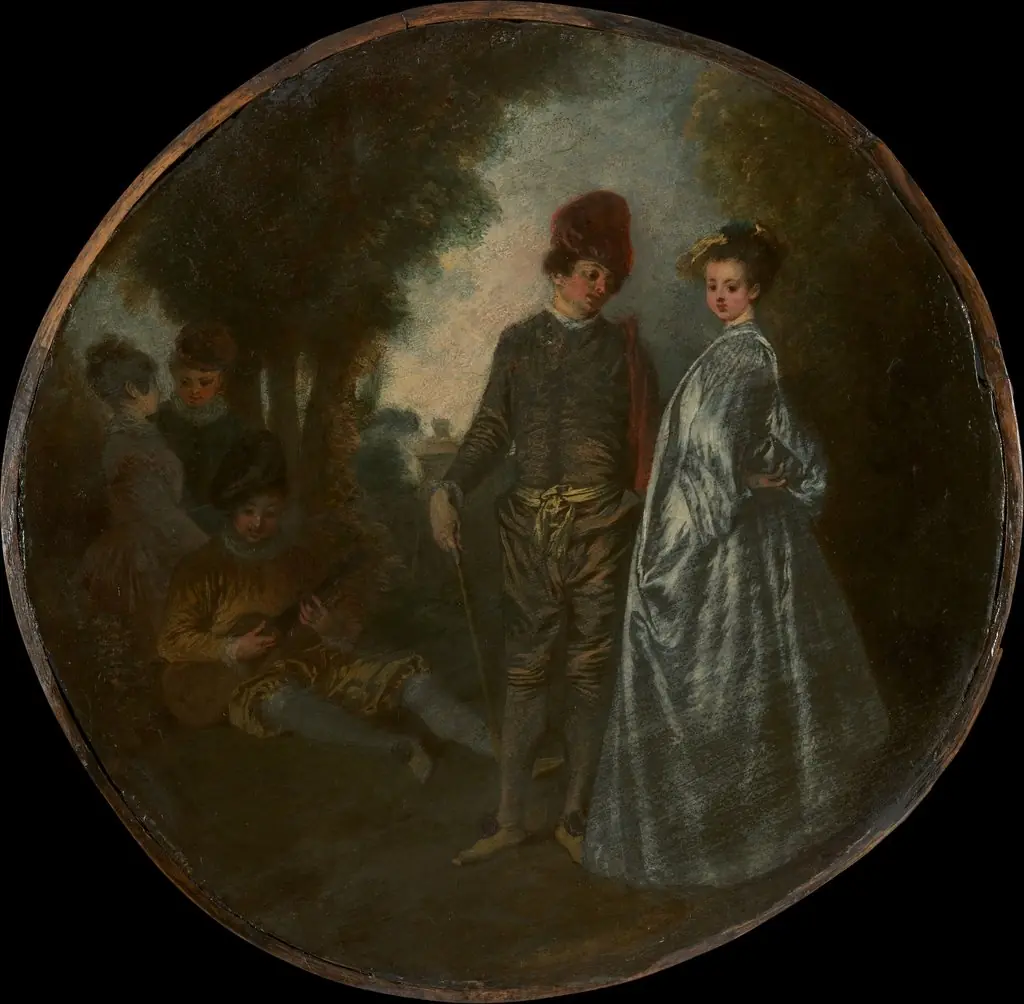 The Cascade
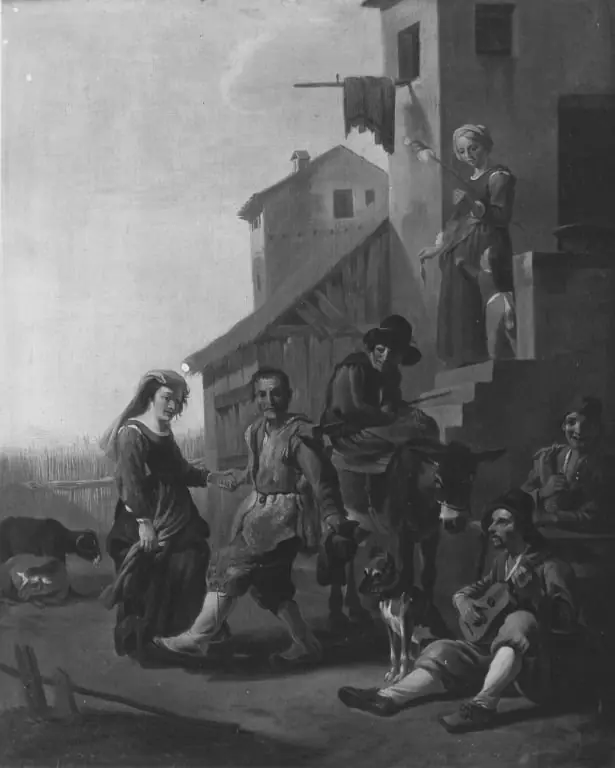 Tanz in der Campagna
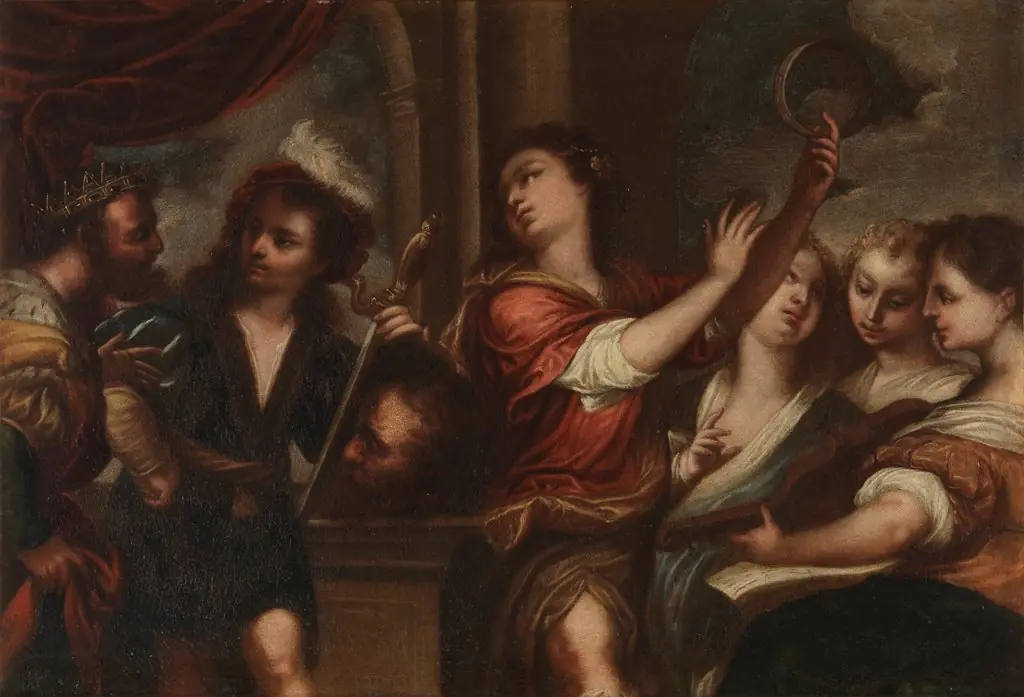 The Triumph of David
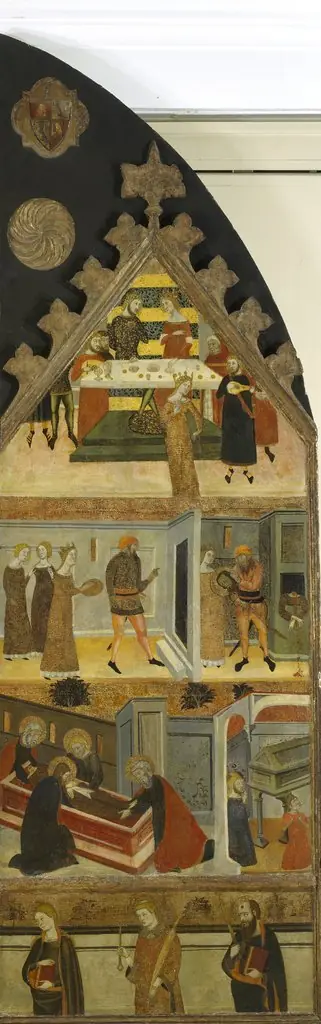 Episodes from the Lives of Mary Magdalen and Saint John the Baptist
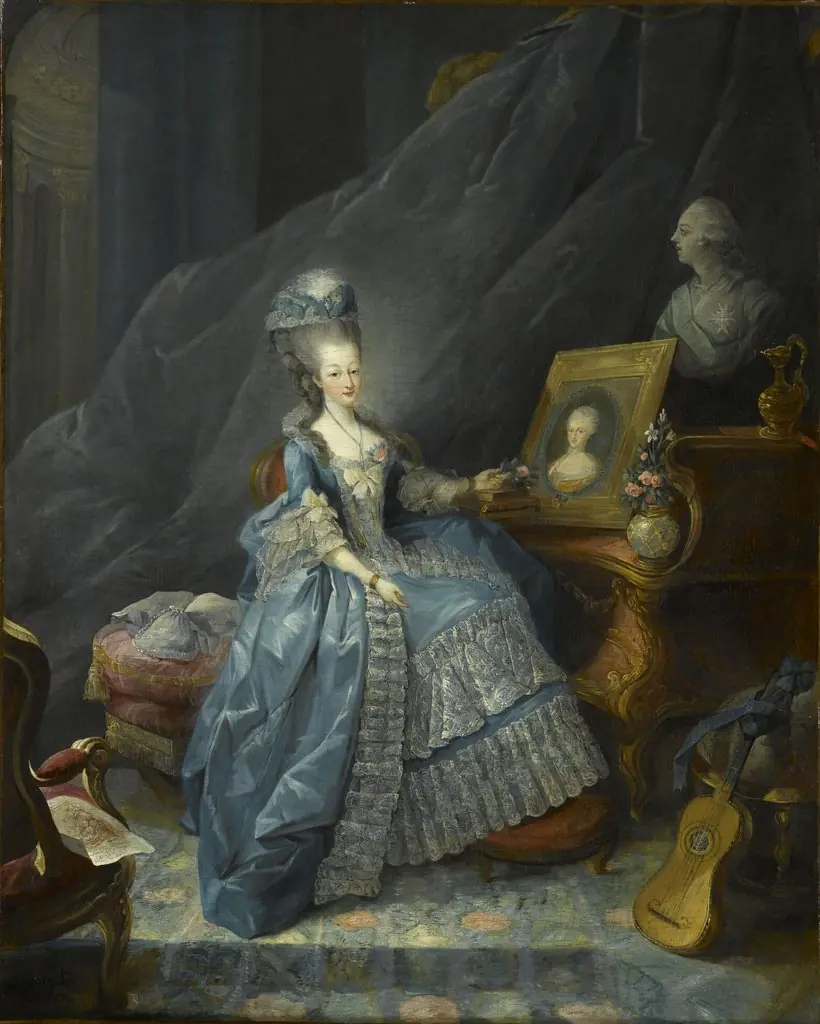 Marie-Thérèse of Savoy, Countess of Artois (1756-1805)
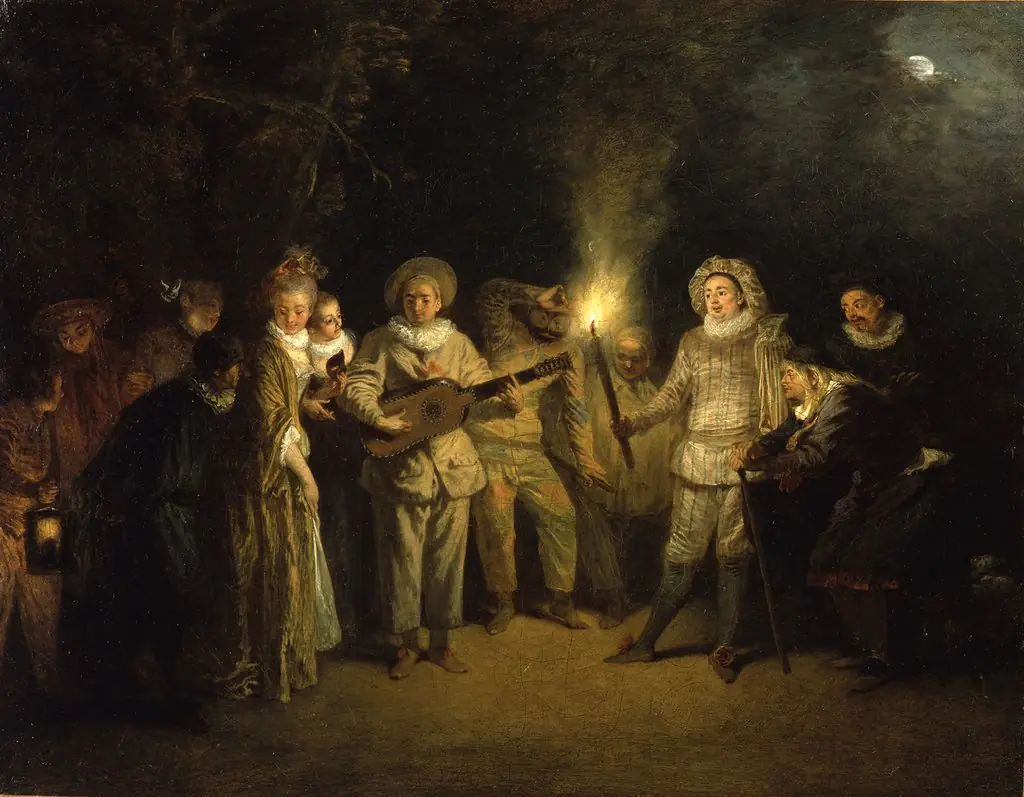 Love in the Italian Theatre
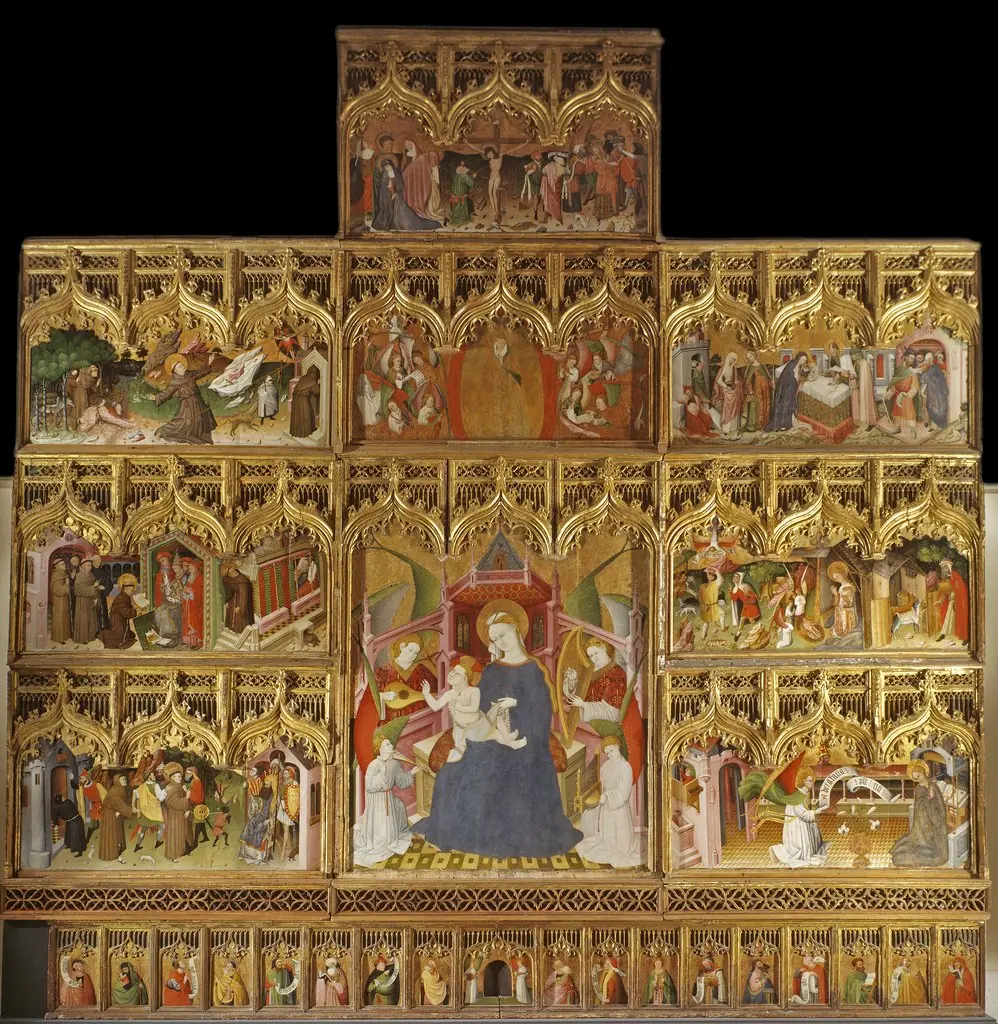 Altar Piece of the Lives of the Virgin and Saint Francis
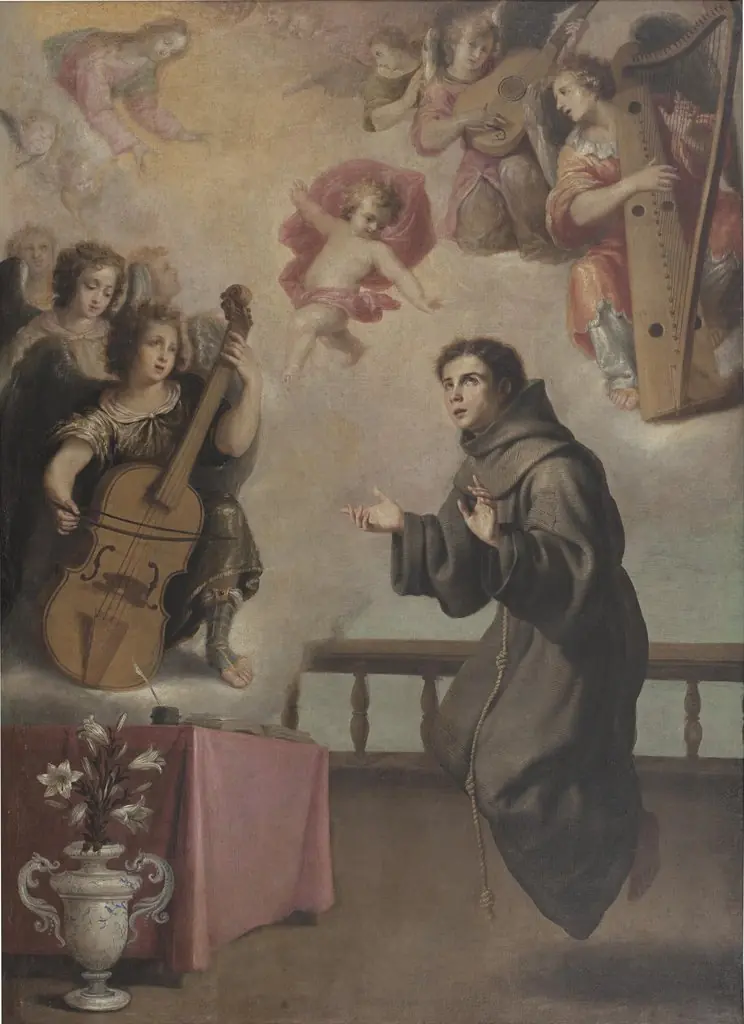 Saint Anthony of Padua
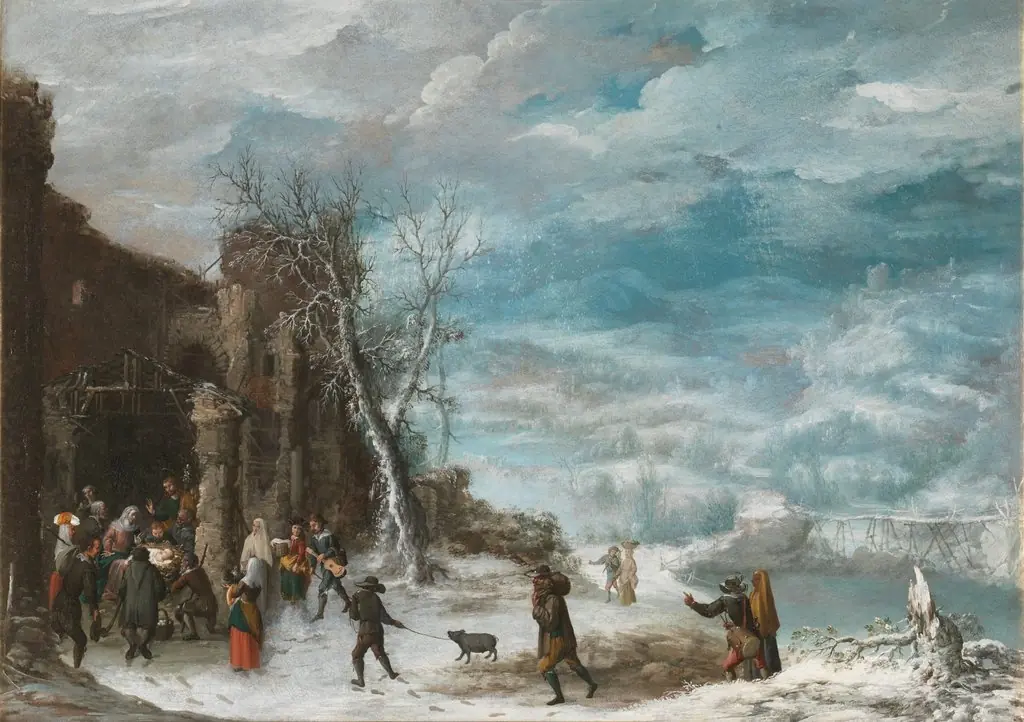 Winter Landscape with the Adoration of the Shepherds
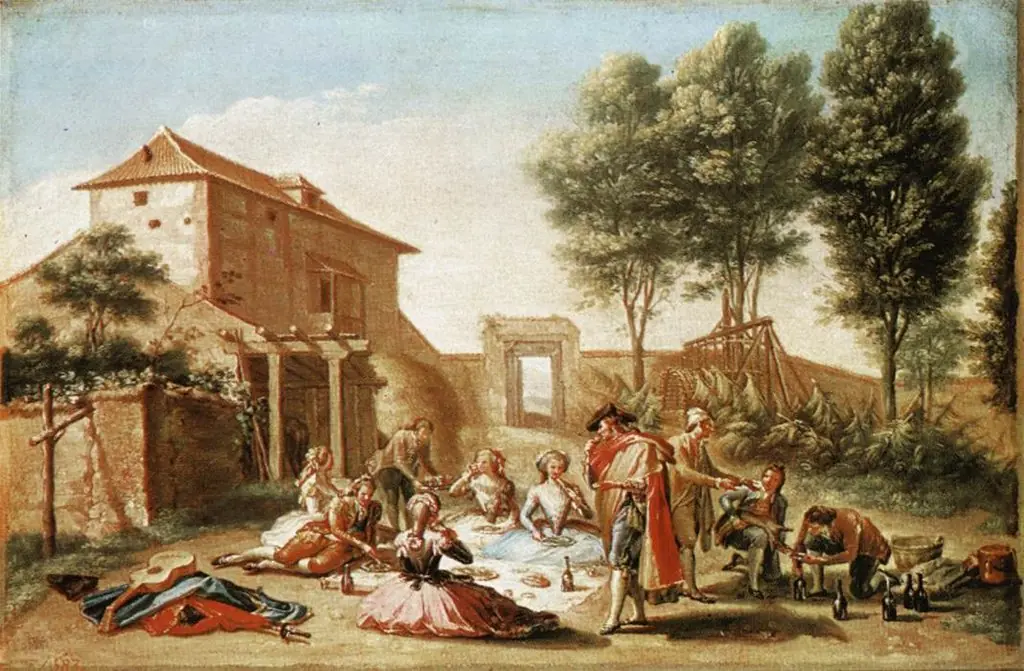 The Country Picnic
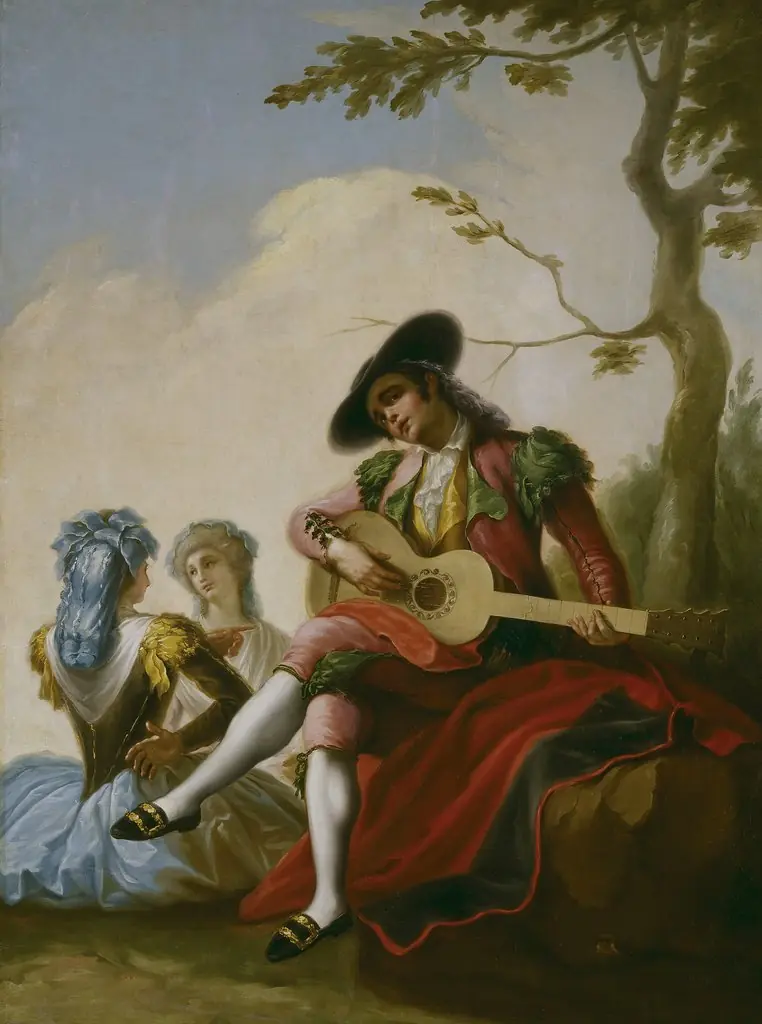 Majo with a Guitar
 The Meadow of San Isidro
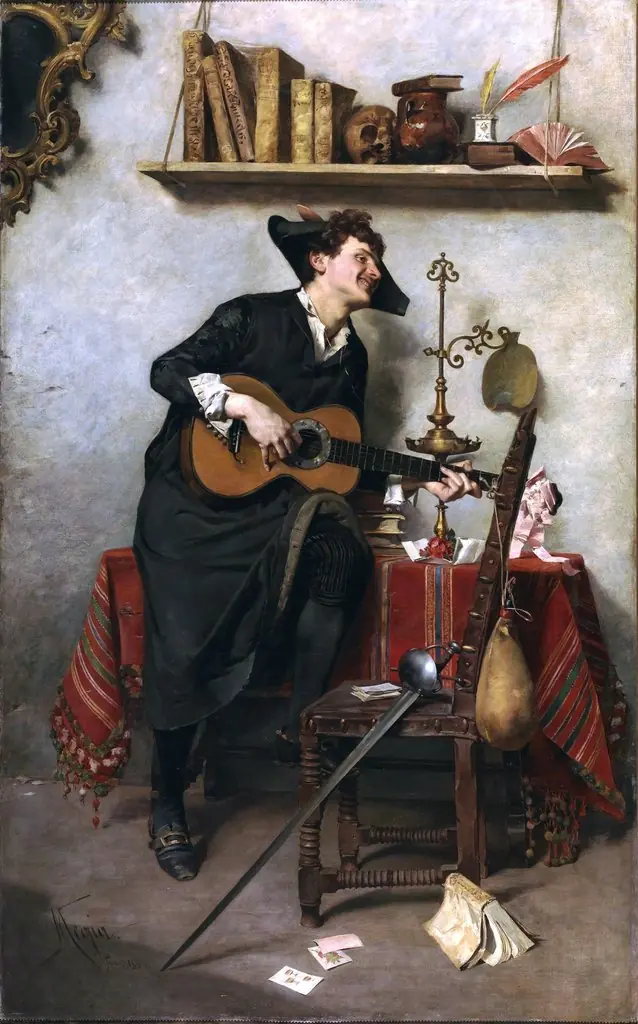 Un estudiante de Salamanca siglo XVIII
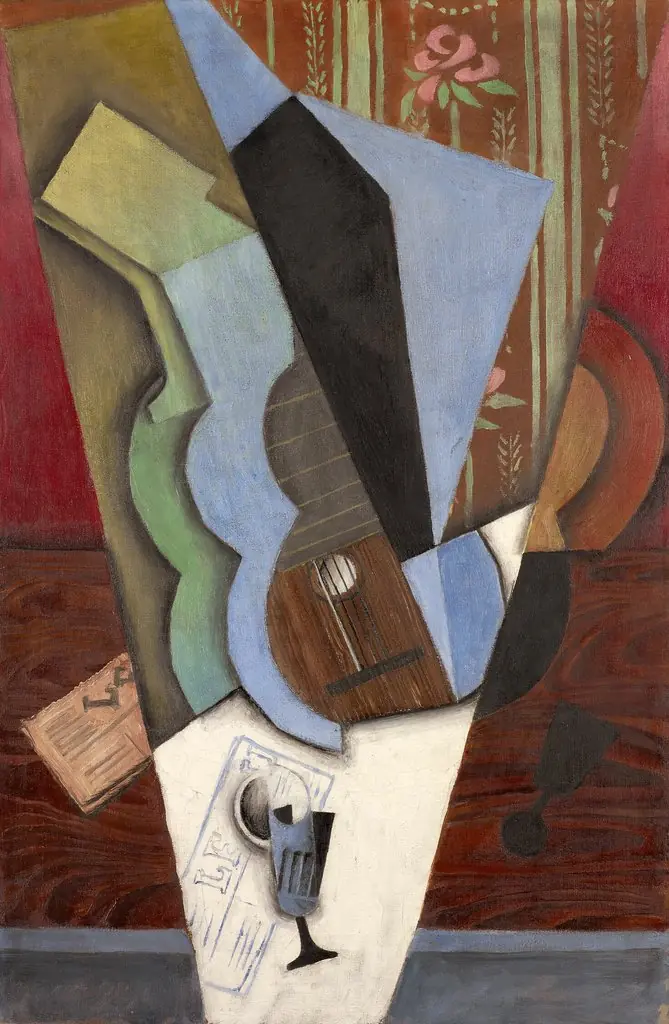 Abstraction (Guitar and Glass)
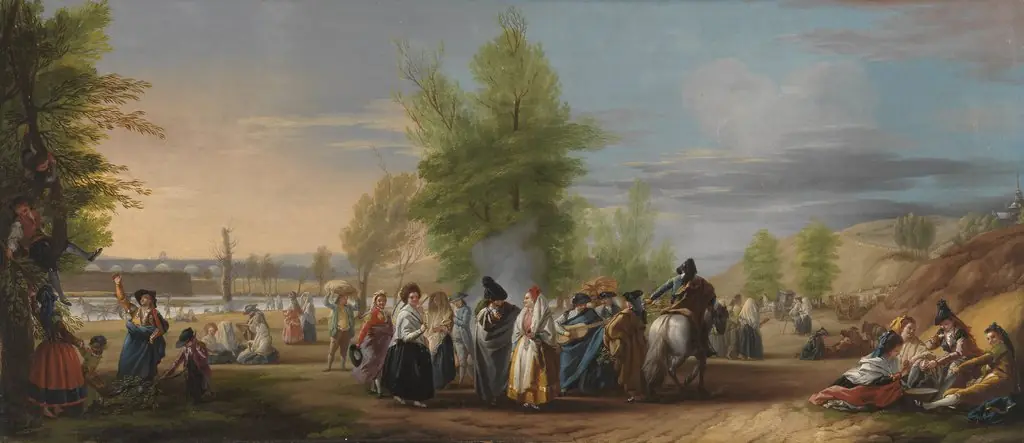 The Meadow of San Isidro
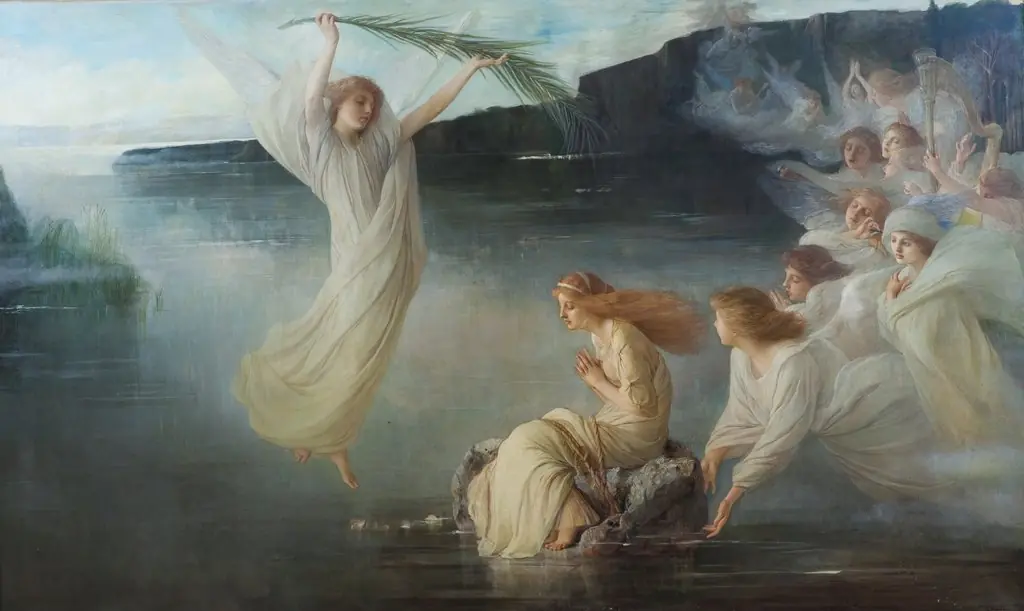 El martirio de santa Cristina
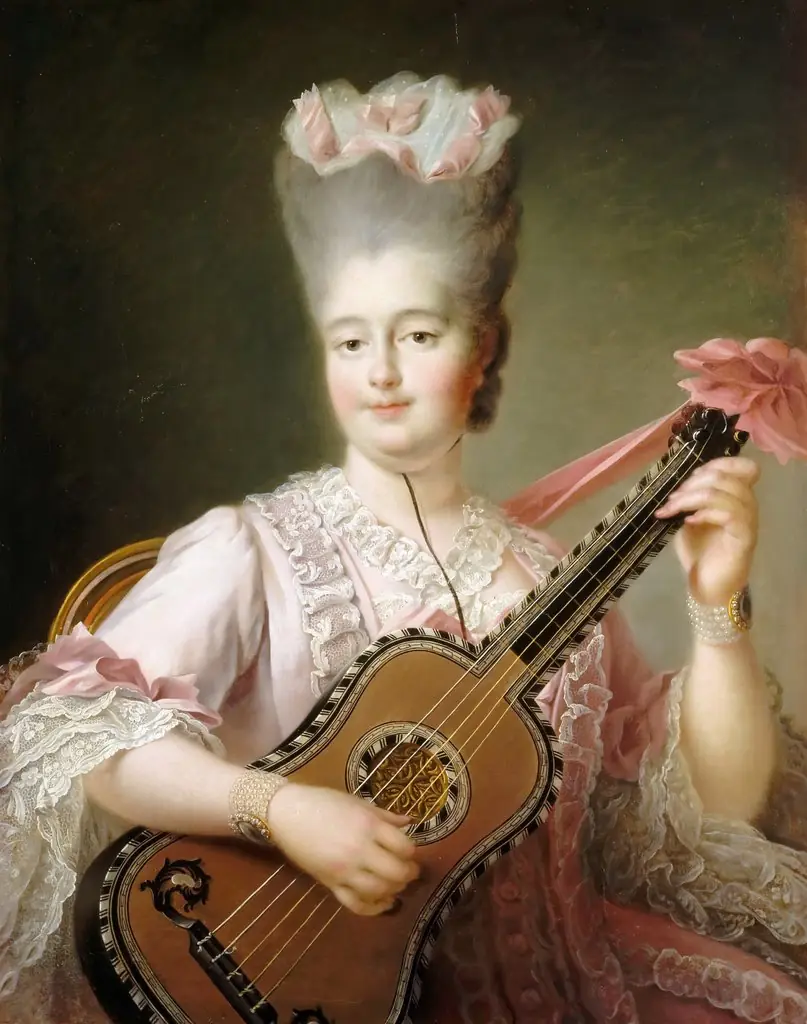 Madame Clotilde playing the guitar
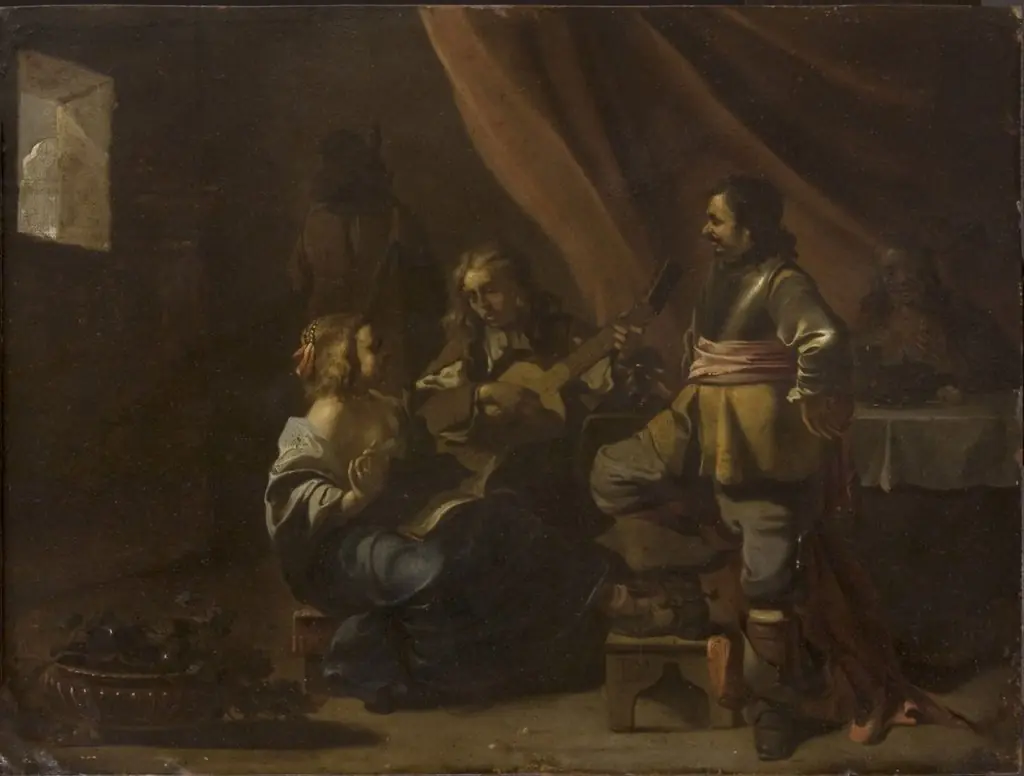 Concert
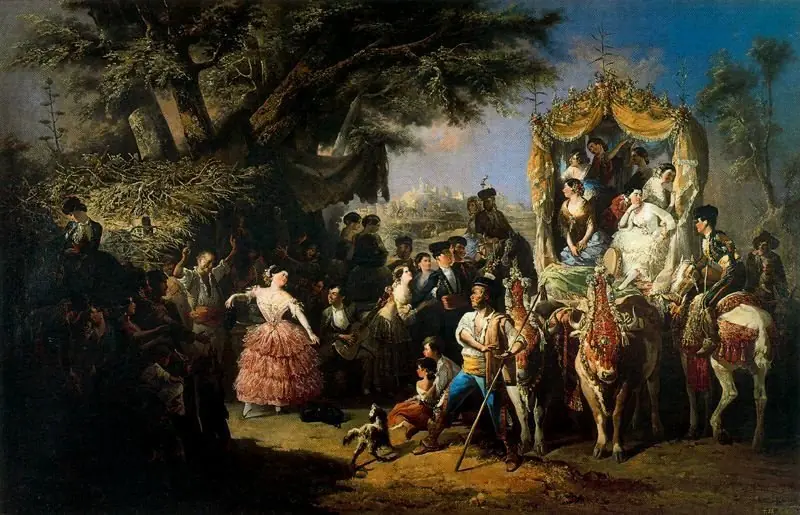 La feria de Santiponce
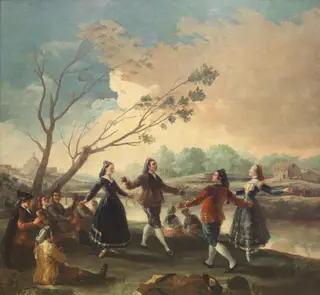 Dance of the Majos at the Banks of Manzanares
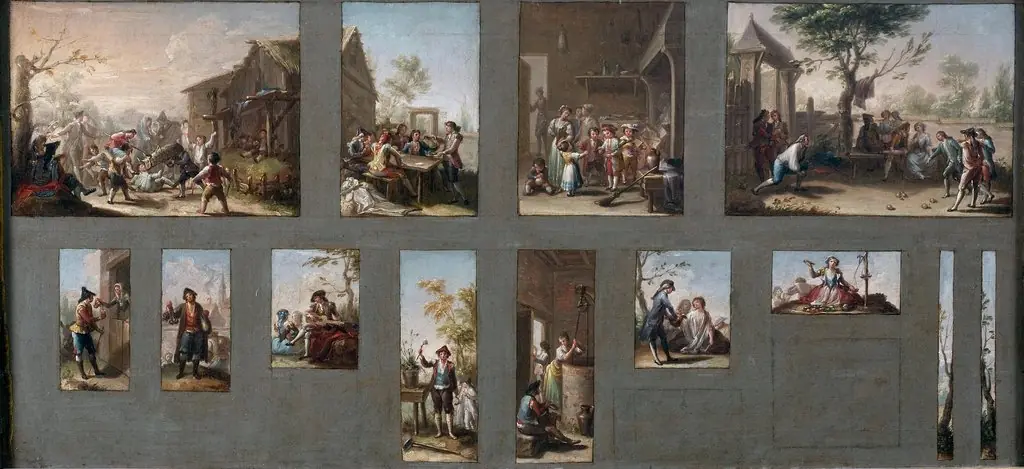 Thirteen sketches for Tapestry Cartoons
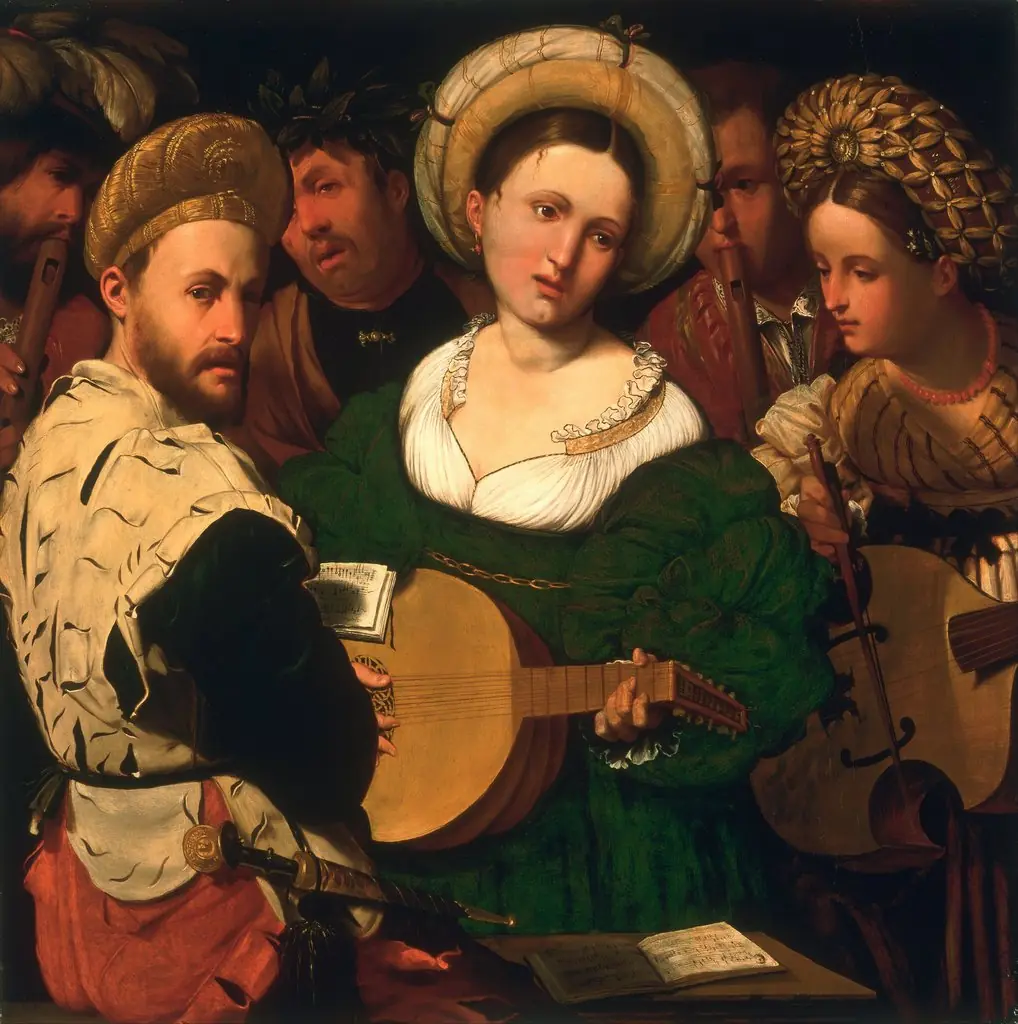 Musical Group
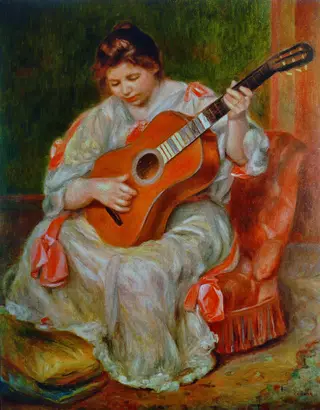 Woman Playing a Guitar
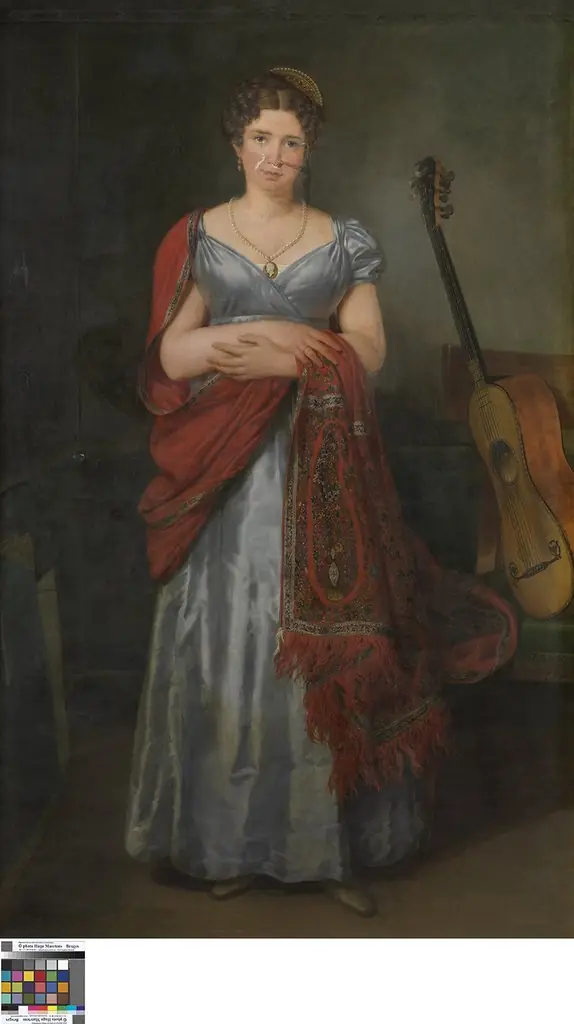 Portret van Sylvie de la Rue
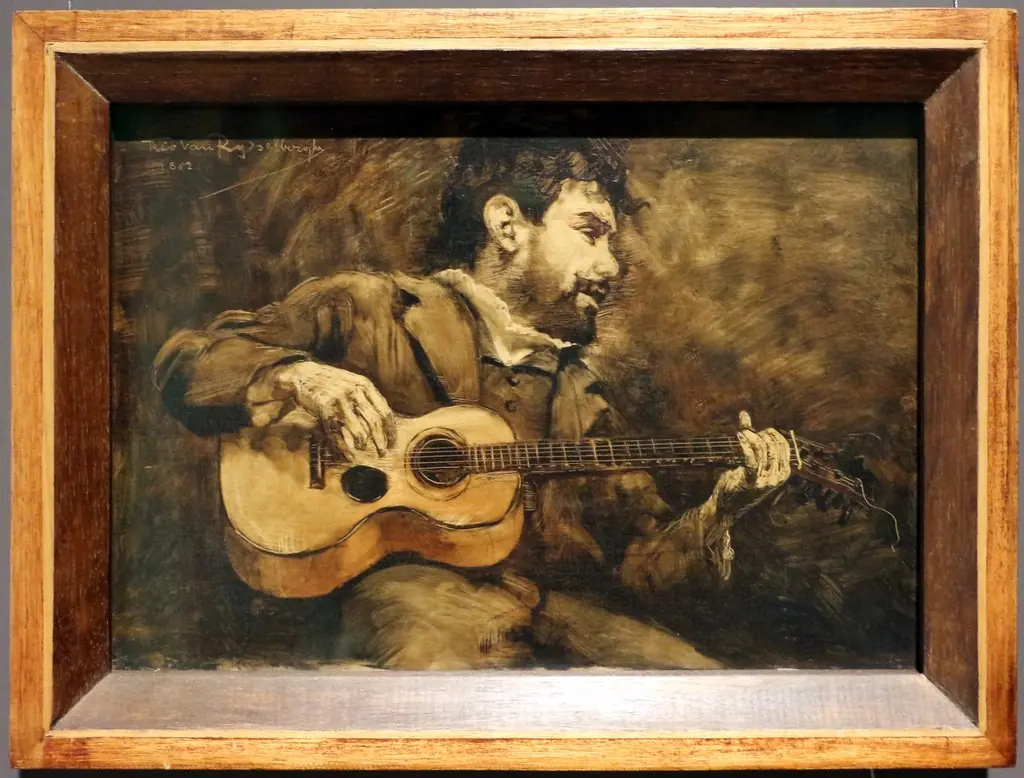 Guitar player - Portrait of the Spanish painter Darío de Regoyos
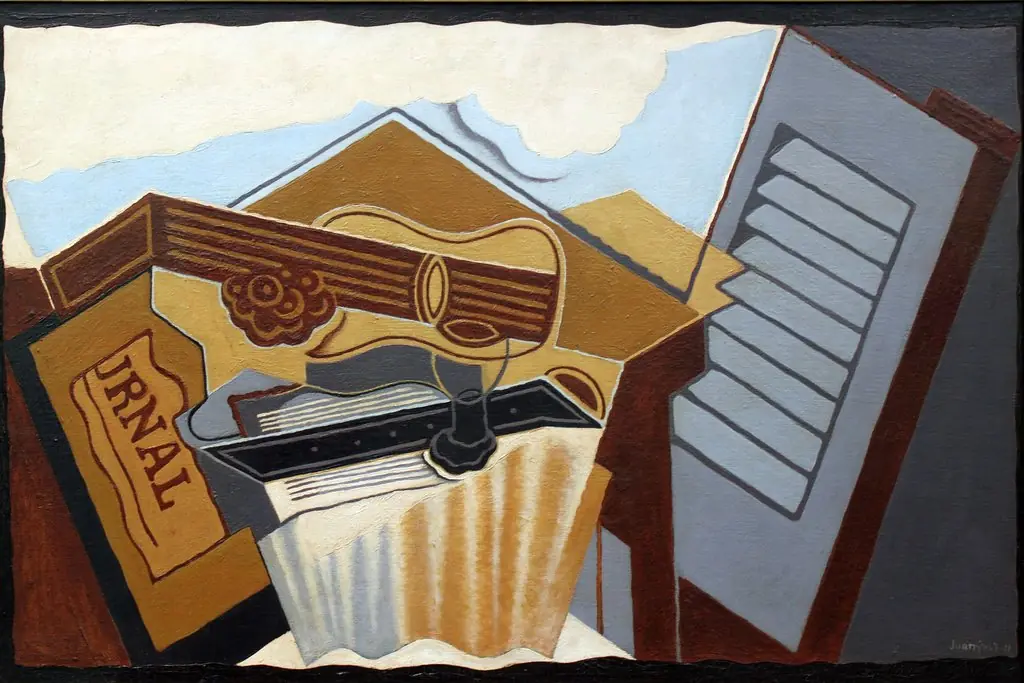 Still Life with a White Cloud
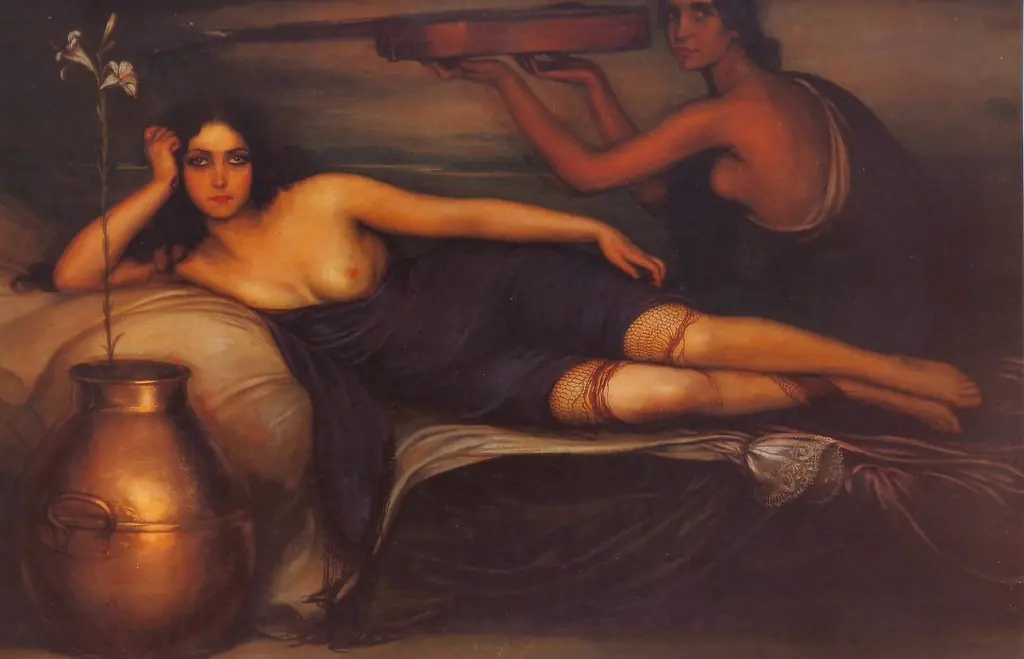 Musidora
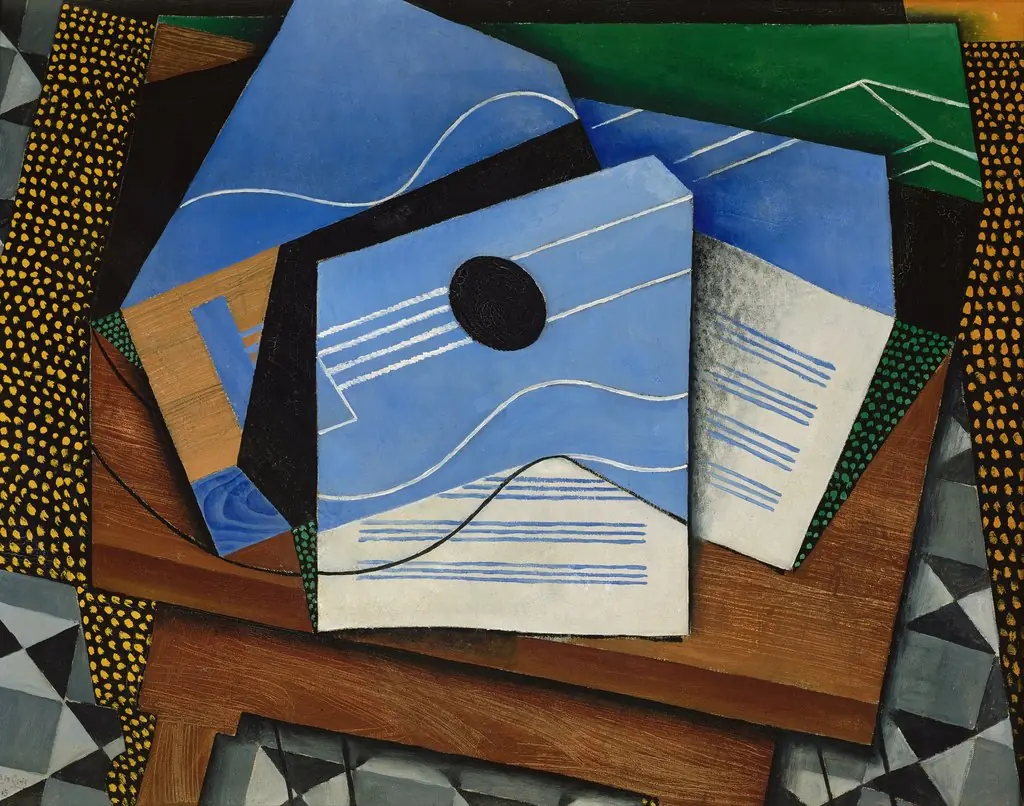 Guitar on a table
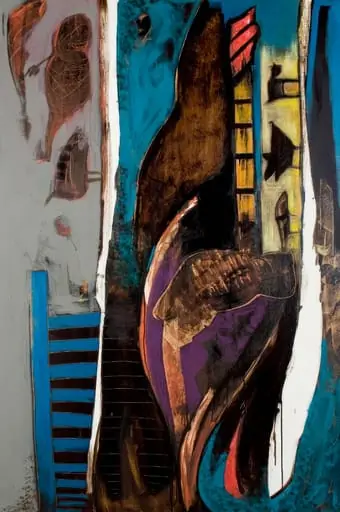 Dream world – mental landscape
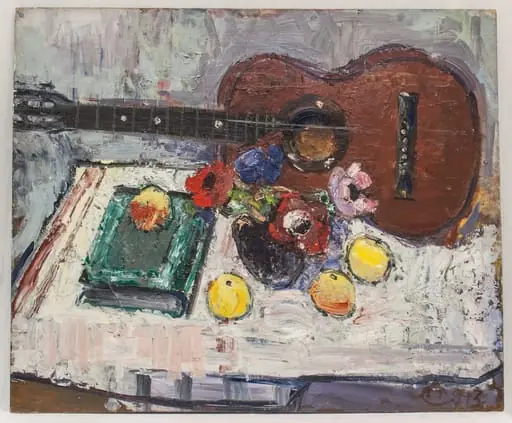 Natură moartă cu chitară
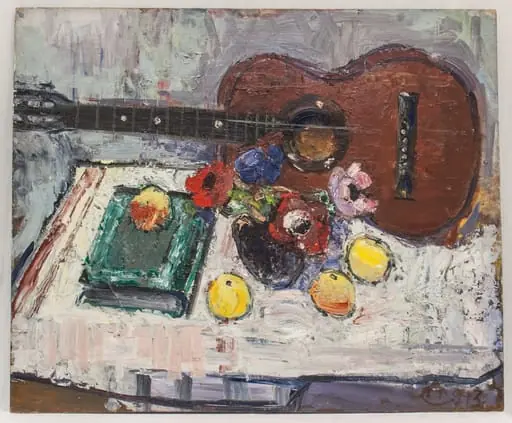 (fără titlu)/Portret de femeie
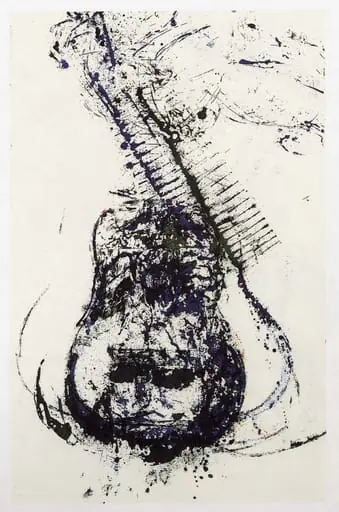 Untitled
Guitar is a subject in art. The guitar is a stringed musical instrument that is usually fretted (with some exceptions) and typically has six or twelve strings.
Artifact World Gallery holds 41 public-domain Guitar works, all free to view and download.
Key Guitar artists in the collection include Édouard Manet, Richard Cosway and Pierre-Auguste Renoir.
Guitar works in the collection are held by Museo del Prado, Metropolitan Museum of Art and Philadelphia Museum of Art.
Your cart is empty
Browse artworks →