Artwork
Murnau – The Garden II
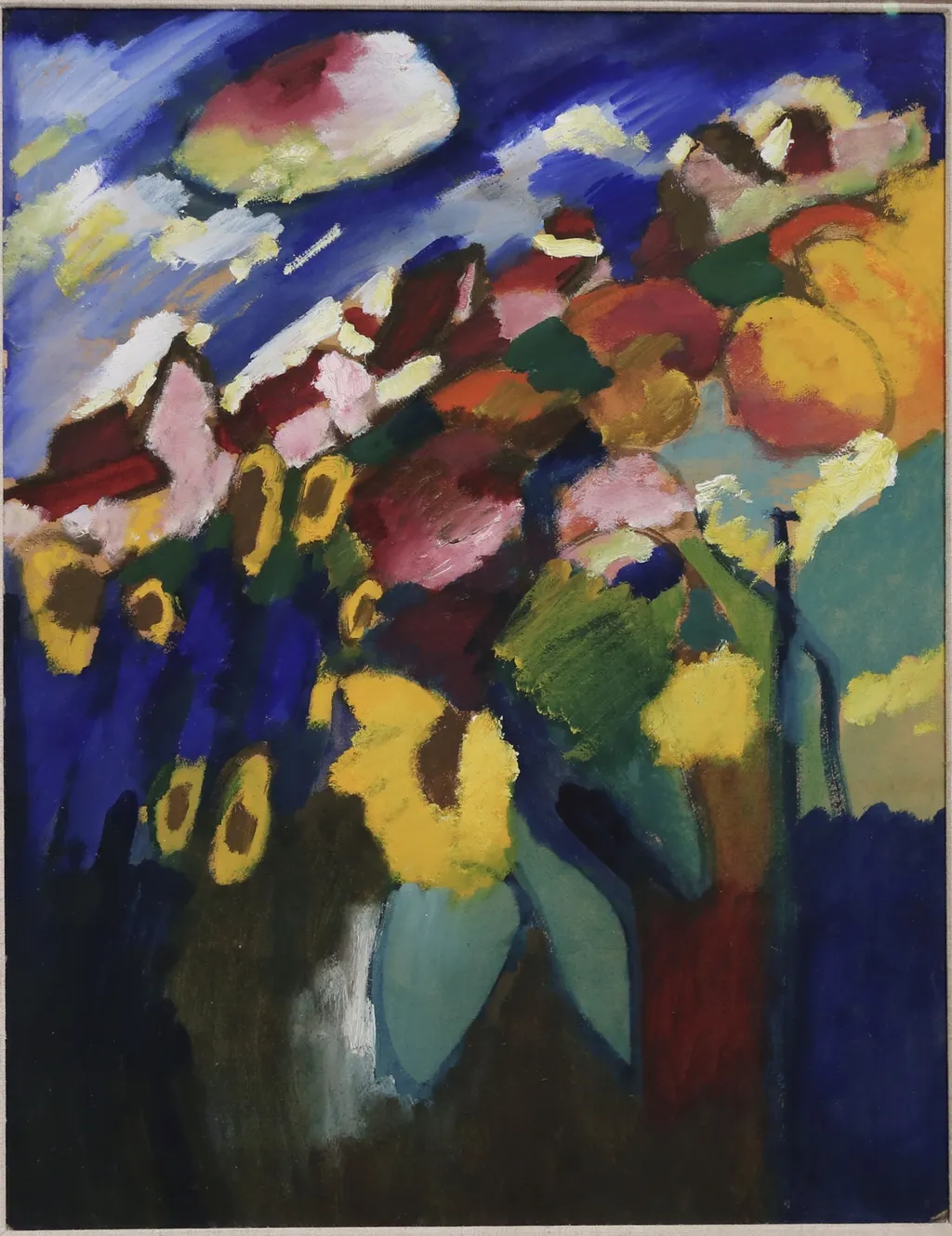
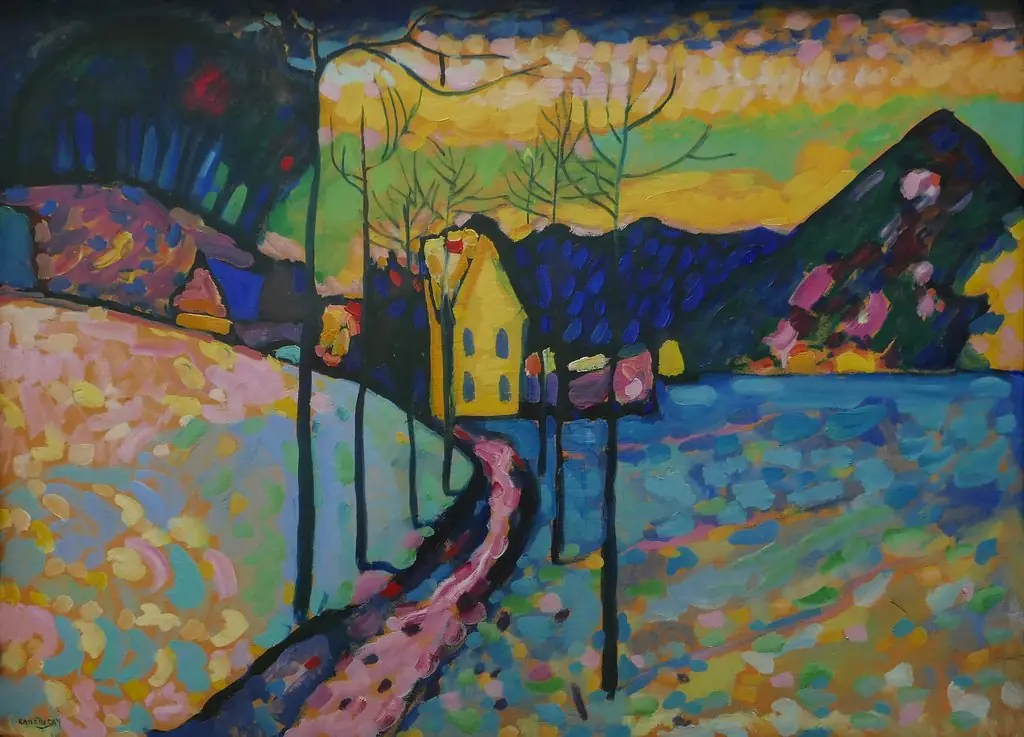
Murnau – The Garden II is an oil painting by the Abstract Expressionist artist Wassily Kandinsky. It dates from 1910 and is held in the collection of the Kunsthaus Zürich.
About this work
Overview
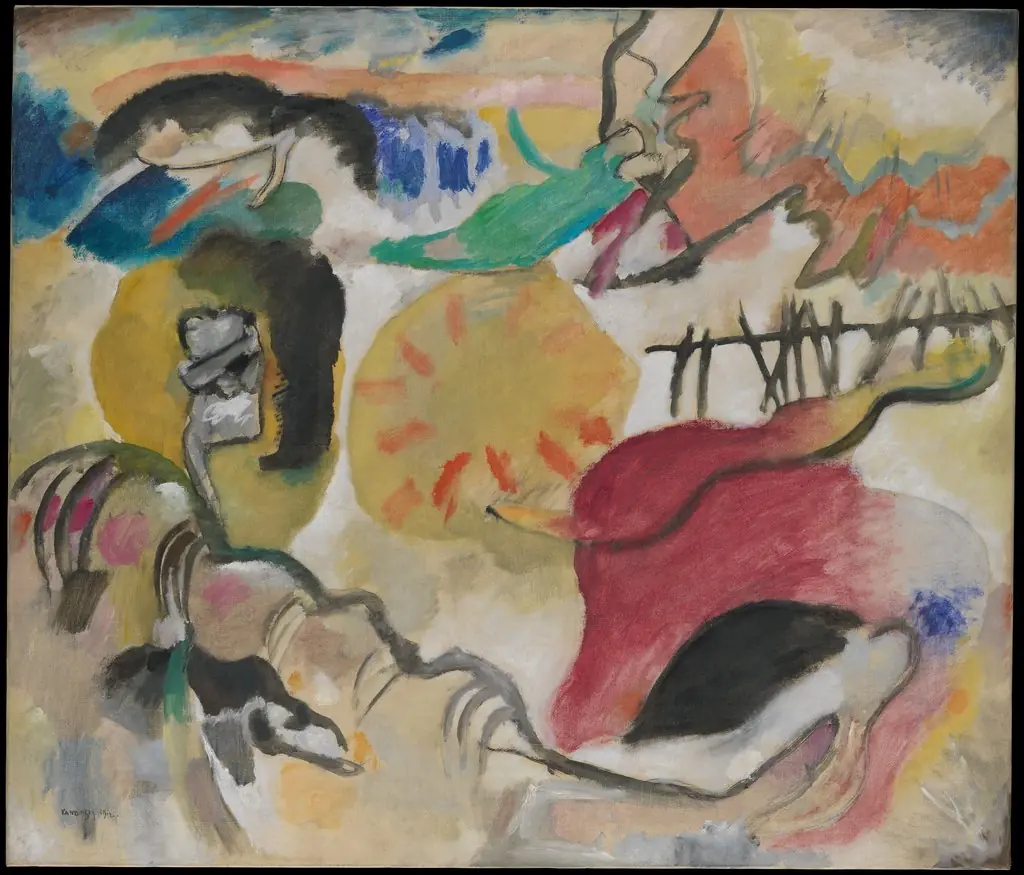
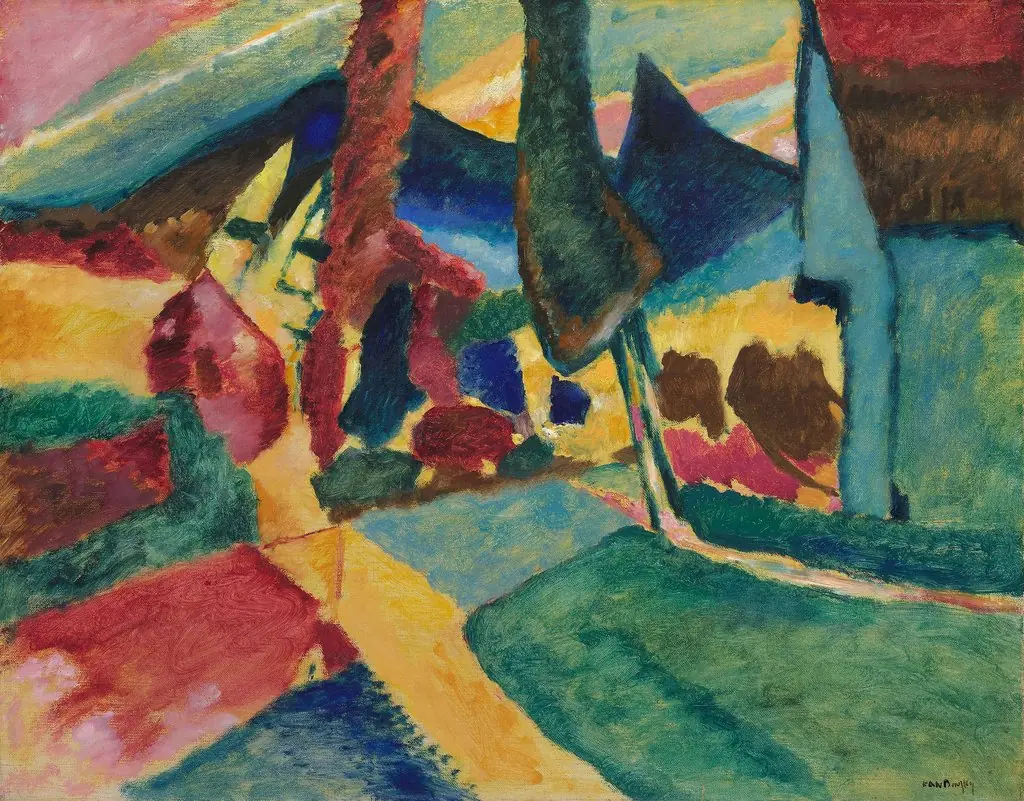
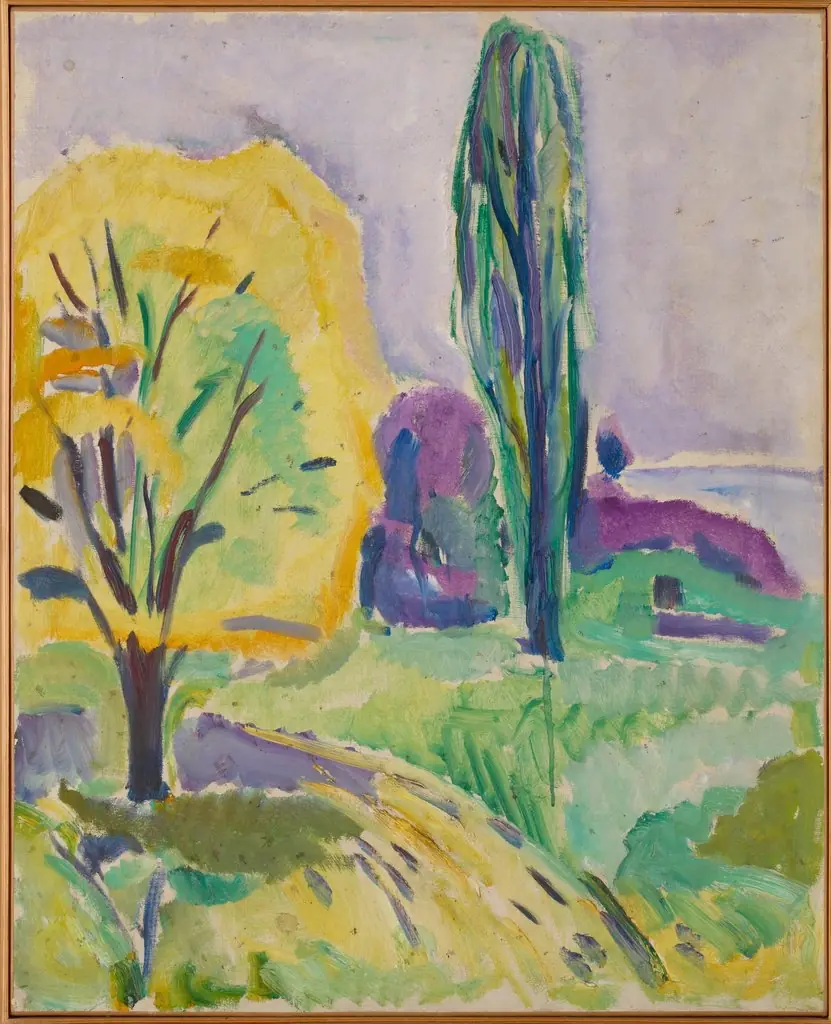
Wassily Kandinsky’s 1910 oil painting Murnau – The Garden II marks a transitional moment in his career, when he began moving away from literal representation toward a language of pure form and color. The canvas depicts a garden setting rendered in vivid, non‑naturalistic hues, suggesting rather than detailing the landscape.
Subject & Meaning
The work portrays a garden scene populated by stylized flowers, trees, and a sky rendered in blue with white cloud shapes. By abstracting these elements, Kandinsky emphasizes emotional resonance over visual accuracy, using the garden as a vehicle for expressing vitality and rhythmic movement.
Technique & Style
Executed in oil, the painting features loose, energetic brushstrokes that interlace pink, yellow, green, and blue pigments. The colors blend and overlap, creating layered textures and a sense of depth without relying on realistic modeling. This approach anticipates the expressive abstraction that would later define Kandinsky’s mature style.
History & Provenance
Created while Kandinsky was active in Munich during the late Belle Époque, the piece reflects his early experiments with non‑objective composition. He produced it during a period of study at Anton Ažbe’s school and the Academy of Fine Arts, and while collaborating with fellow artist Gabriele Münter, who shared his interest in color theory.
Context
Murnau – The Garden II belongs to a series of works inspired by the Bavarian town of Murnau, where Kandinsky and Münter spent summers painting en plein air. The painting captures the shift in early 20th‑century art from representational landscape toward abstraction, aligning with broader modernist currents emerging in Europe at the time.
Own this work as a print
Artist & collection
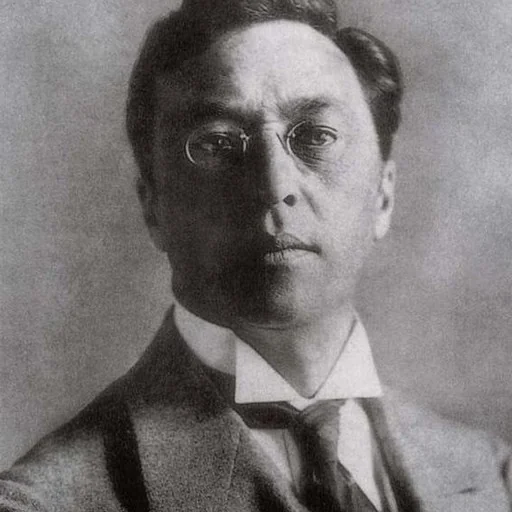
Artist
Wassily Wassilyevich Kandinsky (16 December 1866 – 13 December 1944) was a Russian painter and art theorist active in Germany during the late Belle Époque and Interwar eras.