Artwork
Galathea
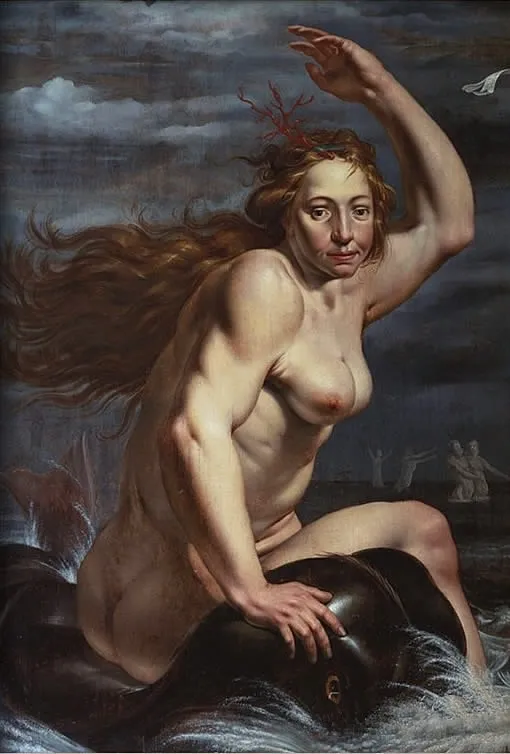
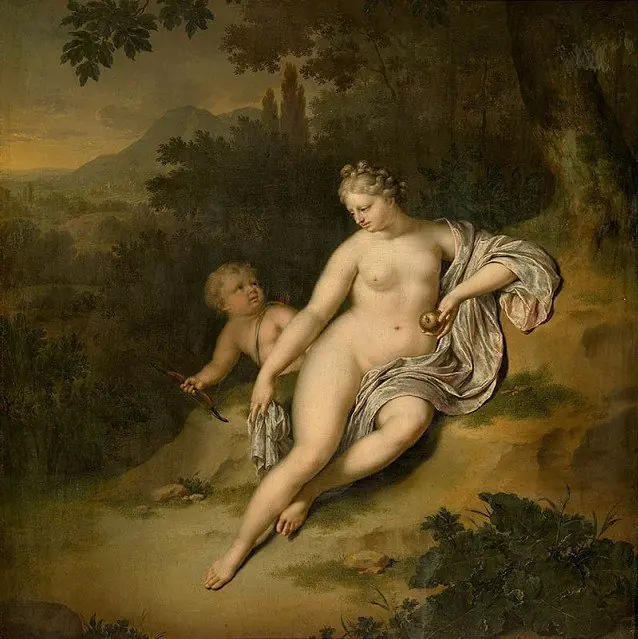
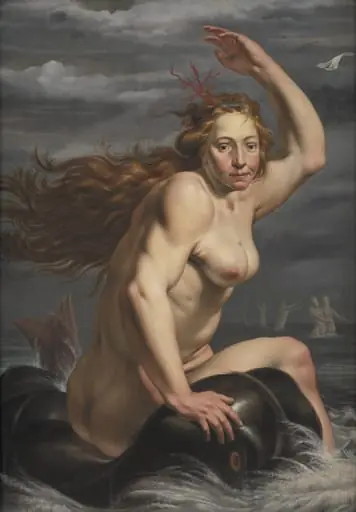
Galathea is an oil painting by the Dutch Golden Age artist Werner van den Valckert. It dates from 1619 and is held in the collection of the Statens Museum for Kunst.
About this work
Subject & Meaning
Symbolically, the work references themes of transformation and the interaction between mortals and gods, a common motif in Dutch Golden Age mythological art.
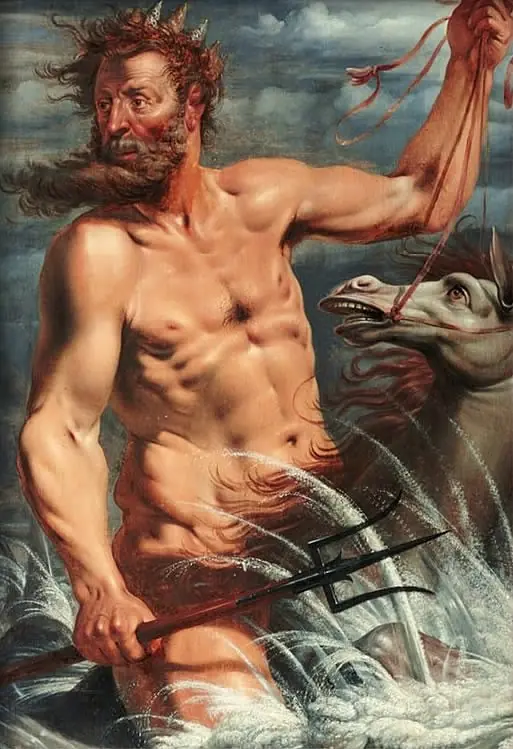
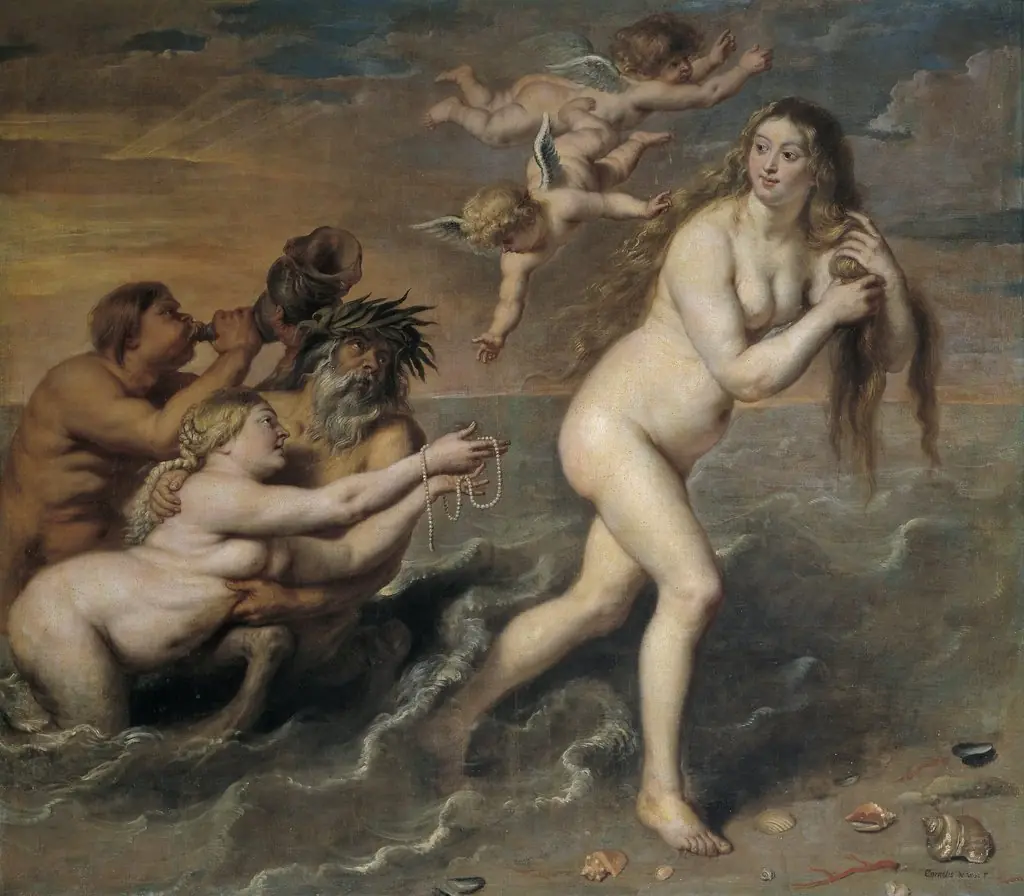
Galathea is a mythological scene drawn from classical legend, depicting the titular heroine in a moment of divine encounter. The painting shows the figure caught between sea and shore, her gestures and gaze suggesting both vulnerability and agency as she confronts the forces of nature. Symbolically, the work references themes of transformation and the interaction between mortals and gods, a common motif in Dutch Golden Age mythological art.
Executed in oil on panel, the composition emphasizes delicate coloration and nuanced lighting to heighten the narrative tension. The subject’s identity aligns with the figure of Galatea described in the source, confirming the mythological narrative represented in the piece.
The painting is part of the collection of the Statens Museum for Kunst, where it is catalogued as a mythological work from 1619.
Technique & Style
The painting is executed in oil on a wooden panel, a common support in early 17th‑century Dutch panel painting. The handling combines smooth modeling of flesh and drapery with delicate highlights that suggest translucent textures, particularly around the pearl‑encrusted veil. The composition arranges Galatea’s reclining figure along a shallow diagonal, echoing Titian’s Venetian precedent while subordinating landscape to the figure’s luminous contours.
The palette remains restrained, relying on silvery ochres, pearly whites, and muted blues to convey classical idealization without overt drama.
History & Provenance
The mythological painting Galathea was created in 1619 by the Dutch artist Werner van den Valckert. Executed in oil paint on a panel measuring 108 by 80 centimeters, the work depicts the figure of Galatea. The painting is currently held in the collection of the Statens Museum for Kunst, where it remains located.
No further details regarding its original commission, intermediate ownership history, or specific acquisition circumstances are provided in the available records.
Context
Werner van den Valckert's 1619 mythological painting Galathea, depicting the mythological figure Galatea, is part of the collection at the Statens Museum for Kunst. The work is classified as a mythological painting executed in oil on panel, measuring 108 cm in height and 80 cm in width.
Legacy
Galathea, painted by Werner van den Valckert in 1619, entered the collection of the Statens Museum for Kunst, where it remains on view and is catalogued as a mythological oil painting on panel. The work is frequently referenced in scholarship on Dutch Golden Age mythological art and has shaped the visual vocabulary of later artists who adapted its composition and narrative treatment in the 17th and 18th centuries. Its presence in a national museum has helped preserve its reputation as a representative example of early Dutch mythological painting, influencing subsequent depictions of sea‑nymph subjects in Northern European art.
Overview
Galathea is an oil painting created by Werner van den Valckert in 1619. It is a representation of a figure from mythology and is currently held at the Statens Museum for Kunst.
Artist & collection
Artist
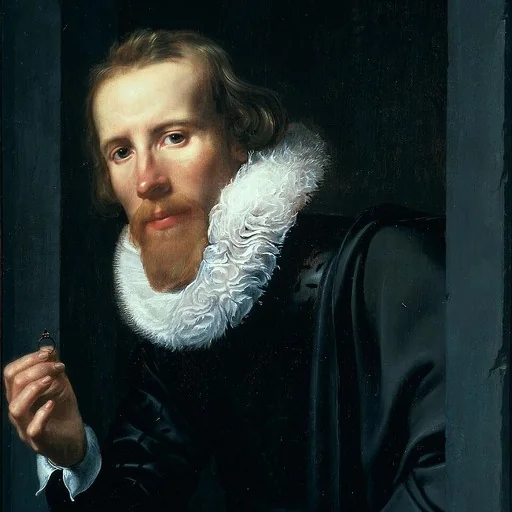
Werner van den Valckert (1585–1635) was an artist, born in The Hague.