Artwork
Perseus Freeing Andromeda
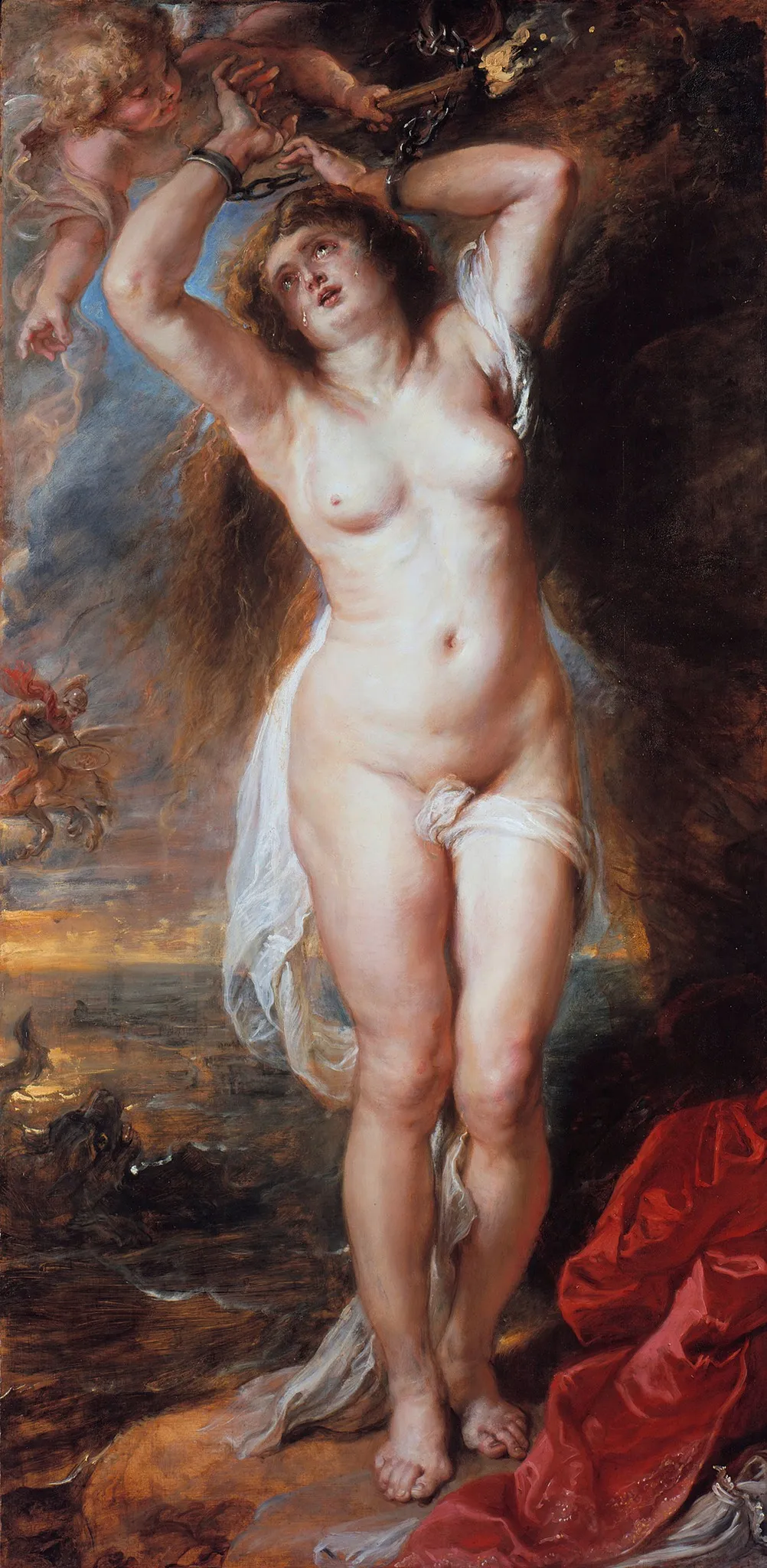
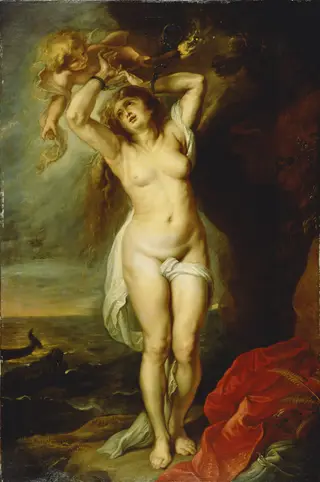
Perseus Freeing Andromeda is an oil painting by the Flemish Baroque painting artist Peter Paul Rubens. It dates from 1630 and is held in the collection of the Gemäldegalerie Berlin.
About this work
Subject & Meaning
The composition features Andromeda depicted as a damsel in distress, chained to a shore and rendered with nudity, blond waist-length hair, and visible tears.
The painting illustrates the mythological narrative of Perseus rescuing Andromeda. The composition features Andromeda depicted as a damsel in distress, chained to a shore and rendered with nudity, blond waist-length hair, and visible tears. Perseus appears alongside Pegasus, a winged horse, while the scene includes a sea monster, identified as Ceto, and a putto holding a torch with a flame.
The work incorporates symbolic elements of captivity and liberation, emphasizing the physical vulnerability of the female figure through details such as bare feet and drapery. Set against a backdrop of sea, sky, and clouds, the image captures the dramatic moment of intervention. The subject matter aligns with the genre of mythological painting, focusing on the interaction between the hero, the prisoner, and the monstrous threat.
History & Provenance
Peter Paul Rubens created the oil-on-canvas painting Perseus Freeing Andromeda in 1630. Although some records suggest a later inception date of 1638, the primary creation is attributed to 1630. The work measures 189 cm in height and 94 cm in width.
Historically, the painting was owned by George Spencer-Churchill, the 8th Duke of Marlborough, and was associated with Blenheim Palace before entering the collection of the Gemäldegalerie in Berlin. The artwork depicts the mythological rescue of Andromeda by Perseus, featuring the sea monster Ceto and the winged horse Pegasus. Its provenance traces from the artist's studio to the British aristocracy and finally to the German state collection, where it remains a significant example of Rubens' mythological output.
The painting Perseus Freeing Andromeda by Peter Paul Rubens is held in the collection of the Gemäldegalerie in Berlin. Historical records indicate the work was once owned by George Spencer-Churchill, the 8th Duke of Marlborough, and associated with Blenheim Palace. While the piece is linked to these significant locations and owners, the provided sources do not contain specific inventory or accession numbers, nor do they list any formal exhibition history for the artwork.
Context
Peter Paul Rubens painted Perseus Freeing Andromeda in 1630 as an oil on canvas mythological scene. The work depicts the hero liberating Andromeda, a subject that allowed Rubens to explore classical themes, muscular dynamism, and sensual female forms characteristic of his Baroque oeuvre. After its creation, the painting entered the collection of George Spencer‑Churchill, 8th Duke of Marlborough, and later was housed in the Gemäldegalerie Berlin, also appearing at Blenheim Palace.
Its provenance among aristocratic owners and its display in a major public gallery illustrate the high regard for Rubens’ mythological narratives in both private and institutional circles, marking the canvas as a significant example of 17th‑century European art history.
Overview
This oil painting, titled Perseus Freeing Andromeda, depicts a dramatic scene on a rugged coastline. A central male figure, rendered nude, stands prominently with his arms uplifted. The composition is characterized by a dark, turbulent background that contrasts with the pale luminosity of the main subject. A smaller, winged entity is visible nearby, contributing to the narrative unfolding within the stormy setting.
Technique & Style
The artist employs oil paint with notable textural variation, particularly evident in the depiction of the male figure's musculature. Thick, pronounced strokes, characteristic of impasto, create a palpable surface quality, almost as if the paint has been sculpted onto the canvas. This robust application of pigment contributes to the dynamic and intense atmosphere of the piece, further enhanced by the swirling, dark background that evokes a wild, tempestuous environment with shifting light.
Artist & collection
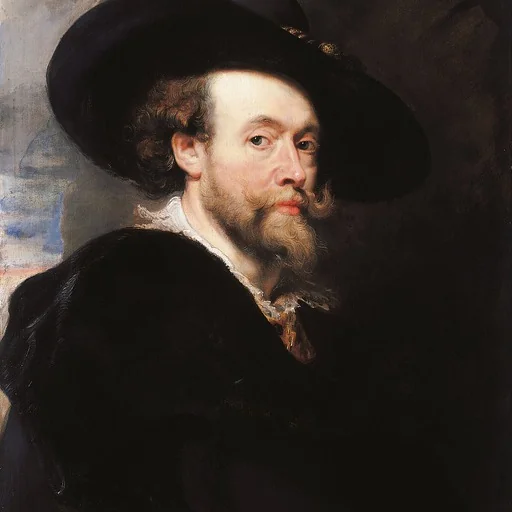
Artist
Sir Peter Paul Rubens ( ROO-bənz; Dutch:; 28 June 1577 – 30 May 1640) was a Flemish artist and diplomat.