Artwork
The Birth of Venus
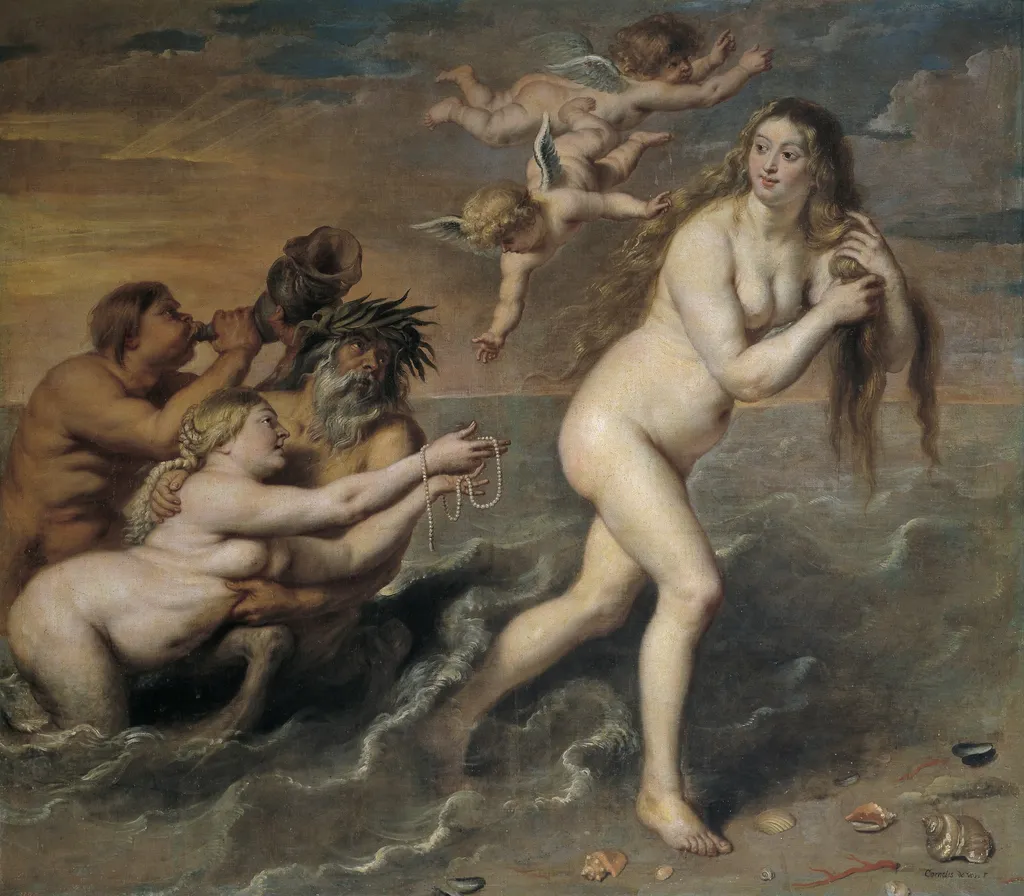
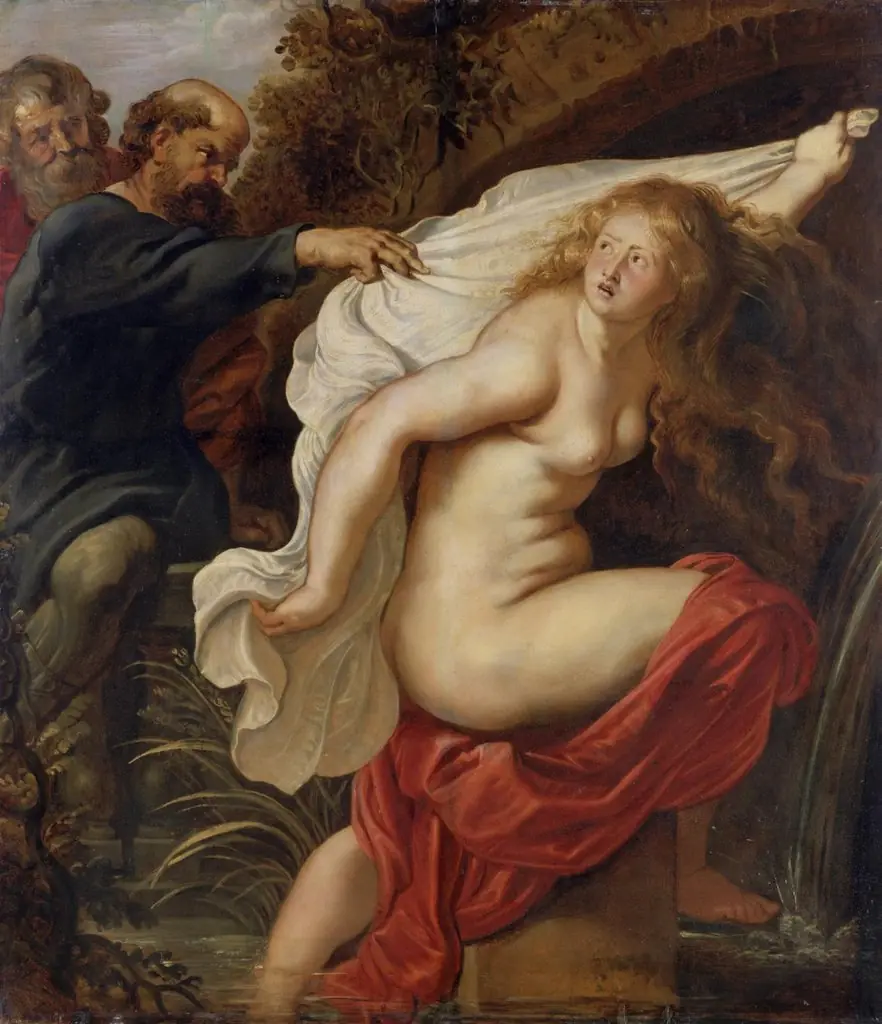
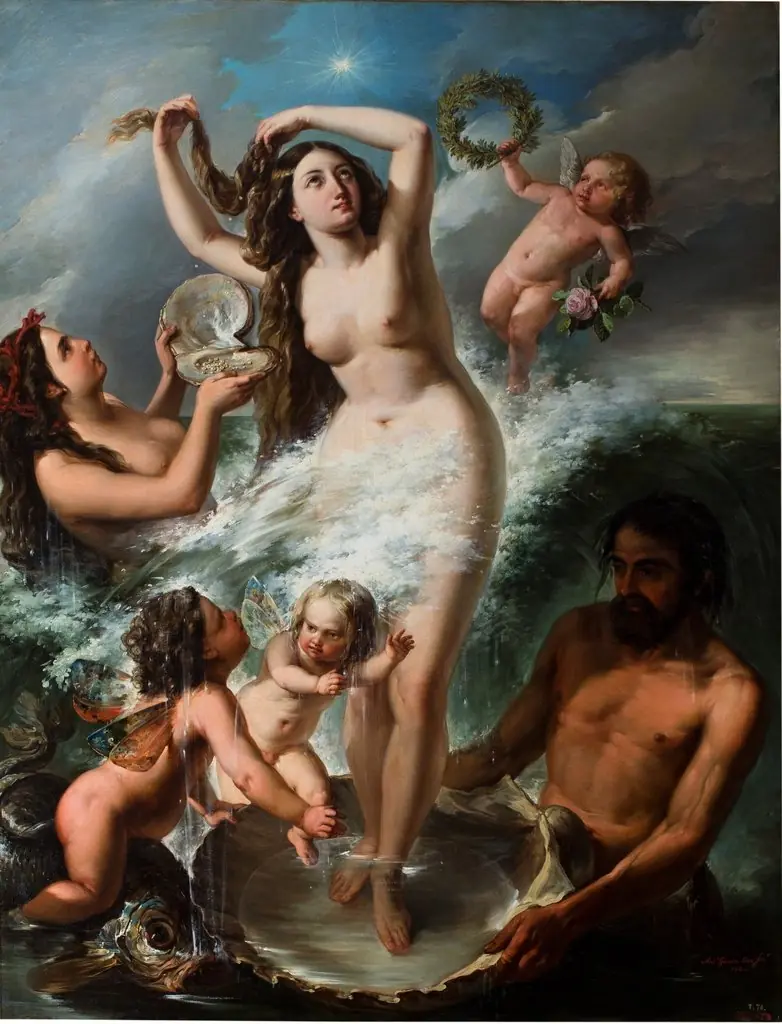
The Birth of Venus is an oil painting by the Flemish Baroque painting artist Peter Paul Rubens. It dates from 1636 and is held in the collection of the Museo del Prado.
About this work
Subject & Meaning
The depiction of Venus as the main subject aligns with the mythological genre, representing beauty, love, and divine birth from the classical tradition.
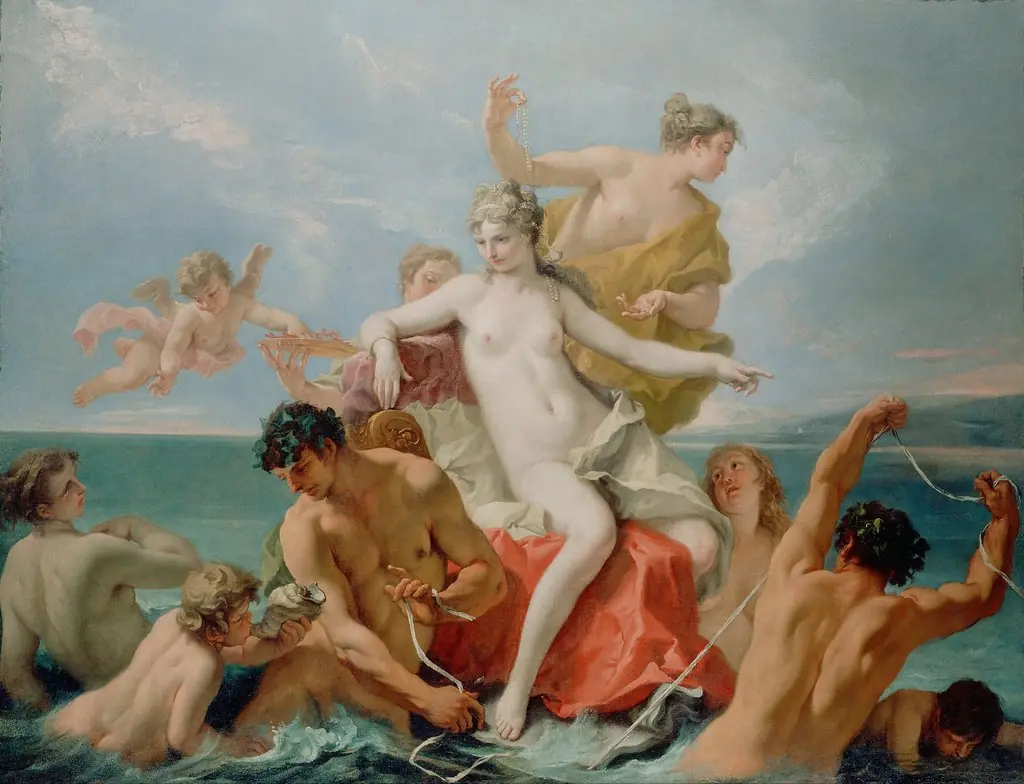
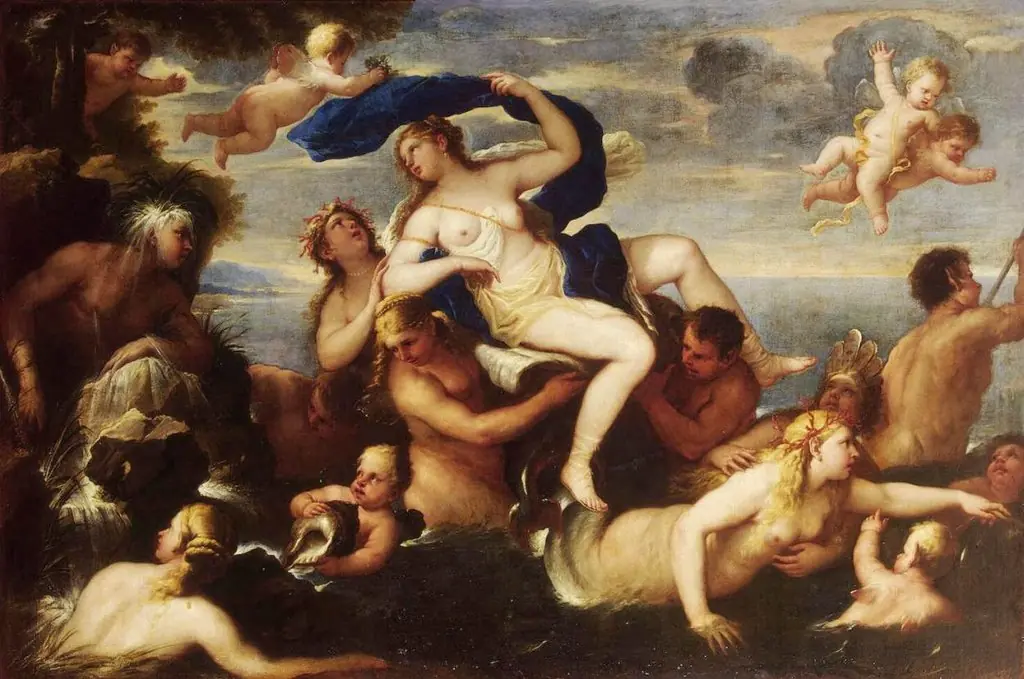
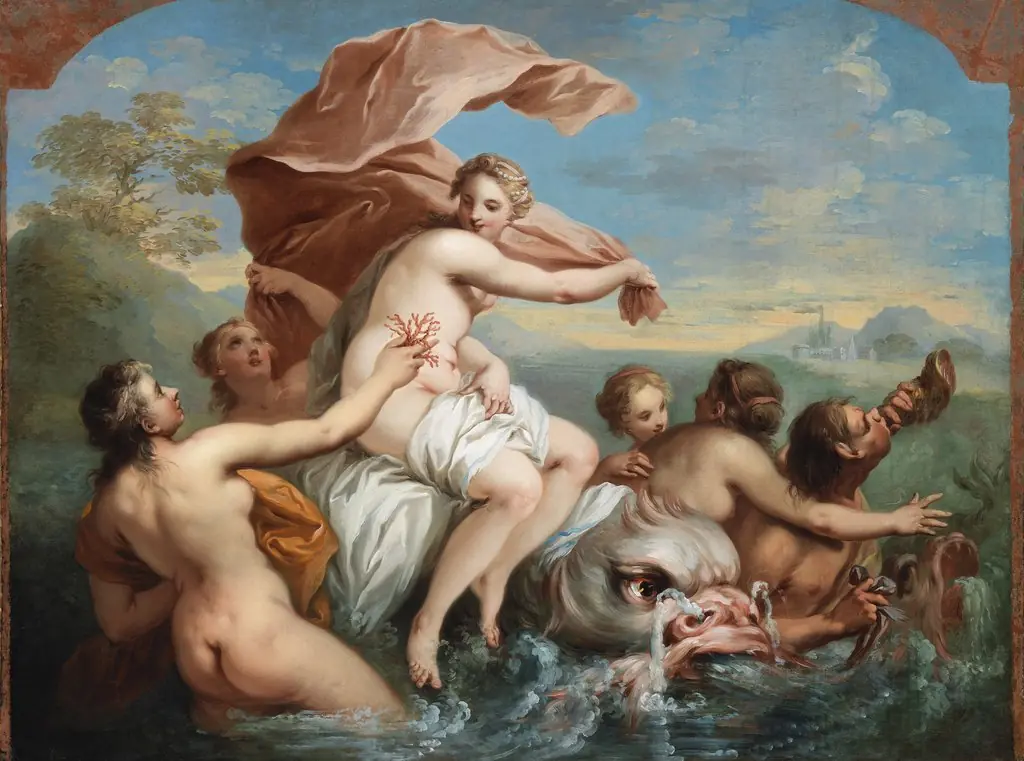
The painting depicts Venus Anadyomene, the goddess Venus rising from the sea. This iconography draws on the classical motif of Venus born from the waves, a subject that held particular appeal for Rubens and his circle. The work is based on a sketch Rubens produced for the Torre de la Parada, the Spanish royal hunting lodge, suggesting its function within a larger decorative program of mythological subjects.
The depiction of Venus as the main subject aligns with the mythological genre, representing beauty, love, and divine birth from the classical tradition.
Technique & Style
The Birth of Venus is executed in oil paint on canvas, a support suited to Rubens's layered, fluid handling of pigment. The work measures 187 cm in height by 208 cm in width. Within the painting's mythological subject, Rubens's characteristic stylistic approach combines dynamic figural composition with rich tonal modeling, qualities consistent with his late manner.
The canvas is held in the Museo del Prado collection, where its condition is maintained as part of the museum's holdings.
History & Provenance
The painting is held by the Museo del Prado in Madrid, where it is catalogued under the museum's inventory as part of its collection of mythological works. It was created as a sketch for the Torre de la Parada and later developed into a full composition by Rubens and Cornelis de Vos. The work has been exhibited in major retrospectives of Rubens' oeuvre, including a 1962 Prado exhibition on his mythological paintings and a 2005-2006 traveling Rubens exhibition that visited the Kunsthaus Zürich and the Kunstmuseum Basel.
Context
The Birth of Venus (1636) by Peter Paul Rubens, an oil painting depicting Venus Anadyomene, emerged within the mythological painting genre prominent in 17th-century Flemish art. Its development was connected to Rubens' preparatory sketch for the Torre de la Parada series, linking it to contemporary decorative projects for the Spanish Habsburg court. The work is part of a broader scholarly discussion regarding Rubens' adaptation of mythological subjects, as evidenced by its presence in the collection and interpretation at the Museo del Prado, where it is classified as a mythological painting based on classical themes.
Overview
Created in 1636 by the Flemish painter and diplomat Peter Paul Rubens, this oil on canvas belongs to the Baroque period in Flanders. The work is presently housed in the Museo del Prado and illustrates the classical theme of Venus’s emergence from the sea.
Own this work as a print
Artist & collection

Artist
Sir Peter Paul Rubens ( ROO-bənz; Dutch:; 28 June 1577 – 30 May 1640) was a Flemish artist and diplomat.