Artwork
Fortune
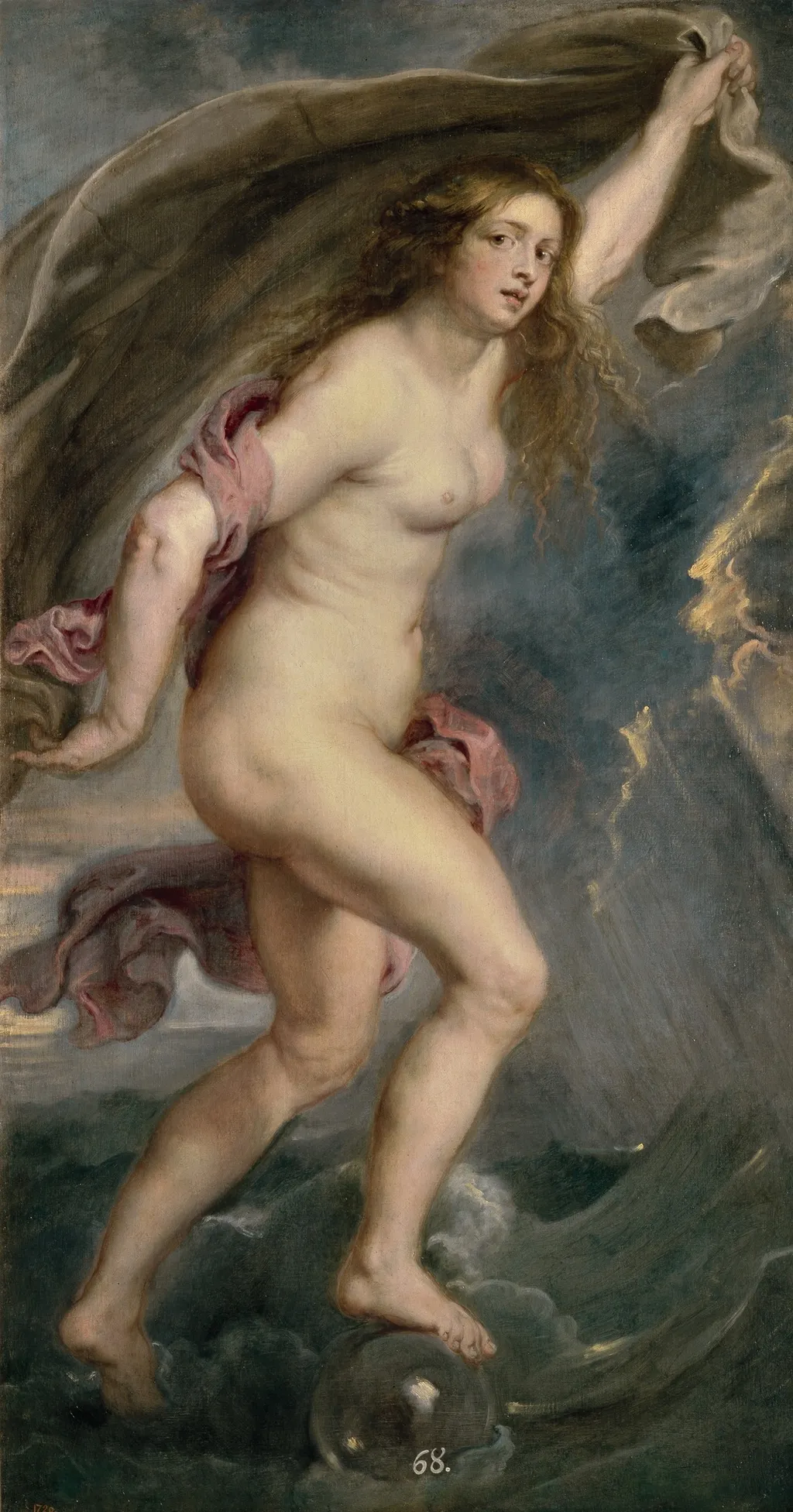
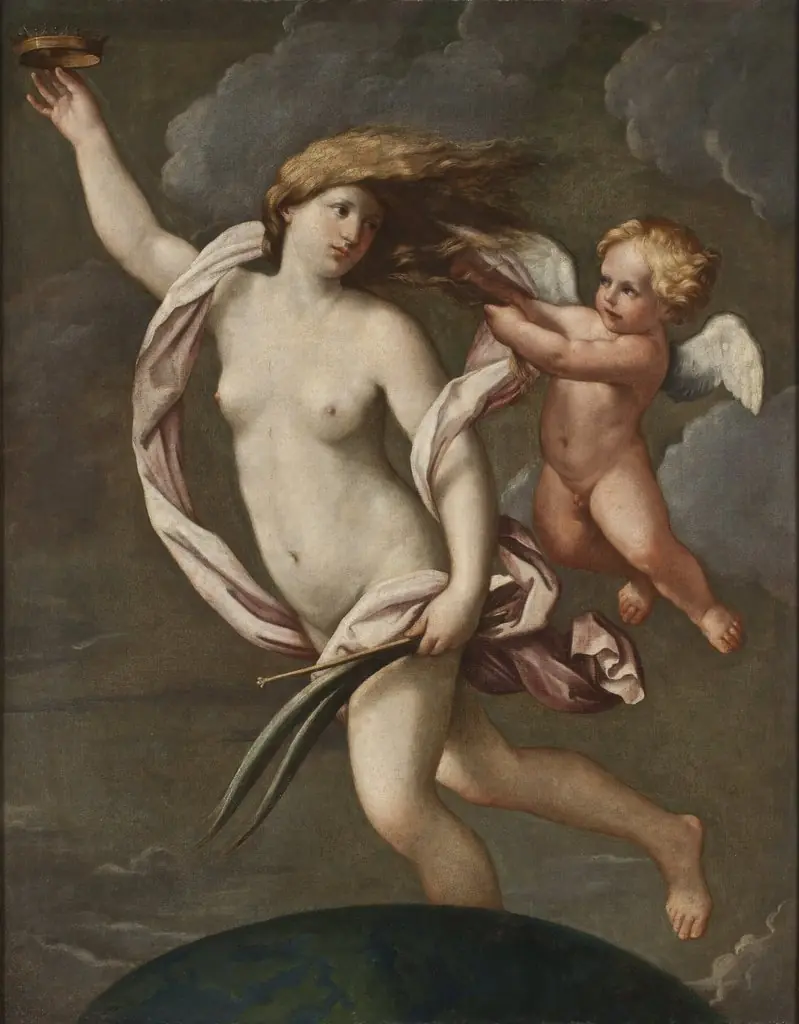
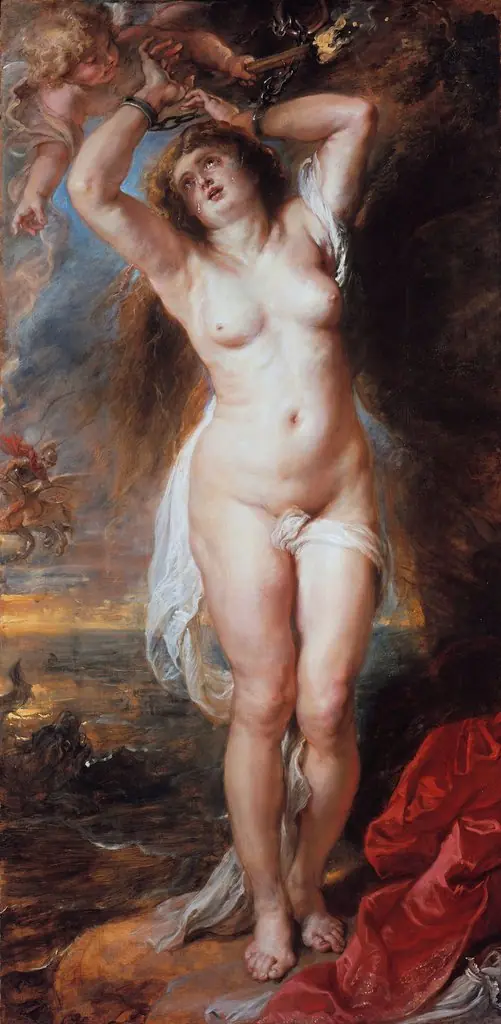
Fortune is an oil painting by the Flemish Baroque painting artist Peter Paul Rubens. It dates from 1636 and is held in the collection of the Museo del Prado.
About this work
Subject & Meaning
The composition distills her allegorical role as the capricious dispenser of prosperity and adversity, aligning with classical personifications of Fortuna.
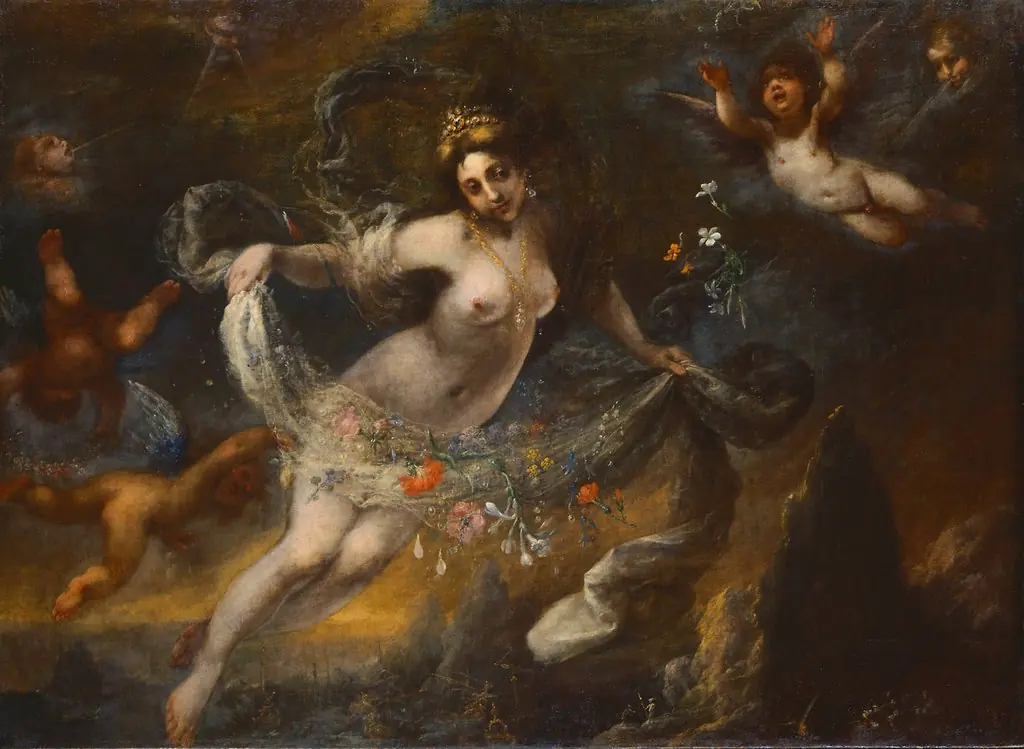
The subject depicted is the Roman goddess Fortune, conventionally shown with an orb and billowing drapery. Rubens’s rendering emphasizes her emblematic attributes: the orb, a symbol of dominion over earthly fate, and the sail-like drapery, evoking the unpredictable winds of chance. The composition distills her allegorical role as the capricious dispenser of prosperity and adversity, aligning with classical personifications of Fortuna. The painting’s iconography thus conveys the instability of human circumstances and the ungovernable nature of fortune’s wheel.
Technique & Style
Peter Paul Rubens executed the mythological painting Fortune in 1636 using oil paint applied to a canvas support. The work measures 182.3 cm in height and 100.5 cm in width. Stylistically, the composition depicts an orb, consistent with the iconography of the goddess Fortune within the mythological genre. The piece is currently held in the collection of the Museo del Prado.
History & Provenance
The painting Fortune was created by Peter Paul Rubens in 1636. Executed in oil on canvas, the work measures 182.3 cm in height and 100.5 cm in width. The piece is currently held in the collection of the Museo del Prado, where it is classified as a mythological painting depicting an orb.
No specific details regarding the original commission or intermediate ownership history prior to its arrival at the museum are provided in the available records.
Fortune is held in the collection of the Museo del Prado, where it is recorded under the inventory number P00968. The work has been part of the museum's exhibition schedule, appearing in displays of Baroque paintings and thematic mythological showcases over recent decades.
The painting was created by Peter Paul Rubens in 1636 and is catalogued with the accession identifier P00968. It was first documented in the Prado's collection in the early 20th century and has since been featured in several temporary exhibitions focusing on Rubens' mythological subjects and Baroque masterpieces.
Context
Created in 1636 by Peter Paul Rubens, Fortune is a mythological painting that exemplifies the artist's late-career engagement with classical allegory. The work depicts a figure holding an orb, a traditional symbol of the goddess's power over worldly affairs, rendered in oil on canvas. Currently held in the collection of the Museo del Prado, the painting measures 182.3 cm in height and 100.5 cm in width.
As a product of Rubens's final decade, the piece reflects his continued mastery of Baroque dynamism and mythological narrative within the Spanish royal collection context.
Overview
Created in 1636 by the Flemish painter and diplomat Peter Paul Rubens, this oil on canvas belongs to the Baroque period of the Low Countries. The work is housed in Madrid’s Museo del Prado and presents a mythic tableau that centers on a floating female figure clutching a spherical object.
Artist & collection
Artist
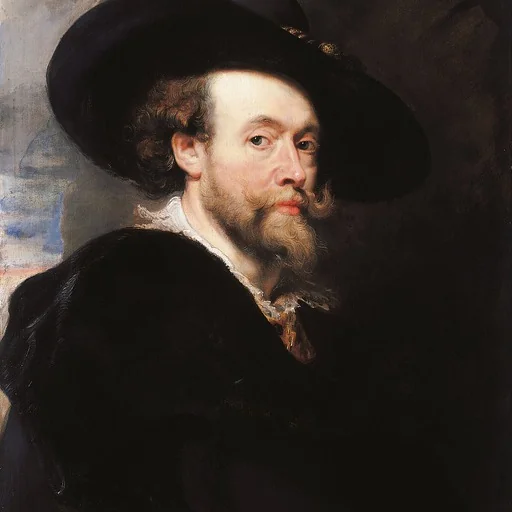
Sir Peter Paul Rubens ( ROO-bənz; Dutch:; 28 June 1577 – 30 May 1640) was a Flemish artist and diplomat.