Artwork
Leda and the swan
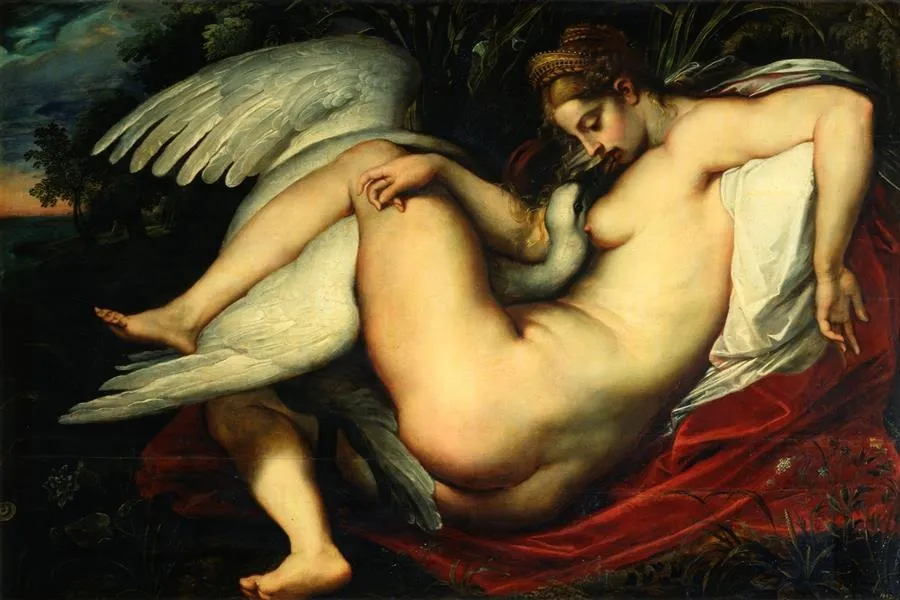
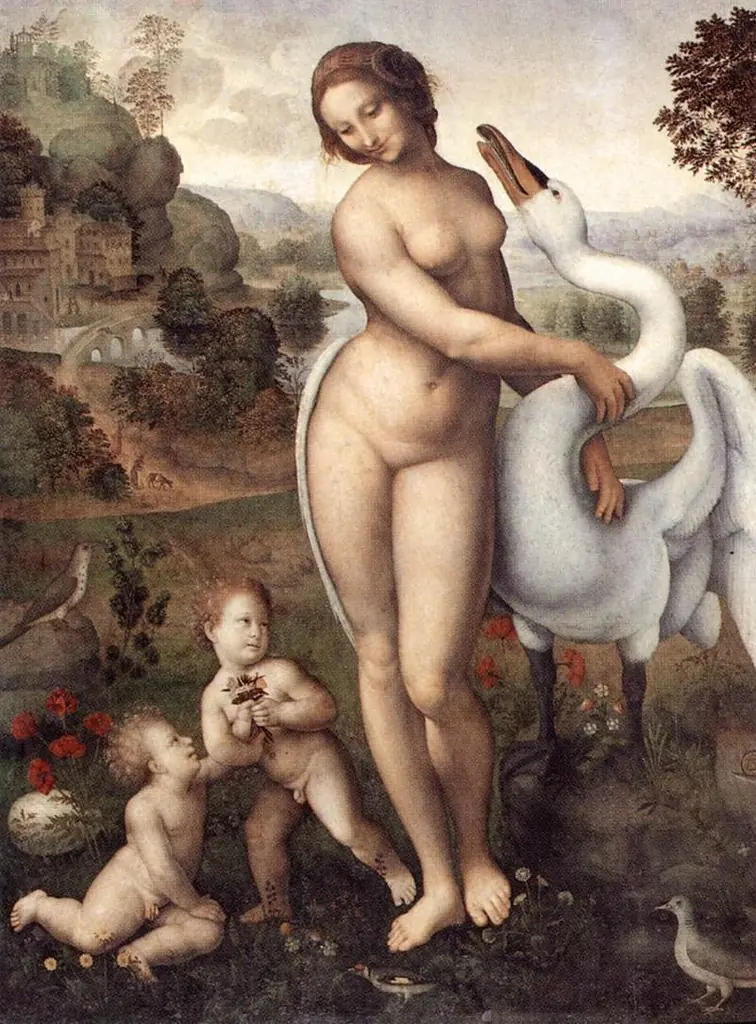
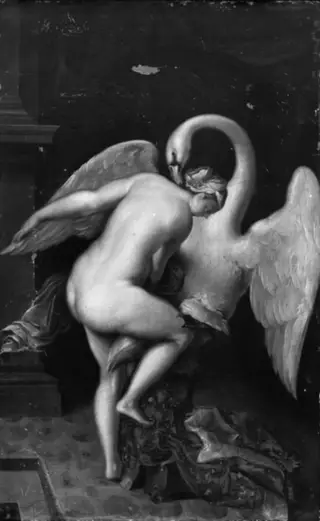
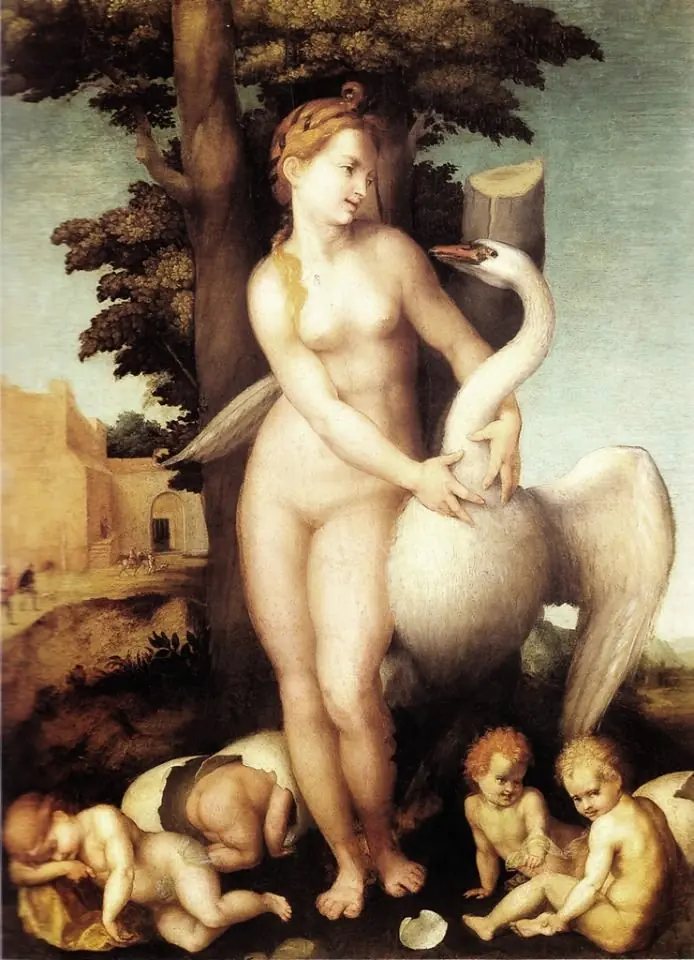
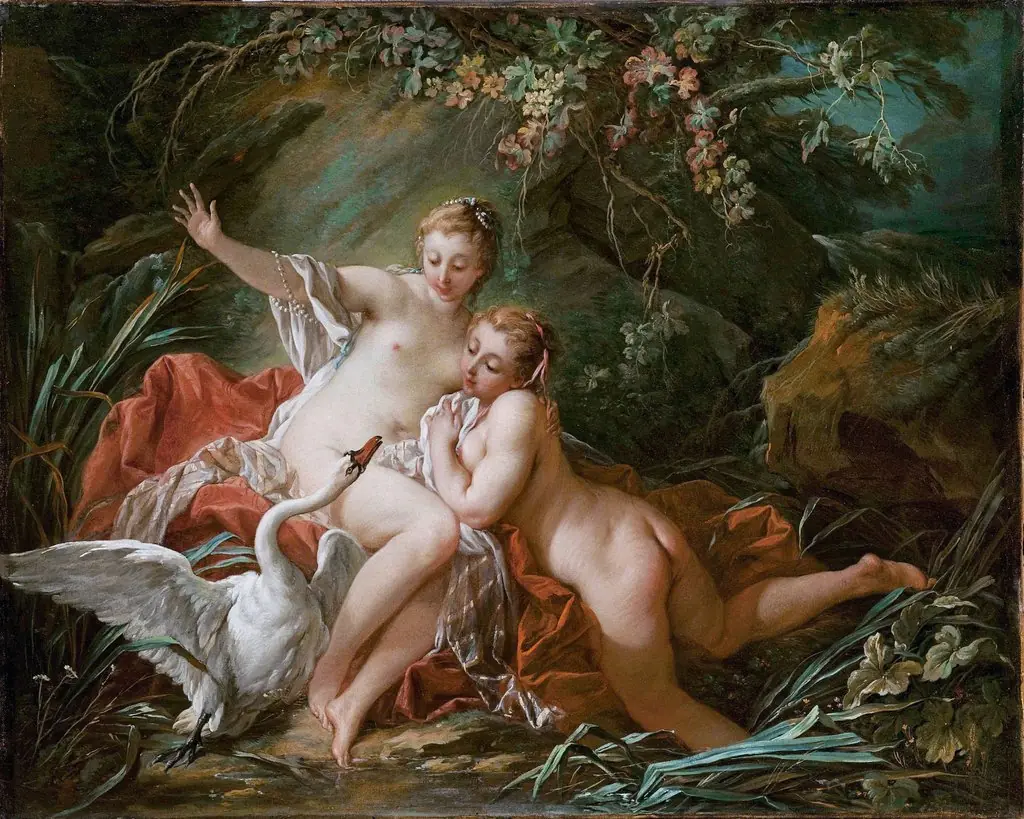
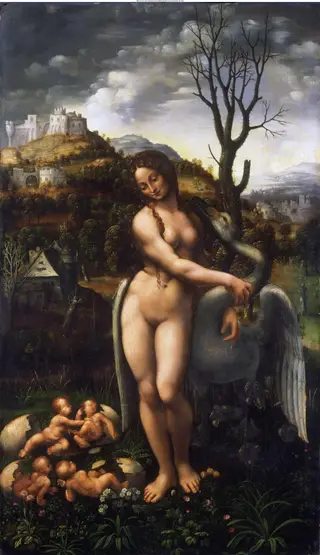
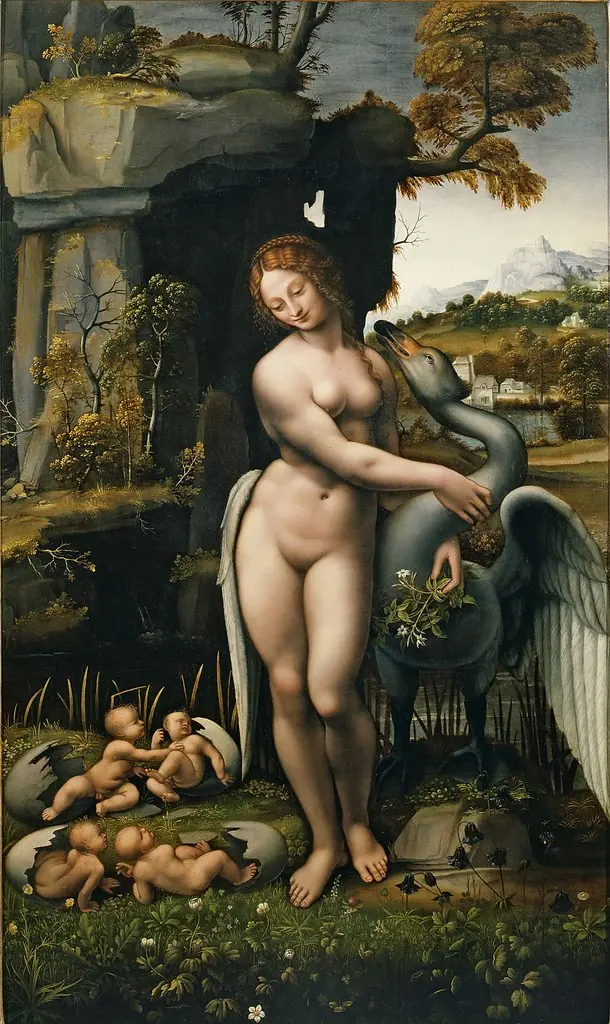
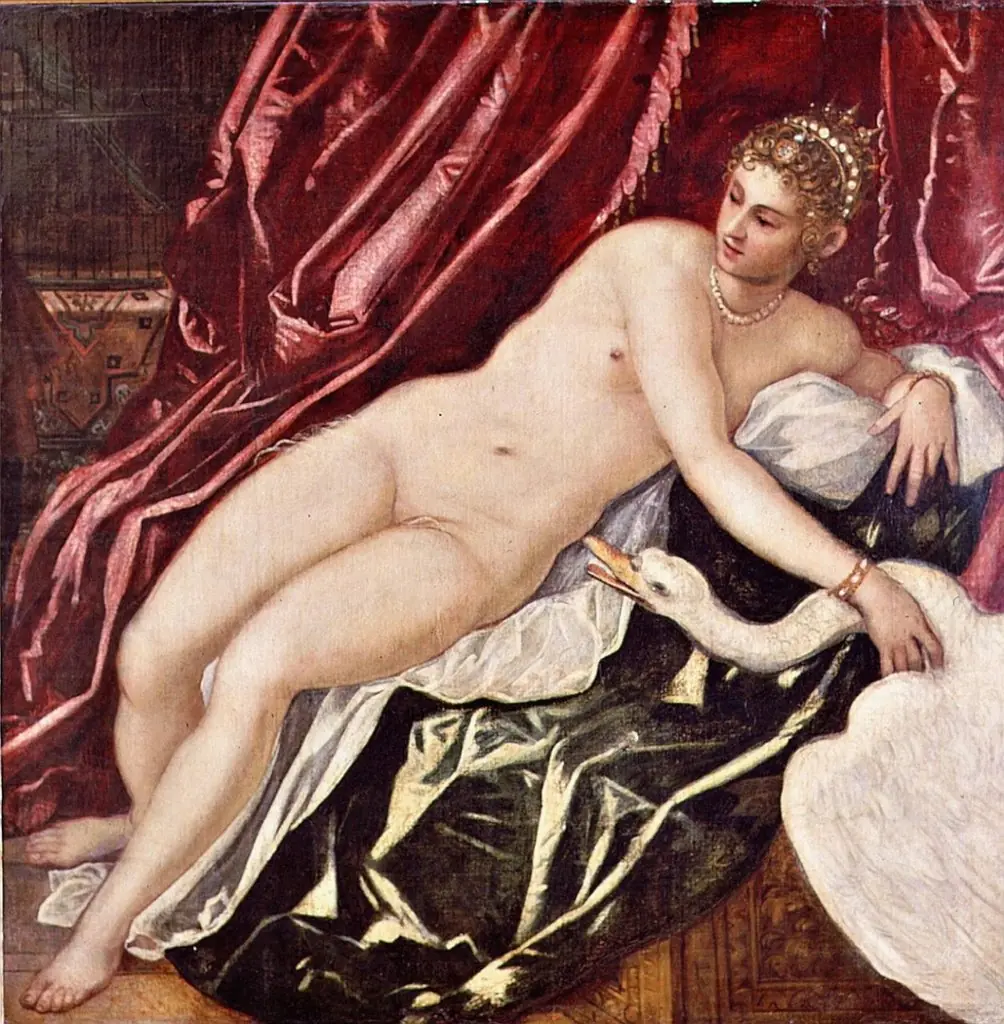
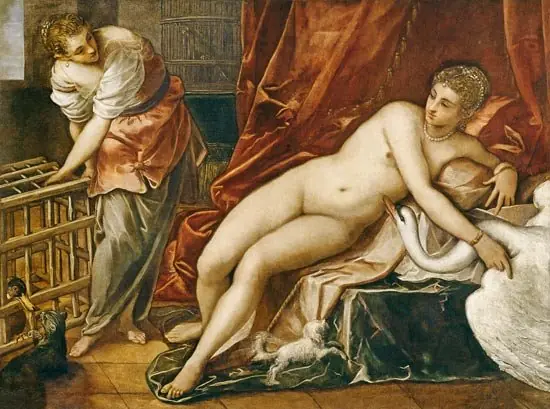
Leda and the swan is an oil painting by the Flemish Baroque painting artist Peter Paul Rubens. It dates from 1600 and is held in the collection of the Staatliche Kunstsammlungen Dresden.
About this work
Subject & Meaning
The work illustrates the mythological narrative of Leda and the Swan, a divine liaison that was commonly interpreted as a symbol of fertility and power.
Leda is portrayed as a nude woman embracing a swan that represents Zeus (Jupiter), with a kiss and a mating gesture highlighted in the composition. The work illustrates the mythological narrative of Leda and the Swan, a divine liaison that was commonly interpreted as a symbol of fertility and power.
The painting, created by Peter Paul Rubens in 1600, is an oil on panel mythological work that was originally owned by Felix Sekerka von Wrschowetz and is now part of the Gemäldegalerie Alte Meister collection in Dresden.
Technique & Style
The work is an oil painting executed on a wooden panel, a support typical of Rubens’s large mythological pictures. Measuring 122 × 182 cm, it belongs to the genre of mythology and portrays the nude figure of Leda in intimate contact with a swan, emphasizing flesh, anatomy, and sensual movement. The composition draws on Michelangelo’s classical poses while employing Rubens’s dynamic chiaroscuro and rich colour.
The painting’s formal qualities include a tightly modelled torso, flowing drapery, and a detailed rendering of the swan’s plumage, all contributing to a vivid, three-dimensional illusion.
History & Provenance
Rubens executed Leda and the Swan around 1600, painting the mythological scene in oil on panel as a reinterpretation of Michelangelo’s lost composition. The panel measures approximately 122 cm in height and 182 cm in width, and is classified as a mythological nude. The work was owned by Felix Sekerka von Wrschowetz before entering the holdings of the Staatliche Kunstsammlungen Dresden; it is now displayed in the Gemäldegalerie Alte Meister.
The work has not been the subject of a dedicated exhibition in modern records, and its display history remains confined to the permanent holdings of the Dresden museum.
Context
Peter Paul Rubens's Leda and the Swan, executed around 1600, stands as a significant work of mythological painting that directly engages with High Renaissance tradition. The composition is explicitly derived from a lost masterpiece by Michelangelo, reflecting Rubens's early scholarly engagement with Italian art during his formative years. This adaptation highlights the artist's wider context of studying and reinterpreting classical antiquity and Renaissance masters to inform his own Baroque style.
The work, now housed in the Gemäldegalerie Alte Meister in Dresden, demonstrates Rubens's interest in the human form and dynamic movement, themes central to his broader oeuvre. By translating Michelangelo's design into oil on panel, Rubens contributed to the enduring art-historical dialogue surrounding the Leda myth and the representation of divine intervention in human affairs.
Legacy
The painting Leda and the Swan by Peter Paul Rubens (1600) is recognized as a seminal mythological work, reflecting the Baroque fascination with classical narratives.
Its status derives from its depiction of the myth, its technical execution in oil on panel, and its provenance as part of the Gemäldegalerie Alte Meister collection, formerly owned by Felix Sekerka von Wrschowetz. The work’s influence persists in later artistic engagements with the Leda theme, establishing it as a benchmark for mythological subjects in European art.
Overview
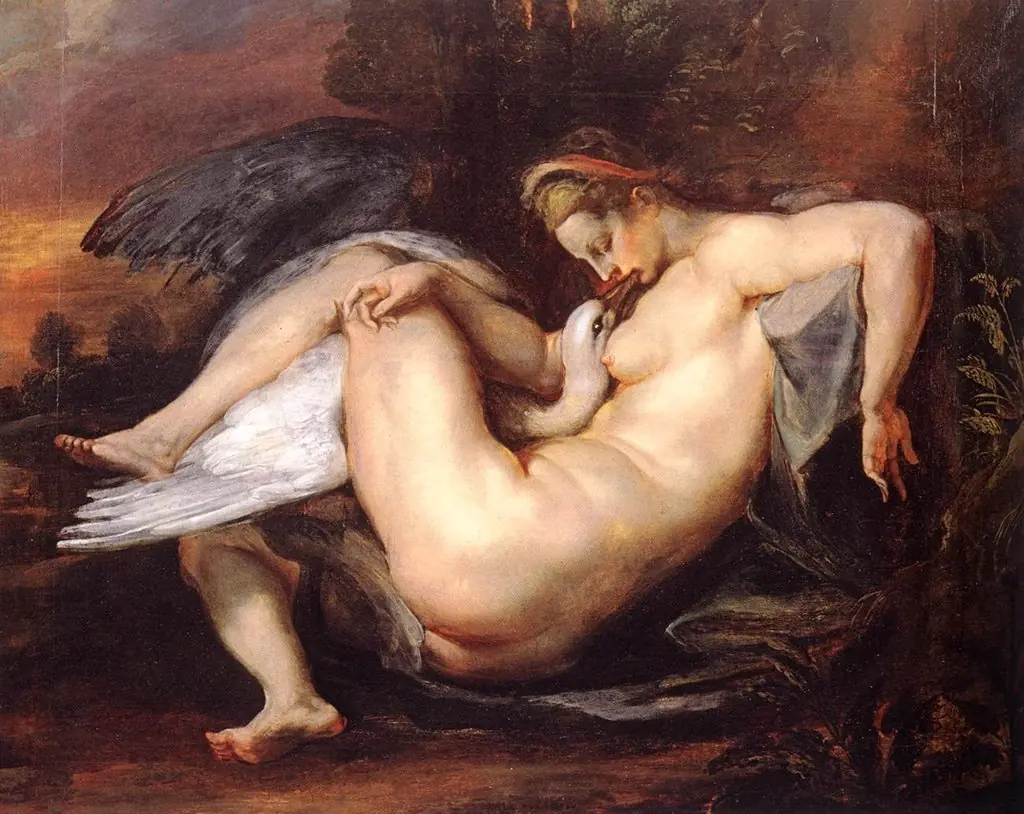
Peter Paul Rubens, a Flemish artist and diplomat, completed Leda and the Swan around 1600, utilizing oil paint on canvas. This work depicts the classical myth of Leda and Jupiter, who appears in the guise of a swan. The painting exemplifies the early phase of the Flemish Baroque style, showcasing the artist's engagement with dramatic narratives and sensuous forms, a hallmark of his extensive oeuvre.
Artist & collection
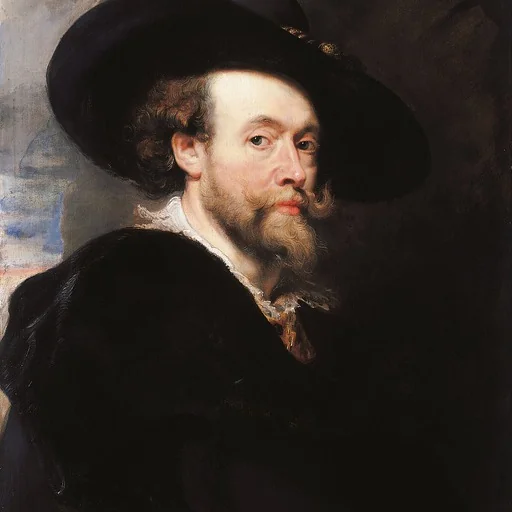
Artist
Sir Peter Paul Rubens ( ROO-bənz; Dutch:; 28 June 1577 – 30 May 1640) was a Flemish artist and diplomat.