Artwork
Still Life with Glasses and Tobacco
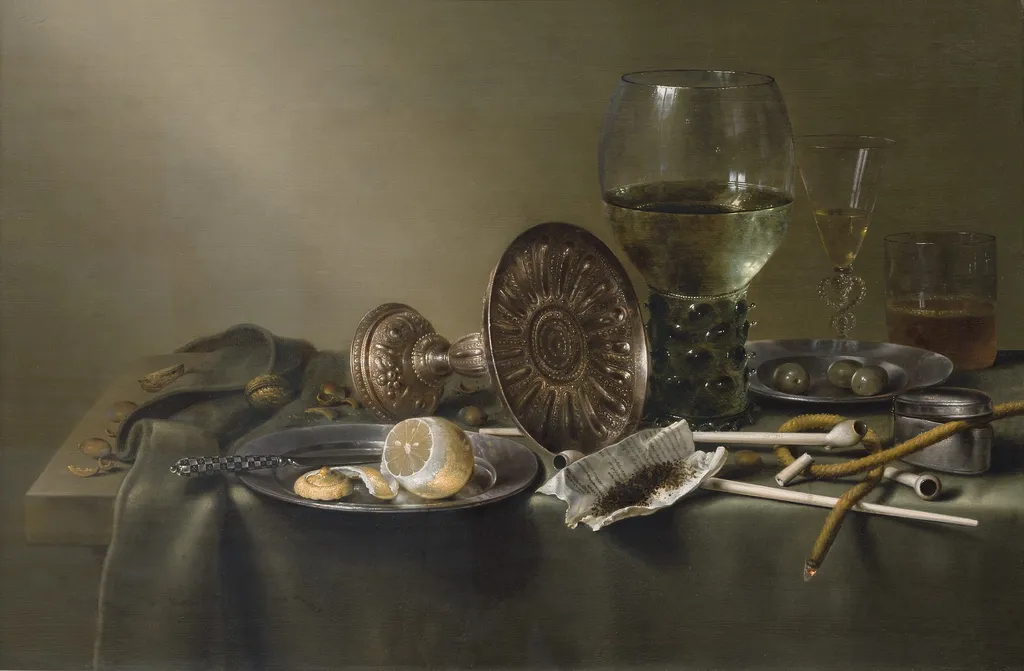
Still Life with Glasses and Tobacco is an oil painting by the Dutch Golden Age artist Willem Claesz Heda. It dates from 1633 and is held in the collection of the Rose-Marie and Eijk van Otterloo Collection. Willem Claesz.
About this work
Subject & Meaning
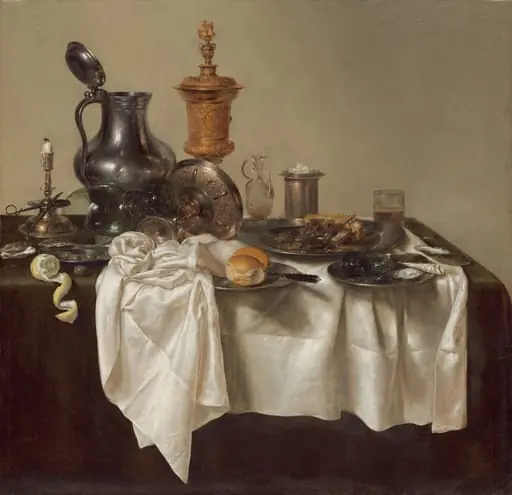
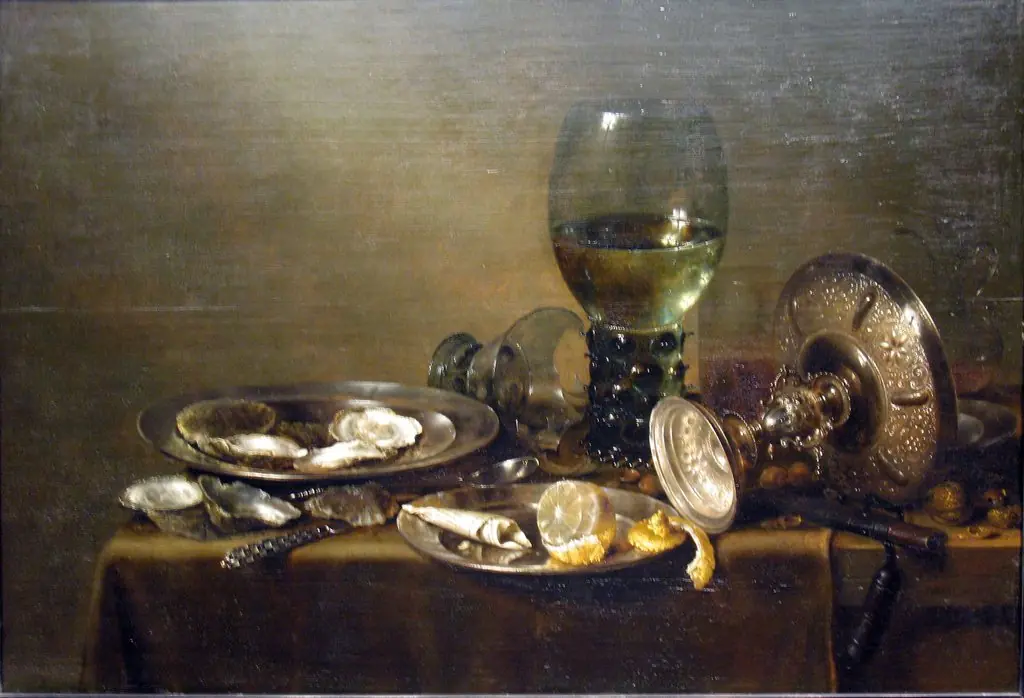
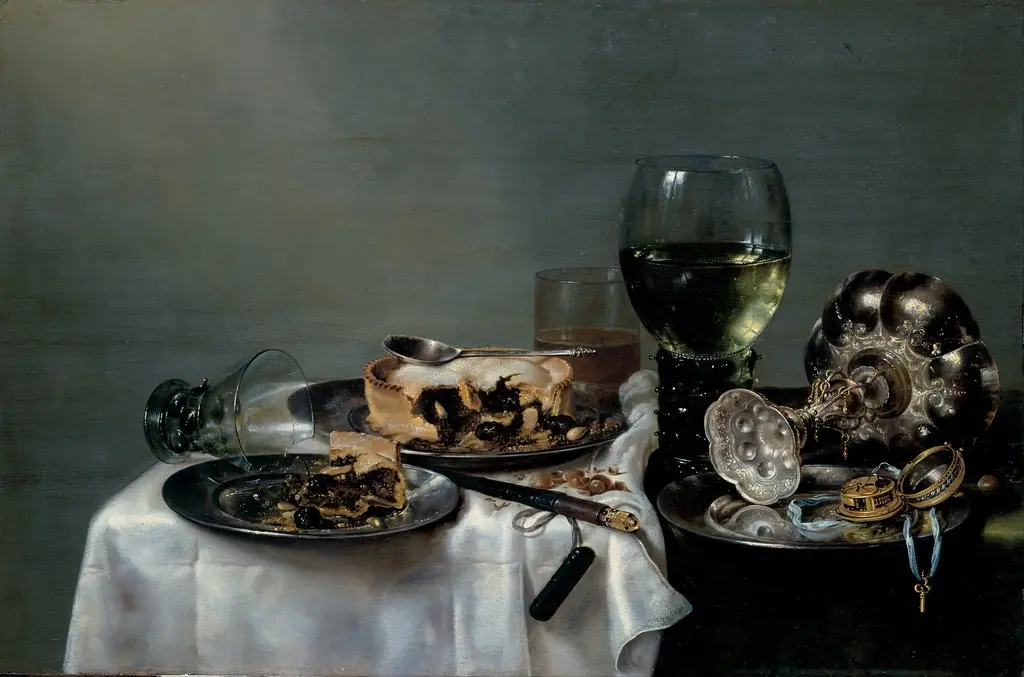
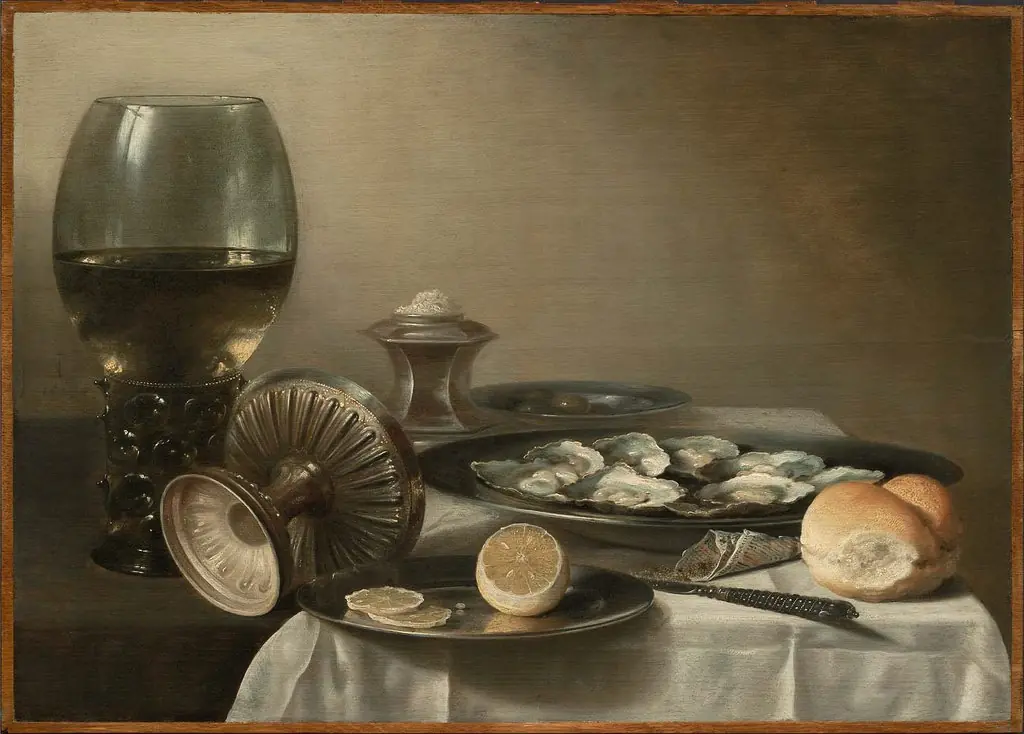
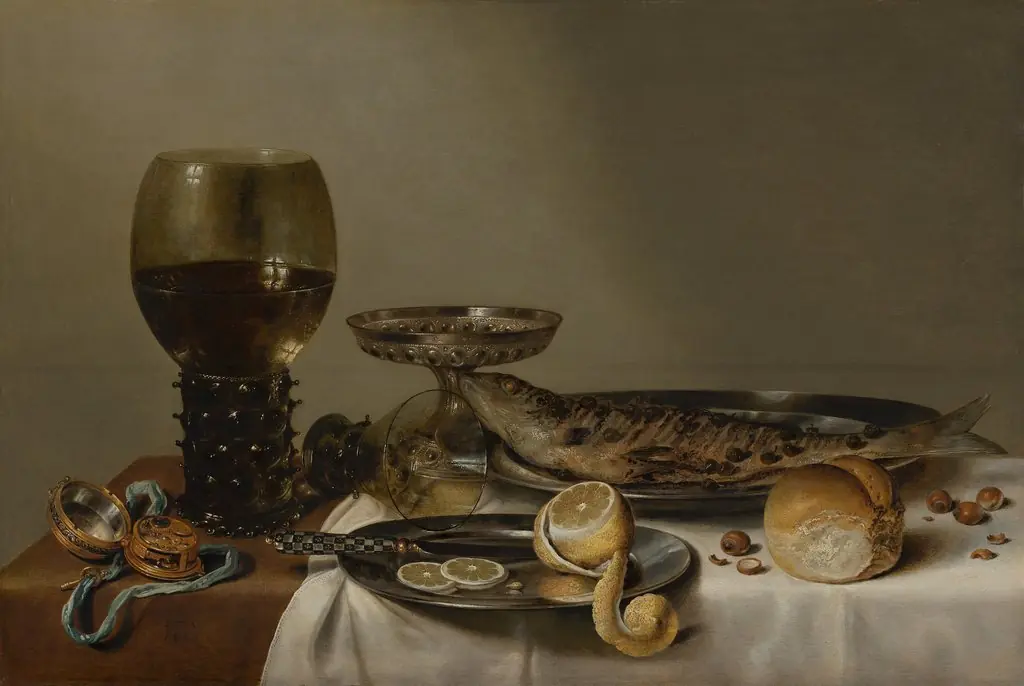
A partially peeled lemon rests beside a tazza and a rummer, while a Gouda clay pipe and tobacco lie nearby, evoking the sensory pleasures of taste and smell.
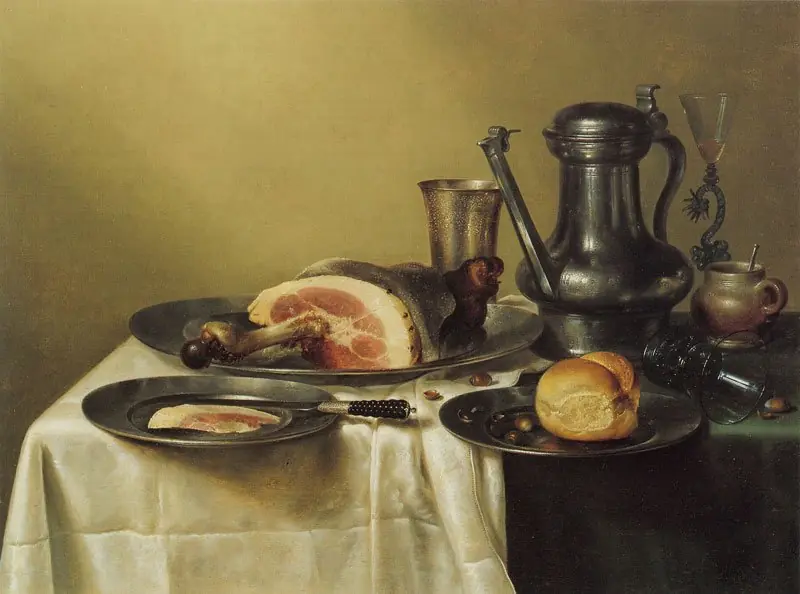
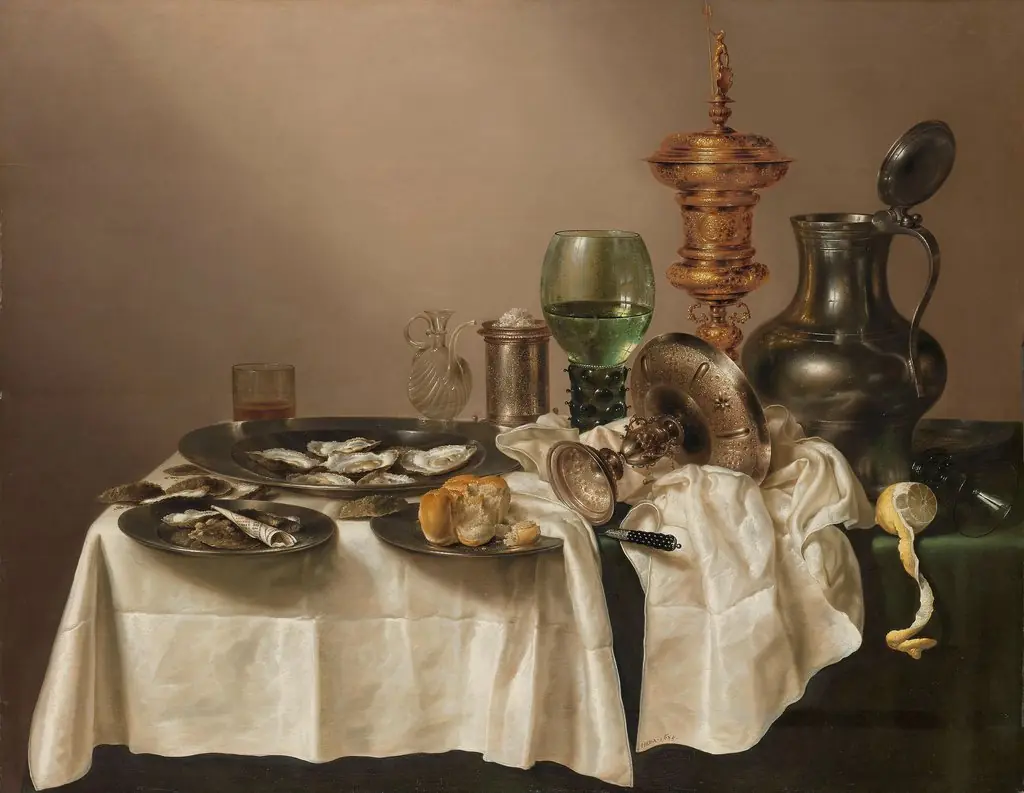
The painting depicts a carefully arranged Dutch still-life scene centered on a tabletop. A partially peeled lemon rests beside a tazza and a rummer, while a Gouda clay pipe and tobacco lie nearby, evoking the sensory pleasures of taste and smell.
Heda’s composition emphasizes the fleeting nature of abundance through the lemon’s sliced peel and the half-empty glass. The inclusion of a clay pipe and tobacco references contemporary Dutch domestic life and the culture of tobacco consumption, which flourished in the seventeenth century. The objects’ reflective surfaces and luminous textures underscore the vanitas tradition, suggesting the transience of worldly pleasures.
Technique & Style
Created in 1633, Still Life with Glasses and Tobacco is an oil painting executed by Willem Claesz. Heda. The work belongs to the still life genre and depicts specific objects including a tazza, lemon, rummer, tobacco, and a Gouda clay pipe.
As an oil-on-canvas or panel work typical of the Dutch Golden Age, the piece demonstrates Heda's mastery in rendering varied textures and reflective surfaces. The painting is currently held in the collection of the Museum of Fine Arts Boston within the Rose-Marie and Eijk van Otterloo Collection.
Overview
Willem Claesz. Heda, a Haarlem painter active during the Dutch Golden Age, completed the oil painting Still Life with Glasses and Tobacco in 1633. The work exemplifies his focus on meticulously rendered still-life compositions and is part of the Museum of Fine Arts, Boston’s collection.
History & Provenance
Created in 1633, the painting remained in private hands before entering the Museum of Fine Arts, Boston, where it has been displayed as a representative example of the late‑breakfast still‑life subgenre that Heda helped define.
Context
During the early 17th century, Dutch artists increasingly explored still‑life themes that combined meticulous detail with moral undertones. Heda’s work aligns with this trend, reflecting both the prosperity of the Dutch Republic and the period’s interest in the fleeting nature of material goods.
Own this work as a print
Artist & collection
Artist
Willem Claeszoon Heda (December 14, 1593/1594 – c. 1680/1682) was a Dutch Golden Age painter from the city of Haarlem devoted exclusively to the painting of still life. He is known for his innovation of the late…
Museum
Rose-Marie and Eijk van Otterloo Collection
Continue through works from the same source collection.