Artwork
Portrait of a Man
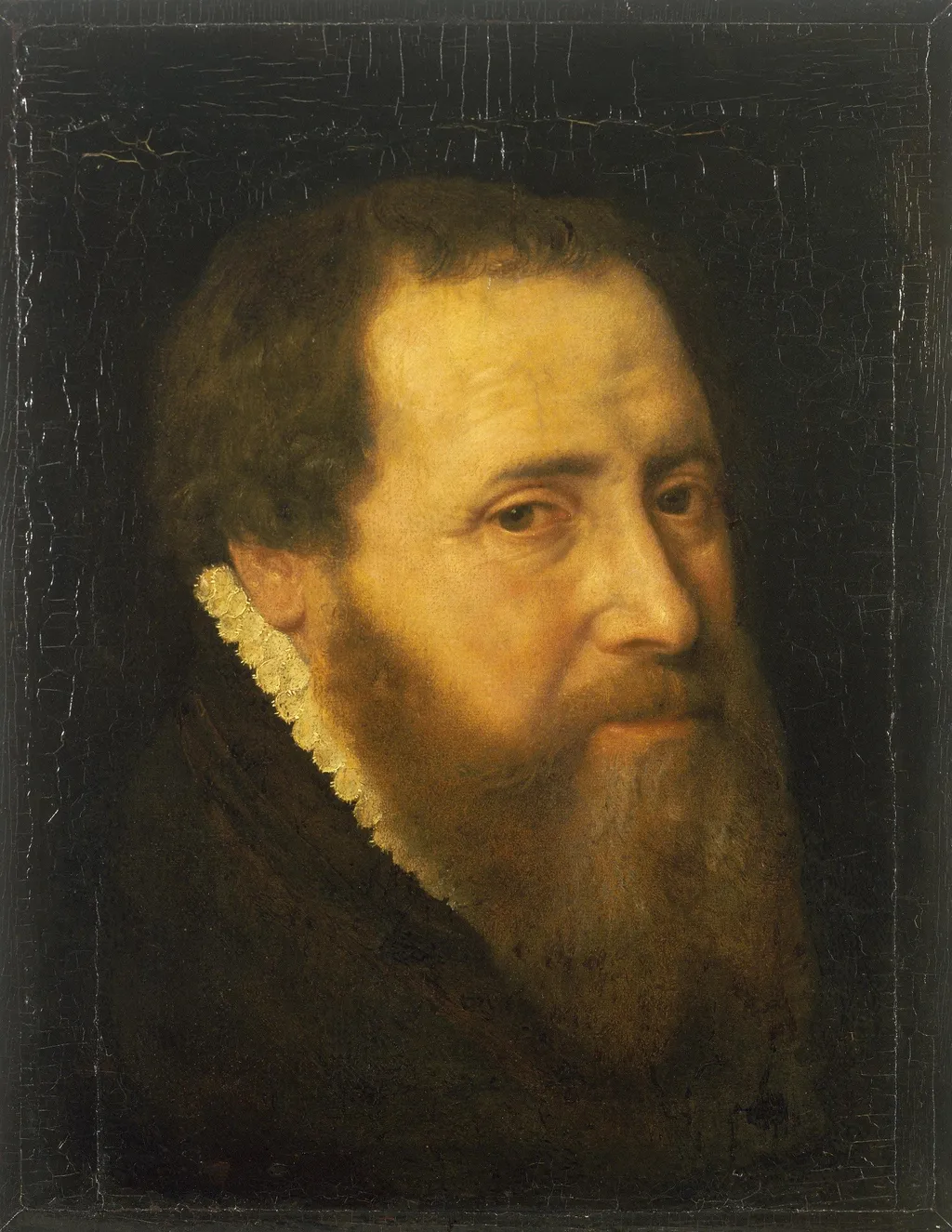
Portrait of a Man is an oil painting by the Flemish Baroque painting artist Willem Key. It dates from 1554 and is held in the collection of the Hermitage Museum.
About this work
Overview
3 centimeters, this bust-length depiction of an unidentified male sitter havenow resides in the Hermitage Museum in Saint Petersburg.
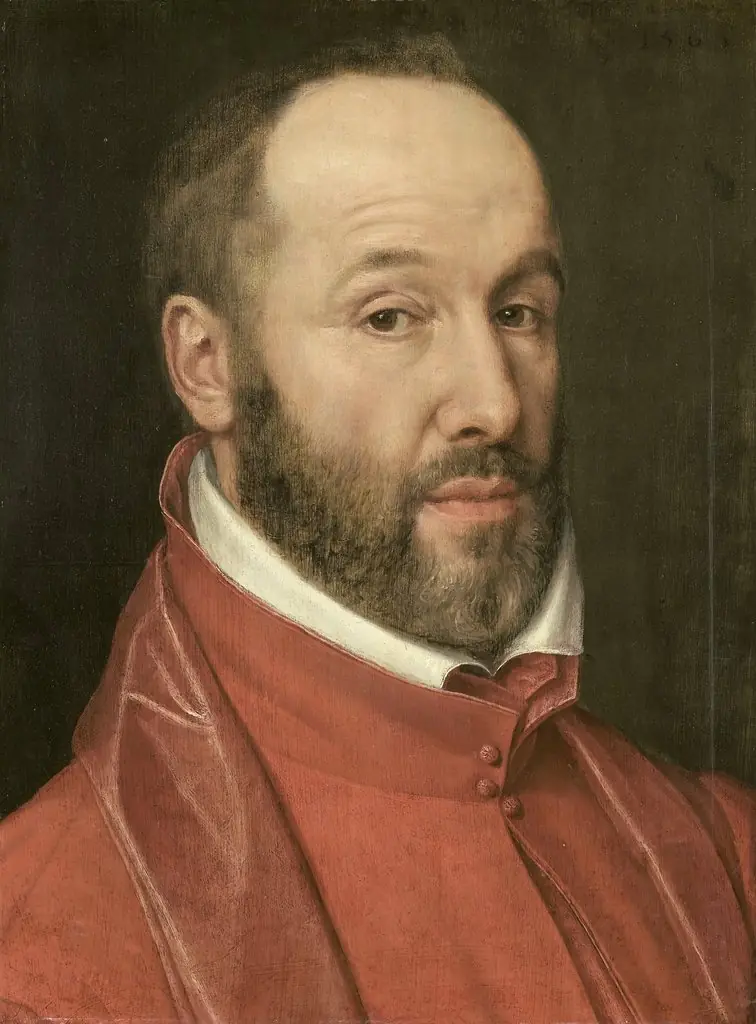
Portrait of a Man is an oil painting on panel by the Flemish Renaissance artist Willem Key, dated 1554. Measuring 41 by 31.3 centimeters, this bust-length depiction of an unidentified male sitter havenow resides in the Hermitage Museum in Saint Petersburg. The work exemplifies the sober, direct portraiture that characterized Key's approach to depicting the Dutch and Flemish bourgeoisie during the mid-sixteenth century, and it occupies an important position within his oeuvre as a bridge between Netherlandish and Italian artistic traditions.
Subject & Meaning
The sitter is presented bust-length, turned three-quarters to the right, with brown hair, a full beard, and a mustache. He meets the viewer's gaze directly from a dark, undefined background. His attire consists of a dark garment with a prominent white ruffled collar that frames his jawline. No objects, symbols, or gestures appear in the composition, and the background remains uniformly dark with no discernible setting or detail. This stark presentation, with its very sober application of color and straightforward concentration on the face, is characteristic of sixteenth-century portraits of the Dutch bourgeoisie. The absence of identifying attributes or heraldic devices suggests the portrait relies on physiognomic presence rather than symbolic apparatus to convey the sitter's identity and status. Some speculation has arisen that this may be a self-portrait, though this remains unproven.
Technique & Style
The painting is executed in oil on panel, a standard support for Flemish portraiture of this period. The palette is dominated by deep browns and blacks, contrasted with warm flesh tones and the bright white of the collar. Light falls strongly from the left, illuminating the left side of the face while the right side recedes into shadow, creating a dramatic chiaroscuro effect. The brushwork appears smooth and blended in the face, with more textured handling in the beard and collar. The surface shows extensive craquelure throughout, with a network of fine cracks visible across the entire paint layer. The tightly cropped composition, focusing on the head and upper shoulders, reflects the influence of Italian Renaissance portraiture as transmitted through Key's training, while the restrained color scheme and unembellished presentation align with Northern European conventions.
History & Provenance
The work was created in 1554 in the Netherlands, during the mature phase of Key's career. Its provenance includes ownership by A.S. Drey Galleries. The painting was sold at Sotheby's on July 3, 1985. At some point, it was formerly attributed to Hans Holbein, and has also been attributed to Frans Pourbus. The Hermitage Museum now holds the painting, though the precise date of its accession remains unrecorded in the available sources.
Context
Willem Key (1516-1568) was a pivotal figure in sixteenth-century Flemish painting, positioned as a bridge between Netherlandish and Italian artistic traditions. Born in Breda, he studied under Pieter Coecke van Aelst in Antwerp from 1529, and later with Lambert Lombardus in Liège alongside Frans Floris; he joined the Antwerp Guild of St. Luke in 1540. Key became specialized in flattering portraits and made a good living from theatrically posed group portraits. The scholarly literature emphasizes his role in reconciling artistic styles and movements that shaped Flemish art, positioning him as one of the key innovators of his time despite subsequent historical oversight. The former attribution of this portrait to Hans Holbein reflects the broader Northern European context of portraiture in which Key worked, where the influence of the great German portraitist was widely felt. The attribution history, including the link to Frans Pourbus, also situates the work within the Antwerp school and its successive generations.
Legacy
The portrait's legacy is intertwined with the vicissitudes of Key's own posthumous reputation. Many of his paintings were destroyed, particularly during the Beeldenstorm of 1566, and his death on or around June 5, 1568, in circumstances connected to the execution of the Counts of Egmont and Hoorn, lent his biography a dramatic color that has sometimes overshadowed artistic assessment. The multiple reattributions of this work, from Holbein to Pourbus and finally to Key, illustrate the challenges of establishing secure attributions within the Antwerp portrait tradition. Today, the painting is recognized as a characteristic product of Key's hand, representing the sober, direct portraiture that made him a successful and influential figure in his lifetime. The work's presence in the Hermitage Museum ensures its continued visibility within the broader narrative of sixteenth-century Netherlandish art, while scholarly monographs have contributed to the rehabilitation of Key's standing as a significant innovator in Flemish painting.
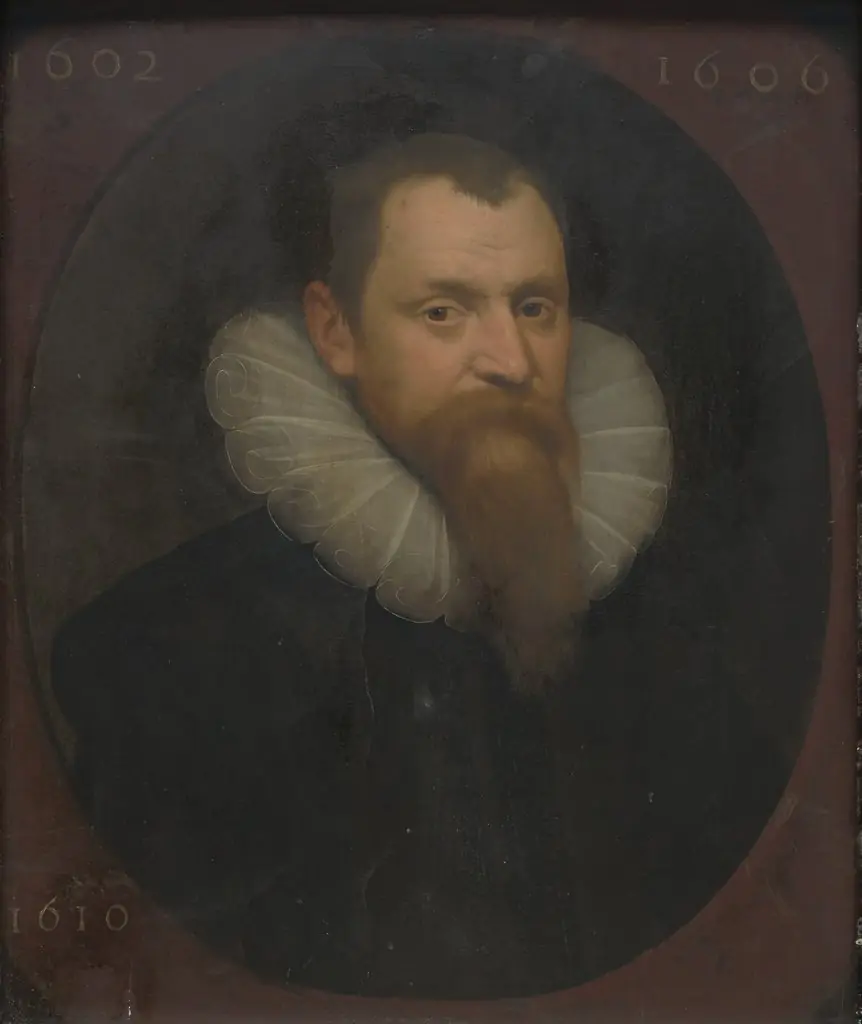
Own this work as a print
Artist & collection

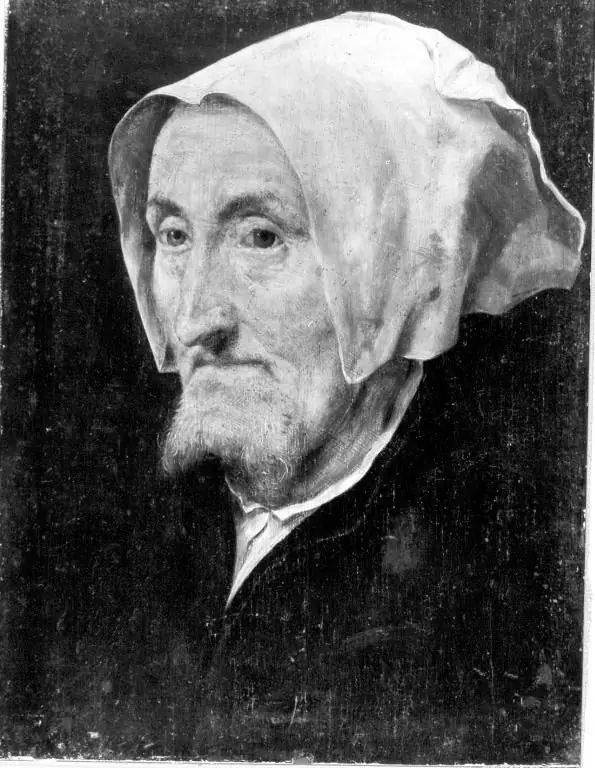
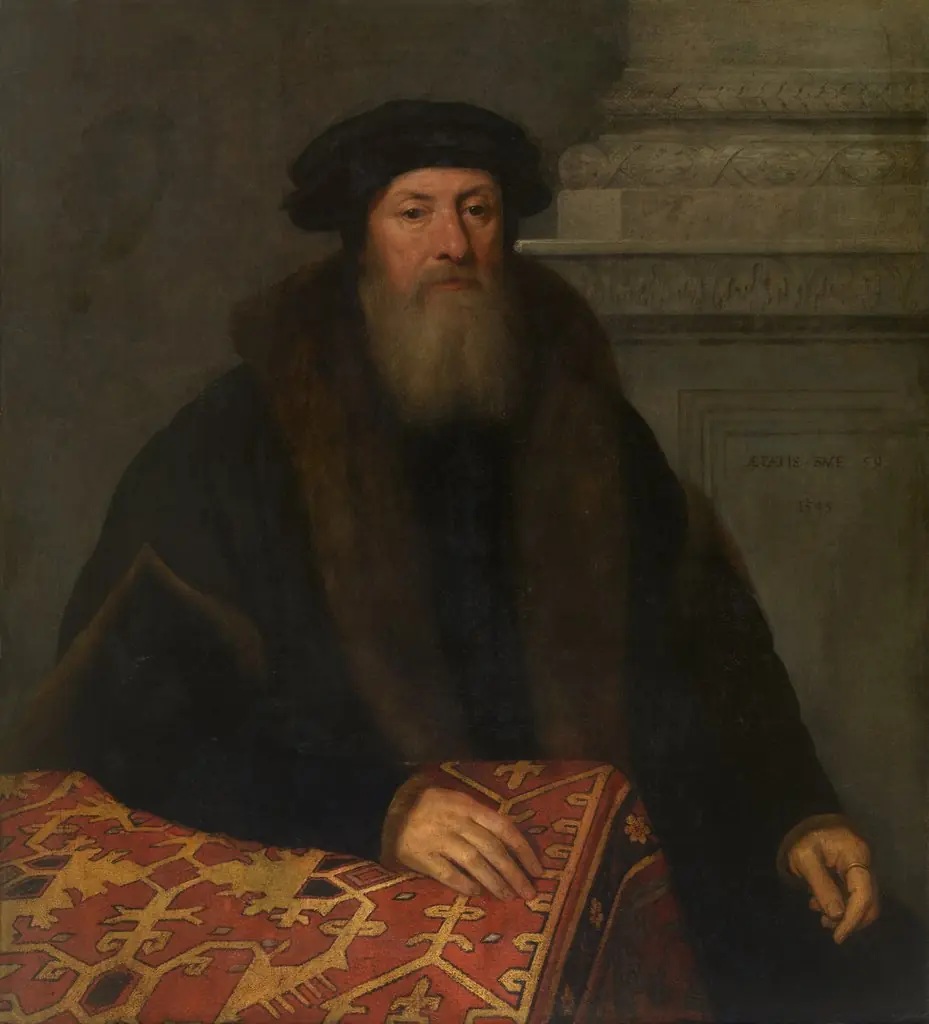
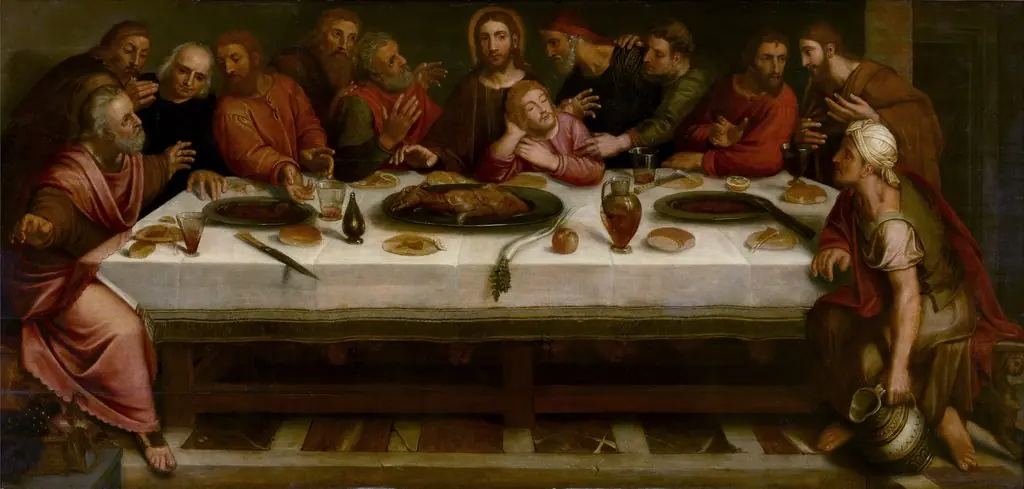
- Portrait of a Man
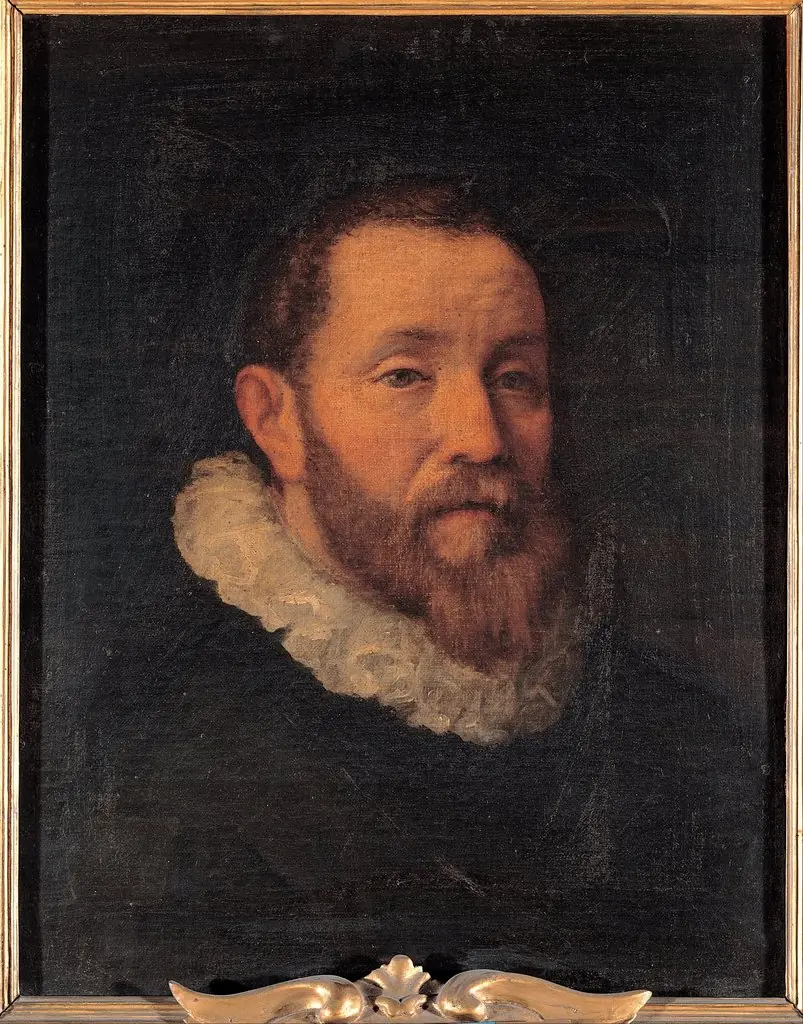 Self-portrait
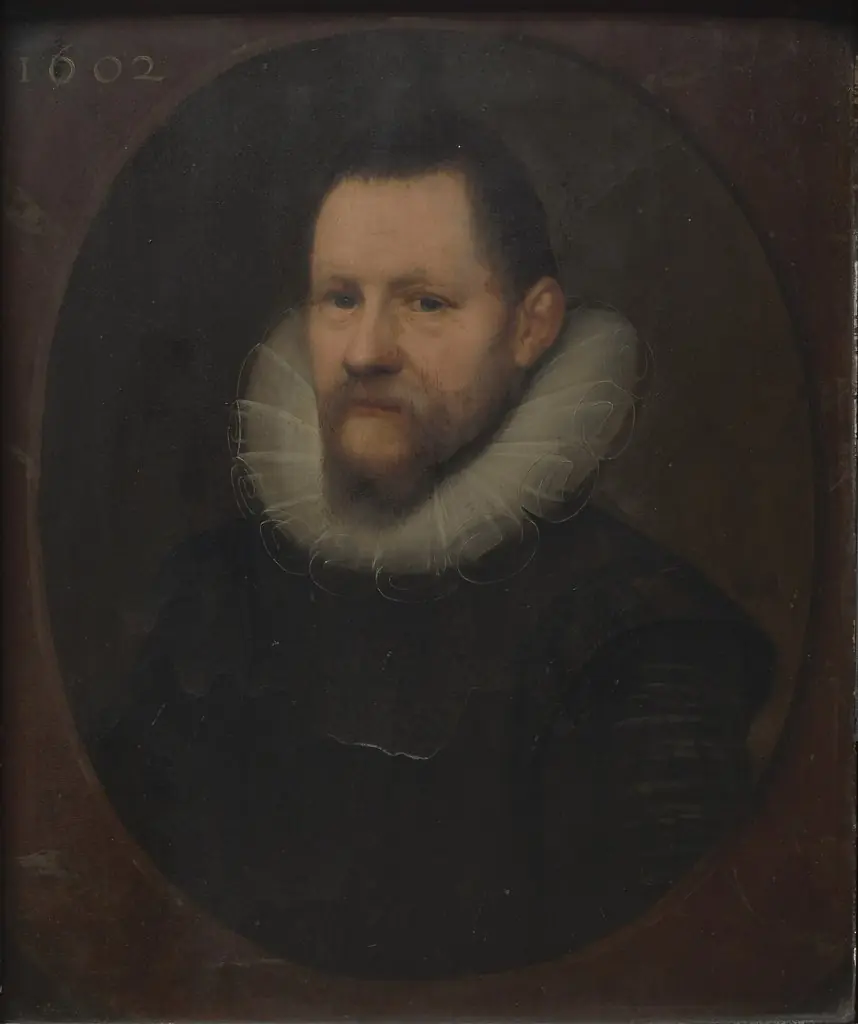 Portrait of a Man
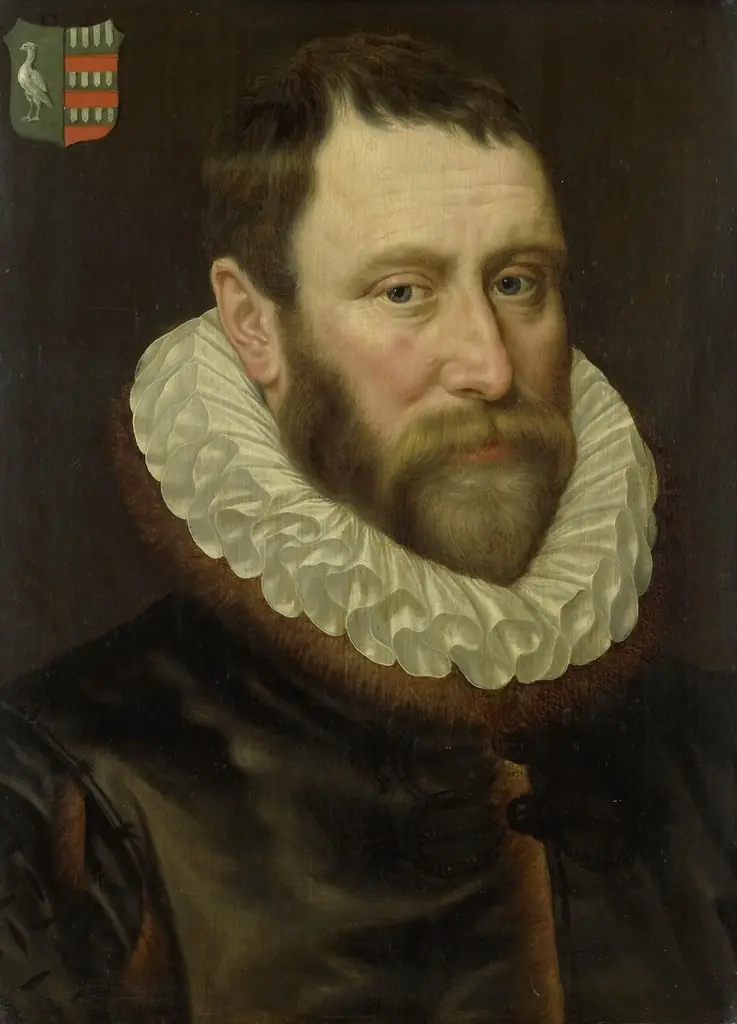 Portrait of Jacob Bas Claesz (1536-89), mayor of Amsterdam
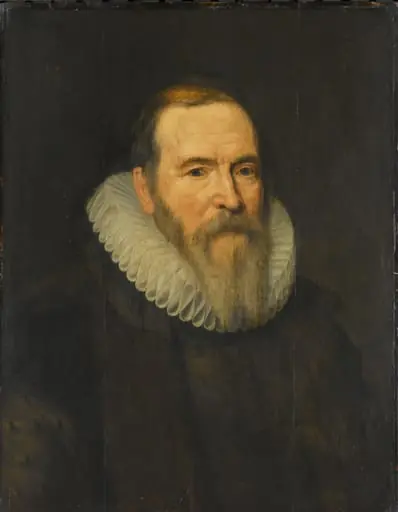 Portrait of Johan van Oldenbarnevelt
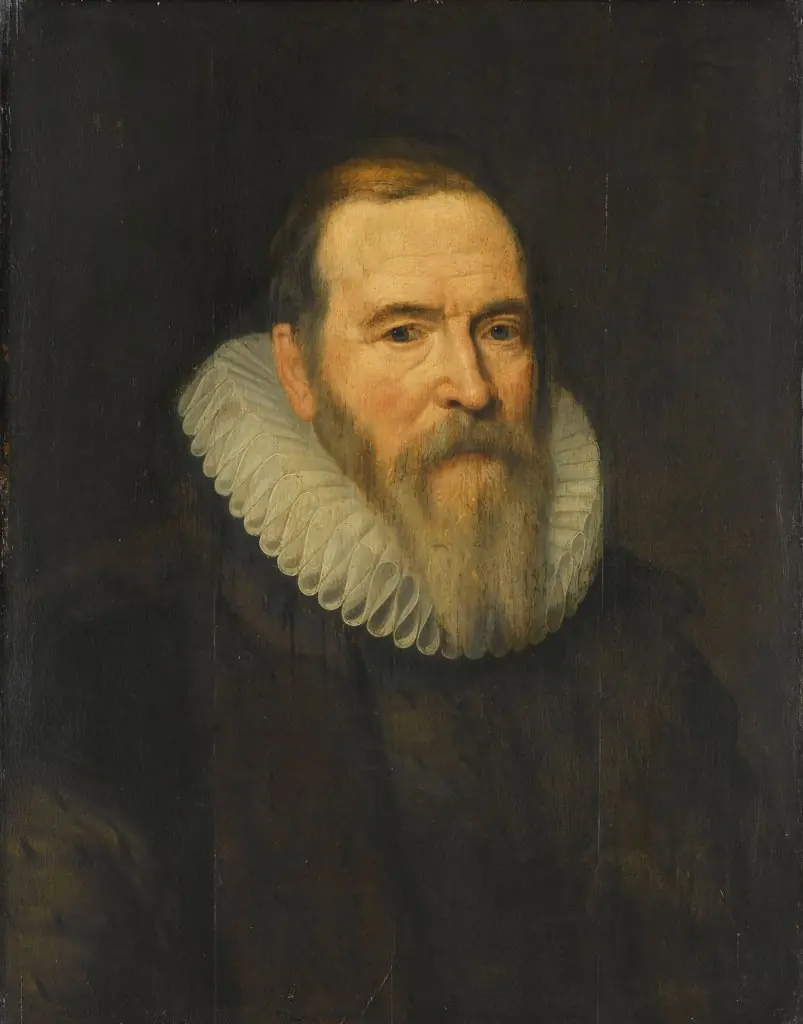 Portrait of Johan van Oldenbarneveldt (1547-1619)
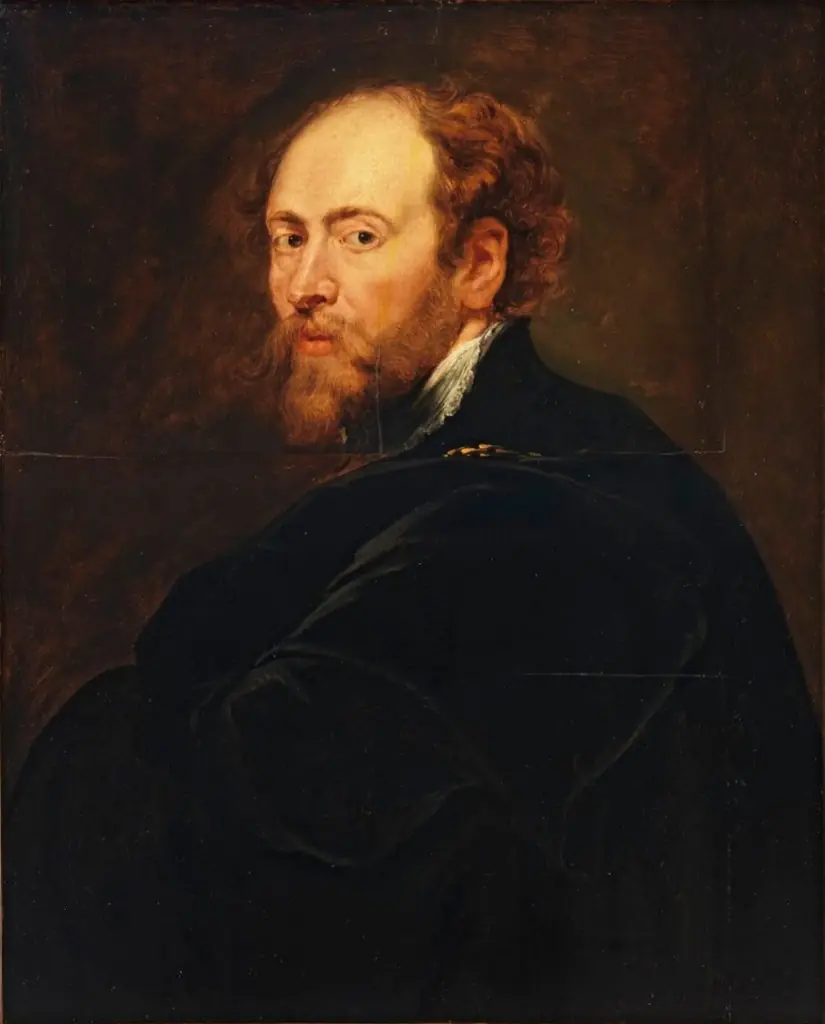 Self-portrait
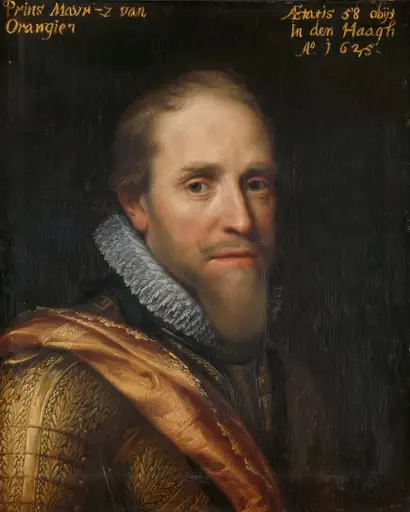 Untitled
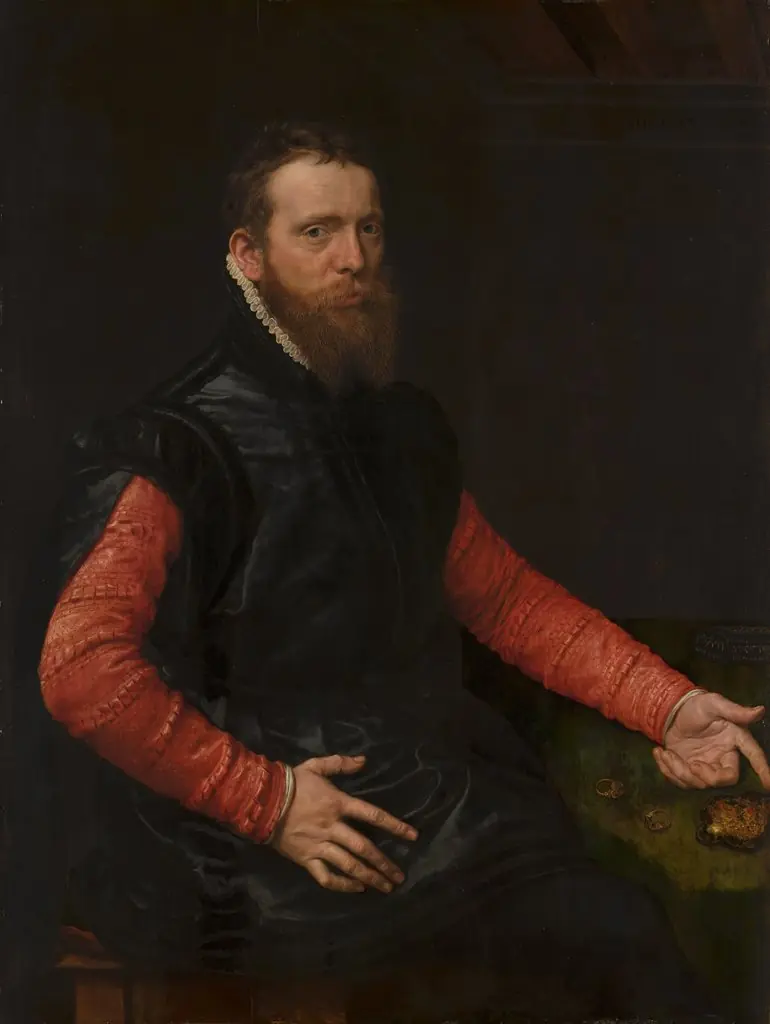 Steven van Herwijck
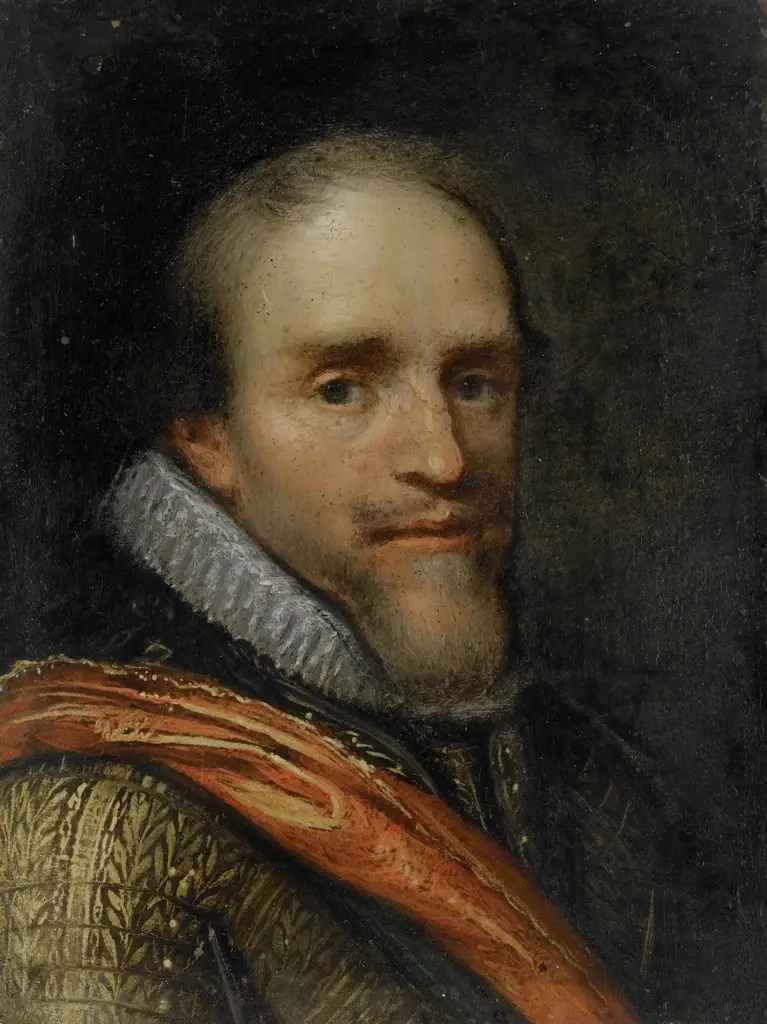 Portrait of Maurits (1567-1625), Prince of Orange
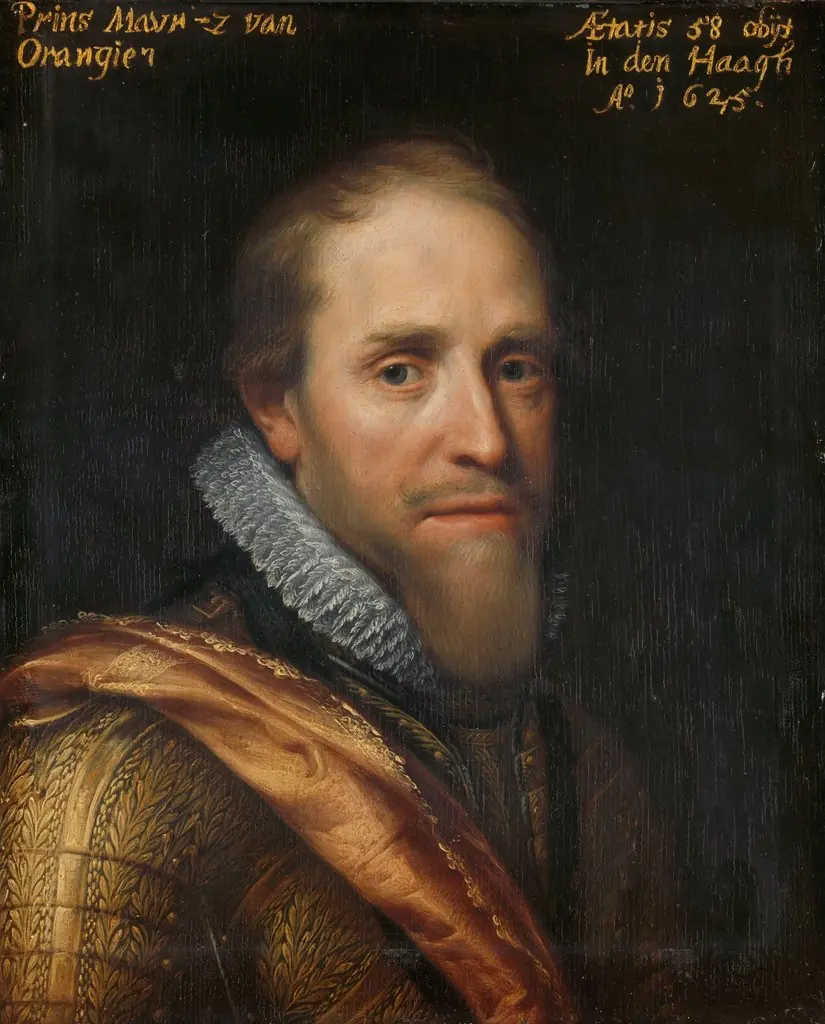 Portrait of Maurits (1567-1625), Prince of Orange
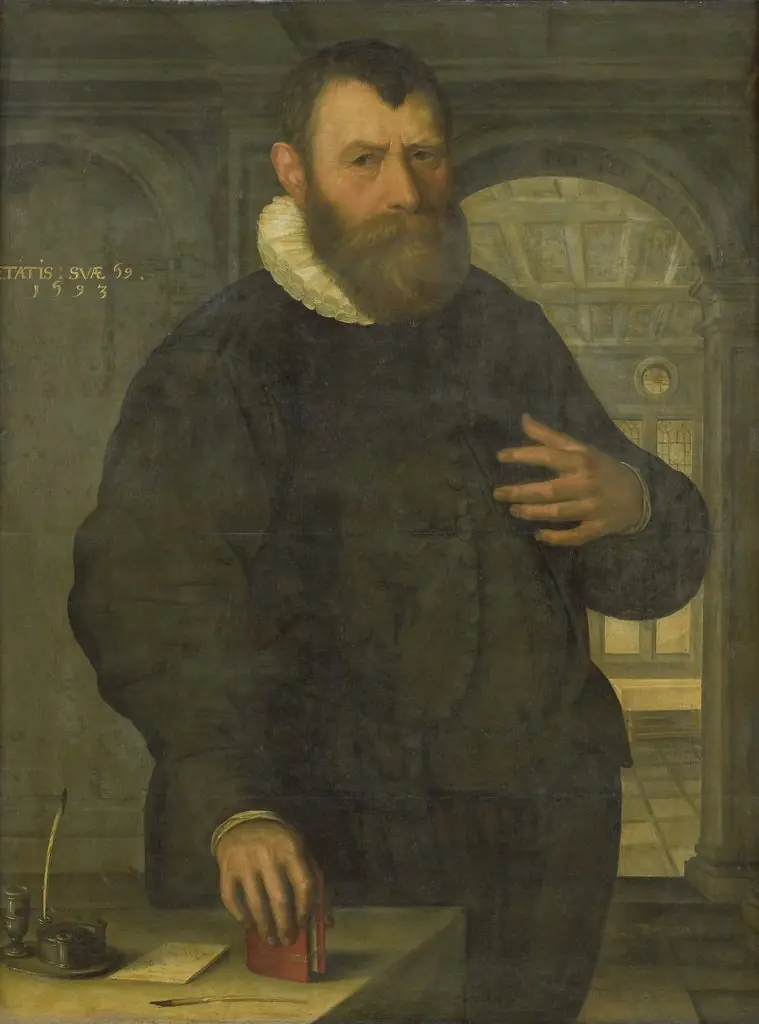 Portrait of Bartholomeus van der Wiere (1534-1603)