Artwork
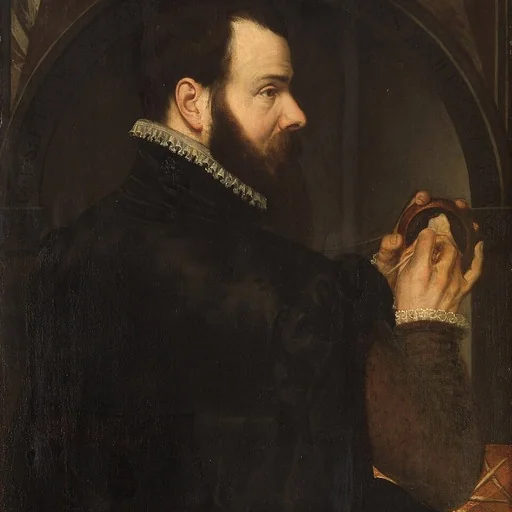
Self Portrait as a Wax-Modeller
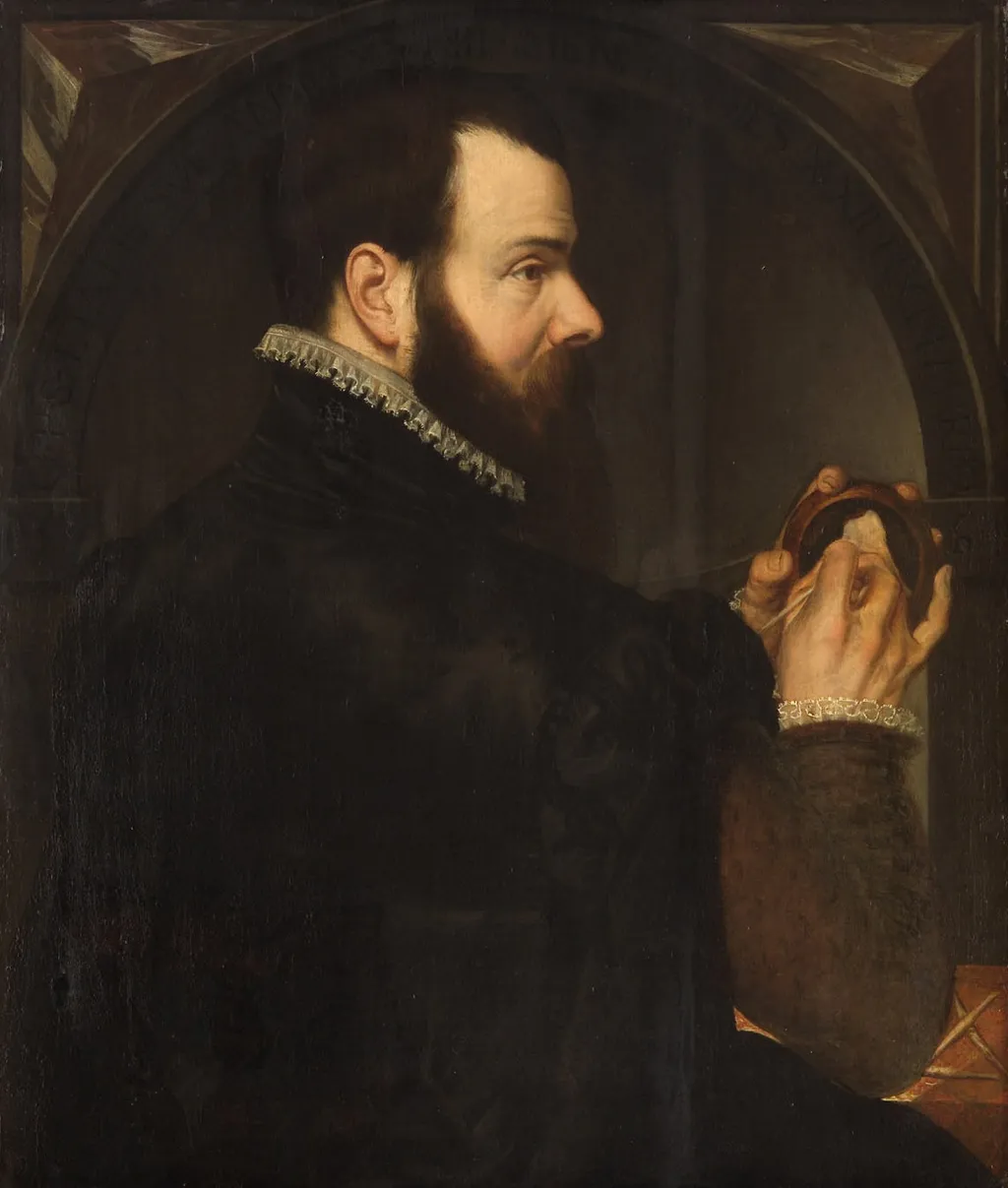
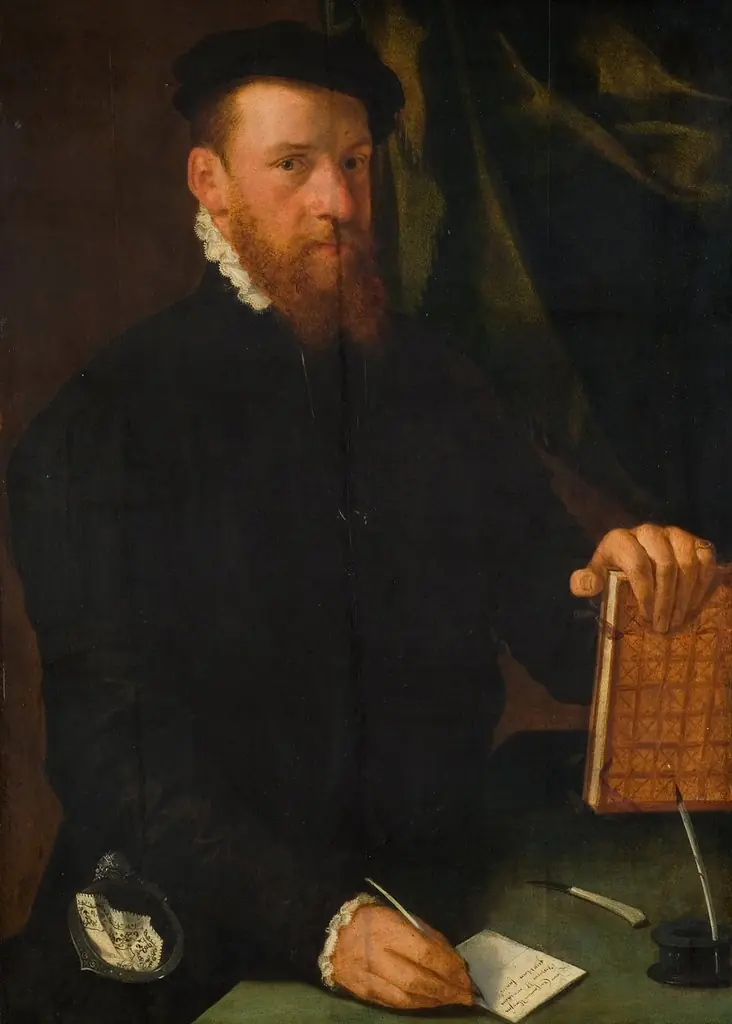
Self Portrait as a Wax-Modeller is an oil painting by the Northern Renaissance artist Willem van den Broecke. It dates from 1564 and is held in the collection of the Kunsthistorisches Museum.
About this work
Subject & Meaning
The work depicts Willem van den Broecke in a self-referential portrayal that identifies him specifically through his profession as a wax modeller.
The work depicts Willem van den Broecke in a self-referential portrayal that identifies him specifically through his profession as a wax modeller. As a self-portrait, the image functions as both a personal likeness and a professional statement, asserting the artist's identity and skill in the medium of wax modeling. The painting serves to document the creator's occupation, elevating the status of the wax modeller by presenting the practitioner within the formal tradition of oil portraiture on panel.
Technique & Style
Willem van den Broecke's Self Portrait as a Wax-Modeller, created in March 1564, is executed in oil paint on an oakwood panel. The work measures 54 cm in height and 45.5 cm in width. As a self-portrait, the painting presents the artist depicting himself, adhering to the formal conventions of the genre while utilizing a rigid wooden support typical of the period. The medium of oil paint allows for the detailed rendering required for this portrait classification.
History & Provenance
Self Portrait as a Wax-Modeller was created by Willem van den Broecke in 1564, with the inception date recorded as March 1564. The painting is executed in oil paint on an oakwood panel, and its current ownership rests with the Kunsthistorisches Museum, which holds the work in its collection. No additional details regarding commission, intermediate ownership, or earlier provenance are documented in the available sources.
The work's documented history begins with its creation in 1564 and continues directly to its present institutional home, with no intervening owners or transfers recorded.
Self Portrait as a Wax-Modeller has been in the collection of the Kunsthistorisches Museum, where it remains held today. The work is owned by that institution, and its ownership is recorded as part of the museum's holdings. No accession number or inventory reference is documented in the available sources.
No exhibition history is recorded in the available sources for this painting.
Overview
Self Portrait as a Wax-Modeller is a 1564 oil painting by Willem van den Broecke, a versatile Flemish artist known for his work in sculpture, painting, draughtsmanship, and architecture. The portrait belongs to the Northern Renaissance movement.
Context
As a leading Antwerp sculptor of the 16th century's second half, van den Broecke's self-portrait as a wax-modeller provides insight into the broader artistic practices of the time, where artists often mastered multiple mediums.
Legacy
While specific lasting impacts of Self Portrait as a Wax-Modeller on subsequent art movements are not prominently documented, it remains a unique example of Northern Renaissance self-portraiture highlighting an artist's multifaceted talents.
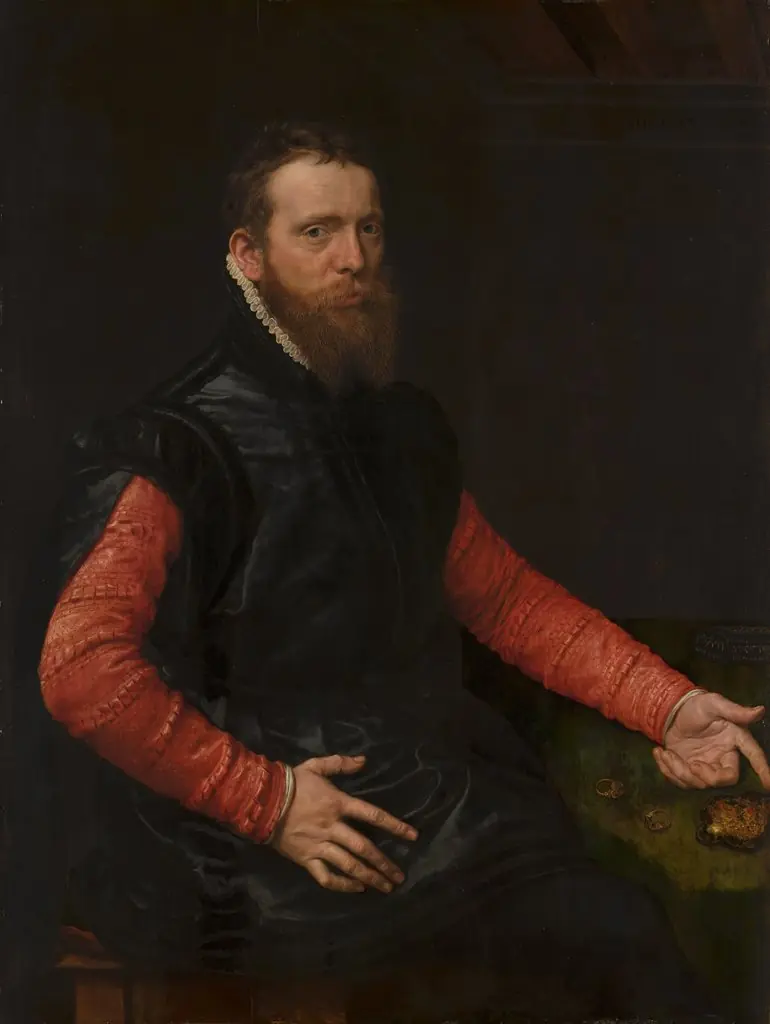
Artist & collection
Artist
Willem van den Broecke, Willem van den Broeck or Guillelmus Paludanus (1530 – 1579) was a Flemish sculptor, painter, draughtsman and architect.