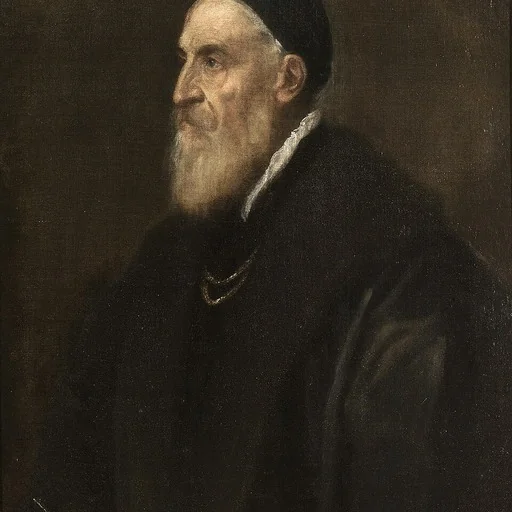
Subject
Bracelet
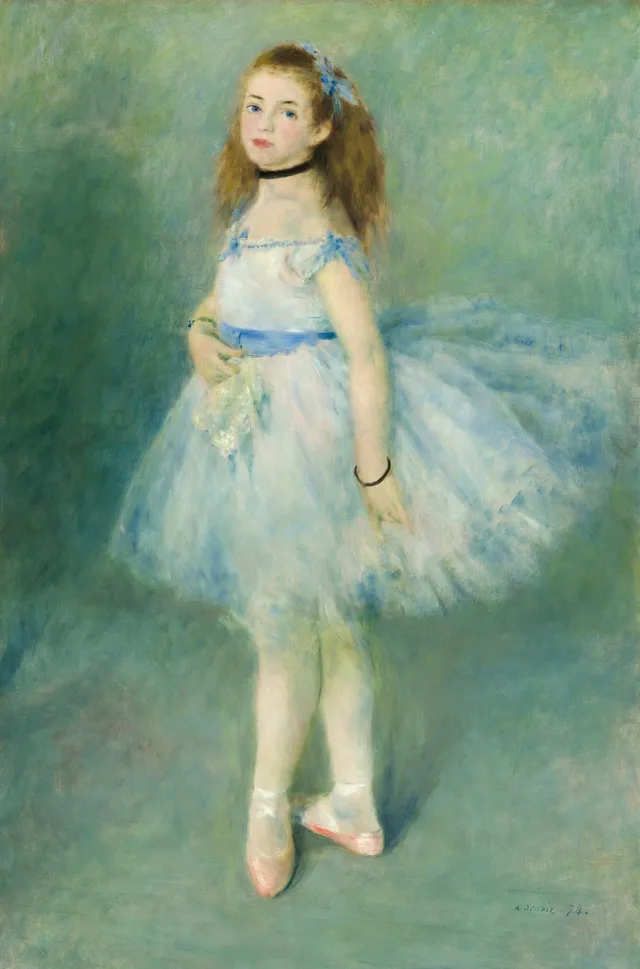
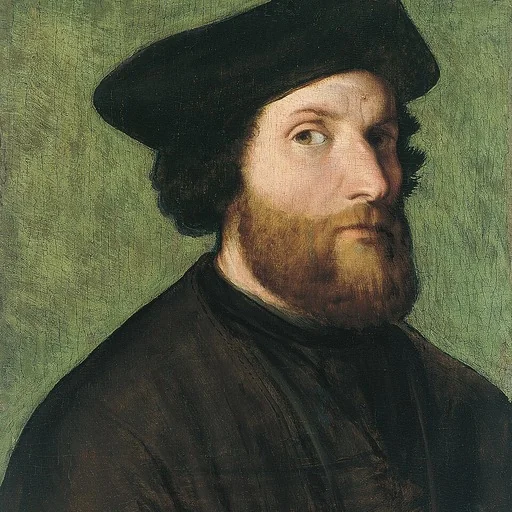
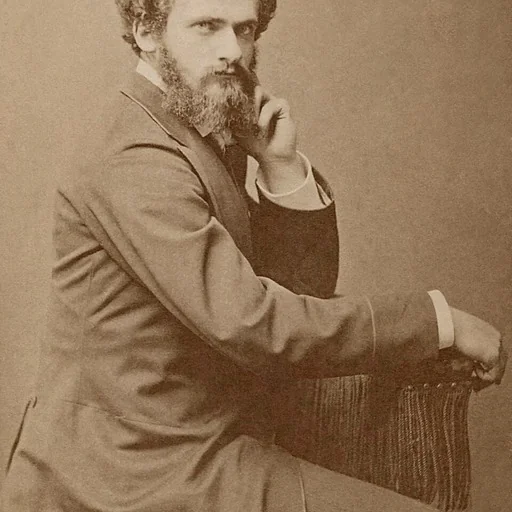
Bracelet is a subject in art. The gallery holds 64 works in this subject in art, including works by Titian, Paolo Veronese and Lorenzo Lotto.
A bracelet is an article of jewellery that is worn around the wrist. Bracelets may serve different uses, such as being worn as an ornament.
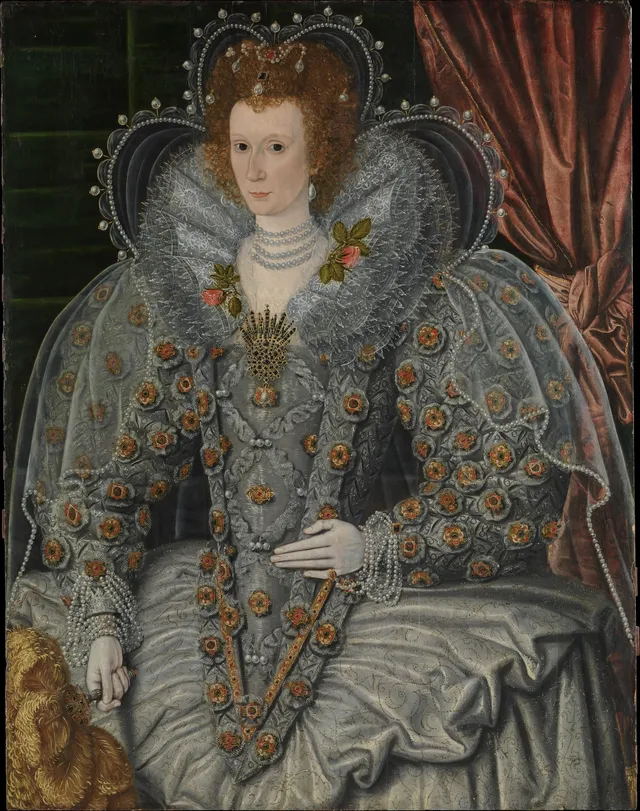
Key artists
Overview
A bracelet is an article of jewellery worn around the wrist, serving functions that range from personal ornamentation to the expression of identity, belief, and social status. In art, the bracelet recurs as a significant detail that signals wealth, divinity, love, or cultural affiliation. The motif appears across painting, sculpture, and decorative arts from antiquity to the present, offering artists a means to characterize figures, denote narrative context, and display technical virtuosity in the rendering of materials. Within the collection under discussion, the bracelet is depicted in 121 works, indicating its sustained importance as an artistic subject.
Iconography & meaning
The iconography of bracelets in art draws upon their multifaceted roles in human culture. As ornaments, they denote luxury and refinement, often adorning figures of beauty and divine power. In depictions of Venus, the bracelet emphasizes the goddess's association with love and physical perfection. The scarab bracelet in ancient Egyptian culture symbolized rebirth and regeneration through its connection to the god Khepri, who pushed the sun across the sky. Religious and spiritual meanings persist across traditions: in Sikhism, the iron kara is one of the Five Ks, while in India glass bangles indicate marital status. Bracelets also serve protective functions, as with the Azabache bracelets of Latin America worn against the evil eye. In narrative painting, bracelets can signal seduction, as with Salome, or martial and amorous intrigue, as in scenes of Venus and Mars. The material rendered, whether gold, pearl, or gemstone, carries additional semantic weight, with precious substances indicating elevated status or divine favor.
Across movements & periods
The treatment of the bracelet in art has evolved considerably across movements and cultures. In ancient Egypt, bracelets of bone, stone, and wood served religious purposes, with the scarab form achieving particular prominence. Roman wall painting, as evidenced by the Boscoreale example, integrated bracelets into scenes of domestic luxury and mythological narrative. The Renaissance revived classical precedents, with artists depicting bracelets on mythological figures and aristocratic sitters alike to demonstrate humanist learning and technical skill in rendering metallic and gem-like surfaces. The eighteenth century, represented by portraits of figures such as Marianne Dorothy Harland, saw bracelets as essential markers of gentility in British portraiture. In the nineteenth and twentieth centuries, bracelets continued to appear in academic and avant-garde contexts, from mythological subjects to modern depictions of dancers and performers. Cross-culturally, the bracelet maintains distinct meanings: the rigid bangle or churi in Indian tradition, the red-and-white martenitsa and Martis bracelets of Bulgaria and Greece, and the functional and ceremonial bracelets of numerous indigenous cultures each represent localized artistic traditions that parallel and diverge from Western European conventions.
Works
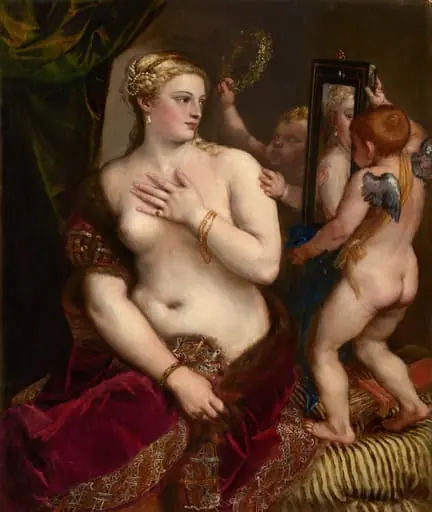 Venus with a Mirror
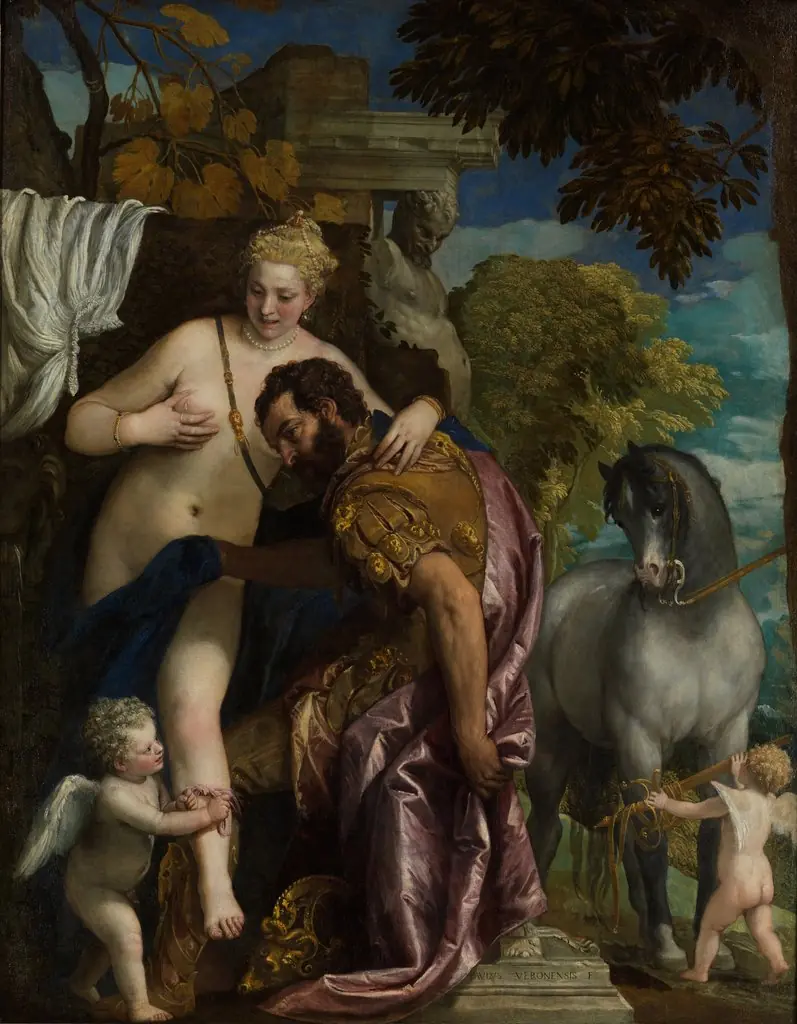 Venus and Mars
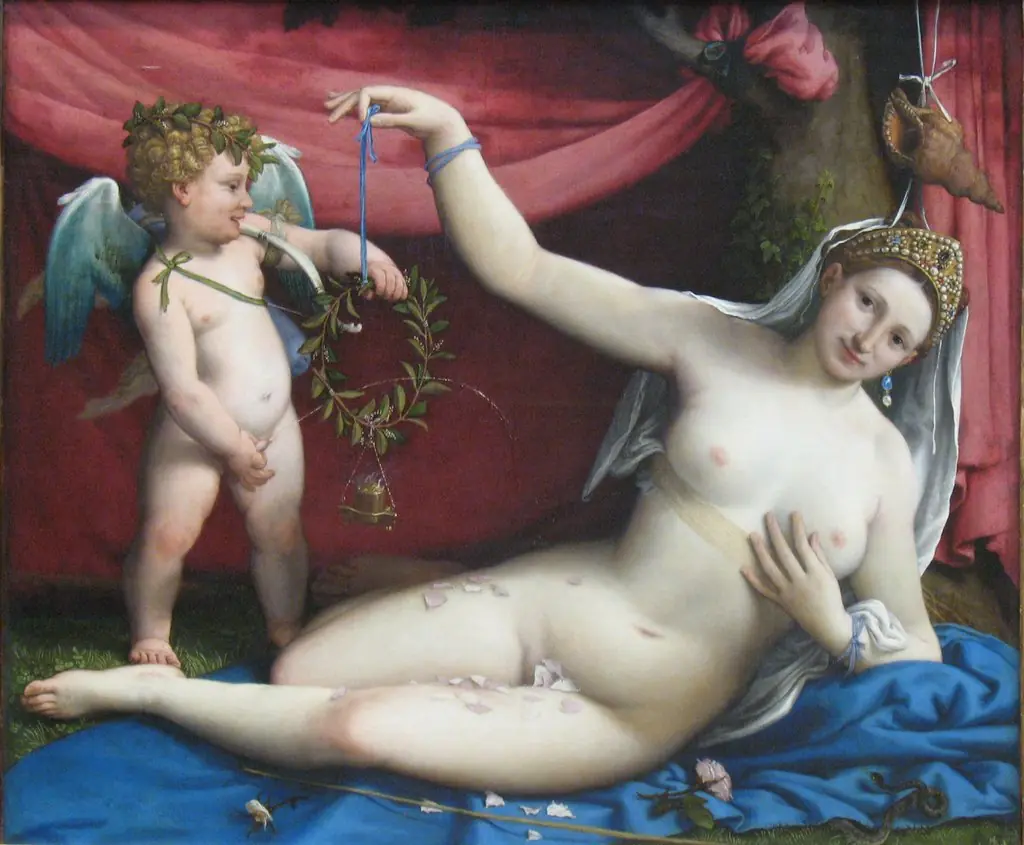 Venus and Cupid
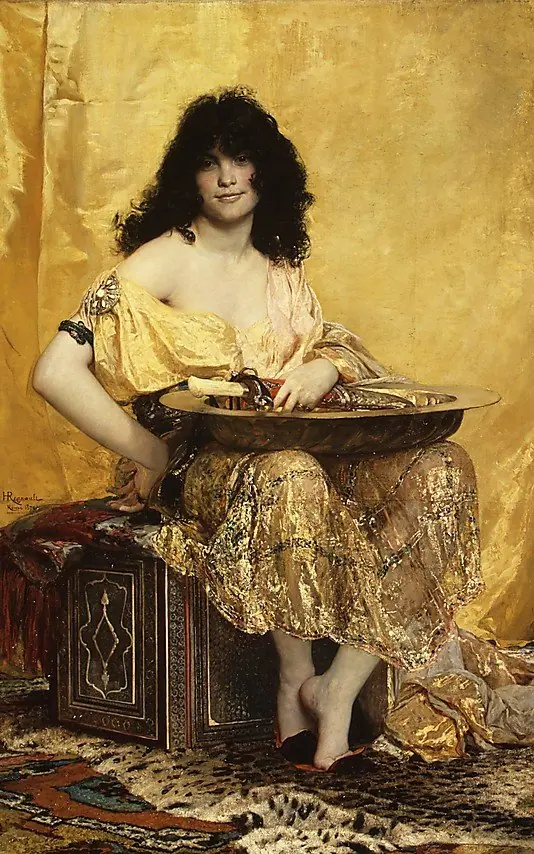 Salome
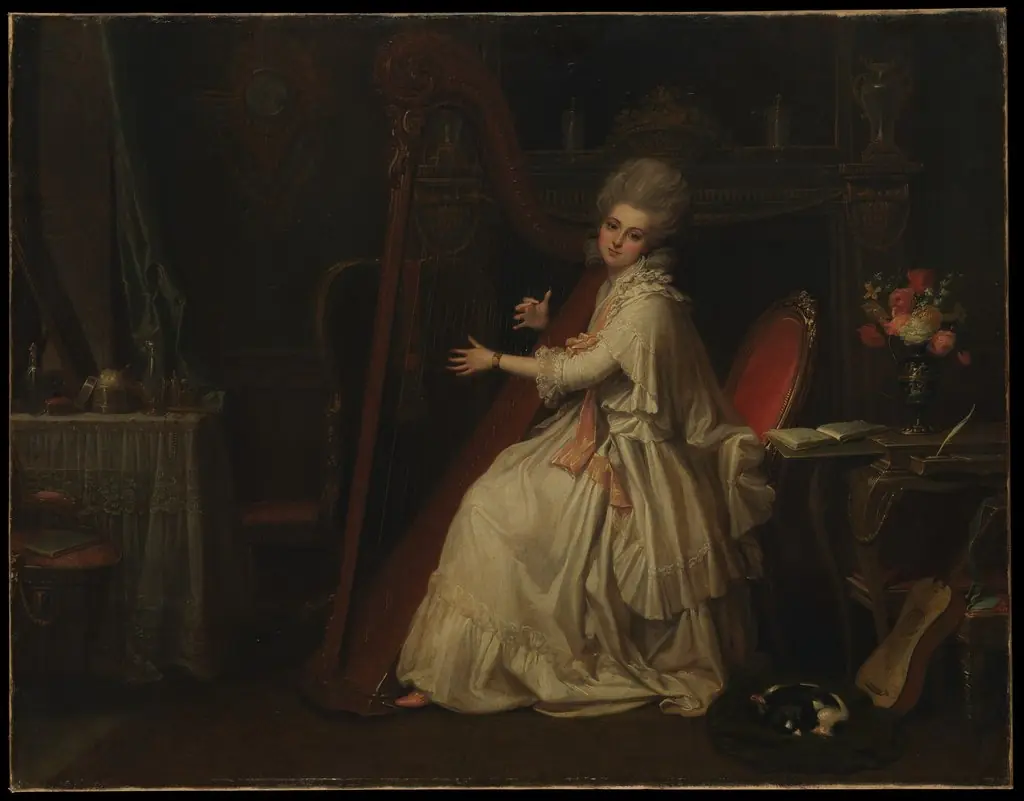 Portrait of Marianne Dorothy Harland (1759–1785), Later Mrs. William Dalrymple
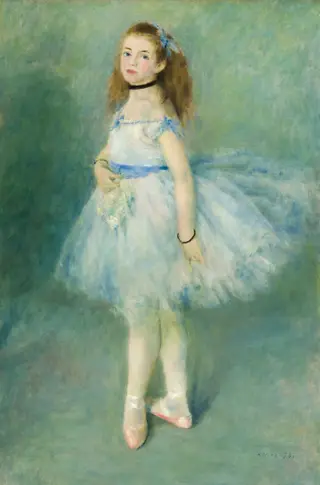 The Dancer
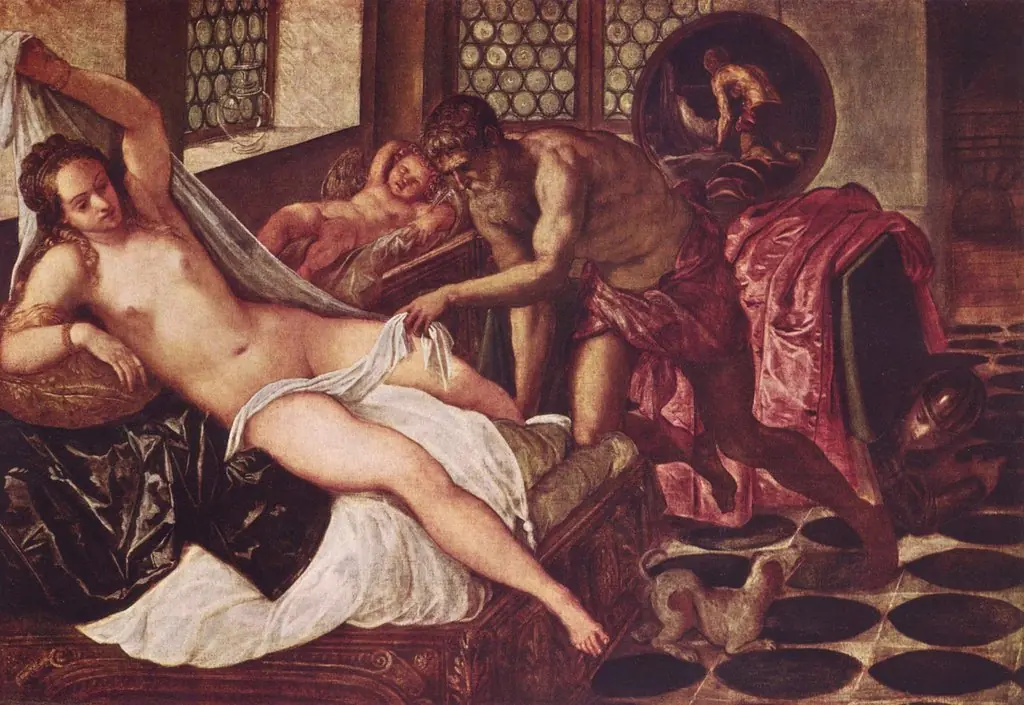 Venus and Mars Surprised by Vulcan
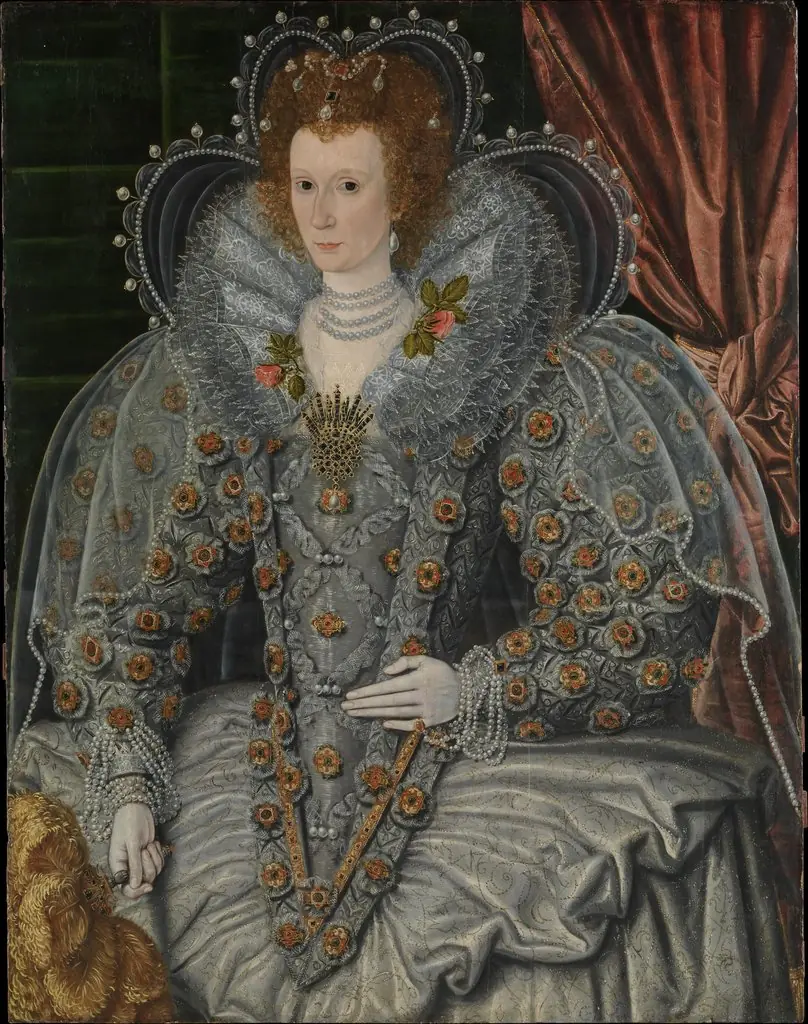 Portrait of a Woman
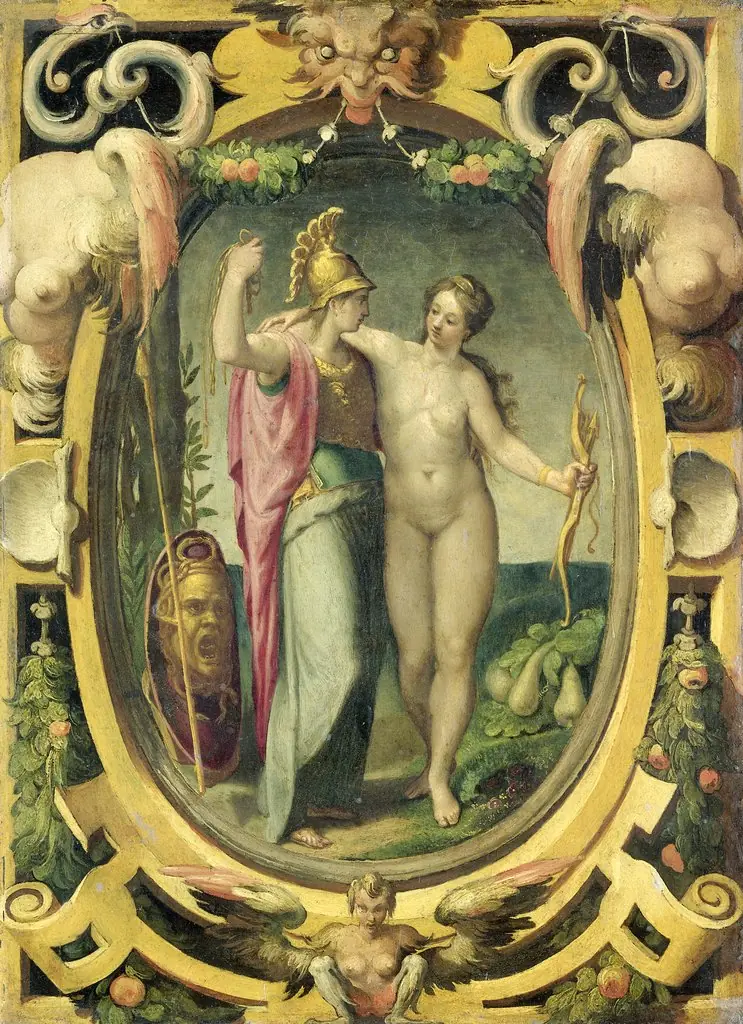 Venus and Minerva
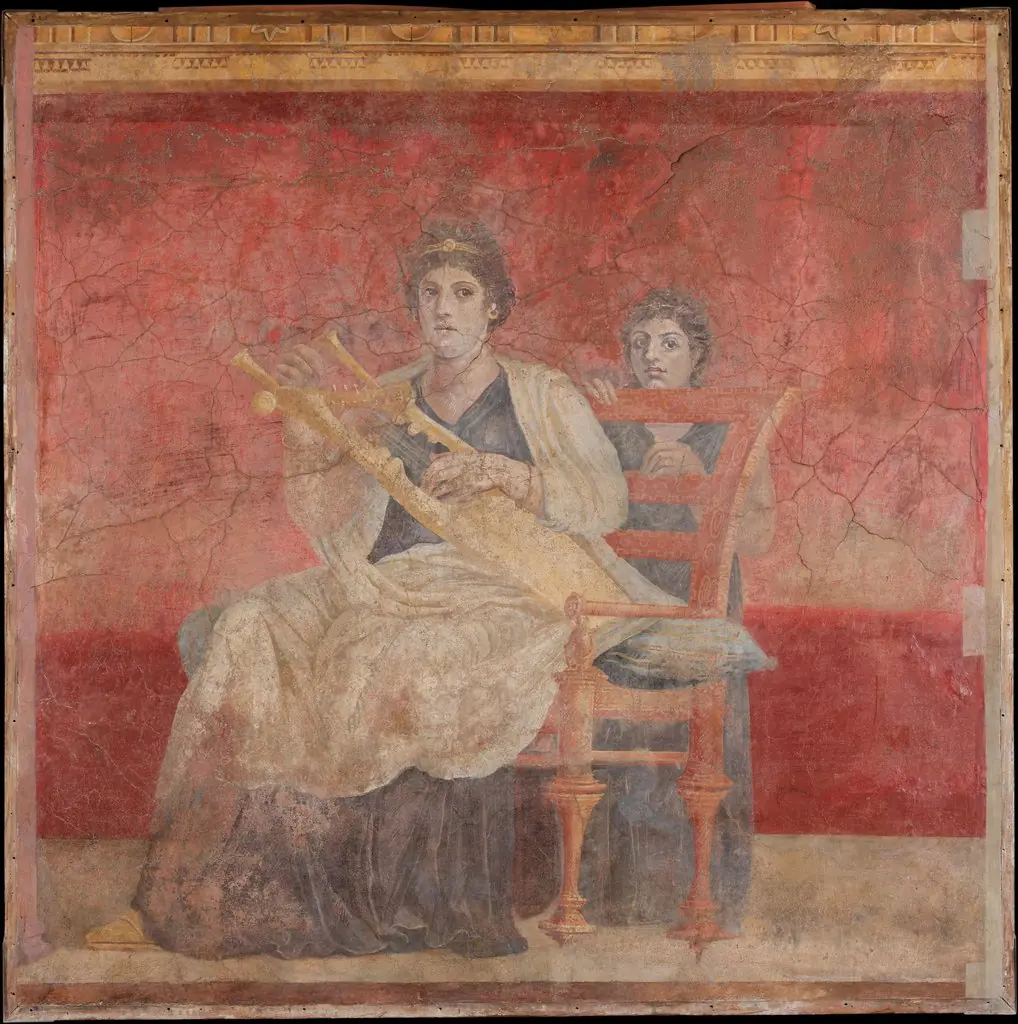 Wall painting from Room H of the Villa of P. Fannius Synistor at Boscoreale
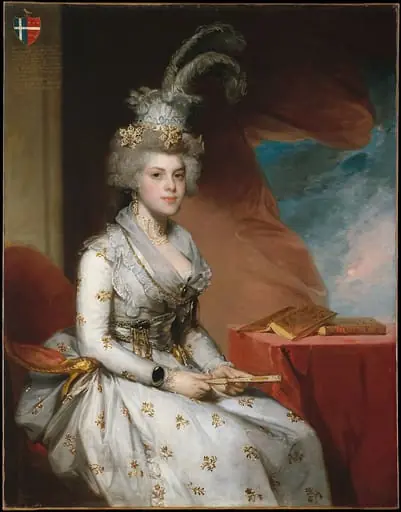 Matilda Stoughton de Jaudenes
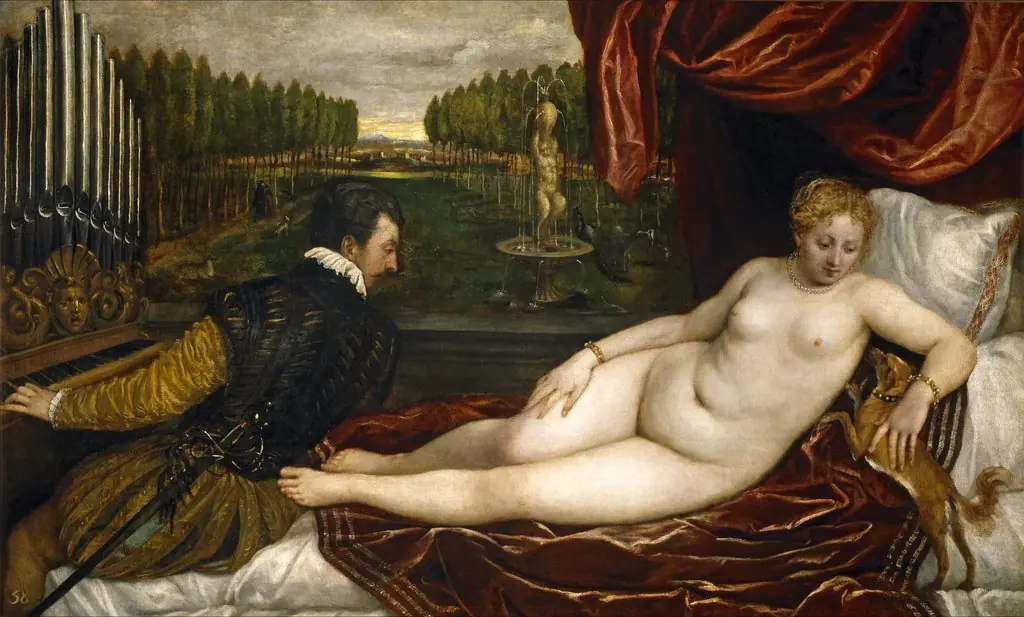 Venus and Music
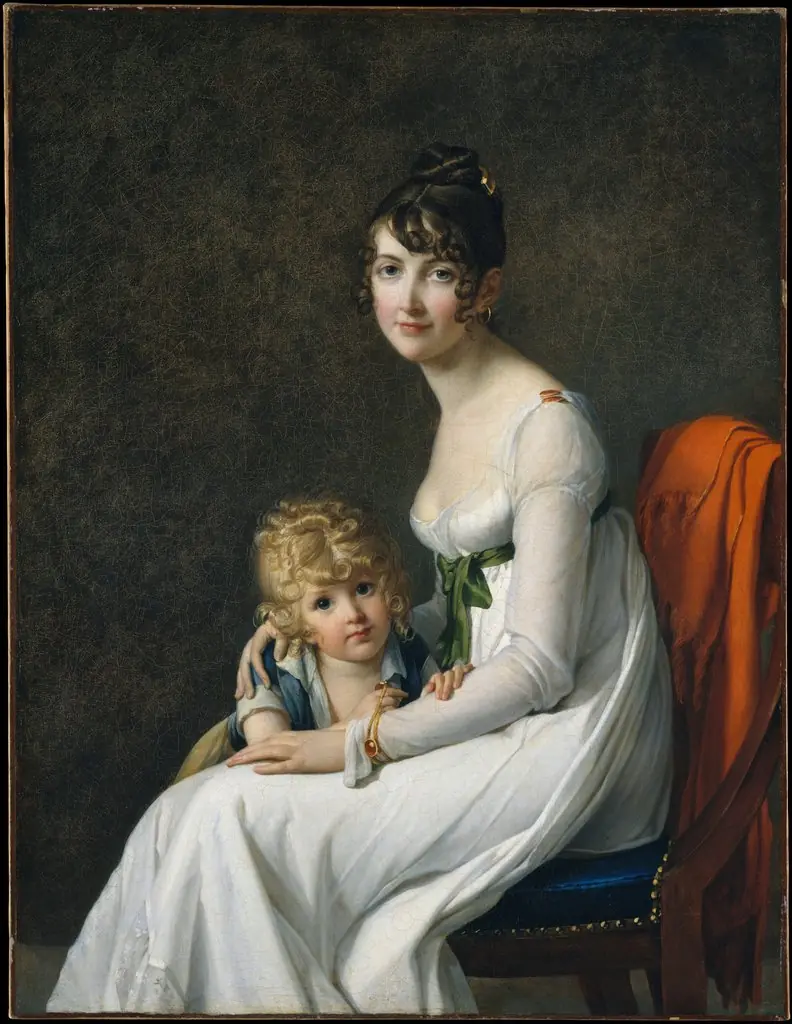 Madame Philippe Panon Desbassayns de Richemont (Jeanne Eglé Mourgue, 1778–1855) and Her Son, Eugène (1800–1859)
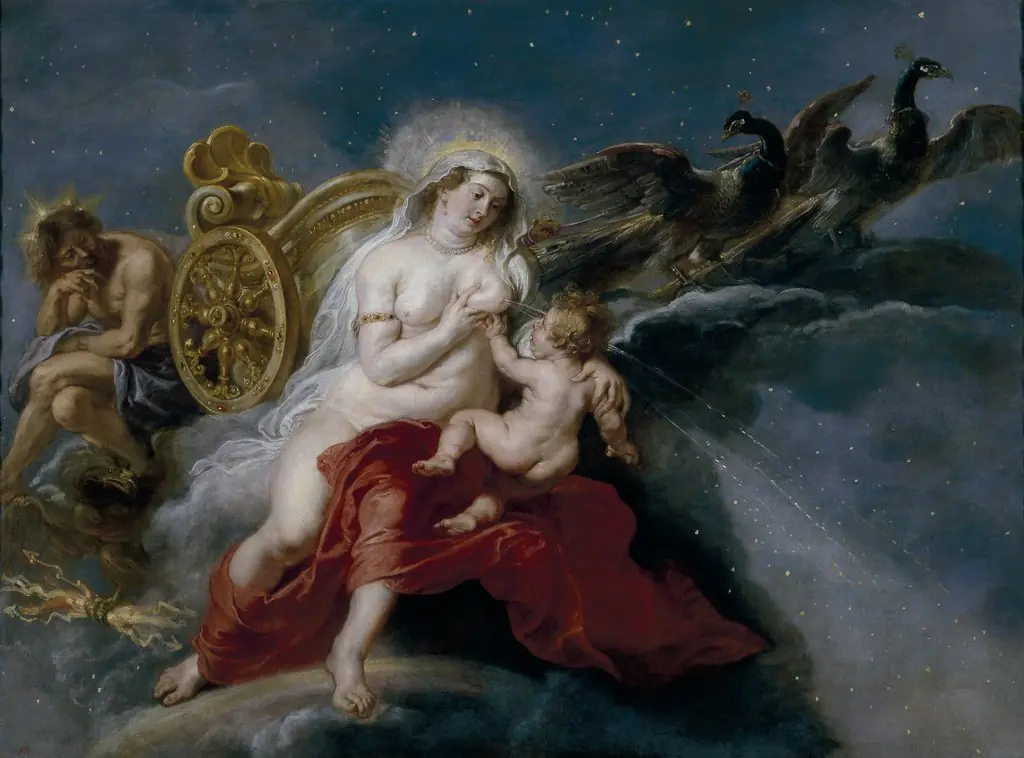 The Origin of the Milky Way
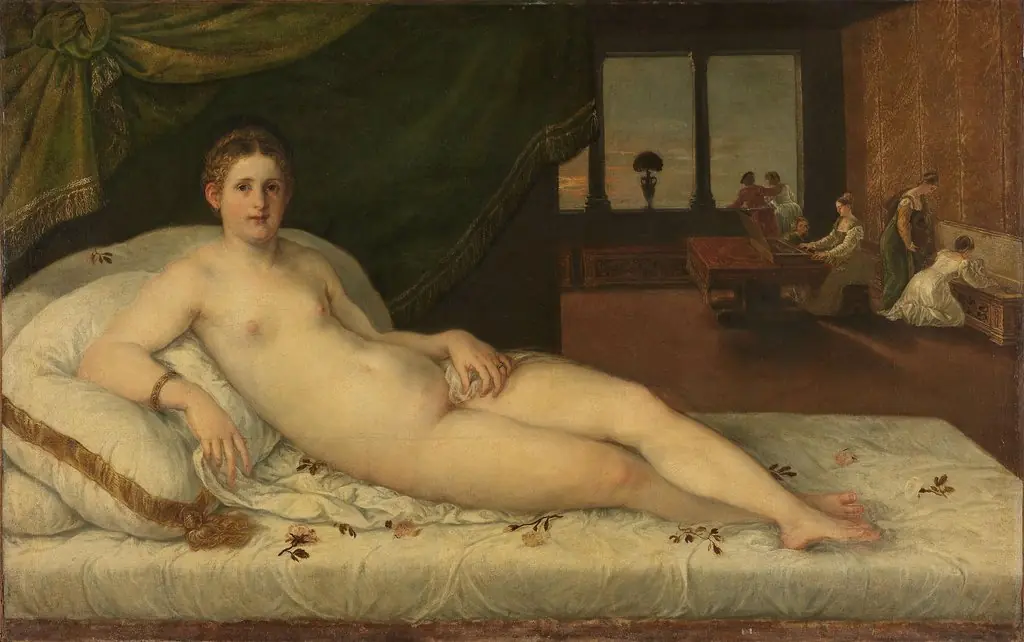 Reclining Venus
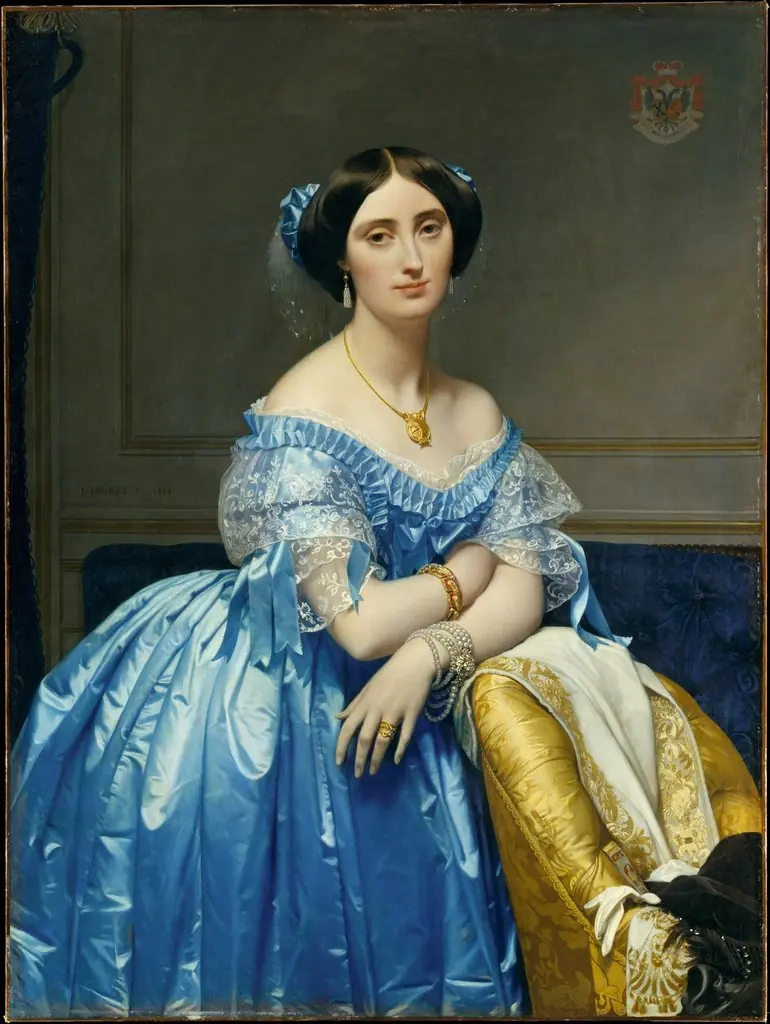 Joséphine-Éléonore-Marie-Pauline de Galard de Brassac de Béarn (1825–1860), Princesse de Broglie
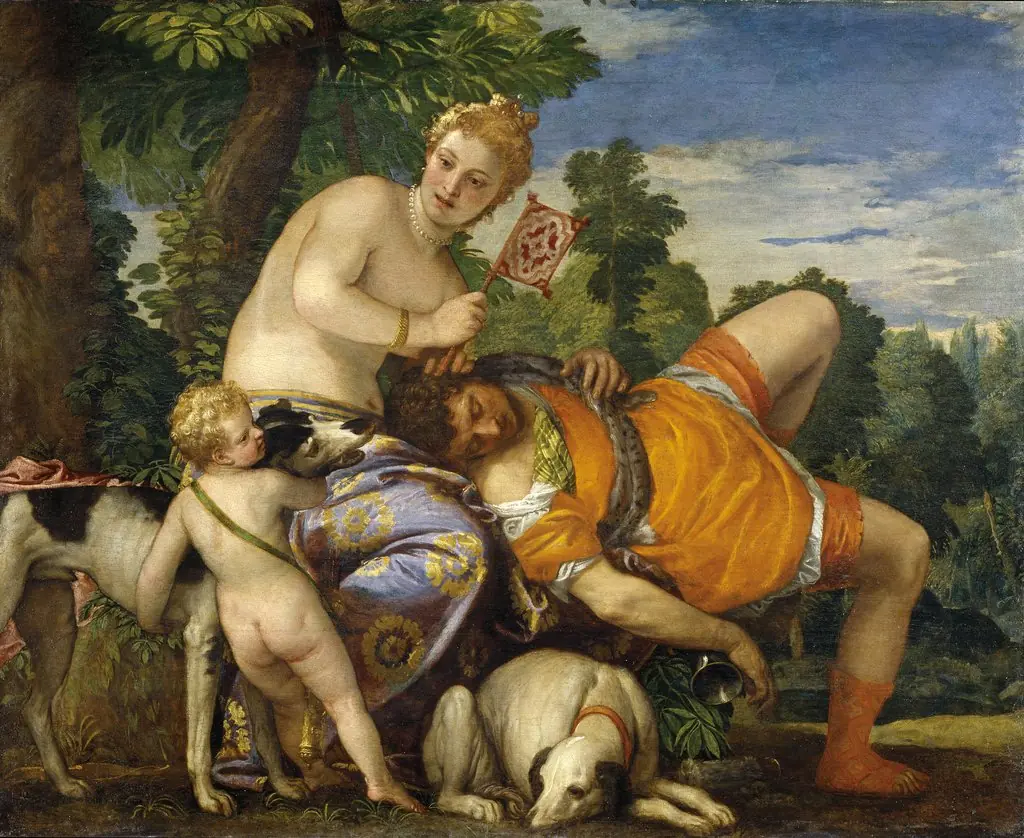 Venus and Adonis
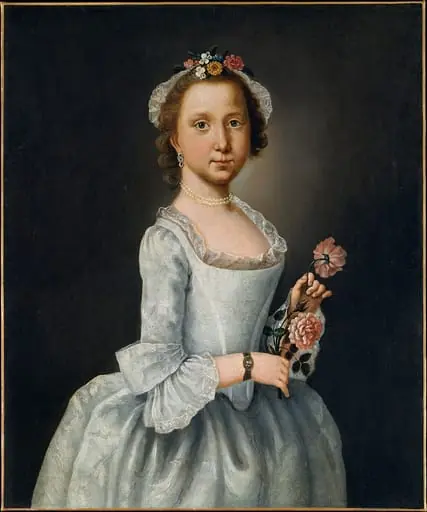 Portrait of a Lady
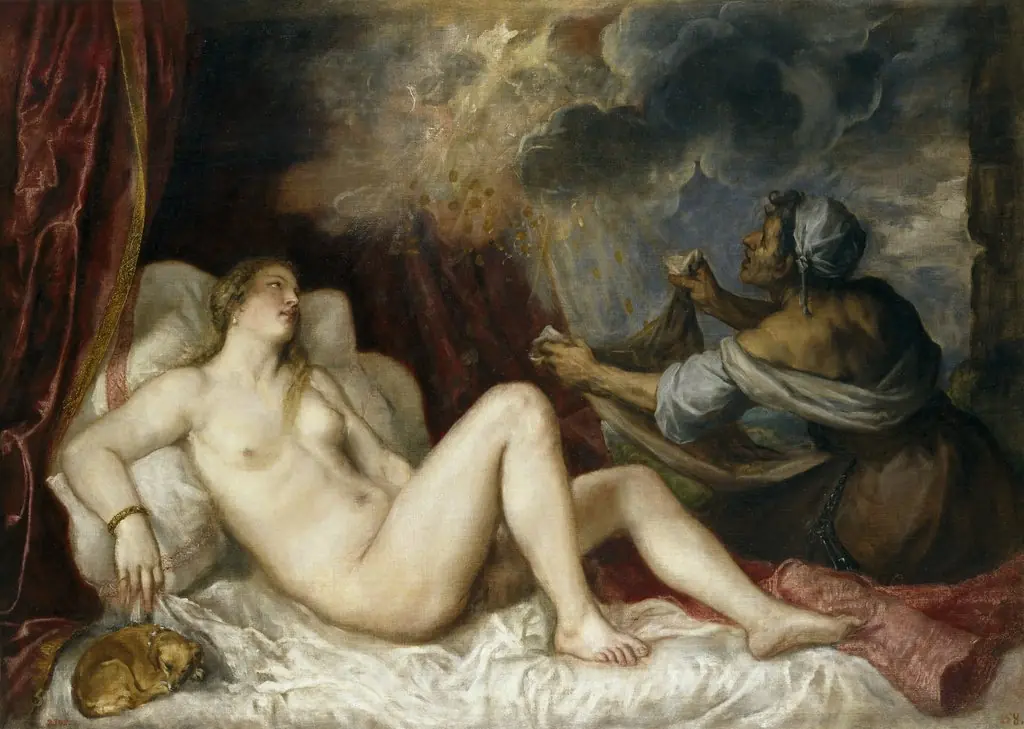 Danaë
Danaë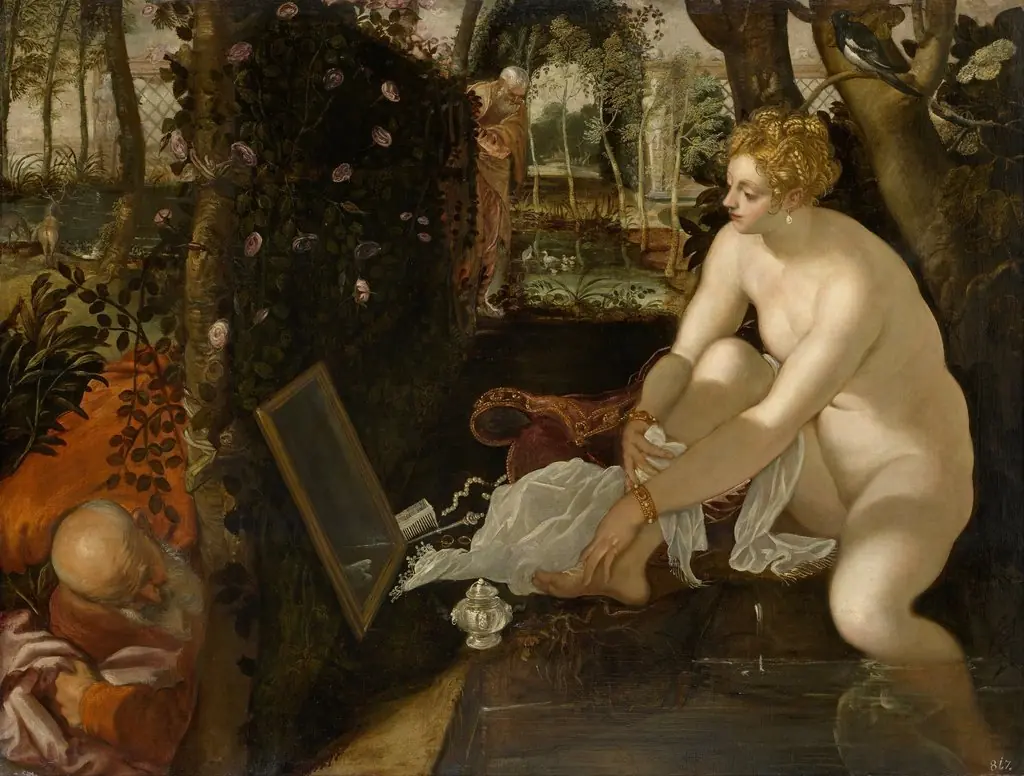 Susanna and the Elders
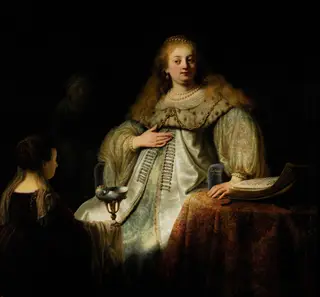 Judith at the Banquet of Holofernes
 Caroline Maria Therese of Parma (1770–1804)
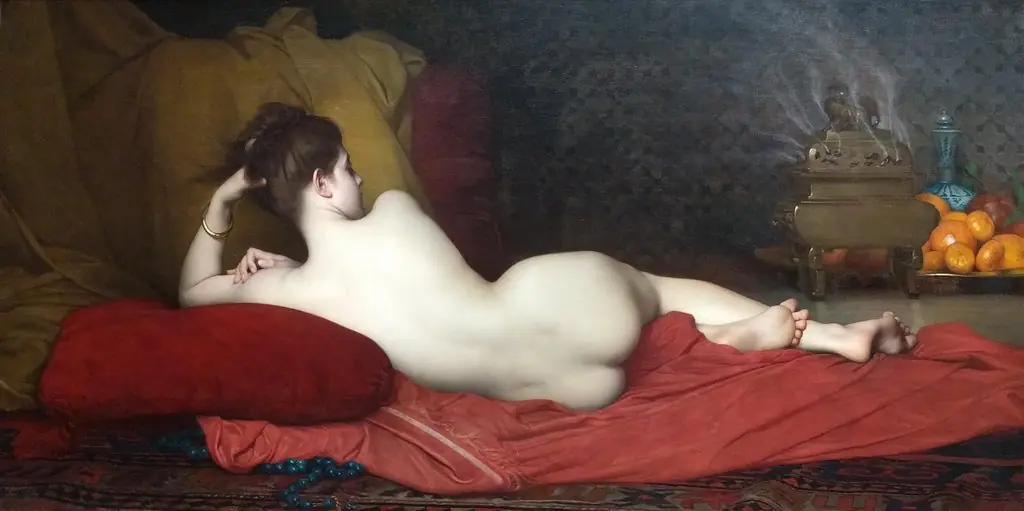 Odalisque
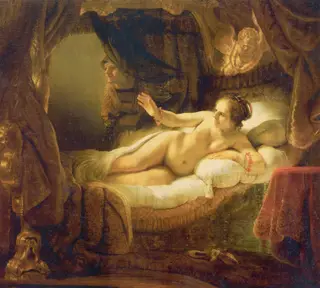 Danaë
Danaë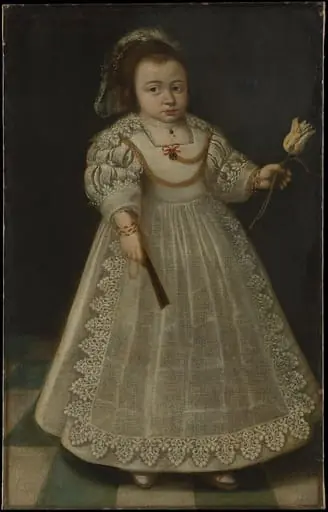 Sarra de Peyster
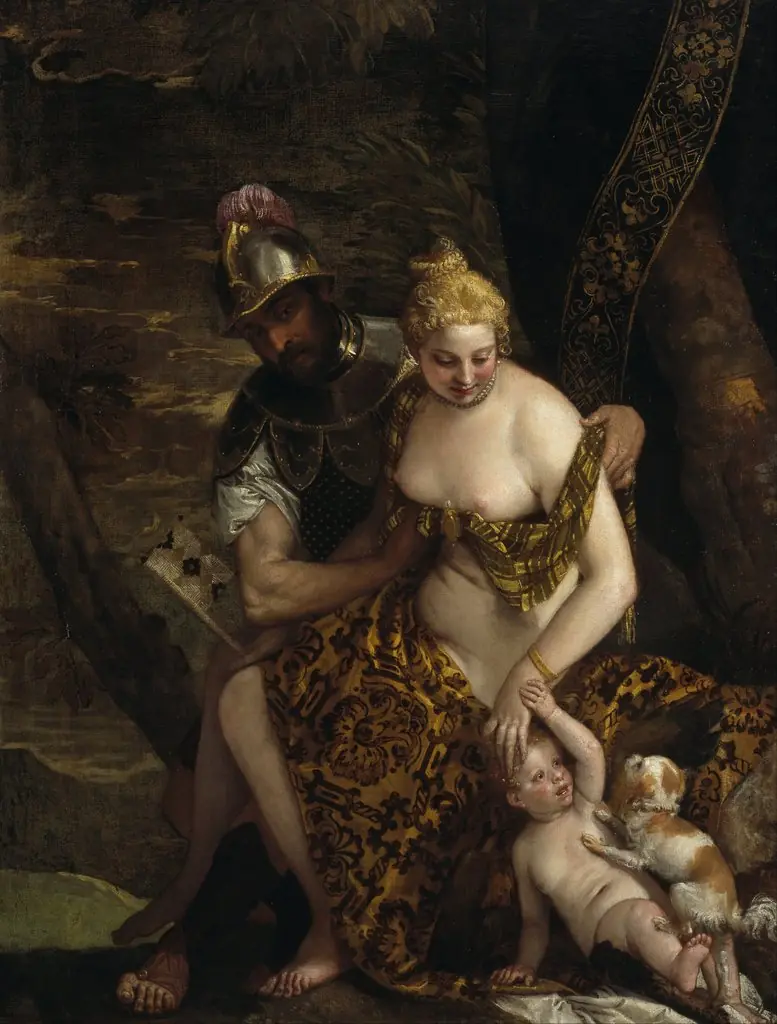 Mars and Venus with Cupid and a Dog
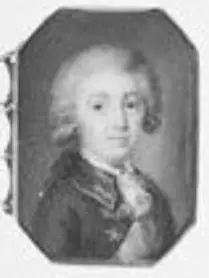 Portrait of a Man
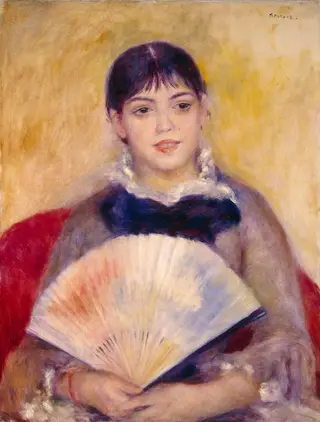 Girl with a Fan
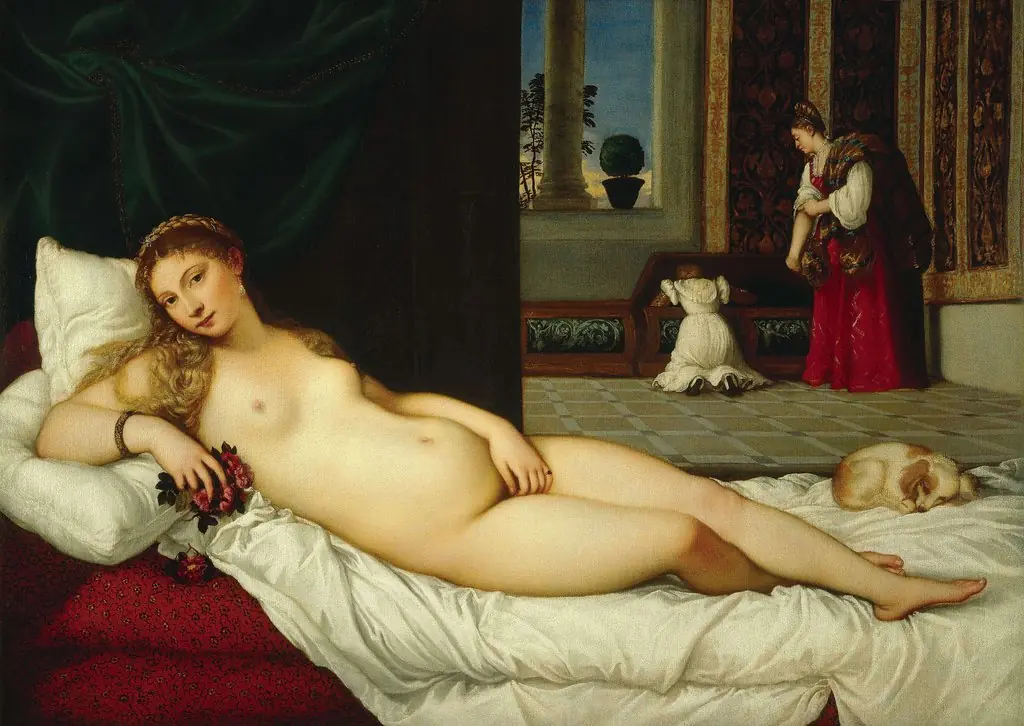 Venus of Urbino
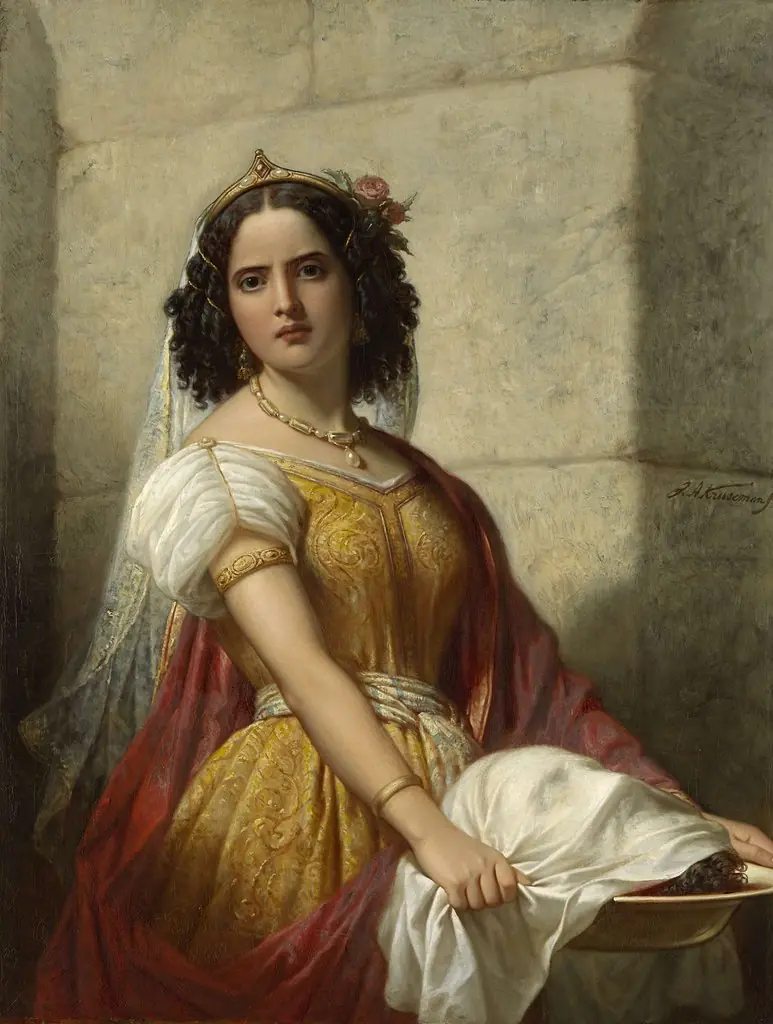 Salome with the Head of John the Baptist
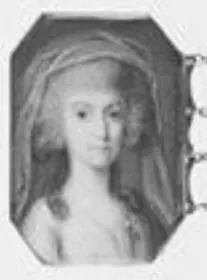 Portrait of a Woman
 Portrait of a Child
 Portrait of a Child
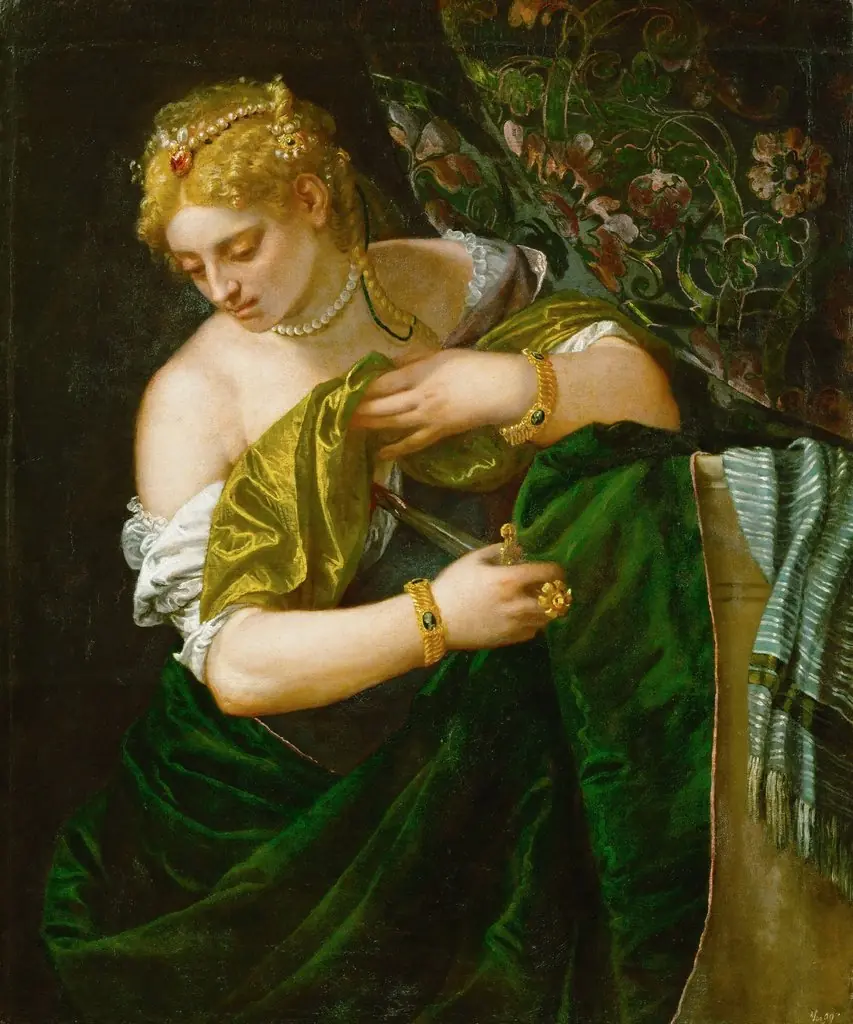 Lucretia
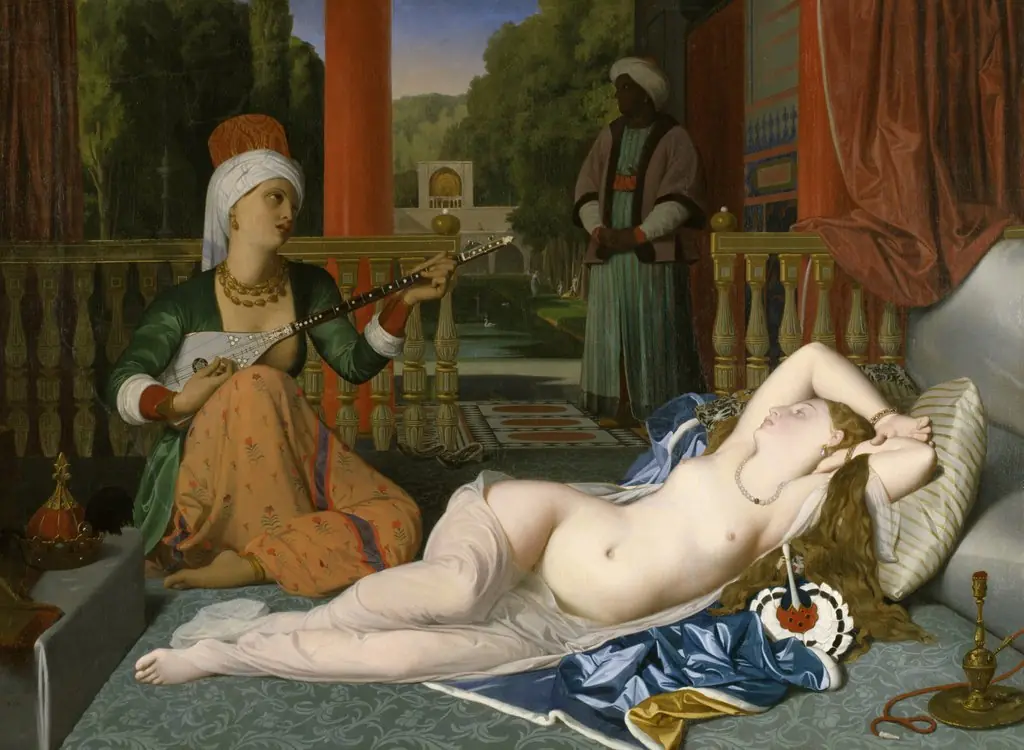 Odalisque with Slave
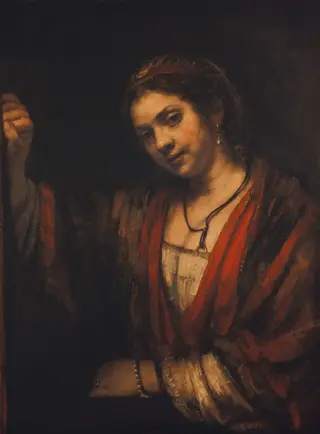 Hendrickje Stoffels by a Door
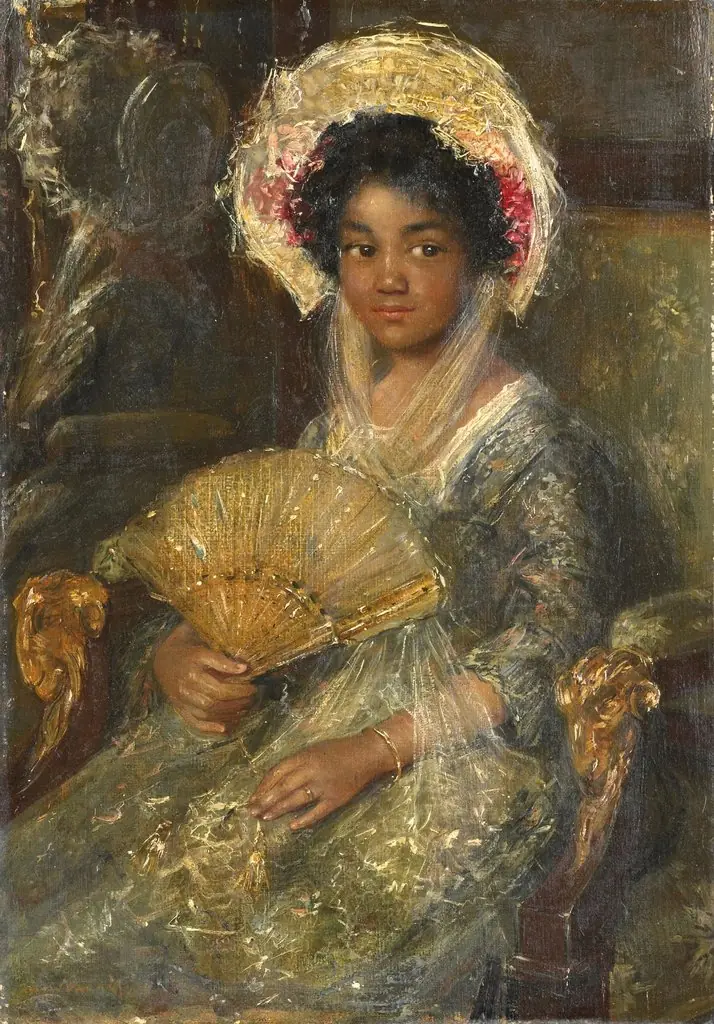 Isabella
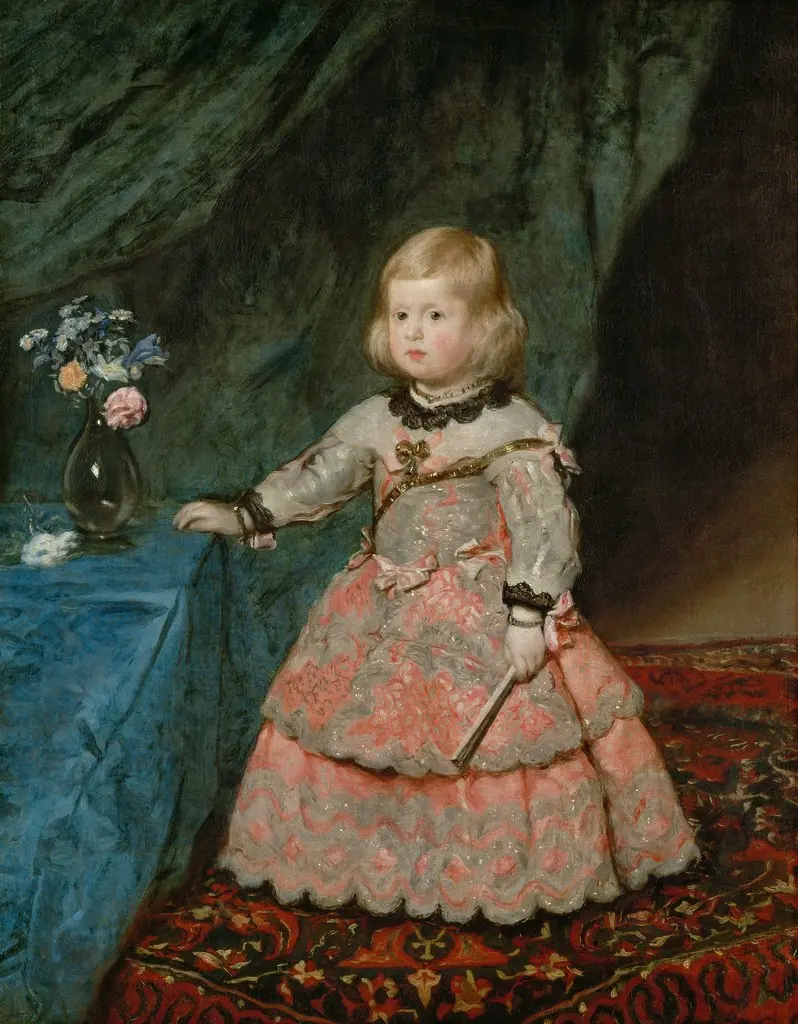 Infanta Margarita Teresa
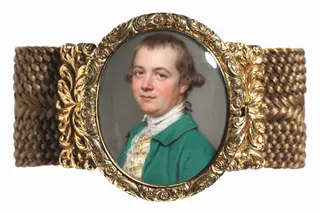 Portrait of Constantine Phipps
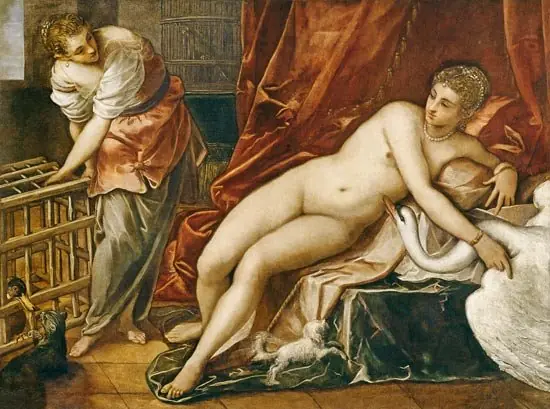 Leda and the Swan
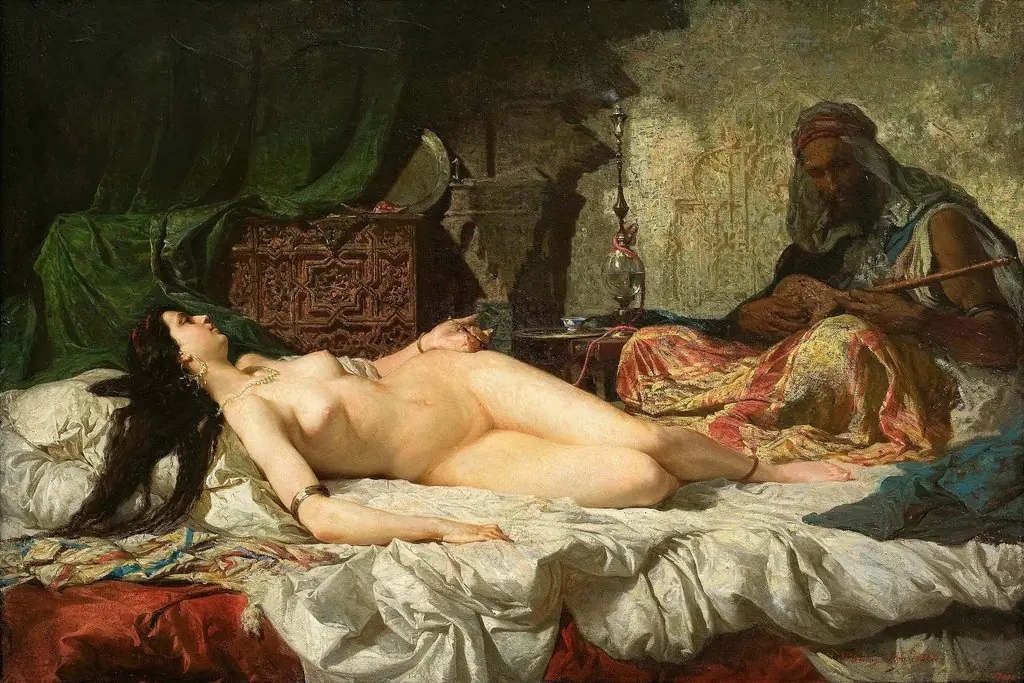 The Odalisque
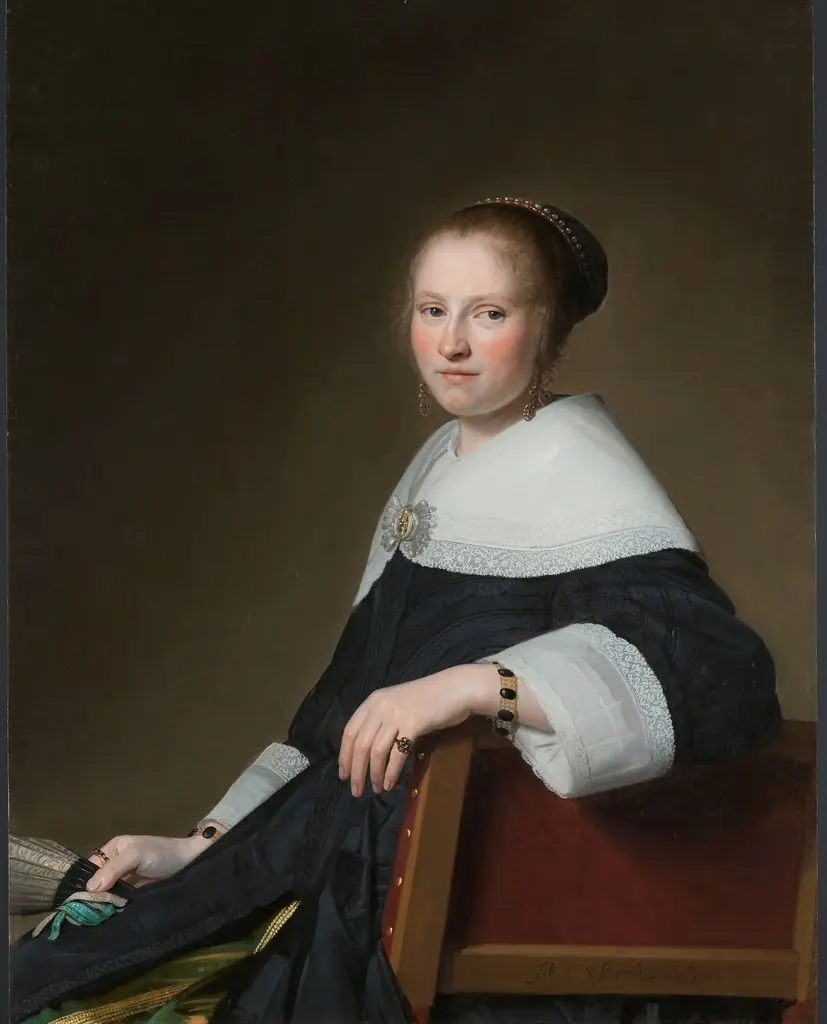 Portrait of Maria van Strijp
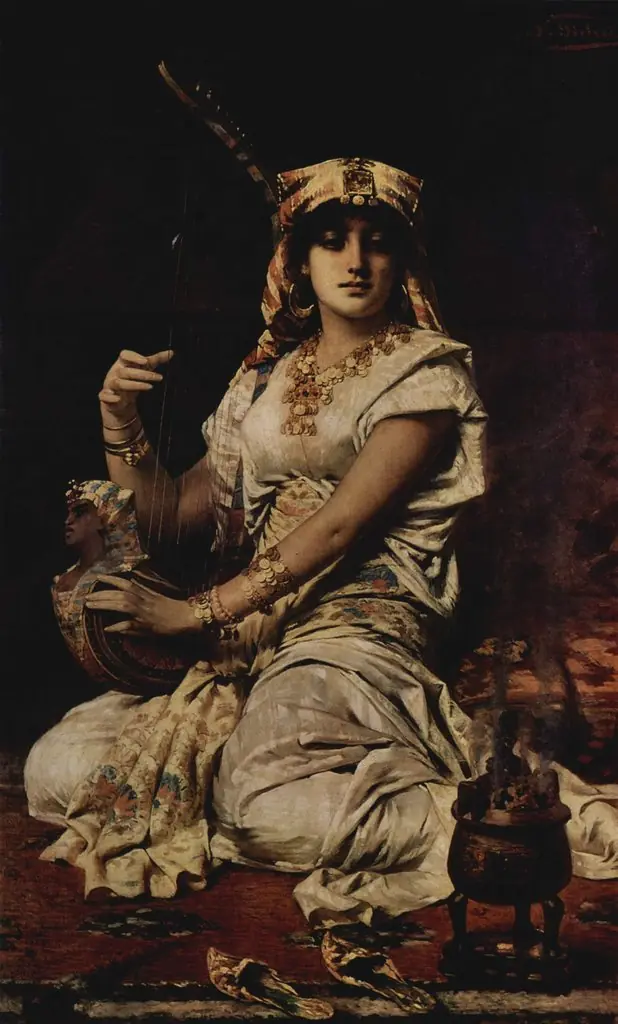 Almée
Almée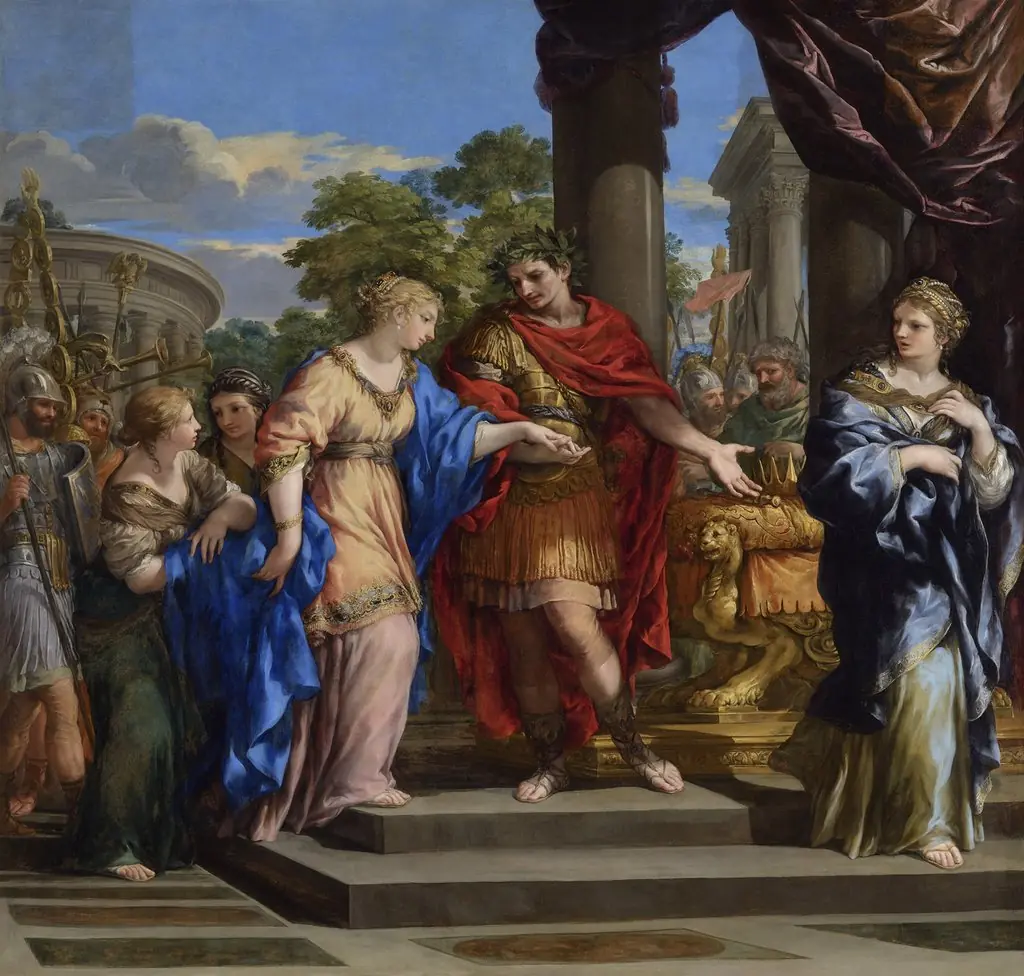 Caesar Giving Cleopatra the Throne of Egypt
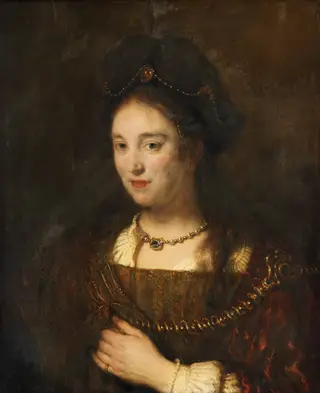 Half-figure of a woman with a beret
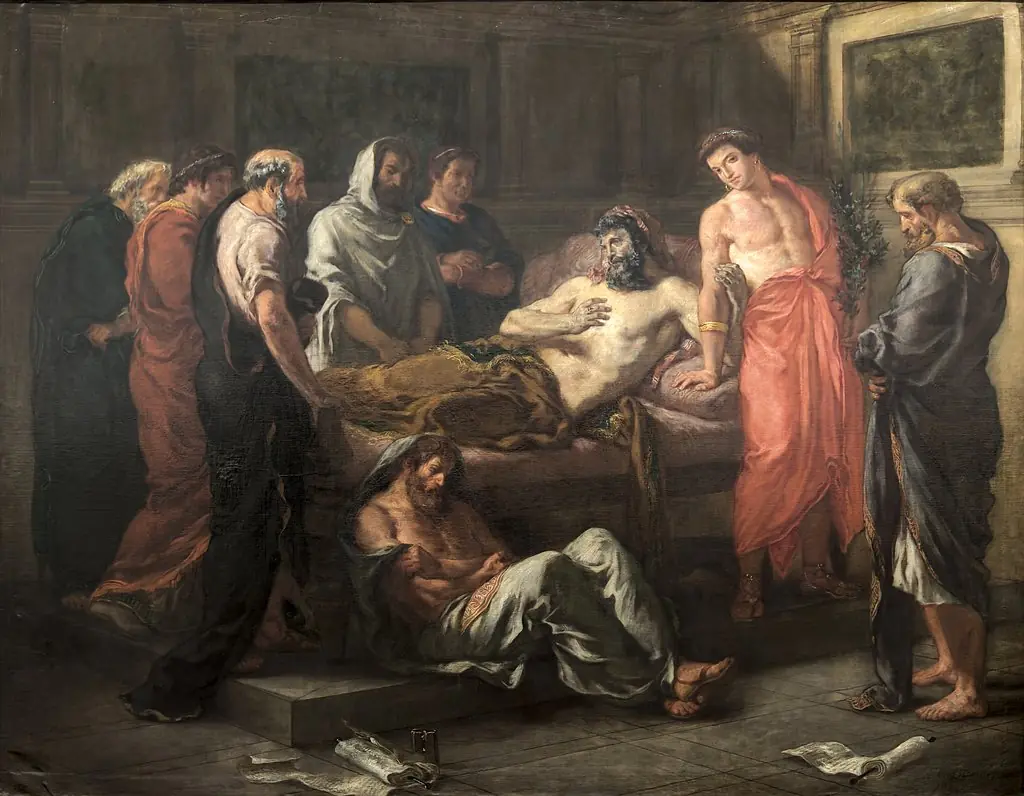 Last Words of the Emperor Marcus Aurelius
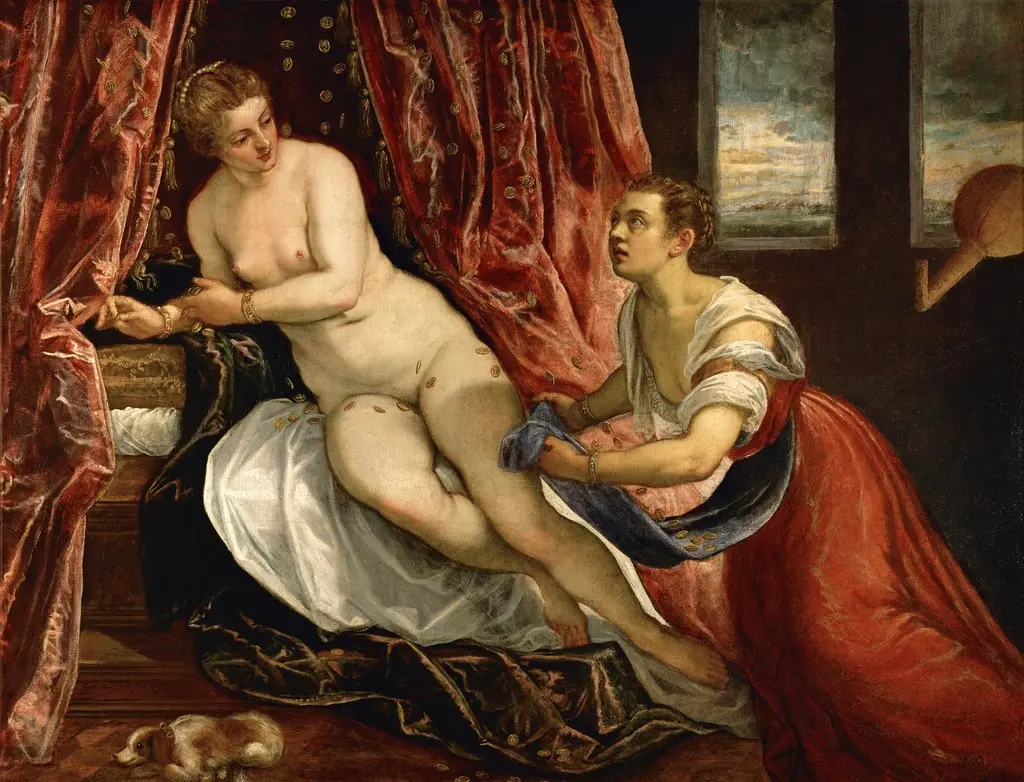 Danae
Danae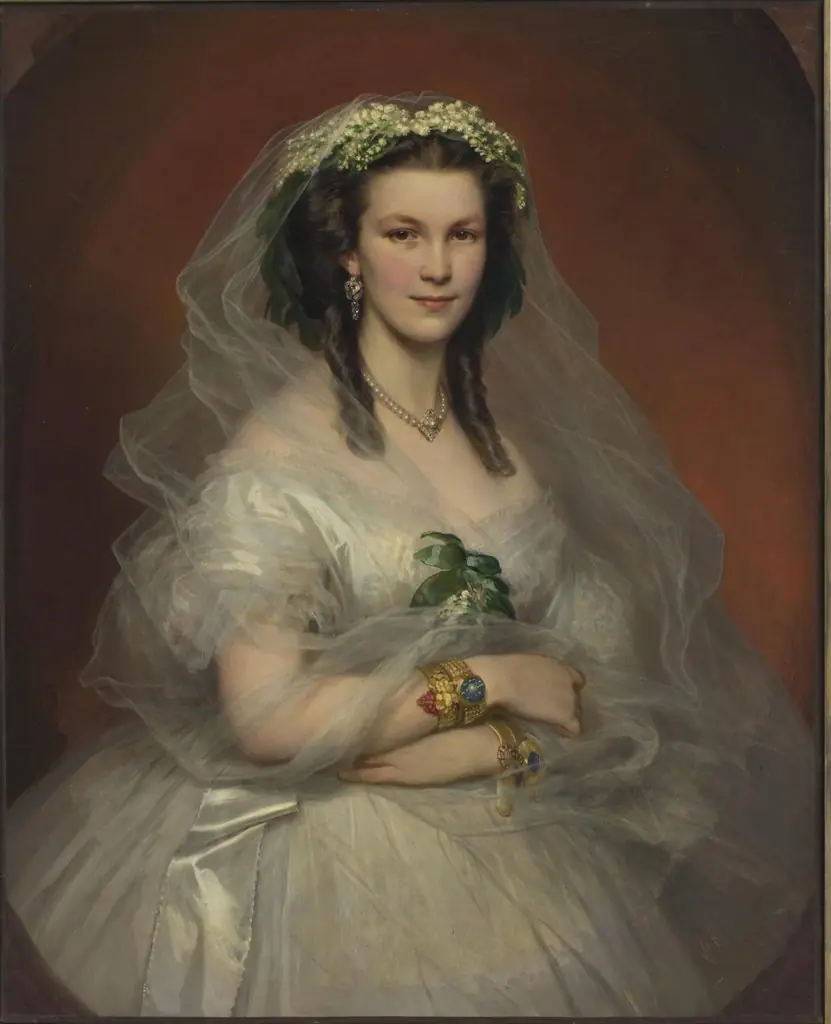 Portrait of an Unknown Young Lady as a Bride
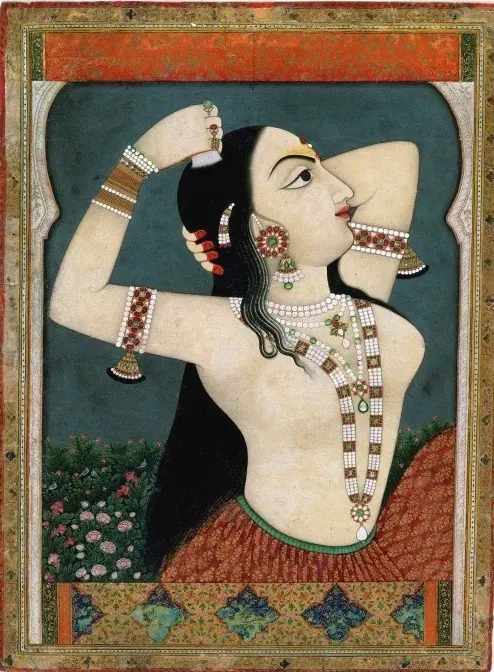 A lady combing her hair
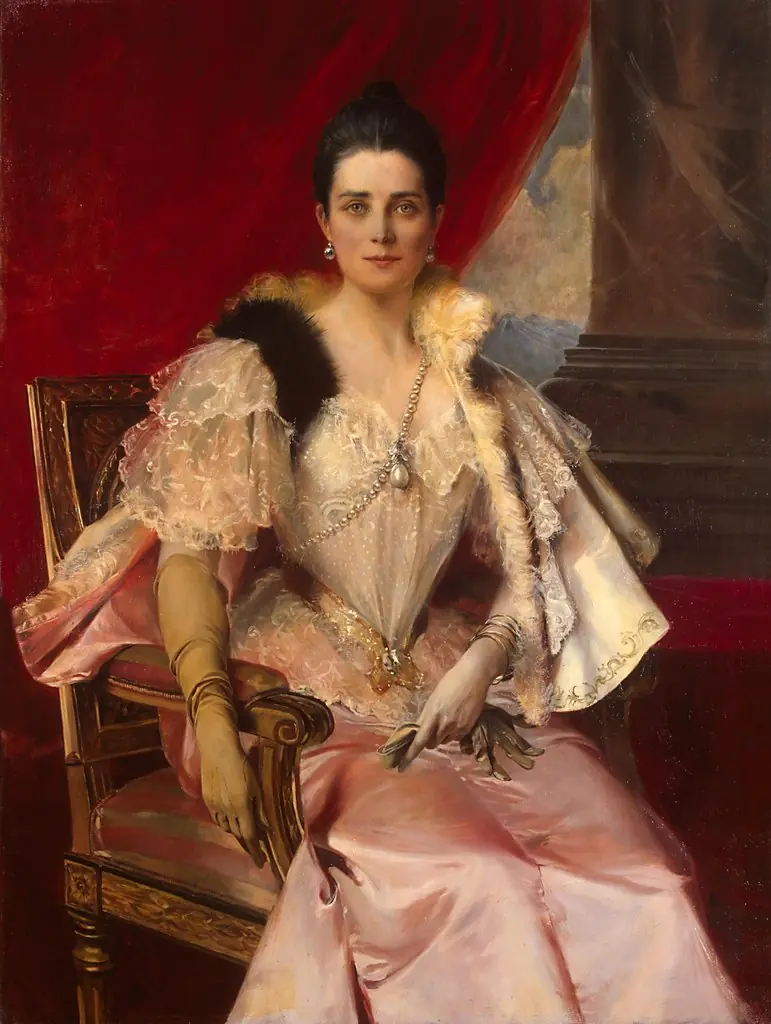 Portrait of Princess Z. N. Yusupova
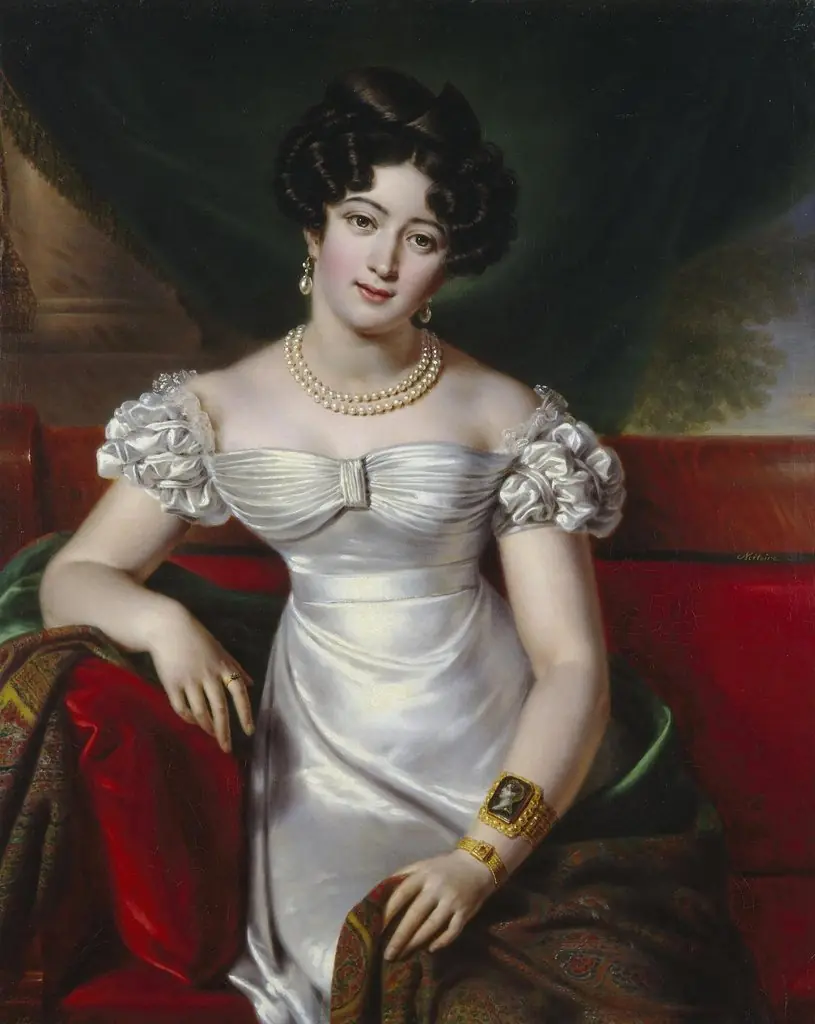 Portrait of Countess Yulia Samoilova
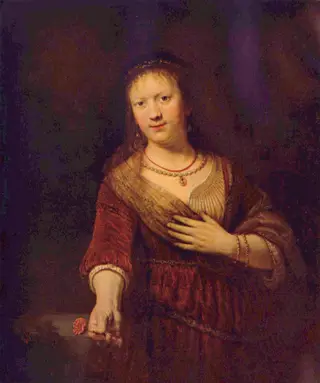 Saskia as Flora
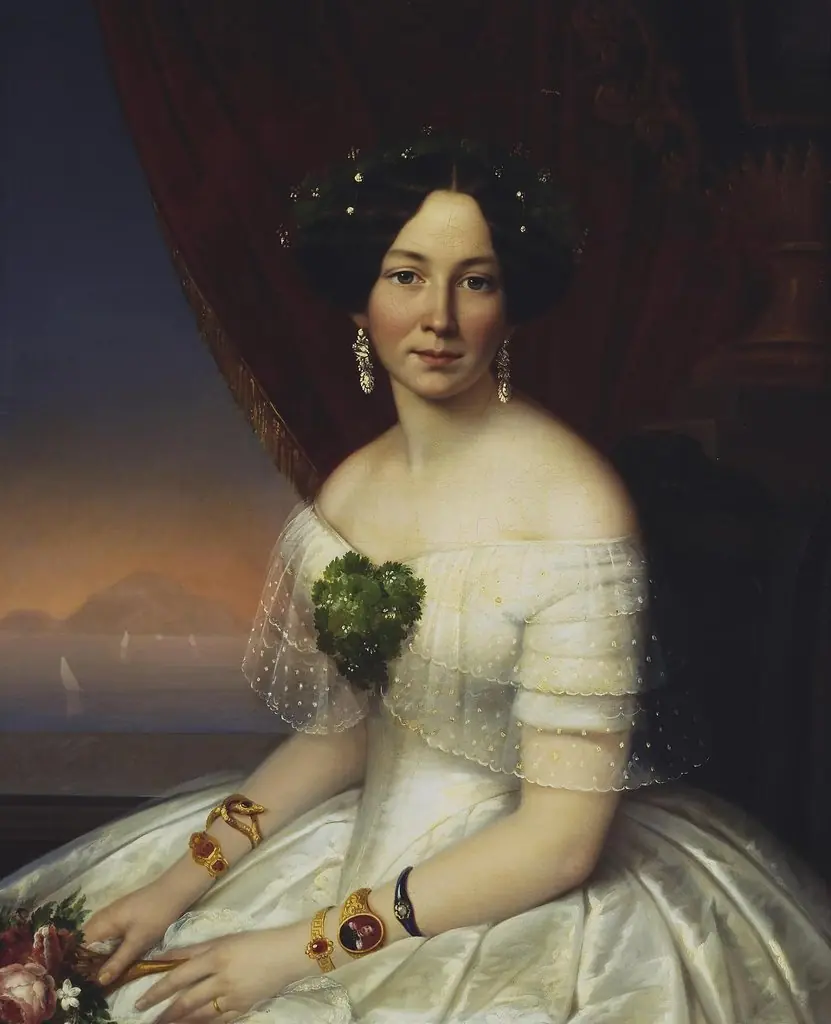 Portrait of Julia Telyakovskaya
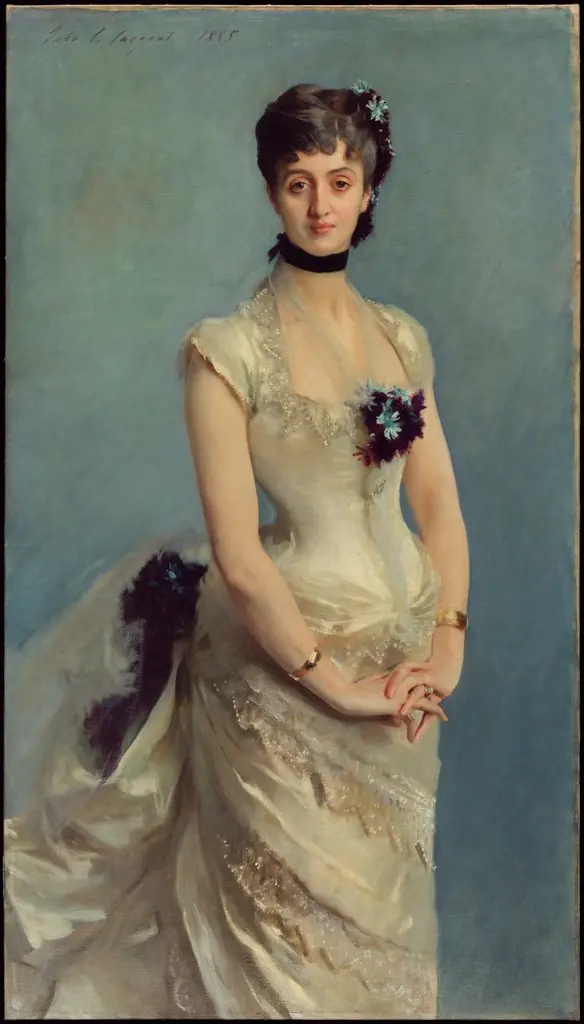 Portrait of Madame Paul Poirson
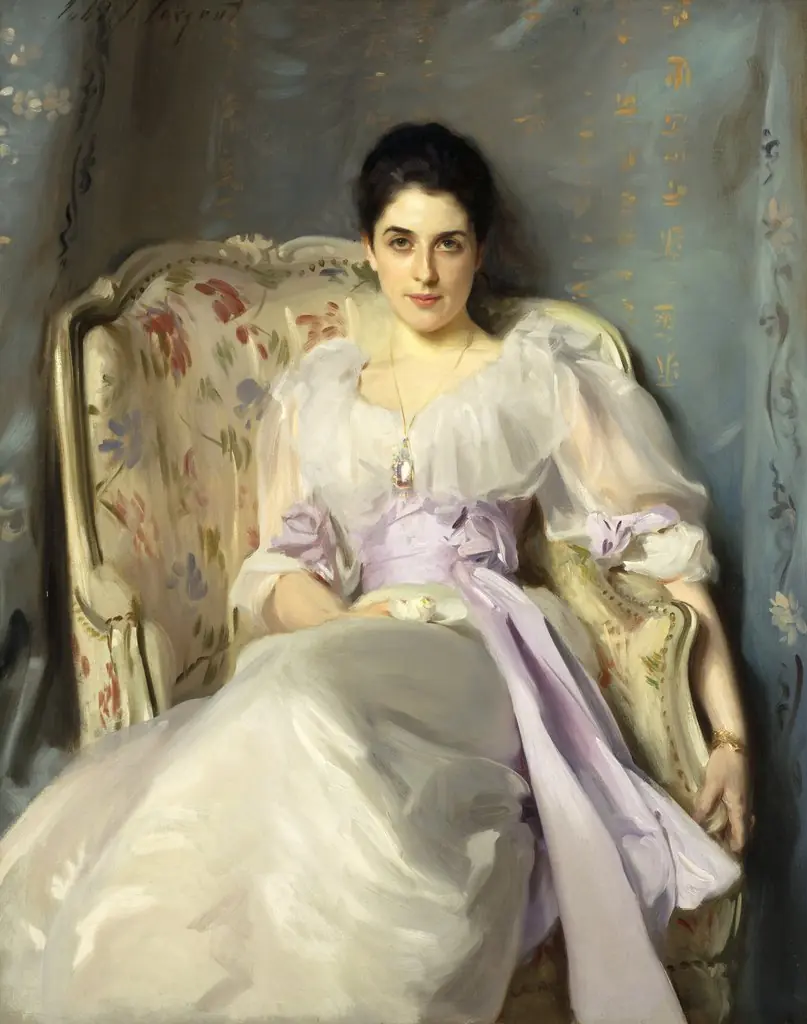 Lady Agnew of Lochnaw
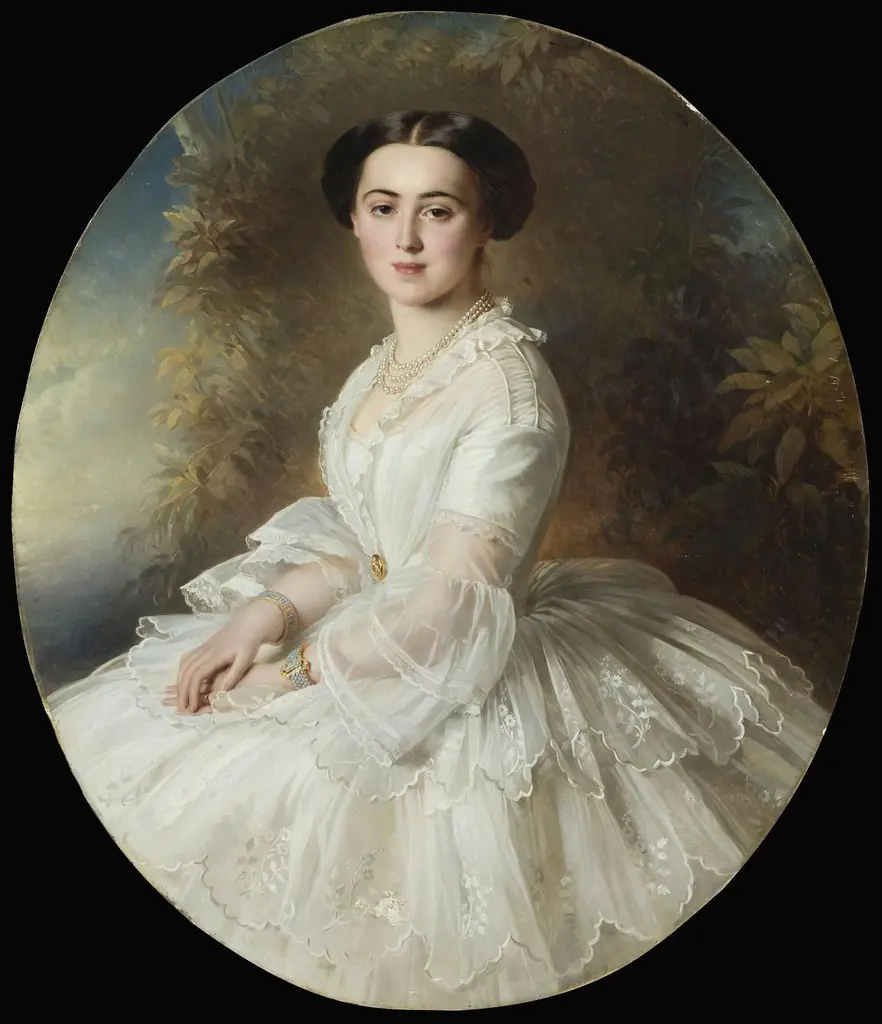 Portrait of Grand Duchess Olga Feodorovna
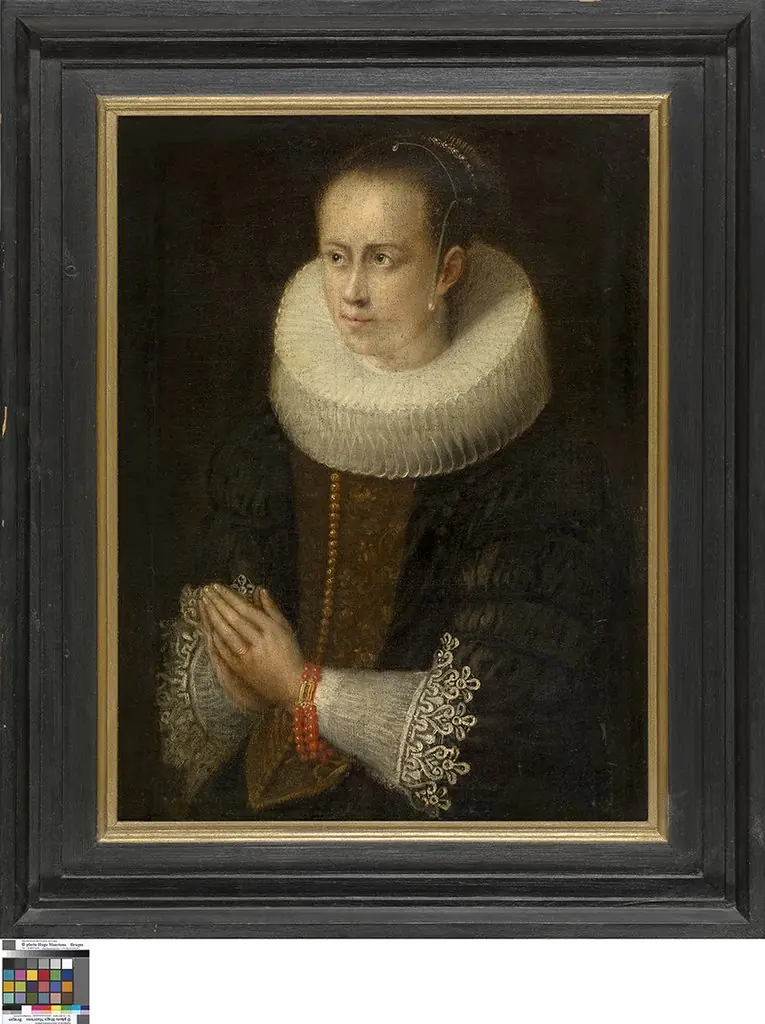 Portret van een vrouw in gebed
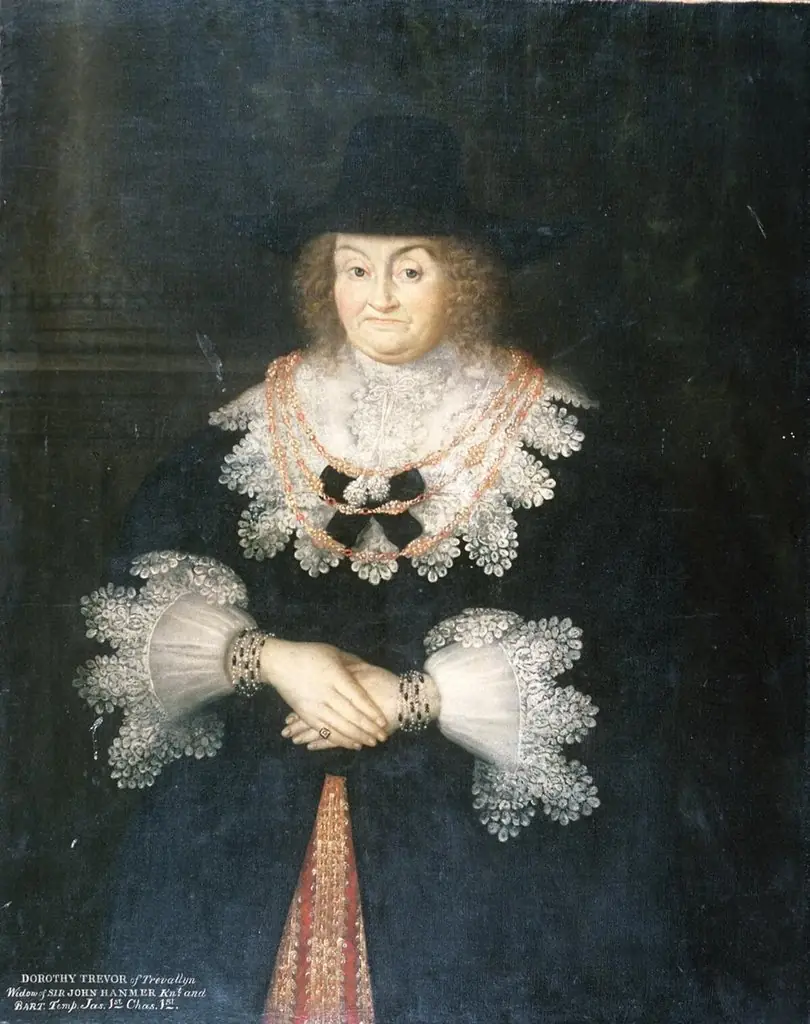 Dorothy Trevor of Trevallyn
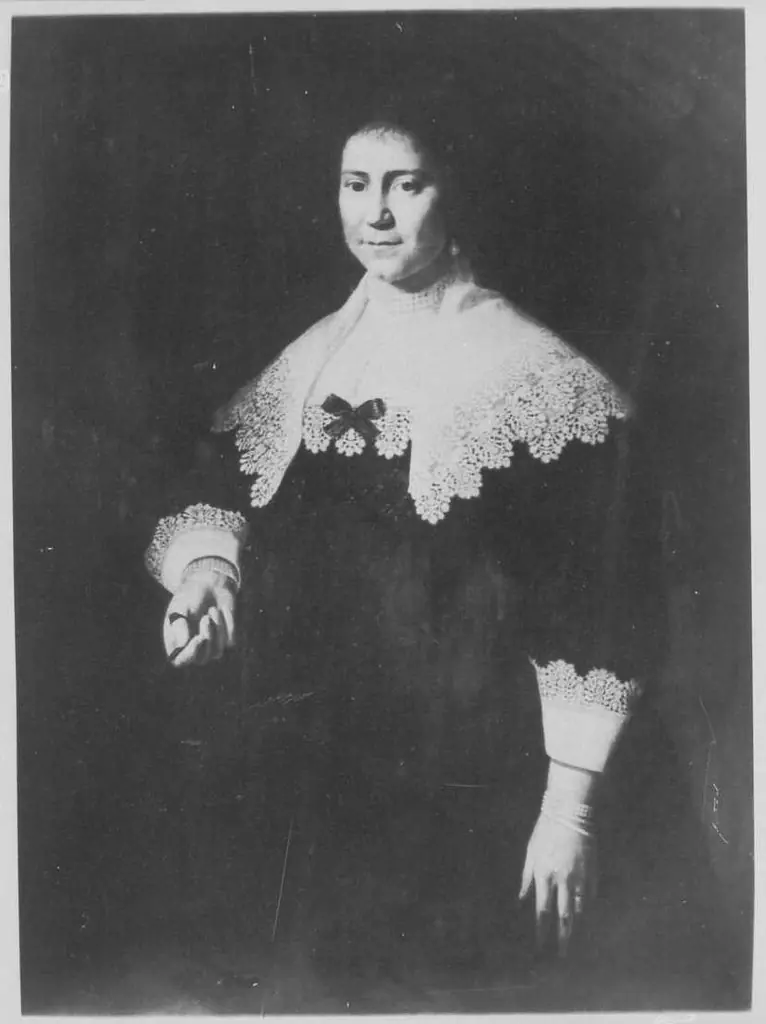 Portrait of a Lady with a Fan
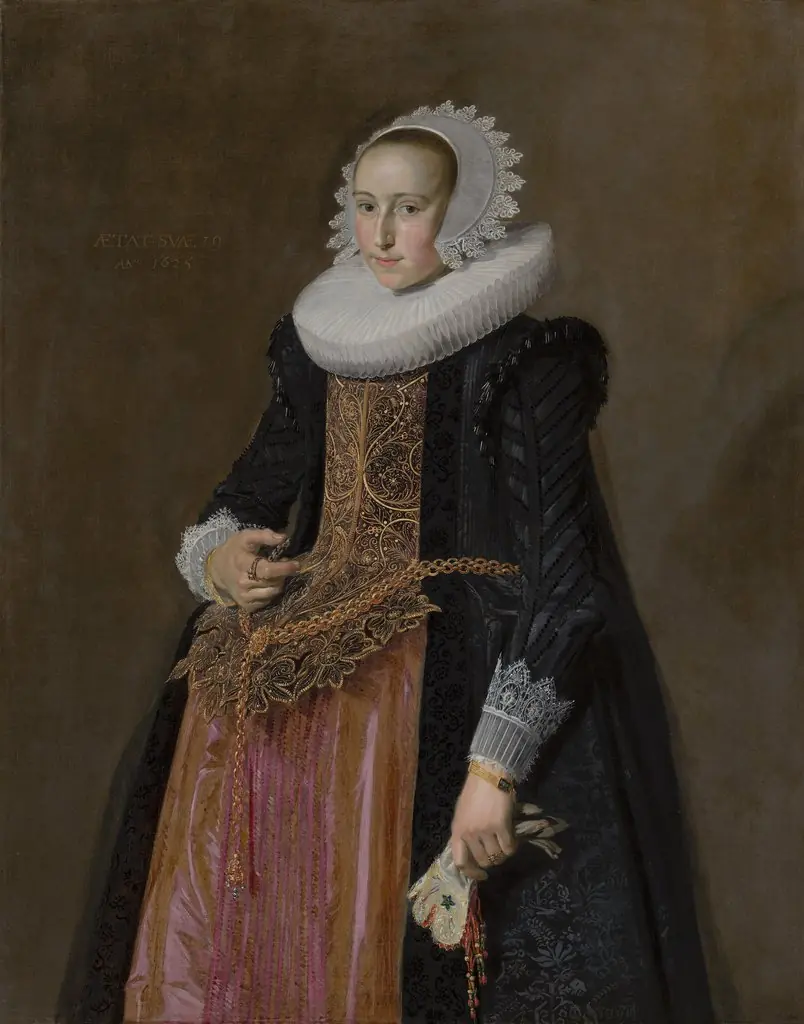 Portrait of Aletta Hanemans (1606–1653)
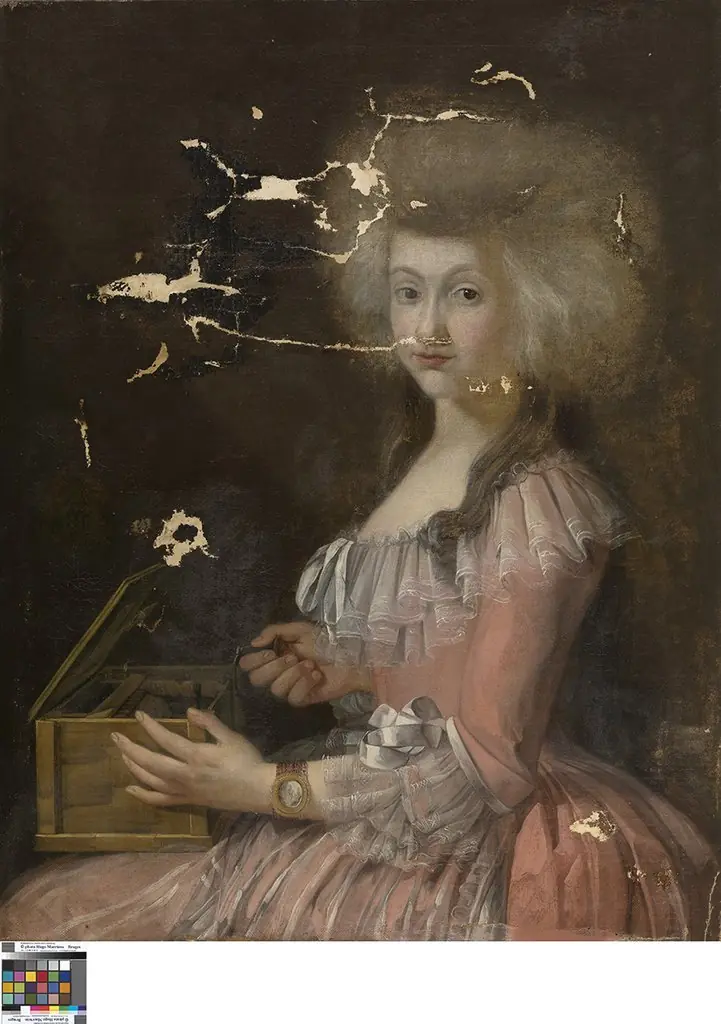 Portret van een vrouw
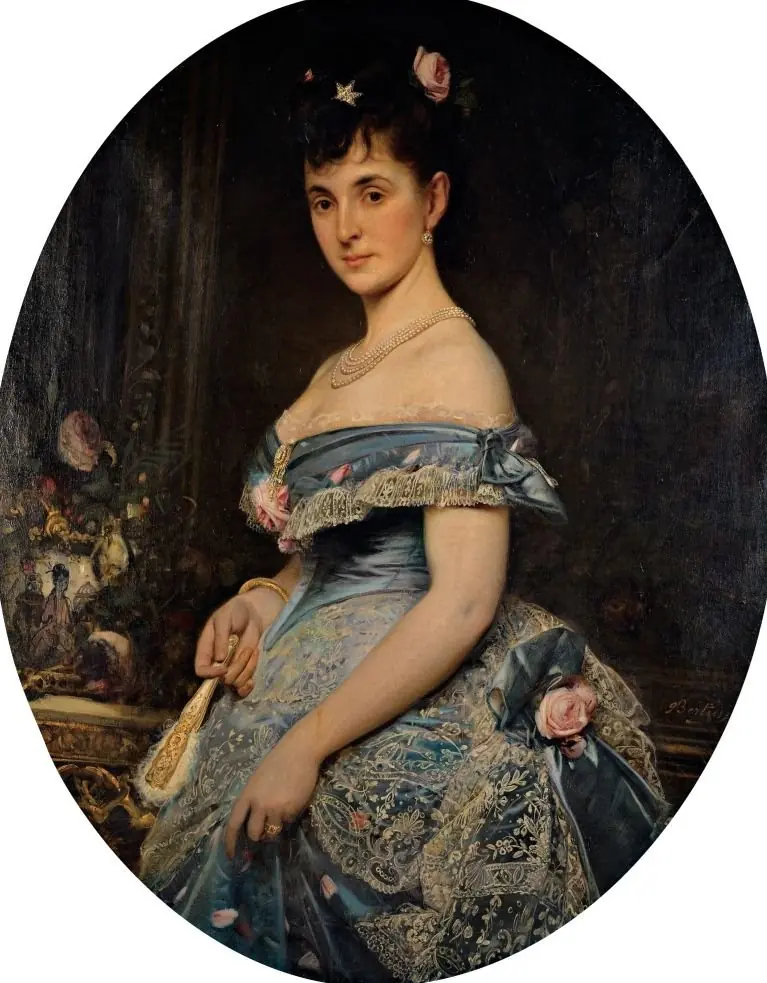 Portrait of Bice Sullam Pisa
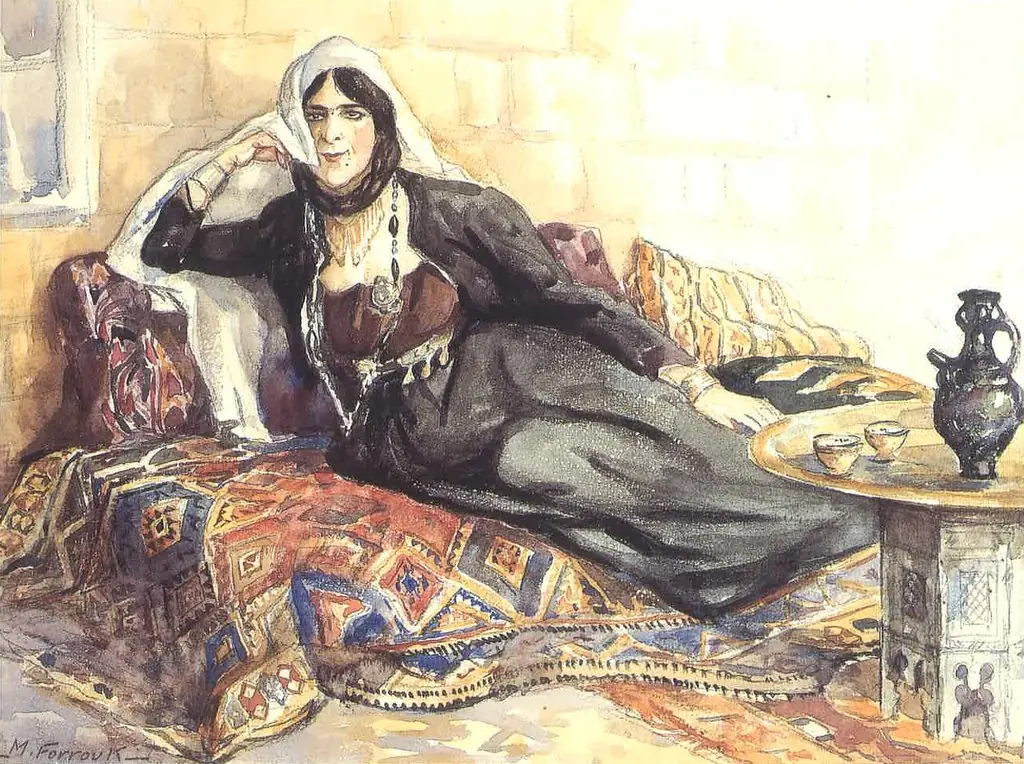 A Lady From the Mountain
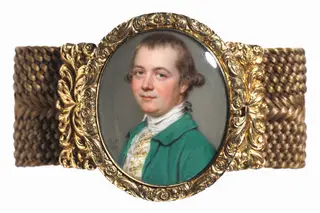 Portrait of Constantine Phipps
Frequently asked questions
What is Bracelet?
Bracelet is a subject in art. A bracelet is an article of jewellery that is worn around the wrist.
How many Bracelet works does Artifact World Gallery have?
Artifact World Gallery holds 64 public-domain Bracelet works, all free to view and download.
Who are the key Bracelet artists?
Key Bracelet artists in the collection include Titian, Paolo Veronese and Lorenzo Lotto.
Where can I see Bracelet works?
Bracelet works in the collection are held by Metropolitan Museum of Art, Hermitage Museum and Rijksmuseum.