Artwork
Portrait of Diego Hurtado de Mendoza
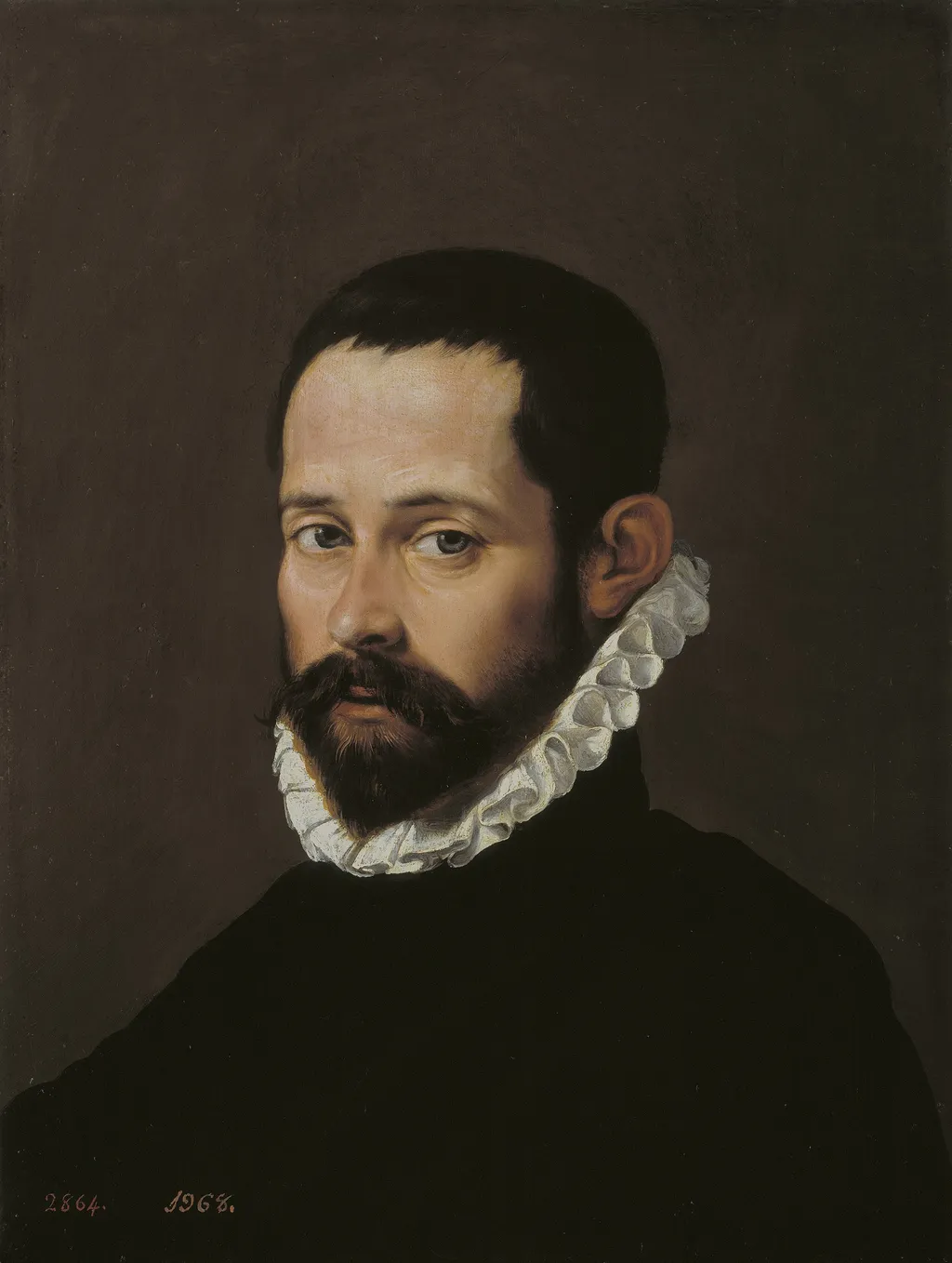
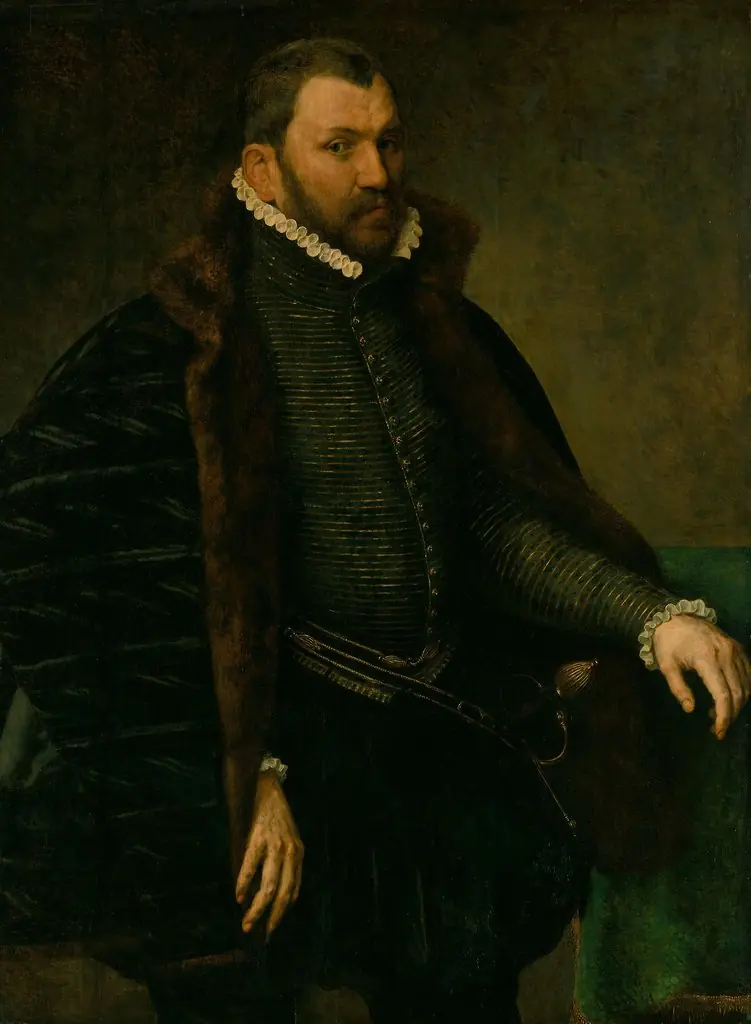
Portrait of Diego Hurtado de Mendoza is an oil painting by the Mannerist artist Unknown. It dates from 1560 and is held in the collection of the Museo del Prado. The work is an oil painting that presents a close‑up view of a bearded man.
About this work
Subject & Meaning
The painting portrays Diego Hurtado de Mendoza, 1st Count of Melito, a Spanish nobleman and military leader of the 16th century. Rendered in oil on panel, the portrait emphasizes his aristocratic status through formal attire and dignified pose, reflecting Renaissance ideals of power and lineage. The work is housed in the Museo del Prado, where it remains part of the permanent collection.
Technique & Style
The work is an oil painting created on a wooden panel, measuring 45 cm in height by 33 cm in width. Executed circa 1560–1570, it portrays Diego Hurtado de Mendoza, 1st Count of Melito, in a conventional portrait format that emphasizes formal composition and restrained stylistic detail typical of mid‑sixteenth‑century Spanish portraiture.
History & Provenance
The Portrait of Diego Hurtado de Mendoza is dated to 1560, with an alternative inception date of circa 1570 also recorded for the work.
The Portrait of Diego Hurtado de Mendoza is dated to 1560, with an alternative inception date of circa 1570 also recorded for the work. It is an oil painting on panel, measuring 45 cm in height by 33 cm in width, and depicts Diego Hurtado de Mendoza, 1st Count of Melito. The painting is held in the collection of the Museo del Prado, where it remains located. No details regarding its commission, prior ownership, or chain of custody are documented in the available sources.
Overview
The work is an oil painting that presents a close‑up view of a bearded man. He wears a black shirt beneath a stiff, white ruff, and his gaze meets the viewer directly. The background is uniformly dark, allowing the figure’s face to dominate the composition.
Context
Created during a period when Spanish court portraiture emphasized realism and sober elegance, the painting reflects contemporary preferences for clear, direct representation of status and character. The plain background aligns with the era’s focus on the individual rather than decorative settings.
Artist & collection









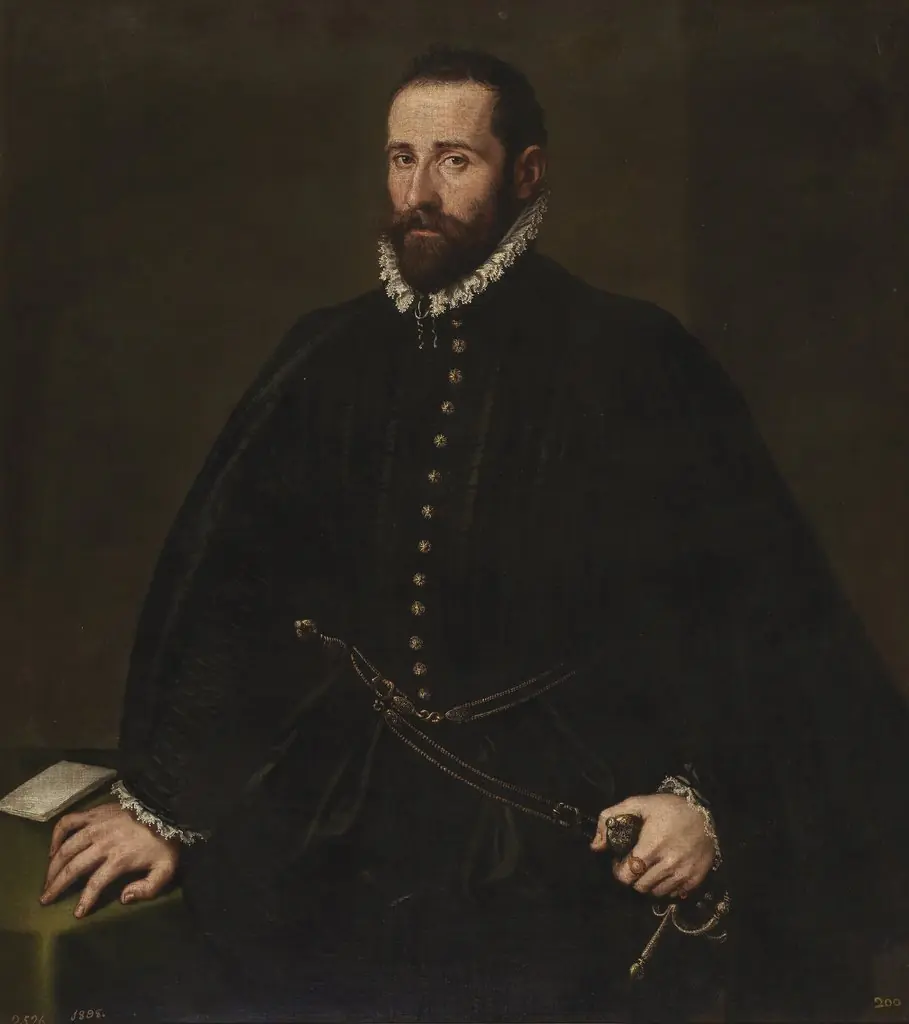 Portrait of a Gentleman
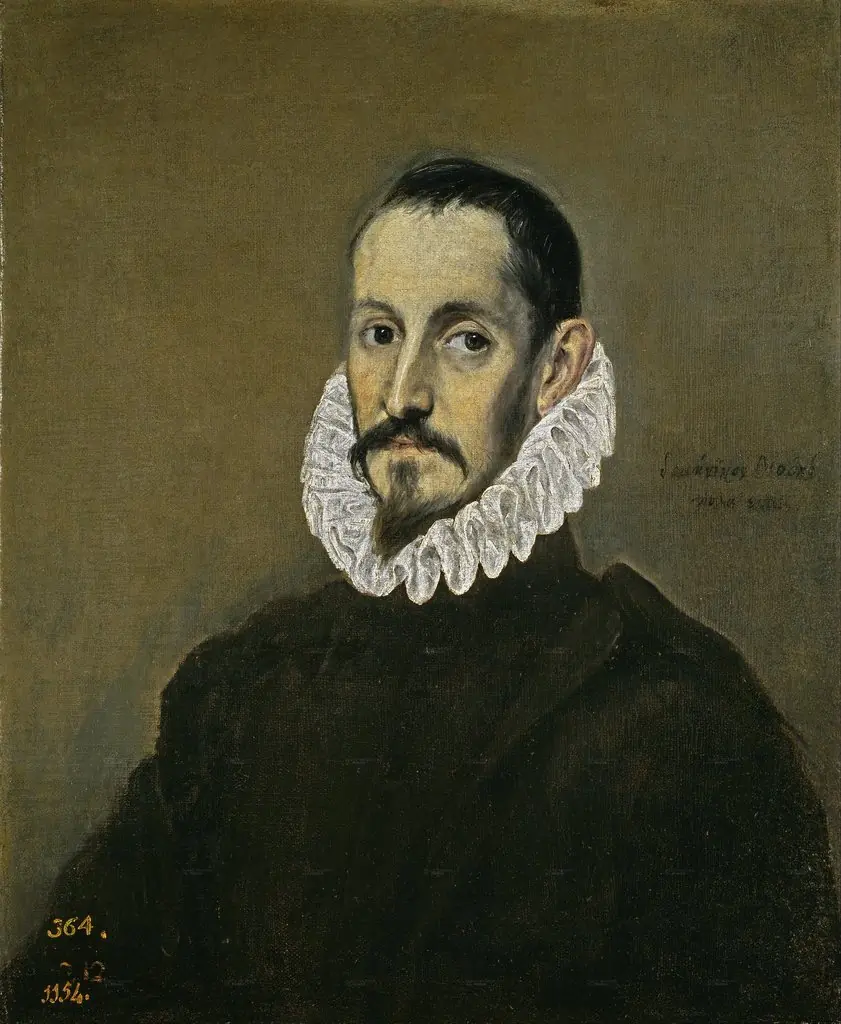 Portrait of a gentleman
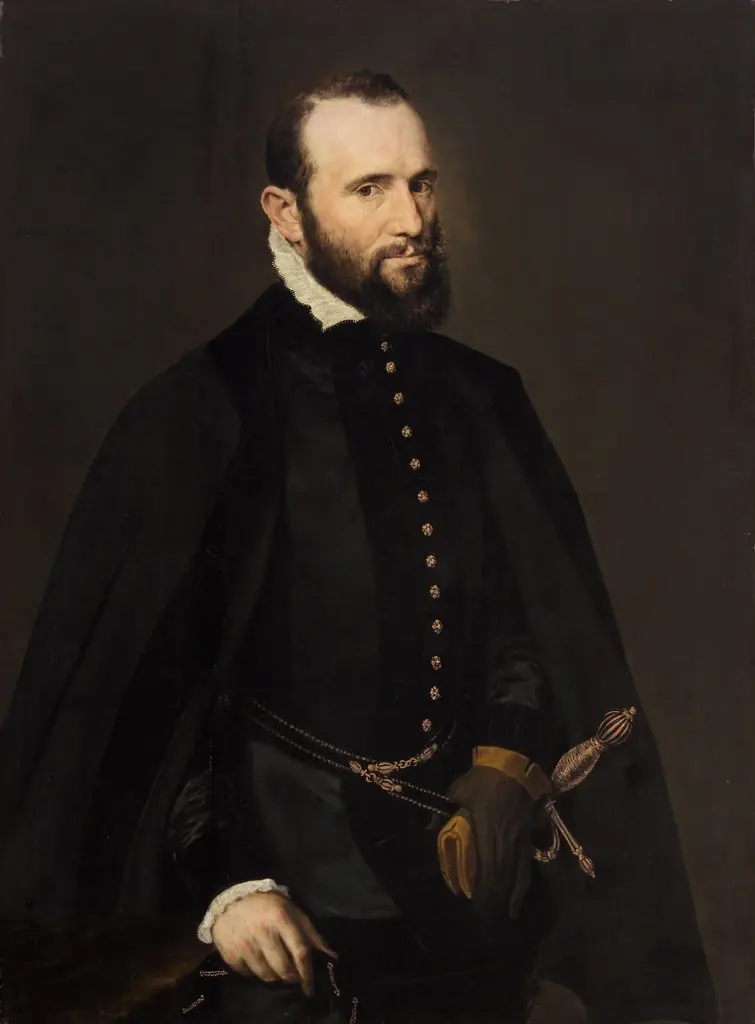 Portrait of a man
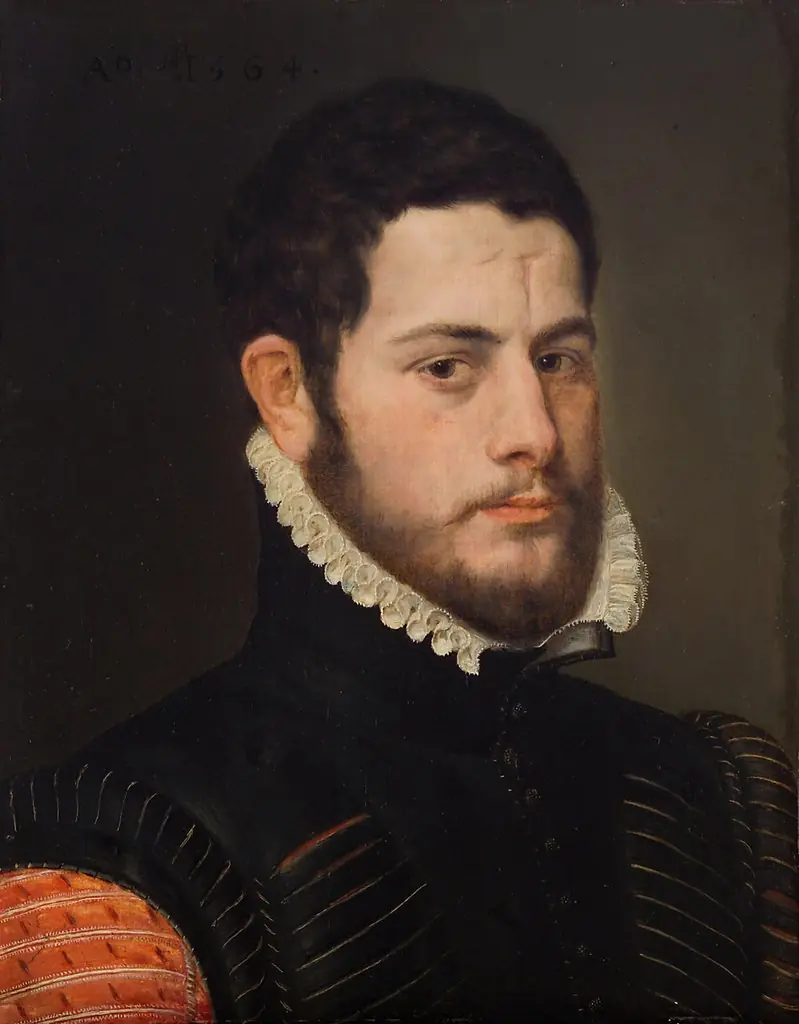 Portrait of a Man with Brow
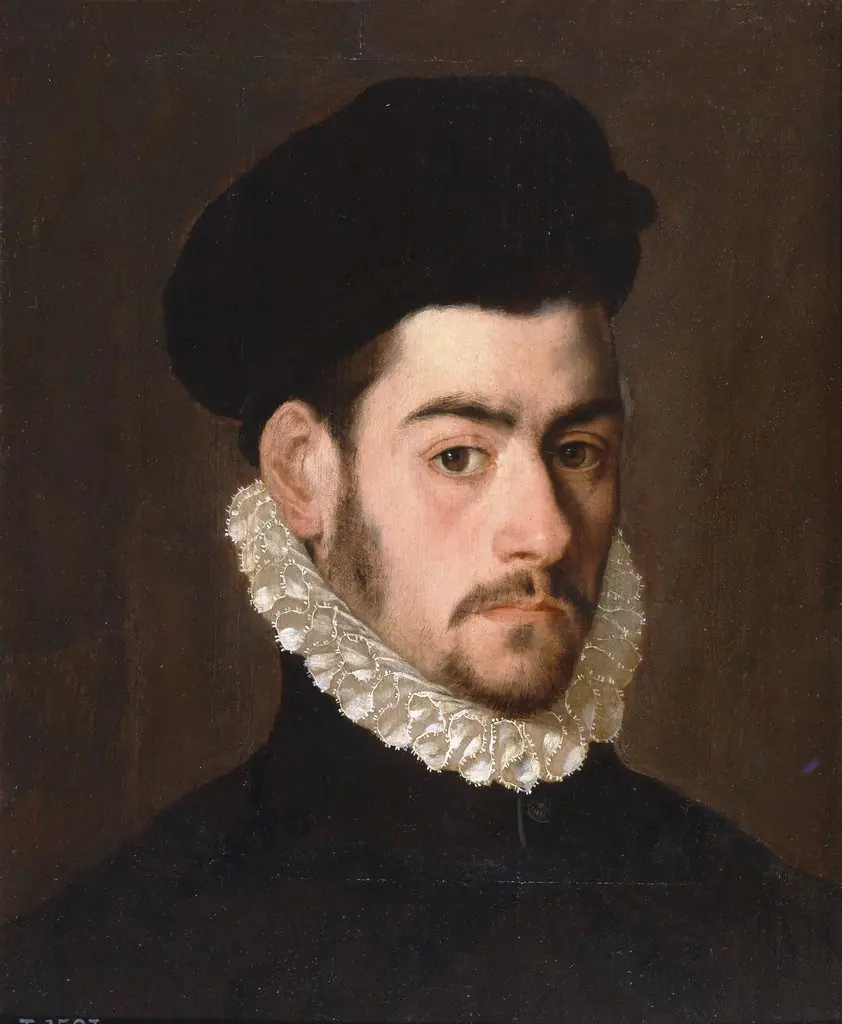 Self-portrait (?)
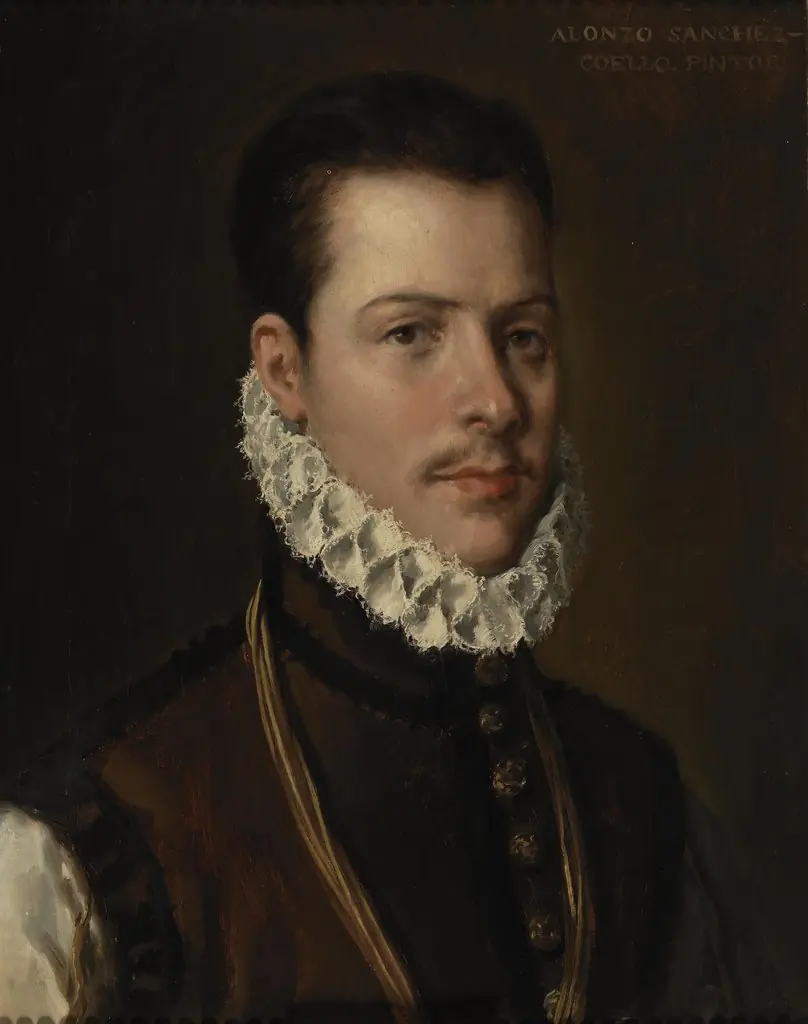 Fernando de Aragón y Borja duque de Villahermosa y conde de Ribagorza (copia)
 Portrait of Gottfried Hautappel
 Portrait of a Man
 Portrait of Rodrigo de la Fuente
 Portrait of a man
 Portrait of a Man
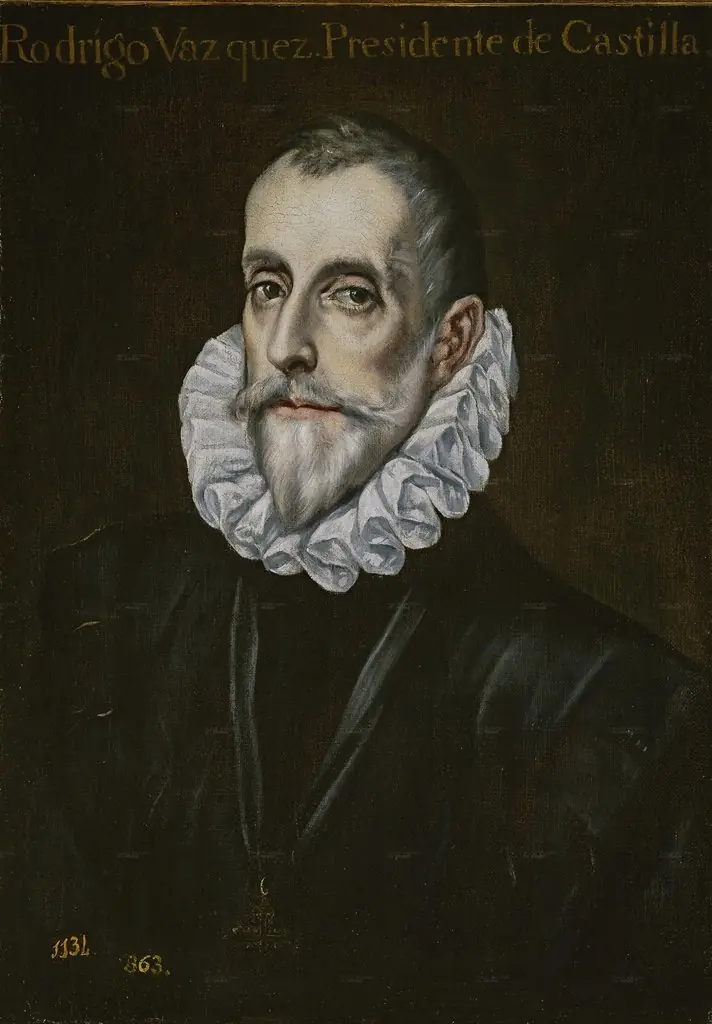
- Portrait of Rodrigo Vázquez de Arce